
Category: Clean Eating

  • Don’t Miss These Diet & Lifestyle Tips During Festivities

    Don’t Miss These Diet & Lifestyle Tips During Festivities

    Festivals are a time of joy, togetherness, and celebration. As the festive season draws near, it’s easy to get carried away by the excitement, forgetting our health goals and indulging in excessive feasting. They often bring with them an abundance of delicious, but not always healthy foods along with disrupted routines and increased stress. It is highly important to strike a balance between enjoying the festivities and taking care of your health.

    Here are some essential diet and lifestyle precautions to help you make the most of the festival season while maintaining your well-being.

    • Plan Your Meals

    Festivals are synonymous with feasting, and it’s easy to overindulge. To maintain a balance, plan your meals ahead of time. Choose healthier options and keep your portion sizes in check. Incorporate plenty of fresh fruits, vegetables, lean proteins, and whole grains into your festival diet to ensure you’re getting essential nutrients.

    • Stay Optimally Hydrated

    Amidst the excitement of the festivities, it’s easy to forget to drink enough water. Dehydration can lead to fatigue and headaches. Carry a water bottle with you and aim to drink at least 8-10 glasses of water daily. Herbal teas, coconut water, and homemade fruit-infused water can be refreshing alternatives.

    • Mindful Eating

    Practise mindful eating during the festival season. Enjoy each bite, savour the flavours, and eat slowly. This not only helps you appreciate the food but also prevents overeating. Pay attention to your body’s hunger and fullness cues to avoid mindless snacking.

    • Limit Sugary Treats

    Festivals often feature an array of sugary sweets and desserts. While it’s perfectly fine to enjoy them in moderation, don’t go overboard. Excessive sugar consumption can lead to energy crashes and weight gain. Opt for smaller portions and try healthier dessert alternatives like fruit salad, dry fruits ladoo, fruit custard, beetroot halwa etc.

    • Stay Active

    Festivals can disrupt your regular exercise routine. However, try to stay active whenever possible. Take a walk with family or friends, participate in traditional dance or outdoor games, or simply engage in light stretching exercises. Staying active will help burn off extra calories and keep you energised.

    • Manage Stress

    Festivals can be stressful with all the preparations, social gatherings, and family expectations. Stress can take a toll on your mental and physical health. Practice stress management techniques such as deep breathing, meditation, or yoga to stay calm and centred during this time.

    • Get Sufficient Sleep

    Ensure you get enough rest during the festival season. Lack of sleep can lead to fatigue, weakened immunity, and increased stress. Try to maintain a regular sleep schedule and create a relaxing bedtime routine to improve the quality of your sleep.

    • Food Safety

    Food safety is crucial during festivals, especially when sharing meals with family and friends. Ensure that food is prepared and stored correctly to prevent foodborne illnesses. Also, be cautious about eating street food or consuming raw or undercooked dishes.

    • Stay Connected

    Festivals are a time for social interaction and bonding. Spend quality time with loved ones and engage in meaningful conversations. Strong social connections contribute to emotional well-being.

    8e4b88 ad0e0d8b807340258d5a9049a7060783~mv2

    Festivals are an integral part of our lives. However, with a mindful approach to both diet and lifestyle choices, you can enjoy the festivities without compromising your health. By following these diet and lifestyle precautions, you can strike a balance between indulgence and well-being. Remember that moderation is key, and making conscious choices will help you navigate the festival season with both joy and good health.

    Wishing you a very happy diwali & togetherness from Hormone Reset Team!

    Share

  • Black Are the New Greens

    Black Are the New Greens

    Did you ever think of the color “black” when you thought about which colors to include in your plate?

    Well if not, then it’s high time to paint your diet black. Wondering why? Although black foods happen to be way healthier than many superfoods, we only think of greens, yellows and reds etc. as being loaded with nutrients and antioxidants. Black foods aren’t as frequently associated with nourishment and health.

    Just to bust the myth, black foods are high in various essential nutrients. One example is anthocyanin pigments which have been found immensely useful to lower the risk of heart diseases, diabetes and even cancer!

    Let’s dig deeper into the world of black foods.

    1. Black rice
    2. Black bean
    3. Black olive
    4. Black sesame
    5. Black berries
    6. Black raisin
    7. Black garlic
    8. Black walnut

    Black Rice

    staging.hormonereset.in post black are the new greens

    It’s commonly cultivated in the South East Asian region. The Chinese refer to it as Forbidden Rice as, in ancient times, it used to be reserved for Chinese Royalty. High in lutein and zeaxanthin, this rice has a nutty flavor and supports good eye health. Because of their strong anti-oxidant and fiber content, it offers cancer-fighting qualities. Most importantly, it can be used in a number of recipes such as puddings, stir-fries, risotto, oatmeal, and noodles. Even bread can be prepared from it.

    Black Bean

    staging.hormonereset.in post black are the new greens 1

    They are native to the US. The hard black shell of black beans is constituted out of antioxidant rich pigments called anthocyanins. Inside the beans, flavonoids like kaempferol and quercetin are found in rich quantities. Given the fact that 80% of American populations are deficient in magnesium, one cup of black beans happens to provide an impressive 120 mg (30% DV) of magnesium. Not only that, they are loaded with antioxidants, protein, fiber and a number of essential vitamins and minerals, especially nutrients many of us do not get enough of. 275% of Manganese needs, 64% of Folate needs as well as good amounts of zinc, copper and iron get provided by black beans.

    Black Olive

    staging.hormonereset.in post black are the new greens 2

    Black Olives are native to Central America, Mexico, Caribbean, and northern South America. They are rich in Vitamin E, polyphenols, oleocanthal, and monounsaturated fats and may be used in pasta, pasta, stir-fries, salads, pickles, and beverages. They are highly instrumental in preventing artery clogging, the maintenance of eye health, the prevention of DNA damage, the promotion of excellent skin health, and the maintenance of hair health.

    Black Sesame

    staging.hormonereset.in post black are the new greens 3

    Originated in China and Southeast Asia, black sesame is high in protein, selenium, fibre, potassium, iron, calcium, copper, zinc, and Vitamin E and can be used in varieties of salads, garnishing, making laddoos, smoothies, soups, hummus, dips, tahini etc. It also includes Sesamin, an ingredient that aids in the reduction of inflammation that is in turn instrumental in eradicating pain & swelling. Ingesting 1-2 teaspoons of black sesame daily can do wonders to health.

    Black Berries

    staging.hormonereset.in post black are the new greens 4

    Native to North and South America, Asia, and Europe, they are believed to drastically reduce inflammation and strengthen one’s immunity. Rich in Antioxidants, they can be extensively used in deserts, salads, smoothies or pancakes. Women having irregular or delayed menstrual cycles can derive immense benefits from blackberries.

    Black Raisin

    staging.hormonereset.in post black are the new greens 5

    Native to UK, New Zealand, Australia and Ireland, this seasonal fruit has a range of benefits on offer. Rich in lutein, zeaxanthin, it prevents retinal macular degeneration and retinal damage. One of its very important components, resveratrol is known to have anti-cancer properties along with improvement of cardiac health by lowering of LDL levels. Furthermore, proanthocyanidins, another important component, is known to have immense benefits for skin health. Black raisins are widely suggested in smoothies, salads, jams, and even kheer too.

    Black Garlic

    staging.hormonereset.in post black are the new greens 6

    Likely to have originated in Korea, the Cloves of Black Garlic are known to have immense health benefits. On being added to stir fries, soups and baking, the caramelised, savoury rich flavour adds a different dimension to the dishes! Furthermore, antioxidants such as these are helpful in preventing inflammation and act as immense memory boosters. Preventing cell damage and lending protection from cancer are two other health benefits as well.

    Black Walnut

    staging.hormonereset.in post black are the new greens 7

    Native to Iran, black walnuts are rich in omega-3 alpha-linolenic acid which has high heart benefits. High in ellagic acid which is good for keeping the heart fit, they’re also high in unsaturated fats which help you lose weight by regulating hunger and giving a feeling of fullness. Rich in antioxidants such as melatonin, black walnuts can aid in improving sleep quality as well as duration.

    Which one of these black foods have you tried? How was your experience?

    Share it with us in the comments section below.

    1e197b c8eaef0bf6c64dd5980da2dcd30b86fbmv2 1

    References :
    1. Chaiyasut, C., Sivamaruthi, B., Pengkumsri, N., Keapai, W., Kesika, P., Saelee, M., Tojing, P., Sirilun, S., Chaiyasut, K., Peerajan, S., & Lailerd, N. (2016). Germinated Thai Black Rice Extract Protects Experimental Diabetic Rats from Oxidative Stress and Other Diabetes-Related Consequences. Pharmaceuticals, 10(4), 3. https://doi.org/10.3390/ph10010003
    2. Thompson, S. V., Winham, D. M., & Hutchins, A. M. (2009). Black bean and chickpea consumption reduce glycemic response as part of a rice meal. The FASEB Journal, 23(S1). https://doi.org/10.1096/fasebj.23.1_supplement.540.2

    Share

  • All About Gallstones

    All About Gallstones

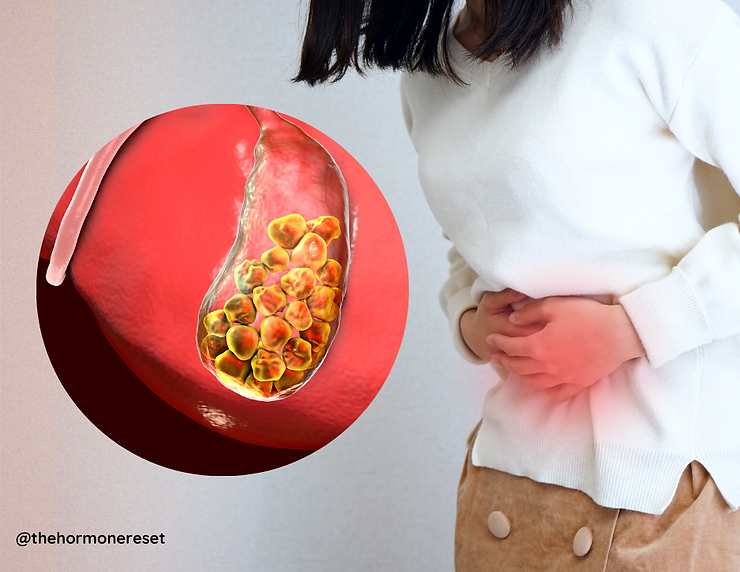
    Gallstones have become a ubiquitous problem with estimates suggesting up to 20-25% of various populations having the condition. Though initially relatively asymptomatic, when allowed to worsen and maybe get infected, it can become an excruciatingly painful and serious problem. Most patients are offered a relatively simple solution – cholecystectomy: surgical gallbladder removal!

    As we will understand in this blog, this approach is like shooting the victim of a crime while the criminal goes scot-free!

    The primary reasons leading to gallstone formation are hepatic-biliary congestion, excessive and the wrong type of cholesterol in the liver, poor gallbladder emptying, estrogen overload, etc. Let us understand these in detail.

    • HEPATIC BILIARY CONGESTION – The most common underlying reason is what is referred to as hepatic-biliary congestion. This can be triggered by many factors, the simplest being chronic dehydration. Due to insufficient hydration, the bile becomes thick and sticky. As a result, the fats and other salts in the bile tend to precipitate out and form stones.
    • CHOLESTEROL – Due to an imbalance in diet, the amount of cholesterol in bile increases, making it thick and sluggish. As bile becomes thick cholesterol gets supersaturated and precipitates out in the form of soft stones of different sizes (Over 80% of gallstones are made of cholesterol). Some of these can get lodged in the gallbladder. Over a period of time as more cholesterol precipitates, these stones grow bigger and can get infected leading to the telltale symptoms of gallbladder disease – severe pain and inflammation.
    • LOW-FIBRE DIET – The low fibre content in diet also contributes to this process. Dietary fibre plays an important role in the excretion of excess cholesterol from the system. Typical modern diets are very low in fibre leading to higher cholesterol levels which contribute to gallstone formation.
    • INCREASED NUCLEATION – Increased nucleation of cholesterol particles also plays a role in the gallstone formation process. These diets low in fibre and fats and high in refined carbs may also have a role in this process. The cholesterol particles thus created are sticky and dense, much more likely to stick together to form stones.
    • ESTROGENS – Higher levels of estrogen in the body also contribute to the process of gallstone formation. Estrogen induces an increased input to the free cholesterol pool in the liver by up-regulating the low-density lipoprotein (LDL) receptor. This increased cholesterol in the liver then tends to precipitate out in the form of stones. This is one reason why women are much more likely than men to suffer from gallstones.
    • GALLBLADDER HYPOMOTILITY – Poor emptying of the gallbladder is another important reason contributing to gallstone formation. When the gall bladder does not empty completely, bile tends to stagnate in the bladder increasing the chances of formation of sludge and stones. The most common reason for this is a diet that is low in fats and high in refined carbohydrates (LCHF). Unfortunately, this is a very typical diet recommended by health authorities in various countries!

    Gall bladder empties itself in response to fat in the diet. When we consume a diet low in fats, the bladder does not empty fully leading to bile stagnation. Stagnating bile is an obvious trigger for stone formation!

    For most people, there is usually a combination of the above factors that lead to the formation of gallstones.

    HOW TO PREVENT GALLSTONES?

    1e197b 5b32dba52b434068ba9256043ec4c5f9mv2

    The good news is that almost all the reasons leading to gallstone formation are modifiable i.e. we can choose a lifestyle that prevents gallstone formation. Let us look at the various changes we can make to reduce the possibility of getting gallstones as well as getting rid of them if we already have them.

    • HYDRATION – Proper hydration is a fundamental requirement that ensures the bile is thin and free-flowing.
    • DIETARY CHANGES – Dietary changes are perhaps the most important factor that we can easily influence in our favour.
      • A diet based on unrefined wholegrains and lots of vegetables and fruits helps reduce the likelihood of bile fats precipitating out as stones.
      • Consuming a good amount of healthy fats in the diet ensures that the bile is used up for digesting the fats. This ensures that the bile does not stagnate in the bladder thereby reducing the chances of stone formation.
      • The increased fibre content in the diet helps in reducing the cholesterol load in the body hence reducing stone formation chances
    • GALLBLADDER MOTILITY – Ensuring good gallbladder motility is another important step toward reducing the likelihood of gallstone formation. Better motility helps the bladder empty itself completely so that bile does not sediment and solidify. Bitter herbs are useful in improving gallbladder motility.
    • ESTROGEN – Estrogen dominance is one key reason for excess cholesterol leading to fat precipitation in the form of stones. Hence ensuring estrogen levels are balanced is key to preventing gallstone formation. One of the reasons for excess estrogen is xenoestrogen – i.e. estrogen-like substances coming into the body from outside. Reducing estrogen overload and minimising the influx of xenoestrogens is important to reduce the chances of gallstone formation. Ensuring optimal liver function and bowel movements is important in reducing estrogen dominance.
    • CHOLESTEROL – High levels of cholesterol – especially the dense and sticky particles of cholesterol tend to stick to each other and speed up the process of stone formation. Implementing the required dietary and lifestyle changes to improve the lipid profile is key to reducing stone formation likelihood.

    A NOTE ON CHOLECYSTECTOMY – As I mentioned earlier, removing the gallbladder is like shooting the victim of a crime while the criminal is allowed to go scot-free. This approach completely ignores the root causes of the problem while focusing only on the symptoms. As the reasons remain unaddressed, the formation of stones continues even after the removal of the gallbladder leading to many issues in the future.

    On the other hand, the removal of the gallbladder leads to very poor digestion of fats creating long-term metabolic deficiencies in the body. One common outcome is deficiencies of fat-soluble vitamins like Vitamin A, D, E and K. In turn these deficiencies lead to the development of various chronic ailments in the long term.

    DISSOLVING EXISTING STONES

    The various points mentioned above can help one reduce the chances of getting gallstones as well as reduce the likelihood of recurrence for those who have had stones in the past.

    However, when it comes to existing stones, conventionally it is considered impossible to reduce or dissolve them. There is a large volume of scientific research and clinical studies have highlighted various protocols that can help dissolve or flush out existing stones.

    In the Hormone Reset Program, improving hepato-biliary health is one of our key focus areas.

    Get in touch with us if you need help with liver and gallbladder-related issues.

    1e197b c8eaef0bf6c64dd5980da2dcd30b86fbmv2

    References

    1. VAN ERPECUM, K. J., & VAN BERGE-HENEGOUWEN, G. P. (1999, March 1). Gallstones: an intestinal disease? Gut, 44(3), 435–438. https://doi.org/10.1136/gut.44.3.435
    2. Di Ciaula, A., Molina-Molina, E., Bonfrate, L., Wang, D. Q., Dumitrascu, D. L., & Portincasa, P. (2019). Gastrointestinal defects in gallstone and cholecystectomized patients. European journal of clinical investigation, 49(3), e13066. https://doi.org/10.1111/eci.13066
    3. Igimi, H., Tamura, R., Toraishi, K., Yamamoto, F., Kataoka, A., Ikejiri, Y., Hisatsugu, T., & Shimura, H. (1991). Medical dissolution of gallstones. Clinical experience of d-limonene as a simple, safe, and effective solvent. Digestive diseases and sciences, 36(2), 200–208. https://doi.org/10.1007/BF01300757
    4. Di Ciaula, A., Molina-Molina, E., Bonfrate, L., Wang, D. Q., Dumitrascu, D. L., & Portincasa, P. (2019). Gastrointestinal defects in gallstone and cholecystectomized patients. European journal of clinical investigation, 49(3), e13066. https://doi.org/10.1111/eci.13066

    Share

  • Healthy Fats For Women Health

    Healthy Fats For Women Health

    Fats are bad. If you still believe this, this article is definitely for you!

    Fats are food for the brain. It is extremely essential for healthy hair, skin, happy hormones, maintaining a healthy reproductive system, healthy joints and a robust immune system.

    Fat is the one of the most important fuel sources for the body after the primary source- carbohydrates. Fats can be classified into 3 categories such as saturated, unsaturated and trans fats.

    Saturated fats come from animal products such as meat, dairy as well as coconut and coconut oil. Reducing animal fats in the diet can help reduce inflammation and therefore also improve hormone balance. Monounsaturated and polyunsaturated fats found mostly in plant foods such as nuts, flax seeds, avocado, olive oil as well as salmon, fatty fishes. They help to raise the good HDL while lowering the LDL in the body.

    For maintaining a healthy hormone level a woman needs a good amount of anti-inflammatory fats in her diet. This surely helps lower inflammation and keep hormone production adequate during the reproductive years. Also it has been seen that Omega-3 assists balancing FSH levels and sex hormone, testosterone for women.

    Low healthy fat diets are as detrimental to hormone health as trans fat diets. Inadequate intake of dietary fat leads to low hormone production. This has been seen in many women with extremely low BMI and psychological disorders as anxiety/depression. It has been associated with poor mental health and even an increase in depression.

    Why is Ghee classified as one of the healthiest fats ?

    1e197b 9b46cb8b0860407ab7aba783228db62cmv2

    Ghee or clarified butter is made by heating butter that results in segregation of milk solids and water leaving behind the golden butter fat. It is easily digestible and highly nutritious with a subtle aroma and flavor. Ghee mainly originated in India and is widely used for its healing properties. It is a great detoxifier for the GI system too.

    Study reveals that most skinny people often have dry skin, suffer painful or irregular periods, and have lower immunity to cold, coughs and flu. A dash of ghee with meals is the easiest way to promote good health.

    1. Ghee is a great source of butyrate. Butyrate is a short-chain fatty acid which acts as a natural detoxifier. It has an anti-inflammatory property and improves colon health. Studies reveal that consuming an adequate amount of ghee supports healthy insulin levels too. It can be helpful for constipation management as well.
    2. Packed with fat soluble vitamins such as A,D,E,K. Vitamin A and E are known as powerful antioxidants which boost hormonal balance, fertility, eyesight and stamina levels. Vitamin D is critical in immune function as well as in bone health. Ghee contains an absorbable form of Vitamin D that helps with the proper functioning in the brain.
    3. Ghee is very much safe for cooking, the composition does not break down while heating up, unlike other oils, which break down into free radicals at boiling point. This makes it safe for cooking, frying, sautéing, tempering etc.
    4. Ghee is one of the few byproducts of milk which does not contain milk solids. Since these have been removed, lactose or casein intolerant people can consume ghee safely.
    5. It is a saturated fat, and unlike trans fats, safe to consume without the risk of heart diseases. In fact, it boosts good cholesterol (HDL), which the body needs.
    6. Ghee contains a large amount of Conjugated Linolenic Acid (CLA). Studies have shown that this substance inhibits breast cancer, aids in weight loss and is also very good for kids to build immunity & bone strength.
    7. Ghee is also known to be beneficial for mental and emotional wellbeing. The molecules present in ghee help balance and cleanse negative emotions from the body.
    8. Ghee has an added advantage which is its long shelf life. It doesn’t spoil so easily if stored in a proper way.

    The takeaway of this article is to ensure consumption of a balanced diet which includes optimal healthy fat intake through a variety of foods eaten each day.

    References :

    1. Brito, L., Tinoco, B., Silveira, K., & Bandeira, C. (2019). Healthy fats and mental Health. European Journal of Public Health, 29(Supplement_1). https://doi.org/10.1093/eurpub/ckz034.032
    2. Sadeghi, A., Djafarian, K., Mohammadi, H., & Shab-Bidar, S. (2017). Effect of omega-3 fatty acids supplementation on insulin resistance in women with polycystic ovary syndrome: Meta-analysis of randomised controlled trials. Diabetes & Metabolic Syndrome: Clinical Research & Reviews, 11(2), 157–162. https://doi.org/10.1016/j.dsx.2016.06.025
    3. Stromsnes, K., Correas, A. G., Lehmann, J., Gambini, J., & Olaso-Gonzalez, G. (2021). Anti-Inflammatory Properties of Diet: Role in Healthy Aging. Biomedicines, 9(8), 922. https://doi.org/10.3390/biomedicines9080922
    4. Sharma, H., Zhang, X., & Dwivedi, C. (2010). The effect of ghee (clarified butter) on serum lipid levels and microsomal lipid peroxidation. AYU (An International Quarterly Journal of Research in Ayurveda), 31(2), 134. https://doi.org/10.4103/0974-8520.72361

    Share

  • Anti-Inflammatory Foods From Kitchen

    Anti-Inflammatory Foods From Kitchen

    What is Inflammation?

    Acute inflammation is a necessary process which occurs in response to injury or infection. It’s our immune system’s natural response and includes signs such as redness, swelling, a warm sensation, or sometimes just a pain. Inflammation constitutes an important aspect of the healing process and therefore is extremely important.

    Chronic inflammation occurs when the body undergoes an unnatural increase in the amount of pro-inflammatory compounds, which linger for a longer period of time. Chronic Inflammation is also an indicator for many chronic ailments.

    How can we reduce Chronic Inflammation ?

    1e197b 419f9103cfeb4b2d8bcce53c2d1ad261mv2
    • Reducing inflammation causing foods in our diet and increasing anti inflammatory items – Avoiding pro-inflammatory foods such as refined grains, sugar, dairy, processed foods, trans fat, soda, margarine etc can improve inflammatory symptoms in the body. Choose a balanced diet and boost your intake of whole grains, leafy vegetables, fruits, lean meat and antioxidant-rich foods.
    • Ensuring sufficient good quality sleep – During sleep, our cells repair and regenerate. When sleep is restricted, cells fail to repair and this can trigger inflammation. A lack of sleep might also alter the body’s stress response system. Ensuring good night sleep for 7-8 hours helps to reduce inflammation.
    • Exercising regularly – Physical activity releases serotonin, which promotes a good night’s rest. Increasing serotonin levels can boost your mood, appetite, digestion, memory, and sexual drive. Exercise will also drive insulin down, and levels will normalize while keeping cortisol in check to prevent it from taking over your body.
    • Reducing stress – Meditating or light yoga for 15-30 mins everyday morning can destress your mind & soul. Reducing stress is another important factor for managing inflammation in your body.

    Here is a list of anti-inflammatory foods which are natural and available in abundance.

    staging.hormonereset.in post anti inflammatory foods from kitchen

    TURMERIC – Curcumin is the main active ingredient in turmeric. It has powerful anti-inflammatory effects and is a very strong antioxidant as well as a selective antimicrobial and antifungal. However, the curcumin content of turmeric is not that high, it’s around 3%, by weight. So, it can be difficult to ensure the levels just using the turmeric spice in your foods. Hence, it’s imperative to have an extract rich in curcumin so that you get to experience the full range of benefits. Also, you should add black pepper to your plate along with turmeric to increase absorption of curcumin which otherwise is very low.

    staging.hormonereset.in post anti inflammatory foods from kitchen 1

    GINGER– In addition to its numerous health benefits, this wonder spice has digestion-friendly properties. Ginger has potential for treating a number of ailments including degenerative disorders (arthritis and rheumatism), digestive health (indigestion, constipation and ulcers), cardiovascular disorders (atherosclerosis and hypertension), diabetes mellitus, and cancer. It also has anti-oxidative and anti-inflammatory properties to help slow down the process of aging. Its additional antimicrobial potential can aid in treating infectious diseases as well.

    staging.hormonereset.in post anti inflammatory foods from kitchen 2

    GREEN VEGETABLES – Veggies are the cornerstone of an anti-inflammatory diet plan. Crucifers like kale, cabbage, broccoli, and brussel sprouts make excellent bases for most meals (include more Indian options of crucifers). These are rich in phytochemicals, flavonoids which are plant-based antioxidants; brussels sprouts are especially high in kaempferol, an antioxidant which is known as its antitumor and high anti-inflammatory properties. Also, green leafy vegetables are an excellent source of vitamin C, potassium, calcium, and vitamin A, all while being low in calories.

    staging.hormonereset.in post anti inflammatory foods from kitchen 3

    FRUITS– In the category of fruits few are known as high anti-inflammatory fruits such as berries, oranges, avocado, cherries, apples etc. Berries contain a lot of polyphenols. They are rich in antioxidants and may help to prevent cancer and heart disease. Avocados are rich in heart-healthy fats. Also, they’re a good source of magnesium, fiber, and potassium. Half an avocado can add nicely to your daily intake of healthy fat, vitamins C, A, E, and B-complex vitamins. One of the key constituents of avocados is polyphenols that work as antioxidants. To a sandwich or salad add avocado slices, or come up with a tasty guacamole. Also, one of the greatest sources of potassium and Vitamin C is Oranges (how about gooseberry?). They also contain fibre, calcium, and folate, which help keep your heart healthy. Vitamin C is essential for immune system function & hormone balance.

    staging.hormonereset.in post anti inflammatory foods from kitchen 4

    NUTS – Nuts are known as anti-inflammatory foods too. Almonds are a great source of MUFA, vitamin E, and manganese, plant protein and magnesium. Walnuts are also a good source of healthy fats, protein, vitamin E, minerals, and phytochemicals called sterols. Walnuts are known to be rich in omega-3 fatty acids that are good for your heart. Always soak nuts and then have them to get rid of the anti-nutrients.

    staging.hormonereset.in post anti inflammatory foods from kitchen 5

    DARK CHOCOLATE – Dark chocolate can benefit your brain and heart health, reduce inflammation, and combat oxidative stress in the body. Dark Chocolate contains flavonoids which can lower Cholesterol & Blood Pressure thereby leading to reduced risks of stroke, blood clots, and heart disease. To get maximum health benefits, you should eat dark chocolate with minimum 80% cacao. You can indulge yourself with coated almonds with dark chocolate. Dark chocolate and cacao contain an amino acid called tryptophan. Your brain uses tryptophan to produce the neurotransmitter Serotonin, which can increase feelings of overall happiness. Serotonin is the feel-good chemical and influences your mood, which has a high impact on stress hormones.

    Here are a few benefits of anti-inflammatory foods.

    1e197b 60c8d27e90974451b69e8af5c4d89b1amv2
    • Helps to boost energy
    • Aids in digestion
    • Reduces mood swings
    • Helps weight loss
    • Reduces risk of heart disease
    • Regulates blood pressure
    • Addresses swollen joints

    A diet rich in anti-inflammatory foods helps prevent many health conditions. Add these foods to your plate to add more value & nutrition in your daily diet.

    References :

    1. Stromsnes, K., Correas, A. G., Lehmann, J., Gambini, J., & Olaso-Gonzalez, G. (2021). Anti-Inflammatory Properties of Diet: Role in Healthy Aging. Biomedicines, 9(8), 922. https://doi.org/10.3390/biomedicines9080922
    2. Zwickey, H., Horgan, A., Hanes, D., Schiffke, H., Moore, A., Wahbeh, H., Jordan, J., Ojeda, L., McMurry, M., Elmer, P., & Purnell, J. Q. (2019). Effect of the Anti-Inflammatory Diet in People with Diabetes and Pre-Diabetes: A Randomized Controlled Feeding Study. Journal of Restorative Medicine, 8(1). https://doi.org/10.14200/jrm.2019.0107
    3. Hewlings, S., & Kalman, D. (2017). Curcumin: A Review of Its Effects on Human Health. Foods, 6(10), 92. https://doi.org/10.3390/foods6100092
    4. Simopoulos, A. P. (2002). Omega-3 Fatty Acids in Inflammation and Autoimmune Diseases. Journal of the American College of Nutrition, 21(6), 495–505. https://doi.org/10.1080/07315724.2002.10719248

    Share

  • Healthy Alternatives To Dairy

    Healthy Alternatives To Dairy

    What is Vegan Milk?

    Vegan milk, also known as plant milk or non-dairy milk, is a beverage that has been consumed for centuries in various parts of the world for various reasons. Some choose to drink it due to health concerns such as an allergy or lactose intolerance, while others drink it for the nutritional benefits it offers.

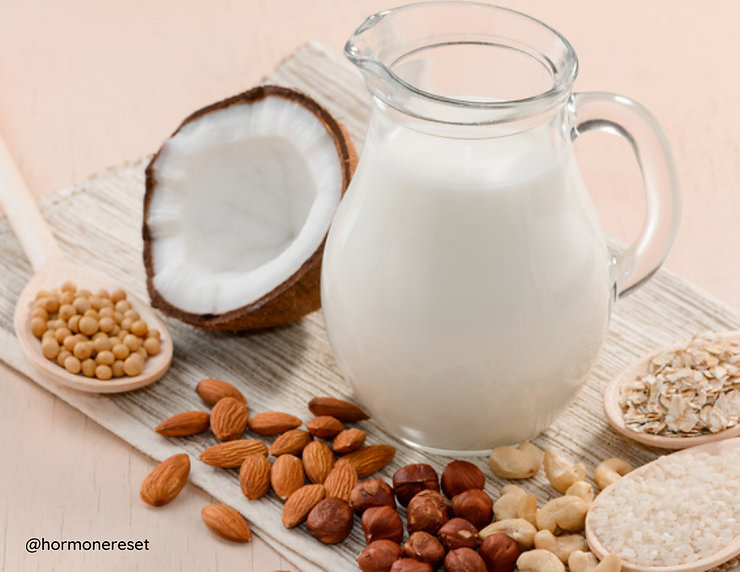
    A lactose-free substitute to cow milk, plant-based milk or vegan milk is usually made from almond, coconut, cashew, oats and hemp.

    A dairy-free diet helps our body and overall health in various ways such as improving digestion, promoting weight loss, improvement in metabolism and energy levels and does not cause any inflammation that might cause the expansion of unhealthy gut bacteria linked to some chronic diseases or conditions including leaky gut. Plant-based milk is rich in vitamins and minerals, and low in calories. It is also advised to people that have a slow gastrointestinal system.

    Different types of Plant based / Vegan milk:

    Almond Milk

    1e197b c308b86e10e7482b9f50f2287306cf77mv2

    Almond milk is presumably the foremost popular plant-based milk. Although this vegan milk may be low in protein, it contains a lot of vitamins and other nutrients such as Copper, zinc, iron, magnesium, vitamin E etc. Almond milk is rich in various antioxidants which may help protect against numerous ailments such as cancer and heart disease etc. Unsweetened almond milk is low in calories and is low in carbohydrates. Almond milk is a great beverage that you can drink as it is or in smoothies, shakes and coffees. It can also be poured over cereals and oatmeal.

    How to Prepare:

    • Soak the almonds in water overnight.
    • Place the soaked almonds during a blender.
    • Add water and start blending. Start at low speed and gradually increase to high. Blend at high for up to 1.5 minutes.
    • This mixture can be used as is. However, for a smoother texture, you can strain it through a muslin/cheesecloth or a fine sieve.
    • The milk is ready for use. You can also refrigerate it and use it over the next 2-3 days.

    Benefits of Almond Milk:

    • It is rich in monounsaturated fatty acids (MUFA) which will aid in weight loss and weight management.
    • It is a natural source of the antioxidant vitamin E.
    • Almond milk doesn’t raise blood glucose levels, therefore, making it beneficial for people with diabetes.

    Coconut milk

    1e197b 0a63ed16144d48a7aa2c86f1b6fb7144mv2

    This milk is extracted from the white flesh of a coconut. Coconut milk features a pleasant flavor and has less protein than almond milk. In comparison to other plant-based milk types, coconut milk contains good amounts of beneficial medium-chain triglycerides that are beneficial for one’s overall health. It adds a delicious yet not too overpowering coconutty flavor to any dish it’s utilized in and works great when utilized in baking too. Coconut milk is ideal for many different kinds of recipes including thai curries, soups, stews, smoothies, puddings, and even ice creams. It is meant for drinking and has a thinner consistency that is ideal for teas, coffees, and cereals.

    How to Prepare:

    • Put the grated coconut in a blender jar and blend at high speed with 1-cup water.
    • Strain with muslin or fine sieve and collect the first milk in a bowl. This is the thick milk.
    • Transfer the coconut to the blender, add 1-cup water and again blend on high. Strain and collect this milk in another bowl. Do this process once more.
    • The first milk can be used for making very tasty curds. For the first time a starter from normal curd can be added. Then let it sit in a warm area for 6-8 hours.

    Benefits of Coconut Milk :

    • It aids in weight loss.
    • It contains an honest amount of antioxidants.
    • It helps in balancing electrolytes.
    • It prevents heart diseases by promoting the HDL (good) cholesterol levels and reducing the levels of harmful LDL (bad cholesterol) that are associated with cardiovascular diseases.
    • It strengthens the immune system.
    • It helps with good digestion.
    • It’s common in South Indian and Thai cuisine because the curries get their creaminess from coconut milk.

    Oats Milk

    1e197b 8622dfca8c1f46fda55b2251db1d69bd~mv2

    Oats milk is nutritious and contains soluble fiber. Enriched with vitamins and calcium, the milk features a low saturated fat content. The soluble fiber in it gives the milk a creamy texture and as compared to other sorts of plant-based milk, oat milk has the very best amount of calories and carbohydrates

    How to prepare:

    • Soak the rolled oats in water overnight or 3-4 hours.
    • Place the soaked oats in a blender.
    • Add water and start blending. Blend for up to 2-3 minutes.
    • Strain it through a muslin or a fine sieve.
    • The milk is ready to use

    Benefits of Oats Milk:

    • It is high in beta-glucans (a soluble fiber) which help lower blood cholesterol.
    • Rich in calcium which boosts bone health.
    • Excellent source of B-complex vitamins.
    • The soluble fiber in oat milk helps slow digestion and keeps you feeling full for extended time.
    • It also helps stabilize your blood glucose levels

    Cashew Milk

    1e197b 8364353f404e46f58c7fb98d75f7712b~mv2

    Cashew milk is a very recent addition to vegan milk. It is crammed with heart-healthy unsaturated fats and should be beneficial for those that are diabetic and wish to observe their carbohydrate consumption. This vegan milk features a very creamy consistency that works great in teas and coffees. It is a good addition to your curries and bakery products.

    How to prepare:

    • Soak the cashews overnight. Place the soaked cashews in a blender.
    • Add water and start blending. Start at low speed and gradually increase to high. Blend at high for up to 2 minutes.
    • The milk is ready for use. It can be stored in the refrigerator and used over the next 2-3 days.

    Note – Cashew milk does not need to be strained or filtered as it naturally has a creamy smooth texture.

    Benefits of Cashew milk:

    • Contains healthy fats and a spread of vitamins and minerals.
    • Boosts overall health.
    • Helps reduce bloating.
    • Improves eyesight.

    Hemp Milk

    1e197b 5e563aded55e4f28857d09646d400cc8~mv2

    Hemp milk is milk made using seeds of the hemp plant. This vegan milk is sort of high in protein with a thick and creamy consistency. It is high in minerals and healthy fats, also as low in calories. Hemp milk provides almost 50 percent of the recommended daily intake of alpha-linolenic acid (ALA), which is a type of omega-3 fatty acid that is important in healthy heart and brain function. Due to its strong flavor, it is best used in savoury dishes.

    How to Prepare:

    • Soak hemp seeds overnight.
    • Place-soaked hemp seeds in a blender and blend until smooth.
    • Add a few drops of pure vanilla extract or sweetener if needed.
    • Strain the milk if needed.
    • Serve immediately.
    • It can be refrigerated in an airtight glass container up to 5 days.

    Benefits of Hemp Milk:

    • It contains arginine, which produces nitric acid in the body. This improves your heart health. Hemp seeds also contain an honest amount of fiber, which may aid in healthy digestion and reduce your risk of diabetes.
    • Hemp milk contains a high amount of omega 3 & omega 6 fatty acids. Hence boost brain function and reduce risk for Alzheimer’s. It improves skin health too.
    • It acts as an anti-inflammatory.
    • Hemp milk strengthens the immune system as well.

    Swapping out dairy milk for plant-based milk is not just beneficial for health but also prevents your exposure to antibiotics and hormones in conventional dairy products. High quality plant-based milk is rich with fiber, omega 3 and protein to help humans live their healthiest life.

    References :

    1. Vanga, S. K., & Raghavan, V. (2018). How well do plant based alternatives fare nutritionally compared to cow’s milk?. Journal of food science and technology, 55(1), 10–20. https://doi.org/10.1007/s13197-017-2915-y
    2. Reyes-Jurado, F., Soto-Reyes, N., Dávila-Rodríguez, M., Lorenzo-Leal, A., Jiménez-Munguía, M., Mani-López, E., & López-Malo, A. (2021). Plant-Based Milk Alternatives: Types, Processes, Benefits, and Characteristics. Food Reviews International, 1–32. https://doi.org/10.1080/87559129.2021.1952421

    Share

  • Amazing Benefits Of The Super Mineral Selenium

    Amazing Benefits Of The Super Mineral Selenium

    Selenium is one of the most important components of the body’s antioxidant system, protecting the body against oxidative stress.

    It is considered a trace mineral which doesn’t require large doses, but yet it is essential for optimal health. Selenium pairs up with vitamin E to become a more powerful antioxidant within the body. It is vital to the proper functioning of the thyroid gland. It works alongside vitamin C, helping to strengthen the body’s immune system, and an important ingredient to create the body’s master antioxidant called glutathione.

    Let’s take a glance at a number of the scientifically proven ways in which this powerful mineral protects our health.

    1. Thyroid Health:

    The thyroid gland mainly produces T4 and T3 hormones. T3 is the active form. Hence T4 needs to be converted into T3 for it have the required impact on the body. When our body runs low on selenium, it cannot convert T4 into T3, which may cause a condition of low thyroid or hypothyroidism. Selenium is also needed for the synthesis of thyroperoxidase (TPO) enzyme. This enzyme is essential for production of T4. Hence lack of selenium impacts both, the production of T4 and conversion into T3.

    The main symptoms of Hypothyroidism are weight gain, loss of energy, hair loss, facial puffiness, poor metabolism, anemia etc. In other words, a slow thyroid can mean slow anything and everything in the body! Supplementing with selenium can be useful in situations where sufficient T4 is not being produced or conversion of T4 to T3 is not happening.

    Thus, supplementing with selenium can help reverse or reduce the hypothyroid symptoms and move the system towards an euthyroid state.

    1. A Powerful Antioxidant

    Antioxidants are powerful compounds in foods that lower inflammation, act as anti-aging agents, protect our DNA, and fight free radicals in our bodies.

    High oxidative stress can lead to chronic diseases like cardio-vascular ailments, strokes, cancer, alzheimer’s and other chronic and degenrative diseases. Foods and supplements with selenium work wonders to combat oxidative stress and protect the body.

    Coming back to the thyroid gland, the production of thyroid hormones also results in the production of H2O2 (hydrogen peroxide) which is a highly oxidising substance. Presence of sufficient selenium is key to protecting the thyroid tissues from the potential oxidation due the H2O2.

    1. Prevents Cancer:

    Even in trace amounts, selenium wields amazing power preventing and fighting cancer. There is a robust correlation between levels of selenium within the blood and therefore the risk of certain cancers. DNA mutations are understood to be the main cause behind many cancers. Once again oxidative stress is the main cause leading to DNA damage and hence mutations. When DNA is damaged, cells may turn cancerous.

    Selenium being a powerful antioxidant, helps protect the DNA from oxidative damage, leading to reduced chances of cancer.

    1. Heart Health:

    Atherosclerosis (build up of plaque inside the arteries) is the main cause of heart related issues. This buildup of plaque happens when the body tries to repair the damage caused by high levels of inflammation. As we already know, selenium lowers inflammation within the body which helps lower the likelyhood of plaque build-up leading to clogged cardiac arteries.

    Incorporating selenium-rich foods into our diet may be a good way to stay away from oxidative stress and keep inflammation to a minimum. Selenium’s powerful antioxidant properties protect against heart diseases and strokes.

    1. Powers up the Immune System:

    Our immune systems perform a variety of life-preserving functions such as fighting off deadly bacteria, viruses, fungi etc. by fighting back infection and helping to heal wounds on the body as well. When the immune system goes awry, it can become overactive and attack the body, which can lead to autoimmune disease flare ups. Selenium’s antioxidant property lowers inflammation and protects the immune system by lowering oxidative stress. Deficiency of Selenium reduces the immune response to infections. Patients who are struggling with more serious infections like influenza A, tuberculosis and hepatitis C also can benefit selenium supplements.

    1. Improves Asthma

    Asthma is an inflammatory response to allergens. When bronchial tubes become inflamed, they constrict or spasm causing coughing, wheezing, and extreme shortness of breath. This can also become a life-threatening condition.

    Most common medical treatment for asthma is corticosteroid inhalers that help dampen the inflammatory response and assist in opening up airways. It has many side effects and long term use is surely not good for health. Since asthma is related to high levels of oxidative stress and inflammation, selenium helps to reduce these symptoms and frequecy of attacks.

    1. Boost Fertility:

    Selenium supplementation also has a positive effect on testosterone levels, it increases sperm motility and blood flow, two important components for conception. Selenium is also found within the sperm mitochondria and may affect the behaviour and proper function of sperm as they move through the vagina to fertilize an ovum. For women, it’s thought that selenium can help to reduce the chance of miscarriage during initial stages of pregnancy.

    Daily Recommendation & Toxicity of Selenium:

    The recommended daily dose of Selenium is 55mcg for normal adults. Pregnant & breastfeeding mothers could consume 60-70mcg per day.

    The upper limit for the optimal level of selenium for adults is 400 mcg. It is rare for anyone to overdose on selenium.

    However, the risk of selenium toxicity is increased when this powerful antioxidant is introduced in the form of supplementation. Those who are on regular selenium supplementation need to keep an eye on their dietary selenium intake.

    Very high doses of selenium are not advised as they may cause issues such as fatigue, nausea, vomiting, brittle nails, skin rash, muscle soreness, kidney or heart failure and even death too.

    1e197b 739ac189e0c045fa9b115015cecebd8dmv2

    Food sources of selenium:

    Selenium is easily found in whole grains and few animal products such as fish and eggs. To add more of this powerful antioxidant to your diet, the following foods are recommended –

    • Brazil Nut
    • Sunflower seeds
    • Tuna
    • Sardines
    • Fortified bread
    • Brown rice

    selenium may be a trace mineral, but it surely has far greater than a ‘trace’ effect on our all-round health and wellbeing. It has multiple positive health benefits. People can get selenium from supplements in the short term. However, in the long term, it is better to ensure optimum levels via food sources.

    References:

    https://www.sciencedirect.com/science/article/abs/pii/S0140673600024909
    https://www.hsph.harvard.edu/nutritionsource/selenium/
    https://www.researchgate.net/publication/7630279_Selenium_and_the_Control_of_Thyroid_Hormone_Metabolism
    https://www.ncbi.nlm.nih.gov/pmc/articles/PMC5307254/

    Share

  • Winter’s Superfoods

    Winter’s Superfoods

    Winter, the season of Festivals and Happiness is here. Christmas is merely a week away!!

    However, this season also brings home various diseases; the commonest one being flu which most of us encounter. If you include some Superfoods in your diet this winter, you will remember winters for only the joy that they bring!

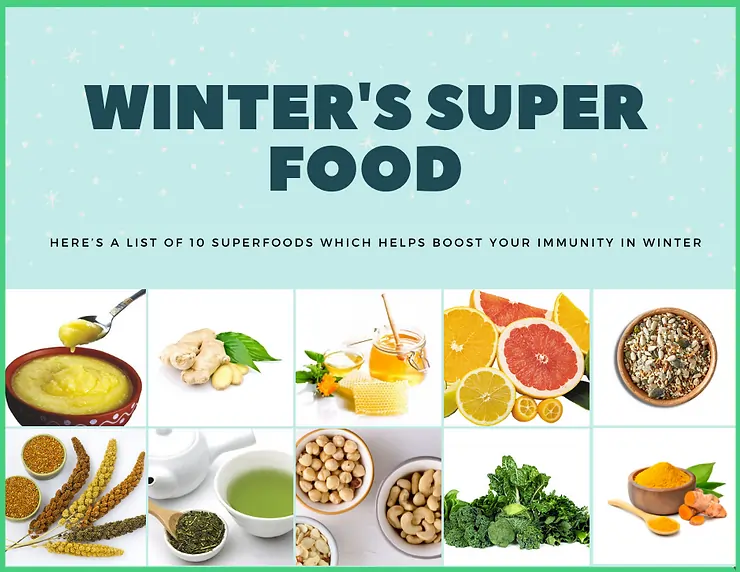
    Here’s a list of 10 Superfoods which helps boost your Immunity in Winter:

    Millets: Millets are low-glycemic, high in fiber & protein rich cereal, packed with a range of vitamins and minerals. Essentially, all millets available during winters should be included in your diet. Bajra in Millets variation is the ultimate winter food, helps you keep warm. Loaded with antioxidants, help in improving digestion. It is also known to be of great benefit in insomnia, anxiety, and depression. Also, a group of positive millets such as Barnyard, Foxtail, Kodo, Little & Browntop are extremely beneficial for overall health, try adding these rotationally in your daily diet. Ragi & jowar has cooling effect, very much summer centric millets. However, these 2 millets can be added in your plate occasionally during winters.

    Leafy vegetables: Green leafy veggies are full of vital nutrients like Vitamin A and E which help boost your immunity. Broccoli, spinach & other leafy vegetables are also high in fiber, magnesium, zinc, iron, and antioxidants. It can thus be one of the healthiest foods that you can include in your winter diets.

    Citrus fruits: Citrus Fruits, rich in vitamin C, are known to increase the number of white blood cells in our bodies which in turn help cut down the flu virus. Fruits rich in Vitamin-C are Orange, lemons, lime, tangerine, grapefruits, berries etc. Being a water-soluble vitamin, our body cannot store vitamin C therefore, you have to incorporate in your daily diet. Add at least 1-2 servings of seasonal citrus fruits to get daily dose of vitamin C and thereby to maintain the healthy immune system.

    Nuts: During winters, a regular intake of nuts which are warm in nature, ensures an active nervous system and helps to keep the heart and mind healthy. Almonds and walnuts lower bad cholesterol, control blood sugar levels, and reduce inflammation. Almonds are rich in vitamin E, antioxidants, and magnesium, while walnuts are a great source of Omega-3. Eating other nuts such as pine nuts, peanuts etc. also can boost your intake of zinc. Do pick up a few nuts to munch on in between meals if you are craving for a light snack.

    Seeds: Seeds are rich in Selenium, Zinc, Magnesium, Phosphorus, Vitamin B6 & E. They constitute a power house for building immunity. Add mixture of seeds such as pumpkin seed, flax seed, watermelon seed, sunflower seed & chia seed as soaked or grounded form in smoothie, shakes, porridges, soups & salad every day to meet your daily micronutrient goal. Sesame seeds are a must-have in cold weather as they keep your body warm for long periods of time. They are also rich in Vitamin E and antioxidants, which keeps hair and skin healthy and moisturized during winters.

    Turmeric: Turmeric is a known powerful anti-inflammatory and immune-boosting compound. Its content of Curcumin is very commonly used to heal wounds, release mucus, ease inflammation, and many other purposes. It also helps protect against infections, flu, virus and improve the overall health of your body’s cells.

    Ginger: Its anti-inflammatory & anti-bacterial properties make ginger one of the best cures for cold. The gingerols in the ginger roots help kill the rhinoviruses that cause the cold in the first place. So, increasing ginger in your winter diets is a good idea.

    Ghee: Pure and organic ghee is one of the most easily digestible and healthy fats that is capable of generating instant heat and energy to keep your body warm. A moderated consumption of ghee can also help keep skin from getting dry and flaky. Switch over to A2 Bilona ghee as a cooking medium, or add it to your plate during the winter season as per availability.

    Honey: Organic honey is known as an anti-inflammatory agent. Honey possesses flavonoids and polyphenols, along with several other powerful and important phytonutrients that can help fight diseases. It helps to boost the number of B and T lymphocytes, neutrophils, eosinophils which are responsible for our immune response. Also, organic honey consumption aids in digestion as well. It has certain prebiotic properties, by which it helps boost the good bacteria living in the gut that aid in our digestion.

    Green tea: Green tea is packed with antioxidants such as flavonoids (EGCG, Catechin) that boost immunity and have an anti-inflammatory properties. It is not only recommended for weight loss but also to fight off cold and flu. Catechin has powerful antibacterial and antiviral properties and can fight off influenza virus. Green tea also contains amino acid L-theanine which may help in the production of T-cells. Regularly drinking 1-2 cups of green tea can help you boost your immune function and stay protected against bacteria, flu, and virus.

    Share