Dans l'univers des jeux d'argent en ligne, les casinos offrent une multitude d'opportunités pour maximiser vos gains. Les bonus sont une manière efficace d'augmenter votre capital de jeu sans avoir à investir davantage de votre propre argent. Par exemple, un bonus de bienvenue peut vous permettre de commencer à jouer avec un montant plus élevé. Il est crucial de bien s'informer sur les différentes offres disponibles. Pour explorer une plateforme qui propose des bonus attractifs, visitez MadCasino. Ce site se distingue par une interface conviviale et des promotions régulières, attirant ainsi de nombreux joueurs. En choisissant judicieusement, vous pourrez augmenter vos chances de gains tout en profitant d'une expérience de jeu enrichissante.
Les machines à sous représentent une part importante de l'expérience dans les casinos en ligne. Ces jeux sont non seulement divertissants, mais ils offrent également la possibilité de remporter des jackpots impressionnants. En jouant à des titres populaires, vous pourrez découvrir des mécaniques de jeu innovantes et des graphismes époustouflants. En effet, des plateformes comme Betzino Casino proposent une vaste sélection de machines à sous, allant des classiques aux plus modernes. La diversité des jeux permet aux joueurs de trouver leurs préférés, tout en leur offrant la chance de gagner de gros prix. N'oubliez pas de lire les règles de chaque jeu pour maximiser vos chances de succès.
Le jeu en direct, ou live casino, est une tendance qui a pris de l'ampleur ces dernières années. Cette expérience immersive permet aux joueurs d'interagir en temps réel avec des croupiers professionnels. Les jeux tels que le blackjack, la roulette et le baccarat sont disponibles en mode live, offrant une atmosphère de casino terrestre depuis le confort de votre domicile. Pour une expérience de jeu inégalée, consultez Bruno Casino. Ce site se spécialise dans les jeux en direct, offrant des tables avec des limites variées pour convenir à tous les types de joueurs. L'interaction sociale et l'excitation du jeu en direct en font une option incontournable pour les amateurs de sensations fortes.
Les paris sportifs sont une autre dimension passionnante des jeux d'argent en ligne. Les plateformes de paris permettent aux utilisateurs de parier sur une multitude d'événements sportifs, augmentant ainsi l'engagement et le divertissement. Avec des cotes compétitives et des promotions intéressantes, il est possible de maximiser vos gains à chaque pari. Pour découvrir un site qui propose des options de paris variées, visitez Instant Casino. Ce casino en ligne offre une interface facile à naviguer, et des mises à jour en temps réel des cotes, ce qui en fait un choix judicieux pour les passionnés de sport. En intégrant les paris sportifs à votre expérience de jeu, vous trouverez une nouvelle dimension d'excitation et de potentiel de gain.
Many people struggling with chronic health problems feel that something is “off” in their bodies. They may experience fatigue, poor sleep, chronic inflammation, or persistent stress, even when routine medical tests appear normal.
What has changed in the modern environment that might be affecting our biology?
We know that processed foods, artificial light, toxins, and chronic stress play an important role. But there is another environmental factor that is rarely discussed — our loss of direct contact with the Earth.
This concept is known as grounding (or earthing) — direct physical contact between the human body and the Earth’s surface, such as walking barefoot on grass, soil, or sand.
Although grounding sounds simple, both research and clinical experience suggest it may influence inflammation, sleep, stress physiology, and recovery.
The Modern Disconnection from the Earth
For most of human history, people had regular contact with the Earth. Walking barefoot, sleeping on natural materials, and spending time outdoors were normal parts of daily life.
Today, most people:
Wear rubber or plastic-soled shoes
Spend most of their time indoors
Walk on insulated surfaces
Sleep on synthetic mattresses
From a biological perspective, this represents a major environmental shift.
Grounding research suggests that reconnecting with the Earth may help restore natural physiological balance and reduce inflammation.
A scientific review published in the Journal of Environmental and Public Health concluded that grounding appears to influence multiple physiological systems including sleep regulation, pain perception, stress physiology, circulation, and immune function (Chevalier et al., 2012).
These are all areas that Functional Medicine recognizes as fundamental to long-term health.
Grounding and Chronic Inflammation
Chronic inflammation is one of the central drivers of modern disease.
It contributes to conditions such as:
Autoimmune disorders
Thyroid dysfunction
Joint pain
Cardiovascular disease
Chronic fatigue
Inflammation has been described as a “silent fire” inside the body, gradually affecting multiple organ systems.
Research suggests grounding may influence inflammatory processes in measurable ways.
In a controlled experimental study, participants who were grounded after muscle injury showed:
Reduced pain
Lower inflammatory markers
Faster recovery
compared with ungrounded participants (Oschman et al., 2015).
Another randomized pilot study found that just one hour of grounding improved blood viscosity and circulation, suggesting a possible benefit for cardiovascular health and tissue healing (Chevalier et al., 2015).
From a Functional Medicine perspective, interventions that reduce inflammation often produce improvements across multiple systems.
Grounding and Sleep Regulation
Sleep disturbance is one of the most common problems seen in clinical practice.
Many patients experience:
Difficulty falling asleep
Frequent waking
Light sleep
Morning fatigue
One clinical study examining grounding during sleep found improvements in:
Sleep quality
Pain levels
Stress symptoms
Participants also showed normalization of daily cortisol rhythms (Ghaly & Teplitz, 2004).
Cortisol is one of the body’s primary stress hormones and plays an essential role in:
Energy production
Immune balance
Thyroid regulation
Metabolic health
When cortisol rhythms are disturbed, many body systems are affected.
Improving sleep often creates ripple effects across the entire body.
Grounding and the Nervous System
Many people today live in a state of chronic physiological stress.
The nervous system remains stuck in fight-or-flight mode, contributing to:
Anxiety
Muscle tension
Digestive disturbances
Hormonal imbalance
Fatigue
Research measuring heart rate variability has shown grounding may improve autonomic nervous system balance and increase parasympathetic activity — the state associated with rest and healing (Chevalier et al., 2011).
Another clinical study demonstrated improvements in mood, emotional stress, and overall well-being after grounding (Chevalier et al., 2015).
Patients often describe grounding as producing:
A sense of calm
Reduced stress
Clearer thinking
Better emotional balance
From a Functional Medicine perspective, a regulated nervous system is essential for healing to occur.
Who May Benefit Most from Grounding?
Grounding is not a treatment for specific diseases. Instead, it may support the body’s natural regulatory systems.
People who may benefit include those with:
Chronic fatigue
Autoimmune conditions
Poor sleep
Chronic pain
Stress and burnout
Slow recovery from illness
These conditions often share common root causes such as:
Chronic inflammation
Oxidative stress
Hormonal imbalance
Nervous system dysregulation
Grounding may help support improvement across several of these areas simultaneously (Menigoz et al., 2020).
How to Practice Grounding?
One of the advantages of grounding is that it is simple and accessible.
Walk Barefoot Outdoors
The simplest approach is:
20–30 minutes barefoot on grass or soil
Walking on sand
Gardening barefoot
Natural surfaces work best.
Spend Time on Natural Ground
You can try:
Sitting in a park
Lying on grass
Relaxing on sand
Direct skin contact is ideal.
Grounding Indoors
For people living in urban environments or with limited outdoor access, grounding mats or sheets may provide an alternative way to stay connected to the Earth.
Clinical studies using grounding devices have shown improvements in:
Sleep quality
Stress levels
Pain scores
Grounding in a Functional Medicine Approach
Grounding fits naturally into the Functional Medicine model because it addresses underlying imbalances rather than symptoms.
Just as:
Sunlight regulates circadian rhythms
Real food supports metabolism
Movement supports mitochondrial function
Contact with the Earth may support electrical and inflammatory balance.
Grounding is:
Natural
Safe
Low-cost
Easy to implement
These characteristics make it a useful foundational lifestyle intervention.
The Bigger Picture
Grounding alone is rarely enough to reverse chronic disease.
The best results usually occur when multiple root causes are addressed together, including:
Nutrition
Gut health
Detoxification
Hormonal balance
Mitochondrial health
Stress physiology
Grounding may be one important piece of this larger healing process.
Frequently Asked Questions
1. What is grounding (earthing) and how does it work?
Grounding, or earthing, is the practice of making direct physical contact with the Earth, such as walking barefoot on grass, soil, or sand. Research suggests it may help reduce inflammation, regulate sleep, improve stress response, and support overall physiological balance.
2. Who can benefit from grounding?
Grounding may support people experiencing chronic fatigue, autoimmune conditions, poor sleep, chronic pain, stress, or slow recovery from illness. It is not a treatment for specific diseases but can help the body’s natural regulatory systems.
3. How do I practice grounding safely at home?
Simple ways to practice grounding include walking barefoot outdoors for 20–30 minutes, sitting or lying on grass, gardening barefoot, or using grounding mats or sheets indoors for those with limited outdoor access.
4. Can grounding replace other medical treatments?
No. Grounding is a complementary lifestyle intervention. The best results are seen when grounding is part of a broader Functional Medicine approach, addressing nutrition, gut health, hormonal balance, detoxification, stress, and other root causes.
5. How can Functional Medicine help with chronic health problems?
Functional Medicine looks beyond symptoms to identify underlying causes, such as nutrient deficiencies, gut dysfunction, hormonal imbalances, chronic infections, or toxic exposures. Combining grounding with personalized evaluation and treatment can make interventions more targeted and effective.
When to Consider a Deeper Evaluation?
If you struggle with ongoing health problems despite making lifestyle changes, a deeper Functional Medicine evaluation may help identify underlying causes.
Understanding factors such as:
Nutrient deficiencies
Gut dysfunction
Hormonal imbalance
Chronic infections
Toxic exposures
can make treatment more targeted and effective.
Grounding works best when it is part of a personalized Functional Medicine approach.
If you’ve ever caught yourself asking, “Why am I always tired?” even after a full night’s sleep, decent food choices, and trying to “do everything right”, you’re not alone. Persistent fatigue is one of the most common reasons people seek medical help, yet it’s also one of the most misunderstood symptoms.
Many people are told that since their blood tests are “normal,” it’s all in their head, that stress is to blame, or that tiredness is simply part of aging or a busy life. But feeling exhausted all the time isn’t a personal failure, and it isn’t something you should just push through. From a functional medicine perspective, chronic fatigue is often a signal, not a diagnosis.
This article explores the functional medicine approach to fatigue, helping you understand what your body may be communicating, why conventional answers sometimes fall short, and how a root-cause lens like the one used in the Hormone Reset framework can offer clarity without quick fixes or exaggerated claims.
Feeling Tired Is a Signal, Not a Diagnosis
In functional medicine, fatigue is viewed as a message from the body rather than a standalone condition. Instead of asking only “What label fits this symptom?”, the more useful question becomes: “What systems might be under strain?”
Fatigue rarely has a single cause. It often reflects the combined effects of multiple factors like stress, sleep quality, nutrient status, blood sugar regulation, gut health, hormonal signaling, toxicity, and even how efficiently your cells produce energy.
This systems-based view is what differentiates always tired functional medicine thinking from symptom-focused care. The goal isn’t to dismiss conventional medicine, but to expand the lens when the usual explanations don’t fully match how someone feels.
The Hidden Energy System Inside Your Body
When people think about energy, they often think in terms of motivation or willpower. But biologically, energy starts at the cellular level.
When Cellular Energy Breaks Down
Inside nearly every cell are structures called mitochondria, often described as the body’s energy producers. They help convert food and oxygen into ATP, the molecule your body uses for energy. When mitochondrial efficiency is reduced, the result can feel like constant fatigue, even if sleep and calories are adequate.
This doesn’t mean something is “broken.” Reduced mitochondrial health has been associated with factors such as chronic stress, inflammation load, nutrient deficiencies, and ongoing immune activation. Over time, the body may conserve energy as a protective response, leaving you feeling low energy throughout the day.
Hormones, Stress, and the Exhaustion Loop
Hormones act as messengers, coordinating how different systems communicate. When this signaling becomes dysregulated, fatigue can be one of the earliest signs.
Cortisol and the “Wired but Tired” Pattern
Chronic stress, whether emotional, physical, or metabolic, can disrupt the body’s normal stress response. Instead of a smooth daily rhythm, cortisol levels may become imbalanced. Some people feel constantly “on edge” yet exhausted, while others struggle to get going in the morning.
In functional medicine, this is sometimes described as an adrenal fatigue pattern, not a formal diagnosis, but a way to describe how chronic stress may influence energy regulation.
Thyroid Function Beyond “Normal” Labs
The thyroid plays a key role in metabolic rate and energy production. Standard lab tests can fall within reference ranges while subtle functional changes still affect how someone feels. A hormone imbalance doesn’t always show up as a disease, but it can still contribute to fatigue.
This is where frameworks like Hormone Reset focus on understanding patterns and trends, rather than chasing isolated numbers.
Blood Sugar Swings That Drain Your Energy
Blood sugar regulation is another commonly overlooked contributor to fatigue. When glucose levels rise and fall rapidly, energy can feel unpredictable.
Some people notice crashes after meals, reliance on caffeine to function, or feeling shaky, irritable, or foggy between meals. These patterns don’t necessarily indicate diabetes, but they do point to challenges with blood sugar balance that can affect how steady your energy feels throughout the day.
Gut Health, Inflammation, and Fatigue
Your digestive system does far more than process food. It plays a role in nutrient absorption, immune regulation, and inflammation control, all of which influence energy.
When gut health is compromised, the body may struggle to absorb key nutrients or manage immune responses efficiently. Low-grade inflammation can increase the body’s energy demands, leaving fewer resources available for daily functioning.
Rather than blaming the gut as a single cause, functional medicine looks at how digestion, immunity, and energy metabolism interact.
Nutrient Deficiencies That Quietly Exhaust You
Fatigue is commonly associated with nutrient deficiency, particularly involving iron, B-vitamins, magnesium, vitamin D, and CoQ10. However, deficiencies don’t always stem from poor intake alone.
Absorption issues, chronic stress, inflammation, medications, and individual biochemistry can all affect nutrient status. This is why a functional medicine approach emphasizes understanding why a deficiency exists, rather than simply recommending supplements.
Sleeping Enough but Still Exhausted
One of the most frustrating experiences is being exhausted even after sleep. In these cases, the issue is often sleep quality rather than quantity.
Factors such as circadian rhythm disruption, nighttime stress responses, mood disorders, or breathing disturbances can all interfere with restorative sleep. Poor sleep doesn’t just leave you tired the next day—it can compound fatigue by affecting hormones, blood sugar, and inflammation.
When “Normal” Tests Don’t Explain How You Feel
Many people who ask “Why am I tired all day?” have already undergone testing, only to be told everything looks fine. This is where frustration often peaks.
Conventional labs are designed to detect disease, not necessarily early dysfunction. Functional medicine doesn’t reject these tests; it builds on them by considering optimal ranges, symptom patterns, and additional assessments when appropriate.
This is often where functional medicine for fatigue becomes valuable: not because it replaces standard care, but because it offers a broader context for interpreting results.
A Functional Medicine Roadmap to Reclaim Energy
A functional medicine approach to fatigue focuses on personalization. Rather than applying a single protocol, it aims to understand which systems are most relevant for each individual.
This may involve:
identifying stress and hormone patterns
supporting metabolic and mitochondrial health
improving sleep and circadian rhythm
addressing gut-related inflammation
restoring nutrient balance gradually
Approaches like Hormone Reset emphasize sustainable, step-by-step support rather than aggressive interventions. The goal is long-term resilience, not short-term stimulation.
Daily Habits That Actually Restore Energy
If you’re constantly wondering, “Why do I feel exhausted all the time?”, the answer isn’t in pushing harder—it’s in resetting the systems that generate sustainable energy. Functional medicine, particularly approaches like Hormone Reset, focuses on understanding your body’s signals and supporting natural rhythms instead of masking fatigue with stimulants.
Align Your Hormonal Rhythms
Start by paying attention to your hormonal patterns. Early morning exposure to natural light helps cue cortisol release, setting your circadian clock for alertness in the morning and restful sleep at night. Going to bed and waking up at consistent times reinforces these patterns, signaling your body when to release energy and when to recharge. Tracking energy peaks across the day allows you to schedule tasks in alignment with your natural highs and lows, so you work with your physiology, not against it.
Nourish Steady Energy Through Food
Nutrition plays a central role in maintaining consistent energy. Meals that combine protein, healthy fats, and fiber stabilize blood sugar, preventing mid-morning or mid-afternoon crashes. Highly processed carbs and sugar spikes can drain energy, while light, strategically timed snacks support metabolism without overloading digestion. Functional medicine emphasizes tailoring eating patterns to your unique energy rhythms, creating steady fuel throughout the day.
Boost Cellular Power
At the core of energy production are your mitochondria, the tiny cellular engines that convert food into usable energy. Adequate levels of magnesium, B vitamins, CoQ10, and vitamin D support these processes. Gentle movement, such as a brisk walk, yoga, or light resistance exercises, stimulates mitochondrial efficiency without adding fatigue. The key is to move when your energy naturally peaks, optimizing cellular function without overtaxing your body.
Support Gut Health
Your gut directly affects how energized you feel. Anti-inflammatory foods, colorful vegetables, healthy fats, and fermented foods support a balanced microbiome, which aids nutrient absorption and regulates low-level inflammation. Proper hydration enhances digestion and nutrient delivery, while mindful eating, chewing slowly, and avoiding late-night heavy meals reduces digestive strain and prevents post-meal sluggishness.
Manage Stress and Protect Energy
Chronic stress can silently drain energy. Functional medicine encourages small, intentional resets throughout the day—like deep breathing, meditation, or brief grounding exercises to calm the nervous system and regulate cortisol levels. Pausing strategically allows your body to recover, creating a more sustainable rhythm of alertness and rest. Pacing tasks according to natural energy highs and lows helps preserve stamina and avoid burnout.
Why This Works
By integrating these approaches, a Hormone Reset framework addresses fatigue at the root. It supports energy across hormones, mitochondria, gut function, blood sugar, and stress regulation. Over time, these shifts help your body move from chronic exhaustion to steady, reliable vitality without caffeine, extreme routines, or quick-fix hacks.
Client Testimonials
Anitha M
“I am very glad to take up my health improvement journey with Hormone Reset. I had really bad skin irritation, Barrett’s esophagus, and low energy levels. They were addressed in a systematic way, and the issues are gradually coming down. I can see my energy levels improving, and plan to continue further. Thanks to the clinician, Ruhi Mam, and Siddharth Sir.”
Sahana Adhikari
“The Hormone Reset program was very helpful to me. I joined it hoping to lose weight, but what I gained was a holistic approach to life and, most importantly, more energy. Dr. Ruhi, Siddharth, and their team were always there to answer any doubts or questions I had. They started with a comprehensive blood test, including a NutriFit test, and prepared a complete diet-cum-healing plan. The weekly group sessions were motivating and helped me stay on track. As a result, my sleep improved, muscle cramps stopped, and I feel energetic throughout the day.”
FAQs: Understanding Fatigue & the Hormone Reset Approach
1. Why do I feel tired even after a full night’s sleep?
Feeling exhausted despite adequate sleep often points to underlying system imbalances rather than poor sleep alone. Factors like hormone dysregulation, blood sugar swings, nutrient deficiencies, mitochondrial efficiency, and low-grade inflammation can all impact energy levels. The Hormone Reset program looks at these root causes to restore sustainable energy.
2. Can normal blood tests rule out the cause of my fatigue?
Not always. Standard lab tests detect disease but may miss early functional imbalances. Functional medicine evaluates patterns, optimal ranges, and additional assessments, helping uncover subtle issues that affect energy, like thyroid function, adrenal signaling, or nutrient absorption.
3. How can hormones affect my energy levels?
Hormones act as messengers that regulate metabolism, sleep, and stress responses. Imbalances in cortisol, thyroid hormones, or other signaling pathways can leave you feeling “wired but tired” or sluggish. Addressing these patterns, rather than just treating symptoms, is key to restoring steady energy.
4. What lifestyle changes help improve energy naturally?
Sustainable energy comes from supporting the body’s natural rhythms. Functional approaches include aligning sleep-wake cycles with circadian rhythms, stabilizing blood sugar through balanced meals, boosting mitochondrial health with proper nutrition and gentle movement, managing stress through mindful practices, and supporting gut health for optimal nutrient absorption.
Reframing Fatigue: Listening to What Your Body Is Asking For
Feeling tired all the time isn’t something you’re meant to ignore, normalize, or push through with willpower. Fatigue is one of the body’s most honest signals—a quiet request for support when systems are under strain. When energy is low, it’s rarely about laziness or lack of discipline. More often, it reflects how deeply interconnected your hormones, metabolism, stress response, gut health, and sleep truly are.
A functional medicine perspective invites a shift in mindset. Instead of asking, “How do I get more energy right now?”, the better question becomes, “What is draining my energy in the first place?” This reframing creates space for understanding rather than self-judgment, and for sustainable change rather than temporary stimulation.
Fatigue doesn’t define you, and it isn’t something you have to accept as “normal.” Through a thoughtful Hormone Reset approach, what once felt like endless exhaustion can become a signal guiding you toward greater awareness, smarter support, and long-term vitality.
We live in a world where entertainment never sleeps. A screen lights up our mornings, keeps us company through the day, and often lulls us to sleep at night. We tell ourselves it’s harmless — a few episodes, a quick scroll, a game or two. But beneath this comfort lies a silent trade-off: our health, focus, and biological balance are paying the price.
Let’s uncover how our beloved devices are reshaping our health — system by system — and how a functional medicine approach can help us restore balance.
1. Eyes — When Screens Steal Our Vision
It starts with a familiar feeling: tired eyes, blurred vision, that dull ache behind the forehead after a long day online. This is what experts call Digital Eye Strain (DES) — a result of prolonged near-focus and reduced blinking.
Studies by the American Academy of Ophthalmology (AAO) show that people blink nearly 60% less when staring at screens, leading to dryness, irritation, and even redness. Over time, continuous close-up focus can alter how the eye grows — especially in children — raising the risk of myopia (nearsightedness).
And while the idea that screens literally “burn” our retinas is exaggerated, research suggests that blue light—particularly from LED lighting and digital screens (phones, laptops, tablets, monitors)—can increase oxidative stress in retinal cells, making the eyes more vulnerable to inflammation and mitochondrial dysfunction.
Mechanisms & implications
1. Blue light & retinal mitochondrial stress
LEDs and screens emit a higher proportion of short-wavelength blue light (≈400–490 nm), also referred to as high-energy visible (HEV) light. This wavelength penetrates deep into the eye and is absorbed by retinal photoreceptors and retinal pigment epithelial (RPE) cells. Excessive exposure may increase reactive oxygen species (ROS), stressing retinal mitochondria and potentially leading to cumulative, sub-clinical retinal damage over time. While this does not equate to immediate injury, it may contribute to long-term vulnerability to age-related retinal disorders, especially in individuals with low antioxidant reserves or existing metabolic stress.
2. Prolonged near-focus & visual strain
Screens are typically viewed at 30–40 cm, requiring sustained accommodative and convergence effort. Prolonged near-work can fatigue the ciliary muscles and extraocular muscles, contributing to symptoms such as eye strain, headaches, and blurred vision.
3. Reduced blink rate & dry eye symptoms
During focused screen use, blink rate may drop by 40–60%, leading to tear film instability, increased tear evaporation, and dry eye symptoms (burning, grittiness, and redness). Air-conditioned environments and prolonged indoor screen use further worsen this effect.
4. Myopia risk: association, not simple causation
The link between screen use and myopia likely reflects multiple interacting factors, not screen time alone. These include:
Increased near-work duration
Reduced outdoor light exposure (which is protective for eye growth regulation)
Evening blue-light exposure suppresses melatonin, which may indirectly impair night-time retinal repair and antioxidant activity, adding to cumulative stress over years.
Functional-medicine perspective / what to emphasise
As part of blog: stress that eye health isn’t just optics—cellular health in retina matters (mitochondria, oxidative stress, peptides, etc.).
Early signs: frequent eye fatigue, need to squint or blink excessively, headaches after screen use, unexplained worsening of near/blur vision, dry/irritated eyes.
Modifiable factors: screen distance, lighting (glare, ambient), breaks (20-20-20 rule), outdoor (natural light) exposure for children/adults, consider blue‐light filter or lens, but emphasise that it’s supportiv,e not a substitute for behavioural change.
Nutritional support: antioxidants (lutein/zeaxanthin in macula), omega-3 (tear film health), mitochondrial support (CoQ10, ALA) may be useful adjuncts when you suspect cumulative damage.
💡 Functional Tip: Follow the 20-20-20 rule — every 20 minutes, look 20 feet away for 20 seconds to relax eye muscles and reduce strain. Support eye mitochondria and retinal antioxidant defences with these nutrients:
💡 Tip: Pair carotenoid-rich foods with healthy fats (ghee, olive oil, nuts) to improve absorption.
2. Sleep & Circadian Rhythm — Blue Light vs. Melatonin
That late-night scroll may feel relaxing, but your body reads it differently. Screens, especially LED ones, emit blue-enriched light that tricks the brain into thinking it’s still daytime. This suppresses melatonin, the sleep hormone that helps you fall asleep and stay asleep.
According to research published in the Journal of Clinical Endocrinology & Metabolism, even 1–2 hours of evening screen exposure can delay melatonin release and shift your internal body clock. The result? Trouble sleeping, restless nights, groggy mornings, and daytime brain fog.
Mechanisms/implications
Poor sleep interferes with many downstream systems: mitochondrial repair (many repair/mitochondrial biogenesis processes happen during deep sleep), hormonal regulation (growth hormone, cortisol rhythms), neurochemical resetting (glymphatic clearance in brain), peptide/hormone signalling (eg melatonin, orexin).
Shifted circadian rhythm leads to misalignment between internal clock and external environment → reduced overall vitality, mood lability, increased risk of metabolic dysfunction (for example via disrupted cortisol/insulin rhythms).
Screens just before bed = increased arousal (visual, cognitive, emotional) + delayed melatonin → cascade of poor sleep quality leading to daytime fatigue, brain fog, reduced mitochondrial efficiency.
Functional-medicine perspective
Consider assessing sleep hygiene, device exposure windows (eg stop screens 60-90 min before bed), ambient lighting (warm light vs blue light), ensure sufficient dark period during night.
Symptoms to watch: difficulty falling asleep, waking frequently at night, non-restorative sleep, morning grogginess, needing more sleep than you used to, daytime irritability or concentration problems.
Interventions:
Establish fixed sleep-wake times, blackout curtains, red/amber evening light, screen filters/night mode, and device off in the bedroom. Support restoratively with melatonin (short-term, clinician supervision), magnesium at night, and mitochondrial/nutrient support to help repair (eg CoQ10 for mitochondrial support, antioxidant support).
💡 Functional Tip: Avoid screens 1–2 hours before bed, or use blue-light filters and amber glasses. Support melatonin naturally with dark evenings, magnesium-rich foods, and exposure to morning sunlight.
3. Brain — Rewiring the Reward System
Our brains love novelty — and screens deliver it in endless supply. Each notification, like, or game win triggers a dopamine spike, the same chemical involved in motivation and addiction. Over time, this overstimulation rewires our reward pathways, making us crave more screen time while real-world pleasures feel less satisfying.
MRI studies from Frontiers in Human Neuroscience reveal that excessive screen or gaming use can alter gray matter volume in brain regions linked to attention, impulse control, and emotional regulation. This helps explain why heavy users often struggle with focus, mood swings, or anxiety when offline.
Mechanisms/implications
Screens (especially games/social media) give rapid feedback loops, variable reward/punishment, novelty — this can train the brain’s reward circuit (striatum, putamen) toward instant gratification, making slower tasks (reading, sustained effort) relatively less rewarding.
Altered reward signaling can shift peptide/hormone/neurotransmitter balance (dopamine, endorphins, orexin, etc) → changes in craving, mood, attention.
Structural brain changes: frontal control networks (executive function) may be under-stimulated or less developed in heavy users, especially in developing brains.
Downstream effects: reduced focus, impaired learning and memory, greater emotional volatility, and impulsive behavior.
Functional-medicine perspective
When working with clients: screen-use history (hours/day, type of content, device, time of day), look for signs of attention/learning issues, mood swings, craving/overuse behaviours.
Early signs: needing shorter bursts of screen time before feeling bored, inability to focus on non-screen tasks, irritability when screen use is reduced, increased need for novelty.
Nutritional/neurochemical support: ensure good omega-3 (brain membranes), B-vitamins (neurotransmitter synthesis), magnesium (calming), possibly L-theanine for focus, and lifestyle factors (physical exercise, nature exposure, novel tasks) to rebuild regulatory networks.
💡 Functional Tip: Rebalance dopamine naturally through movement, sunlight, nature exposure, and deep work. Practice digital fasting — one day a week without screens to reset your brain’s chemistry.
4. Mitochondria — The Hidden Energy Drain
Few people realize that screen habits affect us down to our cellular engines — the mitochondria. Blue light and chronic sleep deprivation elevate oxidative stress, leading to mitochondrial dysfunction not just in the eyes, but throughout the body. A 2022 study in Redox Biology found that disrupted circadian rhythms directly impair mitochondrial energy production.
Mechanisms/implications
Mitochondria are the energy generators of our cells. When they are stressed or damaged, the body produces less energy (ATP) and more oxidative stress, leading to cellular fatigue, faster ageing of cells, and impaired repair.
In the context of screen use, repeated exposure to blue-heavy light may place stress on retinal cells—marked by poor sleep, reduced movement, and increased oxidative stress—can place strain on mitochondria throughout the body, indirectly affecting energy levels and blood-sugar balance over time.
From a functional medicine perspective, poor mitochondrial health often shows up as persistent fatigue, slower recovery, reduced stress tolerance, mood changes, brain fog, insulin resistance, and stubborn weight gain.
Functional medicine perspective
During case history, it’s important to ask about:
Daily screen time, especially evening and night-time use
Exposure to bright or blue light from phones, laptops, and LEDs
Sleep quality, sleep timing, and difficulty winding down
Long periods of sitting or inactive screen use
Symptoms such as ongoing fatigue, slow recovery after effort, brain fog, poor focus, and mental slowing
How this information is used:
When available, specific tests related to cellular energy and oxidative stress may be reviewed.
When testing is not practical, support can still begin by addressing the root contributors
Movement and interval training to drive mitochondrial biogenesis (PGC-1α activation).
Ensure sleep and circadian alignment because many mitochondrial repair processes happen in sleep and during dark/quiet periods.
💡 Functional Tip: Feed your mitochondria with antioxidant-rich foods (berries, greens, turmeric), adequate sleep, and infrared light exposure (morning sunlight or red-light therapy).
5. Peptides & Hormonal Signalling — When Screens Confuse Your Chemistry
Your body’s hormones and brain messengers work best when daily rhythms are stable. Late-night screen use and constant digital stimulation disrupt these rhythms, altering melatonin (sleep), dopamine (reward), endorphins (calm), and insulin (blood sugar control).
Over time, this imbalance can lead to sleep disorders, anxiety or low mood, sugar cravings, weight gain, insulin resistance, prediabetes, PCOS, and burnout-related fatigue, along with reduced emotional resilience and energy.
Excessive reward stimulation (screens/games) → dopamine overshoot → down-regulation of dopamine receptors or shift in reward threshold → needing more stimulation, reduced pleasure from normal life → possible mood/anxiety issues.
Metabolic peptides (insulin, leptin, ghrelin) get affected by poor sleep, sedentary behaviour, irregular eating which often accompany high screen-behaviour → risk of insulin resistance, weight gain.
In functional-medicine terms: the brain/body signalling network is out-of-sync → fatigue, cravings, mood dysregulation, metabolic drift.
Functional-medicine perspective
Assessment: ask about cravings, reward-seeking behaviour (screen/games/social media), mood swings, appetite/weight changes, sleep disruption, and attention issues.
Make the link: Excess screen usage → reward/peptide stress → downstream metabolic & brain-health effects.
Interventions:
Limit “high-stimulus” screen content (fast games, social media scrolling) and replace with slower, less dopamine-intense activities (reading, hands-on project, nature exposure).
Support neurochemical resilience: omega-3s, B-vitamins, magnesium, adaptogens (if appropriate) for HPA-axis / neuro-modulation. Reinforce natural reward systems: exercise, nature, creativity, and social real-life interaction.
Stabilise sleep/circadian system (see above) so peptides/hormones synchronise properly.
💡 Functional Tip: Eat meals at regular times, prioritize protein and omega-3 fats, and practice mindful screen use — especially during meals or before sleep — to keep your body’s peptides and hormones in sync.
6. Whole-Body Effects — From Sedentary Screens to Stressed Systems
Screens often mean sitting, and sitting means stagnation. The more time we spend online, the less we move, which affects our metabolism, lymphatic flow, and mood regulation. Research in The Lancet Psychiatry found a strong link between screen time and depression, especially in teens and young adults. Prolonged inactivity also leads to insulin resistance, weight gain, and poor circulation — key drivers of inflammation and chronic disease.
Mechanisms/implications
Sedentary screen time → low physical activity → lower mitochondrial biogenesis, fewer muscle contractions (muscle is a metabolic organ) → reduced metabolic capacity.
Brain reward dysregulation + mood impact → can lead to emotional eating, comfort-snacking, sedentary mood states.
Inflammatory milieu: increased sedentary time + poor sleep + high screen load may increase chronic low-grade inflammation, which burdens mitochondria and peptides.
Functional-medicine perspective
Assessment: screen-time minutes/day, physical activity minutes/day, sitting time, number of breaks, mood/stress levels, weight/waist changes, lab markers (glucose, insulin, lipids, inflammatory markers).
Interventions:
Break up sedentary time: every 30-45 minutes, get up, move/stretch, use “active screen breaks”.
Incorporate resistance + aerobic exercise to boost mitochondrial and metabolic health.
Address mood/stress: implement mindfulness, social interaction, real-life engagement rather than passive screen absorption.
Diet: focus on whole foods, high antioxidant load, moderate glycemic load to mitigate the metabolic burden.
💡 Functional Tip: Set movement reminders every hour. Try “habit stacking” — do squats while watching reels or stretch during a call. Reconnect your body to motion.
Functional Medicine View: Restoring Digital Balance
Functional medicine doesn’t tell you to throw away your phone — it helps you create harmony between technology and biology. Here’s how you can start:
Detox your circadian rhythm: Prioritize morning sunlight and dim evening lights.
Nourish your cells: Eat anti-inflammatory, mitochondria-supportive foods.
Support your nervous system: Use adaptogens like ashwagandha or rhodiola, and practice digital mindfulness.
Rebuild real connections: Engage in activities that activate oxytocin — eye contact, laughter, shared meals, nature time.
Frequently Asked Questions (FAQs)
1. Is screen time actually damaging my health, or is it just causing temporary discomfort?
Screen use itself isn’t inherently harmful, but how and when we use screens matters. Occasional eye strain or late nights may feel temporary, but chronic overexposure—especially at night—can disrupt sleep, stress mitochondria, alter brain reward pathways, and impair metabolic and hormonal balance over time. The impact is cumulative, not immediate, which is why many people don’t connect their fatigue, brain fog, or mood changes to screen habits until years later.
2. Do blue-light filters and glasses fully protect me from screen-related problems?
Blue-light filters and glasses can reduce glare and ease eye strain, but they are supportive tools—not complete solutions. They don’t address reduced blinking, prolonged near-focus, dopamine overstimulation, sedentary behavior, or circadian disruption caused by late-night screen use. Behavioral changes, such as screen breaks, earlier device cut-off times, outdoor light exposure, and movement, remain the most effective interventions.
3. Can excessive screen use really affect energy levels, weight, and hormones?
Yes. Screen overuse often leads to poor sleep, reduced physical activity, and disrupted circadian rhythms—all of which influence insulin, cortisol, melatonin, leptin, and dopamine signaling. Over time, this can contribute to low energy, increased cravings, weight gain, insulin resistance, mood changes, and burnout. From a functional-medicine perspective, these issues stem from disrupted biological signaling rather than willpower alone.
4. What’s the most realistic way to reduce screen damage without giving up technology?
The goal isn’t digital elimination—it’s digital alignment. Start by switching off screens 60–90 minutes before bed to protect melatonin and sleep quality, and get morning sunlight to reset your circadian rhythm. Take regular movement breaks during screen use to counter sedentary strain, and consciously limit high-dopamine activities like endless scrolling or gaming that overstimulate the brain. Support your body from the inside with antioxidant-rich foods, omega-3 fats, and consistent, high-quality sleep. These small, sustainable changes work with your biology and restore balance far more effectively than extreme digital detoxes.
Conclusion: Entertainment at the Cost of Energy
The irony is clear — the tools designed to entertain and connect us are slowly disconnecting us from our biology. When entertainment turns into dependency, our eyes strain, our sleep fades, our brain rewires, and our cells lose energy.
But awarenehttps://hormonereset.in/contact-us/ss is power. By blending modern technology with ancient biological wisdom — light, rest, movement, connection — we can reclaim the balance that our bodies are quietly craving.
Because true entertainment isn’t what numbs you — it’s what nourishes your energy and lights up your life.
Weight loss is one of the most misunderstood aspects of modern health. Millions of people eat “right” and exercise “enough,” only to wonder why the scale doesn’t move — or worse, why belly fat and inflammation continue to worsen. This frustration is real, and it often stems not from lack of effort but from systems within the body that have not been addressed. In functional medicine, weight loss isn’t just about calories — it’s about the internal environment that determines how your metabolism behaves.
In this long‑form article, we’ll explore why traditional approaches often fail, and how the gut, hormones, and liver are central to sustainable fat loss. We’ll look at current science, functional medicine concepts, and practical root‑cause frameworks — all grounded in the latest understanding of metabolic regulation.
The Calorie Myth: Why Simple Math Doesn’t Match Biology
For decades, weight loss has been explained as “calories in vs. calories out.” While this model sounds logical, it fails to capture the complex biochemical and hormonal feedback loops that govern energy homeostasis.
Your body is not a machine. It is a biological ecosystem designed to maintain stability (homeostasis). When systems like hormone signaling, gut integrity, or liver function are disrupted, the body adapts in ways that protect energy stores rather than melt them away.
For example:
The brain constantly monitors energy availability. When it senses stress, inflammation, or nutrient deficiencies, it signals the body to store fat as insurance.
Chronic stress and elevated cortisol drive glucose dysregulation and fat storage, even without overeating.
Disruptions in gut microbiota can alter the production of signaling molecules that regulate appetite, metabolism, and insulin sensitivity.
This science helps explain why many people can eat less and still gain weight, or why “starving yourself” can paradoxically slow metabolism.
The Hormone Connection: Metabolic Regulators That Control Fat Storage
Hormones are the chemical messengers that orchestrate metabolism. When they are imbalanced, fat loss resistance is one of the most common outcomes.
Insulin: The Master Fat Storage Hormone
Insulin regulates glucose uptake and storage. When insulin is constantly elevated — due to high refined carbohydrate intake, frequent snacking, or chronic stress — the body shifts into a fat storage mode. This state is often called insulin resistance, and it is a common early step on the path to metabolic dysfunction.
Research increasingly shows that imbalances in insulin and related pathways contribute to both obesity and metabolic syndrome.
Cortisol: The Stress Hormone That Stores Fat
Cortisol is released in response to stress. Short‑term elevations are adaptive, but chronic cortisol elevation:
Increases appetite
Promotes visceral fat storage
Suppresses thyroid function
Drives blood sugar variability
Chronic cortisol elevation can therefore create a metabolic environment that favors weight gain — especially around the abdomen.
Thyroid Hormones: The Metabolic Accelerator
Thyroid hormones (T3 and T4) influence every cell’s metabolism. When thyroid function is suboptimal — even within “normal” lab ranges — metabolic rate drops, energy levels decline, and weight becomes more difficult to lose.
Functional medicine practitioners often look beyond standard TSH tests to evaluate:
Free T3 and Free T4
Reverse T3 (an inactive form that blocks metabolism)
Thyroid antibodies
Because thyroid activity influences nearly every aspect of energy regulation, even mild dysfunction can be a key root cause of weight resistance.
Sex Hormones: Estrogen, Progesterone & Testosterone
Sex hormones also shape metabolic outcomes:
Estrogen dominance is linked with increased fat storage and reduced fat burning
Low progesterone can impact insulin sensitivity and inflammation
Low testosterone (in both men and women) reduces lean mass and slows metabolism
Functional pathways that connect hormone imbalances with metabolic resistance are deeply interconnected with liver processing and gut microbial function.
The Gut’s Role in Metabolism: More Than Digestion
The gut microbiome is now understood as an endocrine organ — producing signaling molecules that influence metabolism, inflammation, appetite, and fat storage.
Gut Microbiota as Metabolic Regulators
Dysbiosis — an imbalance in gut microbes — has been linked to:
Increased inflammation
Reduced production of short‑chain fatty acids (SCFAs) that support metabolic health
Greater gut permeability (“leaky gut”)
Altered appetite signaling through gut‑brain peptides
These microbial and biochemical changes can increase fat storage, drive insulin resistance, and make weight loss challenging even with diet and exercise.
A comprehensive review highlights the impact of the microbiome on obesity and metabolic disorders, showing that gut microbial shifts can directly influence:
The gut and brain communicate via hormonal and neural pathways that regulate hunger and satiety. When this axis is dysregulated — due to poor gut health or chronic inflammation — the signals that tell you “you’re full” or “you have enough energy” are blurred. This contributes to overeating, cravings, and poor metabolic control.
Functional Medicine Viewpoint
Rather than treating the gut as a passive digestive organ, functional medicine sees it as central to:
Hormone balance
Immune function
Detoxification support
Neuroendocrine signaling
Thus, poor gut health can be a root cause of metabolic resistance.
The Liver: The Metabolic Control Center
In functional medicine, the liver is recognized as the body’s primary metabolic hub, coordinating nutrient processing, hormone regulation, detoxification, and fat metabolism. While the gut handles intake, the liver ensures that nutrients are efficiently utilized, hormones are cleared, toxins neutralized, and fats are properly digested through bile production. It also plays a critical role in regulating blood sugar and maintaining metabolic flexibility.
Compromised liver function—due to fat accumulation, chronic inflammation, or exposure to environmental toxins—is increasingly seen as a barrier to sustainable weight loss, both in India and globally. Subclinical liver stress often goes undetected, yet it impairs metabolism by disrupting hormone clearance, nutrient processing, and energy homeostasis.
Fatty Liver and Insulin Resistance: Non-alcoholic fatty liver disease (NAFLD) is a common metabolic condition associated with obesity, insulin resistance, and systemic inflammation. A fatty liver struggles to regulate blood glucose, produces pro-inflammatory cytokines, and sends stress signals to other organs, further impairing metabolic efficiency. (Journal of Clinical Endocrinology & Metabolism, 2021)
Functional medicine interventions for liver health include:
Anti-inflammatory and nutrient-dense diet to reduce fat accumulation and oxidative stress.
Supporting detox pathways with nutrients like N-acetylcysteine, milk thistle, B vitamins, and antioxidants.
Managing blood sugar and insulin through diet, lifestyle, and gut health optimization.
Reducing environmental toxin exposure and chronic alcohol or medication stressors.
Outcome: By restoring liver function, metabolic signaling improves, hormone clearance normalizes, inflammation decreases, and fat-burning capacity is enhanced. Functional medicine treats liver health as a cornerstone of systemic metabolic restoration, ensuring that weight loss is sustainable and rooted in overall wellness.
Chronic Inflammation: The Hidden Barrier to Weight Loss
Chronic inflammation is like a silent brake on your metabolism. Unlike short-term inflammation that helps your body heal, long-lasting inflammation disrupts hormones, blood sugar control, and energy use, making it hard to lose weight.
What Causes Chronic Inflammation?
Leaky Gut: When the gut lining is weak, food particles, bacteria, and toxins leak into the bloodstream, triggering the immune system.
Toxins: Pollution, heavy metals, and chemical exposures increase stress in the body and trigger inflammatory responses.
Stress: Constant psychological or physical stress raises cortisol, promoting belly fat and insulin resistance.
Gut Imbalance or Hidden Infections: Overgrowth of harmful gut bacteria or low-level infections keep the immune system activated.
How Inflammation Blocks Fat Loss:
Insulin Resistance: Inflammatory molecules make it harder for cells to use sugar properly, encouraging fat storage.
Appetite Hormone Disruption: Leptin and ghrelin signals get confused, making you feel hungrier and less satisfied after meals.
Energy Conservation Signals: Cells slow down metabolism because they perceive stress, preventing fat burning.
Reduced Flexibility: Your body struggles to switch between burning sugar and fat efficiently.
Functional Medicine Approach: Functional medicine focuses on finding and fixing the root cause. Healing the gut, reducing toxins, balancing microbes, improving diet, supporting the liver, and managing stress can calm inflammation. Once inflammation is lowered, hormones stabilize, metabolism improves, and weight loss becomes easier and sustainable.
Stress, Sleep & Metabolism: Why the Nervous System Matters
Chronic stress is not just mental — it has physiological metabolic consequences. Elevated stress and poor sleep disrupt:
Cortisol rhythms
Appetite hormones
Blood sugar control
Mitochondrial function (how cells burn fuel)
These effects make fat loss harder, even with disciplined eating and activity.
Nutrient Deficiencies and Metabolic Blockage: A Functional Medicine Perspective
In functional medicine, nutrient sufficiency is foundational to metabolism, hormone function, and overall health. Micronutrients are not optional—they act as co-factors for enzyme activity, hormone synthesis, neurotransmitter balance, and detoxification pathways. Deficiencies can silently create metabolic resistance, making weight loss extremely difficult despite diet and exercise.
Vitamin D: Crucial for immune modulation, insulin sensitivity, and thyroid regulation. Low vitamin D is strongly associated with metabolic syndrome, obesity, and increased inflammatory markers. Supplementation under supervision can improve insulin signaling and hormone balance.
Magnesium: Required for over 300 enzymatic reactions, including those controlling energy production and glucose metabolism. Magnesium deficiency is linked to insulin resistance, poor energy utilization, and impaired mitochondrial function.
B Vitamins: B12, B6, and folate are essential for methylation, neurotransmitter production, and homocysteine regulation. Deficiency can lead to fatigue, impaired thyroid function, and disrupted hormone metabolism.
Zinc: Integral to thyroid hormone synthesis, insulin regulation, and appetite signaling. Zinc deficiency can increase oxidative stress, hormonal imbalance, and metabolic inefficiency.
Other Micronutrients: Selenium, iron, omega-3 fatty acids, and antioxidants support liver detoxification, hormone clearance, and inflammatory balance, all of which are critical for fat metabolism.
Functional medicine practitioners often use detailed lab testing to identify deficiencies and tailor supplementation, while also addressing underlying causes such as gut malabsorption, chronic inflammation, or toxin exposure. Correcting these deficiencies is not simply about filling gaps—it unlocks metabolic pathways, improves hormonal function, and restores energy regulation, paving the way for sustainable, root-cause weight management.
Functional Assessment: How Practitioners Identify Root Causes
Functional medicine views the body as an interconnected system, where metabolic, hormonal, immune, and digestive pathways constantly interact. Unlike conventional approaches that focus primarily on weight, BMI, or isolated lab values, functional medicine practitioners use comprehensive assessments to uncover root causes of metabolic resistance and fat accumulation.
Hormone Panels: Detailed evaluation of thyroid (TSH, Free T3, Free T4, Reverse T3, thyroid antibodies), adrenal hormones (cortisol rhythm), sex hormones (estrogen, progesterone, testosterone), and appetite-regulating hormones (leptin, ghrelin) helps identify imbalances that influence energy expenditure, fat storage, and cravings.
Blood Sugar and Insulin Response: Functional medicine tests often include fasting glucose, HbA1c, fasting insulin, and oral glucose tolerance to detect insulin resistance, a key driver of metabolic dysregulation and fat accumulation.
Gut Microbiome Analysis: Dysbiosis and leaky gut contribute to systemic inflammation, hormone disruption, and altered nutrient absorption. Stool tests, microbiome sequencing, and evaluation of gut permeability markers guide interventions.
Nutrient Status: Deficiencies in vitamin D, magnesium, B vitamins, zinc, and omega-3s are assessed as these are critical co-factors in hormone production, mitochondrial function, and detoxification.
Liver Detox Capacity and Inflammatory Markers: Liver function tests, CRP, IL-6, and other markers indicate metabolic stress and systemic inflammation, both of which impair fat loss.
Stress and Nervous System Evaluation: Cortisol rhythms, heart rate variability, and lifestyle stressors are assessed to understand their impact on hormone signaling and metabolic flexibility.
By examining these systems holistically, functional medicine practitioners identify the interconnected patterns that block weight loss and develop personalized, root-cause strategies rather than offering generic solutions.
Lifestyle Factors That Block Weight Loss: A Functional Medicine Perspective
Weight loss resistance is rarely caused by a single factor. Modern lifestyles create multiple stressors that disrupt metabolism, hormone balance, and gut-liver function, often invisibly.
1. Sedentary Behaviour: Prolonged sitting and low physical activity reduce mitochondrial efficiency, impair insulin sensitivity, and slow fat oxidation. Research shows even moderate activity, such as short bouts of walking or strength training, improves glucose metabolism and hormone regulation.
2. Highly Processed Diets: Diets rich in refined carbohydrates, trans fats, and ultra-processed foods promote chronic inflammation, dysbiosis, and insulin resistance. Functional medicine emphasizes nutrient-dense, anti-inflammatory foods to restore gut microbiome balance, support liver detoxification, and stabilize hormones.
3. Irregular Sleep: Poor or inconsistent sleep impairs cortisol rhythms, disrupts leptin and ghrelin signaling (hunger hormones), and reduces energy expenditure. Chronic sleep deprivation is linked to increased visceral fat and impaired metabolic flexibility.
4. Chronic Stress: Persistent psychological or physical stress elevates cortisol, which drives abdominal fat accumulation, insulin resistance, and thyroid suppression. Stress also worsens gut permeability, further amplifying inflammation and metabolic disruption.
5. Environmental Toxins: Exposure to endocrine-disrupting chemicals (EDCs) such as BPA, pesticides, and heavy metals can interfere with thyroid function, liver detoxification, and hormone signaling, all critical for weight regulation.
Functional medicine recognizes that these lifestyle factors interact with gut, liver, and hormone systems, creating a vicious cycle that prevents fat loss. Addressing these root contributors—through diet, sleep, stress management, detox support, and movement—restores metabolic balance and enables sustainable weight loss.
Functional Medicine Strategies That Support Metabolic Healing & Weight Loss
Functional medicine approaches weight loss as a natural outcome of restoring internal systems, rather than focusing solely on calories or exercise. Sustainable results depend on addressing the gut, hormones, liver, inflammation, and stress — the key drivers of metabolic health.
1. Gut Repair: The gut is a central regulator of metabolism and immune signaling. Dysbiosis, leaky gut, or microbial imbalances can trigger systemic inflammation, impair appetite regulation, and block fat burning. Functional medicine interventions include probiotics, prebiotics, gut-healing nutrients (like L-glutamine and zinc), and anti-inflammatory diets.
2. Hormone Balancing: Hormones orchestrate fat storage and energy use. Imbalances in thyroid, insulin, cortisol, estrogen, progesterone, and leptin can create resistance to weight loss. Personalized strategies focus on optimizing hormone levels, improving insulin sensitivity, and regulating stress hormones.
3. Liver Support: The liver processes nutrients, detoxifies hormones, and regulates metabolism. Impaired liver function from toxins or fatty liver slows fat metabolism. Functional medicine emphasizes detox support, nutrient cofactors, and reducing environmental and dietary toxins.
4. Inflammation Reduction: Chronic inflammation disrupts insulin signaling, appetite hormones, and metabolism. Strategies include anti-inflammatory diets, micronutrient support (vitamin D, magnesium, zinc), and addressing underlying triggers such as gut permeability and environmental toxins.
5. Stress & Sleep Optimization: Chronic stress elevates cortisol, while poor sleep impairs insulin sensitivity and metabolic regulation. Functional medicine incorporates stress management, meditation, sleep hygiene, and adaptogens to restore balance.
6. Personalized Root-Cause Approach: Every individual’s metabolic resistance is unique. Functional medicine combines comprehensive testing, dietary, lifestyle, and behavioral interventions to target the root causes, ensuring fat loss occurs naturally as internal systems normalize.
Outcome: By healing the gut, balancing hormones, supporting the liver, reducing inflammation, and managing stress, the body can reset its metabolism, allowing sustainable, long-term weight loss as a byproduct of restored health.
Why Results May Take Time and Require Personalization?
Functional medicine works on the principle that every body is unique, and weight loss or metabolic restoration cannot be achieved with a single quick fix. Long-term results depend on identifying and correcting the underlying factors that block metabolism.
Why it Takes Time:
Multiple Systems Are Involved: Weight resistance is rarely due to one issue. Gut health, liver function, hormones, inflammation, sleep, and stress all interact. Addressing just one factor may provide temporary relief but not lasting results.
Complex Biological Patterns: Each individual has a distinct combination of hormone imbalances, nutrient deficiencies, and environmental exposures that affect metabolism differently. Functional medicine maps these patterns before making targeted interventions.
Healing and Adaptation: Restoring gut integrity, balancing hormones, improving liver detoxification, and reducing inflammation takes time. Cells, tissues, and metabolic pathways need weeks or months to recover and function efficiently.
Building Sustainable Habits: Functional medicine emphasizes long-term lifestyle changes in diet, movement, sleep, and stress management. Quick fixes may yield temporary results but often fail when old habits resume.
Why Conventional Approaches Often Fall Short: Traditional methods frequently focus on calorie restriction or medication to suppress symptoms rather than addressing root causes. This may produce short-term results, but underlying imbalances remain, leading to plateaus, fatigue, and frustration.
By tackling the body’s systems holistically and allowing time for true healing, functional medicine enables lasting metabolic balance, hormone stability, and gradual, sustainable weight loss.
FAQs: Functional Medicine & Weight Loss
1. Why am I eating healthy and exercising, yet not losing weight?
Weight loss resistance often stems from internal system imbalances rather than calorie intake alone. Hormonal disruption (thyroid, insulin, cortisol), gut dysbiosis, liver stress, chronic inflammation, and nutrient deficiencies can all signal your body to store fat, making conventional diet and exercise less effective.
2. How does gut health affect my metabolism?
The gut microbiome produces hormones and signaling molecules that regulate appetite, fat storage, and insulin sensitivity. Dysbiosis (microbial imbalance) or leaky gut increases inflammation, disrupts metabolism, and alters hunger cues, contributing to weight gain or stalled weight loss.
3. What role does the liver play in fat loss?
The liver is central to metabolic control: it processes nutrients, detoxifies hormones, regulates blood sugar, and produces bile for fat digestion. Fatty liver, toxin accumulation, or chronic inflammation can impair these functions, slowing metabolism and fat-burning capacity.
4. How do hormones influence weight loss?
Hormones such as insulin, cortisol, thyroid hormones, estrogen, progesterone, and leptin orchestrate energy use and fat storage. Imbalances—like insulin resistance, thyroid sluggishness, or estrogen dominance—can block fat loss, even with proper diet and exercise.
5. Why is chronic inflammation a problem for weight loss?
Persistent inflammation alters insulin and appetite hormone signaling, signals cells to store energy, and reduces metabolic flexibility. Sources include gut permeability, environmental toxins, stress, and hidden infections.
6. Can nutrient deficiencies prevent weight loss?
Yes. Micronutrients like vitamin D, magnesium, B vitamins, zinc, selenium, and omega-3 fatty acids are critical co-factors for hormone production, enzyme function, and detox pathways. Deficiencies can impair metabolism, energy production, and fat-burning efficiency.
7. How long does it take to see results using functional medicine principles?
Because functional medicine addresses multiple systems simultaneously, improvements may take weeks to months. The focus is on restoring internal balance—gut, hormones, liver, and inflammation—which gradually leads to sustainable fat loss.
Conclusion: Metabolic Healing Before Weight Loss
Weight loss is not just about eating less and moving more. It’s about understanding the internal signals that determine whether your body releases or stores fat.
Further research increasingly supports the idea that gut microbiota influences metabolic homeostasis, that hormonal imbalances can drive fat storage, and that liver function is essential for energy balance
Functional medicine reframes weight loss as a signal of internal balance rather than a battle against your body. When hormones communicate clearly, when the gut and liver function optimally, and when inflammation is controlled, fat loss becomes a natural consequence of restored health.
In today’s fast-paced world, many of us feel stretched in more ways than one: juggling work, family, city life, endless screen time, and diet changes. When the mind is under pressure, the body often follows – manifesting as hormonal imbalance, immune dysregulation (over or under reactive), low energy, respiratory flare-ups or chronic pain. But what if one of the most powerful healing tools is both ancient and modern — and bridges mind, body, and science?
Enter the union of Yoga and Functional Medicine. In this article, we explore how they form a perfect healing pair, especially in India’s unique context, and how this combo may benefit respiratory conditions, metabolic conditions, chronic conditions, hormonal imbalances, and autoimmune conditions through a root-cause, systems-based approach.
Why Functional Medicine in India Matters
Functional medicine is a systems biology-based, patient-centred approach that focuses on identifying and addressing the root causes of disease rather than merely managing symptoms. It asks not only what is wrong, but why it happened. In India, where metabolic disease, pollution, stress, and autoimmune conditions are rising, this approach is increasingly relevant.
For example, patients with thyroid autoimmunity may be told, “your TSH is elevated — take levothyroxine” — but functional medicine would ask: Why is the TSH elevated? Is there an autoimmune attack on the thyroid tissue? What is triggering this immune attack on your thyroid? Is cortisol dysregulated? Is the gut barrier compromised? Are environmental toxins or lifestyle stress playing a role? This deeper lens can point to long-term improvement.
By combining this with Yoga — an embodied practice rooted in Indian tradition — you get a synergy of modern systems thinking + time-tested mind-body technique. That’s the “perfect healing pair”.
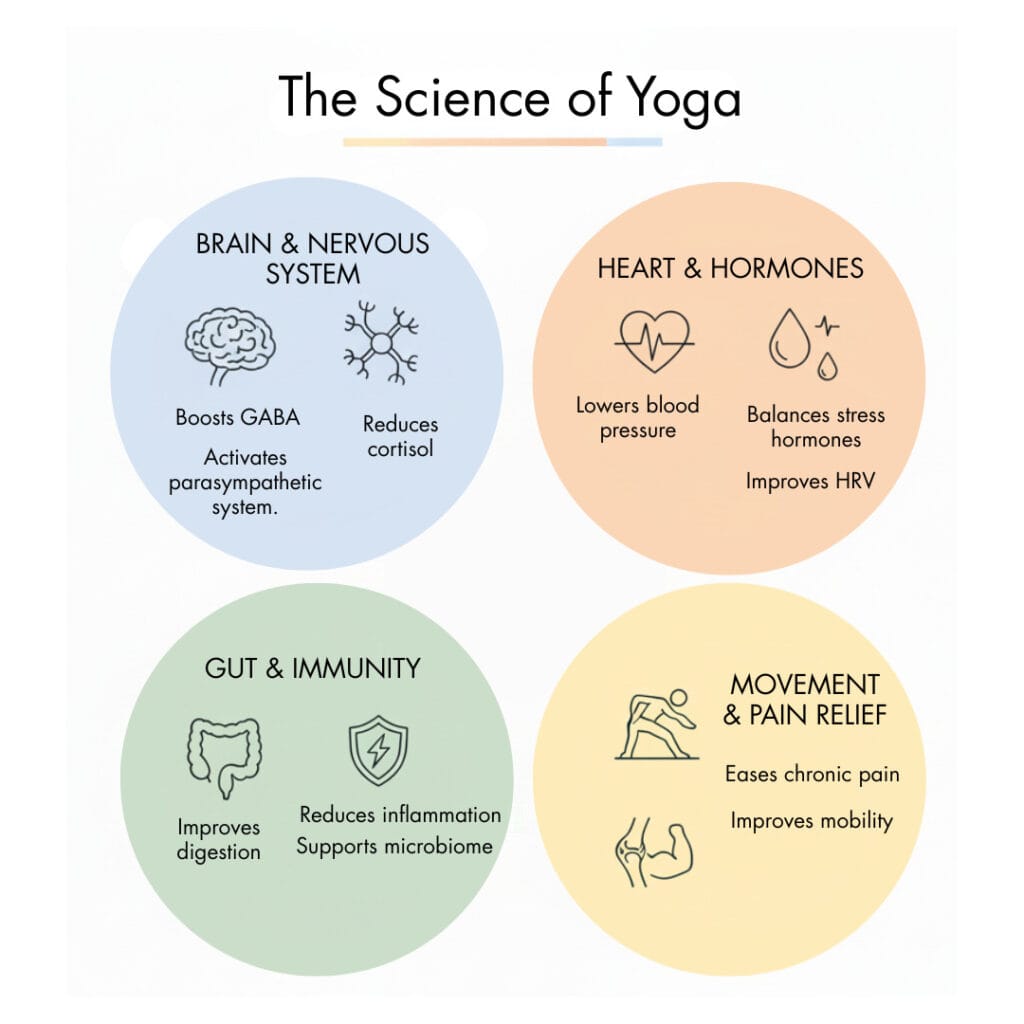
The Science of Yoga: More Than Flexibility
Yoga isn’t just stretching and breathing — it is a therapeutic tool for balancing, activating and rejuvenating the nervous, endocrine, immune, and musculoskeletal systems.
Several studies support this:
A randomized controlled trial in female patients with multiple sclerosis found yoga training (90 min, 3 days/week for 8 weeks) led to a significant reduction in cortisol and modulation of ACTH compared to controls. PubMed
In medical students in India, a yoga + meditation intervention significantly lowered salivary or serum cortisol levels, indicating reduced stress-hormone activation. MSJ Online+1
A systematic review of yoga for gastrointestinal disorders found that yoga improved symptom severity, mood-related symptoms, and quality of life in chronic gut-brain interaction disorders — showing yoga’s reach into immune, endocrine, and gut systems. PubMed
A meta-analysis on power vs stretch yoga found significant cortisol reductions after yoga sessions, showing even a single-session benefit for hormonal/ stress balance. PubMed
These studies show how Yoga influences cortisol, the major stress hormone, and by extension affects hormonal balance, immune regulation, and systemic health.
How Functional Medicine and Yoga Complement Each Other
When you map how stress → cortisol → hormone/immune disruption works, you see where yoga and functional medicine meet.
Functional Medicine Focus
How Yoga Supports It
Identifying cortisol dysregulation, gut-immune-hormone interactions, and environmental/lifestyle load
Yoga down-regulates the HPA axis, lowers cortisol, improves autonomic balance, and enhances vagal tone
Yoga offers self-empowering skills, accessible in India, scalable for many conditions
In practice: A functional medicine practitioner in India might recommend lab tests (cortisol rhythm, nutrient panels, thyroid/adrenal hormones), tailor nutrition and lifestyle plans, and incorporate yoga (asana + pranayama + meditation) as a primary modality for stress and hormone regulation.
Conditions Where This Pairing Shows Promise
Respiratory Conditions
Chronic respiratory conditions (asthma, COPD, allergic rhinitis) have strong links with immune dysregulation, inflammation, and stress. Yoga helps reduce airway reactivity, improve breathing mechanics, and down-regulate stress response (cortisol/immune). Functional medicine adds root-cause work (e.g., gut-lung axis, toxin exposure, nutrient deficits) for a fuller solution.
Metabolic Conditions
Conditions like type 2 diabetes, insulin resistance, PCOS, and obesity are epidemic in India. Elevated cortisol increases insulin resistance; poor sleep and chronic stress amplify metabolic dysfunction. Yoga lowers cortisol, improves insulin sensitivity, and supports metabolic health. Functional medicine adds targeted nutrition, supplement/lab testing, and lifestyle interventions to support hormone/metabolic balance.
Chronic Conditions
Chronic fatigue, pain syndromes, fibromyalgia, and long-term low-grade inflammation often share hormonal and immune imbalances. Yoga supports autonomic regulation, improves vagal tone, and reduces stress impact. Functional medicine maps out root causes (toxins, nutrient gaps, gut/immune dysfunction) and builds personalised healing.
Autoimmune Conditions
Autoimmune conditions (thyroid disease, RA, lupus, psoriasis) involve misregulation of the immune system. Chronic stress + high cortisol disrupts immune tolerance. Yoga helps modulate the HPA axis, lower cortisol and improve immune-nervous system coordination. Functional medicine investigates underlying triggers (gut permeability, nutrient deficiencies, toxin/microbe load, hormonal dysbalance) and designs long-term support.
A Practical Framework: 90-Day Integration Strategy
To bring this into actionable terms, here is a 90-day roadmap pairing yoga + functional medicine principles:
Days 1-30 – Stress Reset
Begin daily yoga practice (20-30 min) focusing on gentle asanas, Pranayama (breathwork), and meditation.
Increase yoga intensity gradually (include poses focusing on core strength, hip openers, restorative yoga).
Functional medicine: Nutrient repletion (Vit D, magnesium, zinc, omega-3), gut repair protocol. Address hormonal panels (thyroid/adrenals), integrate movement (strength training + yoga). Continue sleep/stress/lifestyle optimisation.
Days 61-90 – Restore & Maintain
Deepen the yoga practice: integrate more mindfulness, longer holds, restorative sessions, and community- and teacher-led classes.
Functional medicine: Review labs, adjust protocols, build a maintenance plan, and integrate periodic check-ins. Emphasise sustainability and lifestyle as medicine.
By day 90, many individuals may see improved cortisol rhythm, better sleep, reduced flare-ups, improved mood, and better hormonal/metabolic markers — though individual results vary.
Frequently Asked Questions (FAQs): Yoga & Functional Medicine
1. How do Yoga and Functional Medicine work together for healing?
Yoga helps regulate stress, nervous system balance, and hormonal responses, while Functional Medicine identifies and addresses underlying root causes such as inflammation, nutrient deficiencies, gut issues, and hormonal imbalances. Together, they support whole-body healing rather than symptom-only relief.
2. Is Yoga alone enough to manage chronic or autoimmune conditions?
Yoga is a powerful supportive practice, especially for stress reduction and nervous system regulation. However, chronic and autoimmune conditions often have multiple root triggers. Functional Medicine complements yoga by addressing biochemical, nutritional, hormonal, and environmental factors that yoga alone may not resolve.
3. Can this approach help with stress-related hormonal imbalances?
Yes. Chronic stress disrupts cortisol and other hormones. Yoga helps down-regulate the stress response, while Functional Medicine evaluates cortisol rhythm, thyroid, adrenal, and sex hormones to create a targeted plan for restoring balance.
4. How is this approach relevant in the Indian context?
India faces rising levels of metabolic disease, pollution exposure, stress, and autoimmune conditions. Yoga is culturally accessible and affordable, while Functional Medicine offers personalised, root-cause-based care—making this combination especially relevant and sustainable.
5. What conditions may benefit most from combining Yoga and Functional Medicine?
This integrated approach shows promise for respiratory conditions (like asthma), metabolic disorders (diabetes, PCOS), hormonal imbalances, chronic fatigue and pain syndromes, and autoimmune conditions such as thyroid disorders and rheumatoid arthritis.
6. How long does it take to see results with this combined approach?
Results vary by individual. Many people notice improvements in sleep, energy, stress tolerance, and symptom flare-ups within 8–12 weeks when yoga is practiced consistently and Functional Medicine protocols are followed under guidance.
7. Is this approach meant to replace conventional medical treatment?
No. Yoga and Functional Medicine are complementary approaches. They work best alongside conventional care, especially for diagnosis and acute management, while focusing on long-term healing, resilience, and prevention.
8. What is the first step to begin integrating Yoga and Functional Medicine?
Start with a consistent, gentle yoga routine focused on breath and relaxation. At the same time, consult a qualified Functional Medicine practitioner to assess root causes and create a personalised nutrition, lifestyle, and testing plan.
Final Thoughts
Yoga and Functional Medicine form a potentially powerful pairing: one rooted in ancient mind-body wisdom, the other grounded in modern systems medicine. Together, especially in the Indian context where stress, metabolic, hormonal, and immune burdens are high, they offer a path of healing that goes beyond symptom management — toward system regulation and resilience.
If you’re managing a respiratory, metabolic, chronic or autoimmune condition, consider this integrated path. Ask your practitioner about cortisol/hormone testing, integrate a consistent yoga practice, and adopt supportive lifestyle changes. Healing isn’t always instant. But with consistency, you may move from chaos toward balance.
White sugar, or table sugar, is the sweet, crystalline ingredient that makes your coffee a morning lifesaver and your cookies delightful treats. It is taken from sugar cane or sugar beets, refined to get rid of all the natural nutrients, bleached to remove color, and then crystallized into the familiar, sparkly granules we know so well.
But behind this sweetness hides a bitter truth. Excessive sugar intake is linked to tooth decay, weight gain, and a higher risk of chronic illnesses like diabetes, heart disease, and fatty liver. In short, it’s like inviting a guest to the party who leaves behind a big mess.
Once upon a time in America, meals came straight from the farm. Families grew vegetables, baked bread at home, and sweet treats were rare—reserved for holidays or celebrations. Food was wholesome, seasonal, and nourishing.
Then came the food revolution. Factories started producing packaged snacks, sodas, and sugar-loaded treats. What was once a luxury became an everyday habit. The results? Expanding waistlines, rising health problems, and the decline of the traditional family meal.
But here’s the good news: today, more and more people are asking, “If not white sugar, then what?”
White Sugar: Sweet Today, Sour Tomorrow – Here’s Why
We all love that quick sugar rush—but here’s the catch: white sugar is not just a sweetener, it’s a troublemaker dressed in sparkly crystals. Let’s break down why:
Mood Swings : Sugar is like that friend who hypes you up for a great time but disappears when things get tough. You feel energetic for a moment, then end up lethargic, irritable, and moody.
Functional medicine insight: Excess sugar spikes blood glucose, which forces your pancreas to release insulin. When the levels crash afterward, it can trigger cortisol (the stress hormone), leaving you cranky and fatigued.
We all love that quick sugar rush—but here’s the catch: white sugar is not just a sweetener, it’s a troublemaker dressed in sparkly crystals. Let’s break down why:
Skin Sabotage : Want to avoid looking like a pepperoni pizza? Sugar can accelerate aging faster than a time-traveling grandma. It’s notorious for fueling breakouts and dull skin.
Functional medicine insight:High sugar causes glycation, a process where sugar molecules damage collagen and elastin—the proteins that keep your skin firm and youthful. It also feeds yeast and bad bacteria in the gut, triggering acne and inflammation.
Energy Rollercoaster : Sugar gives you a quick boost but drops you harder than a caffeine hangover. It’s like driving a car that constantly runs out of gas.
Functional medicine insight: Simple sugars are absorbed quickly, spiking blood sugar and insulin. This rollercoaster creates energy highs followed by hypoglycemia (sugar crash), leaving you drained and craving more sweets.
Brain Fog: Too much sugar can make your brain feel like cotton candy—fluffy, distracted, and sluggish. Clear thinking? Overrated… just kidding—it’s essential!
Functional medicine insight:High sugar intake impairs insulin signaling in the brain, reducing glucose availability for neurons. Over time, it’s linked to memory decline and even higher risk of neurodegenerative conditions.
Weight Gain : Sugar doesn’t just disappear after you eat it—it signals your body to store fat, especially around the belly.
Functional medicine insight:Excess sugar raises insulin and triglycerides, driving visceral fat storage and increasing the risk of obesity and metabolic syndrome.
Candida Overgrowth: Sugar is the favorite food of harmful yeast like Candida albicans. Too much of it can throw your gut microbiome off balance.
Functional medicine insight: High sugar intake feeds pathogenic yeast, leading to bloating, fatigue, brain fog, and recurring infections.
Inflammation : Sugar acts like fuel for the body’s fire, sparking inflammation that slowly damages tissues and organs.
Functional medicine insight:Refined sugar promotes the release of inflammatory cytokines, contributing to conditions like arthritis, heart disease, and autoimmune flare-ups.
A Little Experiment
Try quitting white sugar for just two weeks. Notice how your energy stabilizes, your skin glows, and your mind feels sharper. Functional medicine sees food as information for your body—and without sugar’s toxic messages, your cells get the clarity to heal and thrive.
Because at the end of the day, the sweetest thing you can give yourself isn’t another spoonful of sugar—it’s lasting health.
Replacements for Sugar:
Tired of white sugar making you feel bad? Say hello to the sweet revolution! From the mystical powers of monk fruit to the ancient secrets of molasses, we’ve got the inside scoop on delicious sugar alternatives that’ll make your taste buds dance and your waistline rejoice. Time to kick refined sugar to the curb and sweeten up your life with these health-friendly superheroes!
Try quitting white sugar for just two weeks. Notice how your energy stabilizes, your skin glows, and your mind feels sharper. Functional medicine sees food as information for your body—and without sugar’s toxic messages, your cells get the clarity to heal and thrive.
Because at the end of the day, the sweetest thing you can give yourself isn’t another spoonful of sugar—it’s lasting health.
Replacements for Sugar:
Tired of white sugar making you feel bad? Say hello to the sweet revolution! From the mystical powers of monk fruit to the ancient secrets of molasses, we’ve got the inside scoop on delicious sugar alternatives that’ll make your taste buds dance and your waistline rejoice. Time to kick refined sugar to the curb and sweeten up your life with these health-friendly superheroes!
Sweet Swaps: Healthier Alternatives to White Sugar
=
We all crave sweetness—it’s part of being human. But refined sugar is one of the main drivers of obesity, diabetes, fatty liver, and chronic inflammation. The good news? You don’t have to give up sweetness. Nature has already given us plenty of healthier, nutrient-packed alternatives. Let’s meet them!
Stevia – The Zero-Calorie Leaf
Stevia, from the Stevia rebaudiana plant, is 200–300 times sweeter than sugar but contains almost no calories. It has a glycemic index of zero, doesn’t spike blood sugar, and is safe for diabetics. Stevia also supports dental health and provides antioxidant protection.
Sugar Alcohols – Sweet, But Gentle
Sugar alcohols (like xylitol, erythritol, sorbitol, maltitol) are low-calorie sweeteners found in fruits and vegetables. They don’t cause cavities and are blood-sugar-friendly. But because they’re not fully absorbed, large amounts can cause bloating, gas, or diarrhea.
Monk Fruit – The Ancient Sweetener
Used in Traditional Chinese Medicine, monk fruit gets its sweetness from compounds called mogrosides, which are 150–200 times sweeter than sugar. It has zero calories, a zero glycemic index, and antioxidant benefits. Perfect for tea, coffee, or even desserts.
Allulose – The Rare Sugar
Allulose tastes and behaves like sugar but has only 0.2–0.4 calories per gram (just 1/10th of sugar). It doesn’t raise blood sugar or insulin, making it ideal for diabetics. Plus, it doesn’t cause cavities or digestive distress like some sugar alcohols.
Dates – Nature’s Caramel
Dates are naturally sweet and packed with fiber, potassium, magnesium, and antioxidants. They give a quick energy boost and support digestion, heart health, and bone strength. Best used in smoothies, energy bars, or as a natural caramel substitute.
Fruit Purées – Sweet + Nutritious
Banana or applesauce purée makes baked goods moist and sweet, while also adding fiber, vitamins, and minerals. They work great as a 1:1 replacement for sugar in recipes—just reduce other liquids slightly.
Yacon Syrup – Sweet for Your Gut
Yacon syrup, from the Andes, is low in calories and rich in fructooligosaccharides (FOS), which feed good gut bacteria. It supports digestion, helps regulate appetite, and has a very low glycemic impact—great for diabetics.
Maple Syrup – Sweet + Mineral Rich
Pure maple syrup contains manganese, zinc, calcium, and antioxidants. It has a higher sugar content than other alternatives, so moderation is key—but it brings both nutrients and flavor to the table.
Molasses – The Mineral Syrup
Especially blackstrap molasses, which is packed with iron, calcium, magnesium, and potassium. It’s a nutrient powerhouse compared to sugar, supports blood production and bone health, and adds depth to baking and marinades.
Coconut Sugar – The Sustainable Choice
Made from the sap of coconut palms, coconut sugar is more nutrient-dense than table sugar. It has a lower glycemic index, contains small amounts of zinc, iron, and potassium, and is eco-friendly. Works as a 1:1 sugar substitute in most recipes.
Quick Comparison Chart: Sugar vs Natural Sweeteners
Sweetener
Calories (per g)
Glycemic Index
Benefits
Side Effects / Cautions
White Sugar
4
65
Quick energy
Spikes blood sugar, causes weight gain, tooth decay, inflammation
Stevia
~0
0
Zero calories, safe for diabetics, antioxidants
Some find aftertaste
Sugar Alcohols (Xylitol, Erythritol)
0.2–2.4
0–12
Fewer calories, cavity protection
Bloating, gas, diarrhea in excess
Monk Fruit
~0
0
Antioxidants, zero calories, diabetic-friendly
Often mixed with fillers
Allulose
0.2–0.4
~0
Tastes like sugar, no spikes, tooth-friendly
Very high doses may cause mild bloating
Dates
3
42
Fiber, minerals, antioxidants
High natural sugar, use moderately
Fruit Purées
0.6–1 (per tbsp)
Low
Adds fiber, vitamins, moisture
Can alter texture of recipes
Yacon Syrup
1.3
Very Low
Prebiotic, gut-friendly, supports weight loss
Excess may cause bloating
Maple Syrup
2.6
54
Minerals (manganese, zinc), antioxidants
Still high in sugar, use moderately
Molasses
3
55
Rich in iron & minerals, antioxidants
Strong taste, still sugary
Coconut Sugar
3.8
35
Minerals, lower GI, eco-friendly
Still calorie-dense, use moderately
Key Takeaway:
You don’t need to quit sweetness—you just need to choose it wisely. Natural sweeteners provide taste plus nutrients, unlike white sugar which gives only empty calories and health risks.
Health Risks: Too much sugar can lead to heart disease, diabetes, obesity, and fatty liver.
Mood Swings: High sugar diets can make you more susceptible to depression.
Tooth Trouble: Excess sugar feeds bad bacteria in your mouth, causing cavities and gum disease.
Do You Have to Ditch Sugar Completely?
Nope! You don’t need to go cold turkey. Just aim for a balanced diet.
Whole Foods Rule: Fill up on veggies and fruits—they’re packed with nutrients and keep you feeling good.
Sweeten Sparingly: Enjoy added sugars in moderation. A little treat now and then won’t hurt!
Tips for Cutting Down on Sugar:
Read Labels: Keep an eye on sugar content in processed foods.
Swap Smartly: Use natural sweeteners like fruit purées in baking.
Snack Wisely: Opt for whole, nutrient-dense snacks over sugary ones.
By making these small changes, you’ll cut down on sugar and boost your overall health—without sacrificing all your sweet treats!
References
Romo-Romo, A., Aguilar-Salinas, C. A., Brito-Córdova, G., Gómez-Díaz, R. A., Valentín, D. V., & Almeda-Valdes, P. (2016). Effects of the non-nutritive sweeteners on glucose metabolism and appetite regulating hormones: Systematic review of observational prospective studies and clinical trials. PLoS ONE, 11(8), e0161264. https://doi.org/10.1371/journal.pone.0161264
Martyn, D., Darch, M., Roberts, A., Lee, H. Y., Tian, T. Y., Kaburagi, N., & Belmar, P. (2018). Low-/no-calorie sweeteners: A review of global intakes. Nutrients, 10(3), 357. https://doi.org/10.3390/nu10030357
Grembecka, M. (2015). Sugar alcohols—their role in the modern world of sweeteners: A review. European Food Research and Technology, 241(1), 1–14. https://doi.org/10.1007/s00217-015-2437-7
Rheumatoid arthritis (RA) is a chronic autoimmune disorder where the immune system mistakenly attacks healthy joint tissues, causing inflammation, pain, and stiffness. While genetics and environmental factors are known contributors, research suggests that factors like chronic infections, gut dysbiosis, food sensitivities, toxins, nutrient imbalances and insufficiencies, and mitochondrial dysfunction, perhaps diet play an important role in the onset and progression of RA. Although no single food directly causes RA, certain dietary patterns can contribute to inflammation and potentially worsen symptoms.
Understanding how diet affects RA is essential for those managing the condition. Here’s a closer look at the Foods Behind Rheumatoid Arthritis and dietary changes that may help alleviate symptoms.
Inflammation and the Role of Diet in RA
In rheumatoid arthritis, the immune system attacks the lining of the joints, leading to chronic inflammation. This inflammation damages the cartilage and bones over time, affecting joint mobility and causing significant pain. The foods we consume can influence this inflammatory process, either by aggravating it or by helping to reduce it.
Research shows that certain Foods Behind Rheumatoid Arthritis, which can exacerbate it’s symptoms. For example, gluten, dairy products, refined carbs, seed oils, red meats, certain vegetables like nightshades, alcohol and caffeine, high-sugar and artificial sweeteners, highly processed, and fried foods are known to increase levels of inflammatory markers in the body, potentially leading to more frequent and severe flare-ups in individuals with RA. Studies have shown that people who consume diets high in these inflammatory foods are more likely to experience worsened symptoms.
What Are The Consequences of an Inflammatory Diet?
For people with RA, the pain and stiffness from inflammation can limit daily activities and reduce quality of life. Consuming inflammatory foods can lead to more frequent flare-ups, increased fatigue, and joint discomfort. What makes this situation challenging is that these symptoms often go beyond physical pain, affecting mental health as well. For many, the unpredictability of RA symptoms can contribute to anxiety and depression.
Beyond the immediate symptoms, chronic inflammation caused by poor diet can lead to other health complications, such as cardiovascular disease and diabetes, which are already more common in individuals with RA. Ignoring the Foods Behind Rheumatoid Arthritis may worsen not only joint pain but also overall health, adding more strain to managing RA.
Dietary Changes That May Help Manage RA Symptoms
While diet alone won’t cure RA, certain dietary adjustments can help reduce inflammation and possibly alleviate some symptoms. Here are Best Foods For Rheumatoid Arthritis that could make a positive difference.
1. Limit Sugary Foods and Beverages
Sugar can trigger inflammatory responses in the body, which can worsen RA symptoms. Sugary foods and drinks, such as sodas, candies, and baked goods, are often high in refined sugars that increase inflammatory markers.
Tip: Choose natural sweeteners like honey or fruits, which don’t spike inflammation levels as quickly. Also, check labels for hidden sugars, as many packaged foods contain added sugars.
2. Reduce Red and Processed Meats
Red and processed meats, such as beef, bacon, and sausages, contain high levels of saturated fats and advanced glycation end products (AGEs), which can promote inflammation. Studies have found that people with diets high in red and processed meats tend to have higher levels of inflammatory markers.
Tip: Substitute red meats with lean proteins like chicken, turkey, and fish, which have anti-inflammatory properties. Plant-based protein sources like lentils and beans are also good options.
3. Avoid Processed and Fried Foods
Fried and processed foods are often loaded with unhealthy trans fats, preservatives, and artificial ingredients that increase inflammation. They also contain high levels of AGEs, which can trigger an inflammatory response in the body.
Tip: Opt for whole, unprocessed foods whenever possible. Air-frying or baking foods instead of frying can also help reduce the intake of unhealthy fats.
4. Incorporate Anti-Inflammatory Foods
The good news is that several foods are known for their anti-inflammatory effects and may help alleviate RA symptoms when included in a balanced diet. Here are a few worth considering:
Vegetables: Leafy greens (spinach, kale) and cruciferous vegetables (broccoli, cauliflower) are rich in powerful anti-inflammatory properties. Sweet potatoes and carrots are rich in beta-carotene, which is anti-inflammatory. Beets aid in detoxification of the body. Leafy greens (spinach, kale) and cruciferous vegetables (broccoli, cauliflower) are rich in powerful anti-inflammatory properties. Sweet potatoes and carrots are rich in beta-carotene, which is anti-inflammatory. Beets aid in detoxification of the body.
Fruits: Berries (blueberries, strawberries) are full of antioxidants. Pomegranates guard joints, while cherries reduce uric acid levels. Boiled apples contain quercetin, a natural anti-inflammatory. Stay away from high-sugar fruits, as they could make symptoms worse. Berries (blueberries, strawberries) are full of antioxidants. Pomegranates guard joints, while cherries reduce uric acid levels. Boiled apples contain quercetin, a natural anti-inflammatory. Stay away from high-sugar fruits, as they could make symptoms worse.
Healthy Fats: Olive oil, avocados, coconut oil, and ghee are necessary for vital anti-inflammatory factors. Olive oil, avocados, coconut oil, and ghee are necessary for vital anti-inflammatory factors.
Ferment-Friendly Foods: Fermented foods such as sauerkraut, kimchi, and kefir aid in digestion, and bone broth helps the joints. Prebiotic foods such as onions and garlic help gut health. But fermented foods can act as triggers among sensitive people. Fermented foods such as sauerkraut, kimchi, and kefir aid in digestion, and bone broth helps the joints. Prebiotic foods such as onions and garlic help gut health. But fermented foods can act as triggers among sensitive people.
Spices & Herbs: Turmeric (curcumin), ginger, garlic, cinnamon, rosemary, and oregano each possess very powerful anti-inflammatory capabilities. Turmeric (curcumin), ginger, garlic, cinnamon, rosemary, and oregano each possess very powerful anti-inflammatory capabilities.
Nuts & Seeds: Walnuts (rich in omega-3s), almonds (joint vitamin E), pumpkin seeds (muscle-relaxing magnesium), and sunflower seeds (antioxidant-rich) can assist, if well tolerated. Walnuts (rich in omega-3s), almonds (joint vitamin E), pumpkin seeds (muscle-relaxing magnesium), and sunflower seeds (antioxidant-rich) can assist, if well tolerated.
Whole Grains: Quinoa, buckwheat, millet, and amaranth are anti-inflammatory and gluten-free options. Quinoa, buckwheat, millet, and amaranth are anti-inflammatory and gluten-free options.
Hydrating Foods & Drinks: Green tea, herbal teas (turmeric, chamomile), lemon water, and celery juice help detoxify and reduce inflammation. Green tea, herbal teas (turmeric, chamomile), lemon water, and celery juice help detoxify and reduce inflammation.
The Mediterranean diet emphasises whole grains, lean proteins, healthy fats, and plenty of fruits and vegetables. Studies have shown that this dietary pattern can help reduce inflammation in people with RA. In fact, research indicates that those following a Mediterranean diet report fewer flare-ups and lower overall pain levels.
Tip: Focus on incorporating olive oil, whole grains, and fresh vegetables into your meals, which can help lower inflammation and provide lasting energy.
What Are Some Benefits of a Diet Change forRheumatoid Arthritis?
While dietary changes alone may not cure rheumatoid arthritis, many individuals with RA find that shifting their eating habits to focus on anti-inflammatory foods can significantly improve their quality of life. A study published in the Annals of Rheumatic Diseases found that people with RA who followed an anti-inflammatory diet for 12 weeks experienced a reduction in joint swelling and pain.
Incorporating these changes doesn’t require a complete lifestyle overhaul. Small, consistent steps, such as choosing fish over red meat, adding more leafy greens, and reducing sugar intake, can lead to noticeable improvements over time.
Taking Control Through Food Choices
If you’re managing RA, paying attention to your diet could provide relief from pain and inflammation. By reducing inflammatory foods and incorporating Best Foods For Rheumatoid Arthritis, you can help support your body’s response to RA. Although diet changes are not a cure, they represent a proactive way to take charge of your health and potentially lessen the impact of rheumatoid arthritis on your daily life.
Further if you’re looking for one-on-one consultation with our Specialists, then Book Now!
Hormones are essential chemical messengers that play a vital role in numerous bodily functions, including metabolism, growth, mood regulation, and reproductive health. The balance of these hormones is crucial for overall well-being, and regular exercise has emerged as a key factor in maintaining this balance. Engaging in physical activity influences hormone levels and enhances overall metabolic health and emotional stability.
Understanding Hormonal Health
Explanation of Hormonal Balance and Its Significance
Hormonal balance refers to the optimal levels of hormones in the body, ensuring that they work synergistically to regulate various physiological processes. An imbalance can lead to a range of health issues, including poor immunity, metabolic and other imbalances, fatigue, mood disorders, and weight fluctuations. Maintaining hormonal health is essential for physical and mental well-being, influencing everything from energy levels to immune function.
Common Signs of Hormonal Imbalances
Recognizing signs of hormonal imbalances is crucial for early intervention. Common symptoms include:
Fatigue: Chronic tiredness can indicate adrenal dysfunction or thyroid issues.
Mood Changes: Fluctuations in hormones such as estrogen and progesterone can lead to mood swings or depression.
Weight Fluctuations: Hormonal imbalances can affect metabolism, leading to unexplained weight gain or loss.
Irregular periods (for women) and low libido:
Hair loss or thinning and facial/body hair for women (PCOS):
Digestive issues:
Brain fog:
Dry or flaky skin:
How Exercise Influences Hormones
Overview of Key Hormones Affected by Exercise
Regular exercise has a profound impact on several key hormones, including:
Cortisol: Exercise can modulate cortisol levels, reducing stress and promoting a balanced response to stressors.
Endorphins: Often referred to as “feel-good” hormones, endorphins are released during exercise, contributing to improved mood and reduced pain perception.
Leptin and Ghrelin (hunger hormones): Exercise may lower ghrelin (which stimulates appetite) and increase leptin sensitivity (which helps you feel full).
Thyroid hormones (T4 and T3): Exercise can increase the production and conversion of thyroid hormones. Over time, regular physical activity can also enhance thyroid hormone sensitivity.
The Impact of Different Types of Exercise on Hormonal Levels
Different types of exercise affect hormones in unique ways:
Aerobic Exercise: Running, cycling, and swimming enhance cardiovascular health and insulin sensitivity. They also support and balance hormones like cortisol, serotonin and dopamine leading to better focus, memory, mood and lower inflammation, etc.
Strength Training: Lifting weights can boost testosterone and growth hormone levels, which are vital for muscle growth and metabolism. Also balances cortisol levels.
Flexibility Exercises: Practices like yoga promote relaxation and reduce stress hormones, positively impacting overall hormonal balance.
The Role of Exercise in Reducing Inflammation and Enhancing Metabolic Health
Regular physical activity helps reduce inflammation, which is linked to various chronic diseases and hormonal imbalances. Exercise improves metabolic health by enhancing glucose metabolism and promoting healthy body composition, thus supporting hormonal health.
Benefits of Regular Exercise for Hormonal Balance
Improved Insulin Sensitivity and Blood Sugar Regulation
Regular exercise enhances insulin sensitivity, allowing cells to utilize glucose more effectively. A study published in Diabetes Care indicated that even short bouts of physical activity can improve insulin sensitivity in individuals with insulin resistance.
Reduction in Stress Hormones and Improvement in Mood
Exercise is a powerful stress reliever. Physical activity reduces cortisol levels and promotes the release of endorphins, leading to enhanced mood and reduced anxiety. Research shows that individuals who engage in regular physical activity report lower levels of stress and anxiety.
Balancing of Sex Hormones (Testosterone, Estrogen)
Regular strength training and aerobic exercise can boost and balance levels of sex hormones like testosterone and estrogen, which are essential for reproductive health and overall vitality. A meta-analysis found that resistance training significantly increases testosterone levels in men.
Benefits for Thyroid Function and Metabolism
Exercise supports thyroid function, enhancing metabolic rate and energy expenditure. Studies suggest that moderate-intensity aerobic exercise can improve thyroid hormone levels, which play a crucial role in metabolism and energy regulation.
Exercise Recommendations for Hormonal Health
Types of Exercises to Include
To promote hormonal health, consider incorporating a variety of exercise types:
Cardio: Activities like brisk walking, running, or cycling should be included for cardiovascular health.
HIIT (High-Intensity Interval Training) is a workout method that alternates short bursts of intense exercise with brief recovery periods. It boosts cardiovascular fitness, burns calories efficiently, and builds endurance in a shorter time than traditional workouts.
Strength Training: To support muscle growth and hormonal balance, aim for resistance exercises at least two to three times a week.
Yoga and Flexibility Work: Practices like yoga can help reduce stress and promote relaxation.
Guidelines for Frequency, Duration, and Intensity
Aim for at least 150 minutes of moderate-intensity aerobic activity each week and two days of strength training. For optimal results, include:
30 minutes of moderate exercise most days (e.g., brisk walking).
2-3 days of strength training focusing on major muscle groups.
Flexibility and relaxation exercises such as yoga or stretching.
Importance of Incorporating Rest and Recovery
Rest and recovery are vital for hormonal health. Overtraining can lead to elevated cortisol levels and hormonal imbalances. Ensure adequate sleep and incorporate rest days into your routine to allow your body to recover.
People who should only exercise under supervision
Certain individuals should avoid exercise or engage in it only under medical supervision due to potential health risks. People with cardiovascular disease (CVD), especially those with uncontrolled hypertension, arrhythmias, or recent heart surgeries, should have a doctor’s clearance and may benefit from medically supervised workouts to prevent strain on the heart. Pregnant women, particularly in high-risk pregnancies, are advised to consult with healthcare providers to ensure safe modifications and intensity adjustments, as exercise can sometimes pose risks to both mother and baby. Individuals with adrenal fatigue or hormonal imbalances should also approach exercise carefully, as intense physical activity can worsen symptoms, disrupt recovery, and further deplete energy. Those with autoimmune conditions, severe osteoporosis, or uncontrolled diabetes should work closely with medical professionals to tailor exercise routines to their needs, promoting safety and gradual progress.
Potential Pitfalls of Over-Exercising
Understanding the Concept of Overtraining and Its Effects on Hormones
Overtraining occurs when exercise exceeds the body’s ability to recover. This can lead to a state of chronic fatigue, increased cortisol levels, and hormonal imbalances. Signs of overtraining include persistent fatigue, irritability, and decreased performance.
Signs of Over-Exercising
Recognizing the signs of over-exercising is crucial for maintaining hormonal balance:
Decreased Performance: A noticeable decline in workout performance or endurance.
Mood Swings: Increased irritability or anxiety levels.
Strategies to Maintain a Balanced Exercise Routine
To avoid the pitfalls of over-exercising, consider the following strategies:
Listen to Your Body: Pay attention to signs of fatigue and adjust your routine accordingly.
Incorporate Rest Days: Schedule regular rest days to allow your body to recover.
Vary Intensity and Duration: Mix high-intensity workouts with lower-intensity activities to prevent burnout and overexertion of muscle groups.
Conclusion
Regular exercise is a powerful tool for maintaining hormonal health. By enhancing insulin sensitivity, reducing stress, and supporting the production of essential hormones, physical activity can significantly improve overall well-being. It is vital to find a balanced exercise routine that promotes hormonal balance without leading to overtraining.
References
Colberg, S. R., et al. (2016). “Exercise and diabetes.” Diabetes Care.
McAuley, E., et al. (2011). “Physical activity and mental health.” Clinical Psychology Review.
Zhao, Y., et al. (2015). “The effect of resistance training on testosterone levels in men.” Sports Medicine.
Schaub, A., et al. (2015). “Impact of exercise on thyroid function.” Thyroid.
Fats are bad. If you still believe this, this article is definitely for you!
Fats are food for the brain. It is extremely essential for healthy hair, skin, happy hormones, maintaining a healthy reproductive system, healthy joints and a robust immune system.
Fat is the one of the most important fuel sources for the body after the primary source- carbohydrates. Fats can be classified into 3 categories such as saturated, unsaturated and trans fats.
Saturated fats come from animal products such as meat, dairy as well as coconut and coconut oil. Reducing animal fats in the diet can help reduce inflammation and therefore also improve hormone balance. Monounsaturated and polyunsaturated fats found mostly in plant foods such as nuts, flax seeds, avocado, olive oil as well as salmon, fatty fishes. They help to raise the good HDL while lowering the LDL in the body.
For maintaining a healthy hormone level a woman needs a good amount of anti-inflammatory fats in her diet. This surely helps lower inflammation and keep hormone production adequate during the reproductive years. Also it has been seen that Omega-3 assists balancing FSH levels and sex hormone, testosterone for women.
Low healthy fat diets are as detrimental to hormone health as trans fat diets. Inadequate intake of dietary fat leads to low hormone production. This has been seen in many women with extremely low BMI and psychological disorders as anxiety/depression. It has been associated with poor mental health and even an increase in depression.
Why is Ghee classified as one of the healthiest fats ?
Ghee or clarified butter is made by heating butter that results in segregation of milk solids and water leaving behind the golden butter fat. It is easily digestible and highly nutritious with a subtle aroma and flavor. Ghee mainly originated in India and is widely used for its healing properties. It is a great detoxifier for the GI system too.
Study reveals that most skinny people often have dry skin, suffer painful or irregular periods, and have lower immunity to cold, coughs and flu. A dash of ghee with meals is the easiest way to promote good health.
Ghee is a great source of butyrate. Butyrate is a short-chain fatty acid which acts as a natural detoxifier. It has an anti-inflammatory property and improves colon health. Studies reveal that consuming an adequate amount of ghee supports healthy insulin levels too. It can be helpful for constipation management as well.
Packed with fat soluble vitamins such as A,D,E,K. Vitamin A and E are known as powerful antioxidants which boost hormonal balance, fertility, eyesight and stamina levels. Vitamin D is critical in immune function as well as in bone health. Ghee contains an absorbable form of Vitamin D that helps with the proper functioning in the brain.
Ghee is very much safe for cooking, the composition does not break down while heating up, unlike other oils, which break down into free radicals at boiling point. This makes it safe for cooking, frying, sautéing, tempering etc.
Ghee is one of the few byproducts of milk which does not contain milk solids. Since these have been removed, lactose or casein intolerant people can consume ghee safely.
It is a saturated fat, and unlike trans fats, safe to consume without the risk of heart diseases. In fact, it boosts good cholesterol (HDL), which the body needs.
Ghee contains a large amount of Conjugated Linolenic Acid (CLA). Studies have shown that this substance inhibits breast cancer, aids in weight loss and is also very good for kids to build immunity & bone strength.
Ghee is also known to be beneficial for mental and emotional wellbeing. The molecules present in ghee help balance and cleanse negative emotions from the body.
Ghee has an added advantage which is its long shelf life. It doesn’t spoil so easily if stored in a proper way.
The takeaway of this article is to ensure consumption of a balanced diet which includes optimal healthy fat intake through a variety of foods eaten each day.
References :
Brito, L., Tinoco, B., Silveira, K., & Bandeira, C. (2019). Healthy fats and mental Health. European Journal of Public Health, 29(Supplement_1). https://doi.org/10.1093/eurpub/ckz034.032
Sadeghi, A., Djafarian, K., Mohammadi, H., & Shab-Bidar, S. (2017). Effect of omega-3 fatty acids supplementation on insulin resistance in women with polycystic ovary syndrome: Meta-analysis of randomised controlled trials. Diabetes & Metabolic Syndrome: Clinical Research & Reviews, 11(2), 157–162. https://doi.org/10.1016/j.dsx.2016.06.025
Stromsnes, K., Correas, A. G., Lehmann, J., Gambini, J., & Olaso-Gonzalez, G. (2021). Anti-Inflammatory Properties of Diet: Role in Healthy Aging. Biomedicines, 9(8), 922. https://doi.org/10.3390/biomedicines9080922
Sharma, H., Zhang, X., & Dwivedi, C. (2010). The effect of ghee (clarified butter) on serum lipid levels and microsomal lipid peroxidation. AYU (An International Quarterly Journal of Research in Ayurveda), 31(2), 134. https://doi.org/10.4103/0974-8520.72361