
Category: Gut Health

  • Why Your Body Holds On to Fat : The Functional Medicine Approach to Weight Loss via Gut, Hormones & Liver Health

    Why Your Body Holds On to Fat : The Functional Medicine Approach to Weight Loss via Gut, Hormones & Liver Health

    Weight loss is one of the most misunderstood aspects of modern health. Millions of people eat “right” and exercise “enough,” only to wonder why the scale doesn’t move — or worse, why belly fat and inflammation continue to worsen. This frustration is real, and it often stems not from lack of effort but from systems within the body that have not been addressed. In functional medicine, weight loss isn’t just about calories — it’s about the internal environment that determines how your metabolism behaves.

    In this long‑form article, we’ll explore why traditional approaches often fail, and how the gut, hormones, and liver are central to sustainable fat loss. We’ll look at current science, functional medicine concepts, and practical root‑cause frameworks — all grounded in the latest understanding of metabolic regulation.

    The Calorie Myth: Why Simple Math Doesn’t Match Biology

    For decades, weight loss has been explained as “calories in vs. calories out.” While this model sounds logical, it fails to capture the complex biochemical and hormonal feedback loops that govern energy homeostasis.

    Your body is not a machine. It is a biological ecosystem designed to maintain stability (homeostasis). When systems like hormone signaling, gut integrity, or liver function are disrupted, the body adapts in ways that protect energy stores rather than melt them away.

    For example:

    • The brain constantly monitors energy availability. When it senses stress, inflammation, or nutrient deficiencies, it signals the body to store fat as insurance.
    • Chronic stress and elevated cortisol drive glucose dysregulation and fat storage, even without overeating.
    • Disruptions in gut microbiota can alter the production of signaling molecules that regulate appetite, metabolism, and insulin sensitivity.

    This science helps explain why many people can eat less and still gain weight, or why “starving yourself” can paradoxically slow metabolism.

    The Hormone Connection: Metabolic Regulators That Control Fat Storage

    Hormones are the chemical messengers that orchestrate metabolism. When they are imbalanced, fat loss resistance is one of the most common outcomes.

    Insulin: The Master Fat Storage Hormone

    Insulin regulates glucose uptake and storage. When insulin is constantly elevated — due to high refined carbohydrate intake, frequent snacking, or chronic stress — the body shifts into a fat storage mode. This state is often called insulin resistance, and it is a common early step on the path to metabolic dysfunction.

    Research increasingly shows that imbalances in insulin and related pathways contribute to both obesity and metabolic syndrome.

    Cortisol: The Stress Hormone That Stores Fat

    Cortisol is released in response to stress. Short‑term elevations are adaptive, but chronic cortisol elevation:

    • Increases appetite
    • Promotes visceral fat storage
    • Suppresses thyroid function
    • Drives blood sugar variability

    Chronic cortisol elevation can therefore create a metabolic environment that favors weight gain — especially around the abdomen.

    Thyroid Hormones: The Metabolic Accelerator

    Thyroid hormones (T3 and T4) influence every cell’s metabolism. When thyroid function is suboptimal — even within “normal” lab ranges — metabolic rate drops, energy levels decline, and weight becomes more difficult to lose.

    Functional medicine practitioners often look beyond standard TSH tests to evaluate:

    • Free T3 and Free T4
    • Reverse T3 (an inactive form that blocks metabolism)
    • Thyroid antibodies

    Because thyroid activity influences nearly every aspect of energy regulation, even mild dysfunction can be a key root cause of weight resistance.

    Sex Hormones: Estrogen, Progesterone & Testosterone

    Sex hormones also shape metabolic outcomes:

    • Estrogen dominance is linked with increased fat storage and reduced fat burning
    • Low progesterone can impact insulin sensitivity and inflammation
    • Low testosterone (in both men and women) reduces lean mass and slows metabolism

    Functional pathways that connect hormone imbalances with metabolic resistance are deeply interconnected with liver processing and gut microbial function.
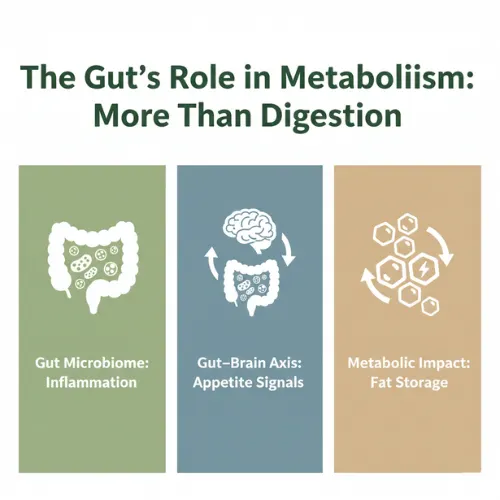
    The Gut’s Role in Metabolism: More Than Digestion

    The Gut’s Role in Metabolism: More Than Digestion

    The gut microbiome is now understood as an endocrine organ — producing signaling molecules that influence metabolism, inflammation, appetite, and fat storage.

    Gut Microbiota as Metabolic Regulators

    Dysbiosis — an imbalance in gut microbes — has been linked to:

    • Increased inflammation
    • Reduced production of short‑chain fatty acids (SCFAs) that support metabolic health
    • Greater gut permeability (“leaky gut”)
    • Altered appetite signaling through gut‑brain peptides

    These microbial and biochemical changes can increase fat storage, drive insulin resistance, and make weight loss challenging even with diet and exercise.

    A comprehensive review highlights the impact of the microbiome on obesity and metabolic disorders, showing that gut microbial shifts can directly influence:

    • Appetite
    • Lipid metabolism
    • Immune activation
    • Energy homeostasis SpringerLink

    Gut‑Brain Axis & Metabolism

    The gut and brain communicate via hormonal and neural pathways that regulate hunger and satiety. When this axis is dysregulated — due to poor gut health or chronic inflammation — the signals that tell you “you’re full” or “you have enough energy” are blurred. This contributes to overeating, cravings, and poor metabolic control.

    Functional Medicine Viewpoint

    Rather than treating the gut as a passive digestive organ, functional medicine sees it as central to:

    • Hormone balance
    • Immune function
    • Detoxification support
    • Neuroendocrine signaling

    Thus, poor gut health can be a root cause of metabolic resistance.

    The Liver: The Metabolic Control Center

    In functional medicine, the liver is recognized as the body’s primary metabolic hub, coordinating nutrient processing, hormone regulation, detoxification, and fat metabolism. While the gut handles intake, the liver ensures that nutrients are efficiently utilized, hormones are cleared, toxins neutralized, and fats are properly digested through bile production. It also plays a critical role in regulating blood sugar and maintaining metabolic flexibility.

    Compromised liver function—due to fat accumulation, chronic inflammation, or exposure to environmental toxins—is increasingly seen as a barrier to sustainable weight loss, both in India and globally. Subclinical liver stress often goes undetected, yet it impairs metabolism by disrupting hormone clearance, nutrient processing, and energy homeostasis.

    Fatty Liver and Insulin Resistance: Non-alcoholic fatty liver disease (NAFLD) is a common metabolic condition associated with obesity, insulin resistance, and systemic inflammation. A fatty liver struggles to regulate blood glucose, produces pro-inflammatory cytokines, and sends stress signals to other organs, further impairing metabolic efficiency. (Journal of Clinical Endocrinology & Metabolism, 2021)

    Functional medicine interventions for liver health include:

    • Anti-inflammatory and nutrient-dense diet to reduce fat accumulation and oxidative stress.
    • Supporting detox pathways with nutrients like N-acetylcysteine, milk thistle, B vitamins, and antioxidants.
    • Managing blood sugar and insulin through diet, lifestyle, and gut health optimization.
    • Reducing environmental toxin exposure and chronic alcohol or medication stressors.

    Outcome: By restoring liver function, metabolic signaling improves, hormone clearance normalizes, inflammation decreases, and fat-burning capacity is enhanced. Functional medicine treats liver health as a cornerstone of systemic metabolic restoration, ensuring that weight loss is sustainable and rooted in overall wellness.

    Chronic Inflammation: The Hidden Barrier to Weight Loss

    Chronic inflammation is like a silent brake on your metabolism. Unlike short-term inflammation that helps your body heal, long-lasting inflammation disrupts hormones, blood sugar control, and energy use, making it hard to lose weight.

    What Causes Chronic Inflammation?

    • Leaky Gut: When the gut lining is weak, food particles, bacteria, and toxins leak into the bloodstream, triggering the immune system.
    • Toxins: Pollution, heavy metals, and chemical exposures increase stress in the body and trigger inflammatory responses.
    • Stress: Constant psychological or physical stress raises cortisol, promoting belly fat and insulin resistance.
    • Gut Imbalance or Hidden Infections: Overgrowth of harmful gut bacteria or low-level infections keep the immune system activated.

    How Inflammation Blocks Fat Loss:

    • Insulin Resistance: Inflammatory molecules make it harder for cells to use sugar properly, encouraging fat storage.
    • Appetite Hormone Disruption: Leptin and ghrelin signals get confused, making you feel hungrier and less satisfied after meals.
    • Energy Conservation Signals: Cells slow down metabolism because they perceive stress, preventing fat burning.
    • Reduced Flexibility: Your body struggles to switch between burning sugar and fat efficiently.

    Functional Medicine Approach:
    Functional medicine focuses on finding and fixing the root cause. Healing the gut, reducing toxins, balancing microbes, improving diet, supporting the liver, and managing stress can calm inflammation. Once inflammation is lowered, hormones stabilize, metabolism improves, and weight loss becomes easier and sustainable.

    Stress, Sleep & Metabolism: Why the Nervous System Matters

    Chronic stress is not just mental — it has physiological metabolic consequences. Elevated stress and poor sleep disrupt:

    • Cortisol rhythms
    • Appetite hormones
    • Blood sugar control
    • Mitochondrial function (how cells burn fuel)

    These effects make fat loss harder, even with disciplined eating and activity.
    Nutrient Deficiencies and Metabolic Blockage:

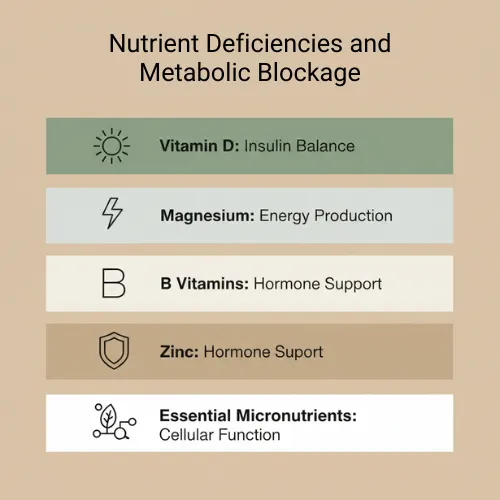
    Nutrient Deficiencies and Metabolic Blockage: A Functional Medicine Perspective

    In functional medicine, nutrient sufficiency is foundational to metabolism, hormone function, and overall health. Micronutrients are not optional—they act as co-factors for enzyme activity, hormone synthesis, neurotransmitter balance, and detoxification pathways. Deficiencies can silently create metabolic resistance, making weight loss extremely difficult despite diet and exercise.

    Vitamin D: Crucial for immune modulation, insulin sensitivity, and thyroid regulation. Low vitamin D is strongly associated with metabolic syndrome, obesity, and increased inflammatory markers. Supplementation under supervision can improve insulin signaling and hormone balance.

    Magnesium: Required for over 300 enzymatic reactions, including those controlling energy production and glucose metabolism. Magnesium deficiency is linked to insulin resistance, poor energy utilization, and impaired mitochondrial function.

    B Vitamins: B12, B6, and folate are essential for methylation, neurotransmitter production, and homocysteine regulation. Deficiency can lead to fatigue, impaired thyroid function, and disrupted hormone metabolism.

    Zinc: Integral to thyroid hormone synthesis, insulin regulation, and appetite signaling. Zinc deficiency can increase oxidative stress, hormonal imbalance, and metabolic inefficiency.

    Other Micronutrients: Selenium, iron, omega-3 fatty acids, and antioxidants support liver detoxification, hormone clearance, and inflammatory balance, all of which are critical for fat metabolism.

    Functional medicine practitioners often use detailed lab testing to identify deficiencies and tailor supplementation, while also addressing underlying causes such as gut malabsorption, chronic inflammation, or toxin exposure. Correcting these deficiencies is not simply about filling gaps—it unlocks metabolic pathways, improves hormonal function, and restores energy regulation, paving the way for sustainable, root-cause weight management.

    Functional Assessment: How Practitioners Identify Root Causes

    Functional medicine views the body as an interconnected system, where metabolic, hormonal, immune, and digestive pathways constantly interact. Unlike conventional approaches that focus primarily on weight, BMI, or isolated lab values, functional medicine practitioners use comprehensive assessments to uncover root causes of metabolic resistance and fat accumulation.

    Hormone Panels: Detailed evaluation of thyroid (TSH, Free T3, Free T4, Reverse T3, thyroid antibodies), adrenal hormones (cortisol rhythm), sex hormones (estrogen, progesterone, testosterone), and appetite-regulating hormones (leptin, ghrelin) helps identify imbalances that influence energy expenditure, fat storage, and cravings.

    Blood Sugar and Insulin Response: Functional medicine tests often include fasting glucose, HbA1c, fasting insulin, and oral glucose tolerance to detect insulin resistance, a key driver of metabolic dysregulation and fat accumulation.

    Gut Microbiome Analysis: Dysbiosis and leaky gut contribute to systemic inflammation, hormone disruption, and altered nutrient absorption. Stool tests, microbiome sequencing, and evaluation of gut permeability markers guide interventions.

    Nutrient Status: Deficiencies in vitamin D, magnesium, B vitamins, zinc, and omega-3s are assessed as these are critical co-factors in hormone production, mitochondrial function, and detoxification.

    Liver Detox Capacity and Inflammatory Markers: Liver function tests, CRP, IL-6, and other markers indicate metabolic stress and systemic inflammation, both of which impair fat loss.

    Stress and Nervous System Evaluation: Cortisol rhythms, heart rate variability, and lifestyle stressors are assessed to understand their impact on hormone signaling and metabolic flexibility.

    By examining these systems holistically, functional medicine practitioners identify the interconnected patterns that block weight loss and develop personalized, root-cause strategies rather than offering generic solutions.

    Lifestyle Factors That Block Weight Loss: A Functional Medicine Perspective

    Weight loss resistance is rarely caused by a single factor. Modern lifestyles create multiple stressors that disrupt metabolism, hormone balance, and gut-liver function, often invisibly.

    1. Sedentary Behaviour: Prolonged sitting and low physical activity reduce mitochondrial efficiency, impair insulin sensitivity, and slow fat oxidation. Research shows even moderate activity, such as short bouts of walking or strength training, improves glucose metabolism and hormone regulation.

    2. Highly Processed Diets: Diets rich in refined carbohydrates, trans fats, and ultra-processed foods promote chronic inflammation, dysbiosis, and insulin resistance. Functional medicine emphasizes nutrient-dense, anti-inflammatory foods to restore gut microbiome balance, support liver detoxification, and stabilize hormones.

    3. Irregular Sleep: Poor or inconsistent sleep impairs cortisol rhythms, disrupts leptin and ghrelin signaling (hunger hormones), and reduces energy expenditure. Chronic sleep deprivation is linked to increased visceral fat and impaired metabolic flexibility.

    4. Chronic Stress: Persistent psychological or physical stress elevates cortisol, which drives abdominal fat accumulation, insulin resistance, and thyroid suppression. Stress also worsens gut permeability, further amplifying inflammation and metabolic disruption.

    5. Environmental Toxins: Exposure to endocrine-disrupting chemicals (EDCs) such as BPA, pesticides, and heavy metals can interfere with thyroid function, liver detoxification, and hormone signaling, all critical for weight regulation.

    Functional medicine recognizes that these lifestyle factors interact with gut, liver, and hormone systems, creating a vicious cycle that prevents fat loss. Addressing these root contributors—through diet, sleep, stress management, detox support, and movement—restores metabolic balance and enables sustainable weight loss.

    Functional Medicine Strategies That Support Metabolic Healing & Weight Loss

    Functional medicine approaches weight loss as a natural outcome of restoring internal systems, rather than focusing solely on calories or exercise. Sustainable results depend on addressing the gut, hormones, liver, inflammation, and stress — the key drivers of metabolic health.

    1. Gut Repair: The gut is a central regulator of metabolism and immune signaling. Dysbiosis, leaky gut, or microbial imbalances can trigger systemic inflammation, impair appetite regulation, and block fat burning. Functional medicine interventions include probiotics, prebiotics, gut-healing nutrients (like L-glutamine and zinc), and anti-inflammatory diets.

    2. Hormone Balancing: Hormones orchestrate fat storage and energy use. Imbalances in thyroid, insulin, cortisol, estrogen, progesterone, and leptin can create resistance to weight loss. Personalized strategies focus on optimizing hormone levels, improving insulin sensitivity, and regulating stress hormones.

    3. Liver Support: The liver processes nutrients, detoxifies hormones, and regulates metabolism. Impaired liver function from toxins or fatty liver slows fat metabolism. Functional medicine emphasizes detox support, nutrient cofactors, and reducing environmental and dietary toxins.

    4. Inflammation Reduction: Chronic inflammation disrupts insulin signaling, appetite hormones, and metabolism. Strategies include anti-inflammatory diets, micronutrient support (vitamin D, magnesium, zinc), and addressing underlying triggers such as gut permeability and environmental toxins.

    5. Stress & Sleep Optimization: Chronic stress elevates cortisol, while poor sleep impairs insulin sensitivity and metabolic regulation. Functional medicine incorporates stress management, meditation, sleep hygiene, and adaptogens to restore balance.

    6. Personalized Root-Cause Approach: Every individual’s metabolic resistance is unique. Functional medicine combines comprehensive testing, dietary, lifestyle, and behavioral interventions to target the root causes, ensuring fat loss occurs naturally as internal systems normalize.

    Outcome: By healing the gut, balancing hormones, supporting the liver, reducing inflammation, and managing stress, the body can reset its metabolism, allowing sustainable, long-term weight loss as a byproduct of restored health.

    Why Results May Take Time and Require Personalization?

    Functional medicine works on the principle that every body is unique, and weight loss or metabolic restoration cannot be achieved with a single quick fix. Long-term results depend on identifying and correcting the underlying factors that block metabolism.

    Why it Takes Time:

    • Multiple Systems Are Involved: Weight resistance is rarely due to one issue. Gut health, liver function, hormones, inflammation, sleep, and stress all interact. Addressing just one factor may provide temporary relief but not lasting results.
    • Complex Biological Patterns: Each individual has a distinct combination of hormone imbalances, nutrient deficiencies, and environmental exposures that affect metabolism differently. Functional medicine maps these patterns before making targeted interventions.
    • Healing and Adaptation: Restoring gut integrity, balancing hormones, improving liver detoxification, and reducing inflammation takes time. Cells, tissues, and metabolic pathways need weeks or months to recover and function efficiently.
    • Building Sustainable Habits: Functional medicine emphasizes long-term lifestyle changes in diet, movement, sleep, and stress management. Quick fixes may yield temporary results but often fail when old habits resume.

    Why Conventional Approaches Often Fall Short:
    Traditional methods frequently focus on calorie restriction or medication to suppress symptoms rather than addressing root causes. This may produce short-term results, but underlying imbalances remain, leading to plateaus, fatigue, and frustration.

    By tackling the body’s systems holistically and allowing time for true healing, functional medicine enables lasting metabolic balance, hormone stability, and gradual, sustainable weight loss.

    FAQs: Functional Medicine & Weight Loss

    1. Why am I eating healthy and exercising, yet not losing weight?

    Weight loss resistance often stems from internal system imbalances rather than calorie intake alone. Hormonal disruption (thyroid, insulin, cortisol), gut dysbiosis, liver stress, chronic inflammation, and nutrient deficiencies can all signal your body to store fat, making conventional diet and exercise less effective.

    2. How does gut health affect my metabolism?

    The gut microbiome produces hormones and signaling molecules that regulate appetite, fat storage, and insulin sensitivity. Dysbiosis (microbial imbalance) or leaky gut increases inflammation, disrupts metabolism, and alters hunger cues, contributing to weight gain or stalled weight loss.

    3. What role does the liver play in fat loss?

    The liver is central to metabolic control: it processes nutrients, detoxifies hormones, regulates blood sugar, and produces bile for fat digestion. Fatty liver, toxin accumulation, or chronic inflammation can impair these functions, slowing metabolism and fat-burning capacity.

    4. How do hormones influence weight loss?

    Hormones such as insulin, cortisol, thyroid hormones, estrogen, progesterone, and leptin orchestrate energy use and fat storage. Imbalances—like insulin resistance, thyroid sluggishness, or estrogen dominance—can block fat loss, even with proper diet and exercise.

    5. Why is chronic inflammation a problem for weight loss?

    Persistent inflammation alters insulin and appetite hormone signaling, signals cells to store energy, and reduces metabolic flexibility. Sources include gut permeability, environmental toxins, stress, and hidden infections.

    6. Can nutrient deficiencies prevent weight loss?

    Yes. Micronutrients like vitamin D, magnesium, B vitamins, zinc, selenium, and omega-3 fatty acids are critical co-factors for hormone production, enzyme function, and detox pathways. Deficiencies can impair metabolism, energy production, and fat-burning efficiency.

    7. How long does it take to see results using functional medicine principles?

    Because functional medicine addresses multiple systems simultaneously, improvements may take weeks to months. The focus is on restoring internal balance—gut, hormones, liver, and inflammation—which gradually leads to sustainable fat loss.

    Conclusion: Metabolic Healing Before Weight Loss

    Weight loss is not just about eating less and moving more. It’s about understanding the internal signals that determine whether your body releases or stores fat.

    Further research increasingly supports the idea that gut microbiota influences metabolic homeostasis, that hormonal imbalances can drive fat storage, and that liver function is essential for energy balance

    Functional medicine reframes weight loss as a signal of internal balance rather than a battle against your body. When hormones communicate clearly, when the gut and liver function optimally, and when inflammation is controlled, fat loss becomes a natural consequence of restored health.

    Book Your Functional Medicine Consultation Today – Heal your metabolism, balance hormones, and achieve lasting results.

    Call to action for Hormone Reset
    Call to action for Hormone Reset

    References

    1. Impact of the gut microbiota on inflammation, obesity, and metabolic disease -Springer Nature 
    2. Insights into the role of gut microbiota in obesity: pathogenesis & therapeutic perspectives– Oxford Academic 
    3. Gut Microbiota as a Trigger for Metabolic Inflammation in Obesity and Type 2 Diabetes-National Library of Medicine
    4. Exploring the Gut Microbiota: Key Insights Into Its Role in Obesity, Metabolic Syndrome, and Type 2 Diabetes – The Journal of Clinical Endocrinology & Metabolism

    Please subscribe to our social channels for updates related to functional medicines.
    Instagramthehormonereset
    FacebookHormone Reset
    YouTubeHormone Reset Program
    LinkedInHormone Reset

  • How to Remove Gas from Stomach Instantly: Quick Relief Tips

    How to Remove Gas from Stomach Instantly: Quick Relief Tips

    Introduction: Understanding Stomach Gas from a Functional Perspective

    Stomach gas, bloating, and digestive discomfort are common complaints that many people experience after meals. While occasional gas is normal, persistent or excessive gas signals that the digestive system is under stress or not functioning optimally. Conventional advice often focuses on temporary relief, such as over-the-counter medications or lifestyle clichés like “eat smaller meals” or “drink water during meals.”

    From a Functional Medicine perspective, gas is not an isolated problem—it is a symptom that points to deeper imbalances in the digestive system. Understanding why gas occurs, rather than just masking it, is key to long-term digestive comfort. Gas typically arises from bacterial fermentation in the gut, impaired motility, enzyme deficiencies, microbiome imbalances, and food sensitivities. By addressing these root causes, you can achieve both immediate relief and sustained improvement in digestive health.

    What’s Really Happening in Your Gut

    Excess stomach gas is rarely just a minor nuisance—it usually reflects deeper digestive imbalances. The main contributors include bacterial fermentation of undigested food, an imbalanced gut microbiome, insufficient digestive enzymes, slow gut motility, and individual food sensitivities. Understanding and addressing these root causes is key to achieving lasting relief and optimal digestive health.

    Fermentation by Gut Bacteria

    The most significant source of stomach gas is the fermentation of undigested carbohydrates by gut bacteria. When food is not fully broken down in the small intestine, it reaches the colon where bacteria metabolize it, producing gases such as hydrogen, methane, and carbon dioxide. This process can create the familiar sensations of bloating, pressure, and abdominal discomfort.

    Factors that increase bacterial fermentation include:

    • Incomplete digestion of carbohydrates due to low stomach acid or insufficient digestive enzymes.
    • Overgrowth of gas-producing bacteria in the small intestine or colon.
    • Consumption of high-FODMAP foods like beans, lentils, onions, garlic, and certain fruits, which ferment more readily.

    Bacterial fermentation is a natural process, but excessive or poorly timed fermentation leads to uncomfortable gas buildup.

    Imbalance in Gut Microbiome (Dysbiosis)

    A healthy gut microbiome maintains digestive balance, aids nutrient absorption, and prevents overproduction of gas. Dysbiosis, or an imbalance between beneficial and harmful microbes, is a common underlying factor for chronic bloating.

    Causes of dysbiosis include:

    • Repeated antibiotic use
    • High-sugar or ultra-processed diets
    • Chronic stress
    • Sedentary lifestyle

    Certain bacteria, such as methane-producing archaea or sulfur-producing microbes, generate significantly more gas than others. When these bacteria dominate, even normal meals can lead to discomfort.

    Poor Digestion or Enzyme Deficiency

    Effective digestion relies on stomach acid, digestive enzymes, and bile to break down carbohydrates, fats, and proteins. When any of these components are insufficient, food passes into the intestines partially undigested, creating a perfect substrate for gas-producing bacteria.

    Common contributors include:

    • Low stomach acid (hypochlorhydria)
    • Inadequate pancreatic enzyme activity
    • Reduced bile secretion
    • Gut inflammation that impairs nutrient absorption

    Supporting digestion through proper enzyme activity and stomach acid balance reduces substrate for fermentation and minimizes gas formation.

    Slow Gut Motility

    When food moves too slowly through the digestive tract, fermentation increases, and gas has more time to accumulate. Slow motility can be caused by:

    • Chronic stress or sympathetic nervous system activation
    • Low thyroid hormone levels
    • Nutrient deficiencies s,uch as magnesium or B12
    • Lack of physical movement

    Functional Medicine emphasizes restoring natural gut motility rather than relying on frequent meals, which can disrupt the Migrating Motor Complex (MMC)—a critical wave that clears the small intestine of bacteria and leftover food.

    Food Intolerances and Sensitivities

    Certain foods are more likely to cause gas in sensitive individuals. Common triggers include:

    • Dairy (lactose intolerance)
    • Gluten
    • Beans, lentils, and chickpeas
    • Onions, garlic, and other high-FODMAP vegetables
    • Sugar alcohols found in processed foods

    When these foods are consumed, undigested carbohydrates ferment rapidly, producing gas and bloating. A structured elimination and reintroduction approach can help identify personal triggers.

    image 9

    Recognizing When Stomach Gas Becomes a Concern

    Occasional gas is a normal part of digestion, but frequent or severe bloating may interfere with daily life. Signs that stomach gas requires attention include:

    • Bloating that appears 30–60 minutes after meals
    • Chronic abdominal fullness or pressure
    • Excessive burping or flatulence
    • Discomfort that affects social situations or daily activities
    • Gas accompanied by changes in bowel habits, pain, or unexplained weight loss

    Persistent gas is a signal that deeper digestive imbalances need to be addressed rather than ignored.

    Functional Medicine Strategies for Quick Gas Relief

    While root-cause management is the long-term solution, there are effective methods to relieve discomfort naturally in the short term:

    Gentle Movement and Stretching

    • Light walking after meals helps stimulate gut motility and reduce bloating.
    • Yoga poses like Knee-to-Chest (Apanasana) and Child’s Pose gently shift trapped gas and relieve pressure. Hold each pose for 30–60 seconds.

    Deep Breathing and Relaxation

    • Controlled, diaphragmatic breathing relaxes the abdominal muscles and supports natural gas passage.
    • Stress reduction techniques such as mindfulness or progressive relaxation help normalize digestive rhythm.

    Warm Herbal Beverages

    • Peppermint tea: Relaxes intestinal muscles, allowing gas to pass more easily.
    • Ginger tea: Reduces bloating, eases abdominal discomfort, and stimulates digestion.
    • Chamomile tea: Calms the stomach and nervous system, indirectly supporting gas relief.

    Sipping slowly allows the digestive system to respond effectively.

    Eating Habits That Support Digestive Comfort

    Food Choices

    • Choose low-FODMAP foods such as rice, zucchini, carrots, and certain fruits to reduce fermentation.
    • Replace high-gas foods like beans, onions, and cruciferous vegetables with gentler alternatives.
    • Use lactose-free or plant-based dairy if sensitive to lactose.

    Mindful Eating

    • Eat slowly and chew thoroughly to reduce fermentation caused by undigested food.
    • Avoid talking while eating and minimize distractions like phones or screens.

    Meal Timing and Hydration

    • Avoid frequent snacking that disrupts gut motility.
    • Sip water between meals rather than drinking large amounts with food
    • Focus on gradual, consistent hydration to support smooth digestion.
    image 8

    Lifestyle Practices for Long-Term Relief

    In Functional Medicine, digestion is not viewed in isolation; it is intimately connected with broader lifestyle factors. Physical activity plays a vital role in supporting gut motility, helping food move efficiently through the digestive tract and reducing the risk of excessive fermentation and gas buildup. Gentle walks after meals or light stretching can stimulate natural digestive rhythms and ease bloating. Equally important is stress management, as chronic stress activates the sympathetic nervous system and slows digestion, creating an environment where gas and bloating are more likely. Techniques such as deep breathing, meditation, or short mindful breaks throughout the day can help relax the body, promote efficient motility, and reduce abdominal discomfort. Posture and physical comfort also contribute to digestive ease; sitting upright during meals ensures proper organ alignment and allows the digestive system to function optimally, while wearing non-restrictive clothing reduces unnecessary pressure around the abdomen. Finally, maintaining consistent daily routines—such as getting adequate sleep, eating dinner at regular times, and avoiding late-night snacking—supports the natural circadian rhythms of the gut. Together, these lifestyle strategies enhance digestion, support the microbiome, and reduce the frequency and severity of bloating and gas over time.

    When to Seek Medical Advice

    While most gas and bloating can be managed through diet, lifestyle, and functional strategies, persistent or severe symptoms may indicate underlying medical conditions that require professional evaluation. It is important to seek medical attention if gas is accompanied by intense abdominal pain, persistent vomiting, diarrhea, or noticeable changes in bowel movements such as blood in the stool or black, tarry stools. Unexplained weight loss alongside bloating or gas can also signal a deeper digestive issue that should not be ignored. In these cases, a healthcare professional may recommend targeted testing to uncover the root cause, such as comprehensive stool analysis to evaluate microbiome balance, digestive enzyme function, or inflammation; SIBO breath tests to detect bacterial overgrowth in the small intestine; food sensitivity panels to identify triggering foods; and nutrient deficiency assessments to ensure the body is receiving essential vitamins and minerals for optimal digestion. Identifying the underlying cause through these functional tests allows for a personalized approach, addressing the source of excessive gas rather than just managing symptoms, and provides a path toward lasting digestive wellness.

    FAQs: How to Ease Stomach Gas Naturally and Feel Comfortable

    1.  What is the main cause of stomach gas?

    The primary cause of stomach gas is bacterial fermentation of undigested carbohydrates in the gut. When food is not fully broken down in the small intestine, it reaches the colon where gut bacteria metabolize it, producing gases such as hydrogen, methane, and carbon dioxide. Factors like slow gut motility, enzyme deficiencies, or an imbalance in the gut microbiome can worsen fermentation, leading to bloating and discomfort. While swallowing air can contribute slightly, it is rarely the main driver of chronic gas.

    2. Which foods are most likely to cause gas and bloating?

    Certain foods ferment more readily in the gut and can increase gas production, particularly in sensitive individuals. Common culprits include beans, lentils, chickpeas, onions, garlic, cabbage, and cruciferous vegetables. High-FODMAP fruits and sugar alcohols found in processed foods may also trigger bloating. Functional Medicine recommends identifying personal triggers through an elimination and reintroduction approach rather than avoiding all potentially gassy foods indiscriminately.

    3. What simple habits can help prevent trapped gas?

    Eating slowly, chewing well, staying hydrated, and sitting up straight during meals support smoother digestion. Light movement, such as a short walk after meals, and relaxation practices to reduce stress, can also help your stomach feel lighter.

    4. Can stress make gas worse?

    Yes, stress can slow digestion and make bloating or trapped gas more noticeable. Mindful breathing, short relaxation exercises, or gentle stretching can help calm the digestive system naturally.

    5. How can I tell if my gas is more than usual?

    Occasional bloating is normal, but if fullness, pressure, or discomfort keeps returning, it may be linked to certain foods, habits, or gut sensitivities. Keeping a simple note of meals and how your stomach feels can help you notice patterns.

    6. How does gut motility affect gas formation?


    Slow gut motility prolongs the time food spends in the digestive tract, giving bacteria more opportunity to ferment undigested carbohydrates. Functional Medicine emphasizes supporting natural motility through movement, proper hydration, and adequate nutrient intake (such as magnesium), rather than relying on frequent small meals, which can disrupt the Migrating Motor Complex (MMC)—the gut’s natural cleansing mechanism that prevents bacterial overgrowth.

    7. When should I seek professional advice?

    If gas comes with persistent bloating, strong stomach discomfort, sudden weight changes, or digestive upset that doesn’t ease, it’s helpful to check in with a healthcare professional. Tracking symptoms makes it easier for them to provide personalized guidance

    8.  Can enzyme supplements or stomach acid support help reduce gas?

    Yes, supporting digestive efficiency can reduce the substrate available for fermentation. Digestive enzymes, adequate stomach acid (when safely supported), and bile production help break down carbohydrates, fats, and proteins effectively. This reduces undigested food reaching the colon, limiting excessive bacterial fermentation and gas formation. Such strategies should be tailored to the individual under professional guidance.

    9. How can Hormone Reset help with gas and bloating?

    Hormone Reset focuses on identifying root causes—like thyroid function, gut health, or food sensitivities—and creating a tailored plan to support digestive comfort and reduce bloating naturally.

    10. Can hormones or thyroid issues influence gas and bloating

    Yes, hormonal imbalances—including thyroid dysfunction—can slow gut motility and alter digestion, making gas and bloating more likely. Functional Medicine considers these systemic influences when addressing digestive discomfort. Optimizing thyroid function, sex hormone balance, and overall metabolic health can significantly improve motility, enzyme activity, and gut microbiome function, reducing chronic gas.

    Conclusion

    Yes, hormonal imbalances—including thyroid dysfunction—can slow gut motility and alter digestion, making gas and bloating more likely. Functional Medicine considers these systemic influences when addressing digestive discomfort. Optimizing thyroid function, sex hormone balance, and overall metabolic health can significantly improve motility, enzyme activity, and gut microbiome function, reducing chronic gas.
    Learn more about supporting hormone and digestive balance with the Hormone Reset program.

    References

    1. Intestinal Gas Production:
      Comprehensive review of how gut microbes generate intestinal gas, including mechanisms and contributing factors – ScienceDirect, 2025
    2. Gut Microbiota Dysbiosis in FGIDs:
      Insights into how microbial imbalance drives symptoms and pathophysiology in functional gastrointestinal disorders – PubMed Central, 2024
    3. SIBO & Methane-Related Fermentation:
      Detailed discussion on methane production, bacterial/fungal roles, diagnostic methods, and treatment strategies for SIBO – MDPI, 2023
    4. Small Intestinal Bacterial Overgrowth (SIBO):
      Clinical overview of causes, symptoms, diagnostic criteria, and therapeutic approaches to SIBO – PubMed Central, 2024
    5. Excessive Gas:
      Overview of causes, symptoms, and general guidance on managing gas –Mayo Clinic, 2025
    6. Tips for Healthy Digestion:
      Practical strategies to support smooth digestion and reduce bloating –Harvard Health Publishing, 2024
    7. Digestive Health and Gas:
      Insights into normal gas formation and digestive system function –National Institutes of Health (NIH), 2021
    8. Managing Gas and Bloating:
      Professional guidance on recognizing and alleviating gas-related discomfort –American Gastroenterological Association, 2023
    9. Causes and Remedies for Gas
      Evidence-based advice on foods, lifestyle habits, and natural relief methods –ClevelandClinic, 2023

    Please subscribe to our social channels for updates related to functional medicines.
    Instagramthehormonereset
    FacebookHormone Reset
    YouTubeHormone Reset Program
    LinkedInHormone Reset

  • GABA and Glutamate: The Brain’s Brake and Gas Pedals

    GABA and Glutamate: The Brain’s Brake and Gas Pedals

    GABA and Glutamate : Let’s paint a picture for you: Have you ever felt like this?
    It’s midnight.
    You’re lying in bed, exhausted but wide awake. Your mind is spinning — replaying conversations, running through to-do lists, even thinking about things you can’t control.

    Or maybe during the day, you find yourself:

    • Anxious or restless, like your brain just won’t shut off.
    • Craving sugar or carbs the moment stress hits.
    • Struggling with memory or focus, feeling both wired and tired at once.

    If this feels familiar, it’s not just “in your head.” It could be your brain chemistry — specifically the balance between GABA and glutamate.

    GABA and glutamate

    What Are GABA and Glutamate?

    Your brain has two main drivers that work like pedals in a car. One keeps you calm, the other keeps you alert.

    Imagine you’re driving a car down a hill:

    • If you slam the gas pedal (glutamate) with no brakes, you speed out of control.
    • If you only press the brakes (GABA), you stall and can’t move forward.

    Your brain works the same way:

    Glutamate = Gas Pedal

    • Keeps you alert, focused, motivated.
    • Helps you learn new things and form memories.
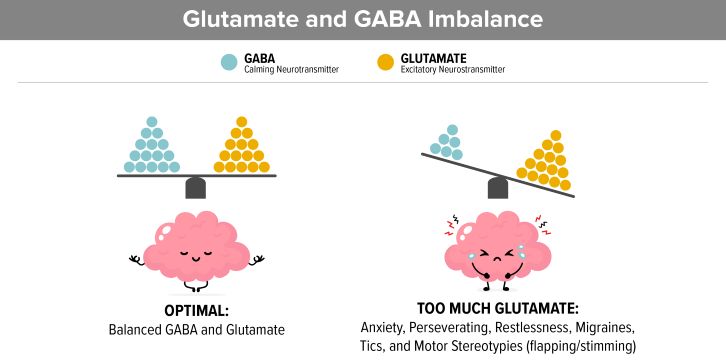
    • Too much glutamate = anxiety, racing thoughts, restlessness.

    GABA = Brake Pedal

    • GABA (gamma-aminobutyric acid) calms your nervous system and slows down mental chatter.
    • Helps you sleep deeply, relax, and recover from stress.
    • Too little GABA leads to insomnia, sugar cravings, overwhelm.
    • Too much GABA leads to brain fog, low motivation, fatigue, and difficulty concentrating.

    The secret isn’t choosing one over the other. It’s about balance.

    GABA and glutamate

    How Do GABA Levels Drop (and Glutamate Takes Over)?

    Modern life is hard on your brain’s balance:

    • Chronic Stress → Burns through calming GABA and floods your brain with glutamate.
    • Poor Sleep → Without rest, you can’t replenish GABA, while glutamate piles up.
    • Caffeine, Alcohol, Sugar → Overstimulate glutamate and block GABA’s effects.
    • Nutrient Deficiencies → Magnesium + B6 are essential for GABA production.
    • Sedentary Lifestyle → Exercise naturally boosts GABA.
    • Gut Imbalance → A disrupted gut lowers GABA and lets glutamate dominate.

    What Low GABA + High Glutamate Feels Like

    When your brain leans too far toward glutamate, it’s like hitting the gas with no brakes:

    • Anxiety & overwhelm
    • Racing thoughts
    • Poor sleep
    • Food cravings
    • Low mood
    • Tense body
    • Brain fog
    GABA and glutamate

    The GABA and glutamate Bright Side: When Balance Is Restored

    When GABA and glutamate work in harmony:

    • Sleep comes easily
    • Mind is calm, centered
    • Energy is steady and  balanced
    • Sharper focus
    • Healthy appetite
    • Less inflammation

    The Other Side: When There’s Too Much GABA

    Balance goes both ways. Just as excess glutamate makes the brain feel overstimulated, an oversupply of GABA can swing things too far in the opposite direction. Too much “brake” can leave you moving through life in slow motion — sluggish, unmotivated, foggy, or even low in mood. Focus and drive fade, mornings feel heavy, and your energy may stay flat no matter how much rest you get. In short, while glutamate overload feels like chaos, GABA overload feels like stagnation. The sweet spot is the middle ground, where calmness and clarity work together.

    And here’s something people often overlook:

    Immune Function

    • GABA isn’t just in your brain; it’s your immune cells that also have GABA receptors.
      • Balanced GABA helps calm overactive immune responses, reducing inflammation.
      • Too much glutamate: on the other hand, acts like fuel on the fire, driving chronic inflammation and making the immune system “jumpy.”
    • Translation: When GABA is low and glutamate is high, your body may feel more inflamed, reactive, and slow to heal.

    Blood Sugar Regulation

    • GABA plays a surprising role in your pancreas- it helps regulate insulin release and keeps blood sugar stable.
    • Low GABA = more sugar cravings + rollercoaster energy crashes.
    • High glutamate = stress hormones spike, which can raise blood sugar, leaving you wired, then drained.
    • A healthy GABA–glutamate balance = smoother energy, fewer cravings, and steadier blood sugar.

    That’s why some people with low GABA feel both anxious and constantly hungry for carbs.

    How to Boost GABA Naturally (and Calm Glutamate Excess)

    Eat GABA-Friendly Foods

    Think of food as brain (and body) fuel. These nourish GABA and keep glutamate in check:

    • Cruciferous veggies → Broccoli, Brussels sprouts, cabbage.
    • Leafy greens & mushrooms → Spinach, kale, shiitake.
    • Beans & legumes → Black beans, adzuki.
    • Whole grains → Brown rice, sprouted grains.
    • Nuts & seeds → Almonds, sunflower seeds.
    • Fruits & teas → Citrus, berries, green/white tea.
    • Seafood & cacao → Shrimp, halibut, dark chocolate.

    Start by adding just 1–2 of these to your next meal.

    Lifestyle Hacks for Balance

    • Meditation & deep breathing → Switches off glutamate-driven fight-or-flight mode.
    • Yoga or tai chi → Gentle movement + breath = natural GABA booster.
    • HIIT or cardio → Vigorous exercise raises GABA quickly.
    • Regular breaks → Stand, stretch, walk — keeps brain chemistry stable.
    • Sunlight exposure → Supports circadian rhythm & GABA production.

    Supplements That May Help

    • Magnesium + Vitamin B6 → Essential for GABA production.
    • L-theanine → Found in tea; balances glutamate.
    • Probiotics like S Boulardii → Gut balance = better GABA.
    • Taurine & Glycine → Help regulate glutamate excess.
    • Direct GABA supplements → May help with sleep & calm.

    Don’t start all at once. Pick one, try it for 2 weeks, and notice how you feel.

    Conclusion GABA and Glutamate : Your Brain’s Balance

    GABA and glutamate

    Your brain is always balancing gas and brakes:

    • Too much glutamate (gas) = stress, cravings, racing thoughts, blood sugar spikes, inflammation.
    • Too little GABA (brakes) = insomnia, anxiety, overwhelm, sugar cravings.
    • Balanced = calm focus, steady energy, deep rest, stronger immunity, stable blood sugar.

    The good news? With the right foods, habits, and mindful practices, you can recharge your calming chemistry and bring your mind and body back into balance.

    Next time you’re lying awake at night or reaching for that extra cookie, pause and ask yourself:
    Is this my brain asking for more GABA?”

    References

    1. https://pubmed.ncbi.nlm.nih.gov/27966041
    2. https://www.nature.com/articles/s41538-024-00253-2
    3. https://my.clevelandclinic.org/health/articles/22857-gamma-aminobutyric-acid-gaba
    4. https://pmc.ncbi.nlm.nih.gov/articles/PMC7595380/
    5. https://pmc.ncbi.nlm.nih.gov/articles/PMC3680704/

    Stay updated with the latest information on functional medicine

    Please subscribe to our social channels for updates related to functional medicines.


    Instagramthehormonereset
    FacebookHormone Reset
    YouTubeHormone Reset Program
    LinkedInHormone Reset

    FAQ’s

    1. What is the difference between GABA and glutamate?
      • GABA is the brain’s calming neurotransmitter that reduces activity, while glutamate is the excitatory neurotransmitter that increases brain activity for focus and learning.
    2. What happens when GABA is too low?
      • Low GABA can lead to anxiety, insomnia, racing thoughts, sugar cravings, and feeling overwhelmed.
    3. What are the symptoms of high glutamate?
      • Too much glutamate may cause restlessness, irritability, poor sleep, and in severe cases, contribute to neuroinflammation.
    4. How do I naturally increase GABA levels?
      • You can support GABA by eating magnesium-rich foods, practicing meditation or yoga, getting quality sleep, and considering functional medicine support.
    5. Can you have too much GABA?
      • Yes, excessive GABA can make you feel sluggish, foggy, or unmotivated — showing that balance is more important than just increasing levels.
    6. How does stress affect GABA and glutamate?
      • Chronic stress reduces GABA while increasing glutamate, which creates imbalance, leading to anxiety, fatigue, and mood swings.

  • What is Gut Issues? Does Functional Medicine Reverse it ?

    What is Gut Issues? Does Functional Medicine Reverse it ?

    Is Your Gut Secretly Ruining Your Health?

    Bloating after every meal? Constipation that never quits? Acid reflux and gerd causing discomfort? Weird food intolerances popping up out of nowhere? You’re not alone — and no, it’s not just in your head.

    Your gut is the command center of your health. And when it’s out of balance, your whole body feels it — from your hormones to your immune system, skin, mood, and energy.

    At Hormone Reset, we believe gut issues are more than just stomach problems. They’re whole-body warnings. We use a Functional Medicine approach to get to the root of your gut issues, rather than masking them with medications.

    The Gut-Body-Hormone Connection: Why It Matters

    Your gut does far more than just break down food. It’s directly connected to nearly every system in your body:

    • Endocrine System (Hormones): Your gut effects and regulates hormone production and metabolism, including cortisol, estrogen, thyroid hormones, and insulin. A disrupted gut can worsen PMS, PCOS, thyroid dysfunction, and adrenal fatigue.
    • Immune System: Nearly 70% of your immune cells reside in your gut. An unhealthy gut triggers chronic inflammation, which may lead to autoimmunityand other immune dysfunctions.
    • Brain and Mood: The gut and brain are connected through the vagus nerve and the gut-brain axis Your gut produces neurotransmitters like serotonin and dopamine. Imbalance in the neurotransmitters and poor function of the enteric nervous system (nervous system in the gut) can lead to anxiety, depression, brain fog, and poor immunity amongst various other issues. .
    • Detoxification: The liver and gut collaborate to eliminate toxins and metabolize hormones. A sluggish gut hampers this detox, causing toxins and hormonal buildup and imbalances.
    • Nutrient Digestion and Absorption: Even a perfect diet won’t work if your gut can’t digest and absorb the nutrients. Malabsorption leads to fatigue, hair loss, skin problems, and chronic illness.

    When your gut is compromised, it causes a ripple effect — worsening existing conditions or creating new ones across multiple systems.

    Common Gut-Related Diseases You Should Know About

    ConditionDescriptionCommon SymptomsHow Functional Medicine Helps
    IBS (Irritable Bowel Syndrome)Functional gut disorder causing altered motility and sensitivityBloating, cramping, diarrhea, constipationIdentify food triggers, reduce stress, rebalance microbiome
    Leaky Gut (Intestinal Permeability)Damage to gut lining allows toxins into bloodstreamBrain fog, joint pain, fatigue, skin issuesUse the 5R protocol to repair the gut lining
    SIBO (Small Intestinal Bacterial Overgrowth)Excess bacteria in the small intestineBloating after meals, pain, diarrheaHerbal antimicrobials, prokinetics, diet reset
    GERD/Acid RefluxStomach acid backs up into the esophagusHeartburn, nausea, sore throatRoot cause analysis, enzyme support, reduce inflammation
    Celiac DiseaseAutoimmune reaction to gluten damaging small intestineDiarrhea, malabsorption, fatigueGluten removal, gut healing, autoimmunity management
    Ulcerative Colitis & Crohn’sInflammatory Bowel Diseases (IBDs)Diarrhea, rectal bleeding, weight lossAnti-inflammatory diet, immune modulation, microbial rebalancing
    Candida OvergrowthYeast overgrowth in gutSugar cravings, fatigue, fungal infectionsAnti-candida protocol, restore microbiome
    DiverticulitisInflammation or infection of diverticula in the colonPain, fever, bowel changesFiber-rich diet, healing inflammation, microbiome reset

    10 Warning Signs of an Unhealthy Gut

    1. Persistent bloating or gas
    2. Constipation or diarrhea
    3. Food intolerances or sensitivities
    4. Frequent fatigue or low energy
    5. Mood swings, anxiety, or depression
    6. Skin conditions like acne, eczema, or rosacea
    7. Autoimmune flare-ups
    8. Frequent infections or poor immunity
    9. Hormonal imbalances (PMS, PCOS, thyroid issues)
    10. Brain fog or poor concentration

    Also Read: Know How You Can Reverse Your PCOS

    How Hormone Reset’s Functional Medicine Approach Works

    view healthy food incased pill shaped container 1

    Step-by-Step Healing Protocol

    1. Advanced Diagnostic Testing

    We go deeper than basic blood work to uncover what’s really going on inside your gut and hormone systems. Tests may include:

    • Organic Acids Test (reveals nutrient status and gut bacteria metabolites)
    • Stool Analysis (detects inflammation, dysbiosis, parasites)
    • Leaky Gut Markers (like zonulin and occludin and claudin antibodies)
    • SIBO Breath Test (checks for bacterial overgrowth)
    • Hormone and Thyroid Panels (assesses relevent hormones like cortisol, estrogen, thyroid function, etc)

    2. Personalized Gut + Hormone Reset Plan

    We create a tailored healing roadmap that blends clinical science with natural medicine.

    • The 5R Gut Protocol:
      • Remove — Inflammatory foods, toxins, infections
      • Replace — Digestive enzymes, stomach acid, bile salts
      • Reinoculate — Beneficial bacteria through probiotics and prebiotics
      • Repair — Heal the gut lining with nutrients like L-glutamine, collagen, omega-3s
      • Rebalance — Lifestyle factors including stress, sleep, and movement
    • Hormone Rebalancing:
      • Address insulin resistance, estrogen dominance, thyroid dysfunction, and adrenal fatigue
      • Use herbs, adaptogens, and bio-identical support when necessary
    • Detox Pathway Support:
      • Enhance liver and lymphatic drainage
      • Use binder supplements and gentle detox herbs (milk thistle, dandelion root)

    3. Nutrition & Lifestyle Reset

    We help you build daily habits that support long-term health:

    • Nutrition: Anti-inflammatory, whole-food meal plans customized to your sensitivities
    • Sleep: Protocols to optimize sleep hygiene and circadian rhythm
    • Mind-Body Practices: Yoga, breathwork, trauma release, and nervous system regulation with adaptogens

    4. Education and Empowerment

    Knowledge is healing. We empower you to become your own health advocate with:

    • Workshops
    • 1:1 Consultation sessions
    • Group Ask-Me-Anything sessions
    • Meditation and breathwork training
    • Resource kits and trackers

    5. Long-Term Transformation

    No quick fixes — just deep, sustainable healing built on:

    • Functional lab retesting
    • Seasonal resets and maintenance programs
    • Ongoing practitioner support
    • Personalized supplement re-evaluation

    Conventional vs Functional Medicine: A Comparison Table

    AspectConventional Medicine ApproachFunctional Medicine Approach (Hormone Reset)
    DiagnosisBased on symptoms and standard testsAdvanced diagnostics, root cause investigation
    Typical TreatmentAntacids, antibiotics, laxatives, surgery5R protocol, lifestyle, nutrition, natural supplements
    FocusSymptom reliefLong-term healing and balance
    View of GutIsolated digestive organCore to hormonal, immune, and neurological health
    PersonalizationGeneralized prescriptionsFully individualized plans
    Duration of CareShort-termLong-term transformation
    Role of the PatientPassive recipientActive participant, educated and empowered

    Conventional treatments may suppress symptoms, but they rarely address the root cause — and often cause more imbalance over time. In contrast, Functional Medicine acknowledges the gut as the central hub of whole-body health. It considers your lifestyle, history, genetics, environment, and emotional triggers — and focuses on restoring harmony in your gut, hormones, immune system, and mind.

    Let’s Heal Your Gut — And Everything It’s Been Affecting

    You don’t have to live with constant gut symptoms or guesswork. At Hormone Reset, we decode the complex connection between your gut and your overall health. Whether it’s chronic bloating, fatigue, skin breakouts, mood swings, or hormone imbalances — the solution often begins in your gut.

    By combining cutting-edge diagnostics, nutrition, root-cause healing, and education, we walk with you on a journey of deep healing and whole-body transformation.

    Heal Your Gut, Transform Your Life

    Your gut is not just a place where food is digested — it’s where healing begins.

    When you address gut issues at their root, you don’t just fix bloating or constipation — you restore balance to your entire body. Hormones stabilize. Mood lifts. Skin clears. Energy returns. And chronic symptoms that once felt like a mystery finally start to make sense.

    At Hormone Reset, we don’t believe in quick fixes. We believe in root cause healing, personalized care, and educating you to take back control of your health.

    It’s time to stop normalizing discomfort — and start transforming your life from the inside out.

    Your healing starts now.
    Let’s reset, together.

    References

    1. Cleveland Clinic: Gastrointestinal Diseases
      https://my.clevelandclinic.org/health/articles/7040-gastrointestinal-diseases
    2. Wellmark: 5 Common Gut Issues You Should Be Aware Of
      https://www.wellmark.com/blue/healthy-living/5-common-gut-issues-you-should-be-aware-of
    3. NIH: Gut Troubles
      https://newsinhealth.nih.gov/2020/02/gut-troubles
    4. Frederick Health: 10 Signs of an Unhealthy Gut
      https://www.frederickhealth.org/news/2021/july/10-signs-of-an-unhealthy-gut/
    5. IFM: Intestinal Permeability and Disease
      https://www.ifm.org/articles/intestinal-permeability-and-diseases
    6. PMC Article: Intestinal Permeability in Disease (PMC9442469)
      https://www.ncbi.nlm.nih.gov/pmc/articles/PMC9442469/