
Category: Inflammation

  • Functional Medicine for Rheumatoid Arthritis: Reset Your Body and Reduce Inflammation

    Functional Medicine for Rheumatoid Arthritis: Reset Your Body and Reduce Inflammation

    Rheumatoid Arthritis (RA) is a chronic autoimmune condition that affects not only your joints but also your overall immune and hormonal health. While conventional treatments often focus on managing pain and inflammation, they may not address the underlying causes. This is where Functional Medicine for Rheumatoid Arthritis comes in, taking a personalized, holistic approach to restore balance in your body. By combining nutrition, lifestyle, and lab-driven insights, you can finally target root causes instead of only suppressing symptoms. Hormone Reset is a specialized approach designed to complement functional medicine strategies and help support your overall health.
    Understanding Rheumatoid Arthritis

    Understanding Rheumatoid Arthritis

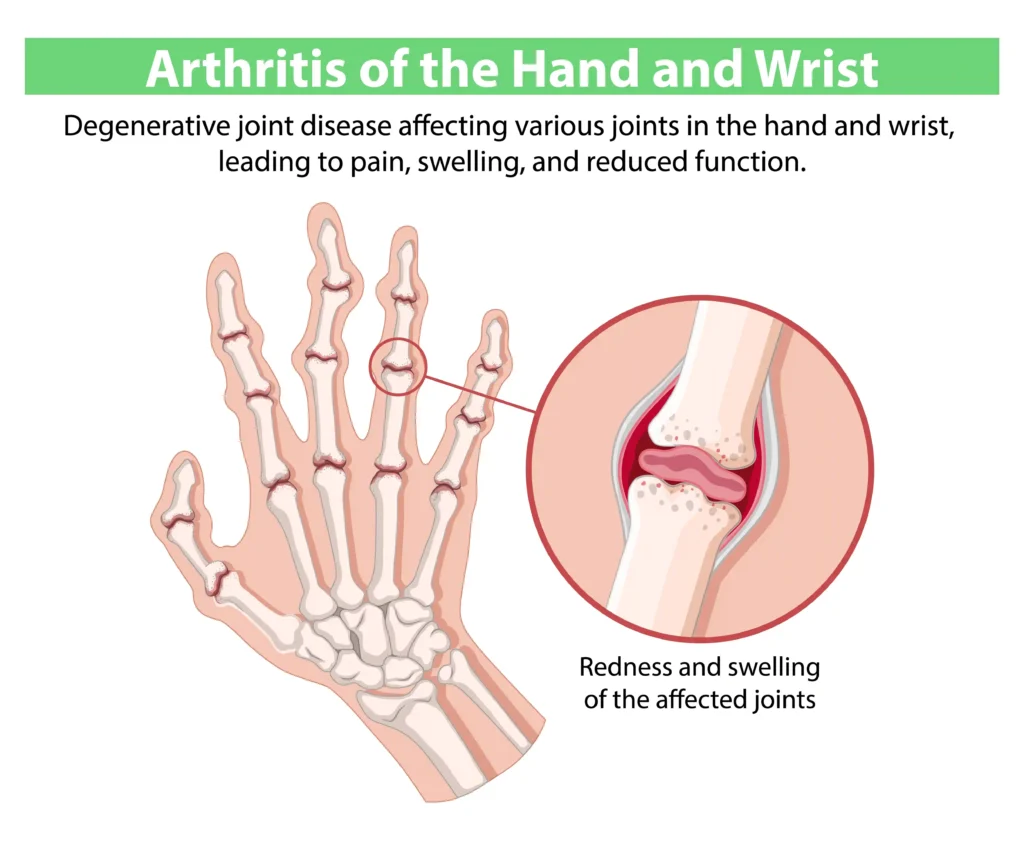
    Rheumatoid Arthritis is an autoimmune condition where the immune system mistakenly attacks the lining of your joints, causing inflammation, pain, and stiffness. Symptoms can vary from mild discomfort to severe joint damage and fatigue. Chronic inflammation doesn’t only affect your joints — it can impact hormone regulation and overall energy levels.

    The connection between gut health, chronic inflammation, and autoimmune responses is critical. Research shows that intestinal permeability, gut microbiome imbalance, and certain food sensitivities can trigger immune dysregulation, making RA worse. Addressing these systemic factors is a cornerstone of Functional Medicine for Rheumatoid Arthritis.

    Functional Medicine Approach to Rheumatoid Arthritis

    Unlike conventional care that primarily focuses on symptom relief, Functional Medicine for Rheumatoid Arthritis emphasizes identifying and addressing root causes. This approach includes:

    • Root-Cause Analysis: Understanding your unique triggers, such as dietary sensitivities, stress, environmental exposures, and genetic predisposition.
    • Functional Lab Testing: Blood tests like CRP and ESR, autoantibodies like RF and anti-CCP, and advanced gut health assessments can provide a personalized picture of inflammation and immune activity.
    • Personalized Treatment Plans: Based on lab results, lifestyle factors, and symptoms, plans can include nutrition, supplements, stress management, and targeted therapies.

    This method allows practitioners to tailor interventions that support the immune system, reduce inflammation, and enhance hormonal balance — all part of a comprehensive functional medicine strategy.

    Nutrition & Gut Health

    Gut health plays a central role in autoimmune and inflammatory conditions. Dysbiosis, or an imbalance in gut microbiome, can exacerbate Arthritis by triggering systemic inflammation. Nutrition strategies focus on anti-inflammatory foods and avoiding common triggers:

    Include:

    • Omega-3 rich foods: salmon, chia seeds, flaxseeds
    • Antioxidant-packed fruits and vegetables
    • Turmeric, ginger, and other anti-inflammatory spices

    Avoid:

    • Refined sugars and processed foods
    • Gluten and dairy if sensitive
    • Trans fats and highly processed oils

    A functional medicine diet plan can improve gut integrity, reduce inflammation, and support immune and hormonal balance by aligning perfectly with a Hormone Reset strategy.

    Healthy Lifestyle Choices for Managing Rheumatoid Arthritis

    Healthy Lifestyle Choices for Managing Rheumatoid Arthritis

    Lifestyle choices are powerful tools for managing Rheumatoid Arthritis and supporting functional medicine outcomes:

    • Stress Management: Chronic stress elevates cortisol and can worsen autoimmune activity. Meditation, deep breathing, and mindfulness techniques are highly effective.
    • Sleep Optimization: Quality sleep reduces inflammation and supports joint repair and hormonal health.
    • Movement & Exercise: Low-impact activities such as yoga, walking, or swimming maintain joint mobility and reduce stiffness without aggravating inflammation.

    Integrating these lifestyle practices enhances the effectiveness of Functional Medicine for Rheumatoid Arthritis while complementing the goals of Hormone Reset.

    Hormone Reset: Supporting Functional Medicine for RA

    While Functional Medicine for Rheumatoid Arthritis addresses root causes and immune modulation, Hormone Reset supports hormonal balance, energy levels, and metabolic health. Hormonal regulation plays a crucial role in inflammation control and immune resilience, making it a valuable adjunct for those managing RA.

    • Personalized Hormone Support: Optimizes endocrine function to complement immune and joint health.
    • Integrative Approach: Combines nutrition, lifestyle, and lab insights for comprehensive care.
    • Enhanced Wellbeing: Supports energy, mood, and overall vitality while reducing inflammation.

    By combining Hormone Reset with functional medicine, patients can experience a more holistic improvement in their RA symptoms and overall health.

    Getting Started with Functional Medicine Rheumatoid Arthritis Care

    1. Consult a Functional Medicine Practitioner: They will assess your medical history, perform functional lab tests, and identify triggers.
    2. Develop a Personalized Plan: Integrating nutrition, lifestyle changes, and supportive therapies.
    3. Monitor Progress: Regular follow-ups and lab assessments ensure interventions are effective and adapted as needed.
    4. Support Hormonal Balance: Incorporate Hormone Reset principles to complement immune and joint health.

    Taking a structured, evidence-based approach ensures that every aspect of RA management is addressed — from reducing inflammation to optimizing hormones.

    Frequently Asked Questions (FAQs)

    1. How does Functional Medicine treat Rheumatoid Arthritis?

    Functional Medicine treats Rheumatoid Arthritis by addressing the root causes of inflammation and immune system imbalance rather than only managing symptoms. It uses personalized lab testing, nutrition strategies, lifestyle interventions, and hormone support to reduce joint pain, improve mobility, and restore overall health naturally.

    2. How can Hormone Reset support Functional Medicine for Rheumatoid Arthritis?

    Hormone Reset complements Functional Medicine for Rheumatoid Arthritis by optimizing endocrine function, which helps regulate inflammation, improve immune responses, and enhance energy levels. Combined with dietary changes, gut health strategies, and lifestyle interventions, Hormone Reset supports better joint function and overall well-being

    3. What dietary changes help reduce Rheumatoid Arthritis symptoms naturally?

    A diet that supports Functional Medicine care focuses on anti-inflammatory foods, including omega-3-rich fish, leafy greens, berries, turmeric, and ginger. Avoiding processed foods, refined sugars, gluten, and dairy (if sensitive) can help reduce systemic inflammation and improve both joint and hormonal health.

    4. What lifestyle interventions are recommended for Functional Medicine Rheumatoid Arthritis care?

    Lifestyle practices play a crucial role in managing Rheumatoid Arthritis through Functional Medicine. Stress reduction, quality sleep, low-impact exercises like yoga, swimming, or walking, and mindfulness techniques all help control inflammation, support hormone balance, and maintain joint mobility naturally.

    5. How do I get started with Functional Medicine for Rheumatoid Arthritis?

    Consult a qualified practitioner who can perform functional lab testing, identify root causes, and create a personalized treatment plan. Incorporating Hormone Reset strategies further supports immune and hormonal health, helping you achieve long-term symptom relief and improved quality of life.

    Conclusion

    Functional Medicine for Rheumatoid Arthritis provides a holistic, personalized approach that goes beyond symptom management. By addressing root causes such as gut dysbiosis, dietary triggers, stress, and hormonal imbalances, patients can experience lasting relief, improved mobility, and better overall health. Integrating Hormone Reset strategies enhances functional medicine outcomes, supporting both immune and endocrine function.

    Take control of your health today with a comprehensive, functional medicine approach that truly targets the underlying causes of Rheumatoid Arthritis.

    👉 Address the root causes of Rheumatoid Arthritis. Start your functional medicine journey today.

    Call to action for Hormone Reset

    References

    1. Integrative Approaches to the Testing and Treatment of Rheumatoid Arthritis– Rupa Health
    2. Rheumatoid Arthritis: How a Functional Medicine Approach Can Ease Your Sore, Achy Joints–  Max Well Clinic
    3. Rheumatoid arthritis: reducing inflammation and addressing underlying triggers– Melbourne Functional Medicine
    4. What is Rheumatoid Arthritis, and how can Functional Medicine help?- Surrey Centre for Nutrition
    5. A Functional Medicine Guide To Rheumatoid Arthritis– Dr. Will Cole

    Please subscribe to our social channels for updates related to functional medicines.
    Instagramthehormonereset
    FacebookHormone Reset
    YouTubeHormone Reset Program
    LinkedInHormone Reset

  • How to Remove Gas from Stomach Instantly: Quick Relief Tips

    How to Remove Gas from Stomach Instantly: Quick Relief Tips

    Introduction: Understanding Stomach Gas from a Functional Perspective

    Stomach gas, bloating, and digestive discomfort are common complaints that many people experience after meals. While occasional gas is normal, persistent or excessive gas signals that the digestive system is under stress or not functioning optimally. Conventional advice often focuses on temporary relief, such as over-the-counter medications or lifestyle clichés like “eat smaller meals” or “drink water during meals.”

    From a Functional Medicine perspective, gas is not an isolated problem—it is a symptom that points to deeper imbalances in the digestive system. Understanding why gas occurs, rather than just masking it, is key to long-term digestive comfort. Gas typically arises from bacterial fermentation in the gut, impaired motility, enzyme deficiencies, microbiome imbalances, and food sensitivities. By addressing these root causes, you can achieve both immediate relief and sustained improvement in digestive health.

    What’s Really Happening in Your Gut

    Excess stomach gas is rarely just a minor nuisance—it usually reflects deeper digestive imbalances. The main contributors include bacterial fermentation of undigested food, an imbalanced gut microbiome, insufficient digestive enzymes, slow gut motility, and individual food sensitivities. Understanding and addressing these root causes is key to achieving lasting relief and optimal digestive health.

    Fermentation by Gut Bacteria

    The most significant source of stomach gas is the fermentation of undigested carbohydrates by gut bacteria. When food is not fully broken down in the small intestine, it reaches the colon where bacteria metabolize it, producing gases such as hydrogen, methane, and carbon dioxide. This process can create the familiar sensations of bloating, pressure, and abdominal discomfort.

    Factors that increase bacterial fermentation include:

    • Incomplete digestion of carbohydrates due to low stomach acid or insufficient digestive enzymes.
    • Overgrowth of gas-producing bacteria in the small intestine or colon.
    • Consumption of high-FODMAP foods like beans, lentils, onions, garlic, and certain fruits, which ferment more readily.

    Bacterial fermentation is a natural process, but excessive or poorly timed fermentation leads to uncomfortable gas buildup.

    Imbalance in Gut Microbiome (Dysbiosis)

    A healthy gut microbiome maintains digestive balance, aids nutrient absorption, and prevents overproduction of gas. Dysbiosis, or an imbalance between beneficial and harmful microbes, is a common underlying factor for chronic bloating.

    Causes of dysbiosis include:

    • Repeated antibiotic use
    • High-sugar or ultra-processed diets
    • Chronic stress
    • Sedentary lifestyle

    Certain bacteria, such as methane-producing archaea or sulfur-producing microbes, generate significantly more gas than others. When these bacteria dominate, even normal meals can lead to discomfort.

    Poor Digestion or Enzyme Deficiency

    Effective digestion relies on stomach acid, digestive enzymes, and bile to break down carbohydrates, fats, and proteins. When any of these components are insufficient, food passes into the intestines partially undigested, creating a perfect substrate for gas-producing bacteria.

    Common contributors include:

    • Low stomach acid (hypochlorhydria)
    • Inadequate pancreatic enzyme activity
    • Reduced bile secretion
    • Gut inflammation that impairs nutrient absorption

    Supporting digestion through proper enzyme activity and stomach acid balance reduces substrate for fermentation and minimizes gas formation.

    Slow Gut Motility

    When food moves too slowly through the digestive tract, fermentation increases, and gas has more time to accumulate. Slow motility can be caused by:

    • Chronic stress or sympathetic nervous system activation
    • Low thyroid hormone levels
    • Nutrient deficiencies s,uch as magnesium or B12
    • Lack of physical movement

    Functional Medicine emphasizes restoring natural gut motility rather than relying on frequent meals, which can disrupt the Migrating Motor Complex (MMC)—a critical wave that clears the small intestine of bacteria and leftover food.

    Food Intolerances and Sensitivities

    Certain foods are more likely to cause gas in sensitive individuals. Common triggers include:

    • Dairy (lactose intolerance)
    • Gluten
    • Beans, lentils, and chickpeas
    • Onions, garlic, and other high-FODMAP vegetables
    • Sugar alcohols found in processed foods

    When these foods are consumed, undigested carbohydrates ferment rapidly, producing gas and bloating. A structured elimination and reintroduction approach can help identify personal triggers.

    image 9

    Recognizing When Stomach Gas Becomes a Concern

    Occasional gas is a normal part of digestion, but frequent or severe bloating may interfere with daily life. Signs that stomach gas requires attention include:

    • Bloating that appears 30–60 minutes after meals
    • Chronic abdominal fullness or pressure
    • Excessive burping or flatulence
    • Discomfort that affects social situations or daily activities
    • Gas accompanied by changes in bowel habits, pain, or unexplained weight loss

    Persistent gas is a signal that deeper digestive imbalances need to be addressed rather than ignored.

    Functional Medicine Strategies for Quick Gas Relief

    While root-cause management is the long-term solution, there are effective methods to relieve discomfort naturally in the short term:

    Gentle Movement and Stretching

    • Light walking after meals helps stimulate gut motility and reduce bloating.
    • Yoga poses like Knee-to-Chest (Apanasana) and Child’s Pose gently shift trapped gas and relieve pressure. Hold each pose for 30–60 seconds.

    Deep Breathing and Relaxation

    • Controlled, diaphragmatic breathing relaxes the abdominal muscles and supports natural gas passage.
    • Stress reduction techniques such as mindfulness or progressive relaxation help normalize digestive rhythm.

    Warm Herbal Beverages

    • Peppermint tea: Relaxes intestinal muscles, allowing gas to pass more easily.
    • Ginger tea: Reduces bloating, eases abdominal discomfort, and stimulates digestion.
    • Chamomile tea: Calms the stomach and nervous system, indirectly supporting gas relief.

    Sipping slowly allows the digestive system to respond effectively.

    Eating Habits That Support Digestive Comfort

    Food Choices

    • Choose low-FODMAP foods such as rice, zucchini, carrots, and certain fruits to reduce fermentation.
    • Replace high-gas foods like beans, onions, and cruciferous vegetables with gentler alternatives.
    • Use lactose-free or plant-based dairy if sensitive to lactose.

    Mindful Eating

    • Eat slowly and chew thoroughly to reduce fermentation caused by undigested food.
    • Avoid talking while eating and minimize distractions like phones or screens.

    Meal Timing and Hydration

    • Avoid frequent snacking that disrupts gut motility.
    • Sip water between meals rather than drinking large amounts with food
    • Focus on gradual, consistent hydration to support smooth digestion.
    image 8

    Lifestyle Practices for Long-Term Relief

    In Functional Medicine, digestion is not viewed in isolation; it is intimately connected with broader lifestyle factors. Physical activity plays a vital role in supporting gut motility, helping food move efficiently through the digestive tract and reducing the risk of excessive fermentation and gas buildup. Gentle walks after meals or light stretching can stimulate natural digestive rhythms and ease bloating. Equally important is stress management, as chronic stress activates the sympathetic nervous system and slows digestion, creating an environment where gas and bloating are more likely. Techniques such as deep breathing, meditation, or short mindful breaks throughout the day can help relax the body, promote efficient motility, and reduce abdominal discomfort. Posture and physical comfort also contribute to digestive ease; sitting upright during meals ensures proper organ alignment and allows the digestive system to function optimally, while wearing non-restrictive clothing reduces unnecessary pressure around the abdomen. Finally, maintaining consistent daily routines—such as getting adequate sleep, eating dinner at regular times, and avoiding late-night snacking—supports the natural circadian rhythms of the gut. Together, these lifestyle strategies enhance digestion, support the microbiome, and reduce the frequency and severity of bloating and gas over time.

    When to Seek Medical Advice

    While most gas and bloating can be managed through diet, lifestyle, and functional strategies, persistent or severe symptoms may indicate underlying medical conditions that require professional evaluation. It is important to seek medical attention if gas is accompanied by intense abdominal pain, persistent vomiting, diarrhea, or noticeable changes in bowel movements such as blood in the stool or black, tarry stools. Unexplained weight loss alongside bloating or gas can also signal a deeper digestive issue that should not be ignored. In these cases, a healthcare professional may recommend targeted testing to uncover the root cause, such as comprehensive stool analysis to evaluate microbiome balance, digestive enzyme function, or inflammation; SIBO breath tests to detect bacterial overgrowth in the small intestine; food sensitivity panels to identify triggering foods; and nutrient deficiency assessments to ensure the body is receiving essential vitamins and minerals for optimal digestion. Identifying the underlying cause through these functional tests allows for a personalized approach, addressing the source of excessive gas rather than just managing symptoms, and provides a path toward lasting digestive wellness.

    FAQs: How to Ease Stomach Gas Naturally and Feel Comfortable

    1.  What is the main cause of stomach gas?

    The primary cause of stomach gas is bacterial fermentation of undigested carbohydrates in the gut. When food is not fully broken down in the small intestine, it reaches the colon where gut bacteria metabolize it, producing gases such as hydrogen, methane, and carbon dioxide. Factors like slow gut motility, enzyme deficiencies, or an imbalance in the gut microbiome can worsen fermentation, leading to bloating and discomfort. While swallowing air can contribute slightly, it is rarely the main driver of chronic gas.

    2. Which foods are most likely to cause gas and bloating?

    Certain foods ferment more readily in the gut and can increase gas production, particularly in sensitive individuals. Common culprits include beans, lentils, chickpeas, onions, garlic, cabbage, and cruciferous vegetables. High-FODMAP fruits and sugar alcohols found in processed foods may also trigger bloating. Functional Medicine recommends identifying personal triggers through an elimination and reintroduction approach rather than avoiding all potentially gassy foods indiscriminately.

    3. What simple habits can help prevent trapped gas?

    Eating slowly, chewing well, staying hydrated, and sitting up straight during meals support smoother digestion. Light movement, such as a short walk after meals, and relaxation practices to reduce stress, can also help your stomach feel lighter.

    4. Can stress make gas worse?

    Yes, stress can slow digestion and make bloating or trapped gas more noticeable. Mindful breathing, short relaxation exercises, or gentle stretching can help calm the digestive system naturally.

    5. How can I tell if my gas is more than usual?

    Occasional bloating is normal, but if fullness, pressure, or discomfort keeps returning, it may be linked to certain foods, habits, or gut sensitivities. Keeping a simple note of meals and how your stomach feels can help you notice patterns.

    6. How does gut motility affect gas formation?


    Slow gut motility prolongs the time food spends in the digestive tract, giving bacteria more opportunity to ferment undigested carbohydrates. Functional Medicine emphasizes supporting natural motility through movement, proper hydration, and adequate nutrient intake (such as magnesium), rather than relying on frequent small meals, which can disrupt the Migrating Motor Complex (MMC)—the gut’s natural cleansing mechanism that prevents bacterial overgrowth.

    7. When should I seek professional advice?

    If gas comes with persistent bloating, strong stomach discomfort, sudden weight changes, or digestive upset that doesn’t ease, it’s helpful to check in with a healthcare professional. Tracking symptoms makes it easier for them to provide personalized guidance

    8.  Can enzyme supplements or stomach acid support help reduce gas?

    Yes, supporting digestive efficiency can reduce the substrate available for fermentation. Digestive enzymes, adequate stomach acid (when safely supported), and bile production help break down carbohydrates, fats, and proteins effectively. This reduces undigested food reaching the colon, limiting excessive bacterial fermentation and gas formation. Such strategies should be tailored to the individual under professional guidance.

    9. How can Hormone Reset help with gas and bloating?

    Hormone Reset focuses on identifying root causes—like thyroid function, gut health, or food sensitivities—and creating a tailored plan to support digestive comfort and reduce bloating naturally.

    10. Can hormones or thyroid issues influence gas and bloating

    Yes, hormonal imbalances—including thyroid dysfunction—can slow gut motility and alter digestion, making gas and bloating more likely. Functional Medicine considers these systemic influences when addressing digestive discomfort. Optimizing thyroid function, sex hormone balance, and overall metabolic health can significantly improve motility, enzyme activity, and gut microbiome function, reducing chronic gas.

    Conclusion

    Yes, hormonal imbalances—including thyroid dysfunction—can slow gut motility and alter digestion, making gas and bloating more likely. Functional Medicine considers these systemic influences when addressing digestive discomfort. Optimizing thyroid function, sex hormone balance, and overall metabolic health can significantly improve motility, enzyme activity, and gut microbiome function, reducing chronic gas.
    Learn more about supporting hormone and digestive balance with the Hormone Reset program.

    References

    1. Intestinal Gas Production:
      Comprehensive review of how gut microbes generate intestinal gas, including mechanisms and contributing factors – ScienceDirect, 2025
    2. Gut Microbiota Dysbiosis in FGIDs:
      Insights into how microbial imbalance drives symptoms and pathophysiology in functional gastrointestinal disorders – PubMed Central, 2024
    3. SIBO & Methane-Related Fermentation:
      Detailed discussion on methane production, bacterial/fungal roles, diagnostic methods, and treatment strategies for SIBO – MDPI, 2023
    4. Small Intestinal Bacterial Overgrowth (SIBO):
      Clinical overview of causes, symptoms, diagnostic criteria, and therapeutic approaches to SIBO – PubMed Central, 2024
    5. Excessive Gas:
      Overview of causes, symptoms, and general guidance on managing gas –Mayo Clinic, 2025
    6. Tips for Healthy Digestion:
      Practical strategies to support smooth digestion and reduce bloating –Harvard Health Publishing, 2024
    7. Digestive Health and Gas:
      Insights into normal gas formation and digestive system function –National Institutes of Health (NIH), 2021
    8. Managing Gas and Bloating:
      Professional guidance on recognizing and alleviating gas-related discomfort –American Gastroenterological Association, 2023
    9. Causes and Remedies for Gas
      Evidence-based advice on foods, lifestyle habits, and natural relief methods –ClevelandClinic, 2023

    Please subscribe to our social channels for updates related to functional medicines.
    Instagramthehormonereset
    FacebookHormone Reset
    YouTubeHormone Reset Program
    LinkedInHormone Reset

  • GABA and Glutamate: The Brain’s Brake and Gas Pedals

    GABA and Glutamate: The Brain’s Brake and Gas Pedals

    GABA and Glutamate : Let’s paint a picture for you: Have you ever felt like this?
    It’s midnight.
    You’re lying in bed, exhausted but wide awake. Your mind is spinning — replaying conversations, running through to-do lists, even thinking about things you can’t control.

    Or maybe during the day, you find yourself:

    • Anxious or restless, like your brain just won’t shut off.
    • Craving sugar or carbs the moment stress hits.
    • Struggling with memory or focus, feeling both wired and tired at once.

    If this feels familiar, it’s not just “in your head.” It could be your brain chemistry — specifically the balance between GABA and glutamate.

    GABA and glutamate

    What Are GABA and Glutamate?

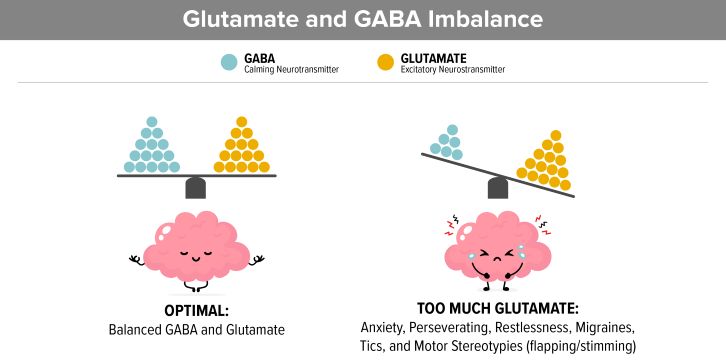
    Your brain has two main drivers that work like pedals in a car. One keeps you calm, the other keeps you alert.

    Imagine you’re driving a car down a hill:

    • If you slam the gas pedal (glutamate) with no brakes, you speed out of control.
    • If you only press the brakes (GABA), you stall and can’t move forward.

    Your brain works the same way:

    Glutamate = Gas Pedal

    • Keeps you alert, focused, motivated.
    • Helps you learn new things and form memories.
    • Too much glutamate = anxiety, racing thoughts, restlessness.

    GABA = Brake Pedal

    • GABA (gamma-aminobutyric acid) calms your nervous system and slows down mental chatter.
    • Helps you sleep deeply, relax, and recover from stress.
    • Too little GABA leads to insomnia, sugar cravings, overwhelm.
    • Too much GABA leads to brain fog, low motivation, fatigue, and difficulty concentrating.

    The secret isn’t choosing one over the other. It’s about balance.

    GABA and glutamate

    How Do GABA Levels Drop (and Glutamate Takes Over)?

    Modern life is hard on your brain’s balance:

    • Chronic Stress → Burns through calming GABA and floods your brain with glutamate.
    • Poor Sleep → Without rest, you can’t replenish GABA, while glutamate piles up.
    • Caffeine, Alcohol, Sugar → Overstimulate glutamate and block GABA’s effects.
    • Nutrient Deficiencies → Magnesium + B6 are essential for GABA production.
    • Sedentary Lifestyle → Exercise naturally boosts GABA.
    • Gut Imbalance → A disrupted gut lowers GABA and lets glutamate dominate.

    What Low GABA + High Glutamate Feels Like

    When your brain leans too far toward glutamate, it’s like hitting the gas with no brakes:

    • Anxiety & overwhelm
    • Racing thoughts
    • Poor sleep
    • Food cravings
    • Low mood
    • Tense body
    • Brain fog
    GABA and glutamate

    The GABA and glutamate Bright Side: When Balance Is Restored

    When GABA and glutamate work in harmony:

    • Sleep comes easily
    • Mind is calm, centered
    • Energy is steady and  balanced
    • Sharper focus
    • Healthy appetite
    • Less inflammation

    The Other Side: When There’s Too Much GABA

    Balance goes both ways. Just as excess glutamate makes the brain feel overstimulated, an oversupply of GABA can swing things too far in the opposite direction. Too much “brake” can leave you moving through life in slow motion — sluggish, unmotivated, foggy, or even low in mood. Focus and drive fade, mornings feel heavy, and your energy may stay flat no matter how much rest you get. In short, while glutamate overload feels like chaos, GABA overload feels like stagnation. The sweet spot is the middle ground, where calmness and clarity work together.

    And here’s something people often overlook:

    Immune Function

    • GABA isn’t just in your brain; it’s your immune cells that also have GABA receptors.
      • Balanced GABA helps calm overactive immune responses, reducing inflammation.
      • Too much glutamate: on the other hand, acts like fuel on the fire, driving chronic inflammation and making the immune system “jumpy.”
    • Translation: When GABA is low and glutamate is high, your body may feel more inflamed, reactive, and slow to heal.

    Blood Sugar Regulation

    • GABA plays a surprising role in your pancreas- it helps regulate insulin release and keeps blood sugar stable.
    • Low GABA = more sugar cravings + rollercoaster energy crashes.
    • High glutamate = stress hormones spike, which can raise blood sugar, leaving you wired, then drained.
    • A healthy GABA–glutamate balance = smoother energy, fewer cravings, and steadier blood sugar.

    That’s why some people with low GABA feel both anxious and constantly hungry for carbs.

    How to Boost GABA Naturally (and Calm Glutamate Excess)

    Eat GABA-Friendly Foods

    Think of food as brain (and body) fuel. These nourish GABA and keep glutamate in check:

    • Cruciferous veggies → Broccoli, Brussels sprouts, cabbage.
    • Leafy greens & mushrooms → Spinach, kale, shiitake.
    • Beans & legumes → Black beans, adzuki.
    • Whole grains → Brown rice, sprouted grains.
    • Nuts & seeds → Almonds, sunflower seeds.
    • Fruits & teas → Citrus, berries, green/white tea.
    • Seafood & cacao → Shrimp, halibut, dark chocolate.

    Start by adding just 1–2 of these to your next meal.

    Lifestyle Hacks for Balance

    • Meditation & deep breathing → Switches off glutamate-driven fight-or-flight mode.
    • Yoga or tai chi → Gentle movement + breath = natural GABA booster.
    • HIIT or cardio → Vigorous exercise raises GABA quickly.
    • Regular breaks → Stand, stretch, walk — keeps brain chemistry stable.
    • Sunlight exposure → Supports circadian rhythm & GABA production.

    Supplements That May Help

    • Magnesium + Vitamin B6 → Essential for GABA production.
    • L-theanine → Found in tea; balances glutamate.
    • Probiotics like S Boulardii → Gut balance = better GABA.
    • Taurine & Glycine → Help regulate glutamate excess.
    • Direct GABA supplements → May help with sleep & calm.

    Don’t start all at once. Pick one, try it for 2 weeks, and notice how you feel.

    Conclusion GABA and Glutamate : Your Brain’s Balance

    GABA and glutamate

    Your brain is always balancing gas and brakes:

    • Too much glutamate (gas) = stress, cravings, racing thoughts, blood sugar spikes, inflammation.
    • Too little GABA (brakes) = insomnia, anxiety, overwhelm, sugar cravings.
    • Balanced = calm focus, steady energy, deep rest, stronger immunity, stable blood sugar.

    The good news? With the right foods, habits, and mindful practices, you can recharge your calming chemistry and bring your mind and body back into balance.

    Next time you’re lying awake at night or reaching for that extra cookie, pause and ask yourself:
    Is this my brain asking for more GABA?”

    References

    1. https://pubmed.ncbi.nlm.nih.gov/27966041
    2. https://www.nature.com/articles/s41538-024-00253-2
    3. https://my.clevelandclinic.org/health/articles/22857-gamma-aminobutyric-acid-gaba
    4. https://pmc.ncbi.nlm.nih.gov/articles/PMC7595380/
    5. https://pmc.ncbi.nlm.nih.gov/articles/PMC3680704/

    Stay updated with the latest information on functional medicine

    Please subscribe to our social channels for updates related to functional medicines.


    Instagramthehormonereset
    FacebookHormone Reset
    YouTubeHormone Reset Program
    LinkedInHormone Reset

    FAQ’s

    1. What is the difference between GABA and glutamate?
      • GABA is the brain’s calming neurotransmitter that reduces activity, while glutamate is the excitatory neurotransmitter that increases brain activity for focus and learning.
    2. What happens when GABA is too low?
      • Low GABA can lead to anxiety, insomnia, racing thoughts, sugar cravings, and feeling overwhelmed.
    3. What are the symptoms of high glutamate?
      • Too much glutamate may cause restlessness, irritability, poor sleep, and in severe cases, contribute to neuroinflammation.
    4. How do I naturally increase GABA levels?
      • You can support GABA by eating magnesium-rich foods, practicing meditation or yoga, getting quality sleep, and considering functional medicine support.
    5. Can you have too much GABA?
      • Yes, excessive GABA can make you feel sluggish, foggy, or unmotivated — showing that balance is more important than just increasing levels.
    6. How does stress affect GABA and glutamate?
      • Chronic stress reduces GABA while increasing glutamate, which creates imbalance, leading to anxiety, fatigue, and mood swings.