Category: Lupus

  • What is Lupus? How Hormone Reset Can Help You Recover From Lupus Through Functional Medicine?

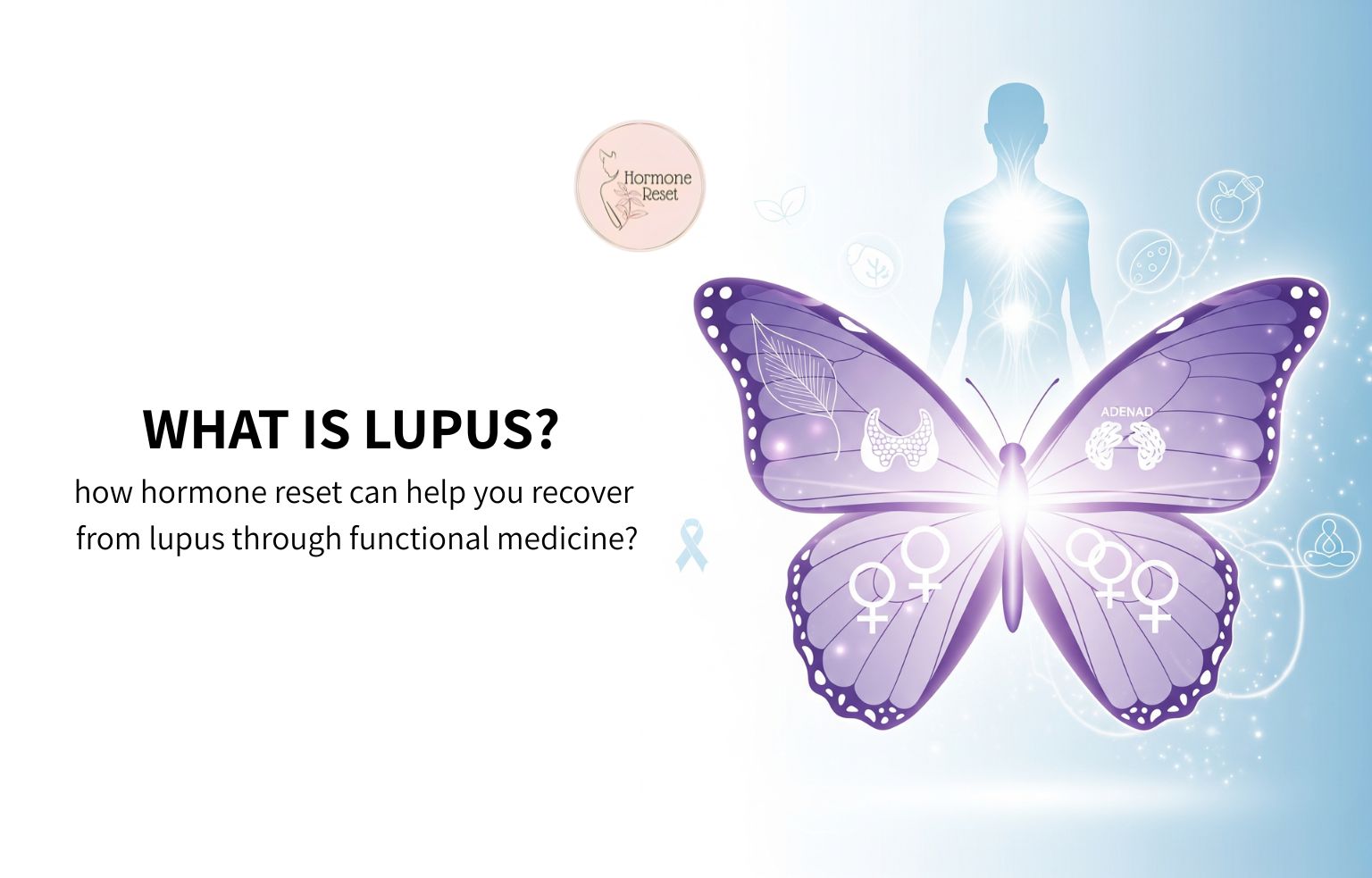
    What is Lupus? How Hormone Reset Can Help You Recover From Lupus Through Functional Medicine?

    Lupus, officially known as Systemic Lupus Erythematosus (SLE), is an autoimmune disease where the immune system turns against the body, attacking healthy tissues and organs. This results in widespread inflammation, joint pain, fatigue, and organ damage. But what if  an overactive immune system is just a symptom? While the root cause is completely different ?

    Why Lupus is More Than Just an Autoimmune Disease?

    Most conventional treatments focus on suppressing the immune system, using steroids and immunosuppressants to control flare-ups. While this can help manage symptoms, it doesn’t address the underlying causes, one of which is hormonal imbalance.

    How Hormonal Imbalance Triggers Lupus?

    Women are nine times more likely to develop lupus than men, which hints at a strong hormonal connection. The delicate balance of estrogen, cortisol, thyroid hormones, and insulin play a key role in either soothing or igniting the immune system.

    Hormones That Worsen Lupus

    1. Estrogen Dominance – High levels of estrogen can over-stimulate the immune system, leading to increased autoimmunity and inflammation.
    2. Cortisol Dysregulation – Chronic stress leads to fluctuating cortisol levels, weakening immune tolerance and worsening lupus symptoms.
    3. Thyroid Dysfunction – Many lupus patients have undiagnosed or subclinical hypothyroidism, further exacerbating various factors connected with lupus as also fatigue and inflammation.
    4. Insulin Resistance – Poor blood sugar control fuels systemic inflammation, making lupus flare-ups more severe.

    The Hormone Reset Functional Medicine Approach: A Path to Healing

    medicine and fruit

    1. Comprehensive Hormone Testing

    Instead of just managing symptoms, functional medicine uses advanced testing to analyze hormone levels, identifying imbalances that contribute to lupus flares.

    2. Anti-Inflammatory and Hormone-Balancing Nutrition

    A lupus-friendly, hormone-reset diet focuses on:

    • Balancing blood sugar with whole foods and fiber-rich meals.
    • Boosting gut health with probiotics and anti-inflammatory foods.
    • Detoxifying excess estrogen through cruciferous vegetables like broccoli and kale.
    • Omega-3 fatty acids (found in wild salmon, flaxseeds) to lower inflammation naturally.

    3. Healing the Gut to Reset Autoimmunity

    Gut health is central to immune regulation. Functional medicine practitioners address leaky gut syndrome, which is often a hidden trigger of autoimmune flares.

    • Remove processed and inflammatory foods (gluten, dairy, processed sugar).
    • Replace with organic, unprocessed whole foods.
    • Replenish with probiotics and digestive enzymes.
    • Repair and regeneration of the gut is done by adding in nutrient dense foods, phytonutrients (antioxidants, flavonoids, etc), omega-3 rich sources, gut repair supplements, etc.
    • Restore and retain with gut-healing nutrients like collagen and L-glutamine and foundational lifestyle changes that support long term gut and overall health.

    4. Managing Stress and Resetting Cortisol Levels

    Chronic stress is a major driver of autoimmune dysfunction. Implementing mind-body practices like:

    • Meditation and deep breathing to regulate the nervous system.
    • Gentle movement like yoga or tai chi to prevent inflammation spikes.
    • Adaptogenic herbs (ashwagandha, rhodiola) to balance stress hormones.
    • Toxins and chronic infections can also cause cortisol imbalances. Addressing these helps the stress response of the body to calm down and be balanced again. 

    5. Detoxification: Eliminating Hidden Toxins

    Toxins from food, air, and personal care products can overload the liver, disrupting hormone balance and worsening lupus symptoms. A detox plan includes:

    • Liver-supporting foods like beets, turmeric, and dandelion root.
    • Sweating out toxins with infrared saunas and Epsom salt baths.
    • Switching to clean, non-toxic personal care products.
    • Chelation is important in the case of the presence of heavy metal toxins like mercury, aluminium, lead, cadmium, etc. 
    • Detoxification protocols should be implemented periodically to ensure body does not accumulate toxins and remains clean. 

    How Hormone Reset Can Changes Your Entire Physiology?

    girl taking medicin

    A hormone reset doesn’t just alleviate lupus symptoms—it reprograms your entire body to function optimally. By restoring hormonal balance, you can:

    • Boost cellular repair and regeneration, leading to increased energy and vitality.
    • Improve metabolic function, making weight management easier.
    • Strengthen immune balance and resilience, reducing the severity and frequency of lupus flares.
    • Enhance brain function and mood stability, reducing brain fog and depression.
    • Support skin and organ health, leading to reduced inflammation and better overall well-being.

    A properly executed hormone reset creates a ripple effect, transforming not just lupus management but your entire physiology, helping you reclaim your health at the deepest level.

    Success Stories: Real-Life Reversals of Lupus Symptoms

    Many lupus patients following a Hormone Reset Functional Medicine Approach have reported:

    ✔ Reduced joint pain and inflammation

    ✔ Reversal of damage to various organs
    ✔ Increased energy levels and mental clarity
    ✔ Fewer flare-ups and better skin health
    ✔ A restored sense of well-being and resilience

    Take Charge of Your Health: The Future of Lupus Care

    Lupus doesn’t have to be a lifelong battle with medications and unpredictable flare-ups. By addressing hormonal imbalances, gut health, stress, and toxicity, you can take control of your body and significantly reduce the impact of lupus.

    Functional medicine offers a personalized approach to healing, rather than a one-size-fits-all suppression of symptoms. It’s time to move beyond just surviving and start thriving with a hormone reset approach to lupus!

    Further if you’re looking for one-on-one consultation with our Specialists, then Book Now!

    References 

    1. The Role of Hormones in Lupus: Why It’s More Common in Women https://www.rupahealth.com/post/the-role-of-hormones-in-lupus-why-its-more-common-in-women
    2. The Effect of Estradiol and Testosterone Levels Alone or in Combination on Systemic Lupus Erythematosus https://ijms.sums.ac.ir/article_50440.html
    3. Characteristics of Steroid Hormones in Systemic Lupus Erythematosus
      https://www.frontiersin.org/journals/endocrinology/articles/10.3389/fendo.2023.1164679/full
    4. The Influence of Endogenous and Exogenous Sex Hormones on Systemic Lupus Erythematosus https://pmc.ncbi.nlm.nih.gov/articles/PMC4520373/
    5. Environmental Exposures and the Development of Systemic Lupus Erythematosus https://pmc.ncbi.nlm.nih.gov/articles/PMC4965307/
    6. A Prospective Study of Reproductive Factors in Relation to Risk of Systemic Lupus Erythematosus https://pmc.ncbi.nlm.nih.gov/articles/PMC7854483/
    7. Sex Hormones Affect the Pathogenesis and Clinical Characteristics of Systemic Lupus Erythematosus https://pmc.ncbi.nlm.nih.gov/articles/PMC9402996/
    8. Menopausal hormone therapy and the risk of systemic lupus erythematosus and systemic sclerosis: a population-based nested case-control study https://academic.oup.com/rheumatology/advance-article-pdf/doi/10.1093/rheumatology/keaf004/61370606/keaf004.pdf
    9. Systemic Lupus Erythematosus (Lupus) https://www.niams.nih.gov/health-topics/lupus

    Share

  • How Environmental Triggers Influence Autoimmune Conditions: Insights from Hashimoto’s Thyroiditis, Lupus, and Psoriasis

    How Environmental Triggers Influence Autoimmune Conditions: Insights from Hashimoto’s Thyroiditis, Lupus, and Psoriasis

    The Growing Burden of Autoimmune Conditions

    Autoimmune diseases affect millions worldwide, where the immune system mistakenly attacks healthy tissues. Conditions like Hashimoto’s thyroiditis, lupus, and psoriasis are particularly concerning due to their chronic nature and complex symptoms.

    While genetics may play a role in some, environmental triggers often serve as the catalysts that initiate or exacerbate them. In this blog, we explore how environmental factors influence autoimmune conditions such as Hashimoto’s thyroiditis, lupus, and psoriasis and how understanding these triggers can help not only in managing these diseases but in reversing them. 

    Why This Matters?

    Imagine living with unrelenting fatigue, joint pain, or skin lesions that affect your physical and emotional well-being. Now, consider the confusion of managing these symptoms when no clear cause is evident. That’s the reality for many with autoimmune conditions.

    Environmental triggers often go unnoticed, yet they can significantly influence disease progression. Various factors like the foods we eat, the stress we endure, and the harmful chemicals we encounter daily can tip the immune system into overdrive, exacerbating these conditions. Understanding these connections is vital to addressing autoimmune diseases effectively.

    What are some Environmental Triggers in Autoimmune Conditions?

    1. Diet and Digestive System Health and Autoimmune Diseases

    Diet can profoundly impact autoimmune conditions by influencing inflammation, gut health, and immune regulation.

    • Leaky Gut Syndrome:
      Many autoimmune diseases are linked to increased intestinal permeability, or “leaky gut,” where toxins and undigested food particles enter the bloodstream. This triggers an immune response, worsening conditions like Hashimoto’s and lupus.
    • Case Study: Hashimoto’s Thyroiditis
      A 2017 study in Thyroid Research highlighted the benefits of eliminating gluten for patients with Hashimoto’s. Gluten shares molecular similarities with thyroid tissue, leading to cross-reactivity and immune attacks on the thyroid.
      • Result: Patients who adopted a gluten-free diet reported reduced thyroid antibody levels and improved symptoms.
    • Pro-inflammatory Foods:
      Diets high in processed foods, sugar, and trans fats promote inflammation, aggravating psoriasis and lupus symptoms. Conversely, anti-inflammatory diets rich in omega-3 fatty acids, antioxidants, and fiber help manage these diseases.

    2. Stress and Autoimmune Diseases

    Chronic stress is a known disruptor of immune function. Stress increases cortisol levels, which can impair immune regulation and exacerbate autoimmune flares.

    • Case Study: Lupus (Systemic Lupus Erythematosus)
      In a 2019 study published in Arthritis Care & Research, patients with lupus who reported high-stress levels experienced more frequent disease flares and greater organ involvement.
      • Result: Implementing stress management techniques, such as mindfulness and yoga, helped stabilise her condition over time.

    3. Toxins and Autoimmune Diseases

    Environmental toxins, including heavy metals, pesticides, and household chemicals, can act as triggers by disrupting the immune system.

    • Toxic load and immune dysregulation:
      Persistent exposure to toxins increases oxidative stress and inflammation, which may lead to autoimmunity. For instance, mercury exposure from contaminated fish has been linked to autoimmune diseases like lupus.
    • Case Study: Psoriasis
      Research in Clinical and Experimental Dermatology found that patients with psoriasis often had higher levels of environmental toxins, such as dioxins and phthalates, in their bodies.
      • Result: Reducing exposure to such toxins, alongside phototherapy and anti-inflammatory diets, improved skin lesions in many cases.

    4. Infections and Autoimmune Diseases

    Infections play a significant role in the development and exacerbation of autoimmune diseases. Through mechanisms like molecular mimicry, bystander activation, and chronic immune stimulation, infections can lead the immune system to mistakenly attack the body’s tissues. 

    • Epstein-Barr virus (EBV) is closely linked to conditions such as systemic lupus erythematosus (SLE) and multiple sclerosis (MS). At the same time, streptococcal infections are known to trigger guttate psoriasis and rheumatic fever. Chronic infections, such as those caused by Helicobacter pylori or Mycoplasma, can create persistent inflammation that heightens the risk of autoimmune responses. Understanding and managing these infection-autoimmune links is critical for reducing flare-ups and improving long-term outcomes in affected individuals.

    Also Read: Impact of Autoimmune Disorders on Skin Health

    Bridging the Gaps: What Science and Case Studies Tell Us

    While autoimmune diseases like Hashimoto’s, lupus, and psoriasis differ in their manifestations, they share common pathways influenced by environmental triggers. The interplay between diet, stress, and toxins is critical to both the onset and progression of these diseases.

    Key Insights from Research:

    1. Personalised Nutrition:
      Adopting diets tailored to individual sensibilities, such as gluten-free for Hashimoto’s or anti-inflammatory for lupus and psoriasis, can alleviate symptoms.
    2. Stress Management:
      Practices like meditation, cognitive behavioural therapy, and regular physical activity help mitigate the effects of chronic stress on autoimmune flares.
    3. Reducing Toxic Exposure:
      Switching to organic produce, avoiding processed foods, and using non-toxic household products can reduce the toxic burden on the body, potentially improving disease outcomes.

    Functional Medicine Approach to Reversing Autoimmune Conditions

    The functional medicine approach focuses on identifying and addressing the root causes of autoimmune diseases rather than merely managing symptoms. Here’s a breakdown of how functional medicine reverses autoimmune conditions:

    1. Comprehensive Evaluation

    • Medical History and Genetics: Reviewing family history and personal health milestones to uncover predispositions and triggers.
    • Environmental Factors: Evaluating exposure to toxins, infections, and stress.
    • Lifestyle Assessment: Analyzing diet, sleep, exercise, and mental health habits.

    2. Root Cause Identification

    • Gut Health: A significant focus is placed on intestinal permeability, or “leaky gut,” which allows antigens to trigger an immune response.
    • Food Sensitivities: identifying and eliminating common triggers like gluten, dairy, and processed foods.
    • Toxins: Assessing for heavy metals, mould, or chemical exposures.
    • Infections: Testing for underlying viral, bacterial, or parasitic infections that may contribute to immune dysfunction.

    3. Personalized Dietary Interventions

    • Elimination Diets: Remove potential inflammatory foods and gradually reintroduce them to identify sensitivities.
    • Nutrient-dense diet: A nutrient-dense diet focusing on anti-inflammatory foods such as vegetables, healthy fats, and quality proteins  
    • Gut-Healing Foods: Incorporating hydrolysed protein, bone broth, and prebiotic-rich vegetables to support microbiome health.

    4. Stress Management and Emotional Health

    • Chronic stress can exacerbate inflammation and immune dysregulation. Stress-reduction strategies include:
      • Mindfulness and meditation.
      • Cognitive Behavioral Therapy (CBT).
      • Breathing exercises and yoga.
    • Addressing past trauma through therapeutic interventions.

    5. Targeted Nutritional Support

    Functional medicine practitioners often recommend supplements based on individual needs:

    • Omega-3 Fatty Acids: To reduce inflammation.
    • Vitamin D: For immune modulation.
    • Probiotics: To support gut microbiota balance.
    • Zinc, Selenium, and Magnesium: Essential for proper immune function.
    • Curcumin and Resveratrol: Natural anti-inflammatory agents.

    6. Detoxification and Environmental Changes

    • Supporting liver detox pathways through a clean diet and supplements like milk thistle.
    • Reducing environmental toxin exposure by:
      • Using clean, natural products for personal care and home.
      • Avoiding plastic and BPA exposure.
      • Filtering water and air.

    7. Movement and Physical Activity

    • Regular exercise improves hormonal health by reducing stress, improving circulation, and enhancing lymphatic drainage without overburdening the body.
    • Gentle activities like walking, yoga, or tai chi are often recommended for those with active inflammation.

    8. Restoring Circadian Rhythm

    • Prioritising sleep hygiene to ensure restorative rest, which is critical for healing and immune regulation.
    • Strategies include:
      • Consistent sleep schedules.
      • Limiting screen time before bed.
      • Creating a dark, cool, and quiet sleep environment.

    9. Monitoring and Adjustment

    Functional medicine emphasises regular follow-ups to monitor progress and adjust treatment plans as needed. Testing is often repeated to evaluate changes in inflammatory markers, gut health, and immune system activity.

    The Goal: Balance and Restoration

    The functional medicine approach seeks to restore balance to the immune system by addressing the underlying triggers of autoimmunity. By tailoring interventions to the individual’s needs, this approach offers the potential not just to manage but to reverse autoimmune conditions and promote long-term health.

    Would you like guidance on implementing these principles or resources for specific autoimmune conditions?

    Taking Control of Your Health

    Environmental triggers, such as diet, stress, and toxins, play a significant role in autoimmune diseases like Hashimoto’s, lupus, and psoriasis. While genetics set the stage, lifestyle factors often determine the severity of the condition.

    By adopting an anti-inflammatory diet, managing stress, and reducing exposure to toxins, patients can take proactive steps toward managing their symptoms and improving their quality of life.

    References:

    1. Fasano, A. (2012). “Leaky gut and autoimmune diseases.” Clinical Reviews in Allergy & Immunology. https://link.springer.com/article/10.1007/s12016-012-8290-4
    2. Li, Y., et al. (2017). “Gluten-free diet and its impact on Hashimoto’s thyroiditis.” Thyroid Research. https://thyroidresearch.biomedcentral.com/articles/10.1186/s13044-017-0147-5/
    3. Sterling, K. A., et al. (2019). “Stress and disease activity in lupus.” Arthritis Care & Research. https://onlinelibrary.wiley.com/doi/abs/10.1002/acr.23960
    4. Kimball, A. B., et al. (2018). “Environmental triggers in psoriasis.” Clinical and Experimental Dermatology. https://onlinelibrary.wiley.com/doi/full/10.1111/ced.13683
    5. Ricker MA, Haas WC. Anti-inflammatory diet in clinical practice: a review. Nutr Clin Pract. 2017;32(3):318-325. doi:10.1177/0884533617700353
    6. How to use food to help your body fight inflammation. Mayo Clinic. Published August 13, 2019. Accessed February 26, 2021. https://www.mayoclinic.org/healthy-lifestyle/nutrition-and-healthy-eating/in-depth/how-to-use-food-to-help-your-body-fight-inflammation/art-20457586
    7. Fasano, A. (2020). Leaky gut and autoimmune diseases. Clinical Reviews in Allergy & Immunology, 58(3), 384-396.
    8. Leung, A. M., Braverman, L. E., & Pearce, E. N. (2012). History of U.S. iodine fortification and supplementation. Nutrients, 4(11), 1740-1746.
    9. Proal, A. D. (2017). Infection and autoimmunity. Nature Reviews Rheumatology, 13(4), 196-198.
    10. Rose, N. R., & McGuire, K. L. (2018). Environmental triggers of autoimmunity. Annual Review of Medicine, 69, 287-299.
    11. Schug, T. T., Janesick, A., et al. (2011). Endocrine-disrupting chemicals and disease susceptibility. Journal of Steroid Biochemistry and Molecular Biology, 127(1-2), 204-215.
    12. Tsokos, G. C. (2011). Systemic lupus erythematosus. New England Journal of Medicine, 365(22), 2110-2121.

    Share

  • Living with Multiple Autoimmune Conditions: Strategies for Reversing Symptoms and Improving Quality of Life in Patients with Lupus and Sjogren’s Syndrome

    Living with Multiple Autoimmune Conditions: Strategies for Reversing Symptoms and Improving Quality of Life in Patients with Lupus and Sjogren’s Syndrome

    The Challenges of Living with Multiple Autoimmune Conditions

    Autoimmune diseases like lupus and Sjogren’s syndrome can disrupt nearly every aspect of a person’s life. These conditions occur when the immune system mistakenly attacks the body’s healthy tissues, causing chronic inflammation and a wide range of debilitating symptoms.

    When diagnosed with one autoimmune condition, managing symptoms can already feel overwhelming, but for individuals dealing with multiple autoimmune diseases, the challenges increase significantly. The complexity of managing two or more autoimmune diseases can lead to more severe symptoms, frequent flare-ups, and a greater need for medical intervention.

    For example, lupus is a systemic autoimmune disease that primarily affects the skin, joints, and internal organs, while Sjogren’s syndrome typically impacts moisture-producing glands, leading to dry eyes, mouth, and other symptoms. When these two diseases coexist, the patient faces an even greater burden of managing fatigue, joint pain, dry mouth, and increased risk for complications like kidney damage.

    Why These Challenges Matter?

    For those living with both lupus and Sjogren’s syndrome, each day can feel like a balancing act between symptom management, healthcare appointments, and daily life responsibilities.

    • Fatigue is one of the most common and debilitating symptoms of both lupus and Sjogren’s syndrome. According to a study published in the Journal of Rheumatology, nearly 80% of lupus patients report chronic fatigue, which is only worsened when compounded by Sjogren’s syndrome.
    • Pain and Inflammation: Lupus can cause joint pain, while Sjogren’s can lead to dry, inflamed tissues, increasing the physical toll on the body. The overlapping symptoms can leave patients feeling defeated without a clear solution to manage their discomfort.
    • Complicated Treatment Regimens: Managing multiple autoimmune diseases means juggling medications and treatments, which may include immunosuppressive drugs, corticosteroids, and symptom-specific treatments. This can make it hard for patients to find a routine that works and stays effective.

    Living with multiple autoimmune conditions can be overwhelming, as it often involves managing chronic inflammation, fluctuating symptoms, and a compromised quality of life. However, a functional medicine approach offers hope by addressing the root causes rather than just the symptoms. This holistic strategy focuses on identifying and mitigating triggers such as gut imbalances, chronic infections, toxin exposure, and nutrient deficiencies. By integrating personalised nutrition, stress management, detoxification, and targeted supplementation, functional medicine aims to restore balance to the immune system, reduce inflammation, and improve overall well-being. It empowers individuals with a tailored roadmap to regain control over their health and enhance their quality of life.

    Also Read: How Environmental Triggers Influence Autoimmune Conditions

    Practical Strategies for Reversing Symptoms

    While managing lupus and Sjogren’s syndrome simultaneously may seem daunting, a comprehensive, holistic approach can help in addressing the root causes of autoimmunity, prevent further new autoimmune conditions, and and significantly improve daily functioning and well-being. Here are some strategies for reversing symeffectively improving a patient’s quality of life:

    1. Understand the Root Causes

    Autoimmune diseases often stem from a combination of genetic predisposition, environmental triggers, and lifestyle factors. Functional medicine aims to identify and address these underlying factors, such as:

    • Gut dysbiosis: Leaky gut or imbalances in the microbiome can contribute to systemic inflammation and autoimmunity.
    • Chronic Infections: viral, bacterial, or parasitic infections may act as triggers.
    • Toxin Exposure: Heavy metals, pesticides, and environmental toxins can overstimulate the immune system.
    • Nutrient Deficiencies: Deficiencies in key nutrients like vitamin D, omega-3 fatty acids, and zinc can impair immune regulation.
    • Stress and Trauma: Chronic stress dysregulates the hypothalamic-pituitary-adrenal (HPA) axis, influencing immune function.

    2. Comprehensive Testing

    Work with a functional medicine practitioner to perform advanced diagnostic tests:

    • Comprehensive Stool Analysis for gut health and microbiome status.
    • Food Sensitivity Testing (e.g., IgG or IgA) to identify dietary triggers.
    • Autoimmune Markers like ANA, RF, or anti-dsDNA.
    • Nutritional Testing for deficiencies in vitamins, minerals, and antioxidants.
    • Toxin and Heavy Metal Testing through blood, urine, or hair analysis.
    • Hormonal Panels to assess adrenal and thyroid function.

    3. Optimize Gut Health

    The gut is central to immune regulation. Steps to restore gut health include:

    • Remove Triggers: Eliminate gluten, dairy, sugar, processed foods, and other common irritants.
    • Repair the Gut: Use nutrients like L-glutamine, zinc carnosine, and collagen peptides to heal the intestinal lining.
    • Rebalance the Microbiome: Introduce probiotics and prebiotics to restore balance.
    • Reduce Inflammation: Anti-inflammatory herbs like curcumin, quercetin, and ginger can soothe the gut lining.

    4. Individualized Nutrition

    Adopt an anti-inflammatory diet tailored to your specific needs:

    • Diverse Vegetables: Provide fiber and antioxidants for gut and immune health.
    • Healthy Fats: Include omega-3 fatty acids (fatty fish, flaxseeds) and monounsaturated fats (avocado, olive oil).
    • Protein Sources: Choose lean, clean protein, such as grass-fed meat and wild-caught fish.

    5. Support the Immune System

    • Vitamin D: Aim for optimal levels (40–60 ng/mL) through supplementation or sunlight.
    • Omega-3 Fatty Acids: EPA/DHA supplements can reduce inflammation.
    • Adaptogens: Herbs like ashwagandha and rhodiola support stress resilience.
    • Peptides: Consider immune-modulating peptides under a practitioner’s guidance.

    6. Address Chronic Stress

    Stress reduction is vital for calming the immune system:

    • Practice mindfulness, meditation, or yoga.
    • Schedule regular restorative activities.
    • Ensure adequate sleep hygiene (7–9 hours/night).

    7. Detoxification

    Support your body’s detox pathways:

    • Hydration: Drink filtered water to flush out toxins.
    • Liver Support: Use cruciferous vegetables, milk thistle, or NAC.
    • Sweating: Regular exercise and saunas can promote toxin elimination.

    8. Exercise and Stress Reduction

    Though it might seem counterintuitive when fatigued, low-impact exercise overall energy and reduce joint pain. Activities such as walking, swimming, or yoga can help maintain mobility and improve mood.

    Stress is another major trigger for autoimmune flares, particularly with lupus. Engaging in mindfulness exercises, meditation, and deep breathing can help control stress levels and improve symptom management. Yoga and tai chi, for example, offer both gentle movement and mindfulness, making them ideal for patients managing multiple autoimmune conditions.

    9. Monitor Flare-Ups and Track Symptoms

    Keeping a symptom diary can be valuable in understanding what triggers flares and how different treatments are working. By noting activities, foods, and stress levels, one can identify patterns and make informed adjustments to their routines.

    10. Personalized Supplementation

    Work with a functional medicine practitioner to determine targeted supplements:

    • Antioxidants: Glutathione, vitamin C, and CoQ10.
    • Gut-Healing Agents: Slippery elm, marshmallow root, and aloe vera.
    • Immunomodulators: Low-dose naltrexone (LDN) has shown promise for autoimmune diseases. Only take in under the guidance of a healthcare practitioner. 

    Empowering Yourself to Live Well with Lupus and Sjogren’s Syndrome

    In conclusion, living with multiple autoimmune conditions like lupus and Sjogren’s syndrome requires a proactive and personalised approach to managing symptoms and improving overall well-being. By addressing the root causes through functional medicine, adopting a nutrient-dense, anti-inflammatory diet, practicing stress management, and prioritising self-care, you can take meaningful steps toward reversing symptoms and enhancing your quality of life. 


    References:

    1. Campbell AW. Autoimmunity and the gut. Autoimmune Dis. 2014;2014:152428. doi:10.1155/2014/152428
    2. Zielinski MR, Systrom DM, Rose NR. Fatigue, Sleep, and Autoimmune and Related Disorders. Front Immunol. 2019;10:1827. Published 2019 Aug 6. doi:10.3389/fimmu.2019.01827
    3. Cojocaru M, Cojocaru IM, Silosi I. Multiple autoimmune syndrome. Maedica (Bucur). 2010;5(2):132-134.
    4. Jörg S, Grohme DA, Erzler M, et al. Environmental factors in autoimmune diseases and their role in multiple sclerosis. Cell Mol Life Sci. 2016;73(24):4611-4622. doi:10.1007/s00018-016-2311-1
    5. Desai MK, Brinton RD. Autoimmune Disease in Women: Endocrine Transition and Risk Across the Lifespan. Front Endocrinol (Lausanne). 2019;10:265. Published 2019 Apr 29. doi:10.3389/fendo.2019.00265

    Share