
Category: Rheumatoid Arthritis

  • Functional Medicine for Rheumatoid Arthritis: Reset Your Body and Reduce Inflammation

    Functional Medicine for Rheumatoid Arthritis: Reset Your Body and Reduce Inflammation

    Rheumatoid Arthritis (RA) is a chronic autoimmune condition that affects not only your joints but also your overall immune and hormonal health. While conventional treatments often focus on managing pain and inflammation, they may not address the underlying causes. This is where Functional Medicine for Rheumatoid Arthritis comes in, taking a personalized, holistic approach to restore balance in your body. By combining nutrition, lifestyle, and lab-driven insights, you can finally target root causes instead of only suppressing symptoms. Hormone Reset is a specialized approach designed to complement functional medicine strategies and help support your overall health.
    Understanding Rheumatoid Arthritis

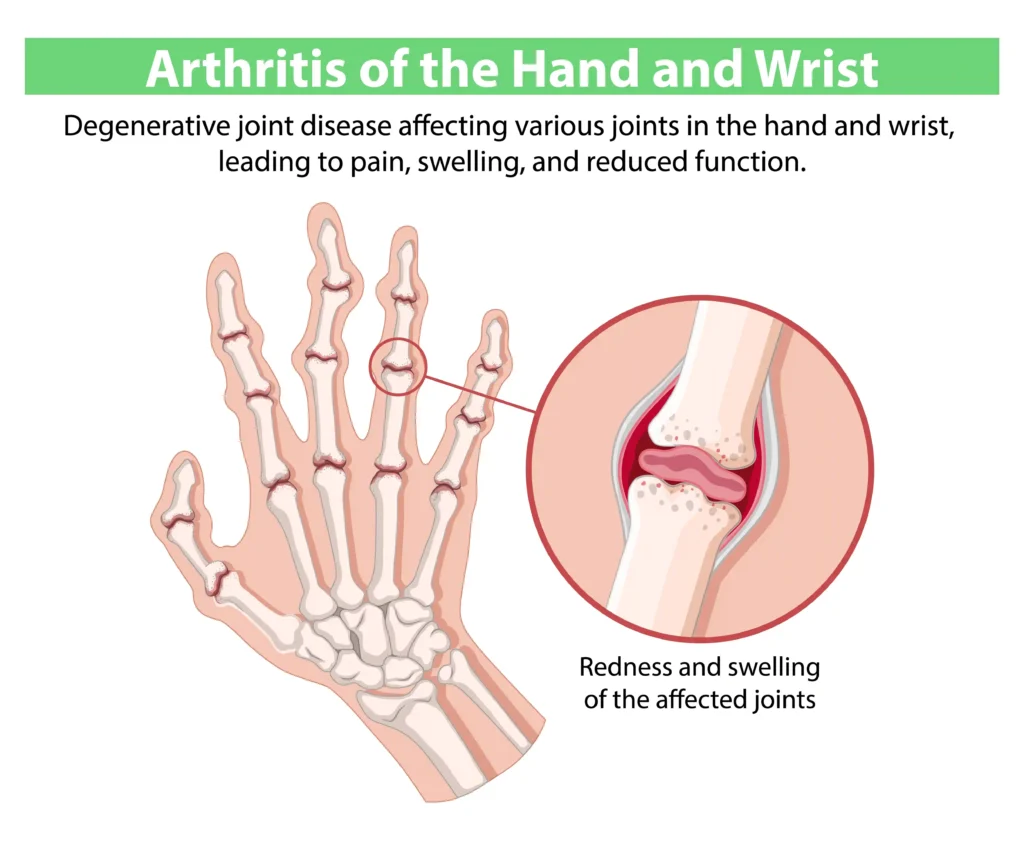
    Understanding Rheumatoid Arthritis

    Rheumatoid Arthritis is an autoimmune condition where the immune system mistakenly attacks the lining of your joints, causing inflammation, pain, and stiffness. Symptoms can vary from mild discomfort to severe joint damage and fatigue. Chronic inflammation doesn’t only affect your joints — it can impact hormone regulation and overall energy levels.

    The connection between gut health, chronic inflammation, and autoimmune responses is critical. Research shows that intestinal permeability, gut microbiome imbalance, and certain food sensitivities can trigger immune dysregulation, making RA worse. Addressing these systemic factors is a cornerstone of Functional Medicine for Rheumatoid Arthritis.

    Functional Medicine Approach to Rheumatoid Arthritis

    Unlike conventional care that primarily focuses on symptom relief, Functional Medicine for Rheumatoid Arthritis emphasizes identifying and addressing root causes. This approach includes:

    • Root-Cause Analysis: Understanding your unique triggers, such as dietary sensitivities, stress, environmental exposures, and genetic predisposition.
    • Functional Lab Testing: Blood tests like CRP and ESR, autoantibodies like RF and anti-CCP, and advanced gut health assessments can provide a personalized picture of inflammation and immune activity.
    • Personalized Treatment Plans: Based on lab results, lifestyle factors, and symptoms, plans can include nutrition, supplements, stress management, and targeted therapies.

    This method allows practitioners to tailor interventions that support the immune system, reduce inflammation, and enhance hormonal balance — all part of a comprehensive functional medicine strategy.

    Nutrition & Gut Health

    Gut health plays a central role in autoimmune and inflammatory conditions. Dysbiosis, or an imbalance in gut microbiome, can exacerbate Arthritis by triggering systemic inflammation. Nutrition strategies focus on anti-inflammatory foods and avoiding common triggers:

    Include:

    • Omega-3 rich foods: salmon, chia seeds, flaxseeds
    • Antioxidant-packed fruits and vegetables
    • Turmeric, ginger, and other anti-inflammatory spices

    Avoid:

    • Refined sugars and processed foods
    • Gluten and dairy if sensitive
    • Trans fats and highly processed oils

    A functional medicine diet plan can improve gut integrity, reduce inflammation, and support immune and hormonal balance by aligning perfectly with a Hormone Reset strategy.
    Healthy Lifestyle Choices for Managing Rheumatoid Arthritis

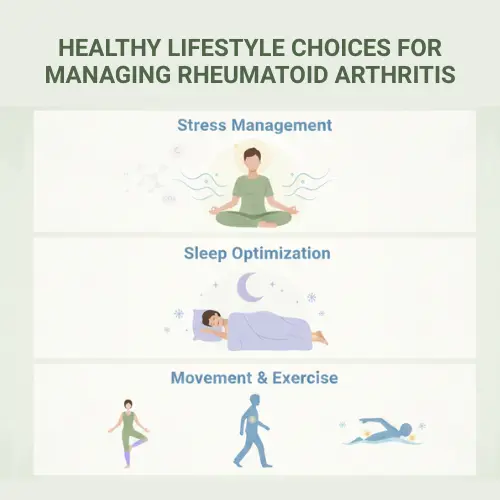
    Healthy Lifestyle Choices for Managing Rheumatoid Arthritis

    Lifestyle choices are powerful tools for managing Rheumatoid Arthritis and supporting functional medicine outcomes:

    • Stress Management: Chronic stress elevates cortisol and can worsen autoimmune activity. Meditation, deep breathing, and mindfulness techniques are highly effective.
    • Sleep Optimization: Quality sleep reduces inflammation and supports joint repair and hormonal health.
    • Movement & Exercise: Low-impact activities such as yoga, walking, or swimming maintain joint mobility and reduce stiffness without aggravating inflammation.

    Integrating these lifestyle practices enhances the effectiveness of Functional Medicine for Rheumatoid Arthritis while complementing the goals of Hormone Reset.

    Hormone Reset: Supporting Functional Medicine for RA

    While Functional Medicine for Rheumatoid Arthritis addresses root causes and immune modulation, Hormone Reset supports hormonal balance, energy levels, and metabolic health. Hormonal regulation plays a crucial role in inflammation control and immune resilience, making it a valuable adjunct for those managing RA.

    • Personalized Hormone Support: Optimizes endocrine function to complement immune and joint health.
    • Integrative Approach: Combines nutrition, lifestyle, and lab insights for comprehensive care.
    • Enhanced Wellbeing: Supports energy, mood, and overall vitality while reducing inflammation.

    By combining Hormone Reset with functional medicine, patients can experience a more holistic improvement in their RA symptoms and overall health.

    Getting Started with Functional Medicine Rheumatoid Arthritis Care

    1. Consult a Functional Medicine Practitioner: They will assess your medical history, perform functional lab tests, and identify triggers.
    2. Develop a Personalized Plan: Integrating nutrition, lifestyle changes, and supportive therapies.
    3. Monitor Progress: Regular follow-ups and lab assessments ensure interventions are effective and adapted as needed.
    4. Support Hormonal Balance: Incorporate Hormone Reset principles to complement immune and joint health.

    Taking a structured, evidence-based approach ensures that every aspect of RA management is addressed — from reducing inflammation to optimizing hormones.

    Frequently Asked Questions (FAQs)

    1. How does Functional Medicine treat Rheumatoid Arthritis?

    Functional Medicine treats Rheumatoid Arthritis by addressing the root causes of inflammation and immune system imbalance rather than only managing symptoms. It uses personalized lab testing, nutrition strategies, lifestyle interventions, and hormone support to reduce joint pain, improve mobility, and restore overall health naturally.

    2. How can Hormone Reset support Functional Medicine for Rheumatoid Arthritis?

    Hormone Reset complements Functional Medicine for Rheumatoid Arthritis by optimizing endocrine function, which helps regulate inflammation, improve immune responses, and enhance energy levels. Combined with dietary changes, gut health strategies, and lifestyle interventions, Hormone Reset supports better joint function and overall well-being

    3. What dietary changes help reduce Rheumatoid Arthritis symptoms naturally?

    A diet that supports Functional Medicine care focuses on anti-inflammatory foods, including omega-3-rich fish, leafy greens, berries, turmeric, and ginger. Avoiding processed foods, refined sugars, gluten, and dairy (if sensitive) can help reduce systemic inflammation and improve both joint and hormonal health.

    4. What lifestyle interventions are recommended for Functional Medicine Rheumatoid Arthritis care?

    Lifestyle practices play a crucial role in managing Rheumatoid Arthritis through Functional Medicine. Stress reduction, quality sleep, low-impact exercises like yoga, swimming, or walking, and mindfulness techniques all help control inflammation, support hormone balance, and maintain joint mobility naturally.

    5. How do I get started with Functional Medicine for Rheumatoid Arthritis?

    Consult a qualified practitioner who can perform functional lab testing, identify root causes, and create a personalized treatment plan. Incorporating Hormone Reset strategies further supports immune and hormonal health, helping you achieve long-term symptom relief and improved quality of life.

    Conclusion

    Functional Medicine for Rheumatoid Arthritis provides a holistic, personalized approach that goes beyond symptom management. By addressing root causes such as gut dysbiosis, dietary triggers, stress, and hormonal imbalances, patients can experience lasting relief, improved mobility, and better overall health. Integrating Hormone Reset strategies enhances functional medicine outcomes, supporting both immune and endocrine function.

    Take control of your health today with a comprehensive, functional medicine approach that truly targets the underlying causes of Rheumatoid Arthritis.

    👉 Address the root causes of Rheumatoid Arthritis. Start your functional medicine journey today.

    Call to action for Hormone Reset

    References

    1. Integrative Approaches to the Testing and Treatment of Rheumatoid Arthritis– Rupa Health
    2. Rheumatoid Arthritis: How a Functional Medicine Approach Can Ease Your Sore, Achy Joints–  Max Well Clinic
    3. Rheumatoid arthritis: reducing inflammation and addressing underlying triggers– Melbourne Functional Medicine
    4. What is Rheumatoid Arthritis, and how can Functional Medicine help?- Surrey Centre for Nutrition
    5. A Functional Medicine Guide To Rheumatoid Arthritis– Dr. Will Cole

    Please subscribe to our social channels for updates related to functional medicines.
    Instagramthehormonereset
    FacebookHormone Reset
    YouTubeHormone Reset Program
    LinkedInHormone Reset

  • The Link Between Rheumatoid Arthritis and Eye Problems

    The Link Between Rheumatoid Arthritis and Eye Problems

    If you have rheumatoid arthritis, you might know about its joint effects. But you might not know about its eye impact. Studies show people with rheumatoid arthritis face a higher risk of eye problems. This includes uveitis and scleritis.

    RA 1

    It’s important to understand how rheumatoid arthritis affects your eyes. Knowing this can help you manage your overall health better. By being informed about eye effects, you can protect your vision.

    Key Takeaways:

    • Rheumatoid arthritis can increase the risk of eye problems.
    • Common eye issues associated with rheumatoid arthritis include uveitis and scleritis.
    • Monitoring your eye health is essential if you have rheumatoid arthritis.
    • Early detection and treatment can help prevent serious eye damage.
    • Maintaining overall health can contribute to better eye health.

    Understanding Rheumatoid Arthritis as a Systemic Disease

    Rheumatoid arthritis (RA) is more than just joint pain. It affects many parts of your health. Knowing this is key to managing it.

    The Autoimmune Nature of Rheumatoid Arthritis

    RA is caused by an autoimmune response. Your immune system attacks the lining of your joints. This leads to inflammation and damage. It can harm other parts of your body too.

    How Inflammation Extends Beyond Your Joints

    Inflammation from RA doesn’t just stop at your joints. It can reach other areas, like your eyes. Knowing this is important for your care.

    The Inflammatory Cascade Effect

    The inflammation in RA starts a chain reaction. This cascade effect can harm different organs. It shows why RA is a systemic disease, affecting more than just your joints.

    Extra-articular Manifestations of RA

    RA can affect other parts of your body, not just your joints. This includes eye problems and more. Spotting these signs is crucial for managing RA well.

    Seeing RA as a systemic disease helps you understand the need for full care. It’s not just about your joints. It’s about your overall health.

    Can Rheumatoid Arthritis Damage Your Eyes? The Critical Connection

    If you have rheumatoid arthritis, you might face eye problems. This is because the disease causes inflammation that can spread to other parts of your body. It’s not just your joints that can be affected.

    The Inflammatory Pathway from Joints to Eyes

    The inflammation from RA can reach your eyes. This happens because the same inflammation that harms your joints can also damage your eyes. Your eyes have delicate structures that can be affected.

    Prevalence of Eye Complications in RA Patients

    Research shows that RA patients are more likely to have eye problems. The exact number varies, but it’s clear that RA patients face a higher risk.

    Recent Research Findings

    Recent studies have found a strong link between RA and eye conditions. For example, almost 40% of RA patients have experienced eye complications.

    Risk Factors That Increase Your Chances

    Some factors can make you more likely to have eye problems if you have RA. These include how severe your RA is, how long you’ve had it, and your age.

    Risk FactorDescriptionImpact on Eye Health
    Severity of RAMore severe RA is associated with higher levels of inflammation.Increased risk of eye complications.
    Duration of RALonger duration of RA can lead to more significant damage over time.Higher likelihood of developing eye issues.
    AgeOlder adults are more prone to complications due to decreased resilience.Increased vulnerability to eye problems.

    Knowing about these risk factors and how RA affects your eyes can help you protect your vision. It’s important to regularly check your eyes and work closely with your healthcare team.

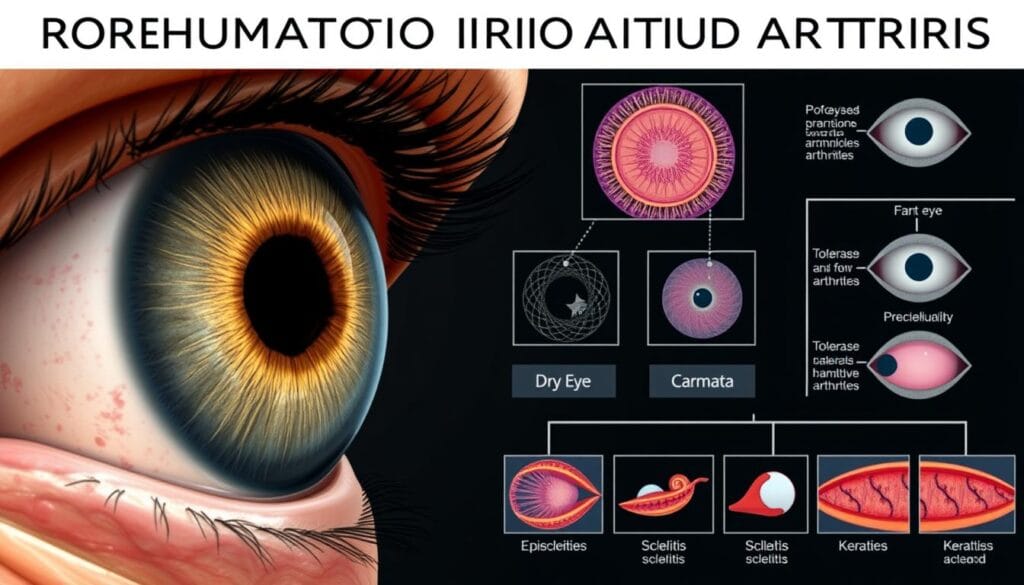
    The Spectrum of Eye Conditions Linked to Rheumatoid Arthritis

    If you have rheumatoid arthritis, knowing about eye problems is important. This disease can affect more than just your joints. It can also harm your eyes, leading to vision loss and other issues.

    RA 2
    • Dry Eye Syndrome: The Most Common Manifestation
      • Dry Eye Syndrome is a common eye problem for people with rheumatoid arthritis. It happens when your eyes don’t make enough tears or when the tears are not good. This causes dryness, irritation, and discomfort in your eyes.
    • Symptoms and Impact on Daily Life
      • Symptoms of Dry Eye Syndrome can be mild or severe. They include dryness, grittiness, burning, and blurred vision. These symptoms can make everyday tasks hard, like reading or using digital devices.
    • Connection to Sjögren’s Syndrome
      • For RA patients, Dry Eye Syndrome might also be linked to Sjögren’s Syndrome. This is an autoimmune disease that affects glands, especially the salivary and lacrimal glands. This connection shows why RA patients need comprehensive care.

    Scleritis and Episcleritis: When the Eye’s Outer Layer Inflames

    Scleritis and episcleritis are conditions that affect the outer layer of the eye. Scleritis is more serious and can lead to vision loss if not treated. Episcleritis is less severe but still needs attention to avoid discomfort.

    Scleritis can cause eye pain, redness, and sensitivity to light. It’s linked to rheumatoid arthritis. Episcleritis also causes eye pain and redness but is generally less severe.

    Uveitis: The Silent Threat to Your Vision

    Uveitis is inflammation in the middle layer of the eye. It can cause vision problems, eye pain, and light sensitivity. This condition is serious because it can lead to vision loss if not treated quickly.

    Uveitis is linked to rheumatoid arthritis. Regular eye exams are important to catch it early, as it can be silent until it’s severe.

    Retinal Vasculitis: The Most Severe Complication

    Retinal vasculitis is a rare but serious condition. It involves inflammation of the blood vessels in the retina. It can cause vision loss and is associated with rheumatoid arthritis. Quick diagnosis and treatment are key to prevent permanent damage.

    Knowing about eye conditions linked to rheumatoid arthritis helps you manage your eye health. Regular check-ups and working with your healthcare team are crucial to keep your vision safe.

    Warning Signs: Recognizing Eye Problems Before They Worsen

    If you have rheumatoid arthritis, watching out for eye problems is key. These issues can get serious if not caught early. Knowing the signs is important for quick treatment.

    Early Symptoms You Should Never Ignore

    Some early signs of eye problems from rheumatoid arthritis include:

    • Redness and pain in the eyes, which can be a sign of inflammation.
    • Blurred vision or changes in your vision, indicating potential issues within the eye.
    • Dryness or grittiness, often associated with dry eye syndrome.
    • Sensitivity to light, which can be uncomfortable and affect daily activities.

    “The earlier you detect eye problems, the better equipped you’ll be to manage them effectively.” – — Arthritis Foundation

    Distinguishing Between Normal Eye Fatigue and RA-Related Issues

    Telling normal eye fatigue from RA-related symptoms can be tough. But, if eye discomfort lasts or gets worse, see your doctor. They can figure out if it’s RA or something else.

    When to Seek Emergency Care for Your Eyes

    Some eye problems need quick medical help. Look for emergency care if you have:

    • Sudden loss of vision or severe vision changes.
    • Severe eye pain that doesn’t improve with over-the-counter pain relievers.
    • Eye redness accompanied by vision changes or discharge.

    Looking after your eye health is vital when you have rheumatoid arthritis. Spotting warning signs and getting medical help when needed can protect your vision and health.

    The Collaborative Care Approach: Your Medical Team

    Managing rheumatoid arthritis (RA) and eye problems requires a team effort. This approach brings together many healthcare experts. They work together to tackle RA’s joint and eye-related issues.

    The Essential Role of Your Rheumatologist

    Your rheumatologist is key in managing RA. They focus on arthritis and related diseases. They keep RA inflammation under control, which helps prevent eye problems.

    When and Why to See an Ophthalmologist

    An ophthalmologist specializes in eye disorders. If you have eye symptoms or concerns, see one. They can handle RA-related eye issues like dry eye and uveitis.

    Coordinating Care Between Specialists

    It’s important for your rheumatologist and ophthalmologist to work together. Good communication helps avoid complications and improves treatment plans.

    Communication Strategies That Work

    To improve communication, use a shared medical record or patient portal. Regular meetings between your doctors can also adjust your care as needed.

    Questions to Ask Each Provider

    • What are the potential eye-related side effects of my RA medications?
    • How often should I have my eyes checked?
    • Are there any specific eye symptoms I should be aware of?

    By working with your medical team and staying informed, you can protect your vision and health.

    Empowering Yourself: Proactive Steps to Protect Your Vision

    If you have rheumatoid arthritis, you can protect your eyes. This is by watching your eyes, eating right, and changing your lifestyle. These steps can lower the chance of eye problems linked to rheumatoid arthritis.

    Creating Your Eye Health Monitoring Schedule

    Getting regular eye exams is key. See your eye doctor once a year. Tell them if your vision or eye feels different.

    Nutrition Strategies That Support Eye Health

    Eating foods that fight inflammation is good for your eyes. Omega-3 fatty acids in fish and nuts are especially good.

    Anti-inflammatory Foods to Embrace

    • Fatty fish like salmon
    • Nuts and seeds
    • Leafy greens

    Supplements with Evidence-Based Benefits

    Think about taking omega-3 fatty acids and vitamin D. But talk to your doctor first:

    NutrientBenefitFood Sources
    Omega-3 fatty acidsReduces inflammationSalmon, walnuts
    Vitamin DImmune system regulationFortified dairy, sunlight exposure

    Lifestyle Modifications That Make a Difference

    Simple changes can help your eyes. Quit smoking and keep a healthy weight.

    Digital Eye Strain: Special Considerations for RA Patients

    Use the 20-20-20 rule. Every 20 minutes, look away from screens and focus on something 20 feet away for 20 seconds.

    Conclusion: Your Vision Matters – Taking Control of Your Eye Health with RA

    Rheumatoid arthritis can really affect your eye health, and knowing this is key. It’s not just about if RA can harm your eyes. It’s about taking steps to keep your vision safe.

    Managing rheumatoid arthritis means taking care of your whole health, including your eyes. Knowing the eye problems RA can cause helps you work with your doctors. This way, you can catch and fix any eye issues early.

    Your fight with rheumatoid arthritis is special, and so are your eye care needs. By staying informed and taking action, you can lower the chance of eye damage. Take charge of your eye health today. Aim for a future where RA doesn’t control your sight.

    FAQ’s

    1. Can rheumatoid arthritis damage your eyes?
      • Yes, rheumatoid arthritis can harm your eyes. It can cause dry eye, scleritis, episcleritis, uveitis, and retinal vasculitis. These problems are due to the disease’s inflammatory nature.
    2. What are the common eye conditions associated with rheumatoid arthritis?
      • Rheumatoid arthritis can lead to several eye problems. These include dry eye, scleritis, episcleritis, uveitis, and retinal vasculitis. If not treated, these can cause vision issues.
    3. How does rheumatoid arthritis cause eye inflammation?
      • Rheumatoid arthritis causes eye inflammation in the same way it affects joints. This leads to conditions like scleritis, episcleritis, and uveitis.
    4. What are the symptoms of rheumatoid arthritis-related eye problems?
      • Symptoms can include eye pain, redness, and dryness. You might also see blurred vision, sensitivity to light, and floaters. The symptoms vary based on the eye condition.
    5. How can I protect my vision if I have rheumatoid arthritis?
      • To protect your vision, get regular eye exams. Manage your rheumatoid arthritis with your doctor. Adopt healthy habits and watch for early signs of eye problems.
    6. When should I seek emergency care for rheumatoid arthritis-related eye issues?
      • Seek emergency care for sudden vision loss, severe eye pain, or increased sensitivity to light. These are signs of serious eye conditions that need immediate attention.
    7. How often should I have my eyes checked if I have rheumatoid arthritis?
      • Regular eye exams are key. The frequency depends on your rheumatoid arthritis severity and eye conditions. Talk to your ophthalmologist for a personalized schedule.

    Please subscribe to our social channels for updates related to functional medicines.
    Instagramthehormonereset
    FacebookHormone Reset
    YouTubeHormone Reset Program
    LinkedInHormone Reset

  • Rheumatoid Arthritis: Powerful Functional Medicine Treatment Naturally

    Rheumatoid Arthritis: Powerful Functional Medicine Treatment Naturally

    Rheumatoid Arthritis (RA) is more than just joint pain. It’s an autoimmune condition where the body mistakenly attacks its own tissues, leading to chronic inflammation, pain, and joint damage. But what if the root cause of RA isn’t just genetics or lifestyle? What if along with other factors, hormones play a critical role in triggering and sustaining this disease?

    Recent research and integrative approaches, like those at Hormone Reset, show that balancing hormones is a game-changer in treating RA. Functional medicine takes a deep dive into how hormonal imbalances, gut health, and lifestyle factors influence autoimmune diseases, offering a root-cause solution rather than just symptom management.

    The Science Behind Rheumatoid Arthritis and Autoimmune Dysfunction

    Rheumatoid Arthritis is classified as an autoimmune disorder, meaning the body’s immune system mistakenly attacks healthy tissues. Several key factors contribute to this dysfunction:

    • Genetic Predisposition: Some individuals are more susceptible to autoimmune conditions due to their genetic makeup.
    • Environmental Triggers: Toxins, infections, and even unsuitable diet can activate an autoimmune response.
    • Chronic Inflammation: Persistent inflammation leads to tissue damage and worsens RA symptoms.
    • Cortisol Imbalance: Chronic stress leads to excess cortisol, which disrupts the immune system and increases inflammation.
    • Estrogen Dominance: High estrogen levels can overstimulate the immune system, increasing RA risk.
    • Thyroid Dysfunction: Hypothyroidism and Hashimoto’s thyroiditis are linked to RA, as they both fuel systemic inflammation.
    • Insulin Resistance: Blood sugar imbalances can worsen inflammation and joint damage.

    By addressing these triggers, functional medicine provides a holistic approach to healing rather than just suppressing and masking symptoms.

    How Hormones Influence Rheumatoid Arthritis Development?

    Many Rheumatoid Arthritis patients, especially women, experience symptom fluctuations related to hormonal changes. Why? Because hormones regulate immune responses, inflammation, and cellular function. Here’s how hormones impact RA:

    Estrogen & Progesterone: The Immune Regulators

    • Women are three times more likely to develop Rheumatoid Arthritis than men, often experiencing symptom flare-ups during pregnancy, postpartum, or menopause.
    • Estrogen and progesterone have anti-inflammatory properties, but their imbalances can trigger immune dysfunction and increase inflammation.
    • Low estrogen levels, especially post-menopause, contribute to increased inflammation and joint degeneration.

    Cortisol: The Stress-Induced Firestarter

    • Chronic stress elevates cortisol, a stress hormone that, when dysregulated, weakens the immune system and fuels inflammatory cytokines, worsening RA symptoms.
    • Chronic stress can also lead to Adrenal dysfunction that leads to an inability to regulate inflammation effectively, making flares more severe and frequent.

    Thyroid Hormones: The Overlooked Factor

    • Thyroid dysfunction is highly correlated with RA, as both aid to low immunity.
    • Hypothyroidism (low thyroid function) slows down metabolism, weakens the immune system, and promotes joint stiffness and fatigue.

    Insulin Resistance & Blood Sugar Spikes

    • High insulin and unstable blood sugar levels drive systemic inflammation, worsening Rheumatoid Arthritis symptoms.
    • Conversely, RA patients often exhibit higher insulin resistance, making dietary and lifestyle changes crucial in treatment.

    The Functional Medicine Approach to Rheumatoid Arthritis Healing

    functional medicine

    Unlike conventional medicine, which primarily treats symptoms with medications, functional medicine digs deeper to uncover underlying triggers. Here’s how it differs:

    Conventional MedicineFunctional Medicine
    Focuses on symptom relief with painkillers and immunosuppressantsIdentifies root causes like gut health, toxins, and nutrient deficiencies
    Often leads to side effects and long-term dependence on medicationsUses natural interventions to support the body’s healing mechanisms
    Ignores the role of diet and lifestylePrioritizes nutrition, lifestyle changes, and personalized treatment

    Identifying the Root Causes of Rheumatoid Arthritis

    Unlike conventional medicine, which primarily focuses on symptom suppression, a functional medicine approach seeks to uncover the deeper triggers of Rheumatoid Arthritis. This involves:

    • Advanced Hormone Testing to detect imbalances in estrogen, progesterone, cortisol, thyroid hormones, and insulin.
    • Inflammation Marker Analysis (CRP, ESR) to assess the severity of autoimmune activity.
    • Nutrition Status Assessment helps understand if low levels of key nutrients like vitamins a, b12 and d, omega 3 fatty acids, zinc, etc. are causing or worsening the disease dynamics.
    • Gut Health Assessment to identify leaky gut syndrome and dysbiosis etc, which often triggers autoimmune conditions.
    • Environmental Toxicity Exposure Screening to evaluate toxins, heavy metals, and pollutants affecting immune function.
    • Genetic Testing to assess predispositions and guide personalised interventions.

    By understanding these factors, a targeted healing strategy can be developed.

    The Role of Gut Health in Rheumatoid Arthritis

    Gut health plays a crucial role in autoimmune conditions like Rheumatoid Arthritis. The gut microbiome regulates the immune system, and imbalances can lead to chronic inflammation and autoimmunity.

    Leaky Gut Syndrome and Rheumatoid Arthritis

    • Increased intestinal permeability—often referred to as “leaky gut”—allows harmful toxins, microbes, and undigested food particles to pass through the gut lining and enter the bloodstream. This triggers an immune response, causing the body to attack these foreign invaders and inadvertently inflame its own tissues.
    • Multiple studies have found that individuals with RA commonly experience gut dysbiosis, a state where the balance of good and bad bacteria in the gut is disrupted. This imbalance contributes to ongoing systemic inflammation and worsens autoimmune reactions. Moreover, certain gut bacteria such as Prevotella copri have been associated with increased RA risk, reinforcing the gut-joint connection in autoimmunity.
    • Low levels of beneficial microbes like Bifidobacteria and Lactobacilli have also been noted in RA patients, further aggravating immune dysfunction and gut barrier weakness.
    • Gut infections and overgrowth of pathogens such as Candida albicans may also contribute to heightened immune activation in RA.

    Healing the Gut for Rheumatoid Arthritis Relief 

    • Probiotics & Fermented Foods: Support a healthy microbiome with yogurt (dahi), kefir, sauerkraut, and kombucha. These foods help reintroduce beneficial bacteria into the digestive tract, which may improve immune regulation.
    • Bone Broth & Collagen: Contain amino acids like glycine and proline that help repair the intestinal lining, reduce systemic inflammation, and support joint health.
    • Eliminating Food Triggers: Gluten (gehun), dairy (doodh and milk-based products), and processed foods can damage the intestinal barrier, increase gut permeability (leaky gut), and initiate autoimmune flares. An elimination diet may provide clarity and relief.
    • Prebiotics & Fiber: Feed beneficial bacteria and support gut barrier function. Rich sources include garlic (lehsun), onions (pyaaz), leeks (hara pyaaz), bananas (kela), asparagus (shatavari), and chicory root.
    • Herbal Support: Supplements such as slippery elm, marshmallow root, and licorice root (mulethi) have mucilaginous properties that coat and soothe the gut lining, reduce inflammation, and promote healing of the GI tract.

    The Rheumatoid Arthritis Connection Between Toxins and Autoimmune Disorders

    How Environmental Toxins Trigger Rheumatoid Arthritis

    • Heavy metals like mercury, aluminium and lead can disrupt immune function.
    • Pesticides and chemicals in food can contribute to autoimmune flare-ups.
    • Plastics and endocrine-disrupting chemicals interfere with hormonal balance, fueling inflammation.

    Reducing Toxin Exposure for Rheumatoid Arthritis Relief

    • Choose organic foods whenever possible.
    • Filter drinking water to remove contaminants.
    • Reduce plastic use and switch to glass or stainless steel containers.
    • Opt for natural personal care and cleaning products.

    Natural Strategies for Managing Rheumatoid Arthritis

    Addressing Rheumatoid Arthritis effectively requires a multi-faceted approach that restores balance to the body. Here are some proven strategies:

    Nutritional and Dietary Adjustments

    food
    • Anti-Inflammatory Diet: Include omega-3-rich foods like fatty fish (salmon, sardines), flaxseeds (alsi), and walnuts (akhrot). Add anti-inflammatory spices such as turmeric (haldi) and ginger (adrak), and eat plenty of leafy greens like spinach (palak), fenugreek leaves (methi), and amaranth (chaulai). These Anti-Inflammatory foods help lower inflammation markers and support joint health.
    • Blood Sugar Stabilization: Avoid sugary snacks, white bread (safed double roti), and soft drinks. Focus on complex carbohydrates such as brown rice (bhura chawal), millet (bajra, jowar), sweet potatoes (shakarkand), and legumes (rajma, chana). These help prevent blood sugar spikes, reducing insulin-driven inflammation.
    • Gut Health Restoration: Strengthen digestion with fermented foods like yogurt (dahi), buttermilk (chaas), and pickled vegetables (achar). Bone broth (yakhni) and collagen support gut lining repair. Fiber-rich foods like oats (jai), fruits (seb, papita), and vegetables (gajar, lauki) feed beneficial bacteria and enhance detoxification.
    • Hydration & Detoxification: Drink at least 2–3 liters of water daily. Add herbal teas like tulsi, mint (pudina), or cumin (jeera) water to support kidney and liver detox pathways. Hydration improves lymphatic flow and reduces joint stiffness.

    Lifestyle Modifications

    • Stress Management: Use mindfulness, meditation, and deep breathing exercises to regulate cortisol and reduce chronic stress, a key factor in RA flare-ups. You can use different apps for guided practices.
    • Physical Activity: Engage in low-impact workouts like yoga (especially restorative and yin yoga), tai chi, and gentle strength training to improve joint flexibility, reduce stiffness, and enhance blood circulation.
    • Quality Sleep: Prioritize 7–9 hours of deep, restorative sleep. Use sleep hygiene strategies like maintaining a consistent bedtime, limiting screen time, and using magnesium supplements or herbal teas (like chamomile or ashwagandha) to improve sleep quality.
    • Sunlight & Vitamin D: Aim for 15–20 minutes of early morning sun exposure daily to boost natural vitamin D production, which supports immune regulation and bone mineral density. If deficient, consider supplementation under medical supervision.
    • Community & Emotional Wellbeing: Join support groups, engage in hobbies, or volunteer. Strong social bonds and emotional expression (like journaling or therapy) lower cortisol levels and enhance the body’s healing capacity, especially in chronic inflammatory conditions like RA.

    A New Era of Rheumatoid Arthritis Healing Through Functional Medicine

    Rheumatoid Arthritis is a complex condition, but functional medicine offers hope for long-term healing. By identifying hormonal imbalances, gut dysfunction, and environmental triggers, this approach provides a path to recovery beyond just medication.

    Healing is possible when we address the root cause, not just the symptoms. With the right hormone reset, dietary interventions, detoxification strategies, and lifestyle changes, you can regain control over your health and live pain-free.

    Are You Ready to Take Control of Your Rheumatoid Arthritis Naturally?

    Connect with Hormone Reset today to get a personalised plan that restores hormonal balance, reduces inflammation, and gives you back your quality of life.

    Further if you’re looking for one-on-one consultation with our Specialists, then Book Now!


    References

    Conventional Medical Perspective on Rheumatoid Arthritis: Cleveland Clinic – RA Overview

  • Are Certain Foods Behind Your Rheumatoid Arthritis Diagnosis? What Are Some Best Foods For Rheumatoid Arthritis?

    Are Certain Foods Behind Your Rheumatoid Arthritis Diagnosis? What Are Some Best Foods For Rheumatoid Arthritis?

    Rheumatoid arthritis (RA) is a chronic autoimmune disorder where the immune system mistakenly attacks healthy joint tissues, causing inflammation, pain, and stiffness. While genetics and environmental factors are known contributors, research suggests that factors like chronic infections, gut dysbiosis, food sensitivities, toxins, nutrient imbalances and insufficiencies, and mitochondrial dysfunction, perhaps diet play an important role in the onset and progression of RA. Although no single food directly causes RA, certain dietary patterns can contribute to inflammation and potentially worsen symptoms.

    Understanding how diet affects RA is essential for those managing the condition. Here’s a closer look at the Foods Behind Rheumatoid Arthritis and dietary changes that may help alleviate symptoms.

    Inflammation and the Role of Diet in RA

    In rheumatoid arthritis, the immune system attacks the lining of the joints, leading to chronic inflammation. This inflammation damages the cartilage and bones over time, affecting joint mobility and causing significant pain. The foods we consume can influence this inflammatory process, either by aggravating it or by helping to reduce it.

    Research shows that certain Foods Behind Rheumatoid Arthritis, which can exacerbate it’s symptoms. For example, glutendairy productsrefined carbsseed oilsred meats, certain vegetables like nightshadesalcohol and caffeinehigh-sugar and artificial sweetenershighly processed, and fried foods are known to increase levels of inflammatory markers in the body, potentially leading to more frequent and severe flare-ups in individuals with RA. Studies have shown that people who consume diets high in these inflammatory foods are more likely to experience worsened symptoms.

    What Are The Consequences of an Inflammatory Diet?

    For people with RA, the pain and stiffness from inflammation can limit daily activities and reduce quality of life. Consuming inflammatory foods can lead to more frequent flare-ups, increased fatigue, and joint discomfort. What makes this situation challenging is that these symptoms often go beyond physical pain, affecting mental health as well. For many, the unpredictability of RA symptoms can contribute to anxiety and depression.

    Beyond the immediate symptoms, chronic inflammation caused by poor diet can lead to other health complications, such as cardiovascular disease and diabetes, which are already more common in individuals with RA. Ignoring the Foods Behind Rheumatoid Arthritis may worsen not only joint pain but also overall health, adding more strain to managing RA.

    Dietary Changes That May Help Manage RA Symptoms

    While diet alone won’t cure RA, certain dietary adjustments can help reduce inflammation and possibly alleviate some symptoms. Here are Best Foods For Rheumatoid Arthritis that could make a positive difference.

    1. Limit Sugary Foods and Beverages

    Sugar can trigger inflammatory responses in the body, which can worsen RA symptoms. Sugary foods and drinks, such as sodas, candies, and baked goods, are often high in refined sugars that increase inflammatory markers.

    Tip: Choose natural sweeteners like honey or fruits, which don’t spike inflammation levels as quickly. Also, check labels for hidden sugars, as many packaged foods contain added sugars.

    2. Reduce Red and Processed Meats

    Red and processed meats, such as beef, bacon, and sausages, contain high levels of saturated fats and advanced glycation end products (AGEs), which can promote inflammation. Studies have found that people with diets high in red and processed meats tend to have higher levels of inflammatory markers.

    Tip: Substitute red meats with lean proteins like chicken, turkey, and fish, which have anti-inflammatory properties. Plant-based protein sources like lentils and beans are also good options.

    3. Avoid Processed and Fried Foods

    Fried and processed foods are often loaded with unhealthy trans fats, preservatives, and artificial ingredients that increase inflammation. They also contain high levels of AGEs, which can trigger an inflammatory response in the body.

    Tip: Opt for whole, unprocessed foods whenever possible. Air-frying or baking foods instead of frying can also help reduce the intake of unhealthy fats.

    4. Incorporate Anti-Inflammatory Foods

    The good news is that several foods are known for their anti-inflammatory effects and may help alleviate RA symptoms when included in a balanced diet. Here are a few worth considering:

    • Vegetables: Leafy greens (spinach, kale) and cruciferous vegetables (broccoli, cauliflower) are rich in powerful anti-inflammatory properties. Sweet potatoes and carrots are rich in beta-carotene, which is anti-inflammatory. Beets aid in detoxification of the body. Leafy greens (spinach, kale) and cruciferous vegetables (broccoli, cauliflower) are rich in powerful anti-inflammatory properties. Sweet potatoes and carrots are rich in beta-carotene, which is anti-inflammatory. Beets aid in detoxification of the body.
    • Fruits: Berries (blueberries, strawberries) are full of antioxidants. Pomegranates guard joints, while cherries reduce uric acid levels. Boiled apples contain quercetin, a natural anti-inflammatory. Stay away from high-sugar fruits, as they could make symptoms worse. Berries (blueberries, strawberries) are full of antioxidants. Pomegranates guard joints, while cherries reduce uric acid levels. Boiled apples contain quercetin, a natural anti-inflammatory. Stay away from high-sugar fruits, as they could make symptoms worse.
    • Healthy Fats: Olive oil, avocados, coconut oil, and ghee are necessary for vital anti-inflammatory factors. Olive oil, avocados, coconut oil, and ghee are necessary for vital anti-inflammatory factors.
    • Ferment-Friendly Foods: Fermented foods such as sauerkraut, kimchi, and kefir aid in digestion, and bone broth helps the joints. Prebiotic foods such as onions and garlic help gut health. But fermented foods can act as triggers among sensitive people. Fermented foods such as sauerkraut, kimchi, and kefir aid in digestion, and bone broth helps the joints. Prebiotic foods such as onions and garlic help gut health. But fermented foods can act as triggers among sensitive people.
    • Spices & Herbs: Turmeric (curcumin), ginger, garlic, cinnamon, rosemary, and oregano each possess very powerful anti-inflammatory capabilities. Turmeric (curcumin), ginger, garlic, cinnamon, rosemary, and oregano each possess very powerful anti-inflammatory capabilities.
    • Nuts & Seeds: Walnuts (rich in omega-3s), almonds (joint vitamin E), pumpkin seeds (muscle-relaxing magnesium), and sunflower seeds (antioxidant-rich) can assist, if well tolerated. Walnuts (rich in omega-3s), almonds (joint vitamin E), pumpkin seeds (muscle-relaxing magnesium), and sunflower seeds (antioxidant-rich) can assist, if well tolerated.
    • Whole Grains: Quinoa, buckwheat, millet, and amaranth are anti-inflammatory and gluten-free options. Quinoa, buckwheat, millet, and amaranth are anti-inflammatory and gluten-free options.
    • Hydrating Foods & Drinks: Green tea, herbal teas (turmeric, chamomile), lemon water, and celery juice help detoxify and reduce inflammation. Green tea, herbal teas (turmeric, chamomile), lemon water, and celery juice help detoxify and reduce inflammation.

    If you’re looking for Recipes then feel free to checkout our Recipes for Managing Rheumatoid Arthritis.

    5. Embrace the Mediterranean Diet

    The Mediterranean diet emphasises whole grains, lean proteins, healthy fats, and plenty of fruits and vegetables. Studies have shown that this dietary pattern can help reduce inflammation in people with RA. In fact, research indicates that those following a Mediterranean diet report fewer flare-ups and lower overall pain levels.

    Tip: Focus on incorporating olive oil, whole grains, and fresh vegetables into your meals, which can help lower inflammation and provide lasting energy.

    Also Read: Rheumatoid Arthritis – Why Medications Are Not The Answer

    What Are Some Benefits of a Diet Change for Rheumatoid Arthritis?

    While dietary changes alone may not cure rheumatoid arthritis, many individuals with RA find that shifting their eating habits to focus on anti-inflammatory foods can significantly improve their quality of life. A study published in the Annals of Rheumatic Diseases found that people with RA who followed an anti-inflammatory diet for 12 weeks experienced a reduction in joint swelling and pain.

    Incorporating these changes doesn’t require a complete lifestyle overhaul. Small, consistent steps, such as choosing fish over red meat, adding more leafy greens, and reducing sugar intake, can lead to noticeable improvements over time.

    Taking Control Through Food Choices

    If you’re managing RA, paying attention to your diet could provide relief from pain and inflammation. By reducing inflammatory foods and incorporating Best Foods For Rheumatoid Arthritis, you can help support your body’s response to RA. Although diet changes are not a cure, they represent a proactive way to take charge of your health and potentially lessen the impact of rheumatoid arthritis on your daily life.

    Further if you’re looking for one-on-one consultation with our Specialists, then Book Now!

    References

    Share

  • An Exploration of Autoimmune Diseases: Understanding the Commonalities and Differences in Rheumatoid Arthritis

    An Exploration of Autoimmune Diseases: Understanding the Commonalities and Differences in Rheumatoid Arthritis

    The Rising Prevalence of Autoimmune Diseases

    Autoimmune diseases are on the rise worldwide, affecting millions of people and significantly impacting their quality of life. Among these, rheumatoid arthritis (RA) is one of the most studied and complex conditions. RA affects nearly 1% of the global population, with women being two to three times more likely to develop it than men. Despite ongoing research, many people remain confused about autoimmune diseases, their triggers, and how conditions like RA compare to other autoimmune disorders.

    Why This Matters?

    Living with an autoimmune disease is often an uphill battle. Symptoms like chronic fatigue, joint pain, and systemic inflammation can severely disrupt daily life. But RA doesn’t just stop at pain—it can also damage internal organs, increase cardiovascular risks, and reduce life expectancy if left unmanaged. To complicate matters, autoimmune diseases share overlapping symptoms, making diagnosis tricky. This lack of clarity can lead to treatment delays and worsening patient outcomes.

    So, how do autoimmune diseases work, and what makes RA unique compared to others like lupus or multiple sclerosis? Understanding these nuances is crucial to managing the disease effectively.


    Solution: Breaking Down the Commonalities and Differences

    What Do Autoimmune Diseases Have in Common?

    Autoimmune diseases occur when the immune system mistakenly attacks healthy cells instead of harmful invaders like bacteria or viruses. Here are some common traits:

    1. Underlying Mechanism:
      An overactive immune response fuels autoimmune diseases. The body’s defense system mistakes its tissues for foreign substances, triggering inflammation and tissue damage.
    2. Triggers:
      While the exact cause is unknown, environmental factors (like smoking or infections), genetic predisposition, and hormonal imbalances play a key role in autoimmune diseases.
    3. Systemic Nature:
      Many autoimmune diseases are systemic, affecting multiple organs or tissues simultaneously. For instance, systemic lupus erythematosus (SLE) can impact skin, kidneys, and joints, similar to RA’s effect on joints and organs.
    4. Shared Symptoms:
      Symptoms like fatigue, inflammation, and chronic pain are common across conditions. For example:
      • Both RA and lupus can cause joint pain.
      • Hashimoto’s thyroiditis and RA both lead to fatigue due to their systemic effects.

    What Makes Rheumatoid Arthritis Unique?

    RA is an autoimmune disease that specifically targets the synovium, the lining of joints. This leads to swelling, pain, and potential joint deformities. Unlike osteoarthritis, which is wear-and-tear-related, RA results from the immune system attacking healthy joint tissues.

    Here’s what sets RA apart:

    1. Targeted Areas:
      RA typically begins in smaller joints (like fingers and toes) and can progress to larger joints over time.
    2. Symmetrical Symptoms:
      A hallmark feature of RA is symmetry. If one hand or knee is affected, the other side usually follows suit, a characteristic not seen in all autoimmune diseases.
    3. Co-Morbid Risks:
      Patients with RA face increased risks of heart disease, lung conditions, and even mental health issues due to systemic inflammation. Studies show that individuals with RA are 50% more likely to experience cardiovascular problems.
    4. Diagnostic Markers:
      RA can be diagnosed through blood tests for rheumatoid factor (RF) and anti-cyclic citrullinated peptide (anti-CCP) antibodies. These markers are specific to RA, helping distinguish it from other autoimmune diseases like lupus or psoriasis.

    Case Study: Early Diagnosis and Management of RA

    Consider the case of Sarah, a 42-year-old teacher who began experiencing morning stiffness in her fingers that lasted for over an hour. At first, she assumed it was due to her long hours at work. However, as the pain worsened and her fatigue increased, she sought medical advice.

    Tests revealed elevated levels of RF and anti-CCP antibodies, confirming an RA diagnosis. Early intervention with disease-modifying antirheumatic drugs (DMARDs) significantly slowed the disease’s progression. Additionally, Sarah adopted a balanced diet rich in anti-inflammatory foods (like fatty fish and leafy greens) and started practicing low-impact exercises such as yoga.

    Today, Sarah manages her symptoms effectively, demonstrating the importance of early detection and a holistic approach to autoimmune diseases.


    Bridging the Gap: How Knowledge Empowers Management

    While autoimmune diseases like RA may seem daunting, knowledge is a powerful tool in managing them. Understanding the commonalities can help patients identify early warning signs while recognizing differences allows for accurate diagnosis and tailored treatments.

    For those living with RA, combining medical treatment with lifestyle changes—such as stress management, regular exercise, and an anti-inflammatory diet—can significantly improve outcomes.


    Key Takeaways

    • Autoimmune diseases, including RA, share common mechanisms but differ in how and where they manifest.
    • RA is unique due to its targeted joint effects, symmetrical symptoms, and specific diagnostic markers.
    • Early diagnosis and a proactive approach, as seen in Sarah’s case, are vital to managing RA effectively.

    By fostering awareness and staying informed, patients and caregivers can take control of their health, reducing the burden of autoimmune diseases one step at a time.

    References:

    National Institute of Arthritis and Musculoskeletal and Skin Diseases. “Rheumatoid Arthritis.” Retrieved from https://www.niams.nih.gov

    Centers for Disease Control and Prevention (CDC). “Rheumatoid Arthritis (RA).” Retrieved from https://www.cdc.gov

    Mayo Clinic. “Rheumatoid Arthritis: Symptoms and Causes.” Retrieved from https://www.mayoclinic.org

    Gabriel, S. E., & Michaud, K. (2009). “Epidemiological studies in incidence, prevalence, mortality, and comorbidity of the rheumatic diseases.” Arthritis Research & Therapy, 11(3), 229. Retrieved from https://arthritis-research.biomedcentral.com/

    Arthritis Foundation. “What Is Rheumatoid Arthritis?” Retrieved from https://www.arthritis.org

    Share

  • Why Medications Are Not the Answer for Rheumatoid Arthritis

    Why Medications Are Not the Answer for Rheumatoid Arthritis

    Rheumatoid arthritis (RA) is a chronic autoimmune disease where the immune system attacks the synovial membranes of joints, causing pain, inflammation, and deformity. It most commonly affects individuals aged 30-50 and is three times more prevalent in women than men. It is a long-term condition that causes pain, swelling, and stiffness in the joints. 

    If you’ve been diagnosed, chances are, you’ve been prescribed medications to manage it. But is that really the best solution? While medications can help manage symptoms, they dont offer a lasting solution. Let’s explore why medications may not be the ultimate answer for RA.

    The Problem: Medications Can’t Reverse Rheumatoid Arthritis

    When you’re diagnosed with rheumatoid arthritis, the first line of defense often involves medications like nonsteroidal anti-inflammatory drugs (NSAIDs), disease-modifying antirheumatic drugs (DMARDs), and biologics. These medications aim to slow down the progression of the disease, reduce inflammation, and relieve pain. But here’s the problem: they don’t cure RA. In fact, they’re only designed to manage or suppress the symptoms.

    A 2017 study published in the Journal of Rheumatology showed that while DMARDs can reduce joint inflammation and slow disease progression, only 30-40% of patients achieved remission after using these medications for a year. This means the majority of people are still living with significant symptoms even while on medication.

    Additionally, medications often come with a slew of side effects. Long-term use of NSAIDs, for example, has been linked to stomach ulcers, liver damage, and increased risk of heart attacks. Biologics can suppress the immune system, making patients more vulnerable to infections.

    Agitation: The Limits and Risks of Medication Dependence

    It’s easy to feel like medications are the only way to keep rheumatoid arthritis in check. But relying solely on pharmaceuticals comes with risks and limitations. For starters, medications don’t address the underlying cause of RA, which is the reason why the immune system is attacking the joints.

    A long-term reliance on drugs may mask the symptoms while the disease continues to progress. According to a case study published in Rheumatology International, one patient who had been on DMARDs for five years experienced decreased effectiveness of the drugs over time. By the end of the case study, they still had joint deterioration and required joint replacement surgery despite ongoing medication.

    The risks don’t stop there. Many RA drugs also carry potential long-term health risks. A 2020 study in The Lancet found that patients on biologics were 60% more likely to develop serious infections due to immune suppression. Medications may temporarily control RA symptoms, but at what cost to your overall health?

    Solution: What You Can Do Instead of Relying Solely on Medication

    Today, science has a pretty good understanding of the reasons that lead the immune system to attack the joints. RA is driven by an imbalance in immune cells, with an excess of Th1 lymphocytes producing inflammatory mediators and a deficiency of Th2 lymphocytes. The question we have to ask is – why is this imbalance happening?

    Environmental factors, such as viral and bacterial infections, play a key role by triggering chronic inflammation and oxidative tissue damage. These infections can also compromise gut health, leading to intestinal permeability, low Secretory IgA, elevated zonulin, and other inflammatory bowel markers, which may further exacerbate the autoimmune response.

    Autoimmunity causes3 1

    Key contributors include:

    • Nutritional deficiencies: Low levels of essential nutrients like vitamin D, vitamin A, omega-3 fatty acids, and antioxidants, amongst many others, can weaken immune regulation and joint health.
    • Chronic infections: Overgrowth of bacteria, fungi, parasites, viruses, etc in the body can trigger immune dysfunction leading to autoimmunity.
    • Gut health imbalance: Increased intestinal permeability (“leaky gut”) allows toxins and undigested food particles to enter the bloodstream, triggering autoimmune responses.
    • Reactivity to triggers: Chemicals, pathogens, or certain foods can provoke immune responses and cross-reactivity, leading to inflammation and worsening symptoms.
    • Toxins: A variety of toxins, including heavy metals, bacterial and fungal toxins, and agricultural and other environmental toxins, are known to trigger the immune system into hypervigilance and then autoimmunity.
    • Stress or trauma: Chronic or acute stress can disrupt the body’s stress response, promote inflammation, and act as a trigger for RA onset or exacerbation.

    The rising prevalence of autoimmune diseases is linked to gut health. A compromised intestinal barrier and immune system reactivity to food are major contributors to immune system overstimulation and disease progression. Addressing gut health through personalised dietary strategies that reduce food triggers, alongside targeted care, is essential for recovery.

    A Functional Medicine approach emphasizes addressing these factors through personalized nutrition, gut healing, stress management, detoxification, addressing chronic infections, and identifying specific triggers to manage RA effectively. These alternative strategies can help you manage symptoms and potentially reverse the disease’s progression without relying entirely on pharmaceuticals. Some of these are discussed below.

    1. Anti-Inflammatory Diet: Numerous studies have shown that diet plays a critical role in reducing inflammation. One study in Arthritis Care & Research found that RA patients who followed an anti-inflammatory diet rich in omega-3 fatty acids, fresh fruits, and vegetables experienced reduction in flare-ups and improved overall joint health.
      Eliminate all processed foods, gluten, dairy and sugars, as they can trigger inflammation. Work with an experienced Functional nutritionist to personalise your diet based on your symptoms and test results.
    2. Physical Therapy and Exercise: Regular, low-impact exercise can improve joint flexibility and reduce pain. According to the American College of Rheumatology, exercises such as swimming, yoga, and walking can strengthen the muscles surrounding the joints, alleviating pressure and improving mobility.
      Physical therapy has also been shown to reduce reliance on pain medications. A case study published in Physical Therapy & Rehabilitation Journal highlighted a patient who significantly reduced NSAID usage after participating in a targeted physical therapy program for six months.
    3. Stress Management: RA symptoms often worsen during periods of high stress. Mind-body practices like meditation, deep breathing exercises, and progressive muscle relaxation have been proven to reduce stress and, in turn, lessen inflammation.
      A 2018 study in Psychosomatic Medicine found that RA patients who practiced mindfulness meditation for eight weeks saw measurable reductions in inflammatory markers, compared to those who relied on medications alone.
    4. Supplements and Natural Remedies: Supplements form an integral part of the Functional Medicine approach to treating RA. Various supplements and nutraceuticals like Evening Primrose Oil (GLA), Boswellia, Collagen, Turmeric, etc. have been shown to offer significant benefits in RA.
      Be sure to consult with your healthcare provider before adding any supplements to your routine.

    The Power of Holistic Treatment

    While we have helped many patients with RA, one case of an athlete who used to run marathons stands out. This patient was told that her running days were over as she could not even walk properly due to the pain caused by her inflamed knees. After working with us for six months, not only could she get back to running, but she broke her personal records! In other words, not only did her RA reverse, but her health, stamina and fitness improved so much that she could break her personal records.

    Take Action Today

    Medications can help control rheumatoid arthritis symptoms, but they aren’t a cure, and long-term dependence on them can carry risks. The good news is functional medicine can help by making lifestyle changes, including dietary modifications, stress management, and supplementation so that you can take control of your RA and reduce your reliance on medications. Empower yourself by taking small steps toward a healthier, more balanced approach to RA care.

    HR CTA tiny

    References: 

    1. Jasvinder A Singh, Treatment Guidelines in Rheumatoid Arthritis, Published by Elsevier Inc., 2022 Jul 5, https://pubmed.ncbi.nlm.nih.gov/35953230/ 
    2. Bicer, A., Tursen, U., Cimen, O. et al. Prevalence of dermatophytosis in patients with rheumatoid arthritis. Rheumatol Int 23, 37–40 (2003). https://doi.org/10.1007/s00296-002-0238-3
    3. Tedeschi SK, Frits M, Cui J, Zhang ZZ, Mahmoud T, Iannaccone C, Lin TC, Yoshida K, Weinblatt ME, Shadick NA et al.. Diet and rheumatoid arthritis symptoms: survey results from a rheumatoid arthritis registry. Arthritis Care Res (Hoboken)
    4. Gioxari A, Kaliora AC, Marantidou F, Panagiotakos DP. Intake of omega-3 polyunsaturated fatty acids in patients with rheumatoid arthritis: a systematic review and meta-analysis.
    5. Exercise & Arthritis, American College of Rheumatology, April 2023 by Howard Yang, MD, 
    6. 2022 American College of Rheumatology (ACR) Guideline for Exercise, Rehabilitation, Diet, and Additional Integrative Interventions for Rheumatoid Arthritis, 2023 Aug
    7. The Journal of Rheumatology in 2017, which evaluated the effectiveness of disease-modifying antirheumatic drugs (DMARDs)
    8. Psychosomatic Medicine, 2018: A study demonstrating RA patients practicing mindfulness meditation
    9. The Journal of Clinical Rheumatology, 2021: A review on turmeric supplementation

    Share