Category: Thyroid Function

  • Root Causes of Hormonal Imbalance: Understanding Why Your Hormones Are Off?

    Root Causes of Hormonal Imbalance: Understanding Why Your Hormones Are Off?

    Hormones are the silent conductors of your body’s symphony—regulating energy, metabolism, mood, reproduction, and immunity. When they’re out of balance, even simple daily tasks can feel exhausting. But hormonal imbalance is rarely a standalone problem—it’s usually a signal that something deeper in your body’s communication system is off.

    At Hormone Reset, our approach goes beyond masking symptoms. We focus on identifying the root causes—from stress and gut health to thyroid dysfunction and environmental toxins—so you can rebalance your system naturally and sustainably.

    How stress disrupts your hormones

    1. Stress and Cortisol Imbalance: How Chronic Stress Disrupts Hormones

    Chronic stress doesn’t just make you anxious—it rewires your hormonal network. The HPA (hypothalamic-pituitary-adrenal) axis controls cortisol, the stress hormone, which directly affects thyroid conversion, insulin regulation, estrogen metabolism, and reproductive hormones.

    How stress disrupts hormones:

    • Cortisol overload: Persistent stress initially elevates cortisol, suppressing thyroid hormone conversion (T4 → T3) and leading to fatigue, brain fog, and low metabolism.
    • Adrenal burnout: Over time, some people experience low cortisol, contributing to chronic fatigue, mood swings, and blood sugar instability.
    • Estrogen and progesterone imbalance: Stress promotes estrogen dominance, worsening PMS, thyroid dysfunction, and fat retention.
    • Insulin spikes: Elevated cortisol increases blood sugar, fueling inflammation and worsening autoimmune conditions like Hashimoto’s.

    How Hormone Reset helps:

    • Mindfulness and meditation to retrain the stress response.
    • Adaptogens like ashwagandha and rhodiola for adrenal support.
    • Targeted nutrition to stabilize cortisol and support adrenal function.
    • Lifestyle adjustments, including structured sleep, work-life balance, and gentle exercise.

    2. Gut Health: The Hidden Driver of Hormone Imbalance

    Did you know 70–80% of your immune system resides in your gut? A compromised gut lining, dysbiosis, or small intestinal bacterial overgrowth (SIBO) can trigger autoimmune attacks on the thyroid, disrupt estrogen metabolism, and affect serotonin production—leading to fatigue, mood swings, and thyroid dysfunction.

    Mechanisms at play:

    • Leaky gut: Toxins enter the bloodstream, causing immune confusion and potentially attacking thyroid tissue (Hashimoto’s) or other endocrine organs.
    • Microbiome imbalance: Disrupted gut flora impairs hormone metabolism, including estrogen reabsorption and thyroid conversion.
    • Chronic inflammation: Promotes insulin resistance, worsens autoimmune reactions, and fuels hormone disruption.


    Hormone Reset interventions:

    • Gut-healing nutrition: collagen, bone broth, L-glutamine, and zinc.
    • Fermented foods and high-quality probiotics for microbiome balance.
    • An anti-inflammatory, nutrient-dense diet eliminating gluten, dairy, refined sugar, and additives.
    • Toxin reduction: organic produce, filtered water, and avoiding processed products.

    3. Thyroid Dysfunction: Root Cause, Not Just Symptoms

    Thyroid imbalances are often misunderstood. Conditions like Hashimoto’s thyroiditis or hypothyroidism affect metabolism, mood, energy, and reproductive hormones—but are rarely isolated problems. At Hormone Reset, we focus on why the thyroid is under attack or underperforming, not just hormone replacement.

    Root causes include:

    • Autoimmune triggers linked to gut inflammation and molecular mimicry.
    • Nutrient deficiencies (selenium, zinc, iodine, and vitamin D) prevent optimal hormone production.
    • Impaired liver detoxification reduces T4 → T3 conversion.
    • Chronic stress elevates cortisol, suppressing thyroid output.

    Hormone Reset approach:

    • Personalized nutrition: support thyroid hormone synthesis and balance estrogen, progesterone, and insulin.
    • Targeted supplementation: high-potency nutrients when diet alone isn’t sufficient.
    • Lifestyle adjustments: stress management, sleep optimization, and gentle physical activity.
    • Detox support: liver-focused interventions to optimize hormone metabolism.
    Nutrient Deficiencies that disrupt hormones

    4. Nutritional Deficiencies: Fueling Hormonal Health

    Hormone production depends on specific nutrients. Deficiencies not only reduce hormone synthesis but can amplify autoimmune and metabolic dysfunction.

    Critical nutrients:

    • Selenium & Zinc: Protect thyroid cells, support adrenal function, and reduce oxidative stress.
    • Iodine: Essential for T3 and T4 thyroid hormones (must be carefully monitored in Hashimoto’s).
    • Vitamin D: Regulates immunity and reduces autoimmune flares.
    • Omega-3 fatty acids: Reduce inflammation and improve cell membrane function.
    • Magnesium & B vitamins: Support energy production, neurotransmitter balance, and stress resilience.

    Hormone Reset strategies:

    • Dietary optimization using nutrient-dense foods.
    • High-quality, clinically-tested supplements where needed.
    • Integration with lifestyle practices for absorption and utilization.

    5. Environmental Toxins: Invisible Disruptors of Hormones

    Endocrine-disrupting chemicals (EDCs) like BPA, phthalates, pesticides, and personal care chemicals mimic or block hormones, interfering with estrogen, testosterone, and thyroid signaling.

    Impact on hormone metabolism:

    • Estrogen dominance from xenoestrogens.
    • Thyroid receptor interference.
    • Impaired detoxification leading to the accumulation of hormone-disrupting compounds.

    Functional strategies:

    • Use glass or stainless steel containers instead of plastic.
    • Choose organic foods when possible.
    • Opt for clean, non-toxic personal care products.
    • Support liver detoxification pathways with cruciferous vegetables and hydration.

    6. Women’s Hormonal Issues: PCOS, PMS, Endometriosis

    Female-specific conditions often amplify systemic hormone imbalances. Insulin resistance, estrogen dominance, and inflammation interconnect with thyroid and adrenal function.

    Hormone Reset interventions:

    • Diet and lifestyle modifications to manage insulin and inflammation.
    • Personalized hormone-balancing protocols integrating stress, sleep, and gut health.
    • Targeted nutrition to stabilize estrogen and progesterone levels.
    • Symptom tracking and iterative program adjustments.

    7. Sleep & Circadian Rhythm: Timing Is Everything

    Sleep is a critical hormone regulator. Disrupted circadian rhythm elevates cortisol, impairs melatonin production, and affects insulin, thyroid, and reproductive hormones.

    Hormone Reset recommendations:

    • Maintain consistent sleep and wake times.
    • Avoid screens and blue light 1–2 hours before bed.
    • Optimize bedroom environment: darkness, cool temperature, minimal noise.
    • Support circadian alignment with morning sunlight exposure.

    8. Lifestyle & Physical Activity: Balance Is Key

    Both inactivity and overtraining disrupt hormone networks.

    • Sedentary lifestyle → lowers metabolism, increases cortisol, promotes insulin resistance.
    • Excessive or irregular training → adrenal stress, inflammation, and impaired thyroid conversion.

    Hormone Reset approach:

    • Moderate, consistent physical activity (walking, yoga, strength training).
    • Balance exercise with recovery to prevent adrenal burnout.
    • Integrate stress management and nutrition to support activity-induced hormone adaptation.

    Conclusion: Addressing Root Causes, Not Just Symptoms

    Our personalized programs guide you step by step, combining functional medicine, targeted nutrition, stress management, gut healing, and lifestyle optimization to bring your hormones back into balance—naturally, sustainably, and effectively.

    Hormonal imbalance is rarely an isolated issue. By understanding and addressing the root causes—stress, gut health, thyroid dysfunction, nutrient deficiencies, environmental toxins, and lifestyle factors—Hormone Reset helps restore your body’s hormonal symphony.

    FAQs: Hormone Reset and Hormonal Health

    1. What causes hormonal imbalance in women and men?

    Hormonal imbalance can arise from multiple factors, including chronic stress, poor gut health, thyroid dysfunction, nutrient deficiencies, environmental toxins, and lifestyle issues such as sleep disruption or irregular physical activity. These factors interfere with your body’s endocrine network, leading to fatigue, mood swings, metabolic changes, and reproductive health issues.

    2. How does stress affect hormones?

    Chronic stress disrupts the HPA axis, elevating cortisol levels. High cortisol can suppress thyroid hormone conversion (T4 → T3), promote insulin spikes, and create estrogen dominance, contributing to fatigue, brain fog, PMS, and weight gain. Over time, adrenal burnout may occur, resulting in low cortisol and chronic fatigue.

    3. Can gut health impact my hormone levels?

    Absolutely. Around 70–80% of the immune system resides in the gut. Gut imbalances, leaky gut, or dysbiosis can trigger autoimmune responses, impair estrogen metabolism, disrupt thyroid function, and affect neurotransmitter production, causing fatigue, mood swings, and other hormonal issues. Healing the gut is critical for overall hormonal balance.

    5. Are thyroid problems the root cause or just a symptom?

    Thyroid dysfunction is often a symptom of underlying issues such as autoimmune attacks (e.g., Hashimoto’s), nutrient deficiencies (selenium, zinc, iodine), liver detox issues, or chronic stress. Addressing the root causes, rather than only taking hormone replacement, leads to sustainable improvement in energy, metabolism, and overall hormonal health

    6. How does Hormone Reset personalize treatment for lasting results?

    Hormone Reset takes a holistic, root-cause approach. Programs combine stress management, gut healing, nutrition optimization, targeted supplementation, detox support, and lifestyle adjustments. This integrative method addresses your specific hormonal imbalances and works to restore long-term balance naturally and sustainably.

    References

    Integrative Overview of Hypothyroidism:
    Holistic Understanding of Hypothyroidism & Root-Cause Evaluation –Caring for the Body

    Functional Medicine Approach to Thyroid & Hormone Health:
    Comprehensive Hormone and Thyroid Wellness Strategies –Modern Holistic Health

    Integrative Medicine for Thyroid Hormone Imbalance:
    How Integrative Medicine Supports Thyroid Hormone Balance –Mindfully Integrative

    Evidence-Based Thyroid Functional Medicine Framework:
    Balancing Thyroid Hormones Naturally: Clinical Insights Institute for Functional Medicine (IFM)

    Gut–Thyroid Axis Research:
    Understanding the Gut–Thyroid Connection in Hypothyroidism –Walsh Approach

    Please subscribe to our social channels for updates related to functional medicines.
    Instagramthehormonereset
    FacebookHormone Reset
    YouTubeHormone Reset Program
    LinkedInHormone Reset

    o

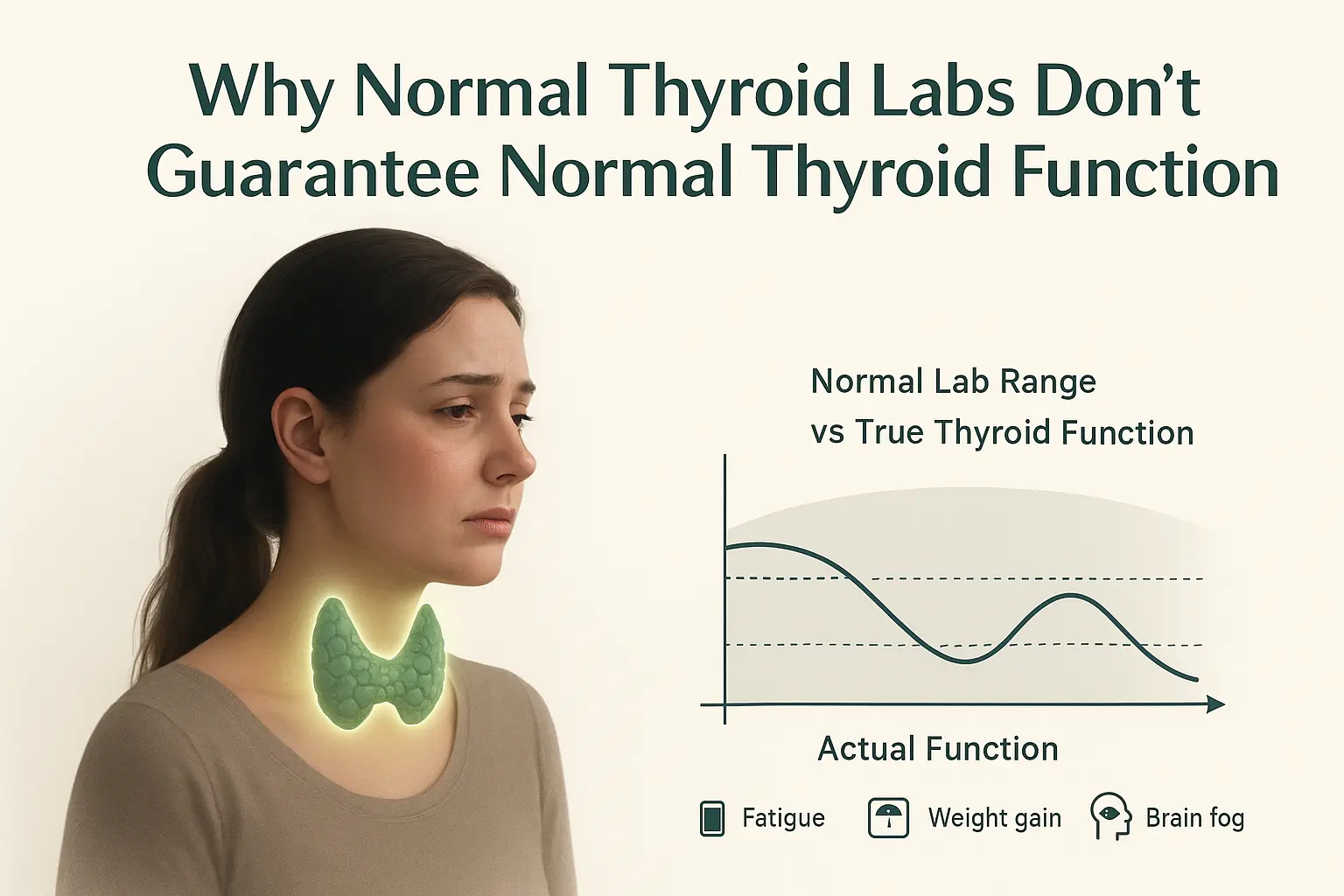
  • Thyroid Function: 5 Reasons Normal Labs Don’t Guarantee True Health

    Thyroid Function: 5 Reasons Normal Labs Don’t Guarantee True Health

    Many women and men feel constantly fatigued, struggle with weight, or notice mood swings — yet routine thyroid labs often appear “normal.” This disconnect can be confusing and frustrating. Understanding how thyroid function interacts with hormones, metabolism, and lifestyle factors is key to recognizing subtle imbalances before they affect energy, mood, and overall well-being.

    How Thyroid Hormones Work

    The thyroid produces hormones that regulate metabolism, energy, and mood. While T4 is the main hormone released, it is inactive and must convert into the active form, T3, to influence your body effectively.

    • T4 → T3 conversion is critical for energy production and metabolic efficiency
    • T3 affects brain function, metabolism, and fatigue levels- literally everything in the body.
    • Conversion can be influenced by stress, diet, lifestyle habits, and many other factors like liver function, etc. 
    • The availability of T3 can be affected by the amount that is bound up by the binding globulins. Hence, measuring Free T3 is also needed.

    Even when labs measure TSH or T4 levels and appear “normal,” subtle dysfunction in T3 conversion or hormone utilization can lead to fatigue and other symptoms.


    Why Labs Might Look “Normal”

    Routine thyroid tests often focus on TSH or T4 alone, which can miss early or subtle dysfunction. Several factors can influence lab results:

    • Timing of the test (morning vs. afternoon)
    • Temporary stress or illness
    • Nutritional deficiencies
    • Minor metabolic disruptions that don’t appear on standard panels

    This is why some individuals feel symptoms even when tests suggest everything is fine.

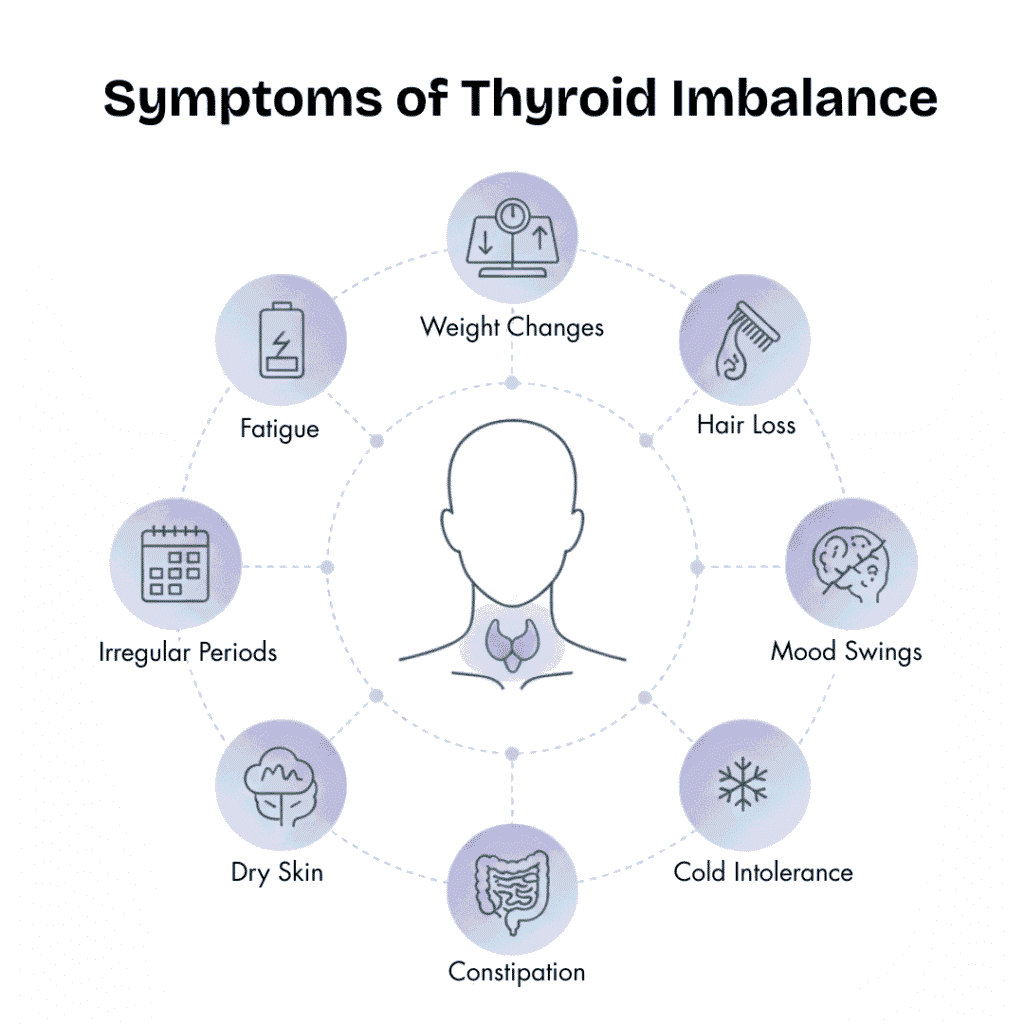
    Thyroid Function : Thyroid Imbalance symptoms

    Subtle Symptoms That Often Go Unnoticed

    Thyroid imbalance doesn’t always trigger obvious lab alerts. Early signs can include:

    • Persistent fatigue, especially after meals
    • Brain fog or difficulty concentrating
    • Afternoon energy slumps
    • Mood swings or irritability
    • Minor, unexplained weight fluctuations

    Even mild symptoms can indicate that your thyroid is not functioning optimally, despite normal lab values.

    Lifestyle & Functional Factors Influencing Thyroid

    Functional medicine emphasizes understanding root causes beyond standard labs. Some of the factors that can subtly impact thyroid hormone function are:

    • Stress: High cortisol levels can reduce T4 → T3 conversion
    • Nutrition: Deficiencies in selenium, iodine, or zinc can affect both conversion and  metabolism
    • Sleep disruption: Inconsistent sleep can impact hormone balance
    • Gut health & inflammation: Chronic issues may influence thyroid function indirectly

    Thyroid Hormones – Bound vs Free

    • Bound Hormones: Attached to proteins, inactive, measured in standard lab tests.
    • Free Hormones: Unbound, active, ready to fuel your cells.
    • Why it matters: Only free hormones regulate energy, metabolism, and mood. Even with normal labs, low free hormone levels can leave your body starved for thyroid activity.

    Key Nutrients That Support Healthy Thyroid Hormone Production

    Thyroid Function: Healthy diet

    The thyroid requires certain nutrients and vitamins to function optimally:

    • Minerals: Iron, Iodine, Tyrosine, Zinc, Selenium
    • Vitamins: E, B2, B3, B6, C, D
    • Why it matters: Deficiencies can slow hormone production, leading to fatigue, low energy, and sluggish metabolism.
    • Practical Tip: Include leafy greens, eggs, nuts, seeds, and seafood to naturally support thyroid health.

    Factors That Can Reduce Thyroid Hormone Production

    Certain conditions or exposures can decrease your thyroid’s hormone output:

    • Lifestyle & environmental factors: stress, infections, trauma, medications, radiation, fluoride, toxins
    • Health conditions: autoimmune diseases
    • Signs of reduced hormone production: fatigue, mood swings, unexplained weight changes

    T4 → T3 Conversion: How Your Thyroid Makes Hormones Active

    • The thyroid releases T4 (inactive), which must be converted into T3 (active) to fuel cells efficiently.
    • Supports Conversion: Selenium and Zinc
    • Blocks Conversion / Increases Reverse T3: Stress, trauma, low-calorie diets, inflammation, toxins, infections, liver/kidney issues, or certain medications

    Improving How Your Cells Respond to Thyroid Hormones

    Even if hormone levels are normal, cells must respond properly to them for energy and metabolism:

    • Supports Cellular Sensitivity: Vitamin A, Zinc, and regular exercise
    • Lifestyle Factors: Prioritize consistent sleep, a balanced diet, and stress management
    • Outcome: Ensures thyroid hormones reach your cells effectively, regulating energy, metabolism, and overall well-being

    Practical Steps to Support Thyroid Function

    Even without abnormal labs, small lifestyle adjustments can support optimal thyroid function:

    • Balanced diet: Include protein, fiber, and micronutrients to stabilize blood sugar and hormone function
    • Daily movement: Light resistance training or walking improves metabolism
    • Sleep hygiene: Prioritize 7–8 hours of consistent sleep
    • Stress management: Mindfulness, journaling, or breathing exercises help reduce cortisol
    • Monitor symptoms: Track energy patterns, mood, and cravings to notice subtle imbalances

    These actions support hormone balance and metabolic health, providing noticeable improvements over time.

    Conclusion

    Normal thyroid labs don’t always guarantee optimal thyroid function. Subtle disruptions in hormone conversion, lifestyle factors, and stress can affect energy, mood, and metabolism. Understanding these patterns empowers you to notice early signals and take actionable steps toward better hormone health.
    At Hormone Reset, we guide individuals to understand metabolic and hormone patterns using functional approaches — emphasizing lifestyle, nutrition, and energy optimization without relying solely on routine lab tests.

    References:

    https://pmc.ncbi.nlm.nih.gov/articles/PMC9987447/ PMC
    https://pmc.ncbi.nlm.nih.gov/articles/PMC5075641/ PMC
    https://pmc.ncbi.nlm.nih.gov/articles/PMC3356062/ PMC
    https://pubmed.ncbi.nlm.nih.gov/30029851/ PubMed
    https://pubmed.ncbi.nlm.nih.gov/35015701/ PubMed

    FAQs: Understanding Thyroid Function Beyond Lab Tests

    1. Can I have thyroid issues even if my blood tests are normal?

    Yes. Subtle thyroid imbalances can occur due to T3 conversion issues, lifestyle factors, or stress, which routine labs may not detect. Paying attention to energy, mood, and metabolism is key.

    2. What are early signs of thyroid imbalance to watch for?

    Common patterns include persistent fatigue, brain fog, mood swings, afternoon energy slumps, and unexplained weight changes, even if lab results appear normal.

    3. How can lifestyle influence thyroid function?

    Balanced nutrition, regular sleep, stress management, and moderate exercise all support healthy thyroid metabolism and hormone balance. Small adjustments often make a noticeable difference in energy levels.

    4. Can stress or sleep affect thyroid labs?

    Yes. Stress hormones like cortisol and disrupted sleep can impact T4 → T3 conversion, which may cause symptoms even when standard lab values seem normal.

    5. Where can I learn more about supporting hormone balance naturally?

    For educational insights on hormone and metabolic patterns, you can explore Hormone Reset, which focuses on functional approaches to energy, metabolism, and hormone balance.

  • How to Gain Weight with Thyroid Problems: A Comprehensive Guide

    How to Gain Weight with Thyroid Problems: A Comprehensive Guide

    Imagine waking up each day feeling like your body is in overdrive. You eat what seems like plenty, yet the scale keeps dropping. This hits hard for many with thyroid problems, where fast metabolism steals away hard-earned calories. If you’re searching for how to gain weight with thyroid problems, know that it’s tough but doable. Thyroid disorders like hyperthyroidism crank up your body’s engine, burning fuel at a wild pace and making weight gain feel impossible. In this guide, we’ll share safe steps to build weight steadily, from smart eating to gentle workouts.

    First, let’s cover thyroid basics. This small gland in your neck makes hormones that control energy use, hunger signals, and how your body handles food. When it’s out of whack, it messes with appetite, drains your strength, and blocks nutrient grabs. We’ll walk through the science, doctor chats, meal ideas, moves to try, and ways to track wins. Stick around for tips that fit your life and help you reach those goals.

    Understanding Thyroid Health Through Functional Medicine

    throid 1
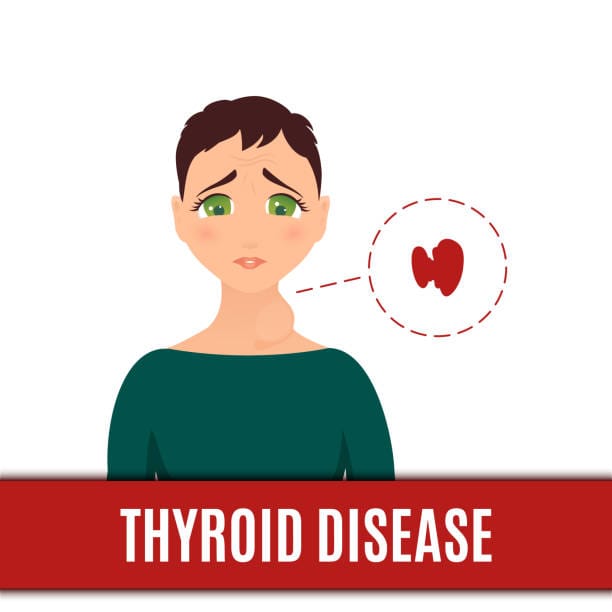
    Woman with enlarged thyroid gland, illustration

    Thyroid issues touch millions, and they often lead to surprise weight drops. Your body needs the right hormone balance to hold onto pounds. Without it, everyday tasks feel harder, and building size seems out of reach.

    How the Thyroid Gland Influences Metabolism and Weight

    The thyroid sits like a butterfly in your neck. It pumps out T3 and T4 hormones that set your metabolism’s speed. In hyperthyroidism, these hormones flood your system. This ramps up calorie burn, even at rest. You might eat a full plate but lose weight fast.

    Overactive glands cause heat rushes, shaky hands, and quick pulse. These signs scream for a check-up. Track your heartbeat or tiredness in a notebook. Then, see a doctor for blood work. Early catch can slow the burn and open doors to gain weight with thyroid issues.

    Doctors say this gland rules 60% of your daily energy spend. Balance it, and food sticks better. Think of it as tuning a car engine—not too hot, not too cold.

    Common Thyroid Imbalances Affecting Body Weight

    Hyperthyroidism tops the list for shedding pounds. Graves’ disease, an immune mix-up, sparks most cases. It makes the gland overwork, torching fat and muscle. About 1 in 1,000 folks face this each year, per health reports.

    Hypothyroidism does the opposite—it packs on weight from slow burn. But we’re focusing on the loss side here. Other culprits include toxic nodules that leak extra hormones. Symptoms like sweat and nerves often tag along.

    Get TSH tests early. Low levels flag overdrive. Blood checks cost little and spot trouble quickly. Talk to your doc about family history too. It runs in lines sometimes.

    Challenges in Weight Management with Thyroid Imbalances

    Throid 2
    Computer illustration of a young woman with a normal thyroid gland

    Fast metabolism eats calories like fire on dry wood. Your body breaks down food quicker, leaving little for storage. Muscle shrinks too, as the gland pulls protein for energy. Appetite dips from gut speed-up or nausea.

    Treatments add twists. Drugs like antithyroid meds calm the storm but might swing weight the other way at first. Nutrient pull suffers—vitamins slip through uncaught. This cycle frustrates many trying to bulk up.

    Log your daily burn with a simple app. Note meals and energy dips. This baselines your fight. Adjust as you learn your body’s tricks. Patience pays off here.

    Consulting Healthcare Professionals Before Starting

    Jumping into changes alone risks bumps. Thyroid care needs expert eyes. Pros guide you past pitfalls like med clashes or hidden lacks.

    Doctors stress teamwork. Your plan should match tests and goals. This builds trust and speeds real wins.

    Finding a Functional Medicine Specialist for Thyroid Health

    Start with an endocrinologist—they know glands inside out. Skip the family doc for deep dives. These pros order scans like ultrasounds to peek at your thyroid.

    Book that first visit soon. Bring notes on weight slips and moods. Ask, “How does my treatment tie to gaining pounds?” They might run full hormone panels. Expect chats on diet and meds.

    Lists from health sites help find one near you. Check reviews for patient stories. A good fit makes the road smoother.

    Throid 3
    A woman searches the Internet for prescription drugs in the living room of her home.

    Balancing Thyroid Treatment with Weight Gain Goals

    Meds such as methimazole dial down hormone floods. Once levels are steady, your body holds calories better. But watch for tummy upset that kills hunger.

    Timing matters. Take pills away from meals to avoid blocks. Docs tweak doses based on blood draws. This creates space for extra eats.

    Plan talks every four to six weeks. Share weight logs. They adjust to fit your gain path. It’s a team effort, not solo.

    Monitoring Progress and Adjusting Plans

    Weigh weekly, not daily—scales lie with water shifts. Track energy and TSH numbers too. Apps like MyFitnessPal share data with your team.

    Hormones take time to settle, so give it months. Note mood lifts or steady pounds. If off track, tweak with pro input.

    Use shared logs for easy reviews. This spots patterns fast. Stay patient; small steps add up.

    Nutrition Strategies for Weight Gain with Thyroid Issues

    Food fuels the fight. Pick dense bites that feed the gland without overload. Thyroid-friendly high-calorie meals build surplus smartly.

    Aim for balance. Nuts, fats, and proteins shine here. They pack punch without gut woes.

    Building a Calorie-Surplus Diet Tailored to Thyroid Health

    Add 250 to 500 calories over your needs each day. Use whole picks like avocados or olive oil drizzles. Fatty fish brings omega-3s to calm inflammation and aid hormones.

    Try TDEE tools online, tweak for thyroid speed. A sample day: oats with nuts for breakfast, salmon salad lunch, nut butter snacks. This surplus sticks when metabolism eases.

    Portions grow slow. One extra handful beats force-feeding. Your body thanks the steady flow.

    Nutrient-Rich Foods to Boost Appetite and Absorption

    Selenium from Brazil nuts mends thyroid paths. Just two a day covers needs. Zinc in seeds and lean meats fights fatigue.

    Blend smoothies with banana, yogurt, and almond butter. Quick and calorie-loaded. For low hunger, split into five to six small feeds

    Ginger tea aids digestion, pulling more from each bite. Veggies like spinach add iron without bulk. These choices support gain with thyroid problems naturally.

    Supplements and Dietary Adjustments to Consider

    Check for leaks first—vitamin D or B12 run low in many. Docs green-light fills if tests show gaps. Skip extra iodine; it might rev the gland.

    Pair eats with probiotics for better gut hold. Yogurt or kefir works. If nausea hits, sip broths with fats.

    Talk supps with your team. They fit your med mix. Simple tweaks like herbal teas ease paths.

    Exercise and Lifestyle Modifications for Optimal Thyroid Function

    Moves matter, but pick wise. Strength builds mass to trap calories. Rest seals the deal.

    Lifestyle ties it. Sleep and calm keep hormones even. This duo turns efforts to results.

    Strength Training to Build Muscle Mass Safely

    Lift weights three to four days a week. Start light—bodyweight squats or dumbbell rows. Aim eight to twelve reps per set.

    Compound lifts like deadlifts hit big groups. They spark post-burn hunger. Rest days prevent burnout, key with thyroid drain.

    Hire a trainer if new. They spot form flaws. Muscle adds pounds that stay.

    Incorporating Rest and Recovery Practices

    Sleep seven to nine hours nightly. It resets hormones and stores fuel. Poor rest spikes stress that melts fat.

    Yoga or walks cut cortisol. Deep breaths calm the overdrive. Track with a band—aim for deep cycles.

    Nap if needed, but keep routines. Recovery fuels tomorrow’s gains.

    Daily Habits to Support Metabolic Stability

    Time meals post-meds for best pull. Drink water steadily—dehydration fakes loss. Evening bites like cheese and fruit lock in calories overnight.

    Walk after eating to settle without burning. Sun time boosts vitamin D for thyroid aid. Small habits stack big.

    Journal routines. Adjust what works. Stability breeds success.

    Tracking Progress and Adjusting Your Functional Health Plan

    Wins hide without a watch. Set marks and eye hurdles. This keeps you on path.

    Real talk: bumps happen. But tools turn them into lessons.

    Setting Realistic Goals and Measuring Success

    Target half to one pound a week. Scales miss muscle, so measure waist or arms. Photos weekly show shifts.

    Log moods and strength too. Gains beyond weight count. Celebrate small things—like fitting old jeans looser.

    Apps remind check-ins. Stay true to pace.

    Dealing with Plateaus and Side Effects

    If stuck, up calories by 200. Post-treatment shifts need tweaks. Nausea? Go for bland fats like rice with butter

    Wait two weeks, then call a diet pro. They spot diet holes. Side effects fade with time and tips.

    Push through with variety. New recipes spark interest.

    Long-Term Maintenance for Sustained Weight Gain

    Check thyroid yearly. Life changes, so plans do. Forums link you to others—share wins.

    Weave habits daily. Family meals build bonds and bites. Consistency wins races.

    Revisit goals quarterly. Adapt and thrive.

    Conclusion

    Gaining weight with thyroid problems starts with doc talks, smart eats, strength work, and steady tracks. Manage the gland first, then layer in surplus calories from nuts and fish. Build muscle to hold it, rest to recover, and log to adjust. Sustainable change comes patiently and planned.

    Key takeaways:

    • See pros before changes—get thyroid tuned right.
    • Choose calorie-dense whole foods like avocados and seeds for thyroid support.
    • Do strength training three times a week to add lasting mass.
    • Track weekly and tweak; patience turns struggles to success.

    Ready to start? Chat with your doctor today and pick one tip to try. Share your story in the comments—we’re in this together.

    Stay updated with the latest information on functional medicine

    Also Read: Thyroid Supplements: The Essential Role of Selenium, Iodine and Zinc in Thyroid Health

    Please subscribe to our social channels for updates related to functional medicines.
    Instagramthehormonereset
    FacebookHormone Reset
    YouTubeHormone Reset Program
    LinkedInHormone Reset

    FAQ’s

    1. Can you gain weight if you have thyroid problems?
      • Yes, with proper treatment, calorie-dense foods, and strength training, weight gain is possible even with thyroid issues.
    2. Why is it hard to gain weight with thyroid disorders?
      • An overactive thyroid speeds metabolism, burning calories too quickly and making it harder to store weight.
    3. What foods help gain weight with thyroid problems?
      • Nuts, avocados, fatty fish, seeds, and smoothies provide nutrient-rich calories that support healthy weight gain.
    4. Should I see a doctor before trying to gain weight with thyroid issues?
      • Yes, consult a hormone reset expert to balance thyroid levels before starting any weight gain plan.
    5. Does exercise help in gaining weight with thyroid problems?
      • Yes, strength training builds muscle mass, helping your body hold on to calories and gain healthy weight.
    6. How many calories should I add to gain weight with thyroid issues?
      • Adding 250–500 calories per day above your needs helps steady and safe weight gain.
    7. Can supplements help with thyroid-related weight loss?
      • Yes, under medical guidance, supplements like vitamin D, B12, and selenium can support thyroid and weight health.
    8. How long does it take to gain weight with thyroid treatment?
      • It may take a few months, as thyroid balance and consistent nutrition are key to lasting results.
    9. What lifestyle habits support weight gain with thyroid disorders?
      • Adequate sleep, stress reduction, and regular meals boost metabolic stability and support healthy weight gain.
    10. Can Hormone Reset programs help with thyroid weight issues?
      • Yes, Hormone Reset offers functional medicine strategies to balance thyroid health and support sustainable weight gain.
  • A Complete Guide to Reverse Hashimoto’s Thyroiditis by Functional Medicine

    A Complete Guide to Reverse Hashimoto’s Thyroiditis by Functional Medicine

    What is Hashimoto’s thyroiditis?

    image
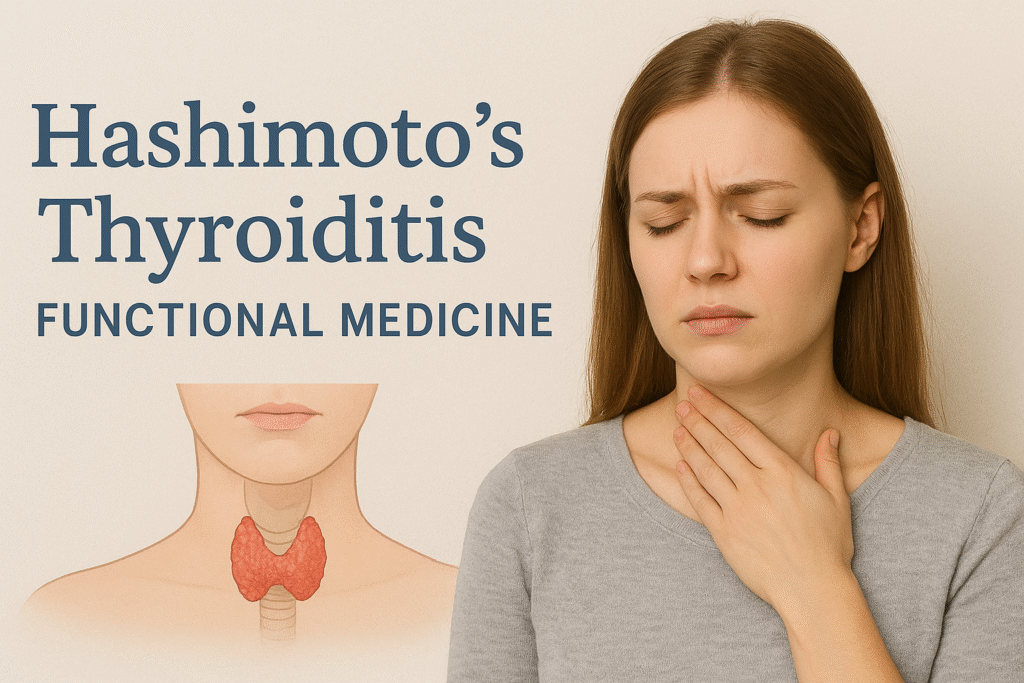
    Hashimoto’s Thyroiditis

    Hashimoto’s Thyroiditis is an autoimmune condition in which the body’s immune system attacks the thyroid gland, resulting in hypothyroidism (low thyroid function). Common symptoms include fatigue, weight gain, brain fog, hair thinning, mood swings, and sensitivity to cold.

    Conventional treatment usually involves thyroid hormone replacement. While this helps manage hormone levels, it does not address the underlying triggers of autoimmunity. This is where functional medicine makes a difference.

    Why Choose Functional Medicine for Hashimoto’s Thyroiditis?

    A Hashimoto’s Thyroiditis functional medicine specialist focuses on finding and treating the root causes of thyroid dysfunction. Instead of masking symptoms, functional medicine investigates deeper imbalances, such as:

    • Nutrient deficiencies (Vitamin D, Selenium, Zinc, B12)
    • Gut health issues like leaky gut and microbiome imbalance
    • Chronic stress & adrenal fatigue
    • Food sensitivities (gluten, dairy, soy)
    • Environmental toxins and heavy metal exposure

    By addressing these triggers, functional medicine supports the immune system, reduces inflammation, and improves thyroid function naturally.

    Key Benefits of Functional Medicine for Hashimoto’s

    • Personalized care: Every patient has unique triggers, so treatments are customized.
    • Root cause healing: Focuses on restoring immune balance, not just replacing hormones.
    • Improved quality of life: Many patients experience better energy, focus, and weight balance.
    • Preventing progression: Reduces autoimmune activity and protects long-term thyroid health.

    What Does a Functional Medicine Specialist Do?

    If you are searching for functional medicine near me, look for a doctor experienced in autoimmune thyroid disorders. A functional medicine specialist will:

    1. Run detailed thyroid panels (TSH, T3, T4, antibodies).
    2. Test for gut health, nutrient status, and food sensitivities.
    3. Identify lifestyle triggers such as stress and toxins.
    4. Create a personalized treatment plan including:
      • Anti-inflammatory nutrition
      • Stress reduction techniques (yoga, meditation, breathwork)
      • Supplements to restore thyroid and immune balance
      • Detoxification strategies

    Lifestyle Tips for Hashimoto’s Patients

    Along with working with a Hashimoto’s Thyroiditis specialist, here are steps you can take at home:

    • Eat a thyroid-friendly diet: Include selenium-rich foods (Brazil nuts, eggs), zinc (pumpkin seeds), and omega-3s (salmon, flaxseed).
    • Support gut health: Probiotics, bone broth, and fiber-rich foods.
    • Manage stress: Daily meditation, journaling, or breathing exercises.
    • Exercise wisely: Gentle workouts like yoga and walking instead of excessive high-intensity training.
    • Avoid triggers: Gluten, processed foods, and refined sugar.

    Living Better with Functional Medicine

    Hashimoto’s can feel overwhelming, but you don’t have to struggle alone. A Hashimoto’s Thyroiditis functional medicine approach empowers you to take control of your health. By finding the right functional medicine specialist, you can heal from the inside out, restore balance, and improve your overall well-being.If you suspect Hashimoto’s Thyroiditis, consider consulting a functional medicine near me expert who understands autoimmune conditions and offers long-term solutions.

    Also Read: Biohacking: Types, Benefits & Beginner Hacks

    FAQ’s

    1. What is Hashimoto’s Thyroiditis?
      • Hashimoto’s Thyroiditis is an autoimmune disorder where the immune system attacks the thyroid gland. Over time, this causes hypothyroidism, leading to fatigue, weight gain, brain fog, and other symptoms.
    2. How does functional medicine help with Hashimoto’s Thyroiditis?
      • Functional medicine takes a root-cause approach. Instead of just prescribing thyroid hormone replacement, a functional medicine specialist looks at gut health, nutrient deficiencies, stress, and food sensitivities that may trigger autoimmunity.
    3. Can Hashimoto’s Thyroiditis be reversed with functional medicine?
      • While Hashimoto’s cannot always be fully reversed, many patients see significant improvements. A Hashimoto’s Thyroiditis functional medicine plan can reduce antibody levels, improve energy, balance hormones, and help manage symptoms naturally.
    4. How do I find a functional medicine specialist near me?
      • Search for a functional medicine near me provider with experience in thyroid and autoimmune conditions. Look for practitioners who offer advanced testing, nutrition counseling, and personalized care plans.
    5. What lifestyle changes support Hashimoto’s recovery?
      • Eating an anti-inflammatory diet (gluten-free, nutrient-dense foods)
      • Supporting gut health with probiotics
      • Managing stress through yoga, meditation, or breathwork
      • Avoiding processed foods and refined sugar
      • Regular thyroid monitoring with a functional medicine specialist
    6. Is medication still needed if I use functional medicine?
      • In many cases, patients still require thyroid medication. However, functional medicine supports the body in healing, which may optimize thyroid function and reduce reliance on higher doses. Always consult your Hashimoto’s Thyroiditis specialist before adjusting medications.

    Stay updated with the latest information on functional medicine

    Please subscribe to our social channels for updates related to functional medicines.
    Instagramthehormonereset
    FacebookHormone Reset
    YouTubeHormone Reset Program
    LinkedInHormone Reset

  • Can Hypothyroidism Be Reversed by Functional Medicine?

    Can Hypothyroidism Be Reversed by Functional Medicine?

    Have you ever wondered why, despite taking your thyroid medication, you still feel tired, sluggish, or just not yourself? If you’re one of the millions living with hypothyroidism, you know the frustration of chasing normal lab results while your symptoms linger. But what if there was a way to go beyond just “managing” your thyroid – and actually help your body heal? Welcome to the world of functional medicine, where the focus is on root causes, not just quick fixes. Let’s explore how a Hormone Reset functional medicine approach could help you reclaim your energy, balance, and joy.

    What Is Hypothyroidism and Why Does It Matter?

    Hypothyroidism, or an underactive thyroid, means your thyroid gland isn’t producing enough hormones to keep your metabolism and body functions running smoothly. This can cause fatigue, weight gain, brain fog, hair thinning, cold intolerance, and more. Conventional medicine typically treats hypothyroidism with hormone replacement therapy, but many patients find this approach doesn’t fully resolve their symptoms or address the root causes.

    Why Functional Medicine Offers a New Hope

    Functional medicine treats the body as an interconnected system rather than isolated symptoms. It aims to identify and correct the underlying causes of hypothyroidism, such as autoimmune dysfunction, nutrient deficiencies, chronic inflammation, gut imbalances, and environmental toxins. This personalized, holistic approach can often help restore thyroid function and improve quality of life.

    The Hormone Reset Functional Medicine Approach to Hypothyroidism

    At Hormone Reset, the functional medicine approach is designed to harmonize and revitalize your entire hormonal system, not just the thyroid. Here’s how it works:

    1. Comprehensive Assessment and Advanced Testing

    • Complete Thyroid Panel: Beyond standard TSH tests, Hormone Reset evaluates free T3, free T4, reverse T3, and thyroid antibodies (TPO and thyroglobulin) to get a full picture of thyroid health and autoimmune activity.
    • Root Cause Identification: Testing includes nutrient levels (selenium, zinc, vitamin D), gut health markers, inflammation, and toxin exposure to pinpoint hidden triggers of thyroid dysfunction.

    2. Personalized Anti-Inflammatory Nutrition

    • Removing inflammatory foods like gluten, dairy, and processed sugars reduces immune activation and supports thyroid healing.
    • Emphasizing nutrient-dense, whole foods rich in thyroid-supporting vitamins and minerals fuels your metabolism and hormone production.

    3. Targeted Nutritional and Herbal Support

    • Supplements such as magnesium, omega-3 fatty acids, selenium, and adaptogenic herbs help reduce inflammation, improve thyroid hormone conversion, and balance stress hormones.
    • Careful iodine management ensures optimal thyroid hormone synthesis without overloading the gland.

    4. Detoxification and Lifestyle Optimization

    • Identifying and reducing exposure to environmental toxins that disrupt thyroid function.
    • Supporting liver health with specific foods and herbs to enhance detox pathways.
    • Stress reduction techniques, including mindfulness and sleep optimization, to balance adrenal and thyroid function.

    5. Ongoing Support and Education

    • Hormone Reset provides continuous guidance, empowering you to become an active participant in your healing journey.
    • Customized plans evolve with your progress to ensure lasting results.

    How Functional Medicine Differs from Conventional Treatment

    AspectConventional MedicineFunctional Medicine (Hormone Reset)
    FocusReplace thyroid hormoneIdentify and treat root causes
    TestingBasic TSH and T4 onlyComprehensive thyroid panel + nutrient & toxin tests
    TreatmentLifelong hormone replacementPersonalized diet, supplements, detox, lifestyle changes
    Symptom ManagementSymptom relief via medicationSymptom resolution by restoring thyroid health
    Patient RolePassive recipientActive partner in healing

    Can Hypothyroidism Be Reversed?

    While some thyroid damage may be permanent, many cases of hypothyroidism, especially autoimmune Hashimoto’s, can be significantly improved or even reversed by addressing the root causes. Functional medicine’s holistic approach often leads to:

    • Reduced thyroid antibody levels
    • Improved thyroid hormone production and conversion
    • Enhanced energy, mood, and metabolism
    • Decreased dependence on medication (under medical supervision)

    Additional Functional Medicine Strategies for Thyroid Health

    Supporting Thyroid Hormone Conversion

    • Chronic stress and inflammation can impair conversion of T4 to active T3 hormone.
    • Functional medicine supports this process through stress management, anti-inflammatory nutrition, and supplements like magnesium and zinc.

    Gut Health and Thyroid Function

    • A healthy gut lining prevents autoimmune triggers and improves nutrient absorption.
    • Probiotics, digestive enzymes, and gut-healing foods are key components of the Hormone Reset protocol.

    Managing Autoimmune Triggers

    • Identifying food sensitivities and environmental factors that provoke immune attacks on the thyroid.
    • Using natural anti-inflammatory agents and lifestyle changes to calm the immune system.

    Real-Life Impact: What Patients Experience

    Patients following the Hormone Reset functional medicine approach often report:

    • More stable energy throughout the day
    • Clearer thinking and better mental focus
    • Weight loss and improved digestion
    • Healthier hair and skin
    • Greater emotional balance and reduced anxiety

    Imagine Life with a Thriving Thyroid

    Hypothyroidism doesn’t have to define your life. With the Hormone Reset functional medicine approach, you can move beyond symptom management to true healing by uncovering and addressing the root causes of your thyroid imbalance. This personalized, compassionate method supports your whole body, empowering you to reclaim your vitality and well-being.

    Reference

    https://www.rupahealth.com/post/understanding-hypothyroidism-and-how-to-treat-it-naturally

    https://www.rupahealth.com/post/a-functional-medicine-hypothyroidism-protocol-comprehensive-testing-supplements-and-integrative-nutrition

    https://www.josefspharmacy.com/2021/08/05/boosting-thyroid/

    https://naturemed.org/how-do-naturopathic-doctors-treat-hypothyroidism/

    https://my.clevelandclinic.org/health/diseases/12120-hypothyroidism

    https://www.ifm.org/articles/balancing-thyroid-hormones-naturally

    https://drstavy.com/blog/how-functional-medicine-can-help-with-hypothyroidism/

    https://www.mayoclinic.org/diseases-conditions/hypothyroidism/diagnosis-treatment/drc-20350289

  • What is Hashimoto’s Thyroiditis? How to Cure Hashimoto’s Thyroiditis With Functional Medicine?

    What is Hashimoto’s Thyroiditis? How to Cure Hashimoto’s Thyroiditis With Functional Medicine?

    Have you ever felt like something is off in your body—like you’re exhausted no matter how much you rest, struggling with weight that won’t budge, or feeling like your brain is stuck in a fog? If so, you’re not alone. These could be signs of Hashimoto’s Thyroiditis, an autoimmune condition where your own immune system attacks your thyroid, leading to inflammation and eventually an underactive thyroid (hypothyroidism).

    What makes Hashimoto’s tricky is that it often develops silently over years. Symptoms like fatigue, weight gain, depression, hair thinning, joint pain, and brain fog are common but frequently dismissed as stress or aging. But here’s the real question: What if you could do more than just manage the symptoms? What if you could reset your hormones and reclaim your energy naturally?

    That’s where Hormone Reset Functional Medicine comes in—a powerful approach to healing from within.

    Why Traditional Approaches Fall Short?

    Most conventional doctors focus on medicating symptoms—prescribing synthetic thyroid hormones like levothyroxine without addressing the underlying autoimmune attack. While this may help some people feel better temporarily, it does not stop the immune system from continuing to damage the thyroid.

    The Functional Medicine approach is different. It doesn’t just ask, “What medication can we use?” Instead, it asks: “Why is the immune system attacking the thyroid in the first place?” and “How can we restore balance so the body stops attacking itself?”

    How Functional Medicine Approach Can Heal Hashimoto’s Thyroiditis?

    Healing from Hashimoto’s is about more than just replacing lost thyroid hormones—it’s about resetting the entire hormonal system to work in harmony. Let’s break it down step by step.

    1. The Gut-Thyroid Connection: Healing the Root Cause

    A large portion (70-80%) of your immune system is in your gut lining. When the gut lining is damaged (“leaky gut”), toxins (e.g., bacterial byproducts, undigested food particles) enter the bloodstream, triggering an immune response. Due to molecular mimicry, these toxins can resemble thyroid tissue. This confusion causes the immune system to mistakenly attack the thyroid, potentially leading to thyroid problems. Therefore, gut health is crucial for both overall immunity and thyroid function.

    How to Heal Your Gut:

    • Eliminate inflammatory foods like gluten, dairy, processed sugars, and artificial additives that trigger autoimmune responses.
    • Repair the gut lining with bone broth, collagen, L-glutamine, and zinc to strengthen intestinal integrity.
    • Repopulate with probiotics from fermented foods like kimchi, sauerkraut, and high-quality probiotic supplements.
    • Reduce toxins by choosing organic foods, filtering drinking water, and avoiding processed products.

    2. How Hormone Reset Helps Balance Thyroid Function

    Hormones act like a symphony—when one is out of tune, the whole system suffers. Hormone Reset focuses on rebalancing:

    • Thyroid hormones (T3 & T4): Ensuring proper conversion of T4 (inactive) into T3 (active) for energy and metabolism.
    • Cortisol: Chronic stress elevates cortisol, which suppresses thyroid function. Stress management is crucial.
    • Estrogen & Progesterone: Many women with Hashimoto’s experience estrogen dominance, which worsens thyroid symptoms. Balancing these hormones can help.
    • Insulin: Blood sugar imbalances fuel inflammation and worsen autoimmunity. A hormone reset diet stabilizes insulin levels.

    3. Nutrient Therapy: Fueling Your Thyroid

    Your thyroid depends on key nutrients to function. Without them, your thyroid can’t produce hormones properly.

    Essential Nutrients for Thyroid Health:

    • Selenium & Zinc: Protects against autoimmune damage, oxidative stress, and boosts thyroid function (found in Brazil nuts, oysters, pumpkin seeds).
    • Iodine: Iodine is essential production of the thyroid hormones (the 3 and 4 in T3 and T4 refer to the number of Iodine atoms in the hormone) but should be carefully monitored in Hashimoto’s(found in seaweed and iodized salt).
    • Omega-3 Fatty Acids: Reduce inflammation (found in wild-caught fish, flaxseeds, walnuts).
    • Vitamin D: Regulates the immune system and reduces Hashimoto’s flare-ups (get sun exposure or take supplements).
    • Magnesium: Supports energy production and thyroid enzyme activity (found in dark leafy greens, nuts, seeds).
    • Often, due to depleted soils and excessive use of chemicals in agricultre, the amount of nutrients available in foods may be insufficient to break the chain of dysfunction and disease. In such cases, use of high quality and high potency supplements becomes very important to ensure the body has the required nutrients to be able to repair itself quickly and effectively. 

    4. Detoxification: Supporting the Liver for Hormone Balance

    Your liver converts T4 (inactive thyroid hormone) into T3 (active thyroid hormone). A sluggish liver means less T3, less energy, and more symptoms.

    Liver Detox Tips:

    • Start your day with warm lemon water to stimulate liver detox.
    • Eat cruciferous vegetables like broccoli and Brussels sprouts to support detox pathways.
    • Avoid alcohol, caffeine, and processed foods that overload the liver.

    5. Managing Stress & Sleep for Hormonal Harmony

    Did you know stress alone can trigger a Hashimoto’s flare-up? High cortisol levels (stress hormones) suppress thyroid function and worsen autoimmunity.

    Practical Stress & Sleep Reset Strategies:

    • Daily meditation & deep breathing exercises to lower cortisol.
    • Adaptogenic herbs like ashwagandha and rhodiola to support stress resilience.
    • Prioritize 7-9 hours of quality sleep by avoiding blue light before bedtime.

    6. Balancing Blood Sugar to Reduce Autoimmune Flares

    Blood sugar spikes cause inflammation, making Hashimoto’s symptoms worse. Managing blood sugar is critical.

    How to Keep Blood Sugar Stable:

    • Eat protein-rich breakfasts (eggs, avocado, nuts) to maintain steady energy.
    • Avoid refined sugars & processed carbs that cause glucose spikes.
    • Incorporate fiber-rich vegetables & healthy fats to slow glucose absorption.

    Can Hashimoto’s Be Reversed? The Functional Medicine Perspective

    Many conventional doctors claim that Hashimoto’s cannot be reversed, but the Functional Medicine approach challenges that notion. Instead of merely managing symptoms with lifelong medication, Functional Medicine focuses on addressing the root causes, calming the immune response, and restoring Hashimoto’s Thyroiditis.

    Can Hashimoto’s Go Into Remission?

    Yes! Studies and patient experiences show that reducing inflammation, repairing the gut, balancing hormones, and optimizing nutrition can lead to significant improvements—sometimes even full remission. The goal is to reduce thyroid antibodies, restore energy levels, and prevent further thyroid damage.

    How Does Functional Medicine Reverse Hashimoto’s?

    1. Stopping the Immune Attack: By identifying triggers like gluten, dairy, toxins, stress, and infections, Functional Medicine removes the root causes of inflammation.
    2. Healing the Gut: Since 80% of the immune system is in the gut, restoring gut health through diet, probiotics, and healing nutrients can help halt autoimmune attacks.
    3. Balancing Hormones: Stabilizing cortisol, insulin, and estrogen levels creates the perfect environment for the thyroid to recover.
    4. Optimizing Thyroid Nutrients: Replenishing selenium, zinc, iodine, vitamin D, and omega-3s supports proper thyroid function.
    5. Liver Detox & Stress Management: A well-functioning liver and adrenal system ensures thyroid hormones are activated properly and stress does not exacerbate the condition.

    Also Read: Analysing the Interconnectedness of Autoimmune Disorders

    Success Stories: Real Results from Hormone Reset Approaches

    Many individuals who followed a Hormone Reset Functional Medicine plan have successfully lowered their thyroid antibodies, regained their energy, lost stubborn weight, and even reduced or stopped thyroid medication (under professional guidance).

    The Bottom Line

    While Hashimoto’s may not be “cured” in the traditional sense, it can be reversed to a point where symptoms disappear, and the immune attack is halted. With the right Functional Medicine interventions, personalized healing strategies, and commitment to lifestyle changes, you can reclaim control over your thyroid health and feel vibrant again.

    Your Next Steps: Reclaim Your Thyroid Health

    You don’t have to settle for exhaustion, weight struggles, and frustration. A Hormone Reset Functional Medicine approach can help you restore balance and regain control over your health.

    What You Can Do Today:

    • Step 1: Get a Functional Medicine Assessment – Identify your root causes.
    • Step 2: Start optimizing your diet & lifestyle today—every meal and habit matters.
    • Step 3: Work with a Functional Medicine Expert – Personalized guidance speeds up recovery.

    Your Journey to Thriving Begins Now

    Hashimoto’s doesn’t have to control your life. You have the power to take charge, reset your hormones, and heal from the inside out. The right approach, fueled by functional medicine and a commitment to wellness, can unlock a new level of energy, clarity, and vitality.

    You are not broken—you are healing. Each step you take towards a Hormone Reset brings you closer to reclaiming your health, joy, and well-being. The journey starts today—are you ready to thrive?

    Further if you’re looking for one-on-one consultation with our Specialists, then Book Now!

    References

    NCBI Book: Hashimoto’s Disease – A scientific review of pathophysiology and treatment.

  • An Exploration of Autoimmune Diseases: Understanding the Commonalities and Differences Among Hypothyroidism, Hashimoto’s, and Graves’ Disease

    An Exploration of Autoimmune Diseases: Understanding the Commonalities and Differences Among Hypothyroidism, Hashimoto’s, and Graves’ Disease

    Autoimmune diseases are complex and often misunderstood conditions where the body’s immune system mistakenly attacks its own cells and tissues. In autoimmune thyroid diseases like hypothyroidism, Hashimoto’s thyroiditis, and Graves’ disease, this misguided attack impacts the thyroid gland, a small gland at the base of the neck responsible for regulating metabolism, energy, and other vital functions.

    For those diagnosed or seeking clarity, understanding the distinctions and similarities among these conditions can shed light on their symptoms, treatment, and overall management.

    Confusion and Misunderstanding Surrounding Autoimmune Thyroid Diseases

    Autoimmune thyroid diseases are surprisingly common, affecting millions worldwide, yet they are often confused due to overlapping symptoms. According to the American Thyroid Association, about 20 million Americans have some form of thyroid disease, with women being particularly at risk. Conditions like hypothyroidism, Hashimoto’s, and Graves share certain symptoms, such as fatigue, weight changes, and mood fluctuations, making it challenging to identify and treat them accurately. However, these conditions are distinct in their underlying mechanisms and long-term health implications.

    When left untreated, thyroid diseases can significantly impact the quality of life, affecting everything from energy levels to mental clarity. Misdiagnoses or misconceptions can lead to improper treatments, leaving patients frustrated and without the relief they need. Understanding the core differences and commonalities between hypothyroidism, Hashimoto’s thyroiditis, and Graves’ disease is essential for accurate diagnosis and effective treatment.

    The Impact of Misdiagnosis and Improper Treatment

    Autoimmune thyroid diseases can impact nearly every aspect of daily life, from physical health to mental well-being. Misdiagnosis or improper treatment of thyroid conditions can lead to serious complications over time. For example, untreated hypothyroidism can cause symptoms to worsen and even result in severe complications such as heart disease and mental health issues. Similarly, Graves’ disease, if untreated, can cause life-threatening conditions like thyroid storm, an acute, severe overactivity of the thyroid gland that demands emergency care.

    Patients with these conditions may experience extreme fatigue, brain fog, mood swings, weight fluctuations, and even digestive issues, which can lead to significant lifestyle changes and emotional stress. Knowing which specific thyroid disorder one has is key to choosing the right management plan and finding relief.

    Understanding the Commonalities and Differences

    Understanding autoimmune thyroid diseases involves learning about their causes, symptoms, and how they affect the body. Here’s a breakdown of each condition to help differentiate them.

    1. Hypothyroidism: The Slowed-Down Thyroid

    Hypothyroidism occurs when the thyroid gland produces insufficient thyroid hormones, leading to a slowdown of metabolic processes. Hypothyroidism itself isn’t always autoimmune in origin, but when it is, it’s often caused by Hashimoto’s thyroiditis.

    • Symptoms: Common signs of hypothyroidism include fatigue, weight gain, cold intolerance, dry skin, constipation, and depression. In cases where it’s autoimmune-related, patients may also experience swelling and discomfort in the neck.
    • Cause: Hypothyroidism can result from Hashimoto’s, iodine deficiency, certain medications, or other factors. For those with autoimmune hypothyroidism, the immune system attacks the thyroid cells, gradually reducing hormone production.

    2. Hashimoto’s Thyroiditis: The Common Autoimmune Culprit

    Hashimoto’s thyroiditis is a specific type of hypothyroidism and the most common cause of an underactive thyroid in the United States. It is an autoimmune disorder in which the immune system attacks the thyroid, leading to inflammation and reduced thyroid function over time.

    • Symptoms: Hashimoto’s presents symptoms similar to general hypothyroidism, including fatigue, weight gain, muscle weakness, and mental fog. Some people with Hashimoto’s experience fluctuations in thyroid function before levels settle into a more permanent state of hypothyroidism.
    • Case Study Insight: In a study published in the Journal of Thyroid Research, researchers observed that 60% of patients with Hashimoto’s experienced initial mood swings and energy changes, reflecting the erratic nature of thyroid hormone levels as the immune system progressively attacks the gland. This unpredictability can complicate early diagnosis.
    • Cause: Hashimoto’s is triggered by an immune response that mistakes thyroid tissue for foreign invaders. While the exact cause is unclear, genetic predispositions and environmental factors, like stress or viral infections, are believed to play a role.

    3. Graves’ Disease: The Overactive Thyroid

    Unlike Hashimoto’s and hypothyroidism, Graves’ disease causes the thyroid to produce too much hormone, leading to an overactive thyroid, or hyperthyroidism. Graves’ disease is also an autoimmune condition, but with an opposite effect on thyroid function.

    • Symptoms: Graves’ disease symptoms are linked to increased metabolic activity, including weight loss, rapid heartbeat, anxiety, sweating, and eye changes known as Graves’ ophthalmopathy (bulging eyes). Untreated Graves’ disease can lead to severe complications such as osteoporosis and heart problems.
    • Cause: In Graves’ disease, the immune system produces antibodies that stimulate the thyroid, causing it to produce excess hormones. Family history and factors like stress, pregnancy, and smoking are associated with an increased risk of Graves’ disease.

    Commonalities: The Autoimmune Link

    Both Hashimoto’s and Graves’ disease stem from an autoimmune response, where the immune system mistakenly attacks the thyroid gland. This immune response differentiates them from other thyroid issues and means that both require specific, ongoing management. While Hashimoto’s leads to decreased thyroid function, Graves’ leads to overactivity. Both conditions can have genetic components, and both are more common in women, suggesting a hormonal link.

    Effective Management: Seeking the Right Treatment

    Managing autoimmune thyroid diseases often involves a combination of medication, lifestyle changes, and regular monitoring.

    • Medication: For hypothyroidism, synthetic thyroid hormone replacement, such as levothyroxine, is commonly prescribed. Graves’ disease may require medications to slow hormone production, and in some cases, treatment might include radioactive iodine or surgery to remove part of the thyroid.
    • Lifestyle Adjustments: Eating a balanced diet, managing stress, and avoiding smoking are beneficial for managing autoimmune conditions. For Hashimoto’s, selenium and vitamin D have shown potential benefits in supporting thyroid function.
    • Regular Monitoring: Patients with autoimmune thyroid diseases require regular blood tests to monitor hormone levels and adjust medications accordingly.

    Understanding Leads to Better Outcomes

    Understanding the distinctions between hypothyroidism, Hashimoto’s, and Graves’ disease empowers those affected to seek the right treatments. While these conditions can be challenging, a well-informed approach, combined with effective treatment and lifestyle adjustments, can significantly improve quality of life.

    Here are references:

    American Thyroid Association (ATA)

    1. National Institute of Diabetes and Digestive and Kidney Diseases (NIDDK)
    2. National Institutes of Health (NIH)
    3. Endocrine Society
    4. Cleveland Clinic
    5. Mayo Clinic

    Share

  • How Environmental Triggers Influence Autoimmune Conditions: Insights from Hashimoto’s Thyroiditis, Lupus, and Psoriasis

    How Environmental Triggers Influence Autoimmune Conditions: Insights from Hashimoto’s Thyroiditis, Lupus, and Psoriasis

    The Growing Burden of Autoimmune Conditions

    Autoimmune diseases affect millions worldwide, where the immune system mistakenly attacks healthy tissues. Conditions like Hashimoto’s thyroiditis, lupus, and psoriasis are particularly concerning due to their chronic nature and complex symptoms.

    While genetics may play a role in some, environmental triggers often serve as the catalysts that initiate or exacerbate them. In this blog, we explore how environmental factors influence autoimmune conditions such as Hashimoto’s thyroiditis, lupus, and psoriasis and how understanding these triggers can help not only in managing these diseases but in reversing them. 

    Why This Matters?

    Imagine living with unrelenting fatigue, joint pain, or skin lesions that affect your physical and emotional well-being. Now, consider the confusion of managing these symptoms when no clear cause is evident. That’s the reality for many with autoimmune conditions.

    Environmental triggers often go unnoticed, yet they can significantly influence disease progression. Various factors like the foods we eat, the stress we endure, and the harmful chemicals we encounter daily can tip the immune system into overdrive, exacerbating these conditions. Understanding these connections is vital to addressing autoimmune diseases effectively.

    What are some Environmental Triggers in Autoimmune Conditions?

    1. Diet and Digestive System Health and Autoimmune Diseases

    Diet can profoundly impact autoimmune conditions by influencing inflammation, gut health, and immune regulation.

    • Leaky Gut Syndrome:
      Many autoimmune diseases are linked to increased intestinal permeability, or “leaky gut,” where toxins and undigested food particles enter the bloodstream. This triggers an immune response, worsening conditions like Hashimoto’s and lupus.
    • Case Study: Hashimoto’s Thyroiditis
      A 2017 study in Thyroid Research highlighted the benefits of eliminating gluten for patients with Hashimoto’s. Gluten shares molecular similarities with thyroid tissue, leading to cross-reactivity and immune attacks on the thyroid.
      • Result: Patients who adopted a gluten-free diet reported reduced thyroid antibody levels and improved symptoms.
    • Pro-inflammatory Foods:
      Diets high in processed foods, sugar, and trans fats promote inflammation, aggravating psoriasis and lupus symptoms. Conversely, anti-inflammatory diets rich in omega-3 fatty acids, antioxidants, and fiber help manage these diseases.

    2. Stress and Autoimmune Diseases

    Chronic stress is a known disruptor of immune function. Stress increases cortisol levels, which can impair immune regulation and exacerbate autoimmune flares.

    • Case Study: Lupus (Systemic Lupus Erythematosus)
      In a 2019 study published in Arthritis Care & Research, patients with lupus who reported high-stress levels experienced more frequent disease flares and greater organ involvement.
      • Result: Implementing stress management techniques, such as mindfulness and yoga, helped stabilise her condition over time.

    3. Toxins and Autoimmune Diseases

    Environmental toxins, including heavy metals, pesticides, and household chemicals, can act as triggers by disrupting the immune system.

    • Toxic load and immune dysregulation:
      Persistent exposure to toxins increases oxidative stress and inflammation, which may lead to autoimmunity. For instance, mercury exposure from contaminated fish has been linked to autoimmune diseases like lupus.
    • Case Study: Psoriasis
      Research in Clinical and Experimental Dermatology found that patients with psoriasis often had higher levels of environmental toxins, such as dioxins and phthalates, in their bodies.
      • Result: Reducing exposure to such toxins, alongside phototherapy and anti-inflammatory diets, improved skin lesions in many cases.

    4. Infections and Autoimmune Diseases

    Infections play a significant role in the development and exacerbation of autoimmune diseases. Through mechanisms like molecular mimicry, bystander activation, and chronic immune stimulation, infections can lead the immune system to mistakenly attack the body’s tissues. 

    • Epstein-Barr virus (EBV) is closely linked to conditions such as systemic lupus erythematosus (SLE) and multiple sclerosis (MS). At the same time, streptococcal infections are known to trigger guttate psoriasis and rheumatic fever. Chronic infections, such as those caused by Helicobacter pylori or Mycoplasma, can create persistent inflammation that heightens the risk of autoimmune responses. Understanding and managing these infection-autoimmune links is critical for reducing flare-ups and improving long-term outcomes in affected individuals.

    Also Read: Impact of Autoimmune Disorders on Skin Health

    Bridging the Gaps: What Science and Case Studies Tell Us

    While autoimmune diseases like Hashimoto’s, lupus, and psoriasis differ in their manifestations, they share common pathways influenced by environmental triggers. The interplay between diet, stress, and toxins is critical to both the onset and progression of these diseases.

    Key Insights from Research:

    1. Personalised Nutrition:
      Adopting diets tailored to individual sensibilities, such as gluten-free for Hashimoto’s or anti-inflammatory for lupus and psoriasis, can alleviate symptoms.
    2. Stress Management:
      Practices like meditation, cognitive behavioural therapy, and regular physical activity help mitigate the effects of chronic stress on autoimmune flares.
    3. Reducing Toxic Exposure:
      Switching to organic produce, avoiding processed foods, and using non-toxic household products can reduce the toxic burden on the body, potentially improving disease outcomes.

    Functional Medicine Approach to Reversing Autoimmune Conditions

    The functional medicine approach focuses on identifying and addressing the root causes of autoimmune diseases rather than merely managing symptoms. Here’s a breakdown of how functional medicine reverses autoimmune conditions:

    1. Comprehensive Evaluation

    • Medical History and Genetics: Reviewing family history and personal health milestones to uncover predispositions and triggers.
    • Environmental Factors: Evaluating exposure to toxins, infections, and stress.
    • Lifestyle Assessment: Analyzing diet, sleep, exercise, and mental health habits.

    2. Root Cause Identification

    • Gut Health: A significant focus is placed on intestinal permeability, or “leaky gut,” which allows antigens to trigger an immune response.
    • Food Sensitivities: identifying and eliminating common triggers like gluten, dairy, and processed foods.
    • Toxins: Assessing for heavy metals, mould, or chemical exposures.
    • Infections: Testing for underlying viral, bacterial, or parasitic infections that may contribute to immune dysfunction.

    3. Personalized Dietary Interventions

    • Elimination Diets: Remove potential inflammatory foods and gradually reintroduce them to identify sensitivities.
    • Nutrient-dense diet: A nutrient-dense diet focusing on anti-inflammatory foods such as vegetables, healthy fats, and quality proteins  
    • Gut-Healing Foods: Incorporating hydrolysed protein, bone broth, and prebiotic-rich vegetables to support microbiome health.

    4. Stress Management and Emotional Health

    • Chronic stress can exacerbate inflammation and immune dysregulation. Stress-reduction strategies include:
      • Mindfulness and meditation.
      • Cognitive Behavioral Therapy (CBT).
      • Breathing exercises and yoga.
    • Addressing past trauma through therapeutic interventions.

    5. Targeted Nutritional Support

    Functional medicine practitioners often recommend supplements based on individual needs:

    • Omega-3 Fatty Acids: To reduce inflammation.
    • Vitamin D: For immune modulation.
    • Probiotics: To support gut microbiota balance.
    • Zinc, Selenium, and Magnesium: Essential for proper immune function.
    • Curcumin and Resveratrol: Natural anti-inflammatory agents.

    6. Detoxification and Environmental Changes

    • Supporting liver detox pathways through a clean diet and supplements like milk thistle.
    • Reducing environmental toxin exposure by:
      • Using clean, natural products for personal care and home.
      • Avoiding plastic and BPA exposure.
      • Filtering water and air.

    7. Movement and Physical Activity

    • Regular exercise improves hormonal health by reducing stress, improving circulation, and enhancing lymphatic drainage without overburdening the body.
    • Gentle activities like walking, yoga, or tai chi are often recommended for those with active inflammation.

    8. Restoring Circadian Rhythm

    • Prioritising sleep hygiene to ensure restorative rest, which is critical for healing and immune regulation.
    • Strategies include:
      • Consistent sleep schedules.
      • Limiting screen time before bed.
      • Creating a dark, cool, and quiet sleep environment.

    9. Monitoring and Adjustment

    Functional medicine emphasises regular follow-ups to monitor progress and adjust treatment plans as needed. Testing is often repeated to evaluate changes in inflammatory markers, gut health, and immune system activity.

    The Goal: Balance and Restoration

    The functional medicine approach seeks to restore balance to the immune system by addressing the underlying triggers of autoimmunity. By tailoring interventions to the individual’s needs, this approach offers the potential not just to manage but to reverse autoimmune conditions and promote long-term health.

    Would you like guidance on implementing these principles or resources for specific autoimmune conditions?

    Taking Control of Your Health

    Environmental triggers, such as diet, stress, and toxins, play a significant role in autoimmune diseases like Hashimoto’s, lupus, and psoriasis. While genetics set the stage, lifestyle factors often determine the severity of the condition.

    By adopting an anti-inflammatory diet, managing stress, and reducing exposure to toxins, patients can take proactive steps toward managing their symptoms and improving their quality of life.

    References:

    1. Fasano, A. (2012). “Leaky gut and autoimmune diseases.” Clinical Reviews in Allergy & Immunology. https://link.springer.com/article/10.1007/s12016-012-8290-4
    2. Li, Y., et al. (2017). “Gluten-free diet and its impact on Hashimoto’s thyroiditis.” Thyroid Research. https://thyroidresearch.biomedcentral.com/articles/10.1186/s13044-017-0147-5/
    3. Sterling, K. A., et al. (2019). “Stress and disease activity in lupus.” Arthritis Care & Research. https://onlinelibrary.wiley.com/doi/abs/10.1002/acr.23960
    4. Kimball, A. B., et al. (2018). “Environmental triggers in psoriasis.” Clinical and Experimental Dermatology. https://onlinelibrary.wiley.com/doi/full/10.1111/ced.13683
    5. Ricker MA, Haas WC. Anti-inflammatory diet in clinical practice: a review. Nutr Clin Pract. 2017;32(3):318-325. doi:10.1177/0884533617700353
    6. How to use food to help your body fight inflammation. Mayo Clinic. Published August 13, 2019. Accessed February 26, 2021. https://www.mayoclinic.org/healthy-lifestyle/nutrition-and-healthy-eating/in-depth/how-to-use-food-to-help-your-body-fight-inflammation/art-20457586
    7. Fasano, A. (2020). Leaky gut and autoimmune diseases. Clinical Reviews in Allergy & Immunology, 58(3), 384-396.
    8. Leung, A. M., Braverman, L. E., & Pearce, E. N. (2012). History of U.S. iodine fortification and supplementation. Nutrients, 4(11), 1740-1746.
    9. Proal, A. D. (2017). Infection and autoimmunity. Nature Reviews Rheumatology, 13(4), 196-198.
    10. Rose, N. R., & McGuire, K. L. (2018). Environmental triggers of autoimmunity. Annual Review of Medicine, 69, 287-299.
    11. Schug, T. T., Janesick, A., et al. (2011). Endocrine-disrupting chemicals and disease susceptibility. Journal of Steroid Biochemistry and Molecular Biology, 127(1-2), 204-215.
    12. Tsokos, G. C. (2011). Systemic lupus erythematosus. New England Journal of Medicine, 365(22), 2110-2121.

    Share

  • How does Stress Management impact on Hashimoto Thyroiditis Treatment?

    How does Stress Management impact on Hashimoto Thyroiditis Treatment?

    Hashimoto’s thyroiditis often brings to mind thyroid imbalances, fatigue, and brain fog, but there’s so much more to this autoimmune condition than what we usually see. Stress plays a significant yet often overlooked role in this journey. In our fast-paced lives, where stress feels almost unavoidable, understanding how chronic stress connects to thyroid dysfunction is essential. Not only can it make the symptoms of Hashimoto’s worse, but it also affects every facet of your health. 

    Just imagine—what if managing stress could become more than just another task? It could be a turning point in your healing journey! With Hormone Reset’s innovative functional medicine approach, patients find themselves not just coping with their health challenges; they’re rewriting their stories, rediscovering their balance, and thriving despite their diagnosis. Let’s delve into the important Stress Management impact on Hashimoto Thyroiditis!

    What’s the Relationship Between Stress And Hashimoto’s Thyroiditis?

    Stress, whether it’s physical, emotional, or even from our environment, plays a big role in autoimmune conditions like Hashimoto’s Thyroiditis. When we experience chronic stress, our hypothalamic-pituitary-adrenal (HPA) axis gets activated, releasing a surge of stress hormones like cortisol. Unfortunately, this prolonged activation can take a toll on our bodies. Let’s explore how stress directly affects Hashimoto’s:

    1. Immune System Dysfunction: Stress deregulates the immune system, thereby reducing its ability to distinguish between self and non-self tissues, thus increasing the autoimmune attack on the thyroid.
    2. Thyroid Hormone Conversion Issues: Stress interferes with the conversion of T4 (inactive thyroid hormone) into T3 (active thyroid hormone), leading to suboptimal thyroid function.
    3. Reverse T3: Stress also increases the conversion of T4 into Reverse T3 hormone. Reverse T3 blocks the T3 receptors, resulting in the little T3 that is present becoming useless, as its receptors are already occupied. 
    4. Inflammatory Cascade: High cortisol levels drive systemic inflammation, exacerbating the autoimmune response against the thyroid gland.
    5. Worsened Gut Health: Stress weakens the gut barrier, leading to leaky gut syndrome—a key contributor to autoimmune diseases.
    6. Nutrient Depletion: Stress causes the body to deplete vital nutrients such as selenium, zinc, vitamin B12 and magnesium etc, which are important for thyroid function and healthy body and mind operation.

    Research confirms that women with Hashimoto’s who manage their stress see improved clinical outcomes, such as reduced thyroid antibody levels and stabilized hormone function.

    Also Read: Is Hashimoto’s Thyroiditis Curable? Know With Hormone Reset

    Is Functional Medicine Approach Is A New Path To Healing?

    Hashimoto Thyroiditis

    Hormone Reset is making a wonderful impact in managing Hashimoto’s by focusing on stress management as an important part of the treatment to ensure recovery. Their holistic and functional medicine approach goes deeper than just managing symptoms; it tackles the root causes of the condition with care and understanding. Here’s how they support patients in achieving hormonal harmony:

    1. Identifying Unique Stress Triggers

    Stress touches each one of us uniquely. Hormone Reset approaches life from a unique perspective, identifying specific physical, emotional, and environmental stressors using advanced diagnostics. We personalise strategies that will help reduce or even mitigate those triggers that may make you feel less than your best self.

    2. Rebalancing the HPA Axis

    The HPA axis plays a critical role in the stress response. Hormone Reset focuses on rebalancing it through:

    • Dietary Interventions: Anti-inflammatory diets, high in antioxidants and adaptogenic herbs.
    • Mind-Body Practices: Using mindfulness, meditation, and restorative yoga to regulate stress hormone levels.
    • Lifestyle Changes: Better sleep hygiene, daily movement, and relaxation habits.

    3. Healing the Gut-Thyroid Axis

    Did you know that gut health is directly related to thyroid health? At Hormone Reset, we use probiotics, prebiotics, and yummy gut-healing foods to repair the lining of the gut, reduce inflammation, and optimize nutrient absorption while nurturing from the inside out!

    If you’re looking for such amzing recipes then our Recipe Tips at Hormone Reset is only for you!

    4. Balancing Nutritional Deficiencies

    Stress can really take a toll on your body, affecting important nutrients like selenium, zinc, and magnesium, which are vital for your thyroid health. At Hormone Reset, we focus on restoring these nutrients through personalized diet plans and supplements, helping you feel your best!

    5. Mindset and Emotional Well-Being

    Stress is often associated with emotional factors such as anxiety and past traumas. At Hormone Reset, we offer holistic solutions such as cognitive-behavioral therapy (CBT) and guided journaling to help you achieve mental clarity and boost your emotional resilience.

    Stress And Hormones Are A Delicate Dance

    stress

    Stress doesn’t just impact your thyroid; it disrupts your entire endocrine system, including:

    • Adrenal glands: Cause for adrenal fatigue, leading to unbalanced cortisol and adrenalin production.
    • Sex Hormones: Contributing to menstrual irregularities, infertility, and exacerbated PMS and PCOS symptoms.
    • Insulin regulation: It enhances the chances of blood glucose imbalances and weight gain.

    By addressing hormonal imbalances holistically, Hormone Reset Program provides lasting solutions for improving overall health and vitality.

    Stress Relief Tips

    Managing stress isn’t merely a trend; it’s an evidence-based way to enhance your thyroid health. Let’s explore some of the most effective techniques:

    1. Mind-Body Practices

    • Meditation and Mindfulness: Reduces cortisol levels and increases emotional resilience.
    • Yoga: It integrates the physical movement with stress relief, which increases flexibility and reduces inflammation.
    • Breathing Exercises: Engages parasympathetic nervous system and encourages relaxation.

    2. Sleep

    Quality sleep is vital for healing. Patients are guided to:

    • Follow consistent sleep schedules.
    • Limit screen time before bed.
    • Use sleep aids like herbal teas and magnesium supplements.

    3. Gentle Exercise

    While regular exercise can exacerbate stress, low-impact activities like walking, swimming, or Pilates are encouraged to reduce cortisol and improve circulation.

    4. Anti-Inflammatory Nutrition

    A thyroid-supportive diet focuses on:

    • Whole, nutrient-dense foods.
    • Omega-3-rich sources like fatty fish.
    • Gluten-free options to minimize autoimmune triggers.

    5. Support Systems and Counseling

    Stress often feels isolating. Hormone Reset encourages building strong support systems, seeking professional counseling when needed, and engaging in community activities for emotional health.

    What are some Benefits of Stress Management in Hashimoto’s?

    Scientific studies underscore the profound benefits of stress management:

    • Lower Inflammation: Reduced markers of inflammation directly enhance thyroid health.
    • Improved Immune Regulation: Replacing cortisol levels returns the immune system to balance.
    • Optimized Hormone Conversions: Stress reduction ensures proper conversion of T4 to T3 and reduced reverse T3, thus making energy and mental acuity more efficient.
    • Stabilized TSH levels: Patients may experience improvements in lab markers, indicating better thyroid function.

    Why Ignoring Stress Is No Longer an Option?

    For those living with Hashimoto’s, stress can be more than just a trigger for discomfort; it often serves as a foundational cause of their symptoms worsening. By acknowledging and addressingstress, patients can tap into one of the key elements of their healing journey. This proactive approach helps them regain control over their health, paving the way for enduring relief from fatigue, weight gain, and brain fog.

    Master Stress, Transform Your Health

    Hashimoto’s thyroiditis is more than just a thyroid disease—it’s a gentle reminder about the hidden challenges affecting the well-being of those who feel overwhelmed. Through our work at Hormone Reset, we’ve discovered that managing stress isn’t just achievable; it can be truly transformative! By rebalancing the HPA axis, healing the gut, and creating a nurturing environment for the thyroid gland, we can make a real difference.

    Stress Management impact on Hashimoto Thyroiditis can be seen as a lifestyle shift rather than a daunting, life-altering decision. With the right tools and support, everyone has the potential to improve their health and embrace a vibrant, energetic life. You can find this journey at Hormone Reset. So today, let’s take that first step toward healing together—empower yourself to live a vibrant, balanced life. Cheers to your thyroid journey!

    Further if you’re looking for one-on-one consultation with our Specialists, then Book Now!

    References

    Share

  • Is Hashimoto’s Thyroiditis Curable? Can Functional Medicine Reverse it?

    Is Hashimoto’s Thyroiditis Curable? Can Functional Medicine Reverse it?

    Imagine waking up feeling a bit drained each day, battling unexpected weight gain, or struggling with brain fog so heavy that it seems like you’re just sleepwalking through life. For those dealing with Hashimoto’s Thyroiditis, this isn’t just an occasional rough day – it’s a daily challenge. 

    But here’s the exciting news: the path to healing is shining brighter than ever! While Conventional Medicine often focuses on just managing symptoms, a remarkable approach called the Hormone Reset Method is here to change that. Instead of just surviving with Hashimoto’s, let’s talk about thriving! Is a cure for Hashimoto’s possible? Together, let’s explore this empowering truth that Hashimoto’s Thyroiditis Curable or not?

    What Exactly is Hashimoto’s Thyroiditis?

    Hashimoto’s Thyroiditis is an autoimmune disease in which your immune system mistakenly attacks your thyroid gland. This chronic damage and the resultant inflammation can lead to hypothyroidism, or an underactive thyroid, which may leave you feeling exhausted, with low energy, and a little miffed.

    The symptoms often sneak up on you:

    • Fatigue that no amount of coffee can fix
    • Weight gain that seems impossible to shed
    • Brain fog and difficulty focusing
    • Hair thinning and brittle nails
    • Sensitivity to cold and dry skin
    • Depression or mood swings, and many more

    The thyroid gland is a tiny, butterfly-shaped organ at the base of your neck, important for regulating your metabolism, energy levels, and overall well-being. When it faces challenges, the effects can ripple throughout your whole body.

    While conventional medicine often aims at managing symptoms through synthetic thyroid hormones—helpful as they may be—they tend to overlook the underlying issues. This is where the true strength of functional medicine shines!

    Can You Really Reverse Hashimoto’s? Separating Myths from Facts

    It is widely understood in modern medical practice that autoimmune conditions such as Hashimoto’s may not be viewed as a type of “curable” condition in the classic sense. But here’s the good news: remission is definitely within reach! So, what does this mean for you? Here are some possibilities:

    • Reduce or even eliminate symptoms
    • Prevent further damage to your thyroid
    • Restore your energy, mental clarity, and overall well-being

    This shift happens when you start embracing the idea of your thyroid as part of a larger system—your body’s amazing interconnected networks. By taking the time to identify and address the autoimmune triggers and balance these systems, you can make a wonderful difference in your overall health.

    How Functional Medicine Can Recover Hashimoto’s Thyroiditis?

    Hormone Reset is all about helping you restore your hormonal imbalance naturally by embracing lifestyle changes, nourishing nutrition, and thoughtful supplementation. Central to this approach is functional medicine, which plays a key role in managing Hashimoto’s.. This holistic strategy focuses on digging deep to uncover and address the root causes of Hashimoto’s. Here’s what it includes:

    • Balancing your immune system by identifying and addressing the autoimmune triggers
    • Correcting the diet to remove immune triggering foods and include the ones that help calm the immune system dow
    • Healing your gut (>70% of your immune system resides there!)
    • Balancing the microbiome as it often plays a significant role in immune system modulation
    • Identifying and addressing nutritional deficiencies that often work both as root causes and aggravating factors
    • Managing stress and optimizing your adrenal health
    • Identifying and eliminating environmental toxins
    • Working on overall lifestyle to ensure harmful habits and minimised and replaced with healthier ones

    Step 1: Heal Your Gut, Heal Your Thyroid

    Did you know that there is a strong connection between gut health and Hashimoto’s? Leaky gut, or intestinal permeability, allows toxins to enter your bloodstream, triggering immune responses that exacerbate thyroid inflammation. The Hormone Reset method prioritizes:

    • A gut-healing diet rich in anti-inflammatory foods
    • Avoiding common irritants like gluten and dairy
    • Probiotic support to restore healthy gut flora
    • Incorporating prebiotic foods like garlic, onions, and bananas to nourish good bacteria

    Gut healing is pivotal because 70% of the immune system resides in the gut. By reducing gut inflammation, you reduce autoimmune triggers.

    Step 2: Detox Your Body and Eliminate Toxins

    Your immune systemcan really react to toxins, including heavy metals and endocrine disruptors. Once triggered by these toxins, it can attack many organs like the thyroid gland. Functional medicine understands this and offers support to help you feel your best. It emphasizes:

    • Supporting liver detoxification with cruciferous vegetables, antioxidants, and herbs like milk thistle
    • Identifying and if found, addressing toxins like mercury, lead, aluminum, etc
    • Avoiding exposure to chemicals in plastics, cosmetics, and cleaning products
    • Drinking plenty of filtered water to flush out toxins
    • Using various tools like saunas or sweating through exercise to enhance detoxification

    Additionally, opting for organic foods and minimizing pesticide exposure can significantly lower your body’s toxic burden.

    Step 3: Master Stress Management

    Chronic stress can really take a toll on your thyroid health. That’s why the Hormone Reset approach offers some wonderful guidance on stress-reducing techniques, such as:

    • Mindfulness meditation to calm your nervous system
    • Gentle yoga, tai chi, or Pilates to reduce cortisol levels
    • Adaptogenic herbs like ashwagandha and rhodiola to support adrenal health
    • Prioritizing sleep hygiene and restorative practices

    Stress isn’t just emotional—it’s biochemical. By managing stress, you reduce the inflammatory cascade that fuels autoimmune diseases.

    Step 4: Nutrition Food for Your Thyroid

    Many people with Hashimoto’s experience nutritional deficiencies. Functional medicine can help identify gaps in important nutrients like selenium, zinc, magnesium, omega 3 fatty acids, and vitamin D etc. Hormone Reset plans offer a thoughtful approach to address these needs.

    • Introduce nutrient-dense foods to replenish these levels
    • Focus on thyroid-supportive nutrients like iodine (in safe amounts)
    • Incorporate omega-3 fatty acids to reduce inflammation
    • Provide targeted supplementation where needed
    • Include selenium-rich foods like Brazil nuts and seafood

    There are various Natural Foods for your thyroid health is essential for overall well-being

    Step 5: Tame Chronic Inflammation

    Inflammation plays a key role in Hashimoto’s, and addressing it is essential for your well-being. Embracing an anti-inflammatory diet,, along with some lifestyle changes, is a fundamental part of the Hormone Reset plan. Here are some additional strategies to consider:

    • Adding turmeric (curcumin) and ginger to your meals
    • Increasing intake of green leafy vegetables, berries, and healthy fats
    • Using herbal teas with anti-inflammatory properties, like chamomile or green tea
    • Reducing sugar and processed foods

    Know More: Are Certain Foods Behind Rheumatoid Arthritis?

    What Can Ignite Hashimoto’s and How to Get Rid of them? 

    Hashimoto’s flare-ups can be caused by several different factors. It’s really important to identify and manage these triggers to help improve your health!

    • Foodsensitivity: The majority of patients with Hashimoto’s have a sensitivity to certain foodslike gluten and dairy, which cause inflammation by triggering immune reactions.
    • Chronic Stress: Long-term stress disrupts your hormonal balance and weakens your immune system.
    • Nutrient deficiencies: Low levels of various key nutrients like B vitamins, iodine, selenium, vitamin D, and zinc levels can contribute to worsening the symptoms.
    • Environmental Toxins: Exposure to chemicals, pesticides, and heavy metals can stress both your immune system and thyroid.
    • Infections: Some viral or bacterial infections may initiate or exacerbate autoimmune activity. For example, Epstein-Barr Virus and Human Herpesvirus-6 etc are well known to be connected to Hashimoto’s disease.
    • Overexercising: Strenuous exercise can increase inflammation thereby worsening autoimmunity, so focus on gentle, restorative movement.

    Avoiding these triggers and adopting the Hormone Reset approach can help you regain control over your health.

    The Science Behind Functional Medicine: Why It Works

    The functional medicine approach is deeply rooted in science. Studies have shown that addressing gut health, managing inflammation, and restoring hormonal balance can:

    • Reduce autoimmunity
    • Improve thyroid function
    • Reduce or eliminate all symptoms connected with hashimoto’s disease

    Functional medicine practitioners use advanced testing to identify the root causes of your symptoms, allowing them to create a customized plan tailored to your unique biology.

    Why Is Functional Approach The Future Of Thyroid Health?

    At Hormone Reset Program, we believe in a functional medicine approach that goes beyond quick fixes. It’s all about creating a sustainable and transformative journey that empowers you to truly take charge of your health. Here’s what makes our method so special:

    • Root Cause Focus: Gut Health to Stress management, no aspect is left untouchedunearthed.
    • Personalized Care: Every patient’s Hashimoto’s journey is unique. Yours should be too.
    • Becoming Empowered through Education: Hormone Reset empowers you with the necessary resources and knowledge for life changes.

    A Brighter Future by Reclaiming Your Health

    You don’t have to let Hashimoto’s Thyroiditis take control of your life anymore! A permanent Hashimoto’s Thyroiditis Curable with Hormone Reset’s functional medicine approach. By addressing the root cause—healing your gut and resetting your hormones—you can take charge of your health and create a vibrant future filled with energy, clarity, and joy.

    The Hormone Reset approach is more than just a treatment plan; it’s a lifestyle choice that empowers you to live your best life. Why not take that first step today? Your future self, as well as your thyroid gland, will be grateful!

    Further if you’re looking for one-on-one consultation with our Specialists, then Book Now!

    References

    Share