
Category: Women’s Health

  • Seed Cycling for Hormonal Balance

    Seed Cycling for Hormonal Balance

    Seed cycling is a natural approach to hormonal balance in which specific seeds are consumed at different stages of the menstrual cycle. Supporting balanced hormone levels, lowering PMS symptoms, increasing fertility, and regulating the menstrual cycle are all possible with straightforward practice. Functional nutrition may be able to help balance your hormones if you have PCOS, PMS, are close to menopause, or have recently stopped using hormonal birth control. The follicular and luteal phases of your menstrual cycle can be balanced using seed cycling by adjusting the major hormones involved.

    In seed cycling, what types of seeds are used?

    Typically, seed cycling involves flaxseeds, pumpkin seeds, sesame seeds, and sunflower seeds. The nutritional value of these seeds as well as their potential advantages in enhancing the hormones in various phases of the menstrual cycle led to their selection.

    In phase 1, flax and pumpkin seeds are used; in phase 2, sesame and sunflower seeds are recommended. Each seed is said to offer nutritional advantages that boost the hormones in each phase.

    Which seeds are used at what stage of the menstrual cycle?

    Consuming particular seeds at various times during the menstrual cycle is known as “seed cycling.” In phase 1, flax and pumpkin seeds are used; in phase 2, sesame and sunflower seeds are recommended.

    The stages of the process are broken down below, along with the seeds that were used in each:

    8e4b88 7518b586e6874bc4b983be9c9471cbeemv2

    Follicular Phase (Days 1–14):

    The encouragement of estrogen production and balance is the main focus at this stage. Pumpkin and flax seeds may be useful in balancing estrogen because they contain lignans, which function as phytoestrogens.

    Guidelines for the Follicular Phase

    • 1 tablespoon raw organic pumpkin seeds
    • 1 tablespoon of organic, raw, ground flax seeds
    • These seeds can be incorporated into your diet by being added to smoothies, yogurt, oatmeal, or salads.

    Luteal Phase (Days 15–28):

    Promoting progesterone production and balance is the main goal during this phase. Sesame and sunflower seeds can support healthy progesterone levels during the luteal phase, according to clinical research. Both seeds contain lignans and fatty acids that support hormone maintenance during the luteal phase. Vitamin E and selenium, which support ovulation, the synthesis of progesterone, and hormone detoxification, are also abundant in sunflower seeds.

    Guidelines for the Luteal Phase:

    • 1 Tbsp ground organic raw sunflower seeds
    • 1 Tbsp ground organic raw sesame seeds
    • Similar to the follicular phase, you can add these seeds to salads, stir-fries, or as a topping for yogurt or granola.
    8e4b88 8c3865c7b0c54295b27465dacfeb3329mv2

    Consistency is key when it comes to seed cycling. To evaluate any potential effects on your menstrual cycle and hormonal balance, follow the protocol for at least three months. Remember to listen to your body and seek medical advice if you have any concerns or specific health conditions.

    How to apply these seeds to the seed-cycling process

    Here are a few well-liked methods for including seed cycling seeds in your diet:

    Flaxseeds:

    • Ground flaxseeds can be added to smoothies, yogurt, oatmeal, or cereal.
    • Ground flaxseeds can be sprinkled on salads or roasted vegetables.
    • Flaxseed oil can be drizzled over cooked dishes or used in salad dressings.
    • In baking recipes, flaxseed meal can be used in place of eggs.

    Pumpkin seeds:

    • Pumpkin seeds can be added to salads, granola, or trail mix.
    • Toss pumpkin seeds into soups or stir-fries.
    • Blend pumpkin seeds into smoothies or use as a yogurt topping.

    Sesame seeds:

    • Sesame seeds can be lightly toasted and used as a garnish for a variety of dishes.
    • Serve sesame seeds with stir-fries, noodles, or rice.
    • Sesame seeds can be sprinkled on salads or roasted vegetables.
    • Sesame seed butter (tahini) can also be used in dressings, dips, and sauces.

    Sunflower seeds:

    • Sunflower seeds can be mixed into granola or energy bars.
    • Salads or roasted vegetables can be topped with sunflower seeds.
    • Spread sunflower seed butter on toast or add it to recipes.

    Remember:

    • These seeds can be eaten whole or ground, depending on your preferences.
    • To maintain their freshness and nutritional quality, seeds should be stored in a cool, dry place.
    • Except for flax seeds, all seeds should be soaked and consumed. This is important to get rid of the phytic acid, which acts as an anti-nutrient.

    What are the advantages of using flax seed and pumpkin seed during the follicular phase?

    Utilizing flaxseed and pumpkin seeds during the follicular phase of the menstrual cycle is a crucial part of seed cycling. While zinc and magnesium in pumpkin seeds help with hormone regulation and general health, lignans in flaxseeds support the production and balance of estrogen.

    These seeds are also known for their nutritional composition:

    Flaxseeds:

    • Flaxseeds are one of the richest sources of lignans, which are plant compounds with antioxidant and phytoestrogenic properties.
    • Alpha-linolenic acid (ALA), an essential omega-3 fatty acid, is abundant in flaxseeds.
    • High in soluble and insoluble fiber, which can promote digestive health, regulate bowel movements, and contribute to a feeling of fullness. They help with estrogen production and balance.
    • Flaxseeds can be consumed whole to improve nutrient absorption.

    Pumpkin Seeds:

    • Pumpkin seeds are a good source of zinc, an essential mineral involved in a variety of physiological processes such as hormone production and immune function.
    • Pumpkin seeds are high in magnesium, which is essential for a variety of bodily functions such as muscle relaxation, nerve function, and bone health.
    • Pumpkin seeds have a healthy balance of omega-3 and omega-6 fatty acids, which are beneficial to overall health and can help with hormonal balance.

    Sesame Seeds:

    • Sesame seeds have high calcium and lignan content.
    • Sesame seeds contain magnesium, which aids in a variety of physiological processes such as hormone regulation, nerve function, and relaxation.
    • They aid in progesterone production and balance.
    • Sesame seeds come in both black and white varieties.

    Sunflower Seeds:

    • Sunflower seeds are high in vitamin E, an antioxidant that protects cells from oxidative damage.
    • Sunflower seeds contain selenium, a trace mineral that functions as an antioxidant and helps the immune system. It is also rich in magnesium.
    • Sunflower seeds have a good balance of omega-6 and omega-3 fatty acids, which are important for overall health and hormonal balance.

    What are the advantages of eating sesame seeds and sunflower seeds during the luteal phase?

    Because of their nutrient composition, sesame and sunflower seeds are used for their positive effects on hormonal regulation and overall health during the luteal phase of the menstrual cycle. Sesame seeds may help with hormone balance, whereas sunflower seeds provide antioxidant support as well as essential nutrients.

    Here are some common FAQs

    Is seed cycling beneficial?

    • Seed cycling is a popular natural approach to hormonal balance
    • Incorporating nutrient-dense seeds into your diet can provide a variety of health benefits.
    • Flaxseeds, pumpkin seeds, sesame seeds, and sunflower seeds are high in essential nutrients, healthy fats, fiber, and antioxidants, all of which can help with overall health.
    • Cycling helps regulate their menstrual cycles, reduces symptoms of hormonal imbalances, and promotes reproductive health.

    How long does it take for the effect to be visible?

    • The amount of time it takes to notice any potential effects of seed cycling varies from person to person.
    • It is critical to approach seed cycling with realistic expectations and recognize that individual responses may vary.
    • Some people may notice changes within a few menstrual cycles, while others may take longer.
    • The underlying cause of hormonal imbalances, general health, and adherence to a balanced diet and lifestyle can all affect when you will start to notice any noticeable effects.
    • It works in conjunction with other lifestyle factors such as eating a nutritious diet, exercising regularly, managing stress, and getting enough sleep..

    Who can benefit from seed cycling?

    • Individuals who menstruate and want to support hormonal balance or address symptoms of hormonal imbalances can benefit from seed cycling.
    • It is most frequently used to regulate menstrual cycles, but it can also be used by those who have premenstrual syndrome (PMS), polycystic ovary syndrome (PCOS), irregular menstrual cycles, or other hormonal problems.

    Is seed cycling helpful for irregular menstruation, and if so, how?

    Seed cycling is frequently regarded as a natural approach to regulating menstrual cycles, including irregular menstruation.

    Here’s how seed cycling could help with irregular menstruation:

    • Hormonal balance: By incorporating these seeds into your diet, you may help to support hormone production and balance, potentially leading to more regular menstrual cycles.
    • Nutrient support: The seeds used in seed cycling are nutrient-dense and contain a variety of vitamins, minerals, and antioxidants that promote overall health. Adequate nutrition is critical for hormonal regulation, and incorporating these seeds into your diet can provide essential nutrients that may help with menstrual regularity.
    • Whole-food approach: Seed cycling promotes a whole-food approach to nutrition, emphasizing the consumption of nutrient-dense seeds as part of a balanced diet.

    Can we use the moon cycle to start the seed cycle if our date is irregular?

    The lunar cycle can be used as a guide if your menstrual cycle is irregular in order to help with seed cycling.

    • Using a lunar calendar or a moon phase app, you can keep track of the moon’s phases. The lunar cycle is divided into four phases: New Moon, Waxing Moon, Full Moon, and Waning Moon. Each phase lasts roughly 7–8 days.
    • If you keep track of the lunar phases, you can match each phase with a different seed. For example, you can begin eating flaxseeds and pumpkin seeds during the New Moon phase. As the moon progresses through the Waxing Moon, Full Moon, and Waning Moon phases, you can switch to sesame and sunflower seeds.
    • While aligning seed cycling with the lunar cycle can be a symbolic approach, keep in mind that your menstrual cycle may not always correspond to the lunar phases. If your menstrual cycle does not correspond to the lunar cycle, you can still follow the seed recommendations based on the lunar phase while adjusting the timing to your own cycle.

    Remember that seed cycling, whether it aligns with the lunar cycle or your menstrual cycle, can be a beneficial practice for hormonal balance.

    Share
  • Long Haul Covid – Diet And Key Supplements

    Long Haul Covid – Diet And Key Supplements

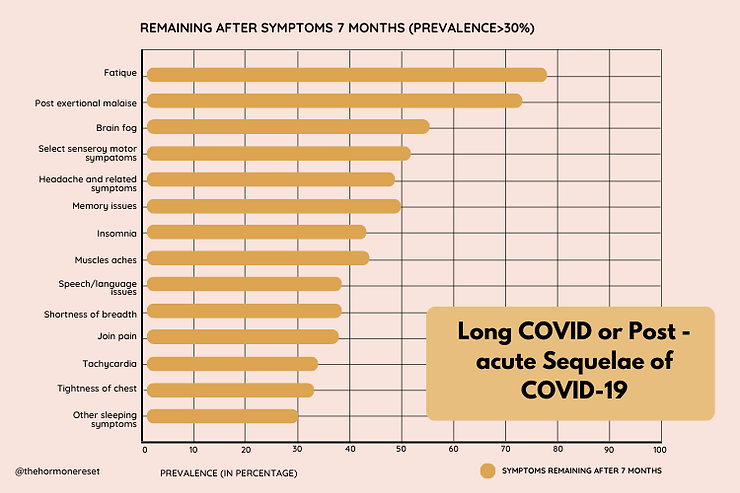
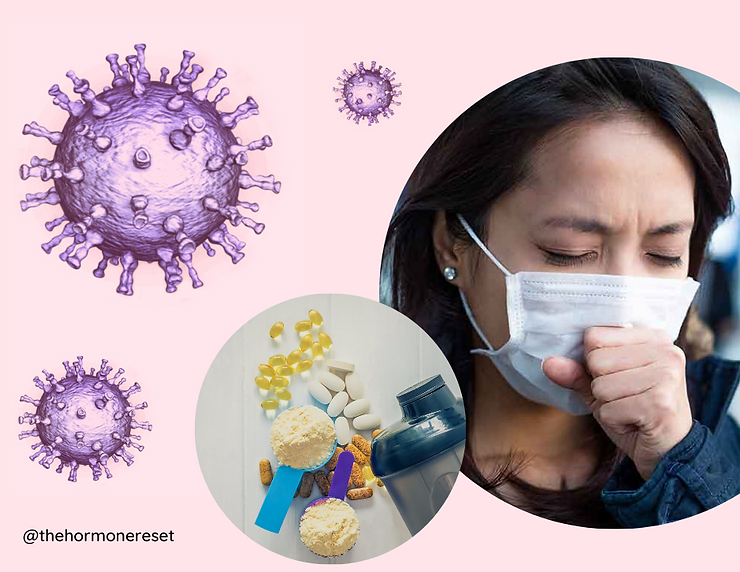
    A significant percentage (>30%) of people who suffered from Covid-19 infection are struggling to return to normal health (there are also reports of these symptoms after the mRNA injections). Some common symptoms that continue to affect them even months after the initial infection are depicted in the image below.

    1e197b 8a9738b5896d4cc1a9ce79a9974c4179mv2

    The most common issues reported are fatigue, low stamina, brain fog, memory issues, anxiety, muscular/body pains and sleep problems.

    There is broad agreement that the following pre-existing conditions increase the likelihood of struggle with long haul covid symptoms (referred to as LHC). These are:

    • Obesity (including mildly overweight)
    • Lung issues – even moderate asthma (including sleep apnea)
    • Type 2 diabetes (also pre-diabetes and hyperglycemia)
    • Cardiovascular diseases (even hypertension)
    • Smokers
    • Kidney and liver disease (including low-grade NAFLD)

    These points hold true even when these conditions are being managed with medications.

    The underlying theme is that if the body is already chronically challenged with increased inflammation, oxidative stress and other metabolic imbalances, it will be more vulnerable to infectious diseases of all types. As also more vulnerable to delayed and slow recovery on the other side of the infection.

    Using the functional medicine lens to dig deeper into the underlying imbalances and dysfunctions leads us to the following as the root causes of LHC:

    • Unresolved low-grade inflammation
    • Mitochondrial dysfunction
    • Oxidative damage
    • Inflammation specifically of the nervous tissues
    • Barrier dysfunction – gut and Blood Brain Barrier
    • Histamine overload and intolerance
    • Immune hypervigilance/dysregulation
    • Nutritional deficiencies(maybe triggered by poor absorption)
    • Toxicity
    • Disrupted serotonin synthesis

    Diet, including supplements, can play a big role in helping to reverse these issues. Let us look at them briefly.

    DIET

    In the functional medicine approach, food is not considered just as calories. In addition to energy, food also impacts the most fundamental processes of the body. This means that food is a source of energy and information and is a natural medicine for the body. Remember the age-old adage – “Food is medicine”? Here are a few key points that can help us eat our way to recovery from LHC.

    • Anti-Inflammatory Diet – The most important thing is to remove foods that create inflammation in the body. Some of the most common examples are dairy products (except good quality ghee), wheat, sugar, refined seed oils and processed foods. These should be eliminated 100% from one’s diet.
    • Light Food – It has been understood that a significant part of the LHC symptoms is rooted in impaired digestive tract function. Moving to a diet that is as easy to digest as possible, while still nourishing, is very important. It allows the digestive system space where it can repair itself. Towards this, we want to avoid fried foods, spicy foods, processed foods etc. It is also important that we consume only fresh food. Food that is old and stale (even if kept in the refrigerator) is not supportive of recovery
    • Fasting – Fasting is the best way to give a complete break to the digestive system. It may seem counterintuitive to someone struggling with weakness and fatigue, however, the results are immediate and very effective. Fasting not only gives a break to digestion, but it is also one of the most effective ways to rebalance and boost immune function.

    If someone is unable to go on a complete (water-only) fast, they can be on fresh juices (avoid fruit juices) or even only on salads or fruits. We have seen very good results with fasts lasting a minimum of 3 days

    • Histamine – Histamine is an inflammatory mediator involved in many key functions in the body, including LHC symptoms. Histamine overload goes way beyong respiratory symptoms and includes a variety of dysfunction, including anxiety, insomnia, headache, IBS-like symptoms, brain fog, irritability/restlessness, multiple chemical sensitivity, MCAS and so much more. Hence it is important to remove histamine rich foods like fermented foods, alcohol and other fermented drinks, brinjals, spinach, tomatoes, vinegar, processed meats, pickles, etc.

    NUTRITIONAL SUPPLEMENTS

    It is increasingly being understood that nutritional deficiencies play a major role in the continuation of covid symptoms.

    Earlier in this article, we looked a the main underlying imbalances contributing to LHC symptoms. To make it easier to follow, we will see which nutritional supplements are supportive in resolving each of these imbalances.

    1.Unresolved low-grade inflammation: Continued unresolved inflammation is a key component of this issue. It is essential to address this inflammation for substantial progress to happen. The following supplements are useful in bringing inflammation down.

    • Omega3 essential fats
    • Ginger
    • Vitamin D
    • Selected probiotics like Lactobacillus​ spp, some Bifidobacteria species​, and Akkermansia muciniphila, Saccharomyces boulardii, etc.
    • Curcumin
    • Resveratrol
    • Green tea extract

    2. Mitochondrial dysfunction: Mitochondrial dysfunction is perhaps the most common dynamic in LHC responsible for a very large proportion of the symptoms. The following supplements can help improve mitochondrial function:

    • B Complex vitamins (specially B1)
    • NAD
    • Alpha lipoic acid
    • Omega3 essential fats
    • Magnesium
    • L-carnitine

    3. Oxidative damage: Excessive oxidation is the hallmark of LHC related symptoms. These supplements can help bring RedOx back into balance:

    • Vitamins E and C
    • N-acetyl Cysteine combined with glycine
    • Turmeric and ginger
    • Quercetin
    • Melatonin
    • S-acetyl Glutathione
    • Milk thistle

    4. Inflammation, specifically of the nervous tissues: The following supplements have proven efficacious in reducing inflammation of the nervous tissues:

    • All B vitamins (specially B6 and B12)
    • Magnesium
    • Targeted support to bring about GABA/Glutamate balance
    • CoQ10
    • Omega3 fats
    • SAMe
    • erotonin supporting nutrients like tryptophan

    5.Barrier dysfunction – gut and blood-brain barrier: Many barrier functions get disrupted and become more permeable leading to dysfunctions. The following supplements can support the repair of the barriers:

    • Mucilaginous herbs like aloe, slippery elm, etc.
    • Glutamine
    • Melatonin
    • Zinc
    • Collagen fibre
    • Quercetin
    • Vitamin D

    6. Histamine overload and intolerance: As discussed earlier, histamine overload plays an important role in LHC-related symptoms. It is fairly important to address histamine overload via diet as well as the supplements and enzymes mentioned below:

    • DAO
    • Quercetin (with Bromelain and
    • vitamin C)
    • Stinging nettle leaf
    • B vitamins (especially vitamin B6)
    • Histamine degrading probiotics like Lactobacillus rhamnosus, Bifidobacterium longum, etc.

    7. Immune hypervigilance/dysregulation:

    • Vitamins D, C and A
    • Magnesium
    • N-acetyl cysteine
    • Probiotics
    • Zinc
    • Green tea extract
    • Quercetin
    • Melatonin

    8. Nutritional deficiencies (maybe triggered by poor absorption): Nutritional deficiencies are the rule rather than the exception in LHC. It is important that they are identified and addressed promptly. Recovery becomes long drawn unless the deficiencies are addressed simultaneously with other treatments.

    Most of the common deficiencies have already been discussed above. A good quality multimineral and/or multivitamin can be a good support. One can also consider adding supplements that improve digestion and absorption of nutrients in the gut. Some of these are:

    • Magnesium
    • Stomach acid support via HCL Betain
    • Digestive enzymes
    • Vitamin D and A
    • Essential fats

    9. Toxicity: Toxicity is another dynamic that is often completely missed or ignored. The viral mRNA and spike protein can take weeks to get detoxified and removed from our systems. They are likely to continue having toxic effects till then. It is important to support the body to get rid of these faster.

    • Fasting is a great support in mobilising detox processes in the body
    • GI binders
    • Enzymes – especially proteolytic enzymes
    • Good quality detox support formulas can be used

    10. Insomnia: Sleep-related disorders are amongst the top complaints in LHC. A lack of good deep sleep also becomes an aggravator as the nervous system gets locked in sympathetic (fight or flight) mode. Hence it is very important to focus on ensuring quality sleep. Here are a few supplements and other tips that can help:

    • Calming teas like ashwagandha, peppermint, chamomile, lavender, passion flower
    • Supplements like L-theanine and taurine can also be used as teas to relax the nervous system
    • Melatonin
    • Magnesium (liquid supplements may be more effective here)

    In addition to supplements, following good sleep hygiene habits can make a big difference in the quality and quantity of sleep, in turn leading to improvements in LHC symptoms.

    11. Liver Health: Liver is the chemical factory of the body and must be working well to ensure quick recovery from covid. Given our modern lifestyles, our livers are often loaded with fat and other unwanted toxins as well as badly inflamed. Estimates suggest over 30% of urban populations have different levels of liver issues, fatty liver being the most common. It is important to work with an experienced practitioner who can help bring your liver function back to normal.

    It is very important to remember that supplements, though wonderful as they are, cannot remedy a sympathetic dominant lifestyle. We must remember the fact that for the body to heal itself, first the nervous system has to believe that it is in a safe environment. Else it will not focus the body’s resources on healing and rejuvenating. Remember that deeper healing processes are only activated in the para-sympathetic mode!

    Also, always remember the fact that we may be able to fool everyone else, but we can never fool our own bodies. The nervous system is listening to every thought and emotion we generate. If these carry even an undertone of negativity (like anger, frustration, fear, insecurity) then the nervous system will activate the fight and flight mode (sympathetic mode) and you can throw any chances of a quick painless recovery out of the window!

    How we eat, what we eat, how we sleep, how we move, think, environmental exposures, history of traumas, our community and sense of purpose and more have a big impact on our body’s ability to heal itself. And all these are completely in our hands. Let us take our health into our hands!

    The above is only a small part of what can be done to support the body to recover quickly – much more is actually possible.

    Note – It is important the supplements etc suggested above are not taken without the guidance of someone well-versed in their usage.

    Need help with Long Haul Covid? Connect with us!

    1e197b c8eaef0bf6c64dd5980da2dcd30b86fbmv2

    References:

    1. https://pubmed.ncbi.nlm.nih.gov/35334962/ (Luigi Barrea 1 2 , William B Grant 3 , Evelyn Frias-Toral 4 , Claudia Vetrani 5 , Ludovica Verde 5 , Giulia de Alteriis 5 , Annamaria Docimo 5 , Silvia Savastano 2 5 , Annamaria Colao 2 5 6 , Giovanna Muscogiuri 2)
    2. https://www.ncbi.nlm.nih.gov/pmc/articles/PMC9212635/ (Matteo Tosato, MD, PhD,a Francesca Ciciarello, MD,a Maria Beatrice Zazzara, MD,a Cristina Pais, MD,a Giulia Savera, MSc,a Anna Picca, PhD,a Vincenzo Galluzzo, MD,a Hélio José Coelho-Júnior, PhD,b Riccardo Calvani, PhD,a,∗ Emanuele Marzetti, MD, PhD,a,b Francesco Landi, MD, PhD,a,b and , on behalf of Gemelli Against COVID-19 Post-Acute Care Team)
    3. https://pubmed.ncbi.nlm.nih.gov/32664543/ (Elena Campione 1 , Terenzio Cosio 1 , Luigi Rosa 2 , Caterina Lanna 1 , Stefano Di Girolamo 3 , Roberta Gaziano 4 , Piera Valenti 2 , Luca Bianchi)
    4. https://pubmed.ncbi.nlm.nih.gov/35355308/ (Karina Janice Guadalupe Díaz-Resendiz 1 , Alma Betsaida Benitez-Trinidad 1 , Carlos Eduardo Covantes-Rosales 1 , Gladys Alejandra Toledo-Ibarra 1 , Pablo Cesar Ortiz-Lazareno 2 , Daniel Alberto Girón-Pérez 1 , Adela Yolanda Bueno-Durán 1 , Daniela Alejandra Pérez-Díaz 1 , Rocío Guadalupe Barcelos-García 1 , Manuel Iván Girón-Pérez)
    5. https://pubmed.ncbi.nlm.nih.gov/35069483/ (Chao Shang 1 , Zirui Liu 2 , Yilong Zhu 3 , Jing Lu 4 , Chenchen Ge 4 , Cuiling Zhang 1 , Nan Li 1 , Ningyi Jin 1 3 5 , Yiquan Li 3 , Mingyao Tian 1 5 , Xiao Li)
    6. https://www.mdpi.com/2227-9032/10/3/487 (Sonia Sifuentes-Franco 1,2,*, Dellaneira Carolina Sánchez-Macías 3, Sandra Carrillo-Ibarra 3, Juan José Rivera-Valdés 4, Laura Y. Zuñiga 2 and Virginia Aleyda Sánchez-López)
    7. https://pubmed.ncbi.nlm.nih.gov/32813065/ (Aravind Sundararaman 1 , Mousumi Ray 1 , P V Ravindra 2 , Prakash M Halami)

    Share

  • All About Gallstones

    All About Gallstones

    Gallstones have become a ubiquitous problem with estimates suggesting up to 20-25% of various populations having the condition. Though initially relatively asymptomatic, when allowed to worsen and maybe get infected, it can become an excruciatingly painful and serious problem. Most patients are offered a relatively simple solution – cholecystectomy: surgical gallbladder removal!

    As we will understand in this blog, this approach is like shooting the victim of a crime while the criminal goes scot-free!

    The primary reasons leading to gallstone formation are hepatic-biliary congestion, excessive and the wrong type of cholesterol in the liver, poor gallbladder emptying, estrogen overload, etc. Let us understand these in detail.

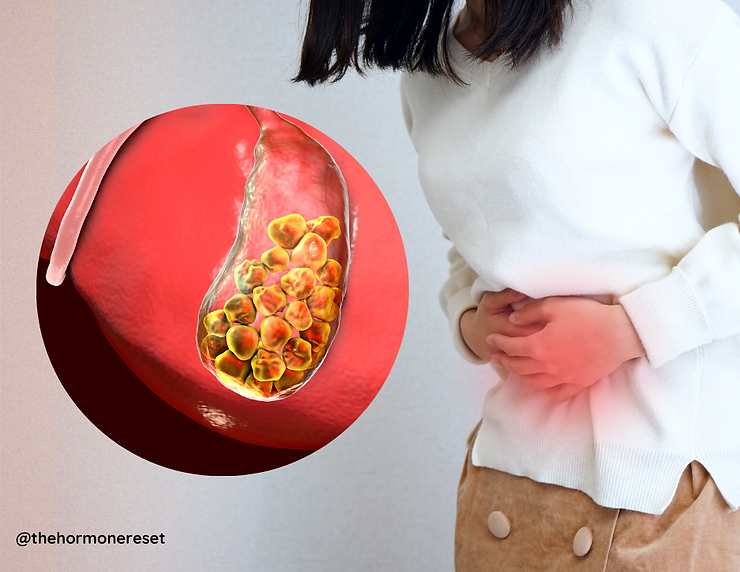
    • HEPATIC BILIARY CONGESTION – The most common underlying reason is what is referred to as hepatic-biliary congestion. This can be triggered by many factors, the simplest being chronic dehydration. Due to insufficient hydration, the bile becomes thick and sticky. As a result, the fats and other salts in the bile tend to precipitate out and form stones.
    • CHOLESTEROL – Due to an imbalance in diet, the amount of cholesterol in bile increases, making it thick and sluggish. As bile becomes thick cholesterol gets supersaturated and precipitates out in the form of soft stones of different sizes (Over 80% of gallstones are made of cholesterol). Some of these can get lodged in the gallbladder. Over a period of time as more cholesterol precipitates, these stones grow bigger and can get infected leading to the telltale symptoms of gallbladder disease – severe pain and inflammation.
    • LOW-FIBRE DIET – The low fibre content in diet also contributes to this process. Dietary fibre plays an important role in the excretion of excess cholesterol from the system. Typical modern diets are very low in fibre leading to higher cholesterol levels which contribute to gallstone formation.
    • INCREASED NUCLEATION – Increased nucleation of cholesterol particles also plays a role in the gallstone formation process. These diets low in fibre and fats and high in refined carbs may also have a role in this process. The cholesterol particles thus created are sticky and dense, much more likely to stick together to form stones.
    • ESTROGENS – Higher levels of estrogen in the body also contribute to the process of gallstone formation. Estrogen induces an increased input to the free cholesterol pool in the liver by up-regulating the low-density lipoprotein (LDL) receptor. This increased cholesterol in the liver then tends to precipitate out in the form of stones. This is one reason why women are much more likely than men to suffer from gallstones.
    • GALLBLADDER HYPOMOTILITY – Poor emptying of the gallbladder is another important reason contributing to gallstone formation. When the gall bladder does not empty completely, bile tends to stagnate in the bladder increasing the chances of formation of sludge and stones. The most common reason for this is a diet that is low in fats and high in refined carbohydrates (LCHF). Unfortunately, this is a very typical diet recommended by health authorities in various countries!

    Gall bladder empties itself in response to fat in the diet. When we consume a diet low in fats, the bladder does not empty fully leading to bile stagnation. Stagnating bile is an obvious trigger for stone formation!

    For most people, there is usually a combination of the above factors that lead to the formation of gallstones.

    HOW TO PREVENT GALLSTONES?

    1e197b 5b32dba52b434068ba9256043ec4c5f9mv2

    The good news is that almost all the reasons leading to gallstone formation are modifiable i.e. we can choose a lifestyle that prevents gallstone formation. Let us look at the various changes we can make to reduce the possibility of getting gallstones as well as getting rid of them if we already have them.

    • HYDRATION – Proper hydration is a fundamental requirement that ensures the bile is thin and free-flowing.
    • DIETARY CHANGES – Dietary changes are perhaps the most important factor that we can easily influence in our favour.
      • A diet based on unrefined wholegrains and lots of vegetables and fruits helps reduce the likelihood of bile fats precipitating out as stones.
      • Consuming a good amount of healthy fats in the diet ensures that the bile is used up for digesting the fats. This ensures that the bile does not stagnate in the bladder thereby reducing the chances of stone formation.
      • The increased fibre content in the diet helps in reducing the cholesterol load in the body hence reducing stone formation chances
    • GALLBLADDER MOTILITY – Ensuring good gallbladder motility is another important step toward reducing the likelihood of gallstone formation. Better motility helps the bladder empty itself completely so that bile does not sediment and solidify. Bitter herbs are useful in improving gallbladder motility.
    • ESTROGEN – Estrogen dominance is one key reason for excess cholesterol leading to fat precipitation in the form of stones. Hence ensuring estrogen levels are balanced is key to preventing gallstone formation. One of the reasons for excess estrogen is xenoestrogen – i.e. estrogen-like substances coming into the body from outside. Reducing estrogen overload and minimising the influx of xenoestrogens is important to reduce the chances of gallstone formation. Ensuring optimal liver function and bowel movements is important in reducing estrogen dominance.
    • CHOLESTEROL – High levels of cholesterol – especially the dense and sticky particles of cholesterol tend to stick to each other and speed up the process of stone formation. Implementing the required dietary and lifestyle changes to improve the lipid profile is key to reducing stone formation likelihood.

    A NOTE ON CHOLECYSTECTOMY – As I mentioned earlier, removing the gallbladder is like shooting the victim of a crime while the criminal is allowed to go scot-free. This approach completely ignores the root causes of the problem while focusing only on the symptoms. As the reasons remain unaddressed, the formation of stones continues even after the removal of the gallbladder leading to many issues in the future.

    On the other hand, the removal of the gallbladder leads to very poor digestion of fats creating long-term metabolic deficiencies in the body. One common outcome is deficiencies of fat-soluble vitamins like Vitamin A, D, E and K. In turn these deficiencies lead to the development of various chronic ailments in the long term.

    DISSOLVING EXISTING STONES

    The various points mentioned above can help one reduce the chances of getting gallstones as well as reduce the likelihood of recurrence for those who have had stones in the past.

    However, when it comes to existing stones, conventionally it is considered impossible to reduce or dissolve them. There is a large volume of scientific research and clinical studies have highlighted various protocols that can help dissolve or flush out existing stones.

    In the Hormone Reset Program, improving hepato-biliary health is one of our key focus areas.

    Get in touch with us if you need help with liver and gallbladder-related issues.

    1e197b c8eaef0bf6c64dd5980da2dcd30b86fbmv2

    References

    1. VAN ERPECUM, K. J., & VAN BERGE-HENEGOUWEN, G. P. (1999, March 1). Gallstones: an intestinal disease? Gut, 44(3), 435–438. https://doi.org/10.1136/gut.44.3.435
    2. Di Ciaula, A., Molina-Molina, E., Bonfrate, L., Wang, D. Q., Dumitrascu, D. L., & Portincasa, P. (2019). Gastrointestinal defects in gallstone and cholecystectomized patients. European journal of clinical investigation, 49(3), e13066. https://doi.org/10.1111/eci.13066
    3. Igimi, H., Tamura, R., Toraishi, K., Yamamoto, F., Kataoka, A., Ikejiri, Y., Hisatsugu, T., & Shimura, H. (1991). Medical dissolution of gallstones. Clinical experience of d-limonene as a simple, safe, and effective solvent. Digestive diseases and sciences, 36(2), 200–208. https://doi.org/10.1007/BF01300757
    4. Di Ciaula, A., Molina-Molina, E., Bonfrate, L., Wang, D. Q., Dumitrascu, D. L., & Portincasa, P. (2019). Gastrointestinal defects in gallstone and cholecystectomized patients. European journal of clinical investigation, 49(3), e13066. https://doi.org/10.1111/eci.13066

    Share

  • Know How You Can Reverse Your PCOS!

    Know How You Can Reverse Your PCOS!

    A conventional doctor won’t give many options when it comes to PCOS. In most cases, below two options are given.

    • Birth control pills. In most cases hormone birth control pills are suggested, which doesn’t actually correct the underlying issue.
    • Metformin. Many women with PCOS are advised the typical diabetes medication metformin, which works by increasing insulin sensitivity. However, if you want to reverse the root causes, metformin is ultimately not going to do that. Lifestyle changes are really required to do that.

    As PCOS is a lifestyle disorder, you can treat PCOS by making sustainable changes in your diet, lifestyle, home environment, correcting the insufficiencies (with the help of right supplementation) and improving your gut health.

    You can also check out our blog on All about Polycystic Ovary Syndrome (PCOS) if you want to know about the root causes of PCOS.

    Decode The Root Cause with PCOS Tests

    It is important to address the root cause if you really want to live a PCOS free life. In 50-60% of the cases, insulin resistance is the root cause. It is important to take a PCOS profile test which covers:

    • Heavy metals (endocrine disruptors)
    • Complete vitamins & minerals
    • Fasting insulin
    • Inflammatory markers
    • Liver function, kidney function, lipid profile, thyroid function, prolactin, etc.

    These parameters will help in the root cause analysis. A functional medicine doctor can help with a root cause analysis and help you with a personalized treatment plan to reverse your PCOS. Based on the pcos profile test, right supplements can be suggested as a part of the treatment plan.

    Get Started with The Diet Recommendations for PCOS:

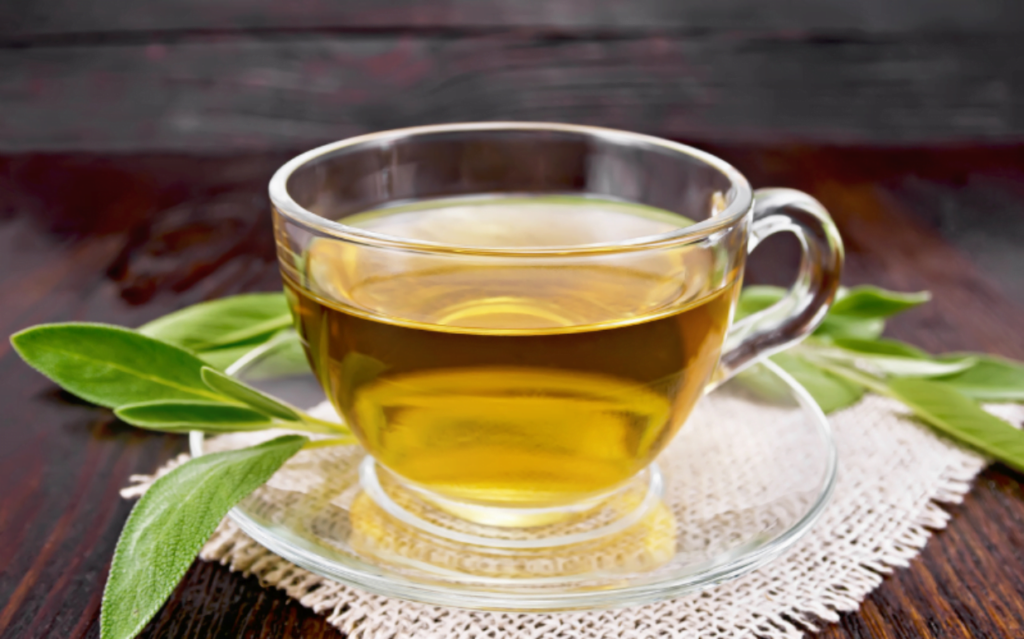
    Swap Coffee/Tea for Green Tea

    www.hormonereset.in post know how you can reverse your pcos

    Excess coffee consumption impairs your liver’s ability to process and clear excess hormones. Thus, contributing to a whole array of hormone imbalances, increased anxiety and poor ability to cope with stress. Coffee also affects how well you break down and absorb food, reducing the amount of period-supporting nutrients available for your body.

    Consider Choosing These Alternatives to Coffee/Tea:

    • Green tea
    • Turmeric latte (vegan version)
    • Hot cacao

    Include Dark Leafy Greens

    www.hormonereset.in post know how you can reverse your pcos 1

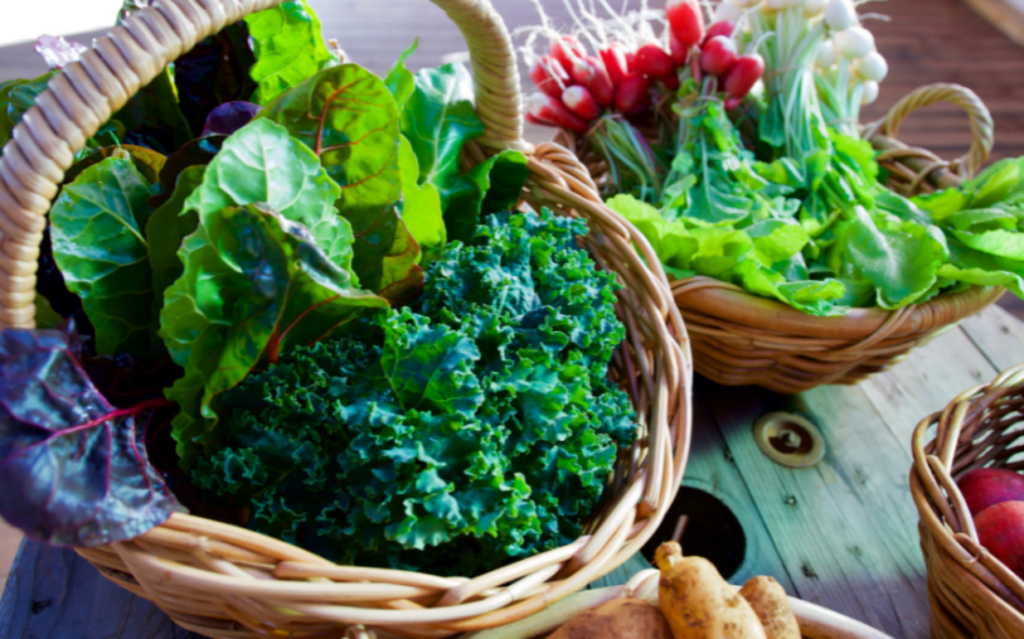
    Dark leafy greens are one of the most powerful foods you can eat for hormone balance. They are important for your hormones because:

    • Aid in natural hormone production: Dark leafy greens (like rocket, collard greens, kale, spinach, swiss chard, local seasonal greens) are rich in magnesium, calcium, iron, zinc, folate and vitamin C which are needed for optimal hormone production.
    • Efficient detoxification and elimination of excess estrogen: Greens are packed with fibre which is crucial for promoting regular bowel movements. It might come as a surprise but constipation is one of the causes of estrogen excess in your body.

    Include Greens Like

    • Kale
    • Rocket (arugula)
    • Collard greens
    • Spinach
    • Dandelion greens
    • Parsley
    • Basil
    • Local seasonal greens

    You can add them to your salads, in soups, curries, sautéed veggies or in your smoothie.

    Add Healthy Fats in Your Meals.

    www.hormonereset.in post know how you can reverse your pcos 2

    Healthy Fats Make Healthy Hormones. It’s high time we should stop demonizing fats (good fats) and give them the credit they deserve. If you’re not providing your body with enough healthy fats, your periods will suffer in following ways: All our hormones are made of fats. We need adequate amounts of healthy fats to make cholesterol because of a hormone called Pregnenolone. All sex hormones such as testosterone, estrogen, and progesterone are made from the “Mother Hormone:- Pregnenolone. If you are eating a low-fat diet, your hormones will suffer, resulting in missing periods, skin breakouts, painful periods and nightmarish PMS and mood swings.

    • A high amount of unhealthy fats and decreased intake of healthy fats can lead to a chronic state of inflammation which causes cramping.
    • Fat is also a crucial nutrient needed for the absorption of certain fat- soluble nutrients like vitamins A, D, E and K which are vital in regulating hormones and fertility.

    Fix Your Periods with Healthy Fats For better periods, eat fats from the good list (Omega 3 Fats) and avoid the bad guys (Omega 6s) The Good Fats

    • Unprocessed organic oils like cold pressed coconut oil: Coconut oil has special medium-chain fatty acids that promote a healthy metabolism, immune system, skin and thyroid
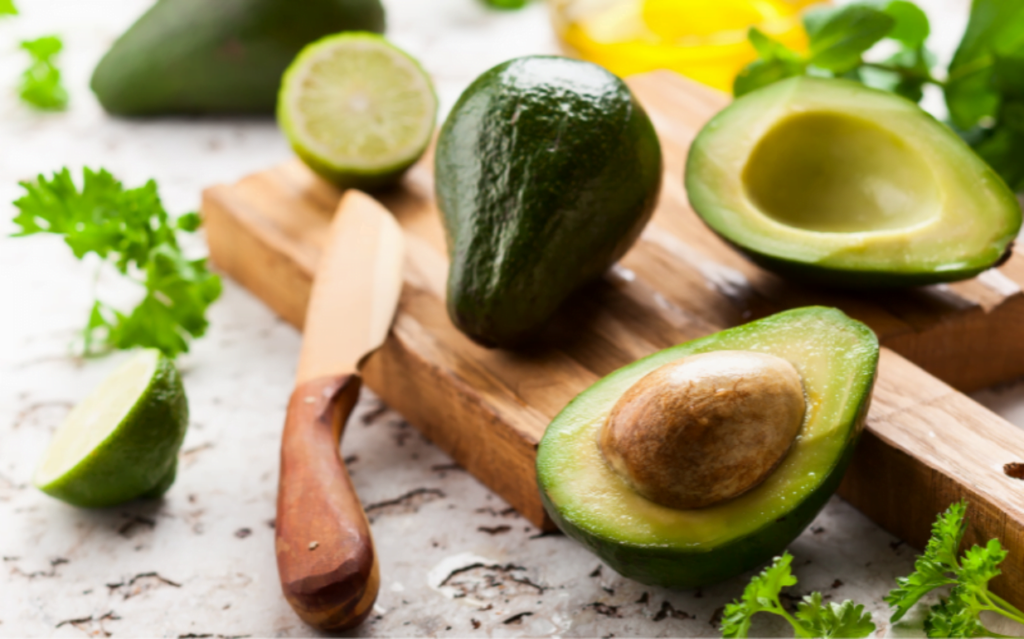
    • Avocados and avocado oil:
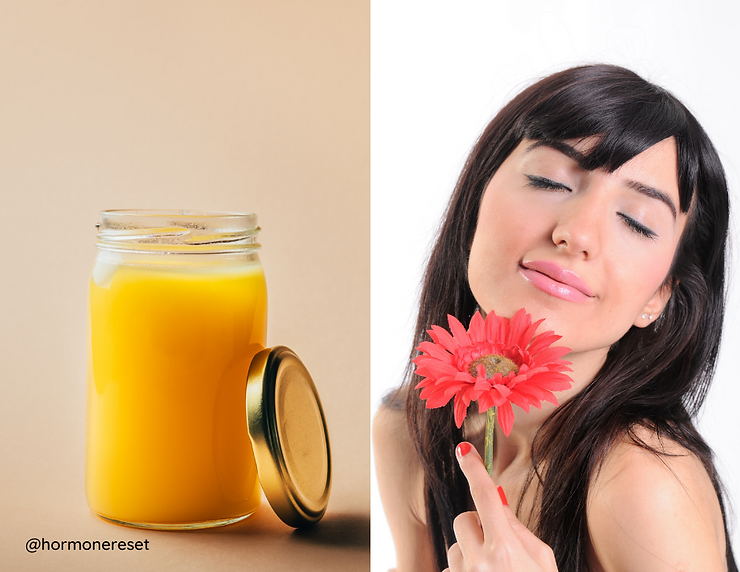
    • Organic A2 ghee from grass-fed desi cows (ghee made by traditional bilona method is the best). It is rich in short chain fatty acids which is great for the gut microbiome.
    • Extra virgin olive oil.
    • Soaked raw nuts and seeds like chia seeds, flax seeds, almonds, pumpkin seeds, and walnuts.
    • Egg yolks from pastured hens.
    • Organic meat from animals that are grass fed.
    • Wild-caught salmon
    • Brazil nuts (great for your thyroid!)
    • Ground flax seeds
    • Tahini (ground sesame seed paste)
    • Hemp seeds
    • Almond/cashew butter

    The Bad Fats All the bad guys are the ultra-processed vegetable oils aka PUFAs (Polyunsaturated Fatty Acids)

    • Corn oil
    • Canola oil
    • Soy oil
    • Vegetable oil Hydrogenated or partially hydrogenated fats
    • Margarine

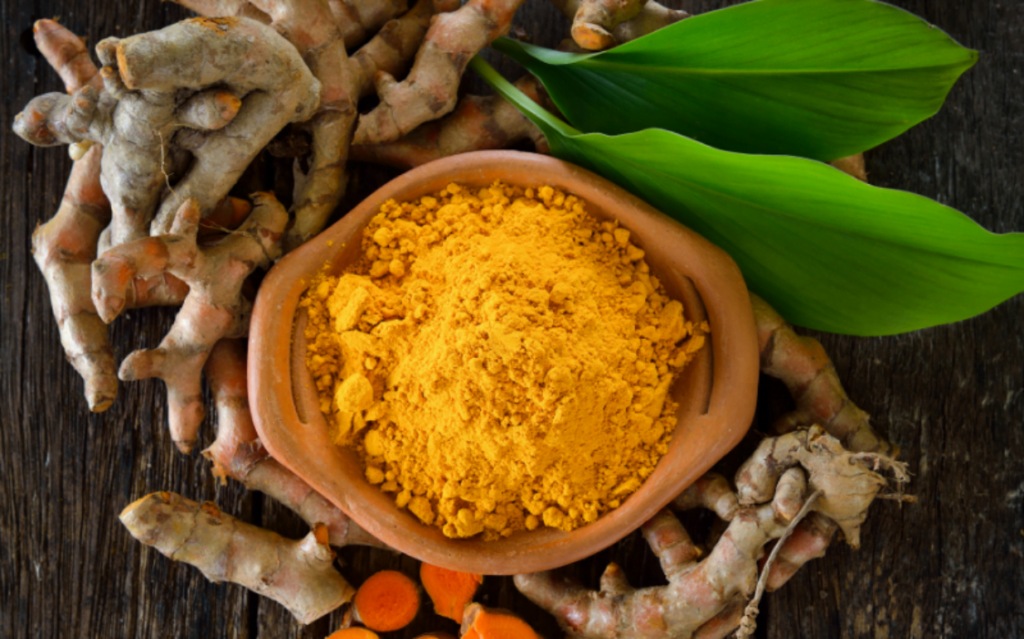
    Include Turmeric

    www.hormonereset.in post know how you can reverse your pcos 3

    The anti-inflammatory spice. Curcumin in turmeric has potent anti-inflammatory actions. In India, turmeric is available in abundance, so make use of this amazing spice.

    • It improves gut health. Improved digestion means enhanced nutrient absorption and more nutrients available for creating and balancing your hormones.
    • Turmeric supports the liver to detoxify excess estrogen hormones, hence helps with PMS, PCOS, etc.
    • Reduces inflammation in the skin

    Start with 1 tsp per day mixed into warm drinks, smoothies, and curries. Curcumin is activated when taken with a fat source and some black pepper so make sure you add that in there as well for maximum benefits.

    In Addition, Also ReadDo not Miss The Signs Your Periods are Giving You About Your Body Health

    1e197b 9e76a960d31340cb8acac30d4703aaedmv2

    7 Most Important Lifestyle Recommendations for PCOS:

    1. Get your daily dose of sunshine. Vitamin D is very important for hormonal balance. So go out and soak yourself in the sun for 30 minutes daily.
    2. Prioritise sleep: Inadequate sleep is a major cause of hormonal imbalances. Make sure you keep away your phones at least 2 hours before going to bed. Use dim lights in the evening. Your bedroom should be pitch dark.
    3. Switch to organic and natural personal care products. Skin is a large organ. Imagine the toxins loaded in your personal care products which are being absorbed via skin. It’s huge right!
    4. Switch to natural home cleaning products: Cleaning agents have various ingredients which are xenoestrogens and endocrine disruptors.
    5. Swap the plastic jars in your kitchen with stainless steel & glass jars. Plastic jars are a source of BPA, one of the common endocrine disrupting chemicals.
    6. Manage your stress levels. They impact our hormones in a big way. Include meditation in your daily routine.
    7. Move your body!

    Need help?

    References:-

    1. Marsh KA, Steinbeck KS, Atkinson FS, Petocz P, Brand-Miller JC. Effect of a low glycemic index compared with a conventional healthy diet on polycystic ovary syndrome. Am J Clin Nutr. 2010;92(1):83-92.
    2. Obert E, Gidlof S, Jakson I, MItsell M, Tollet Egnell P, & Hirschberg AL. Improved mennstrual function in obese women with polycystic ovarian syndrome after behavioural modification intervention-a randomized controlled trial. Clin Endocrinol (Oxf). 2018. doi: 10.1111/cen.13919.
    3. Sirmans SM, Pate KA. Epidemiology, diagnosis, and management of polycystic ovary syndrome. Clin Epidemiol. 2013;6(1):1-13.
    4. Lua ACY, How CH, King TFJ. Managing polycystic ovary syndrome in primary care. Singapore Med J. 2018;59(11):567-571.
    5. Kazemi M, McBreairty LE, Chizen DR, Pierson RA, Chilibeck PD, Zello GA. A comparison of a pulse-based diet and the therapeutic lifestyle changes diet in combination with exercise and health counselling on the cardio-metabolic risk profile in women with polycystic ovary syndrome: a randomized controlled trial. Nutrients. 2018;10(10):E1387

    Source credit for this blog: FM Diagnostics

  • Healthy Fats For Women Health

    Healthy Fats For Women Health

    Fats are bad. If you still believe this, this article is definitely for you!

    Fats are food for the brain. It is extremely essential for healthy hair, skin, happy hormones, maintaining a healthy reproductive system, healthy joints and a robust immune system.

    Fat is the one of the most important fuel sources for the body after the primary source- carbohydrates. Fats can be classified into 3 categories such as saturated, unsaturated and trans fats.

    Saturated fats come from animal products such as meat, dairy as well as coconut and coconut oil. Reducing animal fats in the diet can help reduce inflammation and therefore also improve hormone balance. Monounsaturated and polyunsaturated fats found mostly in plant foods such as nuts, flax seeds, avocado, olive oil as well as salmon, fatty fishes. They help to raise the good HDL while lowering the LDL in the body.

    For maintaining a healthy hormone level a woman needs a good amount of anti-inflammatory fats in her diet. This surely helps lower inflammation and keep hormone production adequate during the reproductive years. Also it has been seen that Omega-3 assists balancing FSH levels and sex hormone, testosterone for women.

    Low healthy fat diets are as detrimental to hormone health as trans fat diets. Inadequate intake of dietary fat leads to low hormone production. This has been seen in many women with extremely low BMI and psychological disorders as anxiety/depression. It has been associated with poor mental health and even an increase in depression.

    Why is Ghee classified as one of the healthiest fats ?

    1e197b 9b46cb8b0860407ab7aba783228db62cmv2

    Ghee or clarified butter is made by heating butter that results in segregation of milk solids and water leaving behind the golden butter fat. It is easily digestible and highly nutritious with a subtle aroma and flavor. Ghee mainly originated in India and is widely used for its healing properties. It is a great detoxifier for the GI system too.

    Study reveals that most skinny people often have dry skin, suffer painful or irregular periods, and have lower immunity to cold, coughs and flu. A dash of ghee with meals is the easiest way to promote good health.

    1. Ghee is a great source of butyrate. Butyrate is a short-chain fatty acid which acts as a natural detoxifier. It has an anti-inflammatory property and improves colon health. Studies reveal that consuming an adequate amount of ghee supports healthy insulin levels too. It can be helpful for constipation management as well.
    2. Packed with fat soluble vitamins such as A,D,E,K. Vitamin A and E are known as powerful antioxidants which boost hormonal balance, fertility, eyesight and stamina levels. Vitamin D is critical in immune function as well as in bone health. Ghee contains an absorbable form of Vitamin D that helps with the proper functioning in the brain.
    3. Ghee is very much safe for cooking, the composition does not break down while heating up, unlike other oils, which break down into free radicals at boiling point. This makes it safe for cooking, frying, sautéing, tempering etc.
    4. Ghee is one of the few byproducts of milk which does not contain milk solids. Since these have been removed, lactose or casein intolerant people can consume ghee safely.
    5. It is a saturated fat, and unlike trans fats, safe to consume without the risk of heart diseases. In fact, it boosts good cholesterol (HDL), which the body needs.
    6. Ghee contains a large amount of Conjugated Linolenic Acid (CLA). Studies have shown that this substance inhibits breast cancer, aids in weight loss and is also very good for kids to build immunity & bone strength.
    7. Ghee is also known to be beneficial for mental and emotional wellbeing. The molecules present in ghee help balance and cleanse negative emotions from the body.
    8. Ghee has an added advantage which is its long shelf life. It doesn’t spoil so easily if stored in a proper way.

    The takeaway of this article is to ensure consumption of a balanced diet which includes optimal healthy fat intake through a variety of foods eaten each day.

    References :

    1. Brito, L., Tinoco, B., Silveira, K., & Bandeira, C. (2019). Healthy fats and mental Health. European Journal of Public Health, 29(Supplement_1). https://doi.org/10.1093/eurpub/ckz034.032
    2. Sadeghi, A., Djafarian, K., Mohammadi, H., & Shab-Bidar, S. (2017). Effect of omega-3 fatty acids supplementation on insulin resistance in women with polycystic ovary syndrome: Meta-analysis of randomised controlled trials. Diabetes & Metabolic Syndrome: Clinical Research & Reviews, 11(2), 157–162. https://doi.org/10.1016/j.dsx.2016.06.025
    3. Stromsnes, K., Correas, A. G., Lehmann, J., Gambini, J., & Olaso-Gonzalez, G. (2021). Anti-Inflammatory Properties of Diet: Role in Healthy Aging. Biomedicines, 9(8), 922. https://doi.org/10.3390/biomedicines9080922
    4. Sharma, H., Zhang, X., & Dwivedi, C. (2010). The effect of ghee (clarified butter) on serum lipid levels and microsomal lipid peroxidation. AYU (An International Quarterly Journal of Research in Ayurveda), 31(2), 134. https://doi.org/10.4103/0974-8520.72361

    Share

  • Healthy Alternatives To Dairy

    Healthy Alternatives To Dairy

    What is Vegan Milk?

    Vegan milk, also known as plant milk or non-dairy milk, is a beverage that has been consumed for centuries in various parts of the world for various reasons. Some choose to drink it due to health concerns such as an allergy or lactose intolerance, while others drink it for the nutritional benefits it offers.

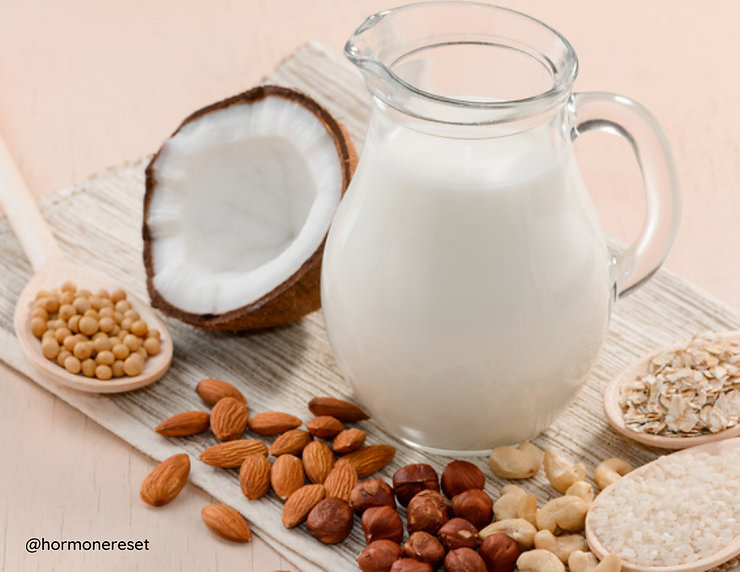
    A lactose-free substitute to cow milk, plant-based milk or vegan milk is usually made from almond, coconut, cashew, oats and hemp.

    A dairy-free diet helps our body and overall health in various ways such as improving digestion, promoting weight loss, improvement in metabolism and energy levels and does not cause any inflammation that might cause the expansion of unhealthy gut bacteria linked to some chronic diseases or conditions including leaky gut. Plant-based milk is rich in vitamins and minerals, and low in calories. It is also advised to people that have a slow gastrointestinal system.

    Different types of Plant based / Vegan milk:

    Almond Milk

    1e197b c308b86e10e7482b9f50f2287306cf77mv2

    Almond milk is presumably the foremost popular plant-based milk. Although this vegan milk may be low in protein, it contains a lot of vitamins and other nutrients such as Copper, zinc, iron, magnesium, vitamin E etc. Almond milk is rich in various antioxidants which may help protect against numerous ailments such as cancer and heart disease etc. Unsweetened almond milk is low in calories and is low in carbohydrates. Almond milk is a great beverage that you can drink as it is or in smoothies, shakes and coffees. It can also be poured over cereals and oatmeal.

    How to Prepare:

    • Soak the almonds in water overnight.
    • Place the soaked almonds during a blender.
    • Add water and start blending. Start at low speed and gradually increase to high. Blend at high for up to 1.5 minutes.
    • This mixture can be used as is. However, for a smoother texture, you can strain it through a muslin/cheesecloth or a fine sieve.
    • The milk is ready for use. You can also refrigerate it and use it over the next 2-3 days.

    Benefits of Almond Milk:

    • It is rich in monounsaturated fatty acids (MUFA) which will aid in weight loss and weight management.
    • It is a natural source of the antioxidant vitamin E.
    • Almond milk doesn’t raise blood glucose levels, therefore, making it beneficial for people with diabetes.

    Coconut milk

    1e197b 0a63ed16144d48a7aa2c86f1b6fb7144mv2

    This milk is extracted from the white flesh of a coconut. Coconut milk features a pleasant flavor and has less protein than almond milk. In comparison to other plant-based milk types, coconut milk contains good amounts of beneficial medium-chain triglycerides that are beneficial for one’s overall health. It adds a delicious yet not too overpowering coconutty flavor to any dish it’s utilized in and works great when utilized in baking too. Coconut milk is ideal for many different kinds of recipes including thai curries, soups, stews, smoothies, puddings, and even ice creams. It is meant for drinking and has a thinner consistency that is ideal for teas, coffees, and cereals.

    How to Prepare:

    • Put the grated coconut in a blender jar and blend at high speed with 1-cup water.
    • Strain with muslin or fine sieve and collect the first milk in a bowl. This is the thick milk.
    • Transfer the coconut to the blender, add 1-cup water and again blend on high. Strain and collect this milk in another bowl. Do this process once more.
    • The first milk can be used for making very tasty curds. For the first time a starter from normal curd can be added. Then let it sit in a warm area for 6-8 hours.

    Benefits of Coconut Milk :

    • It aids in weight loss.
    • It contains an honest amount of antioxidants.
    • It helps in balancing electrolytes.
    • It prevents heart diseases by promoting the HDL (good) cholesterol levels and reducing the levels of harmful LDL (bad cholesterol) that are associated with cardiovascular diseases.
    • It strengthens the immune system.
    • It helps with good digestion.
    • It’s common in South Indian and Thai cuisine because the curries get their creaminess from coconut milk.

    Oats Milk

    1e197b 8622dfca8c1f46fda55b2251db1d69bd~mv2

    Oats milk is nutritious and contains soluble fiber. Enriched with vitamins and calcium, the milk features a low saturated fat content. The soluble fiber in it gives the milk a creamy texture and as compared to other sorts of plant-based milk, oat milk has the very best amount of calories and carbohydrates

    How to prepare:

    • Soak the rolled oats in water overnight or 3-4 hours.
    • Place the soaked oats in a blender.
    • Add water and start blending. Blend for up to 2-3 minutes.
    • Strain it through a muslin or a fine sieve.
    • The milk is ready to use

    Benefits of Oats Milk:

    • It is high in beta-glucans (a soluble fiber) which help lower blood cholesterol.
    • Rich in calcium which boosts bone health.
    • Excellent source of B-complex vitamins.
    • The soluble fiber in oat milk helps slow digestion and keeps you feeling full for extended time.
    • It also helps stabilize your blood glucose levels

    Cashew Milk

    1e197b 8364353f404e46f58c7fb98d75f7712b~mv2

    Cashew milk is a very recent addition to vegan milk. It is crammed with heart-healthy unsaturated fats and should be beneficial for those that are diabetic and wish to observe their carbohydrate consumption. This vegan milk features a very creamy consistency that works great in teas and coffees. It is a good addition to your curries and bakery products.

    How to prepare:

    • Soak the cashews overnight. Place the soaked cashews in a blender.
    • Add water and start blending. Start at low speed and gradually increase to high. Blend at high for up to 2 minutes.
    • The milk is ready for use. It can be stored in the refrigerator and used over the next 2-3 days.

    Note – Cashew milk does not need to be strained or filtered as it naturally has a creamy smooth texture.

    Benefits of Cashew milk:

    • Contains healthy fats and a spread of vitamins and minerals.
    • Boosts overall health.
    • Helps reduce bloating.
    • Improves eyesight.

    Hemp Milk

    1e197b 5e563aded55e4f28857d09646d400cc8~mv2

    Hemp milk is milk made using seeds of the hemp plant. This vegan milk is sort of high in protein with a thick and creamy consistency. It is high in minerals and healthy fats, also as low in calories. Hemp milk provides almost 50 percent of the recommended daily intake of alpha-linolenic acid (ALA), which is a type of omega-3 fatty acid that is important in healthy heart and brain function. Due to its strong flavor, it is best used in savoury dishes.

    How to Prepare:

    • Soak hemp seeds overnight.
    • Place-soaked hemp seeds in a blender and blend until smooth.
    • Add a few drops of pure vanilla extract or sweetener if needed.
    • Strain the milk if needed.
    • Serve immediately.
    • It can be refrigerated in an airtight glass container up to 5 days.

    Benefits of Hemp Milk:

    • It contains arginine, which produces nitric acid in the body. This improves your heart health. Hemp seeds also contain an honest amount of fiber, which may aid in healthy digestion and reduce your risk of diabetes.
    • Hemp milk contains a high amount of omega 3 & omega 6 fatty acids. Hence boost brain function and reduce risk for Alzheimer’s. It improves skin health too.
    • It acts as an anti-inflammatory.
    • Hemp milk strengthens the immune system as well.

    Swapping out dairy milk for plant-based milk is not just beneficial for health but also prevents your exposure to antibiotics and hormones in conventional dairy products. High quality plant-based milk is rich with fiber, omega 3 and protein to help humans live their healthiest life.

    References :

    1. Vanga, S. K., & Raghavan, V. (2018). How well do plant based alternatives fare nutritionally compared to cow’s milk?. Journal of food science and technology, 55(1), 10–20. https://doi.org/10.1007/s13197-017-2915-y
    2. Reyes-Jurado, F., Soto-Reyes, N., Dávila-Rodríguez, M., Lorenzo-Leal, A., Jiménez-Munguía, M., Mani-López, E., & López-Malo, A. (2021). Plant-Based Milk Alternatives: Types, Processes, Benefits, and Characteristics. Food Reviews International, 1–32. https://doi.org/10.1080/87559129.2021.1952421

    Share

  • All About Polycystic Ovary Syndrome (PCOS)

    All About Polycystic Ovary Syndrome (PCOS)

    What is Polycystic Ovary Syndrome (PCOS) ?

    PCOS or Polycystic Ovarian Syndrome is a lifestyle disorder that most commonly affects women of reproductive age. It is often misled, because it creates a label that it can’t be cured and can lead to a hopeless feeling. Generally what needs to be treated is the root cause instead of putting on band-aids that only cover things up. Most women with PCOS have insulin resistance. Insulin resistance is one underlying root cause of PCOS.

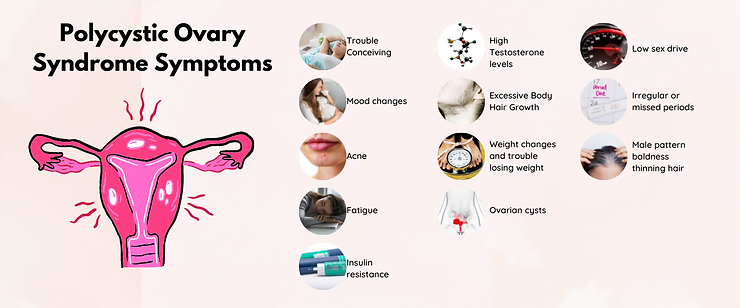
    PCOS has various symptoms. Women may have 4-5 of these symptoms.​

    Common symptoms of PCOS include:

    • Acne
    • Weight gain or trouble losing weight.
    • Extra hair on the face and body. Often women get thicker, darker facial hair and excess hair on the chest, belly, and back.
    • Thinning hair on the scalp.
    • Mood swings, depression.
    • Bloating.
    • Irregular periods. Women with PCOS have fewer than nine periods a year. Some women have no periods whereas others have very heavy bleeding.
    • Fertility problems. Many women who have PCOS have trouble conceiving.
    1e197b 90c18c59aef0415ab3670d8cb6ca4dc1mv2

    Struggling with Unwanted Facial Hair and Male Pattern Balding?

    One of the symptoms of PCOS can be unwanted facial and body hair growth and male pattern balding. Let’s understand what causes it.

    • Most PCOS cycles can be anovulatory cycles Anovulation leads to higher levels of testosterone. When a woman does not ovulate, the brain is still trying to stimulate that ovulation. Under this stimulation, more and more luteinizing hormones are released. When the ovaries are overwhelmed with luteinizing hormone, they tend to produce significantly higher levels of testosterone.
    • Testosterone is a male hormone High levels of testosterone contributes to increase in body hair in women, in particular, on the face, maybe on the nipples or around the belly button area.
    • High dihydrotestosterone or DHT High testosterone can also lead to high levels of dihydrotestosterone or DHT which can contribute to loss of head hair in women just like it does in men.
    • High insulin levels make androgen receptors more sensitive to androgens Insulin resistance makes androgen receptors more sensitive to androgens and hence the symptoms of balding and unwanted hair growth appear. Testing for testosterone and DHEAS is essential if you are experiencing the above symptoms. PCOS Pofile test covers these parameters.

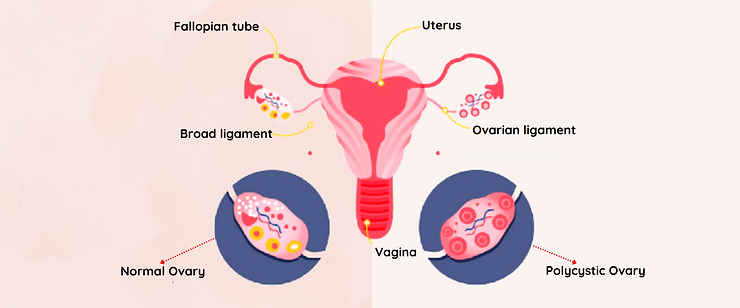
    It is not Necessary to Have Cysts in Your Ovaries to Confirm PCOS

    Not all women with PCOS will have cysts in their ovaries. Polycystic ovary is only a sign of PCOS and not the cause. You may have a normal ovary along with the symptoms of PCOS.

    Often women get very concerned about having cysts in the ovary. Let’s understand more about the cysts in the ovary.

    What does Cysts in The Ovary Mean?

    • All women of reproductive age have some ovarian cysts. They’re really quite normal. Ovarian cysts are formed at every attempt at ovulation. The corpus luteum is a normal cyst that forms in the ovary every single month in women of childbearing age after ovulation. Those cysts generally are quite small and they are self-resolving.
    • Having some small ovarian cysts is not a problem. It just means that the reproductive process is happening naturally.
    • Large cysts accompanied with symptoms of hormonal imbalance need to be addressed Now larger cysts may arise. They can be painful just because they are causing physical impingement, but again, most often, they are self-resolving. In some cases, they do need to be removed if they are simply growing out of control.

    What Causes Large Cysts in The Ovary?

    It’s a sign of ovaries that are not generally producing eggs or ovulating consistently. Basically, what’s happening is that the egg maturity process is impaired so that the follicles are trying to mature, but they are not able to finish the maturation process in order to allow ovulation. What someone ends up with is a lot of cysts as evidence of that attempt at maturation, but those cysts are not proceeding to ovulation because the eggs within them are underdeveloped.

    1e197b 4430faf5a7f4402ca1dcd0e70679372cmv2

    Main Root Causes of PCOS

    Research today clearly points out that there are many different contributing causal factors for PCOS. Two primary drivers for PCOS are:

    1. Insulin resistance High circulating levels of insulin, it’s called insulin-resistance. It is the starting point of the metabolic cascade that eventually leads to Type 2 diabetes. 50% of women with PCOS have excess body fat and high waist to hip ratios which are really classic dynamics of insulin-mediated fat storage. So, checking fasting insulin levels is very important.
    2. Estrogen dominance The second driver is endocrine disruption and subsequent damage to the egg due to hormone-mimicking chemicals or what is often called xenoestrogenic toxicity

    Well, I am sure you would be intrigued to know what’s causing Insulin resistance & Estrogen dominance. Here it is in a nut shell.

    • Poor diet-Refined carbohydrates/sugar/trans fats
    • Nutritional deficiency
    • Food sensitivities-gluten, dairy
    • Increased Gut permeability
    • Imbalance in Gut
    • microbiome/Dysbiosis
    • Malabsorption
    • Chronic stress
    • Non Native EMF
    • Toxin Load (heavy metals, plastics, personal care products, etc
    • Poor Detoxification-Constipation,etc
    • Sedentary lifestyle
    • Estrogen mimicking foods-dairy & meat fed with hormones, hybrid soya
    • Human Genome

    If you have PCOS, do not consider it as a lifelong companion. It is a lifestyle disease which can be reversed by addressing the root cause. Drugs can only provide symptomatic relief. What do you want to choose-Band aid fix or Reversal?

    Need help?

    References:-

    1. Revised 2003 consensus on diagnostic criteria and long-term health risks related to polycystic ovary syndrome. (2004, January 1). ScienceDirect.
    2. Dunaif, A. (1997). Insulin Resistance and the Polycystic Ovary Syndrome: Mechanism and Implications for Pathogenesis. Endocrine Reviews, 18(6), 774–800. https://doi.org/10.1210/er.18.6.774
    3. Pelusi B, Gambineri A, Pasquali R. Type 2 diabetes and the polycystic ovary syndrome. Minerva Ginecol. 2004 Feb;56(1):41-51. PMID: 14973409.
    4. Diamanti-Kandarakis E., Bourguignon, J. P., Giudice, L. C., Hauser, R., Prins, G. S., Soto, A. M., Zoeller, R. T., & Gore, A. C. (2009). Endocrine-Disrupting Chemicals: An Endocrine Society Scientific Statement. Endocrine Reviews, 30(4), 293–342. https://doi.org/10.1210/er.2009-0002
    5. De Leo V, Musacchio MC, Morgante G, La Marca A, Petraglia F. Polycystic ovary syndrome and type 2 diabetes mellitus. Minerva Ginecol. 2004 Feb;56(1):53-62. PMID: 14973410.

    Source credit for this blog: FM Diagnostics

  • Do Not Miss The Signs Your Periods Are Giving You About Your Body Health

    Do Not Miss The Signs Your Periods Are Giving You About Your Body Health

    If you are having a painful period, it is your body’s way of telling you something is off. If you are missing work or school because of a painful cycle, then something is wrong. Ideally your periods shouldn’t confine you to bed which is nonetheless the case these days! Mother nature didn’t create periods for it to be a monthly endurance test for you. Healthy periods are your Birthright and Don’t let anyone tell you otherwise!

    What Should Your Period Experience be Like?

    • No cramping
    • No bloating
    • No breast tenderness
    • No crazy mood swings
    • No extreme fatigue.

    What are You Made to Believe About Periods?​

    PMS is Very Normal
    • The Truth is, it is not normal. It’s revealing the underlying problem
    • Just because every woman today goes through PMS, it is accepted as NORMAL.
    Birth Control Pill Makes Period Problem Disappear
    • The Truth is they are band aid fixes to mask the symptoms.
    • In the long run, it does more damage than any good.
    Periods is About Fertility Only
    • The Truth About Your Period – It’s Your 5th Vital Sign

    Healthy periods are an important determinant while evaluating the health of girls/women. Periods are so much about how a woman feels everyday. It’s about her productivity, energy levels, hair, skin, moods and the list is long.

    What does a Healthy Period Look Like?​

    Everyone’s period is different and that is OK. We are all different and unique women in regards to our personalities and physical features, and the same goes for our cycles as well.

    • Periods should arrive every 25-35 days (average is 28-30 days)
    • Bleed for 3-7 days
    • Lose 25-80 millilitres of blood
    • Bright, cranberry coloured blood that is the consistency of jelly that hasn’t set yet
    • Luteal phase of 10-16 days (ideally at least 12 days!)

    What Happens During a Menstrual Cycle?​

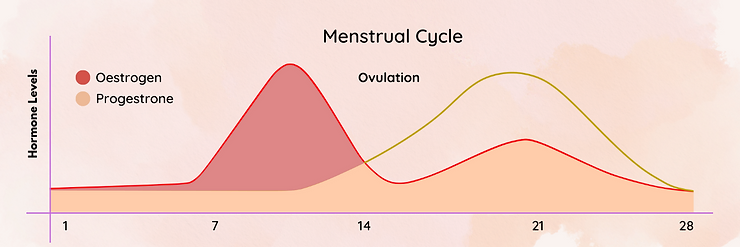
    During menstrual cycle, a series of hormone changes prepare a woman’s body for pregnancy. The ovaries make hormones, which include estrogen and progesterone. These are being released under the influence of our brain.

    • During the first phase of the cycle, as the follicles mature, Estrogen is released. This helps is thickening of the uterus lining & preparing for pregnancy.
    • When enough estrogen is built up, Luteinizing hormone(LH) is released. Luteinizing hormone(LH) stimulates ovulation(the release of an egg).
    • During the second phase, progesterone becomes the most important hormone.

    If a woman doesn’t become pregnant, the levels of progesterone will decrease and her body sheds the thickened uterine lining and the egg during the menstrual period

    1e197b e31397533e6c4133ab923646a1c96e18mv2

    If any of these hormones are out of balance, the uterine cavity is not prepared well.

    The house is not ready for the baby and it is the body’s wisdom to not support it. Some women experience Premenstrual syndrome (PMS). It’s again due to one hormone dominating over the other. So hormones have to be in balance to send out the right messages.

    What is Premenstrual Syndrome (PMS)

    Premenstrual syndrome (PMS) is a combination of physical and emotional symptoms that many women experience after ovulation and/or before the start of their menstrual period. In a healthy woman, post ovulation, estrogen levels will start decreasing and progesterone will start rising. If this trend doesn’t happen, and the estrogen levels continue to stay high, PMS symptoms start appearing. PMS is not normal Just because most women experience it today (given the impact of lifestyle and diet), PMS is made to be believed normal. Some women get their periods without any signs of PMS or only very mild symptoms. For others, PMS symptoms may be so severe that it makes it hard to do everyday activities.

    There are Three Typical Imbalances Involved in PMS:​

    1. Relatively high estrogen levels all the time, so as progesterone falls, estrogen continues to dominate.
    2. A woman’s baseline estrogen levels are normal but her progesterone levels are on the lower side.
    3. A woman’s body is poor at detoxifying and ridding itself of estrogen in the liver or issues in the GI tract (chronic constipation)

    Symptoms of PMS​

    1e197b d5f9f44e56e5416dbacdbfedba64bee7mv2

    Steps Towards Healthy Periods:

    • There is no magic pill that will help you. Yes, it might silence the symptoms, but it will not fix the root cause
    • Incorporating nourishing foods, healthy lifestyle changes and right supplements
    • A detailed blood test can help to identify the underlying causes and plan the treatment strategy

    We tried to cover everything about a healthy natural menstrual cycle in this blog. If you are facing any issue in your periods like irregularity, PMS, heavy periods, etc, do not delay and book our PCOS Profile Test. It will help you decode the root causes of your hormonal imbalance.

    1e197b 2870f9642d0348fe854e222d6415e145mv2

    Need help?

    References:-

    • Girman, A., Lee, R., Kligler, B. (2003). An integrative medicine approach to premenstrual syndrome. American Journal of Obstetrics and Gynecology, 188 (5), S56–S65.
    • Dietz, B. M., Hajirahimkhan, A., Dunlap, T. L., Bolton, J. L. (2016). Botanicals and their bioactive phytochemicals for women’s health. Pharmacological Reviews, 68(4): 1026-1073. doi: https://doi.org/10.1124/pr.115.010843 .
    • Rocha Filho, F., Lima, J.C., Pinho Neto, J.S., Montarroyos, U. (2011). Essential fatty acids for premenstrual syndrome and their effect on prolactin and total cholesterol levels: a randomized, double blind, placebo-controlled study. Reproductive Health; 8: 2. doi: 10.1186/1742-4755-8-2.
    • Dennerstein, L., Lehert, P., Heinemann, K. (2011). Global epidemiological study of variation of premenstrual symptoms with age and sociodemographic factors. Menopause International; 17(3): 96–101.
    • Kaur, G., Gonsalves, L., Thacker, H. L. (2004). Premenstrual dysphoric disorder: a review for the treating practitioner. Cleveland Clinic Journal of Medicine; 71: 303–5, 312–3, 317–8.
    • Freeman, E., Halberstadt, M., Sammel, M. (2011). Core Symptoms That Discriminate Premenstrual Syndrome. Journal of Women’s Health; 20(1): 29–35.a

    Source credit for this blog: FM Diagnostics

    Share