
Millets: Functional Grains for a Healthier Life
In recent years, there’s been a growing shift toward holistic nutrition and food-as-medicine philosophies. At the forefront of this movement are millets, a group of ancient gluten-free grains that perfectly align with the functional foods approach. These small-seeded grasses have been cultivated for thousands of years and are now gaining renewed attention for their impressive nutritional value and wide-ranging health benefits.
Packed with plant-based protein, essential minerals, and antioxidants, millets are ideal for promoting gut health, managing blood sugar, and reducing inflammation. This guide explores the different types of millets, their health benefits, and how they can support specific conditions like diabetes, thyroid dysfunction, and autoimmune diseases.
Table of Contents
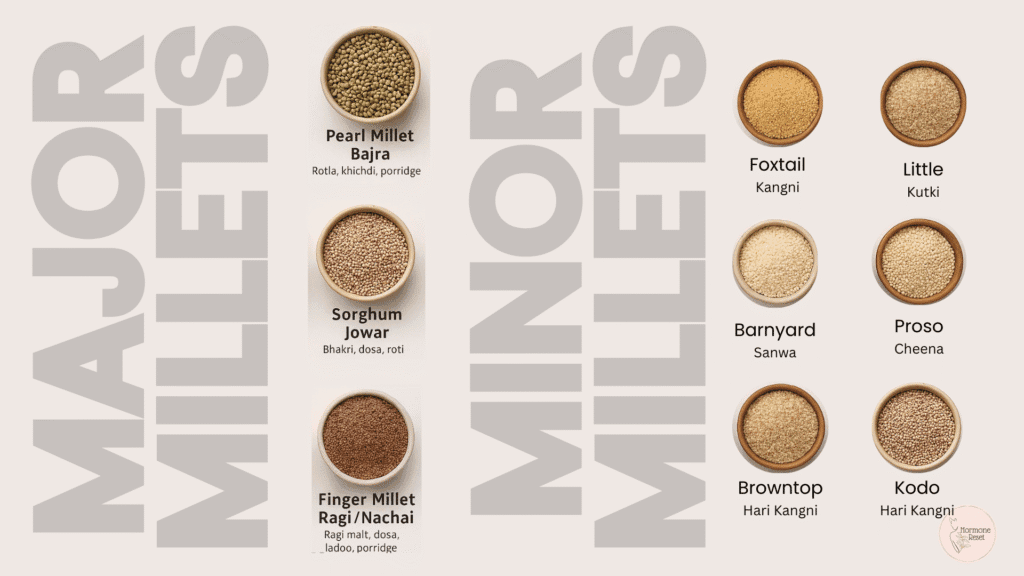
Millets Types and Their Unique Benefits
1. Setaria italica (Foxtail Millet)
Foxtail millet is a rich source of protein, fiber, phosphorus, magnesium, and iron. As a gluten-free grain, it’s ideal for those with celiac disease or gluten sensitivity. Its low glycemic index makes it an excellent addition to millets for diet plans for diabetics, helping regulate blood sugar levels naturally.
2. Pennisetum glaucum (Pearl Millet or Bajra)
Known for its drought tolerance, pearl millet is rich in iron, magnesium, and phosphorus. It supports heart health, aids digestion, and provides lasting energy. Its high fiber content makes it effective in millets for weight loss diets and beneficial for those with autoimmune diseases.
3. Eleusine coracana (Finger Millet or Ragi)
This nutrient-dense millet is renowned for its high calcium and antioxidant content, supporting bone strength and reducing oxidative stress. Finger millet is especially beneficial for thyroid health, weight management, and maintaining blood sugar balance, making it a core part of any millet-based diet.
4. Echinochloa esculenta (Barnyard Millet or Sanwa)
Barnyard millet is rich in protein and fiber and has a low glycemic index. It’s known to improve cardiovascular health and aid in sustainable energy release, making it suitable for individuals managing diabetes or pursuing weight loss.
5. Panicum miliaceum (Proso Millet or Broomcorn Millet)
Adaptable and antioxidant-rich, proso millet provides essential amino acids and is low in fat. It’s a versatile grain, ideal for soups, salads, or sweet dishes and fits well into a gluten-free and autoimmune-friendly diet.
6. Panicum sumatrense (Little Millet)
Despite its small size, little millet is nutrient-packed with iron, zinc, protein, and fiber. Its low glycemic index and gluten-free nature make it a preferred grain for those managing diabetes, thyroid issues, or autoimmune diseases.
7. Sorghum bicolor (Sorghum Millet)
Sorghum grain is 72% carbohydrates including 7% dietary fiber, 11% protein, 3% fat, and 12% water (table). In a reference amount of 100 grams (3.5 oz), sorghum grain supplies 329 calories and rich contents (20% or more of the Daily Value, DV) of several B vitamins and dietary minerals (table).
8. Urochloa ramosa (Browntop Millet)
High in fiber and protein, browntop millet promotes good digestion, helps in weight management (improving BMI), supports heart health, and boosts kidney and liver function. It is known to help manage diabetes. Browntop can be used as a rice substitute in dishes like Khichdi, Idli, Upma, Pulao, or ground into flour for making chapatis, dosas, and healthy snacks.
9. Paspalum scrobiculatum (Kodo Millet)
Kodo millet is a monocot and an annual grass that grows to heights of approximately four feet. It has an inflorescence that produces 4–6 racemes that are 4–9 cm long. Its slender, light green leaves grow to be 20 to 40 centimeters in length. The seeds it produces are very small and ellipsoidal, being approximately 1.5 mm in width and 2 mm in length; they vary in colour from being light brown to a dark grey. Kodo millet has a shallow root system that may be ideal for intercropping.
Understanding the Nutritional Value of Millets
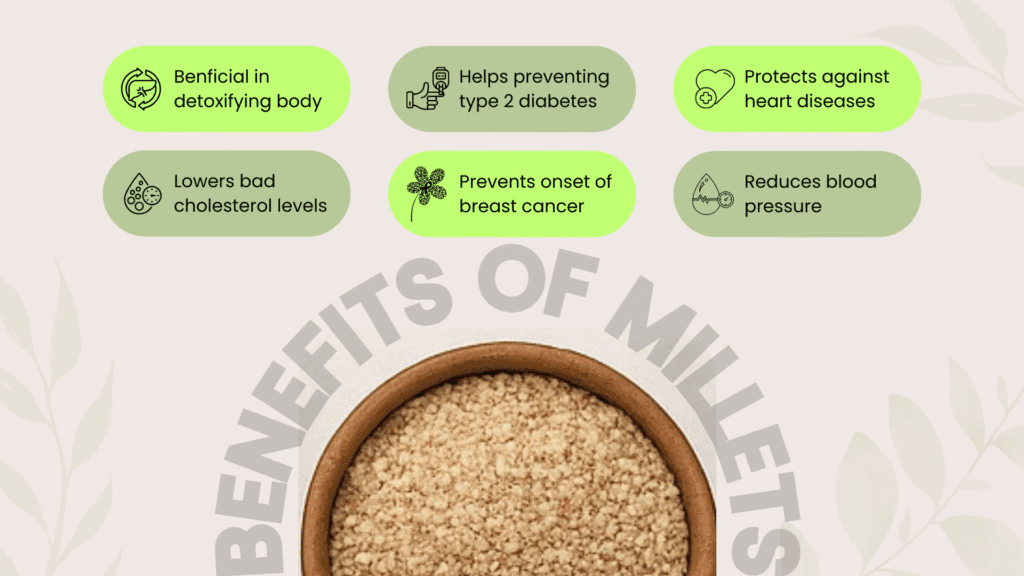
Millets are celebrated for their broad nutritional profile, supporting both preventive and therapeutic health strategies:
- High in Dietary Fiber: Promotes digestive health and satiety, helping in weight management.
- Rich in Essential Minerals: Includes iron, calcium, magnesium, and phosphorus—vital for bone health and anemia prevention.
- Plant-Based Proteins: Support muscle repair and are ideal for vegan and vegetarian diets.
- Low Glycemic Index: Controls blood sugar spikes, making millets effective in diabetic diets.
- Naturally Gluten-Free: Safe for people with celiac disease or gluten sensitivity.
- Rich in Antioxidants: Combat oxidative stress and inflammation, supporting immune health.
Millets for Diabetes and Blood Sugar Regulation
The low glycemic index of most millets ensures gradual glucose release, helping diabetics maintain stable energy and blood sugar levels. Foxtail, finger, and barnyard millets are particularly beneficial for this purpose, making them cornerstone ingredients in millets for diabetes meal planning.
Millets and Thyroid Health: What You Need to Know
While millets offer rich nutrition, their impact on thyroid health depends on balanced consumption:
- Iodine Consideration: Millets like pearl millet contain compounds that may interfere with iodine uptake. It’s crucial to balance millet intake with iodine-rich foods.
- Goitrogens: Found in some millets, but their impact is reduced through cooking.
- Best Choices: Foxtail millet and finger millet are better suited for those with thyroid issues, especially when well-cooked and consumed in moderation.
Why Millets Are a Better Choice Than Wheat for Autoimmune and Diabetic Conditions
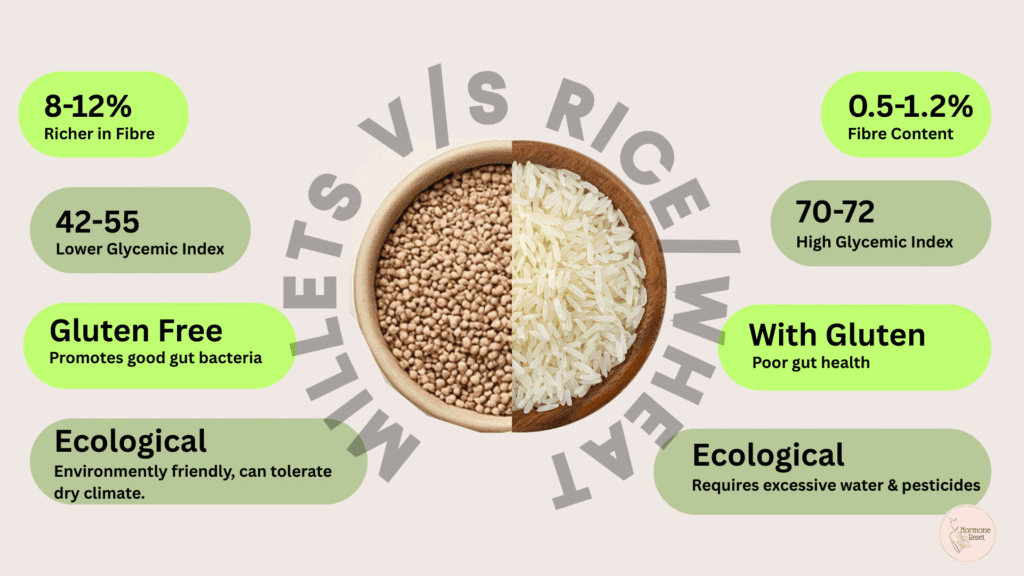
For individuals managing autoimmune diseases or diabetes, millets offer several advantages over wheat:
- Lower Glycemic Index
- Higher Fiber Content
- Naturally Gluten-Free
- Anti-Inflammatory Properties
- Greater Nutritional Diversity
- Support for Immune Modulation
These factors make millets safer and more functional for managing chronic conditions compared to gluten-rich wheat products.
What Are Pseudo-Millets, and Why Should You Care?
Pseudo-millets are seeds from broadleaf plants that are not true cereals but are used like grains due to similar nutritional profiles and culinary uses. Unlike true millets (which are grasses), pseudo-millets belong to different botanical families. They include:
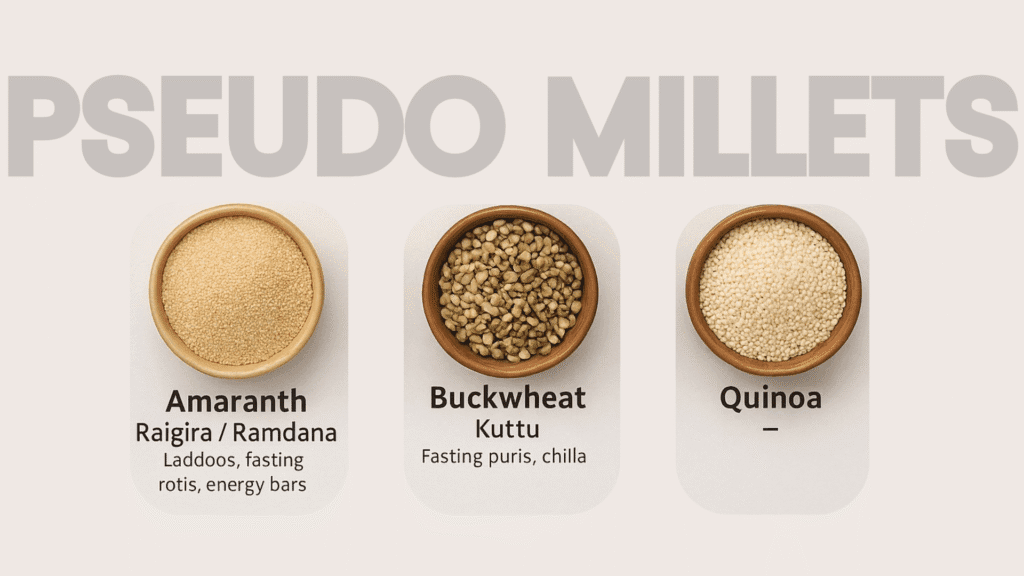
- Quinoa: A complete protein, as it contains all nine essential amino acids that your body cannot produce on its own and must get from food, and excellent for gluten-free diets.
- Amaranth: High in iron, fiber, and calcium—great for inflammation and heart health.
- Buckwheat: Known to support heart health and blood sugar regulation.
These are excellent additions to a millet-based diet, especially for those with autoimmune disorders or gluten intolerance.
Seasonal Availability and How to Add Millets to Your Diet
Millets are seasonally versatile
- Summer: Sorghum (Jowar)
- Monsoon: Finger millet (Ragi), Foxtail millet
- Autumn: Barnyard millet, Little millet
- Winter: Kodo millet, Proso millet, Pearl millet (Bajra),
Easy Ways to Include Millets:
- Rotis & Flatbreads with millet flours
- Porridges, Upma, or Khichdi
- Millet-based malt drinks
- Dosas & Idlis using millet batter
- Rice Substitutes in pulao or pilaf
Many of us struggle to make soft millet chapatis—they crack, break, or turn hard.
So here’s my tried-and-tested 1:1 method for making soft, pliable millet rotis. This method works beautifully with any type of millet flour—jowar, bajra, ragi, or even mixed millets.
Ingredients:
- 1 cup millet flour (e.g., jowar, bajra, or ragi)
- 1 cup boiling water
- A pinch of salt (optional)
Instructions:
- Boil the water
- In a pan, bring 1 cup of water to a boil. Add a pinch of salt if desired.
- Turn off the heat and immediately add 1 cup of millet flour into the hot water.
- Stir quickly with a spoon or spatula to combine into a rough dough.
- Let the mixture cool slightly until warm (not hot).
- Knead it into a soft, smooth dough using your hands. (If it’s too sticky, add a little flour. If too dry, sprinkle warm water.)
- Divide the dough into small balls.
- Flatten and roll gently into round chapatis using dry millet flour for dusting.
- Cook on hot tawa
Tips:
- Use freshly milled flour for best softness.
- Always use boiling water for this method—it activates the starch and softens the dough.
- Eat warm for the best taste and texture.
Including a variety of millets in your diet helps ensure balanced nutrition year-round. For more inspiring millet-based recipes, head over to the Recipe section on our website, “Hormone Reset.”
Conclusion: Unlocking the Full Health Benefits of Millets
Millets are more than a dietary trend—they’re an essential part of a functional food approach to wellness. From managing blood sugar and promoting thyroid health to aiding weight loss and supporting those with autoimmune diseases, millets offer unmatched versatility and nourishment.
Whether you’re seeking sustainable nutrition or managing chronic conditions, adopting a millet-based diet can transform your health from the inside out.
Call to Action
- Make the switch today: Start small by adding one type of millet to your weekly meals. Rotate between foxtail, finger, and pearl millet to experience their benefits firsthand.
- Keep a food journal when adding millets to your diet.
Noting daily changes in energy, digestion, mood, or skin helps you catch subtle improvements most people miss. Your body speaks in signs—tracking helps you listen!
Looking for more personalized millet meal ideas or diet plans? Explore Hormone Reset—your smart companion for functional nutrition.
References
Saleh, A. S., Zhang, Q., Chen, J., & Shen, Q. (2013). Millet grains: Nutritional quality, processing, and potential health benefits. Comprehensive Reviews in Food Science and Food Safety, 12(3), 281–295.
Devi, P. B., et al. (2014). Health benefits of finger millet (Eleusine coracana L.) polyphenols and dietary fiber: A review. Journal of Food Science and Technology, 51(6), 1021–1040.
National Institute of Nutrition. (2020). Nutrient Requirements and Recommended Dietary Allowances for Indians.
FAO. (2018). The Role of Millets in Sustainable Agriculture and Nutrition.
Pathak, R. K. (2021). The Role of Millets in Managing Diabetes and Thyroid Conditions. Journal of Functional Foods and Nutraceuticals, 6(1), 45–53.
Also Read: PCOS Unveiled: Understanding Your Unique Path to Reversal
Stay updated with the latest information on functional medicine. Subscribe to our YouTube channel.