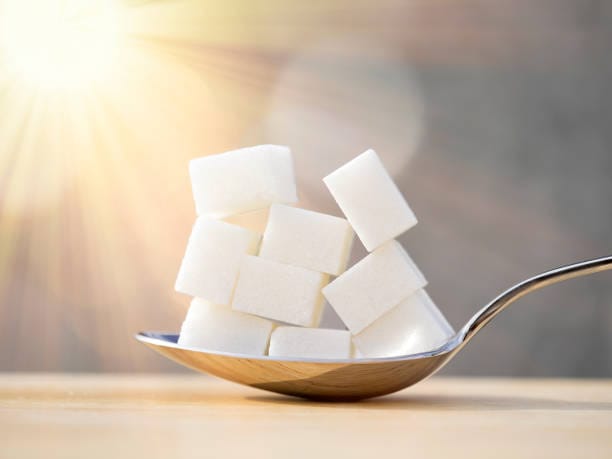
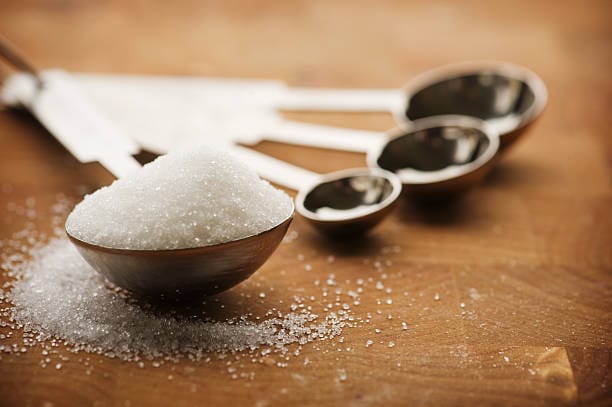
White sugar, or table sugar, is the sweet, crystalline ingredient that makes your coffee a morning lifesaver and your cookies delightful treats. It is taken from sugar cane or sugar beets, refined to get rid of all the natural nutrients, bleached to remove color, and then crystallized into the familiar, sparkly granules we know so well.
But behind this sweetness hides a bitter truth. Excessive sugar intake is linked to tooth decay, weight gain, and a higher risk of chronic illnesses like diabetes, heart disease, and fatty liver. In short, it’s like inviting a guest to the party who leaves behind a big mess.
Once upon a time in America, meals came straight from the farm. Families grew vegetables, baked bread at home, and sweet treats were rare—reserved for holidays or celebrations. Food was wholesome, seasonal, and nourishing.
Then came the food revolution. Factories started producing packaged snacks, sodas, and sugar-loaded treats. What was once a luxury became an everyday habit. The results? Expanding waistlines, rising health problems, and the decline of the traditional family meal.
But here’s the good news: today, more and more people are asking, “If not white sugar, then what?”
White Sugar: Sweet Today, Sour Tomorrow – Here’s Why
We all love that quick sugar rush—but here’s the catch: white sugar is not just a sweetener, it’s a troublemaker dressed in sparkly crystals. Let’s break down why:
- Mood Swings : Sugar is like that friend who hypes you up for a great time but disappears when things get tough. You feel energetic for a moment, then end up lethargic, irritable, and moody.
- Functional medicine insight: Excess sugar spikes blood glucose, which forces your pancreas to release insulin. When the levels crash afterward, it can trigger cortisol (the stress hormone), leaving you cranky and fatigued.
We all love that quick sugar rush—but here’s the catch: white sugar is not just a sweetener, it’s a troublemaker dressed in sparkly crystals. Let’s break down why:
- Skin Sabotage : Want to avoid looking like a pepperoni pizza? Sugar can accelerate aging faster than a time-traveling grandma. It’s notorious for fueling breakouts and dull skin.
- Functional medicine insight: High sugar causes glycation, a process where sugar molecules damage collagen and elastin—the proteins that keep your skin firm and youthful. It also feeds yeast and bad bacteria in the gut, triggering acne and inflammation.
- Energy Rollercoaster : Sugar gives you a quick boost but drops you harder than a caffeine hangover. It’s like driving a car that constantly runs out of gas.
- Functional medicine insight: Simple sugars are absorbed quickly, spiking blood sugar and insulin. This rollercoaster creates energy highs followed by hypoglycemia (sugar crash), leaving you drained and craving more sweets.
- Brain Fog: Too much sugar can make your brain feel like cotton candy—fluffy, distracted, and sluggish. Clear thinking? Overrated… just kidding—it’s essential!
- Functional medicine insight: High sugar intake impairs insulin signaling in the brain, reducing glucose availability for neurons. Over time, it’s linked to memory decline and even higher risk of neurodegenerative conditions.
- Weight Gain : Sugar doesn’t just disappear after you eat it—it signals your body to store fat, especially around the belly.
- Functional medicine insight: Excess sugar raises insulin and triglycerides, driving visceral fat storage and increasing the risk of obesity and metabolic syndrome.
- Candida Overgrowth: Sugar is the favorite food of harmful yeast like Candida albicans. Too much of it can throw your gut microbiome off balance.
- Functional medicine insight: High sugar intake feeds pathogenic yeast, leading to bloating, fatigue, brain fog, and recurring infections.
- Inflammation : Sugar acts like fuel for the body’s fire, sparking inflammation that slowly damages tissues and organs.
- Functional medicine insight: Refined sugar promotes the release of inflammatory cytokines, contributing to conditions like arthritis, heart disease, and autoimmune flare-ups.
A Little Experiment
Try quitting white sugar for just two weeks. Notice how your energy stabilizes, your skin glows, and your mind feels sharper. Functional medicine sees food as information for your body—and without sugar’s toxic messages, your cells get the clarity to heal and thrive.
Because at the end of the day, the sweetest thing you can give yourself isn’t another spoonful of sugar—it’s lasting health.
Replacements for Sugar:
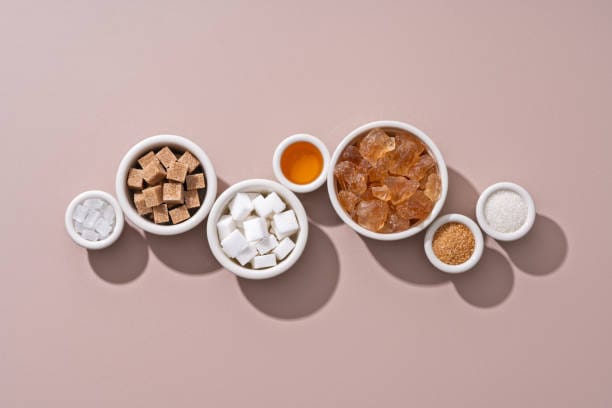
Tired of white sugar making you feel bad? Say hello to the sweet revolution! From the mystical powers of monk fruit to the ancient secrets of molasses, we’ve got the inside scoop on delicious sugar alternatives that’ll make your taste buds dance and your waistline rejoice. Time to kick refined sugar to the curb and sweeten up your life with these health-friendly superheroes!
Try quitting white sugar for just two weeks. Notice how your energy stabilizes, your skin glows, and your mind feels sharper. Functional medicine sees food as information for your body—and without sugar’s toxic messages, your cells get the clarity to heal and thrive.
Because at the end of the day, the sweetest thing you can give yourself isn’t another spoonful of sugar—it’s lasting health.
Replacements for Sugar:
Tired of white sugar making you feel bad? Say hello to the sweet revolution! From the mystical powers of monk fruit to the ancient secrets of molasses, we’ve got the inside scoop on delicious sugar alternatives that’ll make your taste buds dance and your waistline rejoice. Time to kick refined sugar to the curb and sweeten up your life with these health-friendly superheroes!
Sweet Swaps: Healthier Alternatives to White Sugar
=
We all crave sweetness—it’s part of being human. But refined sugar is one of the main drivers of obesity, diabetes, fatty liver, and chronic inflammation. The good news? You don’t have to give up sweetness. Nature has already given us plenty of healthier, nutrient-packed alternatives. Let’s meet them!
Stevia – The Zero-Calorie Leaf
Stevia, from the Stevia rebaudiana plant, is 200–300 times sweeter than sugar but contains almost no calories. It has a glycemic index of zero, doesn’t spike blood sugar, and is safe for diabetics. Stevia also supports dental health and provides antioxidant protection.
Sugar Alcohols – Sweet, But Gentle
Sugar alcohols (like xylitol, erythritol, sorbitol, maltitol) are low-calorie sweeteners found in fruits and vegetables. They don’t cause cavities and are blood-sugar-friendly. But because they’re not fully absorbed, large amounts can cause bloating, gas, or diarrhea.
Monk Fruit – The Ancient Sweetener
Used in Traditional Chinese Medicine, monk fruit gets its sweetness from compounds called mogrosides, which are 150–200 times sweeter than sugar. It has zero calories, a zero glycemic index, and antioxidant benefits. Perfect for tea, coffee, or even desserts.
Allulose – The Rare Sugar
Allulose tastes and behaves like sugar but has only 0.2–0.4 calories per gram (just 1/10th of sugar). It doesn’t raise blood sugar or insulin, making it ideal for diabetics. Plus, it doesn’t cause cavities or digestive distress like some sugar alcohols.
Dates – Nature’s Caramel
Dates are naturally sweet and packed with fiber, potassium, magnesium, and antioxidants. They give a quick energy boost and support digestion, heart health, and bone strength. Best used in smoothies, energy bars, or as a natural caramel substitute.
Fruit Purées – Sweet + Nutritious
Banana or applesauce purée makes baked goods moist and sweet, while also adding fiber, vitamins, and minerals. They work great as a 1:1 replacement for sugar in recipes—just reduce other liquids slightly.
Yacon Syrup – Sweet for Your Gut
Yacon syrup, from the Andes, is low in calories and rich in fructooligosaccharides (FOS), which feed good gut bacteria. It supports digestion, helps regulate appetite, and has a very low glycemic impact—great for diabetics.
Maple Syrup – Sweet + Mineral Rich
Pure maple syrup contains manganese, zinc, calcium, and antioxidants. It has a higher sugar content than other alternatives, so moderation is key—but it brings both nutrients and flavor to the table.
Molasses – The Mineral Syrup
Especially blackstrap molasses, which is packed with iron, calcium, magnesium, and potassium. It’s a nutrient powerhouse compared to sugar, supports blood production and bone health, and adds depth to baking and marinades.
Coconut Sugar – The Sustainable Choice
Made from the sap of coconut palms, coconut sugar is more nutrient-dense than table sugar. It has a lower glycemic index, contains small amounts of zinc, iron, and potassium, and is eco-friendly. Works as a 1:1 sugar substitute in most recipes.
Quick Comparison Chart: Sugar vs Natural Sweeteners
| Sweetener | Calories (per g) | Glycemic Index | Benefits | Side Effects / Cautions |
| White Sugar | 4 | 65 | Quick energy | Spikes blood sugar, causes weight gain, tooth decay, inflammation |
| Stevia | ~0 | 0 | Zero calories, safe for diabetics, antioxidants | Some find aftertaste |
| Sugar Alcohols (Xylitol, Erythritol) | 0.2–2.4 | 0–12 | Fewer calories, cavity protection | Bloating, gas, diarrhea in excess |
| Monk Fruit | ~0 | 0 | Antioxidants, zero calories, diabetic-friendly | Often mixed with fillers |
| Allulose | 0.2–0.4 | ~0 | Tastes like sugar, no spikes, tooth-friendly | Very high doses may cause mild bloating |
| Dates | 3 | 42 | Fiber, minerals, antioxidants | High natural sugar, use moderately |
| Fruit Purées | 0.6–1 (per tbsp) | Low | Adds fiber, vitamins, moisture | Can alter texture of recipes |
| Yacon Syrup | 1.3 | Very Low | Prebiotic, gut-friendly, supports weight loss | Excess may cause bloating |
| Maple Syrup | 2.6 | 54 | Minerals (manganese, zinc), antioxidants | Still high in sugar, use moderately |
| Molasses | 3 | 55 | Rich in iron & minerals, antioxidants | Strong taste, still sugary |
| Coconut Sugar | 3.8 | 35 | Minerals, lower GI, eco-friendly | Still calorie-dense, use moderately |
Key Takeaway:
You don’t need to quit sweetness—you just need to choose it wisely. Natural sweeteners provide taste plus nutrients, unlike white sugar which gives only empty calories and health risks.
Why Worry About Sugar?
- Health Risks: Too much sugar can lead to heart disease, diabetes, obesity, and fatty liver.
- Mood Swings: High sugar diets can make you more susceptible to depression.
- Tooth Trouble: Excess sugar feeds bad bacteria in your mouth, causing cavities and gum disease.
Do You Have to Ditch Sugar Completely?
- Nope! You don’t need to go cold turkey. Just aim for a balanced diet.
- Whole Foods Rule: Fill up on veggies and fruits—they’re packed with nutrients and keep you feeling good.
- Sweeten Sparingly: Enjoy added sugars in moderation. A little treat now and then won’t hurt!
Tips for Cutting Down on Sugar:
- Read Labels: Keep an eye on sugar content in processed foods.
- Swap Smartly: Use natural sweeteners like fruit purées in baking.
- Snack Wisely: Opt for whole, nutrient-dense snacks over sugary ones.
By making these small changes, you’ll cut down on sugar and boost your overall health—without sacrificing all your sweet treats!
References
- Romo-Romo, A., Aguilar-Salinas, C. A., Brito-Córdova, G., Gómez-Díaz, R. A., Valentín, D. V., & Almeda-Valdes, P. (2016). Effects of the non-nutritive sweeteners on glucose metabolism and appetite regulating hormones: Systematic review of observational prospective studies and clinical trials. PLoS ONE, 11(8), e0161264. https://doi.org/10.1371/journal.pone.0161264
- Martyn, D., Darch, M., Roberts, A., Lee, H. Y., Tian, T. Y., Kaburagi, N., & Belmar, P. (2018). Low-/no-calorie sweeteners: A review of global intakes. Nutrients, 10(3), 357. https://doi.org/10.3390/nu10030357
- Grembecka, M. (2015). Sugar alcohols—their role in the modern world of sweeteners: A review. European Food Research and Technology, 241(1), 1–14. https://doi.org/10.1007/s00217-015-2437-7
- Healthline. (2022). The 8 Best Natural Sweeteners. Retrieved from: https://www.healthline.com/nutrition/ natural-sweeteners
Stay updated with the latest information on functional medicine
Please subscribe to our social channels for updates related to functional medicines.
Instagram: thehormonereset
Facebook: Hormone Reset
YouTube: Hormone Reset Program
LinkedIn: Hormone Reset
FAQ’S
- Why is white sugar bad for health?
- It causes weight gain, tooth decay, diabetes, and inflammation.
- What is the best natural substitute for sugar?
- Stevia, monk fruit, dates, and coconut sugar are healthy options.
- Can diabetics use natural sweeteners?
- Yes, stevia, monk fruit, and allulose are safe for blood sugar.
- Is coconut sugar better than white sugar?
- Yes, it has a lower glycemic index and more minerals, but still has calories.
- Do natural sweeteners have side effects?
- Some, like sugar alcohols, may cause bloating if taken in excess.