Table of Contents
Have you ever stared at your calendar, wondering when your next period will appear, only to find your cycle has jumped from 25 days one month to 40 the next? For many women, irregular periods feel unpredictable, affecting fertility plans, daily comfort, and even signaling potential underlying health issues.
Functional Medicine offers a different lens. Instead of just treating the symptoms of irregular periods, Functional Medicine looks deeper to identify root causes, such as delayed ovulation, stress, thyroid or adrenal imbalances, nutritional deficiencies, and gut health issues. By understanding these causes, you can support your body naturally and restore regularity.
Understanding Menstrual Cycles and Irregular Periods
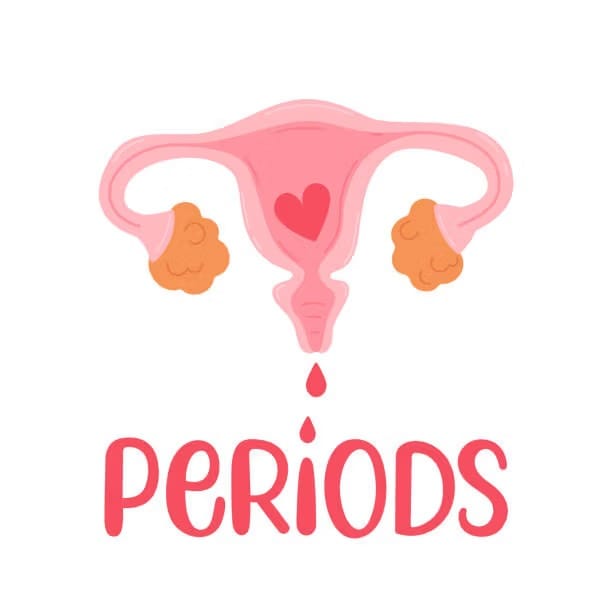
The menstrual cycle is a whole-body process influenced by metabolic health, stress physiology, gut function, and nutrient status—not just reproductive hormones. In Functional Medicine, irregular periods are viewed as signals of deeper imbalances in systems like the thyroid, adrenals, insulin regulation, and inflammation. By understanding how these interconnected systems affect ovulation, we can identify root causes rather than just track symptoms.
What Is Menstrual Cycle Length?
Cycle length is counted from the first day of one period to the first day of the next. It includes both the days of bleeding and the days in between. Hormones such as estrogen, progesterone, LH, and FSH orchestrate this complex process, with ovulation as a crucial midpoint.
Most cycles range between 21 and 35 days, but each woman’s rhythm is unique. Functional Medicine emphasizes understanding your individual baseline, rather than comparing yourself strictly to averages.
What Are Irregular Periods?
Periods are considered irregular when the body’s natural hormonal rhythm is disrupted. In Functional Medicine, irregularity is typically defined as cycles that fluctuate by more than 7–9 days each month, consistently last fewer than 21 days or more than 35 days, or involve skipped periods. These patterns aren’t just timing issues—they signal deeper imbalances in ovulation, stress hormones, metabolic health, thyroid function, or inflammation. Instead of viewing irregular periods as random, the Functional Medicine approach interprets them as important clues about how well your endocrine system is functioning and where support is needed to restore balance.
Irregular periods are often a signal from your body that something may be disrupting your hormonal rhythm. FM encourages tracking not only dates but also symptoms such as mood changes, fatigue, cramps, and bloating to get a holistic picture.

Why Irregular Cycles Occur: The Functional Medicine Perspective
Contrary to common myths, long cycles are rarely caused by “estrogen dips.” They are almost always due to delayed ovulation. From a Functional Medicine perspective, irregular cycles are often caused by hormonal imbalances influenced by lifestyle, nutrition, and overall health. Key root causes include:
- Delayed Ovulation: Stress, low body weight, high-intensity exercise, and metabolic imbalances can postpone ovulation, lengthening cycles.
- Polycystic Ovary Syndrome (PCOS): Insulin resistance and hormonal disruption lead to irregular or absent ovulation.
- Thyroid Dysfunction: Hypothyroidism or hyperthyroidism affects reproductive hormones, disrupting cycle regularity.
- Adrenal Stress: Chronic stress elevates cortisol, which can suppress reproductive hormones and ovulation.
- Nutritional Deficiencies: Low levels of zinc, magnesium, B vitamins, and essential fatty acids impair hormone synthesis.
- Gut Health Imbalance: Poor gut microbiome health affects estrogen metabolism and may contribute to irregular cycles.
Functional Medicine insight: Treating symptoms alone (like heavy bleeding or skipped periods) is insufficient. Identifying why ovulation is delayed or cycles are irregular is critical to restoring hormonal balance.
Why Tracking Your Cycle Matters
Tracking your cycle transforms confusion into actionable insights. Functional Medicine encourages using this data for:
Fertility and Conception
Irregular cycles make ovulation unpredictable. Tools include:
- Basal Body Temperature (BBT): Detects ovulation-related temperature rise.
- Cervical Mucus Observation: Tracks fertility windows.
- Symptom Journaling: Monitors mood, cramps, bloating, and other indicators of hormonal shifts.
Tracking helps predict ovulation even in irregular cycles, improving conception chances by as much as 20% according to studies.
Health Monitoring
Cycle irregularity can indicate:
- Delayed ovulation from stress, thyroid imbalance, or nutrient deficiency.
- Short cycles suggesting low progesterone.
- Heavy or painful periods pointing to inflammation or hormonal imbalance.
Regular tracking enables early detection of health issues.
Daily Life Planning
- Optimize workouts, travel, and self-care around cycle phases (follicular, ovulatory, luteal).
- Reduce surprises related to energy, mood, or menstrual flow.

Methods for Tracking Irregular Periods
Consistency is key. Choose the tools that suit your lifestyle:
1. Calendar and Journaling
- Mark start/end dates, flow strength, and symptoms.
- Note lifestyle factors: sleep, stress, diet, and exercise.
2. Apps and Digital Tools
- Apps like Clue or Flo help calculate averages, predict ovulation, and visualize trends.
- Daily logging enhances accuracy and identifies subtle patterns.
3. Wearable Devices
- Devices like Fitbit or Oura Ring track BBT, sleep, and stress markers.
- Combined with apps, they provide precise insights into ovulation and hormonal fluctuations.
Step-by-Step Guide to Calculating Cycle Length
- Gather Your Data
Track at least 3–6 months of start dates, end dates, symptoms, and lifestyle notes. - Calculate Individual Cycle Lengths
Subtract the start date of the previous period from the current one, then add 1 day. Example: Jan 1 → Feb 2 = 32 days. - Determine Average Cycle Length
Sum all cycle lengths and divide by the number of cycles. Note shortest and longest cycles to track variability. - Adjust for Outliers
Long cycles caused by stress, illness, or travel should be logged separately. Functional Medicine encourages investigating why these deviations occurred.
Functional Medicine Tips to Support Cycle Regularity
- Nutrition: Adequate zinc, magnesium, vitamin B6, and healthy fats support hormone synthesis. Stabilize blood sugar with protein-rich meals.
- Stress Management: Yoga, meditation, breathwork, and mindfulness reduce cortisol and support ovulation.
- Gut Health: Include fiber, fermented foods, and probiotics. Avoid highly processed foods to optimize estrogen metabolism.
- Exercise: Moderate, consistent workouts support hormonal balance. Avoid overtraining, which may delay ovulation.
- Thyroid & Adrenal Support: Lab tests and personalized interventions may be needed to restore optimal function.
When to Seek Professional Help
Consult a healthcare professional if you experience:
- Persistent cycles <21 or >35 days.
- Skipped periods for 3+ months.
- Severe pain, heavy bleeding, or sudden shifts in cycle pattern.
Functional Medicine practitioners integrate labs, nutrition, lifestyle, and hormone analysis to uncover and address the root causes.
Frequently Asked Questions on Tracking Irregular Cycles
1) How does Functional Medicine evaluate irregular periods differently from conventional medicine?
Functional Medicine looks beyond symptom management and investigates why your cycle is irregular. This includes assessing gut health, nutrient deficiencies, insulin resistance, thyroid function, stress hormones, inflammation markers, and ovulation patterns to uncover the root cause.
2) Can Functional Medicine support healthy ovulation and improve cycle regularity?
Yes. Since irregular cycles are usually linked to delayed or absent ovulation, Functional Medicine focuses on restoring this key process. By improving metabolic health, stabilizing blood sugar, optimizing thyroid function, reducing inflammation, and supporting the nervous system, this approach promotes timely ovulation and more predictable menstrual cycles.
3) Can irregular cycles affect fertility?
Yes, they make ovulation harder to track; Hormone Reset combines tracking with hormone testing to support fertility
4) Why do irregular periods happen?
They may stem from stress, PCOS, thyroid issues, or lifestyle; Hormone Reset helps identify root causes.
5) Can I still get pregnant with irregular cycles?
Yes, though prediction is harder; Hormone Reset programs improve chances by balancing hormones naturally.
6) When should I see a doctor about irregular cycles?
If cycles are under 21, over 35 days, or absent for 3+ months, Hormone Reset advises a timely medical evaluation.
7) Can lifestyle changes regulate periods?
Yes, better sleep, stress control, and diet help; Hormone Reset integrates these with personalized hormone care.
8) Does Hormone Reset support women with irregular cycles?
Yes, offering hormone testing, functional medicine, and tracking guidance for cycle balance.
Conclusion
Imbalances in hormones, stress levels, gut health, inflammation, or nutrient deficiencies. With a Functional Medicine approach, you’re not just managing symptoms; you’re learning to decode these signals and correct them at the root.
Begin by tracking your cycle dates, mood shifts, digestive changes, sleep patterns, and lifestyle habits. Over time, you’ll start to see clear patterns that reveal what your body truly needs. When you understand your cycle, you gain control—improving hormonal balance, supporting fertility, reducing PMS, and boosting long-term well-being.
If your periods have been irregular for months or are affecting your quality of life, don’t wait. Take the first step toward deeper hormonal healing. A personalized Functional Medicine assessment can help you identify your unique root causes and create a targeted plan for restoring balance naturally.
Ready to fix your hormones from the inside out? Book your Functional Medicine consultation with Hormone Reset and start your journey to consistent, healthy cycles today.
Stay updated with the latest information on functional medicine
References
- The Menstrual Cycle: Menstruation, Ovulation, and How Pregnancy-American College of Obstetricians & Gynecologists
- Menstrual cycle: What’s normal, what’s not– Mayo Clinic
- Irregular periods– Cleveland Clinic
- Menstruation and Menstrual Problems– National Institute of Health
- Menstruation– Planned Parenthood
- What’s “normal”?: Menstrual cycle length and variation– Clue
Please subscribe to our social channels for updates related to functional medicines.
Instagram: thehormonereset
Facebook: Hormone Reset
YouTube: Hormone Reset Program
LinkedIn: Hormone Reset