Dans l'univers des jeux d'argent en ligne, les casinos offrent une multitude d'opportunités pour maximiser vos gains. Les bonus sont une manière efficace d'augmenter votre capital de jeu sans avoir à investir davantage de votre propre argent. Par exemple, un bonus de bienvenue peut vous permettre de commencer à jouer avec un montant plus élevé. Il est crucial de bien s'informer sur les différentes offres disponibles. Pour explorer une plateforme qui propose des bonus attractifs, visitez MadCasino. Ce site se distingue par une interface conviviale et des promotions régulières, attirant ainsi de nombreux joueurs. En choisissant judicieusement, vous pourrez augmenter vos chances de gains tout en profitant d'une expérience de jeu enrichissante.

Les machines à sous représentent une part importante de l'expérience dans les casinos en ligne. Ces jeux sont non seulement divertissants, mais ils offrent également la possibilité de remporter des jackpots impressionnants. En jouant à des titres populaires, vous pourrez découvrir des mécaniques de jeu innovantes et des graphismes époustouflants. En effet, des plateformes comme Betzino Casino proposent une vaste sélection de machines à sous, allant des classiques aux plus modernes. La diversité des jeux permet aux joueurs de trouver leurs préférés, tout en leur offrant la chance de gagner de gros prix. N'oubliez pas de lire les règles de chaque jeu pour maximiser vos chances de succès.

Le jeu en direct, ou live casino, est une tendance qui a pris de l'ampleur ces dernières années. Cette expérience immersive permet aux joueurs d'interagir en temps réel avec des croupiers professionnels. Les jeux tels que le blackjack, la roulette et le baccarat sont disponibles en mode live, offrant une atmosphère de casino terrestre depuis le confort de votre domicile. Pour une expérience de jeu inégalée, consultez Bruno Casino. Ce site se spécialise dans les jeux en direct, offrant des tables avec des limites variées pour convenir à tous les types de joueurs. L'interaction sociale et l'excitation du jeu en direct en font une option incontournable pour les amateurs de sensations fortes.

Les paris sportifs sont une autre dimension passionnante des jeux d'argent en ligne. Les plateformes de paris permettent aux utilisateurs de parier sur une multitude d'événements sportifs, augmentant ainsi l'engagement et le divertissement. Avec des cotes compétitives et des promotions intéressantes, il est possible de maximiser vos gains à chaque pari. Pour découvrir un site qui propose des options de paris variées, visitez Instant Casino. Ce casino en ligne offre une interface facile à naviguer, et des mises à jour en temps réel des cotes, ce qui en fait un choix judicieux pour les passionnés de sport. En intégrant les paris sportifs à votre expérience de jeu, vous trouverez une nouvelle dimension d'excitation et de potentiel de gain.

Author: Divya Jain

  • How to Calculate Cycle Length with Irregular Periods: A Step-by-Step Guide

    How to Calculate Cycle Length with Irregular Periods: A Step-by-Step Guide

    Have you ever stared at your calendar, wondering when your next period will appear, only to find your cycle has jumped from 25 days one month to 40 the next? For many women, irregular periods feel unpredictable, affecting fertility plans, daily comfort, and even signaling potential underlying health issues.

    Functional Medicine offers a different lens. Instead of just treating the symptoms of irregular periods, Functional Medicine looks deeper to identify root causes, such as delayed ovulation, stress, thyroid or adrenal imbalances, nutritional deficiencies, and gut health issues. By understanding these causes, you can support your body naturally and restore regularity.

    image 5

    Understanding Menstrual Cycles and Irregular Periods

    The menstrual cycle is a whole-body process influenced by metabolic health, stress physiology, gut function, and nutrient status—not just reproductive hormones. In Functional Medicine, irregular periods are viewed as signals of deeper imbalances in systems like the thyroid, adrenals, insulin regulation, and inflammation. By understanding how these interconnected systems affect ovulation, we can identify root causes rather than just track symptoms.

    What Is Menstrual Cycle Length?

    Cycle length is counted from the first day of one period to the first day of the next. It includes both the days of bleeding and the days in between. Hormones such as estrogen, progesterone, LH, and FSH orchestrate this complex process, with ovulation as a crucial midpoint.

    Most cycles range between 21 and 35 days, but each woman’s rhythm is unique. Functional Medicine emphasizes understanding your individual baseline, rather than comparing yourself strictly to averages.

    What Are Irregular Periods?

    Periods are considered irregular when the body’s natural hormonal rhythm is disrupted. In Functional Medicine, irregularity is typically defined as cycles that fluctuate by more than 7–9 days each month, consistently last fewer than 21 days or more than 35 days, or involve skipped periods. These patterns aren’t just timing issues—they signal deeper imbalances in ovulation, stress hormones, metabolic health, thyroid function, or inflammation. Instead of viewing irregular periods as random, the Functional Medicine approach interprets them as important clues about how well your endocrine system is functioning and where support is needed to restore balance.

    Irregular periods are often a signal from your body that something may be disrupting your hormonal rhythm. FM encourages tracking not only dates but also symptoms such as mood changes, fatigue, cramps, and bloating to get a holistic picture.

    image 6

    Why Irregular Cycles Occur: The Functional Medicine Perspective

    Contrary to common myths, long cycles are rarely caused by “estrogen dips.” They are almost always due to delayed ovulation. From a Functional Medicine perspective, irregular cycles are often caused by hormonal imbalances influenced by lifestyle, nutrition, and overall health. Key root causes include:

    • Delayed Ovulation: Stress, low body weight, high-intensity exercise, and metabolic imbalances can postpone ovulation, lengthening cycles.
    • Polycystic Ovary Syndrome (PCOS): Insulin resistance and hormonal disruption lead to irregular or absent ovulation.
    • Thyroid Dysfunction: Hypothyroidism or hyperthyroidism affects reproductive hormones, disrupting cycle regularity.
    • Adrenal Stress: Chronic stress elevates cortisol, which can suppress reproductive hormones and ovulation.
    • Nutritional Deficiencies: Low levels of zinc, magnesium, B vitamins, and essential fatty acids impair hormone synthesis.
    • Gut Health Imbalance: Poor gut microbiome health affects estrogen metabolism and may contribute to irregular cycles.

    Functional Medicine insight: Treating symptoms alone (like heavy bleeding or skipped periods) is insufficient. Identifying why ovulation is delayed or cycles are irregular is critical to restoring hormonal balance.

    Why Tracking Your Cycle Matters

    Tracking your cycle transforms confusion into actionable insights. Functional Medicine encourages using this data for:

    Fertility and Conception

    Irregular cycles make ovulation unpredictable. Tools include:

    • Basal Body Temperature (BBT): Detects ovulation-related temperature rise.
    • Cervical Mucus Observation: Tracks fertility windows.
    • Symptom Journaling: Monitors mood, cramps, bloating, and other indicators of hormonal shifts.

    Tracking helps predict ovulation even in irregular cycles, improving conception chances by as much as 20% according to studies.

    Health Monitoring

    Cycle irregularity can indicate:

    • Delayed ovulation from stress, thyroid imbalance, or nutrient deficiency.
    • Short cycles suggesting low progesterone.
    • Heavy or painful periods pointing to inflammation or hormonal imbalance.

    Regular tracking enables early detection of health issues.

    Daily Life Planning

    • Optimize workouts, travel, and self-care around cycle phases (follicular, ovulatory, luteal).
    • Reduce surprises related to energy, mood, or menstrual flow.

    image 7

    Methods for Tracking Irregular Periods

    Consistency is key. Choose the tools that suit your lifestyle:

    1. Calendar and Journaling

    • Mark start/end dates, flow strength, and symptoms.
    • Note lifestyle factors: sleep, stress, diet, and exercise.

    2. Apps and Digital Tools

    • Apps like Clue or Flo help calculate averages, predict ovulation, and visualize trends.
    • Daily logging enhances accuracy and identifies subtle patterns.

    3. Wearable Devices

    • Devices like Fitbit or Oura Ring track BBT, sleep, and stress markers.
    • Combined with apps, they provide precise insights into ovulation and hormonal fluctuations.

    Step-by-Step Guide to Calculating Cycle Length

    1. Gather Your Data
      Track at least 3–6 months of start dates, end dates, symptoms, and lifestyle notes.
    2. Calculate Individual Cycle Lengths
      Subtract the start date of the previous period from the current one, then add 1 day. Example: Jan 1 → Feb 2 = 32 days.
    3. Determine Average Cycle Length
      Sum all cycle lengths and divide by the number of cycles. Note shortest and longest cycles to track variability.
    4. Adjust for Outliers
      Long cycles caused by stress, illness, or travel should be logged separately. Functional Medicine encourages investigating why these deviations occurred.

    Functional Medicine Tips to Support Cycle Regularity

    • Nutrition: Adequate zinc, magnesium, vitamin B6, and healthy fats support hormone synthesis. Stabilize blood sugar with protein-rich meals.
    • Stress Management: Yoga, meditation, breathwork, and mindfulness reduce cortisol and support ovulation.
    • Gut Health: Include fiber, fermented foods, and probiotics. Avoid highly processed foods to optimize estrogen metabolism.
    • Exercise: Moderate, consistent workouts support hormonal balance. Avoid overtraining, which may delay ovulation.
    • Thyroid & Adrenal Support: Lab tests and personalized interventions may be needed to restore optimal function.

    When to Seek Professional Help

    Consult a healthcare professional if you experience:

    • Persistent cycles <21 or >35 days.
    • Skipped periods for 3+ months.
    • Severe pain, heavy bleeding, or sudden shifts in cycle pattern.

    Functional Medicine practitioners integrate labs, nutrition, lifestyle, and hormone analysis to uncover and address the root causes.

    Frequently Asked Questions on Tracking Irregular Cycles

    1) How does Functional Medicine evaluate irregular periods differently from conventional medicine?

    Functional Medicine looks beyond symptom management and investigates why your cycle is irregular. This includes assessing gut health, nutrient deficiencies, insulin resistance, thyroid function, stress hormones, inflammation markers, and ovulation patterns to uncover the root cause.

    2) Can Functional Medicine support healthy ovulation and improve cycle regularity?

    Yes. Since irregular cycles are usually linked to delayed or absent ovulation, Functional Medicine focuses on restoring this key process. By improving metabolic health, stabilizing blood sugar, optimizing thyroid function, reducing inflammation, and supporting the nervous system, this approach promotes timely ovulation and more predictable menstrual cycles.

    3) Can irregular cycles affect fertility?

    Yes, they make ovulation harder to track; Hormone Reset combines tracking with hormone testing to support fertility

    4) Why do irregular periods happen?

    They may stem from stress, PCOS, thyroid issues, or lifestyle; Hormone Reset helps identify root causes.

    5) Can I still get pregnant with irregular cycles?

    Yes, though prediction is harder; Hormone Reset programs improve chances by balancing hormones naturally.

    6) When should I see a doctor about irregular cycles?

    If cycles are under 21, over 35 days, or absent for 3+ months, Hormone Reset advises a timely medical evaluation.

    7) Can lifestyle changes regulate periods?

    Yes, better sleep, stress control, and diet help; Hormone Reset integrates these with personalized hormone care.

    8) Does Hormone Reset support women with irregular cycles?

    Yes, offering hormone testing, functional medicine, and tracking guidance for cycle balance.

    Conclusion

    Imbalances in hormones, stress levels, gut health, inflammation, or nutrient deficiencies. With a Functional Medicine approach, you’re not just managing symptoms; you’re learning to decode these signals and correct them at the root.
    Begin by tracking your cycle dates, mood shifts, digestive changes, sleep patterns, and lifestyle habits. Over time, you’ll start to see clear patterns that reveal what your body truly needs. When you understand your cycle, you gain control—improving hormonal balance, supporting fertility, reducing PMS, and boosting long-term well-being.

    If your periods have been irregular for months or are affecting your quality of life, don’t wait. Take the first step toward deeper hormonal healing. A personalized Functional Medicine assessment can help you identify your unique root causes and create a targeted plan for restoring balance naturally.
    Ready to fix your hormones from the inside out? Book your Functional Medicine consultation with Hormone Reset and start your journey to consistent, healthy cycles today.

    Stay updated with the latest information on functional medicine

    References

    1. The Menstrual Cycle: Menstruation, Ovulation, and How Pregnancy-American College of Obstetricians & Gynecologists
    2. Menstrual cycle: What’s normal, what’s not– Mayo Clinic
    3. Irregular periods– Cleveland Clinic
    4. Menstruation and Menstrual Problems– National Institute of Health
    5. Menstruation– Planned Parenthood
    6. What’s “normal”?: Menstrual cycle length and variation Clue

    Please subscribe to our social channels for updates related to functional medicines.
    Instagramthehormonereset
    FacebookHormone Reset
    YouTubeHormone Reset Program
    LinkedInHormone Reset

  • How to Remove Gas from Stomach Instantly: Quick Relief Tips

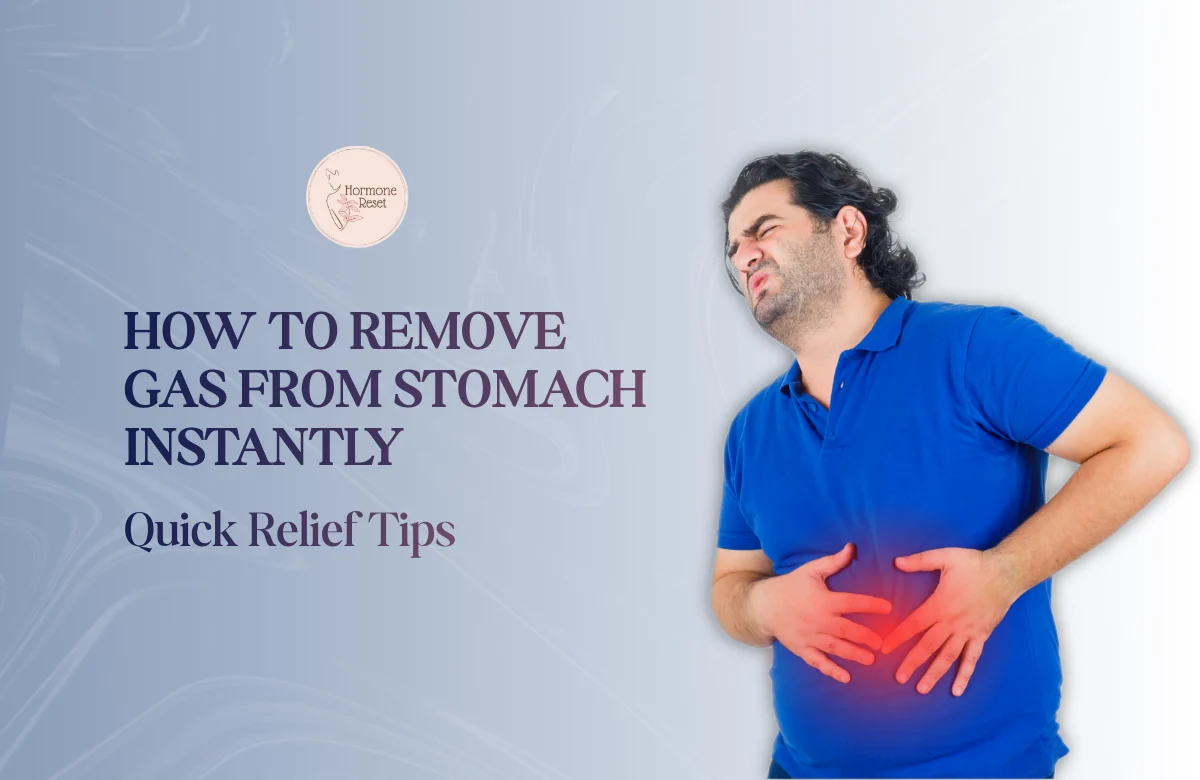
    How to Remove Gas from Stomach Instantly: Quick Relief Tips

    Introduction: Understanding Stomach Gas from a Functional Perspective

    Stomach gas, bloating, and digestive discomfort are common complaints that many people experience after meals. While occasional gas is normal, persistent or excessive gas signals that the digestive system is under stress or not functioning optimally. Conventional advice often focuses on temporary relief, such as over-the-counter medications or lifestyle clichés like “eat smaller meals” or “drink water during meals.”

    From a Functional Medicine perspective, gas is not an isolated problem—it is a symptom that points to deeper imbalances in the digestive system. Understanding why gas occurs, rather than just masking it, is key to long-term digestive comfort. Gas typically arises from bacterial fermentation in the gut, impaired motility, enzyme deficiencies, microbiome imbalances, and food sensitivities. By addressing these root causes, you can achieve both immediate relief and sustained improvement in digestive health.

    What’s Really Happening in Your Gut

    Excess stomach gas is rarely just a minor nuisance—it usually reflects deeper digestive imbalances. The main contributors include bacterial fermentation of undigested food, an imbalanced gut microbiome, insufficient digestive enzymes, slow gut motility, and individual food sensitivities. Understanding and addressing these root causes is key to achieving lasting relief and optimal digestive health.

    Fermentation by Gut Bacteria

    The most significant source of stomach gas is the fermentation of undigested carbohydrates by gut bacteria. When food is not fully broken down in the small intestine, it reaches the colon where bacteria metabolize it, producing gases such as hydrogen, methane, and carbon dioxide. This process can create the familiar sensations of bloating, pressure, and abdominal discomfort.

    Factors that increase bacterial fermentation include:

    • Incomplete digestion of carbohydrates due to low stomach acid or insufficient digestive enzymes.
    • Overgrowth of gas-producing bacteria in the small intestine or colon.
    • Consumption of high-FODMAP foods like beans, lentils, onions, garlic, and certain fruits, which ferment more readily.

    Bacterial fermentation is a natural process, but excessive or poorly timed fermentation leads to uncomfortable gas buildup.

    Imbalance in Gut Microbiome (Dysbiosis)

    A healthy gut microbiome maintains digestive balance, aids nutrient absorption, and prevents overproduction of gas. Dysbiosis, or an imbalance between beneficial and harmful microbes, is a common underlying factor for chronic bloating.

    Causes of dysbiosis include:

    • Repeated antibiotic use
    • High-sugar or ultra-processed diets
    • Chronic stress
    • Sedentary lifestyle

    Certain bacteria, such as methane-producing archaea or sulfur-producing microbes, generate significantly more gas than others. When these bacteria dominate, even normal meals can lead to discomfort.

    Poor Digestion or Enzyme Deficiency

    Effective digestion relies on stomach acid, digestive enzymes, and bile to break down carbohydrates, fats, and proteins. When any of these components are insufficient, food passes into the intestines partially undigested, creating a perfect substrate for gas-producing bacteria.

    Common contributors include:

    • Low stomach acid (hypochlorhydria)
    • Inadequate pancreatic enzyme activity
    • Reduced bile secretion
    • Gut inflammation that impairs nutrient absorption

    Supporting digestion through proper enzyme activity and stomach acid balance reduces substrate for fermentation and minimizes gas formation.

    Slow Gut Motility

    When food moves too slowly through the digestive tract, fermentation increases, and gas has more time to accumulate. Slow motility can be caused by:

    • Chronic stress or sympathetic nervous system activation
    • Low thyroid hormone levels
    • Nutrient deficiencies s,uch as magnesium or B12
    • Lack of physical movement

    Functional Medicine emphasizes restoring natural gut motility rather than relying on frequent meals, which can disrupt the Migrating Motor Complex (MMC)—a critical wave that clears the small intestine of bacteria and leftover food.

    Food Intolerances and Sensitivities

    Certain foods are more likely to cause gas in sensitive individuals. Common triggers include:

    • Dairy (lactose intolerance)
    • Gluten
    • Beans, lentils, and chickpeas
    • Onions, garlic, and other high-FODMAP vegetables
    • Sugar alcohols found in processed foods

    When these foods are consumed, undigested carbohydrates ferment rapidly, producing gas and bloating. A structured elimination and reintroduction approach can help identify personal triggers.

    image 9

    Recognizing When Stomach Gas Becomes a Concern

    Occasional gas is a normal part of digestion, but frequent or severe bloating may interfere with daily life. Signs that stomach gas requires attention include:

    • Bloating that appears 30–60 minutes after meals
    • Chronic abdominal fullness or pressure
    • Excessive burping or flatulence
    • Discomfort that affects social situations or daily activities
    • Gas accompanied by changes in bowel habits, pain, or unexplained weight loss

    Persistent gas is a signal that deeper digestive imbalances need to be addressed rather than ignored.

    Functional Medicine Strategies for Quick Gas Relief

    While root-cause management is the long-term solution, there are effective methods to relieve discomfort naturally in the short term:

    Gentle Movement and Stretching

    • Light walking after meals helps stimulate gut motility and reduce bloating.
    • Yoga poses like Knee-to-Chest (Apanasana) and Child’s Pose gently shift trapped gas and relieve pressure. Hold each pose for 30–60 seconds.

    Deep Breathing and Relaxation

    • Controlled, diaphragmatic breathing relaxes the abdominal muscles and supports natural gas passage.
    • Stress reduction techniques such as mindfulness or progressive relaxation help normalize digestive rhythm.

    Warm Herbal Beverages

    • Peppermint tea: Relaxes intestinal muscles, allowing gas to pass more easily.
    • Ginger tea: Reduces bloating, eases abdominal discomfort, and stimulates digestion.
    • Chamomile tea: Calms the stomach and nervous system, indirectly supporting gas relief.

    Sipping slowly allows the digestive system to respond effectively.

    Eating Habits That Support Digestive Comfort

    Food Choices

    • Choose low-FODMAP foods such as rice, zucchini, carrots, and certain fruits to reduce fermentation.
    • Replace high-gas foods like beans, onions, and cruciferous vegetables with gentler alternatives.
    • Use lactose-free or plant-based dairy if sensitive to lactose.

    Mindful Eating

    • Eat slowly and chew thoroughly to reduce fermentation caused by undigested food.
    • Avoid talking while eating and minimize distractions like phones or screens.

    Meal Timing and Hydration

    • Avoid frequent snacking that disrupts gut motility.
    • Sip water between meals rather than drinking large amounts with food
    • Focus on gradual, consistent hydration to support smooth digestion.
    image 8

    Lifestyle Practices for Long-Term Relief

    In Functional Medicine, digestion is not viewed in isolation; it is intimately connected with broader lifestyle factors. Physical activity plays a vital role in supporting gut motility, helping food move efficiently through the digestive tract and reducing the risk of excessive fermentation and gas buildup. Gentle walks after meals or light stretching can stimulate natural digestive rhythms and ease bloating. Equally important is stress management, as chronic stress activates the sympathetic nervous system and slows digestion, creating an environment where gas and bloating are more likely. Techniques such as deep breathing, meditation, or short mindful breaks throughout the day can help relax the body, promote efficient motility, and reduce abdominal discomfort. Posture and physical comfort also contribute to digestive ease; sitting upright during meals ensures proper organ alignment and allows the digestive system to function optimally, while wearing non-restrictive clothing reduces unnecessary pressure around the abdomen. Finally, maintaining consistent daily routines—such as getting adequate sleep, eating dinner at regular times, and avoiding late-night snacking—supports the natural circadian rhythms of the gut. Together, these lifestyle strategies enhance digestion, support the microbiome, and reduce the frequency and severity of bloating and gas over time.

    When to Seek Medical Advice

    While most gas and bloating can be managed through diet, lifestyle, and functional strategies, persistent or severe symptoms may indicate underlying medical conditions that require professional evaluation. It is important to seek medical attention if gas is accompanied by intense abdominal pain, persistent vomiting, diarrhea, or noticeable changes in bowel movements such as blood in the stool or black, tarry stools. Unexplained weight loss alongside bloating or gas can also signal a deeper digestive issue that should not be ignored. In these cases, a healthcare professional may recommend targeted testing to uncover the root cause, such as comprehensive stool analysis to evaluate microbiome balance, digestive enzyme function, or inflammation; SIBO breath tests to detect bacterial overgrowth in the small intestine; food sensitivity panels to identify triggering foods; and nutrient deficiency assessments to ensure the body is receiving essential vitamins and minerals for optimal digestion. Identifying the underlying cause through these functional tests allows for a personalized approach, addressing the source of excessive gas rather than just managing symptoms, and provides a path toward lasting digestive wellness.

    FAQs: How to Ease Stomach Gas Naturally and Feel Comfortable

    1.  What is the main cause of stomach gas?

    The primary cause of stomach gas is bacterial fermentation of undigested carbohydrates in the gut. When food is not fully broken down in the small intestine, it reaches the colon where gut bacteria metabolize it, producing gases such as hydrogen, methane, and carbon dioxide. Factors like slow gut motility, enzyme deficiencies, or an imbalance in the gut microbiome can worsen fermentation, leading to bloating and discomfort. While swallowing air can contribute slightly, it is rarely the main driver of chronic gas.

    2. Which foods are most likely to cause gas and bloating?

    Certain foods ferment more readily in the gut and can increase gas production, particularly in sensitive individuals. Common culprits include beans, lentils, chickpeas, onions, garlic, cabbage, and cruciferous vegetables. High-FODMAP fruits and sugar alcohols found in processed foods may also trigger bloating. Functional Medicine recommends identifying personal triggers through an elimination and reintroduction approach rather than avoiding all potentially gassy foods indiscriminately.

    3. What simple habits can help prevent trapped gas?

    Eating slowly, chewing well, staying hydrated, and sitting up straight during meals support smoother digestion. Light movement, such as a short walk after meals, and relaxation practices to reduce stress, can also help your stomach feel lighter.

    4. Can stress make gas worse?

    Yes, stress can slow digestion and make bloating or trapped gas more noticeable. Mindful breathing, short relaxation exercises, or gentle stretching can help calm the digestive system naturally.

    5. How can I tell if my gas is more than usual?

    Occasional bloating is normal, but if fullness, pressure, or discomfort keeps returning, it may be linked to certain foods, habits, or gut sensitivities. Keeping a simple note of meals and how your stomach feels can help you notice patterns.

    6. How does gut motility affect gas formation?


    Slow gut motility prolongs the time food spends in the digestive tract, giving bacteria more opportunity to ferment undigested carbohydrates. Functional Medicine emphasizes supporting natural motility through movement, proper hydration, and adequate nutrient intake (such as magnesium), rather than relying on frequent small meals, which can disrupt the Migrating Motor Complex (MMC)—the gut’s natural cleansing mechanism that prevents bacterial overgrowth.

    7. When should I seek professional advice?

    If gas comes with persistent bloating, strong stomach discomfort, sudden weight changes, or digestive upset that doesn’t ease, it’s helpful to check in with a healthcare professional. Tracking symptoms makes it easier for them to provide personalized guidance

    8.  Can enzyme supplements or stomach acid support help reduce gas?

    Yes, supporting digestive efficiency can reduce the substrate available for fermentation. Digestive enzymes, adequate stomach acid (when safely supported), and bile production help break down carbohydrates, fats, and proteins effectively. This reduces undigested food reaching the colon, limiting excessive bacterial fermentation and gas formation. Such strategies should be tailored to the individual under professional guidance.

    9. How can Hormone Reset help with gas and bloating?

    Hormone Reset focuses on identifying root causes—like thyroid function, gut health, or food sensitivities—and creating a tailored plan to support digestive comfort and reduce bloating naturally.

    10. Can hormones or thyroid issues influence gas and bloating

    Yes, hormonal imbalances—including thyroid dysfunction—can slow gut motility and alter digestion, making gas and bloating more likely. Functional Medicine considers these systemic influences when addressing digestive discomfort. Optimizing thyroid function, sex hormone balance, and overall metabolic health can significantly improve motility, enzyme activity, and gut microbiome function, reducing chronic gas.

    Conclusion

    Yes, hormonal imbalances—including thyroid dysfunction—can slow gut motility and alter digestion, making gas and bloating more likely. Functional Medicine considers these systemic influences when addressing digestive discomfort. Optimizing thyroid function, sex hormone balance, and overall metabolic health can significantly improve motility, enzyme activity, and gut microbiome function, reducing chronic gas.
    Learn more about supporting hormone and digestive balance with the Hormone Reset program.

    References

    1. Intestinal Gas Production:
      Comprehensive review of how gut microbes generate intestinal gas, including mechanisms and contributing factors – ScienceDirect, 2025
    2. Gut Microbiota Dysbiosis in FGIDs:
      Insights into how microbial imbalance drives symptoms and pathophysiology in functional gastrointestinal disorders – PubMed Central, 2024
    3. SIBO & Methane-Related Fermentation:
      Detailed discussion on methane production, bacterial/fungal roles, diagnostic methods, and treatment strategies for SIBO – MDPI, 2023
    4. Small Intestinal Bacterial Overgrowth (SIBO):
      Clinical overview of causes, symptoms, diagnostic criteria, and therapeutic approaches to SIBO – PubMed Central, 2024
    5. Excessive Gas:
      Overview of causes, symptoms, and general guidance on managing gas –Mayo Clinic, 2025
    6. Tips for Healthy Digestion:
      Practical strategies to support smooth digestion and reduce bloating –Harvard Health Publishing, 2024
    7. Digestive Health and Gas:
      Insights into normal gas formation and digestive system function –National Institutes of Health (NIH), 2021
    8. Managing Gas and Bloating:
      Professional guidance on recognizing and alleviating gas-related discomfort –American Gastroenterological Association, 2023
    9. Causes and Remedies for Gas
      Evidence-based advice on foods, lifestyle habits, and natural relief methods –ClevelandClinic, 2023

    Please subscribe to our social channels for updates related to functional medicines.
    Instagramthehormonereset
    FacebookHormone Reset
    YouTubeHormone Reset Program
    LinkedInHormone Reset

  • Root Causes of Hormonal Imbalance: Understanding Why Your Hormones Are Off?

    Root Causes of Hormonal Imbalance: Understanding Why Your Hormones Are Off?

    Hormones are the silent conductors of your body’s symphony—regulating energy, metabolism, mood, reproduction, and immunity. When they’re out of balance, even simple daily tasks can feel exhausting. But hormonal imbalance is rarely a standalone problem—it’s usually a signal that something deeper in your body’s communication system is off.

    At Hormone Reset, our approach goes beyond masking symptoms. We focus on identifying the root causes—from stress and gut health to thyroid dysfunction and environmental toxins—so you can rebalance your system naturally and sustainably.

    How stress disrupts your hormones

    1. Stress and Cortisol Imbalance: How Chronic Stress Disrupts Hormones

    Chronic stress doesn’t just make you anxious—it rewires your hormonal network. The HPA (hypothalamic-pituitary-adrenal) axis controls cortisol, the stress hormone, which directly affects thyroid conversion, insulin regulation, estrogen metabolism, and reproductive hormones.

    How stress disrupts hormones:

    • Cortisol overload: Persistent stress initially elevates cortisol, suppressing thyroid hormone conversion (T4 → T3) and leading to fatigue, brain fog, and low metabolism.
    • Adrenal burnout: Over time, some people experience low cortisol, contributing to chronic fatigue, mood swings, and blood sugar instability.
    • Estrogen and progesterone imbalance: Stress promotes estrogen dominance, worsening PMS, thyroid dysfunction, and fat retention.
    • Insulin spikes: Elevated cortisol increases blood sugar, fueling inflammation and worsening autoimmune conditions like Hashimoto’s.

    How Hormone Reset helps:

    • Mindfulness and meditation to retrain the stress response.
    • Adaptogens like ashwagandha and rhodiola for adrenal support.
    • Targeted nutrition to stabilize cortisol and support adrenal function.
    • Lifestyle adjustments, including structured sleep, work-life balance, and gentle exercise.

    2. Gut Health: The Hidden Driver of Hormone Imbalance

    Did you know 70–80% of your immune system resides in your gut? A compromised gut lining, dysbiosis, or small intestinal bacterial overgrowth (SIBO) can trigger autoimmune attacks on the thyroid, disrupt estrogen metabolism, and affect serotonin production—leading to fatigue, mood swings, and thyroid dysfunction.

    Mechanisms at play:

    • Leaky gut: Toxins enter the bloodstream, causing immune confusion and potentially attacking thyroid tissue (Hashimoto’s) or other endocrine organs.
    • Microbiome imbalance: Disrupted gut flora impairs hormone metabolism, including estrogen reabsorption and thyroid conversion.
    • Chronic inflammation: Promotes insulin resistance, worsens autoimmune reactions, and fuels hormone disruption.


    Hormone Reset interventions:

    • Gut-healing nutrition: collagen, bone broth, L-glutamine, and zinc.
    • Fermented foods and high-quality probiotics for microbiome balance.
    • An anti-inflammatory, nutrient-dense diet eliminating gluten, dairy, refined sugar, and additives.
    • Toxin reduction: organic produce, filtered water, and avoiding processed products.

    3. Thyroid Dysfunction: Root Cause, Not Just Symptoms

    Thyroid imbalances are often misunderstood. Conditions like Hashimoto’s thyroiditis or hypothyroidism affect metabolism, mood, energy, and reproductive hormones—but are rarely isolated problems. At Hormone Reset, we focus on why the thyroid is under attack or underperforming, not just hormone replacement.

    Root causes include:

    • Autoimmune triggers linked to gut inflammation and molecular mimicry.
    • Nutrient deficiencies (selenium, zinc, iodine, and vitamin D) prevent optimal hormone production.
    • Impaired liver detoxification reduces T4 → T3 conversion.
    • Chronic stress elevates cortisol, suppressing thyroid output.

    Hormone Reset approach:

    • Personalized nutrition: support thyroid hormone synthesis and balance estrogen, progesterone, and insulin.
    • Targeted supplementation: high-potency nutrients when diet alone isn’t sufficient.
    • Lifestyle adjustments: stress management, sleep optimization, and gentle physical activity.
    • Detox support: liver-focused interventions to optimize hormone metabolism.
    Nutrient Deficiencies that disrupt hormones

    4. Nutritional Deficiencies: Fueling Hormonal Health

    Hormone production depends on specific nutrients. Deficiencies not only reduce hormone synthesis but can amplify autoimmune and metabolic dysfunction.

    Critical nutrients:

    • Selenium & Zinc: Protect thyroid cells, support adrenal function, and reduce oxidative stress.
    • Iodine: Essential for T3 and T4 thyroid hormones (must be carefully monitored in Hashimoto’s).
    • Vitamin D: Regulates immunity and reduces autoimmune flares.
    • Omega-3 fatty acids: Reduce inflammation and improve cell membrane function.
    • Magnesium & B vitamins: Support energy production, neurotransmitter balance, and stress resilience.

    Hormone Reset strategies:

    • Dietary optimization using nutrient-dense foods.
    • High-quality, clinically-tested supplements where needed.
    • Integration with lifestyle practices for absorption and utilization.

    5. Environmental Toxins: Invisible Disruptors of Hormones

    Endocrine-disrupting chemicals (EDCs) like BPA, phthalates, pesticides, and personal care chemicals mimic or block hormones, interfering with estrogen, testosterone, and thyroid signaling.

    Impact on hormone metabolism:

    • Estrogen dominance from xenoestrogens.
    • Thyroid receptor interference.
    • Impaired detoxification leading to the accumulation of hormone-disrupting compounds.

    Functional strategies:

    • Use glass or stainless steel containers instead of plastic.
    • Choose organic foods when possible.
    • Opt for clean, non-toxic personal care products.
    • Support liver detoxification pathways with cruciferous vegetables and hydration.

    6. Women’s Hormonal Issues: PCOS, PMS, Endometriosis

    Female-specific conditions often amplify systemic hormone imbalances. Insulin resistance, estrogen dominance, and inflammation interconnect with thyroid and adrenal function.

    Hormone Reset interventions:

    • Diet and lifestyle modifications to manage insulin and inflammation.
    • Personalized hormone-balancing protocols integrating stress, sleep, and gut health.
    • Targeted nutrition to stabilize estrogen and progesterone levels.
    • Symptom tracking and iterative program adjustments.

    7. Sleep & Circadian Rhythm: Timing Is Everything

    Sleep is a critical hormone regulator. Disrupted circadian rhythm elevates cortisol, impairs melatonin production, and affects insulin, thyroid, and reproductive hormones.

    Hormone Reset recommendations:

    • Maintain consistent sleep and wake times.
    • Avoid screens and blue light 1–2 hours before bed.
    • Optimize bedroom environment: darkness, cool temperature, minimal noise.
    • Support circadian alignment with morning sunlight exposure.

    8. Lifestyle & Physical Activity: Balance Is Key

    Both inactivity and overtraining disrupt hormone networks.

    • Sedentary lifestyle → lowers metabolism, increases cortisol, promotes insulin resistance.
    • Excessive or irregular training → adrenal stress, inflammation, and impaired thyroid conversion.

    Hormone Reset approach:

    • Moderate, consistent physical activity (walking, yoga, strength training).
    • Balance exercise with recovery to prevent adrenal burnout.
    • Integrate stress management and nutrition to support activity-induced hormone adaptation.

    Conclusion: Addressing Root Causes, Not Just Symptoms

    Our personalized programs guide you step by step, combining functional medicine, targeted nutrition, stress management, gut healing, and lifestyle optimization to bring your hormones back into balance—naturally, sustainably, and effectively.

    Hormonal imbalance is rarely an isolated issue. By understanding and addressing the root causes—stress, gut health, thyroid dysfunction, nutrient deficiencies, environmental toxins, and lifestyle factors—Hormone Reset helps restore your body’s hormonal symphony.

    FAQs: Hormone Reset and Hormonal Health

    1. What causes hormonal imbalance in women and men?

    Hormonal imbalance can arise from multiple factors, including chronic stress, poor gut health, thyroid dysfunction, nutrient deficiencies, environmental toxins, and lifestyle issues such as sleep disruption or irregular physical activity. These factors interfere with your body’s endocrine network, leading to fatigue, mood swings, metabolic changes, and reproductive health issues.

    2. How does stress affect hormones?

    Chronic stress disrupts the HPA axis, elevating cortisol levels. High cortisol can suppress thyroid hormone conversion (T4 → T3), promote insulin spikes, and create estrogen dominance, contributing to fatigue, brain fog, PMS, and weight gain. Over time, adrenal burnout may occur, resulting in low cortisol and chronic fatigue.

    3. Can gut health impact my hormone levels?

    Absolutely. Around 70–80% of the immune system resides in the gut. Gut imbalances, leaky gut, or dysbiosis can trigger autoimmune responses, impair estrogen metabolism, disrupt thyroid function, and affect neurotransmitter production, causing fatigue, mood swings, and other hormonal issues. Healing the gut is critical for overall hormonal balance.

    5. Are thyroid problems the root cause or just a symptom?

    Thyroid dysfunction is often a symptom of underlying issues such as autoimmune attacks (e.g., Hashimoto’s), nutrient deficiencies (selenium, zinc, iodine), liver detox issues, or chronic stress. Addressing the root causes, rather than only taking hormone replacement, leads to sustainable improvement in energy, metabolism, and overall hormonal health

    6. How does Hormone Reset personalize treatment for lasting results?

    Hormone Reset takes a holistic, root-cause approach. Programs combine stress management, gut healing, nutrition optimization, targeted supplementation, detox support, and lifestyle adjustments. This integrative method addresses your specific hormonal imbalances and works to restore long-term balance naturally and sustainably.

    References

    Integrative Overview of Hypothyroidism:
    Holistic Understanding of Hypothyroidism & Root-Cause Evaluation –Caring for the Body

    Functional Medicine Approach to Thyroid & Hormone Health:
    Comprehensive Hormone and Thyroid Wellness Strategies –Modern Holistic Health

    Integrative Medicine for Thyroid Hormone Imbalance:
    How Integrative Medicine Supports Thyroid Hormone Balance –Mindfully Integrative

    Evidence-Based Thyroid Functional Medicine Framework:
    Balancing Thyroid Hormones Naturally: Clinical Insights Institute for Functional Medicine (IFM)

    Gut–Thyroid Axis Research:
    Understanding the Gut–Thyroid Connection in Hypothyroidism –Walsh Approach

    Please subscribe to our social channels for updates related to functional medicines.
    Instagramthehormonereset
    FacebookHormone Reset
    YouTubeHormone Reset Program
    LinkedInHormone Reset
    o

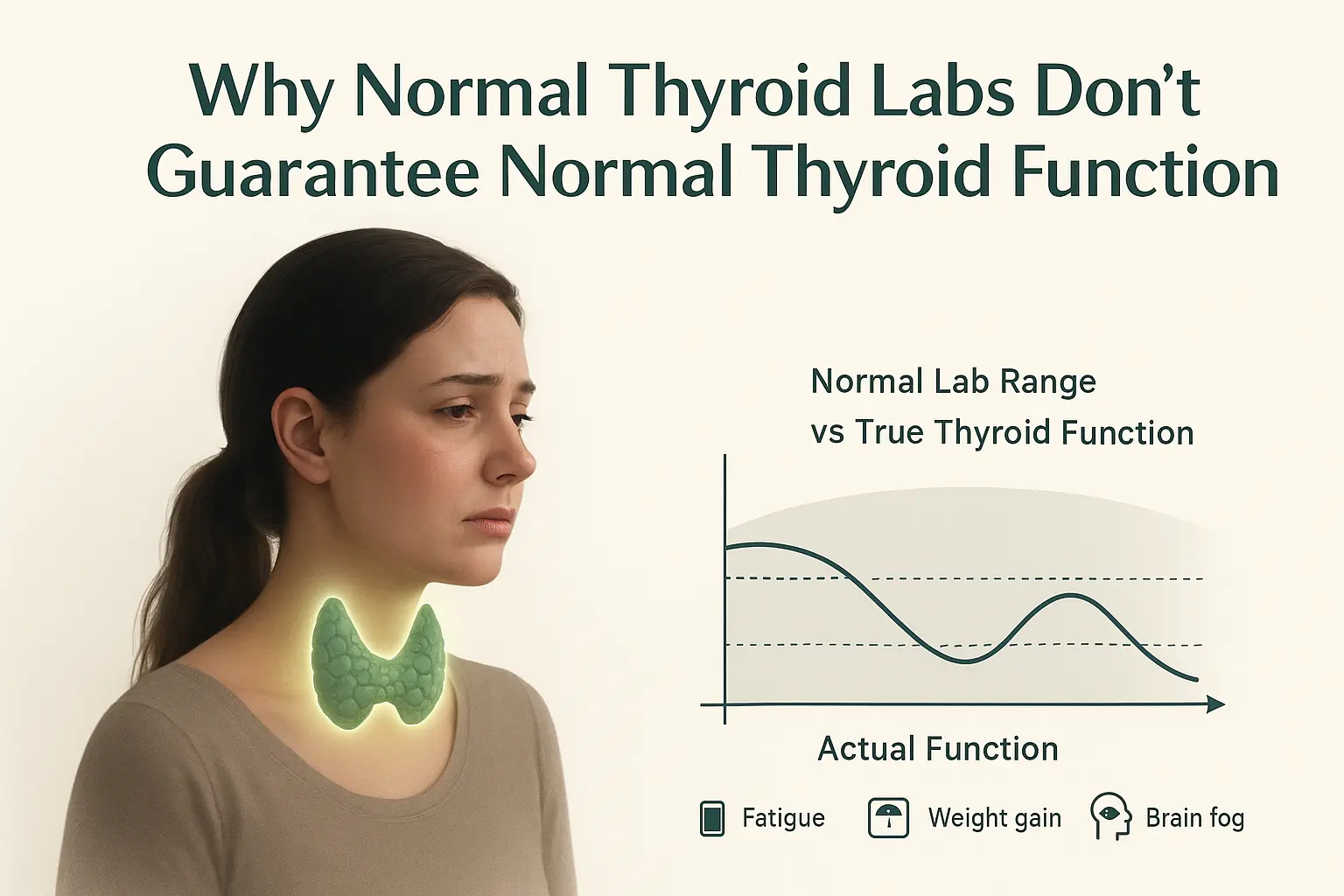
  • Thyroid Function: 5 Reasons Normal Labs Don’t Guarantee True Health

    Thyroid Function: 5 Reasons Normal Labs Don’t Guarantee True Health

    Many women and men feel constantly fatigued, struggle with weight, or notice mood swings — yet routine thyroid labs often appear “normal.” This disconnect can be confusing and frustrating. Understanding how thyroid function interacts with hormones, metabolism, and lifestyle factors is key to recognizing subtle imbalances before they affect energy, mood, and overall well-being.

    How Thyroid Hormones Work

    The thyroid produces hormones that regulate metabolism, energy, and mood. While T4 is the main hormone released, it is inactive and must convert into the active form, T3, to influence your body effectively.

    • T4 → T3 conversion is critical for energy production and metabolic efficiency
    • T3 affects brain function, metabolism, and fatigue levels- literally everything in the body.
    • Conversion can be influenced by stress, diet, lifestyle habits, and many other factors like liver function, etc. 
    • The availability of T3 can be affected by the amount that is bound up by the binding globulins. Hence, measuring Free T3 is also needed.

    Even when labs measure TSH or T4 levels and appear “normal,” subtle dysfunction in T3 conversion or hormone utilization can lead to fatigue and other symptoms.


    Why Labs Might Look “Normal”

    Routine thyroid tests often focus on TSH or T4 alone, which can miss early or subtle dysfunction. Several factors can influence lab results:

    • Timing of the test (morning vs. afternoon)
    • Temporary stress or illness
    • Nutritional deficiencies
    • Minor metabolic disruptions that don’t appear on standard panels

    This is why some individuals feel symptoms even when tests suggest everything is fine.

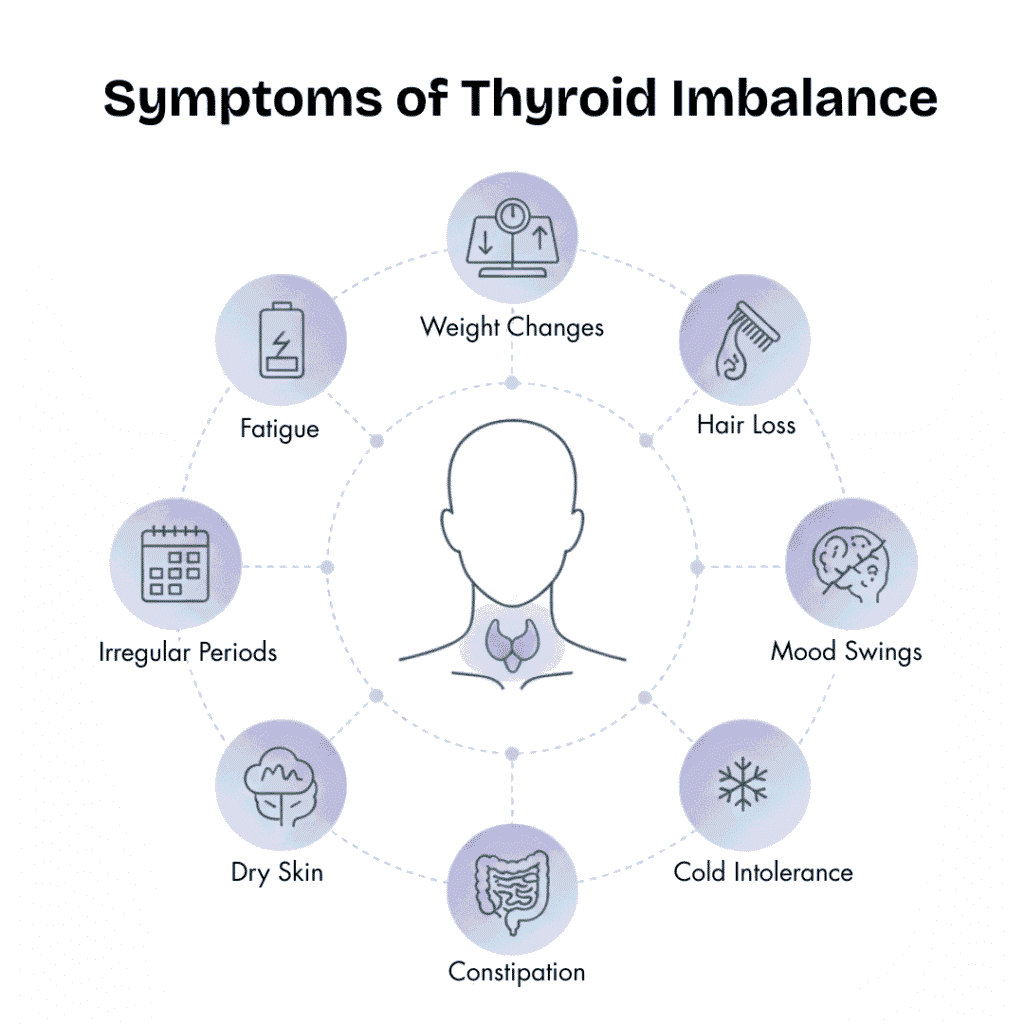
    Thyroid Function : Thyroid Imbalance symptoms

    Subtle Symptoms That Often Go Unnoticed

    Thyroid imbalance doesn’t always trigger obvious lab alerts. Early signs can include:

    • Persistent fatigue, especially after meals
    • Brain fog or difficulty concentrating
    • Afternoon energy slumps
    • Mood swings or irritability
    • Minor, unexplained weight fluctuations

    Even mild symptoms can indicate that your thyroid is not functioning optimally, despite normal lab values.

    Lifestyle & Functional Factors Influencing Thyroid

    Functional medicine emphasizes understanding root causes beyond standard labs. Some of the factors that can subtly impact thyroid hormone function are:

    • Stress: High cortisol levels can reduce T4 → T3 conversion
    • Nutrition: Deficiencies in selenium, iodine, or zinc can affect both conversion and  metabolism
    • Sleep disruption: Inconsistent sleep can impact hormone balance
    • Gut health & inflammation: Chronic issues may influence thyroid function indirectly

    Thyroid Hormones – Bound vs Free

    • Bound Hormones: Attached to proteins, inactive, measured in standard lab tests.
    • Free Hormones: Unbound, active, ready to fuel your cells.
    • Why it matters: Only free hormones regulate energy, metabolism, and mood. Even with normal labs, low free hormone levels can leave your body starved for thyroid activity.

    Key Nutrients That Support Healthy Thyroid Hormone Production

    Thyroid Function: Healthy diet

    The thyroid requires certain nutrients and vitamins to function optimally:

    • Minerals: Iron, Iodine, Tyrosine, Zinc, Selenium
    • Vitamins: E, B2, B3, B6, C, D
    • Why it matters: Deficiencies can slow hormone production, leading to fatigue, low energy, and sluggish metabolism.
    • Practical Tip: Include leafy greens, eggs, nuts, seeds, and seafood to naturally support thyroid health.

    Factors That Can Reduce Thyroid Hormone Production

    Certain conditions or exposures can decrease your thyroid’s hormone output:

    • Lifestyle & environmental factors: stress, infections, trauma, medications, radiation, fluoride, toxins
    • Health conditions: autoimmune diseases
    • Signs of reduced hormone production: fatigue, mood swings, unexplained weight changes

    T4 → T3 Conversion: How Your Thyroid Makes Hormones Active

    • The thyroid releases T4 (inactive), which must be converted into T3 (active) to fuel cells efficiently.
    • Supports Conversion: Selenium and Zinc
    • Blocks Conversion / Increases Reverse T3: Stress, trauma, low-calorie diets, inflammation, toxins, infections, liver/kidney issues, or certain medications

    Improving How Your Cells Respond to Thyroid Hormones

    Even if hormone levels are normal, cells must respond properly to them for energy and metabolism:

    • Supports Cellular Sensitivity: Vitamin A, Zinc, and regular exercise
    • Lifestyle Factors: Prioritize consistent sleep, a balanced diet, and stress management
    • Outcome: Ensures thyroid hormones reach your cells effectively, regulating energy, metabolism, and overall well-being

    Practical Steps to Support Thyroid Function

    Even without abnormal labs, small lifestyle adjustments can support optimal thyroid function:

    • Balanced diet: Include protein, fiber, and micronutrients to stabilize blood sugar and hormone function
    • Daily movement: Light resistance training or walking improves metabolism
    • Sleep hygiene: Prioritize 7–8 hours of consistent sleep
    • Stress management: Mindfulness, journaling, or breathing exercises help reduce cortisol
    • Monitor symptoms: Track energy patterns, mood, and cravings to notice subtle imbalances

    These actions support hormone balance and metabolic health, providing noticeable improvements over time.

    Conclusion

    Normal thyroid labs don’t always guarantee optimal thyroid function. Subtle disruptions in hormone conversion, lifestyle factors, and stress can affect energy, mood, and metabolism. Understanding these patterns empowers you to notice early signals and take actionable steps toward better hormone health.
    At Hormone Reset, we guide individuals to understand metabolic and hormone patterns using functional approaches — emphasizing lifestyle, nutrition, and energy optimization without relying solely on routine lab tests.

    References:

    https://pmc.ncbi.nlm.nih.gov/articles/PMC9987447/ PMC
    https://pmc.ncbi.nlm.nih.gov/articles/PMC5075641/ PMC
    https://pmc.ncbi.nlm.nih.gov/articles/PMC3356062/ PMC
    https://pubmed.ncbi.nlm.nih.gov/30029851/ PubMed
    https://pubmed.ncbi.nlm.nih.gov/35015701/ PubMed

    FAQs: Understanding Thyroid Function Beyond Lab Tests

    1. Can I have thyroid issues even if my blood tests are normal?

    Yes. Subtle thyroid imbalances can occur due to T3 conversion issues, lifestyle factors, or stress, which routine labs may not detect. Paying attention to energy, mood, and metabolism is key.

    2. What are early signs of thyroid imbalance to watch for?

    Common patterns include persistent fatigue, brain fog, mood swings, afternoon energy slumps, and unexplained weight changes, even if lab results appear normal.

    3. How can lifestyle influence thyroid function?

    Balanced nutrition, regular sleep, stress management, and moderate exercise all support healthy thyroid metabolism and hormone balance. Small adjustments often make a noticeable difference in energy levels.

    4. Can stress or sleep affect thyroid labs?

    Yes. Stress hormones like cortisol and disrupted sleep can impact T4 → T3 conversion, which may cause symptoms even when standard lab values seem normal.

    5. Where can I learn more about supporting hormone balance naturally?

    For educational insights on hormone and metabolic patterns, you can explore Hormone Reset, which focuses on functional approaches to energy, metabolism, and hormone balance.

  • Is Functional Medicine a Science or Just Pseudoscience?

    Is Functional Medicine a Science or Just Pseudoscience?

    Functional medicine has become a buzzword in the world of healthcare, especially among those seeking answers for chronic and autoimmune disorders. But as its popularity grows, so does the debate: is functional medicine a legitimate science, or is it just another form of pseudoscience? In this article, we’ll explore the evidence, research, and common misconceptions to help you make an informed decision. Our focus is on patients dealing with autoimmune diseases and chronic conditions, aiming to provide clarity and expert insights.

    What is Functional Medicine?

    Functional medicine is a patient-centered, systems-oriented approach to healthcare. Unlike conventional medicine, which often addresses symptoms in isolation, functional medicine seeks to identify and treat the root causes of illness. Practitioners spend time understanding the patient’s lifestyle, genetics, environment, and medical history to create personalized treatment plans. This approach is particularly relevant for chronic and autoimmune diseases, where symptoms may have multiple, interconnected causes.

    The Scientific Foundations of Functional Medicine

    Is functional medicine scientific? At its core, functional medicine draws from established scientific disciplines such as biochemistry, physiology, genetics, and nutrition. It emphasizes evidence-based interventions, including dietary changes, lifestyle modifications, stress management, detoxification, and targeted supplementation. Most functional medicine protocols are informed by peer-reviewed research and clinical guidelines, especially in areas like gut health, inflammation, and metabolic function.

    Common Criticisms and Misconceptions

    Despite its scientific roots, functional medicine faces criticism. Some skeptics argue that it lacks large-scale clinical trials or that it relies too heavily on alternative therapies. Others label it as pseudoscience due to the inclusion of non-traditional treatments. However, much of the criticism stems from misunderstandings about what functional medicine actually entails. It is not a rejection of conventional medicine, but rather an expansion—incorporating new research and a broader understanding of how lifestyle and environment impact health.

    Functional Medicine vs. Conventional Medicine

    Functional medicine and conventional medicine differ in their approach to diagnosis and treatment. Conventional medicine is highly effective for acute conditions, emergencies, and infections, often using standardized protocols and pharmaceuticals. Functional medicine, on the other hand, excels in managing complex, chronic illnesses by considering the interplay of multiple factors. For example, instead of prescribing medication for autoimmune symptoms alone, a functional medicine doctor may investigate gut health, environmental toxins, and stress levels to address underlying contributors.

    Functional Medicine for Autoimmune and Chronic Conditions

    Functional medicine is particularly beneficial for patients with autoimmune diseases and chronic illnesses. These conditions often involve multiple systems and require a comprehensive approach. By focusing on root causes—such as inflammation, nutrient deficiencies, hormonal imbalances, and lifestyle factors—functional medicine offers hope for long-term improvement rather than just symptom management. Many patients report significant benefits, including reduced symptoms, improved quality of life, and even remission.

    Is Functional Medicine a Science or Just Pseudoscience

    What Does the Research Say?

    The science behind functional medicine is growing. Numerous studies support the effectiveness of interventions commonly used in functional medicine, such as anti-inflammatory diets, gut microbiome restoration, stress reduction, detoxification and personalized nutrition. For example, research published in journals like Nutrition Reviews and Frontiers in Immunology highlights the role of diet and lifestyle in modulating immune function and chronic disease risk. While more large-scale, randomized trials are needed, the current evidence base is promising and continues to expand.

    Patient Success Stories

    Beyond the research, patient success stories provide compelling evidence for the effectiveness of functional medicine. Many individuals with autoimmune or chronic conditions have experienced dramatic improvements through root-cause analysis and personalized care. These stories, while anecdotal, reflect a growing trend: patients who felt hopeless or underserved by conventional approaches are finding new answers and better outcomes with functional medicine.

    How to Find a Qualified Functional Medicine Practitioner

    If you’re considering functional medicine, it’s essential to work with a qualified practitioner. Look for practitioners who are certified by reputable organizations such as the School of Applied Functional Medicine (SAFM) and who have experience treating your specific condition. At Hormone Reset, our expert team specializes in functional medicine for chronic conditions, hormonal imbalances, and autoimmune disorders, offering online consultations worldwide.

    Frequently Asked Questions (FAQ)

    ●  Is functional medicine evidence-based? Yes, interventions are grounded in peer-reviewed research and clinical experience.

    ●  What conditions can functional medicine treat? It is especially effective for all types of chronic and autoimmune diseases, but also supports general wellness very effectively.

    ●  How is functional medicine different from conventional medicine? It focuses on root causes and personalized care, rather than just symptom management.

    ●  Are functional medicine doctors real doctors? Yes, most practitioners are licensed medical doctors with additional training in functional medicine.

    ●  What does the research say about functional medicine? The evidence base is growing, with studies supporting its approach, especially in chronic disease treatment.

    Conclusion: The Future of Functional Medicine

    So, is functional medicine a science or just pseudoscience? The answer lies in its foundation: functional medicine is built on scientific principles, evidence-based interventions, and a commitment to individualized care. While it may not fit the conventional mold of medicine, it offers a valuable and scientifically grounded approach for patients with complex, chronic conditions. As research continues to evolve, functional medicine is poised to play an increasingly important role in the future of healthcare.

    Ready to learn more or start your journey with functional medicine? Contact our team at Hormone Reset for expert guidance and personalized care.
    References

    1. Institute for Functional Medicine (IFM). What is Functional Medicine? Available at: https://www.ifm.org/functional-medicine/
    2. Deanna M. Minich. “A Review of the Science of Colorful, Plant-Based Foods and Practical Strategies for ‘Eating the Rainbow’.” Nutrition Reviews, Volume 78, Issue 7, July 2020, Pages 579–593. Available at: https://academic.oup.com/nutritionreviews/article/78/7/579/5815751
    3. Valeria D’Argenio. “The Role of the Gut Microbiome in the Healthy Adult Status.” Frontiers in Immunology, 2018. Available at: https://www.frontiersin.org/articles/10.3389/fimmu.2018.02793/full
    4. Cleveland Clinic Center for Functional Medicine. About Functional Medicine. Available at: https://my.clevelandclinic.org/departments/functional-medicine/about
    5. PubMed. Search results for “functional medicine clinical trials.” Available at: https://pubmed.ncbi.nlm.nih.gov/?term=functional+medicine+clinical+trial
  • Healthy Eating Guide for Diwali by Hormone Reset

    Healthy Eating Guide for Diwali by Hormone Reset

    The festive season of Diwali brings joy, celebration, and an abundance of traditional foods. However, it also presents unique health challenges, especially for individuals managing chronic or autoimmune conditions. This Healthy Eating Guide for Diwali provides practical, evidence-based strategies—rooted in functional medicine—to help you make healthier food choices, maintain energy balance, and support overall well-being during Diwali, without missing out on the festivities.

    Healthy Eating Guide for Diwali: Balance of Energy Intake and Expenditure

    Uncontrolled food intake, especially during the festive season, can lead to increased inflammation, poor digestion, slowed metabolism and weight gain. Our healthy eating guide for Diwali ensures we stay fit while enjoying our festivals to the hilt is a concern that needs to be addressed during the festive season. Therefore, we are encouraged to practice healthy eating according to the tips for healthy eating. This will help us enjoy the meal during the festive season without compromising our health.

    1. Plan your meals

    Diwali celebrations often revolve around indulgent meals with family and friends, featuring foods high in fat, sugar, salt, and refined flour. To balance festive eating, plan your meals—keep breakfast and lunch light if attending a dinner, or restrict dinner if you’ve indulged earlier in the day.

    2. Intermittent Fasting

    Eating food in a window of 8 to 10 hours gives the digestive system and metabolism longer breaks. This allows the body to better handle many of the negative effects of a relatively not-so-healthy diet like rebalancing insulin spikes, detoxifying, reducing inflammation, etc. 

     3. Focus on fibre-rich food

    Limit your intake of fried foods and foods made from refined ingredients. While at a party choose to have salad and stir-fried vegetables instead of fried snacks. Fibre leaves you feeling full without causing you to gain weight. Eating raw or steamed salads in one of the meals is also a good and easy way to keep the system balanced and avoid many of the health-related pitfalls commonly associated with festivals.

    4. Enjoy a Diwali snack at evening snack time

    Do not have Diwali snacks accompanied by any regular meal (for example sweets with lunch/dinner). You can have it as a small meal (for example as a tea-time snack). Remember, portion control is the key. Avoid munching these snacks or sweets throughout the day.

    5. Prefer healthy replacements

    You can prefer dry fruits over sweets or fried snacks. You can also experiment with cooking methods. (for example baked Chaklies, roasted chidwa over fried chidwa and date rolls without sugar.)

    6. Choose to eat salads

    Salads provide our body with fiber. A nutritionist would advise salads to be eaten every day since it is the right way to eat. During Diwali especially, when we eat so much oil and ghee-based food, cleansing the system becomes a necessity. This Diwali, make a conscious choice to include a lot of fiber in your food. When you have guests over for a Diwali feast, serve them lots of tasty and healthy salads as well. 

    7. Exercise

    Apart from controlling your food intake during the festive season, it is important to burn calories too. So don’t skip your workout. Give at least half an hour to walk, jog or cycle every day as cardio is the quickest way to burn calories, reset your metabolism and reduce inflammation.

    8. Prioritize Mental Health

    Amidst the joy and celebration, it’s essential to prioritize your mental health. Diwali can be a stressful time for some due to various reasons, such as family dynamics, financial pressures, or the need to meet social expectations. Take time to relax, meditate, or engage in stress-reduction activities like deep breathing exercises. Ensure that you’re not overextending yourself and have realistic expectations for the festival.

    Healthy Eating Guide for Diwali

    Food preparation tips from our healthy eating guide for Diwali

    • Instead of using refined oils, use good quality A2 ghee or coconut oil in traditional recipes.
    • Reduce the sugar content of traditional sweets such as laddoo by using natural sweetening substances such as raisins, cherries or dried apricots. Sweeteners like monkfruit sugar and stevia are also good options.
    • Fried foods such as Muruku can also be prepared without oil in a microwave oven.
    • Prepare meals in small serving sizes. 
    • Serve fresh fruits as dessert. 
    • Reduce the serving of sweetened beverages and ensure that flavored water is always available for guests.
    HR CTA tiny

    References:

    https://continentalhospitals.com/blog/healthy-diwali-tips-for-celebrating-the-festival-in-a-healthier-way/
    https://www.vilina.in/blog/healthy-eating-tips-for-diwali-2018/
    https://www.moh.gov.my/moh/resources/auto%20download%20images/589d763e4e042.pdf
    https://www.kokilabenhospital.com/blog/eat-healthy-this-diwali/
    http://www.dietenrich.com/blogs/blog-how-to-manage-healthy-eating-habits-during-the-festival-of-diwali/
    https://www.healthhub.sg/live-healthy/eating-healthy-during-deepavali

    Share

  • Functional Medicine for Mental Health: An Introduction

    Functional Medicine for Mental Health: An Introduction

    An Introduction

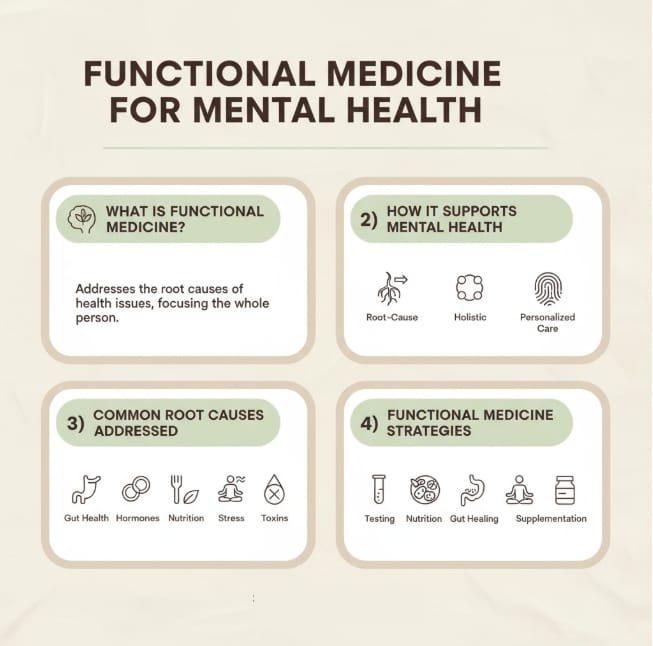
    Mental health is a cornerstone of overall well-being, yet millions of people worldwide grapple with challenges like anxiety, depression, chronic stress, and mood disorders. While traditional mental health care often emphasizes symptom management, a growing number of practitioners and patients are turning to functional medicine for mental health—a holistic, root-cause-driven approach that seeks to transform lives by addressing underlying imbalances. In this comprehensive guide, we’ll explore what functional medicine is, how it supports mental health, and why it deserves a leading role in your wellness journey.

    How Functional Medicine Supports Mental Health

    Functional medicine for mental health focuses on identifying and addressing the root causes of emotional and cognitive challenges. Rather than simply prescribing medication to manage symptoms, functional medicine practitioners use advanced diagnostics and personalized interventions to uncover triggers that may be overlooked in conventional care. These can include chronic inflammation, hormonal imbalances, nutrient deficiencies, gut health disturbances, chronic stress, and even environmental toxins.

    This patient-centered philosophy helps uncover and resolve hidden contributors to mental health symptoms, often leading to more sustainable improvements in mood, cognition, and overall vitality.

    What is Functional Medicine?

    Functional medicine is an advanced, systems-oriented approach that addresses the underlying causes of disease rather than just treating symptoms. It views the body as an interconnected system, understanding that mental health cannot be separated from physical health. Practitioners of functional medicine use cutting-edge diagnostics, detailed health histories, and lifestyle interventions—such as nutrition, exercise, sleep optimization, and stress reduction—to restore optimal function and balance.

    For example, a person experiencing depression might have underlying gut dysbiosis, chronic inflammation, or thyroid dysfunction all of which can impact brain chemistry and mood. By identifying these factors, functional medicine practitioners can design targeted interventions that support mental well-being at its core.

    cvv 10

    Benefits of Functional Medicine for Mental Health

    • Personalization: Each individual receives a tailored plan based on unique genetics, lifestyle, and health history. No two treatment protocols are exactly the same.
    • Root Cause Resolution: Instead of masking symptoms, functional medicine addresses the underlying drivers of mental health issues, aiming for lasting change
    • Integrative Therapies: Approaches may include nutritional therapy, targeted supplementation, stress management, sleep optimization, and detoxification—often leading to more sustainable results.
    • Empowerment: Patients become active participants in their healing journey, equipped with education and practical tools to support lifelong mental wellness.

    Common Root Causes Addressed in Functional Medicine for Mental Health

    • Gut-Brain Connection: Research shows that gut health profoundly impacts mood and cognition. Imbalances in the gut microbiome can contribute to anxiety, depression, and brain fog.
    • Chronic Inflammation: Inflammation in the body and brain is linked to various mental health disorders. Functional medicine seeks to identify and reduce sources of inflammation.
    • Hormonal Imbalances: Thyroid, adrenal, and sex hormone imbalances can cause mood swings, irritability, fatigue, and depression.
    • Nutritional Deficiencies: Deficiencies in vitamins (such as B12, D, folate), minerals (magnesium, zinc), and essential fatty acids can negatively affect neurotransmitter function and mood regulation.
    • Environmental Toxins: Exposure to heavy metals, mold, and other toxins can disrupt brain chemistry and contribute to psychiatric symptoms.
    • Chronic Stress & Trauma: Ongoing stress or unresolved trauma can alter brain structure and function, increasing vulnerability to mental health issues.

    Key Functional Medicine Strategies for Mental Health

    • Comprehensive Lab Testing: Functional medicine practitioners use advanced testing to identify hormonal, nutritional, or metabolic imbalances that may be affecting mental health.
    • Personalized Nutrition Plans: Diets rich in brain-supportive nutrients—such as omega-3 fatty acids, antioxidants, and B vitamins—are tailored to each individual’s needs.
    • Gut Health Restoration: Strategies may include probiotics, prebiotics, and anti-inflammatory diets to support a healthy gut microbiome.
    • Stress Reduction Techniques: Mindfulness, yoga, meditation, and biofeedback are used to calm the nervous system and build resilience.
    • Detoxification Protocols: These are designed to reduce the body’s burden of environmental toxins, supporting clearer thinking and emotional balance.
    • Targeted Supplementation: Supplements are recommended based on lab results and individual needs—common examples include vitamin D, magnesium, and adaptogenic herbs.

    Hormonal balance is central to both physical and mental health. Imbalances in thyroid hormones, cortisol (the stress hormone), estrogen, and testosterone can have profound effects on mood, cognition, and emotional stability. For instance, low thyroid function may present as depression, while chronic high cortisol can lead to anxiety and sleep disturbances. Functional medicine practitioners are uniquely equipped to assess and correct these imbalances using natural, evidence-based interventions, leading to lasting improvements in mental health

    cvv 11

    Real-Life Example: Functional Medicine in Action

    Consider a case where a patient with persistent anxiety and fatigue underwent functional medicine evaluation. Comprehensive lab tests revealed low vitamin D, mild hypothyroidism, and gut dysbiosis. Through a combination of dietary changes, vitamin D supplementation, gut-healing protocols, and stress management, the patient experienced significant improvements in mood, energy, and resilience—without relying solely on psychiatric medication.

    Success Stories and Scientific Backing

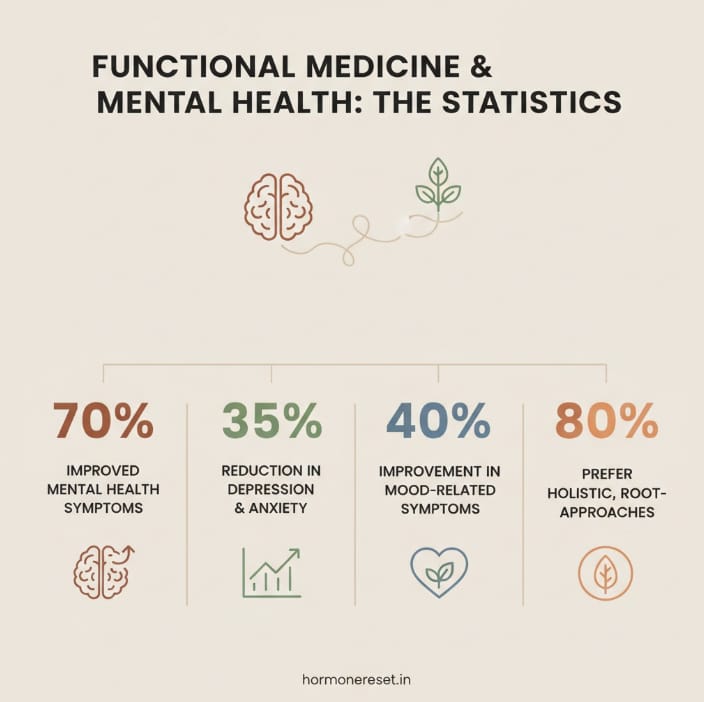
    Research is increasingly validating the functional medicine approach. Studies show that interventions targeting gut health, inflammation, and nutrition can significantly improve symptoms of depression, anxiety, and even severe mental health conditions. For example, a 2022 study published in Frontiers in Psychiatry found that personalized nutrition and gut-focused therapies led to measurable improvements in mood and cognitive function. Many individuals report life-changing transformations—finding relief where conventional approaches fell short.

    Frequently Asked Questions

    What is functional medicine for mental health?

    Functional medicine for mental health is a holistic approach that addresses underlying causes—like inflammation, nutrient deficiencies, and hormonal imbalances rather than just managing symptoms.

    How does functional medicine differ from traditional mental health care?

    Traditional care often focuses on medication and symptom management. Functional medicine for mental health emphasizes personalized, root-cause solutions and lifestyle interventions

    Can functional medicine help with anxiety and depression?

    Yes. By addressing root causes such as gut health, nutrition, and hormones, functional medicine can support improvements in anxiety, depression, and overall mental well-being.

    Is functional medicine safe to use alongside my current treatment?

    Functional medicine is typically complementary to conventional care. Always consult your healthcare provider before making changes to your mental health regimen.

    How long does it take to see results?

    Results vary, but many people notice improvements within a few weeks to a few months as underlying imbalances are addressed.

    Is Functional Medicine Right for You?

    If you’re seeking a more holistic, proactive approach to mental health, functional medicine offers a promising path. By addressing the interconnected systems of the body and mind, it opens the door to deeper healing and resilience. Whether you’re struggling with ongoing mood issues or simply want to optimize your emotional well-being, functional medicine can provide answers and lasting relief.

    Conclusion

    Functional medicine is ushering in a new era for mental health care—one that values personalization, root-cause resolution, and patient empowerment. If you or a loved one are struggling with mental health challenges, consider exploring functional medicine as a powerful ally on your journey to lasting well-being.

    Ready to explore functional medicine for your mental health?

    Book a Free Discovery call at hormonereset.in for a personalized consultation.

  • How to Gain Weight with Thyroid Problems: A Comprehensive Guide

    How to Gain Weight with Thyroid Problems: A Comprehensive Guide

    Imagine waking up each day feeling like your body is in overdrive. You eat what seems like plenty, yet the scale keeps dropping. This hits hard for many with thyroid problems, where fast metabolism steals away hard-earned calories. If you’re searching for how to gain weight with thyroid problems, know that it’s tough but doable. Thyroid disorders like hyperthyroidism crank up your body’s engine, burning fuel at a wild pace and making weight gain feel impossible. In this guide, we’ll share safe steps to build weight steadily, from smart eating to gentle workouts.

    First, let’s cover thyroid basics. This small gland in your neck makes hormones that control energy use, hunger signals, and how your body handles food. When it’s out of whack, it messes with appetite, drains your strength, and blocks nutrient grabs. We’ll walk through the science, doctor chats, meal ideas, moves to try, and ways to track wins. Stick around for tips that fit your life and help you reach those goals.

    Understanding Thyroid Health Through Functional Medicine

    throid 1
    Woman with enlarged thyroid gland, illustration

    Thyroid issues touch millions, and they often lead to surprise weight drops. Your body needs the right hormone balance to hold onto pounds. Without it, everyday tasks feel harder, and building size seems out of reach.

    How the Thyroid Gland Influences Metabolism and Weight

    The thyroid sits like a butterfly in your neck. It pumps out T3 and T4 hormones that set your metabolism’s speed. In hyperthyroidism, these hormones flood your system. This ramps up calorie burn, even at rest. You might eat a full plate but lose weight fast.

    Overactive glands cause heat rushes, shaky hands, and quick pulse. These signs scream for a check-up. Track your heartbeat or tiredness in a notebook. Then, see a doctor for blood work. Early catch can slow the burn and open doors to gain weight with thyroid issues.

    Doctors say this gland rules 60% of your daily energy spend. Balance it, and food sticks better. Think of it as tuning a car engine—not too hot, not too cold.

    Common Thyroid Imbalances Affecting Body Weight

    Hyperthyroidism tops the list for shedding pounds. Graves’ disease, an immune mix-up, sparks most cases. It makes the gland overwork, torching fat and muscle. About 1 in 1,000 folks face this each year, per health reports.

    Hypothyroidism does the opposite—it packs on weight from slow burn. But we’re focusing on the loss side here. Other culprits include toxic nodules that leak extra hormones. Symptoms like sweat and nerves often tag along.

    Get TSH tests early. Low levels flag overdrive. Blood checks cost little and spot trouble quickly. Talk to your doc about family history too. It runs in lines sometimes.

    Challenges in Weight Management with Thyroid Imbalances

    Throid 2
    Computer illustration of a young woman with a normal thyroid gland

    Fast metabolism eats calories like fire on dry wood. Your body breaks down food quicker, leaving little for storage. Muscle shrinks too, as the gland pulls protein for energy. Appetite dips from gut speed-up or nausea.

    Treatments add twists. Drugs like antithyroid meds calm the storm but might swing weight the other way at first. Nutrient pull suffers—vitamins slip through uncaught. This cycle frustrates many trying to bulk up.

    Log your daily burn with a simple app. Note meals and energy dips. This baselines your fight. Adjust as you learn your body’s tricks. Patience pays off here.

    Consulting Healthcare Professionals Before Starting

    Jumping into changes alone risks bumps. Thyroid care needs expert eyes. Pros guide you past pitfalls like med clashes or hidden lacks.

    Doctors stress teamwork. Your plan should match tests and goals. This builds trust and speeds real wins.

    Finding a Functional Medicine Specialist for Thyroid Health

    Start with an endocrinologist—they know glands inside out. Skip the family doc for deep dives. These pros order scans like ultrasounds to peek at your thyroid.

    Book that first visit soon. Bring notes on weight slips and moods. Ask, “How does my treatment tie to gaining pounds?” They might run full hormone panels. Expect chats on diet and meds.

    Lists from health sites help find one near you. Check reviews for patient stories. A good fit makes the road smoother.

    Throid 3
    A woman searches the Internet for prescription drugs in the living room of her home.

    Balancing Thyroid Treatment with Weight Gain Goals

    Meds such as methimazole dial down hormone floods. Once levels are steady, your body holds calories better. But watch for tummy upset that kills hunger.

    Timing matters. Take pills away from meals to avoid blocks. Docs tweak doses based on blood draws. This creates space for extra eats.

    Plan talks every four to six weeks. Share weight logs. They adjust to fit your gain path. It’s a team effort, not solo.

    Monitoring Progress and Adjusting Plans

    Weigh weekly, not daily—scales lie with water shifts. Track energy and TSH numbers too. Apps like MyFitnessPal share data with your team.

    Hormones take time to settle, so give it months. Note mood lifts or steady pounds. If off track, tweak with pro input.

    Use shared logs for easy reviews. This spots patterns fast. Stay patient; small steps add up.

    Nutrition Strategies for Weight Gain with Thyroid Issues

    Food fuels the fight. Pick dense bites that feed the gland without overload. Thyroid-friendly high-calorie meals build surplus smartly.

    Aim for balance. Nuts, fats, and proteins shine here. They pack punch without gut woes.

    Building a Calorie-Surplus Diet Tailored to Thyroid Health

    Add 250 to 500 calories over your needs each day. Use whole picks like avocados or olive oil drizzles. Fatty fish brings omega-3s to calm inflammation and aid hormones.

    Try TDEE tools online, tweak for thyroid speed. A sample day: oats with nuts for breakfast, salmon salad lunch, nut butter snacks. This surplus sticks when metabolism eases.

    Portions grow slow. One extra handful beats force-feeding. Your body thanks the steady flow.

    Nutrient-Rich Foods to Boost Appetite and Absorption

    Selenium from Brazil nuts mends thyroid paths. Just two a day covers needs. Zinc in seeds and lean meats fights fatigue.

    Blend smoothies with banana, yogurt, and almond butter. Quick and calorie-loaded. For low hunger, split into five to six small feeds

    Ginger tea aids digestion, pulling more from each bite. Veggies like spinach add iron without bulk. These choices support gain with thyroid problems naturally.

    Supplements and Dietary Adjustments to Consider

    Check for leaks first—vitamin D or B12 run low in many. Docs green-light fills if tests show gaps. Skip extra iodine; it might rev the gland.

    Pair eats with probiotics for better gut hold. Yogurt or kefir works. If nausea hits, sip broths with fats.

    Talk supps with your team. They fit your med mix. Simple tweaks like herbal teas ease paths.

    Exercise and Lifestyle Modifications for Optimal Thyroid Function

    Moves matter, but pick wise. Strength builds mass to trap calories. Rest seals the deal.

    Lifestyle ties it. Sleep and calm keep hormones even. This duo turns efforts to results.

    Strength Training to Build Muscle Mass Safely

    Lift weights three to four days a week. Start light—bodyweight squats or dumbbell rows. Aim eight to twelve reps per set.

    Compound lifts like deadlifts hit big groups. They spark post-burn hunger. Rest days prevent burnout, key with thyroid drain.

    Hire a trainer if new. They spot form flaws. Muscle adds pounds that stay.

    Incorporating Rest and Recovery Practices

    Sleep seven to nine hours nightly. It resets hormones and stores fuel. Poor rest spikes stress that melts fat.

    Yoga or walks cut cortisol. Deep breaths calm the overdrive. Track with a band—aim for deep cycles.

    Nap if needed, but keep routines. Recovery fuels tomorrow’s gains.

    Daily Habits to Support Metabolic Stability

    Time meals post-meds for best pull. Drink water steadily—dehydration fakes loss. Evening bites like cheese and fruit lock in calories overnight.

    Walk after eating to settle without burning. Sun time boosts vitamin D for thyroid aid. Small habits stack big.

    Journal routines. Adjust what works. Stability breeds success.

    Tracking Progress and Adjusting Your Functional Health Plan

    Wins hide without a watch. Set marks and eye hurdles. This keeps you on path.

    Real talk: bumps happen. But tools turn them into lessons.

    Setting Realistic Goals and Measuring Success

    Target half to one pound a week. Scales miss muscle, so measure waist or arms. Photos weekly show shifts.

    Log moods and strength too. Gains beyond weight count. Celebrate small things—like fitting old jeans looser.

    Apps remind check-ins. Stay true to pace.

    Dealing with Plateaus and Side Effects

    If stuck, up calories by 200. Post-treatment shifts need tweaks. Nausea? Go for bland fats like rice with butter

    Wait two weeks, then call a diet pro. They spot diet holes. Side effects fade with time and tips.

    Push through with variety. New recipes spark interest.

    Long-Term Maintenance for Sustained Weight Gain

    Check thyroid yearly. Life changes, so plans do. Forums link you to others—share wins.

    Weave habits daily. Family meals build bonds and bites. Consistency wins races.

    Revisit goals quarterly. Adapt and thrive.

    Conclusion

    Gaining weight with thyroid problems starts with doc talks, smart eats, strength work, and steady tracks. Manage the gland first, then layer in surplus calories from nuts and fish. Build muscle to hold it, rest to recover, and log to adjust. Sustainable change comes patiently and planned.

    Key takeaways:

    • See pros before changes—get thyroid tuned right.
    • Choose calorie-dense whole foods like avocados and seeds for thyroid support.
    • Do strength training three times a week to add lasting mass.
    • Track weekly and tweak; patience turns struggles to success.

    Ready to start? Chat with your doctor today and pick one tip to try. Share your story in the comments—we’re in this together.

    Stay updated with the latest information on functional medicine

    Also Read: Thyroid Supplements: The Essential Role of Selenium, Iodine and Zinc in Thyroid Health

    Please subscribe to our social channels for updates related to functional medicines.
    Instagramthehormonereset
    FacebookHormone Reset
    YouTubeHormone Reset Program
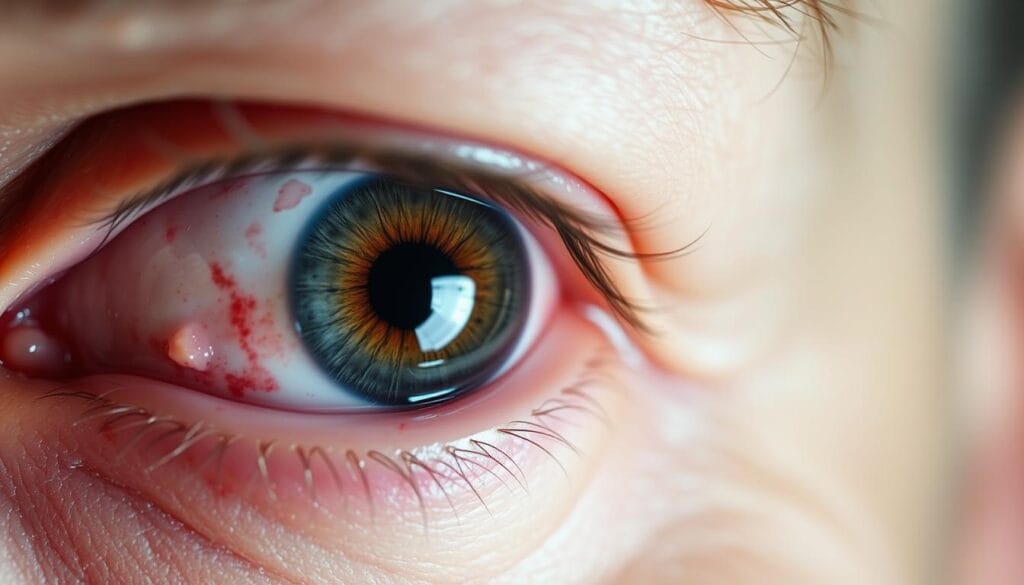
    LinkedInHormone Reset
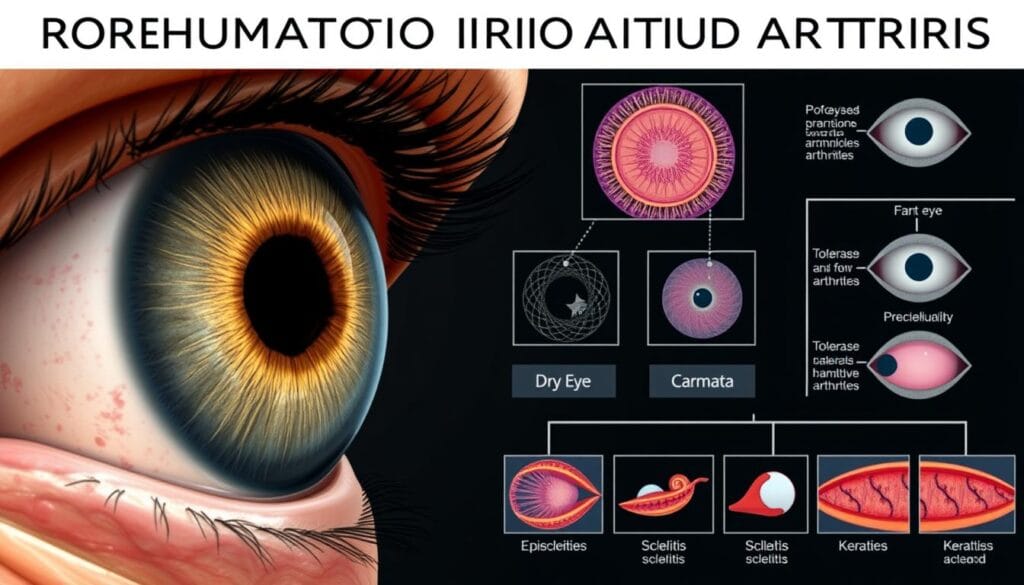
    FAQ’s

    1. Can you gain weight if you have thyroid problems?
      • Yes, with proper treatment, calorie-dense foods, and strength training, weight gain is possible even with thyroid issues.
    2. Why is it hard to gain weight with thyroid disorders?
      • An overactive thyroid speeds metabolism, burning calories too quickly and making it harder to store weight.
    3. What foods help gain weight with thyroid problems?
      • Nuts, avocados, fatty fish, seeds, and smoothies provide nutrient-rich calories that support healthy weight gain.
    4. Should I see a doctor before trying to gain weight with thyroid issues?
      • Yes, consult a hormone reset expert to balance thyroid levels before starting any weight gain plan.

    5. Does exercise help in gaining weight with thyroid problems?
      • Yes, strength training builds muscle mass, helping your body hold on to calories and gain healthy weight.
    6. How many calories should I add to gain weight with thyroid issues?
      • Adding 250–500 calories per day above your needs helps steady and safe weight gain.
    7. Can supplements help with thyroid-related weight loss?
      • Yes, under medical guidance, supplements like vitamin D, B12, and selenium can support thyroid and weight health.
    8. How long does it take to gain weight with thyroid treatment?
      • It may take a few months, as thyroid balance and consistent nutrition are key to lasting results.
    9. What lifestyle habits support weight gain with thyroid disorders?
      • Adequate sleep, stress reduction, and regular meals boost metabolic stability and support healthy weight gain.
    10. Can Hormone Reset programs help with thyroid weight issues?

      • Yes, Hormone Reset offers functional medicine strategies to balance thyroid health and support sustainable weight gain.
  • The Link Between Rheumatoid Arthritis and Eye Problems

    The Link Between Rheumatoid Arthritis and Eye Problems

    If you have rheumatoid arthritis, you might know about its joint effects. But you might not know about its eye impact. Studies show people with rheumatoid arthritis face a higher risk of eye problems. This includes uveitis and scleritis.

    RA 1

    It’s important to understand how rheumatoid arthritis affects your eyes. Knowing this can help you manage your overall health better. By being informed about eye effects, you can protect your vision.

    Key Takeaways:

    • Rheumatoid arthritis can increase the risk of eye problems.
    • Common eye issues associated with rheumatoid arthritis include uveitis and scleritis.
    • Monitoring your eye health is essential if you have rheumatoid arthritis.
    • Early detection and treatment can help prevent serious eye damage.
    • Maintaining overall health can contribute to better eye health.

    Understanding Rheumatoid Arthritis as a Systemic Disease

    Rheumatoid arthritis (RA) is more than just joint pain. It affects many parts of your health. Knowing this is key to managing it.

    The Autoimmune Nature of Rheumatoid Arthritis

    RA is caused by an autoimmune response. Your immune system attacks the lining of your joints. This leads to inflammation and damage. It can harm other parts of your body too.

    How Inflammation Extends Beyond Your Joints

    Inflammation from RA doesn’t just stop at your joints. It can reach other areas, like your eyes. Knowing this is important for your care.

    The Inflammatory Cascade Effect

    The inflammation in RA starts a chain reaction. This cascade effect can harm different organs. It shows why RA is a systemic disease, affecting more than just your joints.

    Extra-articular Manifestations of RA

    RA can affect other parts of your body, not just your joints. This includes eye problems and more. Spotting these signs is crucial for managing RA well.

    Seeing RA as a systemic disease helps you understand the need for full care. It’s not just about your joints. It’s about your overall health.

    Can Rheumatoid Arthritis Damage Your Eyes? The Critical Connection

    If you have rheumatoid arthritis, you might face eye problems. This is because the disease causes inflammation that can spread to other parts of your body. It’s not just your joints that can be affected.

    The Inflammatory Pathway from Joints to Eyes

    The inflammation from RA can reach your eyes. This happens because the same inflammation that harms your joints can also damage your eyes. Your eyes have delicate structures that can be affected.

    Prevalence of Eye Complications in RA Patients

    Research shows that RA patients are more likely to have eye problems. The exact number varies, but it’s clear that RA patients face a higher risk.

    Recent Research Findings

    Recent studies have found a strong link between RA and eye conditions. For example, almost 40% of RA patients have experienced eye complications.

    Risk Factors That Increase Your Chances

    Some factors can make you more likely to have eye problems if you have RA. These include how severe your RA is, how long you’ve had it, and your age.

    Risk FactorDescriptionImpact on Eye Health
    Severity of RAMore severe RA is associated with higher levels of inflammation.Increased risk of eye complications.
    Duration of RALonger duration of RA can lead to more significant damage over time.Higher likelihood of developing eye issues.
    AgeOlder adults are more prone to complications due to decreased resilience.Increased vulnerability to eye problems.

    Knowing about these risk factors and how RA affects your eyes can help you protect your vision. It’s important to regularly check your eyes and work closely with your healthcare team.

    The Spectrum of Eye Conditions Linked to Rheumatoid Arthritis

    If you have rheumatoid arthritis, knowing about eye problems is important. This disease can affect more than just your joints. It can also harm your eyes, leading to vision loss and other issues.

    RA 2
    • Dry Eye Syndrome: The Most Common Manifestation
      • Dry Eye Syndrome is a common eye problem for people with rheumatoid arthritis. It happens when your eyes don’t make enough tears or when the tears are not good. This causes dryness, irritation, and discomfort in your eyes.
    • Symptoms and Impact on Daily Life
      • Symptoms of Dry Eye Syndrome can be mild or severe. They include dryness, grittiness, burning, and blurred vision. These symptoms can make everyday tasks hard, like reading or using digital devices.
    • Connection to Sjögren’s Syndrome
      • For RA patients, Dry Eye Syndrome might also be linked to Sjögren’s Syndrome. This is an autoimmune disease that affects glands, especially the salivary and lacrimal glands. This connection shows why RA patients need comprehensive care.

    Scleritis and Episcleritis: When the Eye’s Outer Layer Inflames

    Scleritis and episcleritis are conditions that affect the outer layer of the eye. Scleritis is more serious and can lead to vision loss if not treated. Episcleritis is less severe but still needs attention to avoid discomfort.

    Scleritis can cause eye pain, redness, and sensitivity to light. It’s linked to rheumatoid arthritis. Episcleritis also causes eye pain and redness but is generally less severe.

    Uveitis: The Silent Threat to Your Vision

    Uveitis is inflammation in the middle layer of the eye. It can cause vision problems, eye pain, and light sensitivity. This condition is serious because it can lead to vision loss if not treated quickly.

    Uveitis is linked to rheumatoid arthritis. Regular eye exams are important to catch it early, as it can be silent until it’s severe.

    Retinal Vasculitis: The Most Severe Complication

    Retinal vasculitis is a rare but serious condition. It involves inflammation of the blood vessels in the retina. It can cause vision loss and is associated with rheumatoid arthritis. Quick diagnosis and treatment are key to prevent permanent damage.

    Knowing about eye conditions linked to rheumatoid arthritis helps you manage your eye health. Regular check-ups and working with your healthcare team are crucial to keep your vision safe.

    Warning Signs: Recognizing Eye Problems Before They Worsen

    If you have rheumatoid arthritis, watching out for eye problems is key. These issues can get serious if not caught early. Knowing the signs is important for quick treatment.

    Early Symptoms You Should Never Ignore

    Some early signs of eye problems from rheumatoid arthritis include:

    • Redness and pain in the eyes, which can be a sign of inflammation.
    • Blurred vision or changes in your vision, indicating potential issues within the eye.
    • Dryness or grittiness, often associated with dry eye syndrome.
    • Sensitivity to light, which can be uncomfortable and affect daily activities.

    “The earlier you detect eye problems, the better equipped you’ll be to manage them effectively.” – — Arthritis Foundation

    Distinguishing Between Normal Eye Fatigue and RA-Related Issues

    Telling normal eye fatigue from RA-related symptoms can be tough. But, if eye discomfort lasts or gets worse, see your doctor. They can figure out if it’s RA or something else.

    When to Seek Emergency Care for Your Eyes

    Some eye problems need quick medical help. Look for emergency care if you have:

    • Sudden loss of vision or severe vision changes.
    • Severe eye pain that doesn’t improve with over-the-counter pain relievers.
    • Eye redness accompanied by vision changes or discharge.

    Looking after your eye health is vital when you have rheumatoid arthritis. Spotting warning signs and getting medical help when needed can protect your vision and health.

    The Collaborative Care Approach: Your Medical Team

    Managing rheumatoid arthritis (RA) and eye problems requires a team effort. This approach brings together many healthcare experts. They work together to tackle RA’s joint and eye-related issues.

    The Essential Role of Your Rheumatologist

    Your rheumatologist is key in managing RA. They focus on arthritis and related diseases. They keep RA inflammation under control, which helps prevent eye problems.

    When and Why to See an Ophthalmologist

    An ophthalmologist specializes in eye disorders. If you have eye symptoms or concerns, see one. They can handle RA-related eye issues like dry eye and uveitis.

    Coordinating Care Between Specialists

    It’s important for your rheumatologist and ophthalmologist to work together. Good communication helps avoid complications and improves treatment plans.

    Communication Strategies That Work

    To improve communication, use a shared medical record or patient portal. Regular meetings between your doctors can also adjust your care as needed.

    Questions to Ask Each Provider

    • What are the potential eye-related side effects of my RA medications?
    • How often should I have my eyes checked?
    • Are there any specific eye symptoms I should be aware of?

    By working with your medical team and staying informed, you can protect your vision and health.

    Empowering Yourself: Proactive Steps to Protect Your Vision

    If you have rheumatoid arthritis, you can protect your eyes. This is by watching your eyes, eating right, and changing your lifestyle. These steps can lower the chance of eye problems linked to rheumatoid arthritis.

    Creating Your Eye Health Monitoring Schedule

    Getting regular eye exams is key. See your eye doctor once a year. Tell them if your vision or eye feels different.

    Nutrition Strategies That Support Eye Health

    Eating foods that fight inflammation is good for your eyes. Omega-3 fatty acids in fish and nuts are especially good.

    Anti-inflammatory Foods to Embrace

    • Fatty fish like salmon
    • Nuts and seeds
    • Leafy greens

    Supplements with Evidence-Based Benefits

    Think about taking omega-3 fatty acids and vitamin D. But talk to your doctor first:

    NutrientBenefitFood Sources
    Omega-3 fatty acidsReduces inflammationSalmon, walnuts
    Vitamin DImmune system regulationFortified dairy, sunlight exposure

    Lifestyle Modifications That Make a Difference

    Simple changes can help your eyes. Quit smoking and keep a healthy weight.

    Digital Eye Strain: Special Considerations for RA Patients

    Use the 20-20-20 rule. Every 20 minutes, look away from screens and focus on something 20 feet away for 20 seconds.

    Conclusion: Your Vision Matters – Taking Control of Your Eye Health with RA

    Rheumatoid arthritis can really affect your eye health, and knowing this is key. It’s not just about if RA can harm your eyes. It’s about taking steps to keep your vision safe.

    Managing rheumatoid arthritis means taking care of your whole health, including your eyes. Knowing the eye problems RA can cause helps you work with your doctors. This way, you can catch and fix any eye issues early.

    Your fight with rheumatoid arthritis is special, and so are your eye care needs. By staying informed and taking action, you can lower the chance of eye damage. Take charge of your eye health today. Aim for a future where RA doesn’t control your sight.

    FAQ’s

    1. Can rheumatoid arthritis damage your eyes?
      • Yes, rheumatoid arthritis can harm your eyes. It can cause dry eye, scleritis, episcleritis, uveitis, and retinal vasculitis. These problems are due to the disease’s inflammatory nature.
    2. What are the common eye conditions associated with rheumatoid arthritis?
      • Rheumatoid arthritis can lead to several eye problems. These include dry eye, scleritis, episcleritis, uveitis, and retinal vasculitis. If not treated, these can cause vision issues.
    3. How does rheumatoid arthritis cause eye inflammation?
      • Rheumatoid arthritis causes eye inflammation in the same way it affects joints. This leads to conditions like scleritis, episcleritis, and uveitis.
    4. What are the symptoms of rheumatoid arthritis-related eye problems?
      • Symptoms can include eye pain, redness, and dryness. You might also see blurred vision, sensitivity to light, and floaters. The symptoms vary based on the eye condition.
    5. How can I protect my vision if I have rheumatoid arthritis?
      • To protect your vision, get regular eye exams. Manage your rheumatoid arthritis with your doctor. Adopt healthy habits and watch for early signs of eye problems.
    6. When should I seek emergency care for rheumatoid arthritis-related eye issues?
      • Seek emergency care for sudden vision loss, severe eye pain, or increased sensitivity to light. These are signs of serious eye conditions that need immediate attention.
    7. How often should I have my eyes checked if I have rheumatoid arthritis?
      • Regular eye exams are key. The frequency depends on your rheumatoid arthritis severity and eye conditions. Talk to your ophthalmologist for a personalized schedule.

    Please subscribe to our social channels for updates related to functional medicines.
    Instagramthehormonereset
    FacebookHormone Reset
    YouTubeHormone Reset Program
    LinkedInHormone Reset

  • Gold Complexes vs Functional Medicine: Which Better Treats Rheumatoid Arthritis 2025

    Gold Complexes vs Functional Medicine: Which Better Treats Rheumatoid Arthritis 2025

    Gold Complexes vs Functional Medicine: If you’re among the 0.5-1% of the global population battling rheumatoid arthritis, you’ve likely explored various treatment options for this chronic inflammatory disease. The treatment of rheumatoid arthritis with gold complexes has a long-standing history in medical practice, dating back to 1985 when auranofin was first introduced. Despite newer therapies emerging, gold salts remain relevant because 70-75% of rheumatoid arthritis patients respond positively to this treatment.

    Clinical evidence supports the effectiveness of gold therapy, with four trials involving 415 patients demonstrating a statistically significant benefit when compared to placebo. In fact, gold treatment for rheumatoid arthritis shows a 30% improvement in reducing swollen joints compared to placebo groups. However, this effectiveness comes with concerns—22% of patients receiving gold treatments withdraw due to toxicity, compared to only 4% in control groups. Meanwhile, functional medicine approaches offer alternative strategies focusing on addressing root causes rather than symptom management.

    This comparison raises an important question for your treatment journey: should you consider traditional gold-based therapies with proven clinical outcomes but higher side effect profiles, or explore functional medicine approaches that promise fewer side effects but may have less robust clinical evidence?

    In this article, we’ll examine both options to help you make an informed decision about your rheumatoid arthritis management.

    Mechanisms of Action: Gold Complexes vs Functional Medicine

    Rheumatoid arthritis treatments function through distinctly different pathways. Understanding these mechanisms helps explain their respective benefits and limitations.

    Gold Salts and Immune Modulation in RA

    Gold complexes work primarily by modulating the immune response in rheumatoid arthritis. Auranofin, approved in 1985, manages autoimmune activity by inhibiting immune cell infiltration to inflammation sites. The gold compounds suppress T cell mitogenesis and macrophage cytotoxicity—with notably greater effects in patients with active RA. Additionally, gold concentrates within lysosomes of tissue macrophages, decreasing enzyme release and indirectly inhibiting pro-inflammatory cytokines such as IL-8 and IL-6 by blocking the NF-kB signalling pathway. These mechanisms collectively reduce joint pain, swelling, and decrease levels of immunoglobulins and rheumatoid factors in the bloodstream.

    Functional Medicine: Gut Health, Inflammation and Autoimmunity

    Conversely, functional medicine adopts a systems-based approach, evaluating all physiological systems to understand potential root causes of autoimmunity. This methodology places gut health at the centre of rheumatoid arthritis treatment, recognising that dysbiotic gut microbiome and compromised intestinal permeability (“leaky gut”) contribute significantly to RA development. Evidence suggests that RA may actually emerge from mucosal tissues and dysbiosis before joint problems manifest. Studies reveal that patients with RA have reduced levels of beneficial bacteria like Faecalibacterium, which generates anti-inflammatory butyrate. Furthermore, gut virome biomarkers are significantly decreased in RA patients compared to healthy controls.

    Targeted vs Systemic Approaches to RA Management

    Although both approaches address inflammation, gold therapy offers a targeted approach through specific immune suppression, whereas functional medicine provides a holistic strategy. Gold complexes directly impact inflammatory pathways through defined protocols of injections or oral administration. In contrast, functional medicine personalises treatment based on individual factors, addressing nutritional deficiencies, removing inflammatory foods (especially gluten), managing stress through mind-body practises, and ensuring adequate hydration for joint lubrication. While gold therapy demonstrates direct anti-inflammatory effects, functional medicine addresses multiple contributing factors simultaneously.

    Clinical Efficacy in Rheumatoid Arthritis

    Clinical measurements provide objective insights into treatment effectiveness for rheumatoid arthritis. Several parameters help evaluate therapeutic responses across different approaches.

    Swollen Joint Reduction: 30% Improvement with Gold Injections

    Gold injections demonstrate measurable efficacy in clinical trials, with patients receiving injectable gold experiencing 30% fewer swollen joints compared to those receiving placebo. Moreover, this corresponds to a standardised weighted difference of -0.5 between gold and placebo groups. Remarkably, approximately 10-20% of patients who start on intramuscular gold achieve complete long-term remission when maintained on injections every 2-4 weeks.

    Patient and Physician Global Assessments: Gold vs Functional Protocols

    According to clinical data, patient global assessment (PGA) serves as one of the most widely used patient-reported outcomes in rheumatoid arthritis practice. Interestingly, the perspective regarding disease state often differs between patients and physicians, with discordance frequency ranging from 36-51%. For gold therapy specifically, statistically significant differences favouring gold were observed for physician assessment (effect size 0.6) and patient assessment (effect size 0.4). In contrast, functional medicine approaches show improvement in patient-reported PROMIS global physical health scores with an average change 2.84 points greater compared to standard care alone.

    ESR and Inflammatory Markers: Comparative Outcomes

    Erythrocyte sedimentation rate (ESR) serves as a routine haematological test used to detect and monitor inflammatory activity. During gold treatment, a statistically significant difference of 13 mm reduction in ESR was observed compared to placebo. Gold therapy also shows significant benefits for C-reactive protein (CRP) levels. Comparatively, functional medicine interventions can help reduce inflammatory markers through dietary modifications and stress management techniques.

    Functional Medicine Case Studies and Remission Rates

    Remission rates vary considerably across treatment approaches. Overall remission rates in the Asia-Pacific region range from 17.1% to 62.3% according to different remission criteria. For functional medicine specifically, one retrospective study showed statistically significant improvements in pain scores (0.92 points less compared to standard care). Furthermore, the average change in physical health score was 2.84 points greater in the functional medicine group compared to standard care.

    Safety and Side Effects Profile

    Safety considerations play a vital role when selecting treatment options for rheumatoid arthritis. Gold complexes treatment of rheumatoid arthritis comes with distinct risk profiles that must be weighed against potential benefits.

    Toxicity Withdrawals: 22% in Gold Therapy vs Minimal in Functional Medicine

    The safety profile of gold therapy reveals withdrawal rates. Studies show 22% of patients receiving gold treatments withdraw due to toxicity compared to merely 4% of patients taking placebo. Generally, 30% of patients discontinue gold therapy entirely versus 15% on placebo. Among those who interrupt treatment, 43.2% do so because of adverse events. Even more striking, the probability of discontinuation increases over time—42% after one year, rising to 92% after ten years. Regarding specific reactions, withdrawals from mucocutaneous toxicity are 4.2 times more likely in gold-treated patients.

    Organ-Specific Reactions: Skin, Renal, and Haematological Effects

    Gold injections can trigger numerous organ-specific reactions. Firstly, mucocutaneous side effects dominate initially, including dermatitis, stomatitis (13%), rash (24%), and pruritus (17%). Secondly, haematological complications include thrombocytopenia in 1-3% of patients, with approximately 3% requiring discontinuation due to blood disorders including leucopenia and thrombocytopenia. Thirdly, renal issues such as proteinuria and nephrosis may develop. Other documented effects include dizziness, nausea, vomiting, and in serious cases, eye pain, mood changes, and breathing difficulties.

    Long-Term Safety: Gold Accumulation vs Lifestyle-Based Interventions

    Long-term gold accumulation presents unique concerns since gold is never completely eliminated from the body. Indeed, gold traces remain detectable in tissues 23 years after treatment cessation. Gold primarily accumulates in kidney, lymph nodes, liver, and synovial tissues, with elimination occurring through urine (75%) and faeces (25%). Two types of persistent effects include chrysiasis (bluish-grey skin discoloration) and corneal chrysiasis (golden ring around the cornea), typically occurring after cumulative doses exceed 1.5g. Subsequently, these effects can be triggered by light exposure, particularly in previously treated patients undergoing red to near-infrared pulsed laser treatments.

    Accessibility, Cost and Patient Suitability

    Practical considerations often determine treatment selection between traditional and alternative approaches for rheumatoid arthritis.

    Gold Injection Protocols: Frequency, Monitoring and Cost

    Gold therapy follows a specific dosing schedule beginning with a 10mg test dose in week one, followed by 50mg weekly injections until response occurs (maximum 1000mg total). Subsequently, intervals gradually extend from fortnightly to 3-5 weeks, potentially reaching 6-8 weeks after 18-24 months. Rigorous monitoring remains essential throughout treatment—blood tests weekly for injections 2-8, fortnightly for 12 weeks, then monthly, alongside urinalysis before every injection and annual chest x-rays. Cost considerations include £3.80 per 10mg ampoule and £11.23 per 50mg ampoule, with insurance coverage varying significantly between providers.

    Functional Medicine: Personalisation, Supplements and Lab Testing

    Functional medicine acknowledges limitations in one-size-fits-all approaches—66% of patients fail to achieve complete symptom resolution with standardised treatments. Instead, personalisation through comprehensive testing guides interventions. Essential assessments may include comprehensive blood panels interpreted using narrower functional ranges (TSH 1.0-2.5 mIU/L versus conventional 0.5-4.5 mIU/L), gut microbiome analysis, hormonal testing via DUTCH panels, food sensitivity through Mediator Release Testing, and toxin exposure evaluations.

    Which Patients Benefit Most from Each Approach?

    gold complexes image 2

    Patients best suited for gold therapy include those requiring documented efficacy—approximately 70-75% respond positively, with treatment effects gradually diminishing after discontinuation. Nonetheless, 43% withdraw due to toxicity versus 19% on methotrexate. Conversely, functional medicine particularly benefits patients with complex presentations requiring individualised care, those susceptible to medication side effects, or individuals prioritising addressing root causes over symptom management.

    Comparison Table

    AspectGold ComplexesFunctional Medicine
    Primary MechanismImmune modulation through T cell suppression and macrophage inhibitionSystems-based approach focusing on gut health and microbiome balance
    Treatment ProtocolWeekly 50mg injections initially, extending to 3-5 weeks intervalsPersonalised approach based on individual factors
    Withdrawal Rate22% due to toxicity (vs 4% placebo)Minimal (not specifically quantified)

    Side Effects

    • Stomatitis (13%)
    • Thrombocytopenia (1-3%)
    • Dermatitis (24% rash)
    • Permanent gold accumulation | Minimal reported adverse effects | | Monitoring Requirements | Weekly blood tests initially, then fortnightly for 12 weeks, followed by monthly tests | Comprehensive testing including blood panels, gut microbiome, hormonal testing | | Cost Indicators | £3.80 per 10mg ampoule £11.23 per 50mg ampoule | Not specifically mentioned | | Best Suited For | Patients requiring documented efficacy with tolerance for side effects | Complex presentations
    • Side effect-sensitive patients
    • Those seeking root cause treatment | | Long-term Impact | Gold traces detectable up to 23 years after treatment | Not specifically mentioned |

    Conclusion

    The battle between gold complexes and functional medicine for rheumatoid arthritis treatment essentially boils down to a choice between established efficacy with higher risks versus holistic approaches with fewer documented side effects.

    Gold therapy undoubtedly offers quantifiable benefits with its impressive 70-75% response rate and 30% reduction in swollen joints compared to placebo. Additionally, the well-established protocols provide clear guidance for implementation and monitoring. Nevertheless, these benefits must be weighed against significant drawbacks—notably the 22% withdrawal rate due to toxicity and long-term gold accumulation in body tissues lasting up to 23 years after treatment cessation.

    Functional medicine, conversely, addresses rheumatoid arthritis through a systems-based lens, primarily targeting gut health and underlying inflammatory triggers. While this approach lacks the same level of clinical documentation as gold therapy, it offers minimal reported adverse effects and personalized treatment paths. Furthermore, functional medicine particularly suits patients with complex presentations or those sensitive to conventional medication side effects.

    Your choice between these two approaches ultimately depends on personal health priorities. You might prefer gold therapy if documented efficacy outweighs side effect concerns for your situation. Alternatively, functional medicine might better serve you if addressing root causes with minimal adverse effects aligns with your treatment philosophy. Regardless of your decision, consulting healthcare professionals specialising in both conventional and functional medicine will help ensure you select the most appropriate treatment path for your specific rheumatoid arthritis manifestation.

    Stay updated with the latest information on functional medicine

    Please subscribe to our social channels for updates related to functional medicines.
    Instagramthehormonereset
    FacebookHormone Reset
    YouTubeHormone Reset Program
    LinkedInHormone Reset

    FAQ’S

    1. Is gold therapy still a viable treatment for rheumatoid arthritis?
      • Gold therapy is still available but less common due to side effects, with 70–75% responding positively and 22% stopping due to toxicity.
    2. How does functional medicine approach rheumatoid arthritis treatment?
      • Functional medicine treats rheumatoid arthritis holistically, focusing on root causes like gut health, nutrition, and lifestyle for personalized care.
    3. What are the main differences between gold therapy and functional medicine for rheumatoid arthritis?
      • Gold therapy reduces swollen joints by ~30% but has higher side effects, while functional medicine offers personalized, root-cause-focused care with fewer side effects.
    4. How long do the effects of gold therapy last in the body?
      • Gold can remain in body tissues for up to 23 years, potentially causing persistent effects like chrysiasis (bluish-grey skin).
    5. What monitoring is required for gold therapy in rheumatoid arthritis treatment?
      • Gold therapy requires frequent blood tests, urinalysis before injections, and annual chest x-rays to monitor safety.