Author: Siddarth Goel

  • Healthy Alternatives To Dairy

    Healthy Alternatives To Dairy

    What is Vegan Milk?

    Vegan milk, also known as plant milk or non-dairy milk, is a beverage that has been consumed for centuries in various parts of the world for various reasons. Some choose to drink it due to health concerns such as an allergy or lactose intolerance, while others drink it for the nutritional benefits it offers.

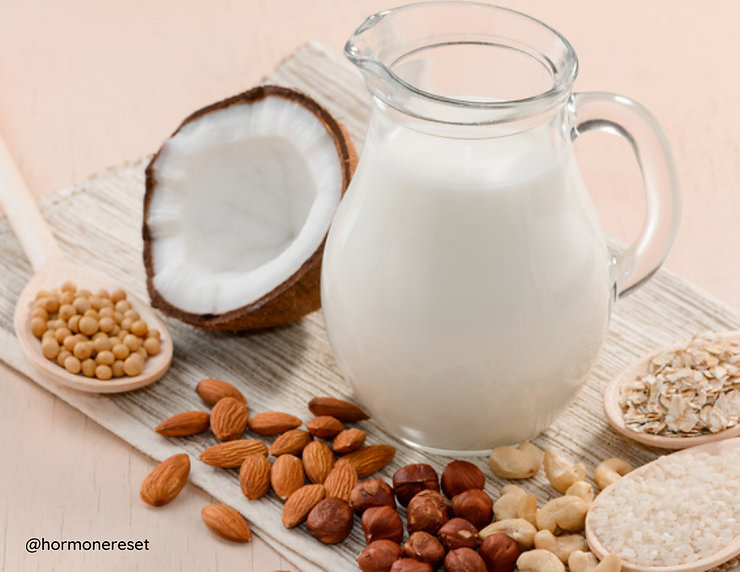
    A lactose-free substitute to cow milk, plant-based milk or vegan milk is usually made from almond, coconut, cashew, oats and hemp.

    A dairy-free diet helps our body and overall health in various ways such as improving digestion, promoting weight loss, improvement in metabolism and energy levels and does not cause any inflammation that might cause the expansion of unhealthy gut bacteria linked to some chronic diseases or conditions including leaky gut. Plant-based milk is rich in vitamins and minerals, and low in calories. It is also advised to people that have a slow gastrointestinal system.

    Different types of Plant based / Vegan milk:

    Almond Milk

    1e197b c308b86e10e7482b9f50f2287306cf77mv2

    Almond milk is presumably the foremost popular plant-based milk. Although this vegan milk may be low in protein, it contains a lot of vitamins and other nutrients such as Copper, zinc, iron, magnesium, vitamin E etc. Almond milk is rich in various antioxidants which may help protect against numerous ailments such as cancer and heart disease etc. Unsweetened almond milk is low in calories and is low in carbohydrates. Almond milk is a great beverage that you can drink as it is or in smoothies, shakes and coffees. It can also be poured over cereals and oatmeal.

    How to Prepare:

    • Soak the almonds in water overnight.
    • Place the soaked almonds during a blender.
    • Add water and start blending. Start at low speed and gradually increase to high. Blend at high for up to 1.5 minutes.
    • This mixture can be used as is. However, for a smoother texture, you can strain it through a muslin/cheesecloth or a fine sieve.
    • The milk is ready for use. You can also refrigerate it and use it over the next 2-3 days.

    Benefits of Almond Milk:

    • It is rich in monounsaturated fatty acids (MUFA) which will aid in weight loss and weight management.
    • It is a natural source of the antioxidant vitamin E.
    • Almond milk doesn’t raise blood glucose levels, therefore, making it beneficial for people with diabetes.

    Coconut milk

    1e197b 0a63ed16144d48a7aa2c86f1b6fb7144mv2

    This milk is extracted from the white flesh of a coconut. Coconut milk features a pleasant flavor and has less protein than almond milk. In comparison to other plant-based milk types, coconut milk contains good amounts of beneficial medium-chain triglycerides that are beneficial for one’s overall health. It adds a delicious yet not too overpowering coconutty flavor to any dish it’s utilized in and works great when utilized in baking too. Coconut milk is ideal for many different kinds of recipes including thai curries, soups, stews, smoothies, puddings, and even ice creams. It is meant for drinking and has a thinner consistency that is ideal for teas, coffees, and cereals.

    How to Prepare:

    • Put the grated coconut in a blender jar and blend at high speed with 1-cup water.
    • Strain with muslin or fine sieve and collect the first milk in a bowl. This is the thick milk.
    • Transfer the coconut to the blender, add 1-cup water and again blend on high. Strain and collect this milk in another bowl. Do this process once more.
    • The first milk can be used for making very tasty curds. For the first time a starter from normal curd can be added. Then let it sit in a warm area for 6-8 hours.

    Benefits of Coconut Milk :

    • It aids in weight loss.
    • It contains an honest amount of antioxidants.
    • It helps in balancing electrolytes.
    • It prevents heart diseases by promoting the HDL (good) cholesterol levels and reducing the levels of harmful LDL (bad cholesterol) that are associated with cardiovascular diseases.
    • It strengthens the immune system.
    • It helps with good digestion.
    • It’s common in South Indian and Thai cuisine because the curries get their creaminess from coconut milk.

    Oats Milk

    1e197b 8622dfca8c1f46fda55b2251db1d69bd~mv2

    Oats milk is nutritious and contains soluble fiber. Enriched with vitamins and calcium, the milk features a low saturated fat content. The soluble fiber in it gives the milk a creamy texture and as compared to other sorts of plant-based milk, oat milk has the very best amount of calories and carbohydrates

    How to prepare:

    • Soak the rolled oats in water overnight or 3-4 hours.
    • Place the soaked oats in a blender.
    • Add water and start blending. Blend for up to 2-3 minutes.
    • Strain it through a muslin or a fine sieve.
    • The milk is ready to use

    Benefits of Oats Milk:

    • It is high in beta-glucans (a soluble fiber) which help lower blood cholesterol.
    • Rich in calcium which boosts bone health.
    • Excellent source of B-complex vitamins.
    • The soluble fiber in oat milk helps slow digestion and keeps you feeling full for extended time.
    • It also helps stabilize your blood glucose levels

    Cashew Milk

    1e197b 8364353f404e46f58c7fb98d75f7712b~mv2

    Cashew milk is a very recent addition to vegan milk. It is crammed with heart-healthy unsaturated fats and should be beneficial for those that are diabetic and wish to observe their carbohydrate consumption. This vegan milk features a very creamy consistency that works great in teas and coffees. It is a good addition to your curries and bakery products.

    How to prepare:

    • Soak the cashews overnight. Place the soaked cashews in a blender.
    • Add water and start blending. Start at low speed and gradually increase to high. Blend at high for up to 2 minutes.
    • The milk is ready for use. It can be stored in the refrigerator and used over the next 2-3 days.

    Note – Cashew milk does not need to be strained or filtered as it naturally has a creamy smooth texture.

    Benefits of Cashew milk:

    • Contains healthy fats and a spread of vitamins and minerals.
    • Boosts overall health.
    • Helps reduce bloating.
    • Improves eyesight.

    Hemp Milk

    1e197b 5e563aded55e4f28857d09646d400cc8~mv2

    Hemp milk is milk made using seeds of the hemp plant. This vegan milk is sort of high in protein with a thick and creamy consistency. It is high in minerals and healthy fats, also as low in calories. Hemp milk provides almost 50 percent of the recommended daily intake of alpha-linolenic acid (ALA), which is a type of omega-3 fatty acid that is important in healthy heart and brain function. Due to its strong flavor, it is best used in savoury dishes.

    How to Prepare:

    • Soak hemp seeds overnight.
    • Place-soaked hemp seeds in a blender and blend until smooth.
    • Add a few drops of pure vanilla extract or sweetener if needed.
    • Strain the milk if needed.
    • Serve immediately.
    • It can be refrigerated in an airtight glass container up to 5 days.

    Benefits of Hemp Milk:

    • It contains arginine, which produces nitric acid in the body. This improves your heart health. Hemp seeds also contain an honest amount of fiber, which may aid in healthy digestion and reduce your risk of diabetes.
    • Hemp milk contains a high amount of omega 3 & omega 6 fatty acids. Hence boost brain function and reduce risk for Alzheimer’s. It improves skin health too.
    • It acts as an anti-inflammatory.
    • Hemp milk strengthens the immune system as well.

    Swapping out dairy milk for plant-based milk is not just beneficial for health but also prevents your exposure to antibiotics and hormones in conventional dairy products. High quality plant-based milk is rich with fiber, omega 3 and protein to help humans live their healthiest life.

    References :

    1. Vanga, S. K., & Raghavan, V. (2018). How well do plant based alternatives fare nutritionally compared to cow’s milk?. Journal of food science and technology, 55(1), 10–20. https://doi.org/10.1007/s13197-017-2915-y
    2. Reyes-Jurado, F., Soto-Reyes, N., Dávila-Rodríguez, M., Lorenzo-Leal, A., Jiménez-Munguía, M., Mani-López, E., & López-Malo, A. (2021). Plant-Based Milk Alternatives: Types, Processes, Benefits, and Characteristics. Food Reviews International, 1–32. https://doi.org/10.1080/87559129.2021.1952421

    Share

  • All About Polycystic Ovary Syndrome (PCOS)

    All About Polycystic Ovary Syndrome (PCOS)

    What is Polycystic Ovary Syndrome (PCOS) ?

    PCOS or Polycystic Ovarian Syndrome is a lifestyle disorder that most commonly affects women of reproductive age. It is often misled, because it creates a label that it can’t be cured and can lead to a hopeless feeling. Generally what needs to be treated is the root cause instead of putting on band-aids that only cover things up. Most women with PCOS have insulin resistance. Insulin resistance is one underlying root cause of PCOS.

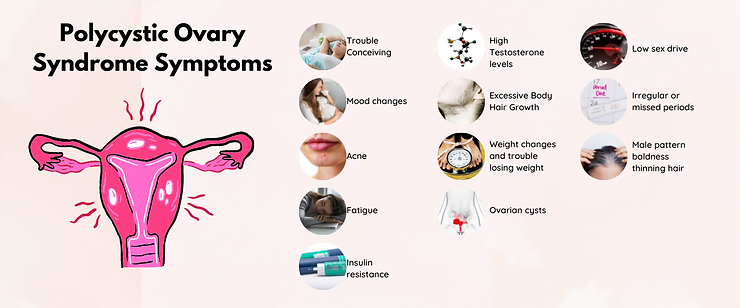
    PCOS has various symptoms. Women may have 4-5 of these symptoms.​

    Common symptoms of PCOS include:

    • Acne
    • Weight gain or trouble losing weight.
    • Extra hair on the face and body. Often women get thicker, darker facial hair and excess hair on the chest, belly, and back.
    • Thinning hair on the scalp.
    • Mood swings, depression.
    • Bloating.
    • Irregular periods. Women with PCOS have fewer than nine periods a year. Some women have no periods whereas others have very heavy bleeding.
    • Fertility problems. Many women who have PCOS have trouble conceiving.
    1e197b 90c18c59aef0415ab3670d8cb6ca4dc1mv2

    Struggling with Unwanted Facial Hair and Male Pattern Balding?

    One of the symptoms of PCOS can be unwanted facial and body hair growth and male pattern balding. Let’s understand what causes it.

    • Most PCOS cycles can be anovulatory cycles Anovulation leads to higher levels of testosterone. When a woman does not ovulate, the brain is still trying to stimulate that ovulation. Under this stimulation, more and more luteinizing hormones are released. When the ovaries are overwhelmed with luteinizing hormone, they tend to produce significantly higher levels of testosterone.
    • Testosterone is a male hormone High levels of testosterone contributes to increase in body hair in women, in particular, on the face, maybe on the nipples or around the belly button area.
    • High dihydrotestosterone or DHT High testosterone can also lead to high levels of dihydrotestosterone or DHT which can contribute to loss of head hair in women just like it does in men.
    • High insulin levels make androgen receptors more sensitive to androgens Insulin resistance makes androgen receptors more sensitive to androgens and hence the symptoms of balding and unwanted hair growth appear. Testing for testosterone and DHEAS is essential if you are experiencing the above symptoms. PCOS Pofile test covers these parameters.

    It is not Necessary to Have Cysts in Your Ovaries to Confirm PCOS

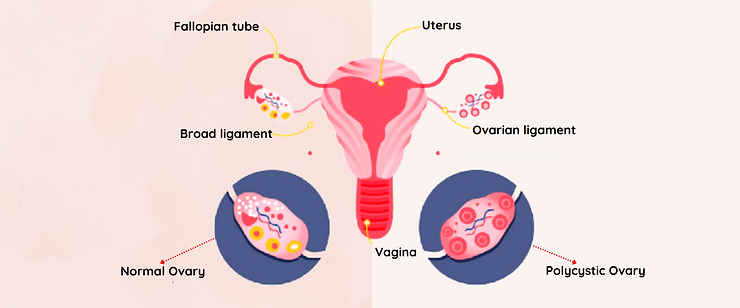
    Not all women with PCOS will have cysts in their ovaries. Polycystic ovary is only a sign of PCOS and not the cause. You may have a normal ovary along with the symptoms of PCOS.

    Often women get very concerned about having cysts in the ovary. Let’s understand more about the cysts in the ovary.

    What does Cysts in The Ovary Mean?

    • All women of reproductive age have some ovarian cysts. They’re really quite normal. Ovarian cysts are formed at every attempt at ovulation. The corpus luteum is a normal cyst that forms in the ovary every single month in women of childbearing age after ovulation. Those cysts generally are quite small and they are self-resolving.
    • Having some small ovarian cysts is not a problem. It just means that the reproductive process is happening naturally.
    • Large cysts accompanied with symptoms of hormonal imbalance need to be addressed Now larger cysts may arise. They can be painful just because they are causing physical impingement, but again, most often, they are self-resolving. In some cases, they do need to be removed if they are simply growing out of control.

    What Causes Large Cysts in The Ovary?

    It’s a sign of ovaries that are not generally producing eggs or ovulating consistently. Basically, what’s happening is that the egg maturity process is impaired so that the follicles are trying to mature, but they are not able to finish the maturation process in order to allow ovulation. What someone ends up with is a lot of cysts as evidence of that attempt at maturation, but those cysts are not proceeding to ovulation because the eggs within them are underdeveloped.

    1e197b 4430faf5a7f4402ca1dcd0e70679372cmv2

    Main Root Causes of PCOS

    Research today clearly points out that there are many different contributing causal factors for PCOS. Two primary drivers for PCOS are:

    1. Insulin resistance High circulating levels of insulin, it’s called insulin-resistance. It is the starting point of the metabolic cascade that eventually leads to Type 2 diabetes. 50% of women with PCOS have excess body fat and high waist to hip ratios which are really classic dynamics of insulin-mediated fat storage. So, checking fasting insulin levels is very important.
    2. Estrogen dominance The second driver is endocrine disruption and subsequent damage to the egg due to hormone-mimicking chemicals or what is often called xenoestrogenic toxicity

    Well, I am sure you would be intrigued to know what’s causing Insulin resistance & Estrogen dominance. Here it is in a nut shell.

    • Poor diet-Refined carbohydrates/sugar/trans fats
    • Nutritional deficiency
    • Food sensitivities-gluten, dairy
    • Increased Gut permeability
    • Imbalance in Gut
    • microbiome/Dysbiosis
    • Malabsorption
    • Chronic stress
    • Non Native EMF
    • Toxin Load (heavy metals, plastics, personal care products, etc
    • Poor Detoxification-Constipation,etc
    • Sedentary lifestyle
    • Estrogen mimicking foods-dairy & meat fed with hormones, hybrid soya
    • Human Genome

    If you have PCOS, do not consider it as a lifelong companion. It is a lifestyle disease which can be reversed by addressing the root cause. Drugs can only provide symptomatic relief. What do you want to choose-Band aid fix or Reversal?

    Need help?

    References:-

    1. Revised 2003 consensus on diagnostic criteria and long-term health risks related to polycystic ovary syndrome. (2004, January 1). ScienceDirect.
    2. Dunaif, A. (1997). Insulin Resistance and the Polycystic Ovary Syndrome: Mechanism and Implications for Pathogenesis. Endocrine Reviews, 18(6), 774–800. https://doi.org/10.1210/er.18.6.774
    3. Pelusi B, Gambineri A, Pasquali R. Type 2 diabetes and the polycystic ovary syndrome. Minerva Ginecol. 2004 Feb;56(1):41-51. PMID: 14973409.
    4. Diamanti-Kandarakis E., Bourguignon, J. P., Giudice, L. C., Hauser, R., Prins, G. S., Soto, A. M., Zoeller, R. T., & Gore, A. C. (2009). Endocrine-Disrupting Chemicals: An Endocrine Society Scientific Statement. Endocrine Reviews, 30(4), 293–342. https://doi.org/10.1210/er.2009-0002
    5. De Leo V, Musacchio MC, Morgante G, La Marca A, Petraglia F. Polycystic ovary syndrome and type 2 diabetes mellitus. Minerva Ginecol. 2004 Feb;56(1):53-62. PMID: 14973410.

    Source credit for this blog: FM Diagnostics

  • Do Not Miss The Signs Your Periods Are Giving You About Your Body Health

    Do Not Miss The Signs Your Periods Are Giving You About Your Body Health

    If you are having a painful period, it is your body’s way of telling you something is off. If you are missing work or school because of a painful cycle, then something is wrong. Ideally your periods shouldn’t confine you to bed which is nonetheless the case these days! Mother nature didn’t create periods for it to be a monthly endurance test for you. Healthy periods are your Birthright and Don’t let anyone tell you otherwise!

    What Should Your Period Experience be Like?

    • No cramping
    • No bloating
    • No breast tenderness
    • No crazy mood swings
    • No extreme fatigue.

    What are You Made to Believe About Periods?​

    PMS is Very Normal
    • The Truth is, it is not normal. It’s revealing the underlying problem
    • Just because every woman today goes through PMS, it is accepted as NORMAL.
    Birth Control Pill Makes Period Problem Disappear
    • The Truth is they are band aid fixes to mask the symptoms.
    • In the long run, it does more damage than any good.
    Periods is About Fertility Only
    • The Truth About Your Period – It’s Your 5th Vital Sign

    Healthy periods are an important determinant while evaluating the health of girls/women. Periods are so much about how a woman feels everyday. It’s about her productivity, energy levels, hair, skin, moods and the list is long.

    What does a Healthy Period Look Like?​

    Everyone’s period is different and that is OK. We are all different and unique women in regards to our personalities and physical features, and the same goes for our cycles as well.

    • Periods should arrive every 25-35 days (average is 28-30 days)
    • Bleed for 3-7 days
    • Lose 25-80 millilitres of blood
    • Bright, cranberry coloured blood that is the consistency of jelly that hasn’t set yet
    • Luteal phase of 10-16 days (ideally at least 12 days!)

    What Happens During a Menstrual Cycle?​

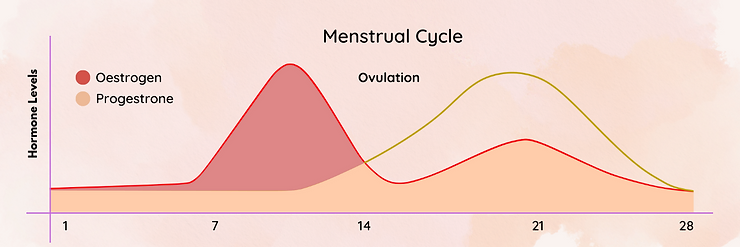
    During menstrual cycle, a series of hormone changes prepare a woman’s body for pregnancy. The ovaries make hormones, which include estrogen and progesterone. These are being released under the influence of our brain.

    • During the first phase of the cycle, as the follicles mature, Estrogen is released. This helps is thickening of the uterus lining & preparing for pregnancy.
    • When enough estrogen is built up, Luteinizing hormone(LH) is released. Luteinizing hormone(LH) stimulates ovulation(the release of an egg).
    • During the second phase, progesterone becomes the most important hormone.

    If a woman doesn’t become pregnant, the levels of progesterone will decrease and her body sheds the thickened uterine lining and the egg during the menstrual period

    1e197b e31397533e6c4133ab923646a1c96e18mv2

    If any of these hormones are out of balance, the uterine cavity is not prepared well.

    The house is not ready for the baby and it is the body’s wisdom to not support it. Some women experience Premenstrual syndrome (PMS). It’s again due to one hormone dominating over the other. So hormones have to be in balance to send out the right messages.

    What is Premenstrual Syndrome (PMS)

    Premenstrual syndrome (PMS) is a combination of physical and emotional symptoms that many women experience after ovulation and/or before the start of their menstrual period. In a healthy woman, post ovulation, estrogen levels will start decreasing and progesterone will start rising. If this trend doesn’t happen, and the estrogen levels continue to stay high, PMS symptoms start appearing. PMS is not normal Just because most women experience it today (given the impact of lifestyle and diet), PMS is made to be believed normal. Some women get their periods without any signs of PMS or only very mild symptoms. For others, PMS symptoms may be so severe that it makes it hard to do everyday activities.

    There are Three Typical Imbalances Involved in PMS:​

    1. Relatively high estrogen levels all the time, so as progesterone falls, estrogen continues to dominate.
    2. A woman’s baseline estrogen levels are normal but her progesterone levels are on the lower side.
    3. A woman’s body is poor at detoxifying and ridding itself of estrogen in the liver or issues in the GI tract (chronic constipation)

    Symptoms of PMS​

    1e197b d5f9f44e56e5416dbacdbfedba64bee7mv2

    Steps Towards Healthy Periods:

    • There is no magic pill that will help you. Yes, it might silence the symptoms, but it will not fix the root cause
    • Incorporating nourishing foods, healthy lifestyle changes and right supplements
    • A detailed blood test can help to identify the underlying causes and plan the treatment strategy

    We tried to cover everything about a healthy natural menstrual cycle in this blog. If you are facing any issue in your periods like irregularity, PMS, heavy periods, etc, do not delay and book our PCOS Profile Test. It will help you decode the root causes of your hormonal imbalance.

    1e197b 2870f9642d0348fe854e222d6415e145mv2

    Need help?

    References:-

    • Girman, A., Lee, R., Kligler, B. (2003). An integrative medicine approach to premenstrual syndrome. American Journal of Obstetrics and Gynecology, 188 (5), S56–S65.
    • Dietz, B. M., Hajirahimkhan, A., Dunlap, T. L., Bolton, J. L. (2016). Botanicals and their bioactive phytochemicals for women’s health. Pharmacological Reviews, 68(4): 1026-1073. doi: https://doi.org/10.1124/pr.115.010843 .
    • Rocha Filho, F., Lima, J.C., Pinho Neto, J.S., Montarroyos, U. (2011). Essential fatty acids for premenstrual syndrome and their effect on prolactin and total cholesterol levels: a randomized, double blind, placebo-controlled study. Reproductive Health; 8: 2. doi: 10.1186/1742-4755-8-2.
    • Dennerstein, L., Lehert, P., Heinemann, K. (2011). Global epidemiological study of variation of premenstrual symptoms with age and sociodemographic factors. Menopause International; 17(3): 96–101.
    • Kaur, G., Gonsalves, L., Thacker, H. L. (2004). Premenstrual dysphoric disorder: a review for the treating practitioner. Cleveland Clinic Journal of Medicine; 71: 303–5, 312–3, 317–8.
    • Freeman, E., Halberstadt, M., Sammel, M. (2011). Core Symptoms That Discriminate Premenstrual Syndrome. Journal of Women’s Health; 20(1): 29–35.a

    Source credit for this blog: FM Diagnostics

    Share

  • Treating Hypothyroidism With Functional Medicine Approach

    Treating Hypothyroidism With Functional Medicine Approach

    In the first part of the hypothyroidism blog we understood the problem in detail. Now let us see how we can resolve it.

    First, let us understand the various components of the problem. Once we understand these, addressing them becomes easy.

    1. Low T4 can result from the following imbalances:
      1. Iodine deficiency: Without sufficient iodine, T4 synthesis cannot happen optimally.
      2. Insufficient selenium: Low selenium in the body impacts both, T4 synthesis as well as T4 to T3 conversion.
      3. Low Protein: This could happen due to insufficient protein intake as well as poor digestion due to low digestive juices and other issues.
      4. Autoimmune activity: AI can damage thyroid tissues as well as the enzymes needed for T4 synthesis.
      5. Toxicity: Chemicals like chlorine, fluorine and bromine can replace the iodine in the hormone, rendering it useless.

    2. Poor T4 to T3 Conversion can result from the following issues:

    1. Nutrient deficiency can affect the conversion of T4 to T3 (mainly selenium, iron, zinc, and vitamin A).
    2. Conversion of T4 to T3 mainly happens in the liver and kidneys. Poor kidney and liver health; insulin resistance, fatty liver etc. adversely impact the conversion.
    3. Inflammation, (measured via ESR, HsCRP, etc.) and infections also inhibit the conversion (in this case T4 may be moderate or high)
    4. Toxicity: A variety of toxins can impair the conversion. Heavy metals (Pb, Cd, Hg) can do so by impairing the action of enzymes needed for the conversion.
    5. It is important to remember that in cases of poor conversion, it is often very useful to take a combination of T4 and T3 supplementation (instead of just T4).

    3. Low Free T4:

    1. Stress: The most common reason for the low level of fT4 is stress. High-stress hormones increase the levels of binding globulin. These globulins then bind with the T4 and hence less is available for systemic effects.
    2. Estrogen dominance (both endogenous or exogenous) also leads to low fT4 levels

    4. High Reverse T3:

    1. Stress (high cortisol and/or adrenaline) including injury and trauma can lead to a higher conversion of T4 into rT3.
    2. People having type 2 diabetes are also more prone to higher levels of rT3.
    3. Calorie restriction: Severe dieting or starvation can lead to higher rT3 levels.
    4. Specific drugs can increase RT3 while lowering T3 (certain beta-blockers and corticosteroids)
    5. Other factors like high alcohol intake, food allergy/sensitivity, and chronic infection (viral, bacterial, fungal, or parasitic) can also lead to higher rT3 levels.

    5. Autoimmune Thyroiditis: This is when the immune system produces antibodies that damage the thyroid gland resulting in autoimmune hypothyroidism (also known as Hashimoto’s Hypothyroiditis).

    This dynamic can happen due to a wide variety of causative and aggravating factors like:

    1. Intestinal permeability, which is caused by low Vitamin D, gluten and dairy sensitivity, SIBO/dysbiosis and certain medications (steroids, NSAIDs and OCPs), etc. Intestinal permeability can also be triggered by allergies/sensitivity and stress. Also by persistent, simmering infections with impaired immune function (viral, bacterial, fungal, parasitic)
    2. Stress by itself is fully capable of causing autoimmune disorders.
    3. Other factors like insufficient nutrition, especially to fuel the immune system (Vit A and D, Zinc, etc.), poor digestion, and no gall bladder can also contribute to the development of this dynamic.

    Here is a simple 4 step process that can help one reverse hypothyroidism.

    1e197b 8aa89bf651614e8aadc0f895a56052ecmv2

    STEP 1 – It is paramount to focus on reducing stress big time. Without this in place, the other interventions will also not have a full impact.

    Address the basics – good sleep, deep relaxation, yoga and meditation, gratitude journaling, etc.

    If needed, consider taking help from a professional to work on reducing stress.

    STEP 2 – Next step is to ensure optimal availability of nutrients – both for the production of T4 and converting it into T3.

    For the production of T4, we need selenium, iodine, and protein. For conversion into T3 selenium, zinc, Vitamin A and iron, etc. are required. Ensuring optimal levels of these can go a long way in helping improve thyroid function.

    STEP 3 – Next step is to check and address toxicity due to a variety of common toxins. Some of these are lead, mercury, cadmium, chlorine, fluorine, bromine, etc.

    The most common source of mercury toxicity is dental fillings and contaminated fish. Dental fillings are referred to as silver fillings, although mercury is almost half of the total. These fillings tend to be a common and potent source of mercury toxicity. It becomes much worse if they are old and worn out. If one decides to remove these fillings, it is important that the removal is handled by an experienced functional dentist so that no mercury enters the body during the removal process.

    Chlorine often comes via chlorinated tap water and swimming pools that use bleaching powder as a disinfectant. Fluoridated toothpastes are the most common source of fluorine. Bromine can sometimes come via bromated flours. An appropriate approach for detoxification should be chosen based on which toxins need to be removed.

    STEP 4 If autoimmunity is present the first step is to do a complete elimination of gluten, dairy and all grains for a period of 2-3 months. The reason for this is that these are the most common allergens leading to autoimmunity. We need to remove all grains as very often. Ensure immune nutrients like VIt A, D and zinc are all in the upper half of the reference range.

    Remember that autoimmune problems almost always start in the gut. So focus on healing the gut before moving on to the next steps.

    One can consider working with an experienced professional to implement the elimination diet protocol effectively.

    Hope this article helped you understand the problem in more detail and gave you the confidence that you can overcome hypothyroidism.

    Need help?

    References:

    1. Only the combined treatment with thyroxine and triiodothyronine ensures euthyroidism. H F Escobar-Morreale , F E del Rey, M J Obregón, G M de Escobar – https://pubmed.ncbi.nlm.nih.gov/8641203/
    2. Effect of treatment of overt hypothyroidism on insulin resistance. Aml Mohamed Nada – https://www.ncbi.nlm.nih.gov/pmc/articles/PMC3746089/
    3. Endocrine function in mercury exposed chloralkali workers. L Barregård, G Lindstedt, A Schütz, and G Sällsten – https://www.ncbi.nlm.nih.gov/pmc/articles/PMC1128033/

    Share

  • Understanding The Root Causes Of Hypothyroidism

    Understanding The Root Causes Of Hypothyroidism

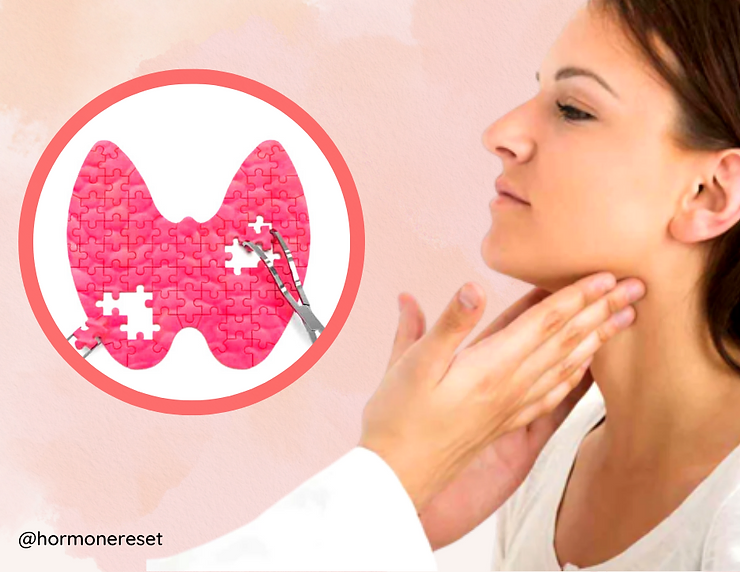
    Thyroid is a butterfly-shaped endocrine gland located in the throat. Thyroid related imbalances are perhaps the most common hormonal imbalances in our society. Conservative estimates put people suffering from thyroid issues at well over 200 million!!! And a vast majority of these are women. Over half of these are undiagnosed and many more may not be treated properly.

    The thyroid hormones (T4 and T3) affect the functioning of every cell, tissue and organ in the body. Their level determines the rate at which the body produces and uses energy. In other words, the metabolic rate is largely decided by the thyroid levels. T4 is largely inactive and must be converted into T3 to be effectively used by the body. This conversion happens in other organs, primarily in the liver, kidneys and muscles.

    Some of the key symptoms of hypothyroidism are:

    1e197b 816d99d8e80c425e9b0e41bffa875807mv2
    • Slower metabolism leading to weight gain (also insulin resistance)
    • Feeling cold (when others are not)
    • Cholesterol imbalances
    • Poor digestion including constipation
    • Poor Brain function leading to poor memory, brain fog, etc
    • Heart health and function
    • Slower muscular response and low stamina
    • Dry skin and hair fall
    • Irregular periods
    • Suboptimal immune function
    • PMS, Low sex drive, Infertility
    • Mood swing
    1e197b 1e63a600aef4416d9e8c30092d439abfmv2

    Feedback Loop

    Secretion of the thyroid hormones is controlled by a feedback loop. When the brain (hypothalamus) senses low levels it secretes thyroid-releasing hormone (TRH), which in turn, stimulates the pituitary gland to secrete thyroid-stimulating hormone (TSH). This then signals the thyroid to produce more T4 and T3 (about 80% is T4). As T4 and T3 levels increase, the secretion of TRH reduces leading
    to lower TSH. This leads to the thyroid gland also reducing the production of the two hormones.

    1e197b 1ffb54a4db3c493cbdd5d7c8423ae96emv2

    Conventional Approach

    Generally, hypothyroidism is approached as a very simple problem. Most of the time only TSH levels are tested. Sometimes T4 is also included. After this, a certain dose of the T4 hormone is prescribed. The dosage is re-evaluated once or twice a year based on TSH and T4 levels. The real active hormone which is T3 is almost never taken into consideration.

    We need to understand that thyroid function is way more complex than just TSH or T4 and hence this approach is woefully inadequate!

    Thyroid function can be mediated via stress, nutritional deficiencies, toxicity, and autoimmunity. All of these need to be evaluated and addressed to reverse hypothyroidism.

    Let us look at some important factors impacting thyroid function:

    • Deficiencies can impair the body’s ability to produce T4 as well as convert T4 to T3. Iodine, selenium, and protein are needed for T4 production.
    • T4 to T3 conversion also needs Iron, Selenium, Vitamin A, and Zinc.
    • Toxins like chlorine, fluorine, bromine, lead, mercury, etc can affect both thyroid production and conversion.
    • Stress reduces the conversion of T4 to T3. T4 is the inactive form while T3 is the active one.
    • In auto-immunity, the body’s immune system itself can damage the thyroid gland thereby impacting the body’s ability to produce T4.
    • Between 80-90% of the hormone produced by the Thyroid gland is T4. It is an inactive form. To be useful it needs to be converted into T3. This conversion happens in many different parts of the body and can be affected by a variety of factors. The liver and kidney convert t4 to t3 (or rt3) for circulation. The deficiency of zinc, iron, selenium, and vitamin A can affect the conversion. Brain, heart, and skeletal muscles do the intracellular conversion (and this does not get captured in lab tests).
    • Also, T3 needs to enter the cells to be effective. This is also impacted by a variety of factors including stress.
    • Another form of T3 is known as Reverse T3. rT3 blocks the action of T3. Stress can increase the conversion of t4 to rt3 – thereby effectively reducing T3 availability. This is a double whammy – not only do T3 levels reduce, but rT3 also occupies the T3 receptors thereby further reducing the effect of T3.
    • Inflammation can reduce T3 intracellularly while serum T3 remains the same. In fact, TSH can even reduce hence we never get to understand why we feel all the symptoms of hypothyroidism.

    Tests we should actually do to decode the root causes of Hypothyroidism

    1e197b d156ecad68944b0d9bda0f6258ef7938mv2

    If we really want to understand what is happening with our thyroid we need to test for TSH, Total T4, Total T3, Free T3, Reverse T3 and the two main antibodies which are Anti-TPO and Anti-TG. In addition to these thyroid tests, it is also a good idea to test for nutritional deficiencies like vitamins, iron, iodine, selenium, zinc, and toxins like lead mercury, flourine, etc. Only if we run all these tests we can spot where the dysfunction lies.

    In this blog on hypothyroidism, we focussed on the main factors that cause and aggravate hypothyroidism In the next blog on hypothyroidism, we will tell you about the strategies to reverse hypothyroidism.

    Need help?

    • Reach out to us on whatsapp at +91-9620317773
    • Join our WhatsApp group to know more about Functional Medicine approach for balancing hormones and stay updated about our upcoming webinars and programs. https://chat.whatsapp.com/KeFOA2DsA296Ht84xYxLfh
    • Know more about our Unique program for Hormone Reset : https://hormonereset.in/12-weeks-hormone-reset

    References:

    1. Only the combined treatment with thyroxine and triiodothyronine ensures euthyroidism. H F Escobar-Morreale , F E del Rey, M J Obregón, G M de Escobar –https://pubmed.ncbi.nlm.nih.gov/8641203/
    2. Effect of treatment of overt hypothyroidism on insulin resistance. Aml Mohamed Nada – https://www.ncbi.nlm.nih.gov/pmc/articles/PMC3746089/
    3. Endocrine function in mercury exposed chloralkali workers. L Barregård, G Lindstedt, A Schütz, and G Sällsten – https://www.ncbi.nlm.nih.gov/pmc/articles/PMC1128033/

    Share

  • Amazing Benefits Of The Super Mineral Selenium

    Amazing Benefits Of The Super Mineral Selenium

    Selenium is one of the most important components of the body’s antioxidant system, protecting the body against oxidative stress.

    It is considered a trace mineral which doesn’t require large doses, but yet it is essential for optimal health. Selenium pairs up with vitamin E to become a more powerful antioxidant within the body. It is vital to the proper functioning of the thyroid gland. It works alongside vitamin C, helping to strengthen the body’s immune system, and an important ingredient to create the body’s master antioxidant called glutathione.

    Let’s take a glance at a number of the scientifically proven ways in which this powerful mineral protects our health.

    1. Thyroid Health:

    The thyroid gland mainly produces T4 and T3 hormones. T3 is the active form. Hence T4 needs to be converted into T3 for it have the required impact on the body. When our body runs low on selenium, it cannot convert T4 into T3, which may cause a condition of low thyroid or hypothyroidism. Selenium is also needed for the synthesis of thyroperoxidase (TPO) enzyme. This enzyme is essential for production of T4. Hence lack of selenium impacts both, the production of T4 and conversion into T3.

    The main symptoms of Hypothyroidism are weight gain, loss of energy, hair loss, facial puffiness, poor metabolism, anemia etc. In other words, a slow thyroid can mean slow anything and everything in the body! Supplementing with selenium can be useful in situations where sufficient T4 is not being produced or conversion of T4 to T3 is not happening.

    Thus, supplementing with selenium can help reverse or reduce the hypothyroid symptoms and move the system towards an euthyroid state.

    1. A Powerful Antioxidant

    Antioxidants are powerful compounds in foods that lower inflammation, act as anti-aging agents, protect our DNA, and fight free radicals in our bodies.

    High oxidative stress can lead to chronic diseases like cardio-vascular ailments, strokes, cancer, alzheimer’s and other chronic and degenrative diseases. Foods and supplements with selenium work wonders to combat oxidative stress and protect the body.

    Coming back to the thyroid gland, the production of thyroid hormones also results in the production of H2O2 (hydrogen peroxide) which is a highly oxidising substance. Presence of sufficient selenium is key to protecting the thyroid tissues from the potential oxidation due the H2O2.

    1. Prevents Cancer:

    Even in trace amounts, selenium wields amazing power preventing and fighting cancer. There is a robust correlation between levels of selenium within the blood and therefore the risk of certain cancers. DNA mutations are understood to be the main cause behind many cancers. Once again oxidative stress is the main cause leading to DNA damage and hence mutations. When DNA is damaged, cells may turn cancerous.

    Selenium being a powerful antioxidant, helps protect the DNA from oxidative damage, leading to reduced chances of cancer.

    1. Heart Health:

    Atherosclerosis (build up of plaque inside the arteries) is the main cause of heart related issues. This buildup of plaque happens when the body tries to repair the damage caused by high levels of inflammation. As we already know, selenium lowers inflammation within the body which helps lower the likelyhood of plaque build-up leading to clogged cardiac arteries.

    Incorporating selenium-rich foods into our diet may be a good way to stay away from oxidative stress and keep inflammation to a minimum. Selenium’s powerful antioxidant properties protect against heart diseases and strokes.

    1. Powers up the Immune System:

    Our immune systems perform a variety of life-preserving functions such as fighting off deadly bacteria, viruses, fungi etc. by fighting back infection and helping to heal wounds on the body as well. When the immune system goes awry, it can become overactive and attack the body, which can lead to autoimmune disease flare ups. Selenium’s antioxidant property lowers inflammation and protects the immune system by lowering oxidative stress. Deficiency of Selenium reduces the immune response to infections. Patients who are struggling with more serious infections like influenza A, tuberculosis and hepatitis C also can benefit selenium supplements.

    1. Improves Asthma

    Asthma is an inflammatory response to allergens. When bronchial tubes become inflamed, they constrict or spasm causing coughing, wheezing, and extreme shortness of breath. This can also become a life-threatening condition.

    Most common medical treatment for asthma is corticosteroid inhalers that help dampen the inflammatory response and assist in opening up airways. It has many side effects and long term use is surely not good for health. Since asthma is related to high levels of oxidative stress and inflammation, selenium helps to reduce these symptoms and frequecy of attacks.

    1. Boost Fertility:

    Selenium supplementation also has a positive effect on testosterone levels, it increases sperm motility and blood flow, two important components for conception. Selenium is also found within the sperm mitochondria and may affect the behaviour and proper function of sperm as they move through the vagina to fertilize an ovum. For women, it’s thought that selenium can help to reduce the chance of miscarriage during initial stages of pregnancy.

    Daily Recommendation & Toxicity of Selenium:

    The recommended daily dose of Selenium is 55mcg for normal adults. Pregnant & breastfeeding mothers could consume 60-70mcg per day.

    The upper limit for the optimal level of selenium for adults is 400 mcg. It is rare for anyone to overdose on selenium.

    However, the risk of selenium toxicity is increased when this powerful antioxidant is introduced in the form of supplementation. Those who are on regular selenium supplementation need to keep an eye on their dietary selenium intake.

    Very high doses of selenium are not advised as they may cause issues such as fatigue, nausea, vomiting, brittle nails, skin rash, muscle soreness, kidney or heart failure and even death too.

    1e197b 739ac189e0c045fa9b115015cecebd8dmv2

    Food sources of selenium:

    Selenium is easily found in whole grains and few animal products such as fish and eggs. To add more of this powerful antioxidant to your diet, the following foods are recommended –

    • Brazil Nut
    • Sunflower seeds
    • Tuna
    • Sardines
    • Fortified bread
    • Brown rice

    selenium may be a trace mineral, but it surely has far greater than a ‘trace’ effect on our all-round health and wellbeing. It has multiple positive health benefits. People can get selenium from supplements in the short term. However, in the long term, it is better to ensure optimum levels via food sources.

    References:

    https://www.sciencedirect.com/science/article/abs/pii/S0140673600024909
    https://www.hsph.harvard.edu/nutritionsource/selenium/
    https://www.researchgate.net/publication/7630279_Selenium_and_the_Control_of_Thyroid_Hormone_Metabolism
    https://www.ncbi.nlm.nih.gov/pmc/articles/PMC5307254/

    Share

  • Kidney Stones-How Can You Prevent Them & Get Rid of Them?

    Kidney Stones-How Can You Prevent Them & Get Rid of Them?

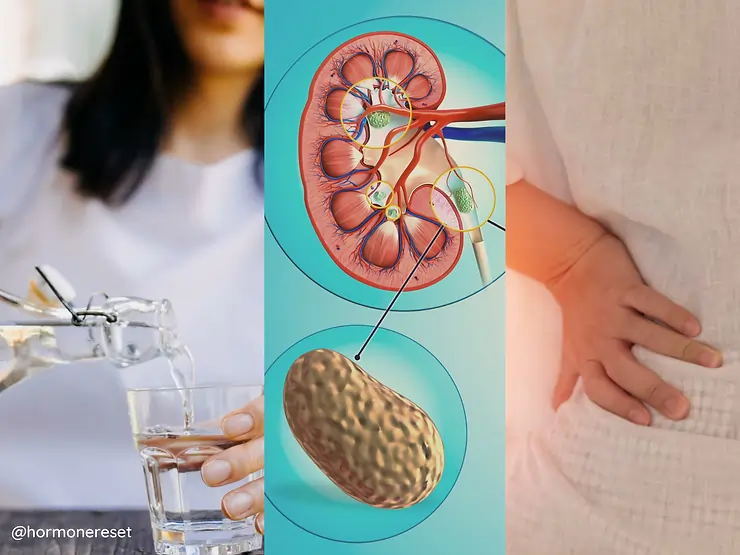
    Kidney stones are a common and one of the most painful problems. It often leads to pretty expensive treatment options. What makes it much worse is that for a majority of people the stones recur every few years. This is simply because they fail to understand and address the underlying root causes.

    Prevalent treatments for kidney stones include shockwave therapy, laparoscopic surgery and ureteroscopy. Certain medicines are used to relax the muscles of the ureter, helping the stone pass out more easily.

    So let us understand why kidney stones happen? What causes them? And what can we do to avoid as well as get rid of them?

    DEHYDRATION – Before we start delving into this topic, let us remember that the single most important reason for kidney stones is dehydration. Due to low water consumption, the volume of urine decreases, making it more concentrated. This obviously increases the chances of stones getting precipitated. For those with a tendency to get kidney stones, drinking 2-3 litres of water per day is a must. This figure needs to be adapted for lifestyle factors like ambient temperature, job profile etc. For example, a person who is into sales and has to spend a lot of time daily commuting between meetings requires a much higher water intake compared to someone else whose job involves working on a computer in an airconditioned environment.

    About 80% of kidney stones are of the calcium oxalate variety. So we need to pay attention to factors affecting the metabolism of these two constituents. Here are some of the important factors that impact calcium and oxalate levels.

    MAGNESIUM – Sufficient magnesium is critical for ensuring proper utilization of calcium. Magnesium is also one of the most common deficiencies found in our population today.

    It is helpful to take a magnesium supplement while consciously increasing the consumption of foods that are rich in magnesium (e.g. pumpkin seeds, cashews, green leafy vegetables, organic peanuts, etc.).

    If taking supplements, target to keep the levels in the upper third of the reference range. It is best to use chelated forms as they are better absorbed. If constipation is also present, consider using the citrate form (it can also be in combination with another well-absorbed form such as magnesium glycinate).

    POTASSIUM – Potassium supplementation is quite useful for patients with uric acid based stones. (Potassium should be avoided by people on certain medications like certain diuretics prescribed for hypertension). Potassium citrate is one of the more useful forms of potassium as the citrate is also useful in this condition. 200 mg can be taken daily.

    VITAMIN K2 – K2 is critical to ensure that calcium from food/supplements is taken up into bones instead of ending up in circulation and being excreted from the kidneys. If calcium remains in blood circulation there are higher chances of it reacting and forming stones. Vitamin K2 prevents this from happening. For prevention, up to 90 mcg of vitamin K2 of the MK-7 variety can be taken daily. Dosage can be increased in the case of active stones. (people on blood thinners should avoid taking K2).

    B VITAMINS, B6 – Adequate levels of all B vitamins is very important. Of special note is B6 as it is key for glutathione synthesis, oxalate metabolism and nerve health. These vitamins should be the ‘active’ type as not everyone’s body is good at converting them to active forms. E.g. for B6 the correct form is P5P and not pyridoxine. It is important to note that we need all the B vitamins to be in the upper third of the reference range. It is not good enough to have them just above the bottom of the reference range. (This is generally applicable for most nutrients).

    VITAMIN D – People with a tendency to get kidney stones should be careful while taking vitamin D supplements as it increases the absorption of calcium into the body. It also uses up the magnesium present in the body so less is available to ensure proper utilization of calcium.

    AVOID BLACK TEA – It is very important to avoid all black teas as they are a rich source of oxalates. As we saw earlier, nearly 80% of the stones are of the oxalate variety. Hence drinking black tea can aggravate the problem significantly.

    AVOID OXALATE RICH FOODS – Foods like spinach, beets, almonds, groundnuts, chocolates, etc. have a good amount of oxalates and should be avoided or consumed in moderation by people susceptible to kidney stones.

    AVOID PURINE RICH FOODS – Another common food ingredient that can cause kidney stones is purine. This is generally connected with the uric acid variety of stones. Some foods high in purines are red and a few other types of meat, some seafood varieties, all alcoholic beverages, mushrooms, green peas, cauliflower, etc.

    Fresh LEMON JUICE is one of the simplest tools to both prevent the recurrence of stones as also to get rid of active stones. The juice of half a lemon can be taken twice a day to prevent a recurrence. While for existing stones one can consume the juice of 4 lemons per day. The high citric acid content binds with extra calcium and prevents it from precipitating in the form of stones.

    INSULIN RESISTANCE & INFLAMMATION – Insulin resistance and chronic inflammation often play a key role in this dynamic and must be addressed for any long-lasting solution. Very often insulin resistance and prediabetes are present to an appreciable extent in kidney stone patients. The most important and easiest steps are to eliminate all sugars and refined carbohydrates.

    It is well known that diabetics are at a higher risk for kidney stones because elevated blood sugar is highly oxidising in nature and damages the kidneys.

    LIVER & BILE – Overall liver health and quality of bile also have an impact on kidney stones. Sluggish bile flow is also a common contributor to stone formation. Also individuals whose gallbladders have been removed are at a higher risk. These dynamics ensure that enough bile is not available for fat digestion. This unabsorbed fat readily binds with calcium in the gut. Hence calcium is not available for binding with oxalates, which then readily get absorbed by the gut.

    YEAST – Certain yeast species (such as candida aspergillus) produce oxalates as part of their metabolic processes. So people with yeast overgrowths can struggle with excessive oxalate levels (also causing issues with the urinary/vaginal tract and elsewhere in the body).

    OXALOBACTER – Oxalobacter formigenes is a commensal bacteria (found in a healthy gut). It metabolises oxalates thereby reducing the amount in the body. If this is low in numbers or activity then oxalates can build up in the system.

    I hope this article gives some useful insight into the various causes and solutions for kidney stones.

    Please leave your thoughts in the comments section below.

    REFERENCES

    Trinchieri, A., Esposito, N., & Castelnuovo, C. (2009). Dissolution of radiolucent renal stones by oral alkalinization with potassium citrate/potassium bicarbonate. Archivio italiano di urologia, andrologia : organo ufficiale [di] Societa italiana di ecografia urologica e nefrologica, 81(3), 188–191.
    Reddy, S. K., Shaik, A. B., & Bokkisam, S. (2014). Effect of Potassium Magnesium Citrate and Vitamin B-6 Prophylaxis for Recurrent and Multiple Calcium Oxalate and Phosphate Urolithiasis. Korean Journal of Urology, 55(6), 411. https://doi.org/10.4111/kju.2014.55.6.411
    di Tommaso, L., Tolomelli, B., Mezzini, R., Marchetti, M., Cenacchi, G., Foschini, M., & Mancini, A. (2002b). Renal calcium phosphate and oxalate deposition in prolonged vitamin B6 deficiency: studies on a rat model of urolithiasis. BJU International, 89(6), 571–575. https://doi.org/10.1046/j.1464-410x.2002.02670.x
    Marickar Y. M. (2009). Calcium oxalate stone and gout. Urological research, 37(6), 345–347. https://doi.org/10.1007/s00240-009-0218-0
    Einollahi, B., Naghii, M. R., & Sepandi, M. (2013). Association of nonalcoholic fatty liver disease (NAFLD) with urolithiasis. Endocrine regulations, 47(1), 27–32. https://doi.org/10.4149/endo_2013_01_27

    Share

  • Winter’s Superfoods

    Winter’s Superfoods

    Winter, the season of Festivals and Happiness is here. Christmas is merely a week away!!

    However, this season also brings home various diseases; the commonest one being flu which most of us encounter. If you include some Superfoods in your diet this winter, you will remember winters for only the joy that they bring!

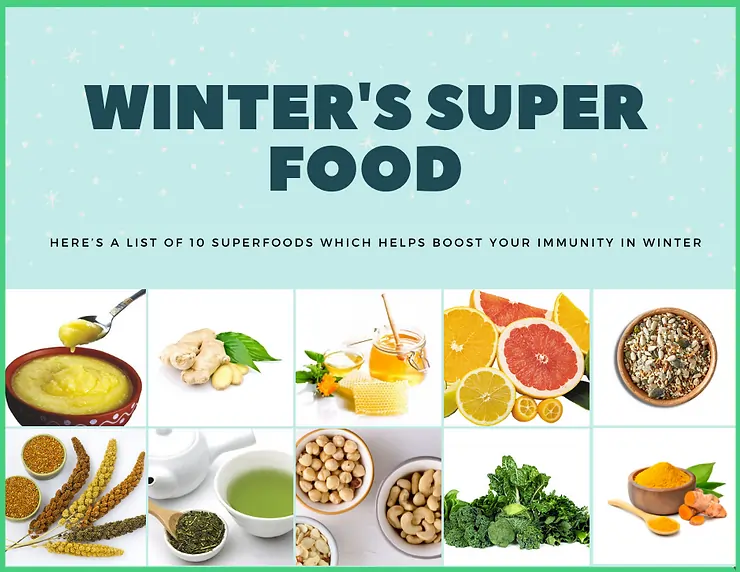
    Here’s a list of 10 Superfoods which helps boost your Immunity in Winter:

    Millets: Millets are low-glycemic, high in fiber & protein rich cereal, packed with a range of vitamins and minerals. Essentially, all millets available during winters should be included in your diet. Bajra in Millets variation is the ultimate winter food, helps you keep warm. Loaded with antioxidants, help in improving digestion. It is also known to be of great benefit in insomnia, anxiety, and depression. Also, a group of positive millets such as Barnyard, Foxtail, Kodo, Little & Browntop are extremely beneficial for overall health, try adding these rotationally in your daily diet. Ragi & jowar has cooling effect, very much summer centric millets. However, these 2 millets can be added in your plate occasionally during winters.

    Leafy vegetables: Green leafy veggies are full of vital nutrients like Vitamin A and E which help boost your immunity. Broccoli, spinach & other leafy vegetables are also high in fiber, magnesium, zinc, iron, and antioxidants. It can thus be one of the healthiest foods that you can include in your winter diets.

    Citrus fruits: Citrus Fruits, rich in vitamin C, are known to increase the number of white blood cells in our bodies which in turn help cut down the flu virus. Fruits rich in Vitamin-C are Orange, lemons, lime, tangerine, grapefruits, berries etc. Being a water-soluble vitamin, our body cannot store vitamin C therefore, you have to incorporate in your daily diet. Add at least 1-2 servings of seasonal citrus fruits to get daily dose of vitamin C and thereby to maintain the healthy immune system.

    Nuts: During winters, a regular intake of nuts which are warm in nature, ensures an active nervous system and helps to keep the heart and mind healthy. Almonds and walnuts lower bad cholesterol, control blood sugar levels, and reduce inflammation. Almonds are rich in vitamin E, antioxidants, and magnesium, while walnuts are a great source of Omega-3. Eating other nuts such as pine nuts, peanuts etc. also can boost your intake of zinc. Do pick up a few nuts to munch on in between meals if you are craving for a light snack.

    Seeds: Seeds are rich in Selenium, Zinc, Magnesium, Phosphorus, Vitamin B6 & E. They constitute a power house for building immunity. Add mixture of seeds such as pumpkin seed, flax seed, watermelon seed, sunflower seed & chia seed as soaked or grounded form in smoothie, shakes, porridges, soups & salad every day to meet your daily micronutrient goal. Sesame seeds are a must-have in cold weather as they keep your body warm for long periods of time. They are also rich in Vitamin E and antioxidants, which keeps hair and skin healthy and moisturized during winters.

    Turmeric: Turmeric is a known powerful anti-inflammatory and immune-boosting compound. Its content of Curcumin is very commonly used to heal wounds, release mucus, ease inflammation, and many other purposes. It also helps protect against infections, flu, virus and improve the overall health of your body’s cells.

    Ginger: Its anti-inflammatory & anti-bacterial properties make ginger one of the best cures for cold. The gingerols in the ginger roots help kill the rhinoviruses that cause the cold in the first place. So, increasing ginger in your winter diets is a good idea.

    Ghee: Pure and organic ghee is one of the most easily digestible and healthy fats that is capable of generating instant heat and energy to keep your body warm. A moderated consumption of ghee can also help keep skin from getting dry and flaky. Switch over to A2 Bilona ghee as a cooking medium, or add it to your plate during the winter season as per availability.

    Honey: Organic honey is known as an anti-inflammatory agent. Honey possesses flavonoids and polyphenols, along with several other powerful and important phytonutrients that can help fight diseases. It helps to boost the number of B and T lymphocytes, neutrophils, eosinophils which are responsible for our immune response. Also, organic honey consumption aids in digestion as well. It has certain prebiotic properties, by which it helps boost the good bacteria living in the gut that aid in our digestion.

    Green tea: Green tea is packed with antioxidants such as flavonoids (EGCG, Catechin) that boost immunity and have an anti-inflammatory properties. It is not only recommended for weight loss but also to fight off cold and flu. Catechin has powerful antibacterial and antiviral properties and can fight off influenza virus. Green tea also contains amino acid L-theanine which may help in the production of T-cells. Regularly drinking 1-2 cups of green tea can help you boost your immune function and stay protected against bacteria, flu, and virus.

    Share