
Author: Siddarth Goel

  • Understanding the Connection Between Your Diet and Hormonal Imbalance

    Understanding the Connection Between Your Diet and Hormonal Imbalance

    Introduction

    Hormones are the body’s chemical messengers, crucial in regulating numerous physiological processes, including metabolism, immune function, mood, and reproductive health. A delicate balance of hormones is essential for overall health, and when this balance is disrupted, various symptoms can manifest, ranging from fatigue to weight gain. The role of diet in maintaining this hormonal equilibrium cannot be overstated; what we eat significantly influences hormone production, regulation, and metabolism.

    Importance of Diet in Maintaining Hormonal Balance

    Nutrition is a powerful tool in promoting hormonal health. A balanced diet rich in whole foods can support hormonal functions and mitigate the effects of imbalances. Conversely, a diet high in processed foods, sugar, and unhealthy fats can exacerbate hormonal disturbances. Understanding the connection between diet and hormonal health is crucial for optimizing their well-being.

    Understanding Hormonal Imbalance

    Definition of Hormonal Imbalance

    Hormonal imbalance occurs when there is too much or too little hormone in the bloodstream. This can affect various bodily functions, leading to health issues that may be chronic or temporary. Common hormonal imbalances include those related to insulin, cortisol, estrogen, thyroid, and testosterone.

    Common Symptoms

    Hormonal imbalances can manifest in various symptoms, including:

    • Fatigue: Often linked to adrenal or thyroid hormone disruptions.
    • Mood Swings: Imbalances in estrogen and progesterone can affect mood stability.
    • Weight Gain: Insulin resistance, often related to diet, can lead to weight gain, particularly around the abdomen.
    • Menstrual Irregularities: Fluctuations in hormone levels can disrupt menstrual cycles.
    • Sleep Disturbances: Hormones play a crucial role in sleep regulation.

    Factors Contributing to Hormonal Imbalance

    Several factors can contribute to hormonal imbalances:

    • Stress: Chronic stress leads to elevated cortisol levels, which can disrupt other hormones.
    • Lifestyle: Poor sleep, lack of exercise, and sedentary behavior can negatively affect hormonal balance.
    • Diet: The types of foods consumed have a direct impact on hormone levels and overall health.
    • Nutritional deficiencies – vitamin D, omega-3 fatty acids, magnesium, iodine, etc. 
    • Aging 
    • Toxins – pesticides, heavy metals
    • Endocrine-disrupting chemicals (EDCs)

    The Role of Diet in Hormonal Health

    Explanation of How Diet Affects Hormone Production and Regulation

    Diet plays a pivotal role in hormone production and regulation. Nutrient-dense foods provide the building blocks necessary for hormone synthesis. For instance, fats are essential for producing steroid hormones, while proteins are crucial for the synthesis of peptide hormones. Inadequate nutrition can lead to deficiencies that may trigger hormonal imbalances.

    Key Nutrients That Influence Hormones

    1. Omega-3 Fatty Acids: These healthy fats, found in fatty fish and flaxseeds, have been shown to reduce inflammation and support hormonal health. A study published in Nutrition Reviews found that omega-3s can help balance hormones like insulin and cortisol.
    2. Vitamins and Minerals: Essential nutrients such as vitamin D, B vitamins, magnesium, and zinc play critical roles in hormone regulation. For example, a deficiency in vitamin D has been linked to lower testosterone levels in men.

    Impact of Processed Foods and Sugar on Hormonal Balance

    Processed foods and high sugar intake can wreak havoc on hormonal balance. These foods often contain additives, unhealthy fats, and excessive sugars, leading to insulin resistance, increased inflammation, and disrupted hormone signaling. Research indicates that high sugar consumption is associated with obesity and type 2 diabetes, both of which are linked to an imbalance of insulin and other hormones.

    Foods to Avoid for Hormonal Balance

    Processed Foods and Their Effects on Hormones

    Processed foods often contain preservatives, unhealthy fats, and artificial additives that can disrupt hormonal balance. These foods can lead to inflammation, insulin resistance, and hormonal dysregulation.

    Sugar and Its Role in Insulin Resistance

    Excessive sugar intake is a major contributor to insulin resistance, which can lead to conditions like polycystic ovary syndrome (PCOS) and type 2 diabetes. According to the American Heart Association, the average American consumes about 77 grams of sugar per day, significantly exceeding the recommended limit of 25 grams for women and 37.5 grams for men (Mozaffarian et al., 2011).

    Impact of Unhealthy Fats and Additives

    Trans fats and excessive omega-6 fatty acids, often found in fried foods and baked goods, can promote inflammation and disrupt hormonal signalling. Avoiding these fats is essential for maintaining hormonal health.

    Effects of Pesticides and Toxins in Food

    The presence of pesticides and other toxins in the food supply is a significant concern for hormonal health. Many of these chemicals, including pesticides, herbicides, and heavy metals, are classified as endocrine-disrupting chemicals (EDCs). EDCs interfere with hormone production, metabolism, and signaling, leading to disruptions in the endocrine system. Studies have shown that long-term exposure to these toxins, even in small amounts, can lead to hormonal imbalances, contributing to conditions such as infertility, thyroid disorders, and metabolic issues like obesity and diabetes. Choosing organic and pesticide-free produce, when possible, is essential for minimizing exposure to these harmful substances and supporting overall hormonal balance.

    Impact of Hormones in Animal Products

    Hormones used in animal agriculture can also affect human hormonal health. Many commercially raised animals are injected with growth hormones or fed hormone-laden feed to increase their size and milk production. When humans consume these animal products, it can disrupt their natural hormonal balance. Research suggests that regular intake of hormone-treated meat and dairy products can increase estrogen levels in the body, potentially contributing to hormone-related conditions like estrogen dominance, which is linked to conditions such as polycystic ovary syndrome (PCOS) and breast cancer. To support hormonal balance, it’s recommended to choose hormone-free or organic animal products.

    Foods That Support Hormonal Balance

    Whole Foods to Include

    Incorporating whole foods into your diet can promote hormonal health. Consider the following:

    • Fruits and Vegetables: Rich in vitamins, minerals, and antioxidants, they help combat oxidative stress and inflammation.
    • Healthy Fats: Sources like avocados, nuts, seeds, and olive oil support hormone production.
    • Lean Proteins: Foods such as chicken, fish, legumes, and eggs provide amino acids vital for hormone synthesis.

    Herbs and Supplements That Promote Hormonal Health

    Certain herbs and supplements can also support hormonal balance:

    • Maca Root: Traditionally used to enhance energy and sexual health, maca root may help balance estrogen levels
    • Ashwagandha: Known for its adaptogenic properties, ashwagandha can help reduce cortisol levels and combat stress

    Importance of Balanced Meals and Blood Sugar Management

    Maintaining balanced meals that include protein, healthy fats, and complex carbohydrates can help stabilize blood sugar levels, which is crucial for hormonal health. Fluctuating blood sugar can lead to increased insulin levels, contributing to hormonal imbalances. Additionally, balanced meals support optimal thyroid function, as the thyroid hormone plays a vital role in regulating metabolism. Consistent blood sugar levels help prevent excessive stress on the thyroid, which can become overworked when blood sugar spikes and crashes occur. Proper nutrient intake, particularly iodine, selenium, and zinc, also supports healthy thyroid hormone production and overall metabolic balance.

    Lifestyle Factors That Affect Hormones

    Stress Management Techniques

    Stress management is vital for hormonal balance. Techniques such as:

    • Exercise: Regular physical activity can help reduce cortisol levels and improve insulin sensitivity.
    • Meditation: Mindfulness and meditation practices have been shown to reduce stress and promote hormonal balance.
    • Quality Sleep: Ensuring adequate sleep is critical, as hormonal regulation occurs predominantly during sleep.

    Importance of Hydration

    Proper hydration supports metabolic functions and hormone regulation. Dehydration can lead to elevated cortisol levels and affect overall health. Aim to drink plenty of water throughout the day.

    The Role of Physical Activity

    Regular physical activity can improve hormonal balance by enhancing insulin sensitivity, reducing stress levels, and promoting a healthy body weight. According to the CDC, adults should aim for at least 150 minutes of moderate-intensity aerobic activity each week (CDC, 2020).

    Conclusion

    Understanding the connection between diet and hormonal health is crucial for achieving overall well-being. By focusing on a nutrient-rich diet, avoiding processed foods and excessive sugars, and adopting healthy lifestyle habits, individuals can take proactive steps to maintain hormonal balance.

    HR CTA tiny

    References

    1. Buchowski, M. S., et al. (2015). “Dietary omega-3 fatty acids and their role in hormonal health.” Nutrition Reviews.
    2. Pilz, S., et al. (2011). “Vitamin D and testosterone in men.” Clinical Endocrinology.
    3. Vartanian, L. R., et al. (2007). “Sugar-sweetened beverage consumption and weight gain.” American Journal of Clinical Nutrition.
    4. Stojanovska, L., et al. (2016). “The effect of maca root on hormonal balance.” Journal of Ethnopharmacology.
    5. Chandrasekhar, K., et al. (2012). “A standardized extract of ashwagandha reduces stress and anxiety in adults.” Journal of Clinical Psychology.
    6. Mozaffarian, D., et al. (2011). “Changes in diet and lifestyle and long-term weight gain in women and men.” New England Journal of Medicine.
    7. CDC. (2020). “Physical Activity Basics.” Centers for Disease Control and Prevention.

    Share

  • Healing Irritable Bowel Syndrome (IBS): A Root Cause Approach

    Healing Irritable Bowel Syndrome (IBS): A Root Cause Approach

    Are you tired of the constant discomfort and unpredictability of Irritable Bowel Syndrome (IBS)? You’re not alone. Millions of people worldwide struggle with this frustrating condition, often feeling like they’re at the mercy of their own digestive system. But what if there was a way to break free from the cycle of symptoms and find lasting relief?

    Enter the root cause approach to healing IBS.  Unlike traditional methods that focus solely on managing symptoms, this revolutionary strategy aims to uncover and address the underlying factors contributing to your digestive distress. By delving deeper into the origins of IBS, we can unlock the door to true healing and long-term wellness.

    In this blog post, we’ll explore the comprehensive journey from understanding IBS beyond its surface-level symptoms to implementing holistic treatment strategies and lifestyle modifications. Get ready to discover how identifying root causes, utilizing advanced diagnostic techniques, and embracing a multifaceted approach can transform your relationship with your gut – and ultimately, your quality of life. 

    Understanding IBS: Beyond Symptoms

    The gut-brain connection in IBS

    The intricate relationship between the gut and the brain plays a crucial role in Irritable Bowel Syndrome (IBS). This connection, known as the gut-brain axis, involves a complex network of nerves, hormones, and biochemical signaling between the digestive system and the central nervous system. In IBS patients, this communication can become disrupted, leading to various symptoms.

    • Stress and anxiety can exacerbate IBS symptoms
    • Gut microbiome imbalances can influence mood and cognitive function
    • Neurotransmitters produced in the gut affect brain function and vice versa

    Distinguishing IBS from other digestive disorders

    While IBS shares symptoms with other gastrointestinal conditions, it has distinct characteristics that set it apart. Understanding these differences is crucial for accurate diagnosis and effective treatment.

    ConditionKey SymptomsDistinguishing Factors
    IBSAbdominal pain, bloating, altered bowel habitsNo structural abnormalities, symptoms often relieved by bowel movements
    Inflammatory Bowel Disease (IBD)Abdominal pain, diarrhea, weight lossVisible inflammation, potential complications like strictures or fistulas
    Celiac DiseaseAbdominal pain, diarrhea, fatigueTriggered by gluten, damage to small intestine visible on biopsy

    Common triggers and their impact

    Identifying and understanding common IBS triggers is essential for managing the condition effectively. These triggers can vary from person to person but often include:

    1. Certain foods (e.g., dairy, caffeine, high-fat meals)
    2. Stress and emotional factors
    3. Hormonal changes (especially in women)
    4. Sleep disturbances
    5. Medications (such as antibiotics)

    The impact of these triggers can range from mild discomfort to severe symptoms that significantly affect daily life. By recognizing and addressing these triggers, individuals with IBS can take proactive steps toward managing their condition and improving their quality of life.

    Now that we have a deeper understanding of IBS, let’s explore the root causes that contribute to this complex disorder.

    Identifying Root Causes of IBS

    Now that we understand the complexity of IBS beyond its symptoms, let’s delve into the underlying factors that contribute to this condition. Identifying the root causes is crucial for developing an effective treatment plan.

    A. Hormonal influences

    Hormones play a significant role in digestive health and can greatly impact IBS symptoms. The following table illustrates key hormones and their effects on the gut:

    HormoneFunctionImpact on IBS
    SerotoninRegulates gut motilityImbalance can lead to constipation or diarrhea
    CortisolStress responseExcessive levels can increase gut sensitivity
    EstrogenAffects gut motilityFluctuations may worsen symptoms during menstrual cycle

    B. Stress and emotional factors

    Stress and emotions are intricately linked to gut function through the gut-brain axis. Common emotional triggers for IBS include:

    • Anxiety
    • Depression
    • Chronic stress
    • Trauma or PTSD

    C. Food sensitivities and intolerances

    Certain foods can trigger or exacerbate IBS symptoms. Common culprits include:

    1. FODMAPs (Fermentable Oligosaccharides, Disaccharides, Monosaccharides, and Polyols)
    2. Gluten
    3. Dairy products
    4. Caffeine and alcohol

    D. Gut microbiome imbalances

    The balance of beneficial and harmful bacteria in the gut can significantly impact IBS symptoms. Factors that can disrupt the microbiome include:

    • Antibiotic use
    • Poor diet
    • Chronic stress
    • Infections

    Understanding these root causes is essential for developing a comprehensive treatment strategy. In the next section, we’ll explore advanced diagnostic techniques to pinpoint the specific factors contributing to your IBS symptoms.

    Comprehensive Diagnosis Techniques

    Now that we’ve explored the root causes of IBS, let’s delve into the comprehensive diagnosis techniques that can help identify the specific triggers and underlying issues for each individual.

    A. Stress Assessment Tools

    Stress plays a significant role in IBS, and identifying stress levels is crucial for effective management. Here are some commonly used stress assessment tools:

    • Perceived Stress Scale (PSS)
    • Holmes-Rahe Stress Inventory
    • Depression Anxiety Stress Scales (DASS)

    These tools help quantify stress levels and provide insights into how stress may be impacting IBS symptoms.

    B. Elimination Diets and Food Journals

    Identifying food triggers is essential for managing IBS. Two effective methods include:

    1. Elimination diets: Temporarily removing potential trigger foods and gradually reintroducing them to identify sensitivities.
    2. Food journals: Keeping detailed records of food intake and symptom occurrence to spot patterns.
    Elimination Diet PhaseDurationPurpose
    Elimination2-4 weeksRemove potential trigger foods
    Reintroduction2-3 days per foodGradually reintroduce foods to identify triggers
    MaintenanceOngoingAvoid identified trigger foods

    C. Functional Medicine Testing Options

    Functional medicine offers advanced testing options to uncover underlying imbalances:

    • Comprehensive stool analysis: Assesses gut microbiome, digestive function, and inflammation markers
    • Food sensitivity testing: Identifies specific food intolerances
    • Small Intestinal Bacterial Overgrowth (SIBO) breath test: Detects bacterial overgrowth in the small intestine
    • Organic acids test: Evaluates metabolic function and gut health markers

    These diagnostic techniques provide a holistic view of an individual’s gut health, allowing for more targeted and effective treatment strategies. Next, we’ll explore holistic treatment approaches that address the root causes identified through these comprehensive diagnosis techniques.

    Holistic Treatment Strategies

    Now that we’ve explored the root causes and diagnostic techniques for IBS, let’s delve into holistic treatment strategies that address the condition comprehensively.

    A. Stress Management Techniques

    Stress plays a significant role in exacerbating IBS symptoms. Implementing effective stress management techniques can lead to substantial improvements:

    • Deep breathing exercises
    • Progressive muscle relaxation
    • Mindfulness meditation
    • Regular exercise routines

    B. Mind-Body Practices for IBS Relief

    Mind-body practices offer powerful tools for managing IBS symptoms:

    1. Cognitive Behavioral Therapy (CBT)
    2. Hypnotherapy
    3. Biofeedback
    4. Yoga
    PracticeBenefits for IBS
    CBTReduces anxiety and negative thought patterns
    HypnotherapyAlleviates abdominal pain and improves gut motility
    BiofeedbackEnhances control over physiological processes
    YogaCombines stress reduction with gentle physical activity

    C. Gut-Healing Supplements

    Certain supplements can support gut healing and alleviate IBS symptoms:

    • L-glutamine
    • Zinc carnosine
    • Omega-3 fatty acids
    • Curcumin

    D. Targeted Probiotic Therapy

    Probiotics play a crucial role in restoring gut balance. Specific strains have shown promise for IBS:

    • Lactobacillus plantarum 299v
    • Bifidobacterium infantis 35624
    • Saccharomyces boulardii

    E. Personalized Nutrition Plans

    Tailoring nutrition to individual needs is essential for managing IBS:

    1. Identify trigger foods through elimination diets
    2. Implement low FODMAP diet when appropriate
    3. Increase fiber intake gradually
    4. Stay hydrated with adequate water intake

    By integrating these holistic treatment strategies, individuals with IBS can experience significant relief and improved quality of life. Next, we’ll explore lifestyle modifications that can further support the long-term management of IBS symptoms.

    Lifestyle Modifications for Long-term Management

    Now that we’ve explored various treatment strategies, let’s focus on the crucial lifestyle modifications that can help manage IBS in the long term.

    Mindful Eating Practices

    Adopting mindful eating habits can significantly improve IBS symptoms. Here are some key practices to incorporate:

    • Eat slowly and chew thoroughly
    • Pay attention to hunger and fullness cues
    • Avoid distractions during meals (e.g., TV, phones)
    • Practice gratitude for your food

    Implementing these practices can lead to better digestion and reduced stress around meals.

    Exercise Routines that Support Digestion

    Regular physical activity is beneficial for overall health and can help alleviate IBS symptoms. Consider incorporating the following exercises:

    Exercise TypeBenefits for IBS
    YogaReduces stress, improves digestion
    WalkingStimulates gut motility
    SwimmingLow-impact, full-body workout
    CyclingBoosts circulation, aids digestion

    Aim for at least 30 minutes of moderate exercise most days of the week.

    Sleep Optimization for Gut Health

    Quality sleep is crucial for maintaining a healthy gut. Here are some tips to improve your sleep:

    1. Stick to a consistent sleep schedule
    2. Create a relaxing bedtime routine
    3. Avoid large meals and caffeine close to bedtime
    4. Keep your bedroom cool, dark, and quiet
    5. Limit screen time before sleep

    By prioritizing good sleep habits, you can support your gut health and overall well-being.

    Addressing Irritable Bowel Syndrome (IBS) requires a comprehensive approach that goes beyond symptom management. By focusing on identifying and treating root causes, employing advanced diagnostic techniques, and implementing holistic treatment strategies, individuals with IBS can achieve lasting relief. This root cause approach not only alleviates symptoms but also promotes overall gut health and well-being.

    Embracing lifestyle modifications is crucial for long-term IBS management. By incorporating dietary changes, stress reduction techniques, and regular exercise into daily routines, those affected by IBS can take control of their condition and significantly improve their quality of life. Remember, healing from IBS is a journey, and with the right approach and support, it’s possible to achieve lasting gut health and comfort.

    HR CTA tiny
    References:
    1. Raskov H, Burcharth J, Pommergaard HC, Rosenberg J. Irritable bowel syndrome, the microbiota and the gut-brain axis. Gut Microbes. 2016 Sep 2;7(5):365-83. doi: 10.1080/19490976.2016.1218585. Epub 2016 Jul 29. PMID: 27472486; PMCID: PMC5046167. – Read here
    2. Harper A, Naghibi MM, Garcha D. The Role of Bacteria, Probiotics and Diet in Irritable Bowel Syndrome. Foods. 2018 Jan 26;7(2):13. doi: 10.3390/foods7020013. PMID: 29373532; PMCID: PMC5848117. – Read here
    3. Altayar O, Sharma V, Prokop LJ, Sood A, Murad MH. Psychological therapies in patients with irritable bowel syndrome: a systematic review and meta-analysis of randomized controlled trials. Gastroenterol Res Pract. 2015;2015:549308. doi: 10.1155/2015/549308. Epub 2015 Jan 31. PMID: 25802514; PMCID: PMC4329838. – Read here

    Share

  • Demystifying magnesium supplements for anxiety patients

    Demystifying magnesium supplements for anxiety patients

    Are you feeling overwhelmed, on edge, and struggling to find calm in your daily life? You’re not alone. Anxiety affects millions of people worldwide, and the search for effective, natural remedies is ongoing. Enter magnesium – a mineral that’s been gaining attention for its potential to ease anxiety symptoms. But with so many types of magnesium supplements available, how do you know which one is best for tackling anxiety?

    The world of magnesium supplements can be confusing, with options like magnesium glycinate, citrate, and threonate all vying for your attention. Each type comes with its own set of benefits and potential drawbacks, making it challenging to determine which one might work best for your anxiety. Don’t worry – we’re here to help you navigate this mineral maze and find the right magnesium supplement to support your mental well-being.

    In this blog post, we’ll dive deep into the relationship between magnesium and anxiety, explore the various types of magnesium supplements available, and discuss the key factors you should consider when choosing the best option for you. We’ll also reveal our top picks for magnesium supplements that may help alleviate anxiety symptoms. So, let’s embark on this journey to discover which magnesium supplement could be your anxiety-fighting ally!

    Understanding Magnesium and Anxiety

    A. The role of magnesium in mental health

    Magnesium plays a crucial role in maintaining optimal mental health. This essential mineral acts as a natural relaxant, helping to regulate neurotransmitters and hormones that influence mood and stress levels. Magnesium is involved in over 300 biochemical reactions in the body, many of which directly impact brain function and emotional well-being.

    B. Benefits of magnesium supplementation for anxiety

    Magnesium supplementation can offer several benefits for individuals struggling with anxiety:

    1. Promotes relaxation
    2. Regulates stress hormones
    3. Improves sleep quality
    4. Enhances GABA function (a calming neurotransmitter)
    5. Reduces muscle tension
    BenefitDescription
    RelaxationMagnesium helps relax muscles and calm the nervous system
    Stress hormone regulationIt helps balance cortisol levels, reducing the body’s stress response
    Sleep improvementMagnesium aids in melatonin production, promoting better sleep
    GABA enhancementIt supports the function of GABA, a neurotransmitter that reduces anxiety
    Muscle tension reliefMagnesium helps relax tense muscles, often associated with anxiety

    C. How magnesium deficiency affects anxiety

    Magnesium deficiency can significantly exacerbate anxiety symptoms. When the body lacks sufficient magnesium, it can lead to:

    • Increased stress sensitivity
    • Heightened anxiety and panic attacks
    • Difficulty relaxing and falling asleep
    • Muscle tension and spasms
    • Mood swings and irritability

    Low magnesium levels can create a vicious cycle, as stress and anxiety can further deplete the body’s magnesium stores. This highlights the importance of maintaining adequate magnesium levels through diet and supplementation to support mental health and reduce anxiety symptoms.

    Types of Magnesium Supplements

    Now that we understand the connection between magnesium and anxiety, let’s explore the various types of magnesium supplements available. Each type has unique properties and benefits, which can influence their effectiveness in managing anxiety symptoms.

    A. Magnesium Oxide

    Magnesium oxide is one of the most common and affordable forms of magnesium supplements. However, it has a lower bioavailability compared to other forms, meaning less of it is absorbed by the body.

    B. Magnesium Chloride

    This form of magnesium is well-absorbed by the body and is often used in topical applications, such as magnesium oils or lotions. It can be beneficial for those who experience digestive issues with oral supplements.

    C. Magnesium Threonate

    Magnesium threonate is a newer form of magnesium that has shown promise in crossing the blood-brain barrier more effectively than other types. This property makes it particularly interesting for potential cognitive and neurological benefits.

    D. Magnesium Citrate

    Magnesium citrate is highly bioavailable and easily absorbed by the body. It’s often used for its mild laxative effects but can also be beneficial for anxiety relief.

    E. Magnesium Glycinate

    Magnesium glycinate is a popular choice for anxiety relief due to its high bioavailability and gentle effect on the digestive system. It’s less likely to cause gastrointestinal side effects compared to other forms.

    Here’s a comparison of these magnesium supplements:

    TypeBioavailabilityMain BenefitsPotential Side Effects
    Magnesium OxideLowAffordable, high magnesium contentMay cause digestive issues
    Magnesium ChlorideHighGood for topical use, well-absorbedCan cause skin irritation when used topically
    Magnesium ThreonateHighPotential cognitive benefitsMore research needed on long-term effects
    Magnesium CitrateHighGood absorption, mild laxative effectMay cause loose stools
    Magnesium GlycinateHighGentle on stomach, good for anxietyGenerally well-tolerated

    When choosing a magnesium supplement for anxiety, it’s important to consider factors such as bioavailability, potential side effects, and your specific health needs. Next, we’ll delve into the key factors you should consider when selecting the best magnesium supplement for your anxiety management.

    Factors to Consider When Choosing Magnesium

    When selecting a magnesium supplement for anxiety relief, several crucial factors come into play. Understanding these elements will help you make an informed decision tailored to your specific needs.

    A. Lifestyle and dietary habits

    Your daily routine and eating habits significantly influence the type and amount of magnesium you might need. Consider the following:

    • Dietary magnesium intake
    • Physical activity level
    • Stress levels
    • Alcohol consumption
    Lifestyle FactorImpact on Magnesium Needs
    High stressIncreased need
    Regular exerciseHigher requirement
    Alcohol consumptionDepletes magnesium levels
    Balanced dietMay reduce supplementation

    B. Dosage recommendations

    The appropriate magnesium dosage varies based on factors such as age, gender, and health status. Generally:

    • Adults: 310-420 mg daily
    • Pregnant women: 350-360 mg daily
    • Children: 30-410 mg daily (age-dependent)

    Always consult with a healthcare professional for personalized dosage recommendations.

    C. Medication interactions

    Magnesium can interact with various medications, potentially affecting their efficacy or absorption. Be cautious if you’re taking:

    • Antibiotics
    • Bisphosphonates
    • Diuretics
    • Proton pump inhibitors

    D. Individual health conditions

    Certain health conditions may influence magnesium absorption or necessitate adjusted dosages:

    • Kidney disease
    • Gastrointestinal disorders
    • Diabetes
    • Heart conditions

    It’s crucial to discuss with your healthcare provider before starting any magnesium supplementation, especially if you have pre-existing health conditions or are taking medications. They can provide tailored advice based on your individual circumstances and help monitor your magnesium levels to ensure optimal supplementation.

    Top Magnesium Supplements for Anxiety

    When it comes to managing anxiety, choosing the right magnesium supplement can make a significant difference. Here are the top magnesium supplements for anxiety, categorized by specific needs:

    A. Best for sensitive stomachs

    For those with sensitive digestive systems, magnesium glycinate is an excellent choice. This form of magnesium is bound to the amino acid glycine, which enhances absorption and minimizes gastrointestinal side effects.

    B. Fastest-acting supplement

    Magnesium chloride is known for its rapid absorption rate, making it the fastest-acting magnesium supplement for anxiety relief. It’s often available in liquid form, allowing for quick assimilation into the bloodstream.

    C. Most budget-friendly choice

    Magnesium oxide is typically the most affordable option. While it may not be as easily absorbed as other forms, it still provides beneficial effects when taken regularly.

    D. Best overall option

    Magnesium threonate is considered the best overall choice for anxiety management. It has the unique ability to cross the blood-brain barrier, potentially offering more direct cognitive benefits.

    Here’s a comparison table of these magnesium supplements:

    TypeBest ForAbsorption RateCost
    Magnesium GlycinateSensitive stomachsHighModerate
    Magnesium ChlorideFast actionVery HighModerate to High
    Magnesium OxideBudget-consciousLowLow
    Magnesium ThreonateOverall anxiety reliefHigh (in brain)High

    When selecting a magnesium supplement for anxiety, consider factors such as:

    • Your specific needs (e.g., sensitive stomach, quick relief)
    • Budget constraints
    • Potential interactions with other medications
    • Desired absorption rate

    Remember to consult with a healthcare professional before starting any new supplement regimen, especially if you have pre-existing health conditions or are taking other medications. With the right magnesium supplement, you can potentially experience significant improvements in your anxiety symptoms and overall well-being.

    HR CTA tiny
    References:
    1. Cleveland Clinic. (2024). “Magnesium for Anxiety: Does It Work?” Retrieved from Cleveland Clinic
    2. Talkspace. (2024). “Magnesium for Anxiety: Does it Help?” Retrieved from Talkspace
    3. National Institutes of Health. (2023). “Magnesium: Fact Sheet for Health Professionals.” Retrieved from NIH Office of Dietary Supplements

    Share

  • Factors That Can Affect Thyroid Test Results: What You Need to Know

    Factors That Can Affect Thyroid Test Results: What You Need to Know

    Getting accurate thyroid test results is crucial for diagnosing and managing thyroid conditions effectively. However, several factors can influence the accuracy of these tests. Understanding these factors can help you interpret your results more accurately and make informed decisions about your health. Let’s explore the key factors that can affect thyroid test results.

    1. Medications

    • How They Affect Tests: Certain medications can interfere with thyroid hormone levels or alter the results of thyroid tests. For example, medications like corticosteroids, lithium, and some antidepressants can impact thyroid function.
    • Technical Insight: Medications can either increase or decrease thyroid hormone levels, which can lead to misleading test results. For instance, corticosteroids can reduce TSH (Thyroid-Stimulating Hormone) levels, while lithium can cause an increase in TSH levels.
    • What to Do: Always inform your healthcare provider about all the medications and supplements you’re taking before having thyroid tests. They may adjust your medication or recommend timing adjustments for your tests.

    2. Dietary Factors

    • How They Affect Tests: Your diet can significantly impact thyroid function and test results. Foods high in goitrogens, such as soy and cruciferous vegetables, can interfere with iodine uptake and thyroid hormone production.
    • Technical Insight: Goitrogens can inhibit the enzyme thyroid peroxidase, which is essential for thyroid hormone synthesis. This can affect the accuracy of thyroid function tests by altering hormone levels.
    • What to Do: Maintain a balanced diet and discuss any dietary concerns with your healthcare provider. In some cases, they may recommend temporary dietary adjustments before testing.

    3. Stress and Lifestyle

    • How They Affect Tests: Physical or emotional stress can impact thyroid function and hormone levels. Chronic stress can increase cortisol levels, which may interfere with thyroid hormone production and metabolism.
    • Technical Insight: High cortisol levels can suppress TSH secretion and affect the conversion of T4 to T3, potentially skewing test results. Additionally, lifestyle factors like poor sleep or excessive exercise can also impact thyroid health.
    • What to Do: Aim to manage stress through relaxation techniques, adequate sleep, and a balanced lifestyle. If stress is a significant factor, discuss it with your healthcare provider to understand its impact on your thyroid function.

    4. Pregnancy and Hormonal Changes

    • How They Affect Tests: Hormonal changes during pregnancy or menopause can influence thyroid hormone levels and test results. For instance, pregnancy increases levels of human chorionic gonadotropin (hCG), which can affect TSH levels.
    • Technical Insight: During pregnancy, elevated hCG can stimulate the thyroid gland, potentially leading to lower TSH levels. Hormonal fluctuations during menopause can also impact thyroid function and test accuracy.
    • What to Do: If you are pregnant or experiencing significant hormonal changes, inform your healthcare provider before testing. They may interpret results differently based on these factors.

    5. Lab Variability and Test Methods

    • How They Affect Tests: Different laboratories may use varying methods and reference ranges for thyroid tests, which can lead to discrepancies in results.
    • Technical Insight: Variations in testing methods, equipment calibration, and reference ranges can affect the interpretation of thyroid test results. For example, different assays might have slightly different thresholds for normal TSH levels.
    • What to Do: Ensure consistency by using the same laboratory for follow-up tests. Discuss any concerns about lab variability with your healthcare provider to understand the context of your results.

    6. Timing of Testing

    • How They Affect Tests: The timing of your thyroid tests can influence results. Thyroid hormone levels can vary throughout the day, so the timing of your test can affect its accuracy.
    • Technical Insight: TSH levels typically follow a circadian rhythm, peaking in the early morning and declining throughout the day. Testing at different times can lead to variations in results.
    • What to Do: Try to have your thyroid tests done at the same time of day to ensure consistency. Follow any specific instructions from your healthcare provider regarding the timing of your test.

    Wrapping It Up

    Understanding the factors that can affect thyroid test results helps ensure accurate diagnosis and effective management of thyroid conditions. By considering medications, dietary factors, stress, hormonal changes, lab variability, and timing, you can interpret your thyroid test results more accurately and take appropriate action.

    Pro Tip: Always communicate openly with your healthcare provider about any factors that might influence your thyroid tests. They can help you navigate these variables and provide guidance on interpreting your results.

    Taking a proactive approach to understanding how various factors impact thyroid health ensures you get the most accurate and helpful information from your tests. Here’s to a healthier thyroid and informed health decisions!

    #GetTestedFrequently

    References: 

    1. Wentz, I. (2024). The Do’s and Don’ts of Thyroid Lab Testing. Retrieved from Thyroid Pharmacist: https://thyroidpharmacist.com​ (Dr. Izabella Wentz, PharmD) ​(Dr. Izabella Wentz, PharmD).
    2. American Thyroid Association. (n.d.). Biotin Interference with Thyroid Testing. Retrieved from https://www.thyroid.org/biotin/ 
    3. American Thyroid Association. (2024). Thyroid Function Tests. This source provides in-depth information on how medications, pregnancy, and hormone changes can affect thyroid test results, particularly with TSH, T4, and T3 levels. It emphasizes the importance of timing, as hormone levels fluctuate throughout the day, and also discusses how lab variability may impact results. Available at thyroid.org​  (American Thyroid Association).
    4. ThyroidChange. Why Is Optimal Cortisol Needed for Thyroid Balance? (2024). This article explains how stress and cortisol levels can impact thyroid hormone production and test accuracy. It emphasizes the role of stress management in maintaining thyroid health. Available at thyroidchange.org ​(Thyroid Change).

    Share

  • Thyroid Supplements: The Essential Role of Selenium, Iodine and Zinc in Thyroid Health

    Thyroid Supplements: The Essential Role of Selenium, Iodine and Zinc in Thyroid Health

    When it comes to maintaining optimal thyroid health, the right nutrients play a crucial role. Two essential minerals, selenium and zinc, are particularly important for thyroid function. Let’s explore why these minerals are vital and how to choose the best supplements to support your thyroid health.

    Why Selenium, Iodine and Zinc Matter for Thyroid Health

    1. Selenium: A Thyroid Superhero

    • Why is Selenium important for Thyroid: Selenium is a trace mineral that plays a critical role in thyroid hormone production and metabolism. It helps convert the inactive thyroid hormone T4 into its active form, T3. Sufficient selenium also protects the thyroid tissue from oxidative damage, synthesis of thyroid hormones being a highly oxidising process.
    • Functional Medicine Insight: Selenium is a component of several selenoproteins that are essential for the conversion of T4 into T3 and protection from oxidative damage. Adequate selenium levels help maintain thyroid health and prevent conditions like hypothyroidism and thyroiditis.

    2. Iodine: The Essential Element

    • Why is Iodine Important for Thyroid: Iodine is a crucial element for thyroid health because it is an integral component of thyroid hormones. These hormones, primarily T3 and T4, regulate many important functions in the body, including metabolism, energy production, and overall growth and development. Without adequate iodine, the thyroid gland cannot produce these hormones effectively, leading to conditions such as goiter and hypothyroidism.
    • Functional Medicine Insight: Iodine is essential for synthesizing thyroid hormones. The thyroid gland absorbs iodine from the bloodstream and incorporates it into thyroid hormones, which are vital for regulating various bodily processes. Adequate iodine levels support optimal hormone production and prevent imbalances that can affect overall health. Ensuring sufficient iodine intake helps maintain proper thyroid function and supports metabolic health, making it a key nutrient for overall well-being. 

    3. Zinc: A Key Regulator

    • Why Is Zinc  important for Thyroid: Zinc is another crucial mineral for thyroid function. It supports the synthesis of thyroid hormones and helps regulate their release into the bloodstream. Zinc also contributes to a healthy immune system, which is essential for preventing autoimmune thyroid conditions like Hashimoto’s thyroiditis.
    • Functional Medicine Insight: Zinc influences thyroid hormone production by modulating the activity of enzymes involved in hormone synthesis. It also affects the thyroid gland’s ability to absorb iodine, further supporting thyroid function. Most importantly, zinc is important for conversion of T4 to T3 in the peripheral cells for its activity.  

    Best Selenium, Iodine  and Zinc Supplements for Thyroid Health

    When choosing thyroid supplements, it’s essential to select high-quality products that provide optimal and bioavailable doses of selenium, iodine and zinc. Here are some top recommendations:

    Selenium Supplements:

    • Selenium Yeast: Selenium yeast is a highly bioavailable form of selenium that your body can easily absorb. It’s a natural source of selenium and provides the mineral in a form that is beneficial for thyroid health.
    • L-Selenomethionine: This is another well-absorbed form of selenium. L-selenomethionine is a stable and effective option for supporting thyroid function and overall antioxidant protection.

    Iodine Supplements:

    • Iodine Tablets or Drops: These are commonly used forms of iodine supplementation. They usually contain potassium iodide or iodate, which are both effective for supporting thyroid hormone production. Look for products that provide iodine in a bioavailable form.
    • Kelp Supplements: Kelp is a type of seaweed that is naturally rich in iodine. It can be an excellent option for those looking for a natural source of iodine. Kelp supplements often come in capsule or powder form and can also provide additional trace minerals beneficial for thyroid health.

    Zinc Supplements:

    • Zinc Picolinate: Zinc picolinate is a highly absorbable form of zinc that efficiently supports thyroid function and immune health. It’s often recommended for its superior bioavailability.
    • Zinc Citrate: Zinc citrate is another easily absorbed form of zinc. It supports thyroid hormone production and helps maintain overall thyroid health.

    How to Choose the Right Supplement

    • Check the Form: Opt for supplements that use well-absorbed forms of selenium, iodine and zinc, such as selenium yeast, L-selenomethionine, zinc picolinate, or zinc citrate.
    • Look for Quality: Choose reputable brands that provide transparency about ingredient sources and manufacturing processes. Third-party testing can also ensure product quality and safety.
    • Consider Dosage: Follow recommended dosages and consult with a healthcare provider to determine the appropriate amount of selenium and zinc for your individual needs. Over-supplementation can lead to adverse effects, so balance is key.

    Wrapping It Up

    Selenium and zinc are vital for maintaining healthy thyroid function and overall well-being. By choosing high-quality supplements and incorporating them into your health regimen, you can support your thyroid gland’s ability to produce and regulate hormones effectively.

    Pro Tip: Before starting any new supplement, it’s always a good idea to consult with a healthcare professional, especially if you have existing health conditions or are taking other medications.

    Support your thyroid health with the right nutrients and enjoy the benefits of a balanced and well-functioning thyroid. Here’s to a healthier you!

    References:
    1. Triggiani V, Tafaro E, Giagulli VA, Sabbà C, Resta F, Licchelli B, Guastamacchia E. Role of iodine, selenium and other micronutrients in thyroid function and disorders. Endocr Metab Immune Disord Drug Targets. 2009 Sep;9(3):277-94. doi: 10.2174/187153009789044392. Epub 2009 Sep 1. PMID: 19594417. – https://pubmed.ncbi.nlm.nih.gov/19594417/
    2. Severo JS, Morais JBS, de Freitas TEC, Andrade ALP, Feitosa MM, Fontenelle LC, de Oliveira ARS, Cruz KJC, do Nascimento Marreiro D. The Role of Zinc in Thyroid Hormones Metabolism. Int J Vitam Nutr Res. 2019 Jul;89(1-2):80-88. doi: 10.1024/0300-9831/a000262. Epub 2019 Apr 15. PMID: 30982439. – https://pubmed.ncbi.nlm.nih.gov/30982439/
    3. Zimmermann MB, Boelaert K. Iodine deficiency and thyroid disorders. Lancet Diabetes Endocrinol. 2015 Apr;3(4):286-95. doi: 10.1016/S2213-8587(14)70225-6. Epub 2015 Jan 13. PMID: 25591468. – https://pubmed.ncbi.nlm.nih.gov/25591468/

    Share

  • 6 Health Benefits of Garlic: How It Supports and Protects the Thyroid Gland and Gut Health

    6 Health Benefits of Garlic: How It Supports and Protects the Thyroid Gland and Gut Health

    Garlic isn’t just a flavorful addition to your meals—it’s also a powerhouse of health benefits. Beyond its culinary uses, garlic offers significant support for thyroid health and gut function. Let’s explore six amazing health benefits of garlic and how it can positively impact your thyroid and digestive health.

    6 Benefits Garlic 1

    1. Boosts Immune Function

    • Why It Helps: Garlic is renowned for its immune-boosting properties. It contains allicin, a compound with strong antibacterial and antiviral effects.
    • Technical Insight: Allicin enhances the immune system by promoting the activity of white blood cells and improving the body’s ability to fight off infections. A robust immune system helps protect the thyroid gland from autoimmune diseases and supports overall health.
    • How to Enjoy: Add raw garlic to dressings, sauces, or enjoy it as a flavoring in your dishes. Cooking garlic can reduce its allicin content, so for maximum immune benefits, consider incorporating it raw when possible.

    2. Supports Thyroid Function

    • Why It Helps: Garlic can play a supportive role in thyroid health by providing essential nutrients and reducing inflammation.
    • Technical Insight: Garlic contains trace amounts of selenium and zinc, both of which are crucial for thyroid hormone production and function. Selenium helps in the conversion of T4 to T3, the active thyroid hormone, while zinc supports overall thyroid health. Additionally, garlic’s anti-inflammatory properties help protect the thyroid gland from oxidative stress and inflammation.
    • How to Enjoy: Incorporate garlic into your meals regularly, whether in soups, stews, or roasted dishes. It’s an easy way to support your thyroid with a flavorful ingredient.

    3. Improves Gut Health

    • Why It Helps: Garlic has prebiotic properties that promote a healthy gut microbiome.
    • Technical Insight: The prebiotic fibers in garlic help nourish beneficial gut bacteria, such as Bifidobacteria and Lactobacilli. A balanced gut microbiome is essential for optimal digestion, nutrient absorption, and overall gut health. A healthy gut also supports the synthesis of thyroid hormones and the body’s immune response.
    • How to Enjoy: Add garlic to your daily meals, such as in stir-fries, marinades, or as a seasoning. It helps support a healthy gut environment while enhancing the flavor of your food.

    4. Reduces Inflammation

    • Why It Helps: Chronic inflammation can negatively impact thyroid function and overall health. Garlic’s anti-inflammatory properties help mitigate this.
    • Technical Insight: Allicin and other sulfur-containing compounds in garlic have been shown to reduce inflammation markers in the body. This helps lower the risk of thyroiditis and other inflammatory conditions that could affect thyroid health.
    • How to Enjoy: Use garlic in your cooking to reduce inflammation. Roasting, sautéing, or adding it to various dishes can help you reap its anti-inflammatory benefits.

    5. Detoxifies the Body

    • Why It Helps: Garlic assists in detoxification by promoting the elimination of toxins from the body.
    • Technical Insight: Garlic supports liver function, which is vital for detoxifying harmful substances. Compounds like allicin enhance the liver’s ability to process and expel toxins. A well-functioning liver is crucial for maintaining overall health, including thyroid health.
    • How to Enjoy: Incorporate garlic into your diet regularly to support your body’s natural detoxification processes. Add it to your favorite recipes to boost both flavor and detox benefits.

    6. Supports Cardiovascular Health

    • Why It Helps: Garlic has been shown to benefit heart health, which is closely linked to thyroid function.
    • Technical Insight: Garlic helps lower blood pressure and reduce cholesterol levels, contributing to overall cardiovascular health. Maintaining healthy blood vessels and a good circulatory system supports the efficient transport of thyroid hormones throughout the body.
    • How to Enjoy: Include garlic in your diet to support heart health. It pairs well with various dishes and can be used in dressings, marinades, or as a seasoning.

    Wrapping It Up

    Garlic is more than just a kitchen staple—it’s a powerful ally for your thyroid and gut health. By incorporating this versatile herb into your meals, you can enjoy its numerous health benefits, from boosting your immune system to supporting your gut microbiome.

    Pro Tip: For the greatest health benefits, try to consume garlic raw or lightly cooked. This preserves the allicin content, maximizing its positive effects.

    Embrace the power of garlic and enhance your health with its delicious and nutritious benefits. Your thyroid, gut, and overall well-being will thank you!

    References
    1. Ried, K., et al. (2013). “Garlic reduces blood pressure in hypertensive patients.” Journal of Hypertension. This study examines the effect of garlic on blood pressure and cardiovascular health.
      https://pubmed.ncbi.nlm.nih.gov/26764327/

    Share

  • Top 6 Natural Foods That Boosts Your Thyroid Health

    Top 6 Natural Foods That Boosts Your Thyroid Health

    Maintaining your thyroid health is essential for overall well-being, and the good news is that adding specific natural foods to your diet can give a significant boost to your thyroid health. These six foods are not only tasty but also packed with nutrients that support thyroid function.

    Let’s dive into the details of how each of these 6 natural food boosts your thyroid health.

    1. Seaweed: The Ocean’s Gift

    iStock 465140316
    • Why It Helps: Seaweed is a rich source of iodine, an essential mineral that your thyroid needs to produce thyroid hormones (T3 and T4 – 3 and 4 indicate the number of iodine atoms attached to tyrosine). Without adequate iodine, your thyroid can’t function optimally, which may lead to hypothyroidism.
    • Technical Insight: Iodine is crucial for the synthesis of thyroid hormones. Seaweed varieties like kelp and nori provide a concentrated source of iodine, helping to ensure that your thyroid gland has the raw materials it needs for hormone production.
    • How to Enjoy: Incorporate seaweed into your diet by adding it to salads, soups, or enjoying it as a snack in the form of seaweed chips. A little goes a long way in meeting your iodine needs.

    2. Brazil Nuts: Tiny But Mighty

    brazil nuts
    • Why It Helps: Brazil nuts are a powerhouse of selenium, a trace mineral that supports the conversion of T4 (inactive thyroid hormone) into T3 (active thyroid hormone). Selenium also has antioxidant properties that help protect thyroid cells from damage and also help in the reduction of thyroid antibodies(in the case of Hashimoto’s Thyroiditis).
    • Technical Insight: Selenium is a key component of enzymes known as selenoproteins, which are involved in the conversion of T4 to T3. By ensuring sufficient selenium intake, you can help optimize this crucial metabolic process. Being a powerful antioxidant, it also helps protect the thyroid tissue from oxidative damage, as thyroid synthesis is oxidising in nature.
    • How to Enjoy: Snack on a few Brazil nuts daily or add them to your trail mix. Their rich, nutty flavor makes them a delicious way to boost your selenium levels.

    3. Fatty Fish: Ocean’s Bounty

    fatty fish
    • Why It Helps: Fatty fish like salmon, mackerel, and sardines are rich in omega-3 fatty acids and vitamin D. Omega-3s help reduce inflammation, which can support overall thyroid function, while vitamin D is important for maintaining a healthy immune system.
    • Technical Insight: Omega-3 fatty acids have anti-inflammatory properties that help manage autoimmune conditions like Hashimoto’s thyroiditis. Vitamin D plays a role in modulating the immune response, which is important for thyroid health.
    • How to Enjoy: Aim to include fatty fish in your diet at least twice a week. Grill, bake, or broil your fish to enjoy a nutrient-dense meal that supports thyroid function.

    4. Leafy Greens: Green Goodness

    leafy greens
    • Why It Helps: Leafy greens such as spinach, kale, and Swiss chard are packed with vitamins and minerals, including iron, magnesium, and antioxidants. These nutrients support overall thyroid health and help combat oxidative stress.
    • Technical Insight: Magnesium and iron are involved in thyroid hormone production and metabolism. Antioxidants found in leafy greens help protect the thyroid gland from oxidative damage, promoting better thyroid function.
    • How to Enjoy: Add a handful of leafy greens to your smoothies, salads, or sauté them as a side dish. They’re versatile and easy to incorporate into a variety of meals.

    5. Berries: Nature’s Candy

    colorful berries
    • Why It Helps: Berries, including blueberries, strawberries, and raspberries, are rich in antioxidants like vitamin C and flavonoids. These antioxidants help protect the thyroid gland from oxidative stress and support a healthy immune system.
    • Technical Insight: Vitamin C is crucial for the synthesis of thyroid hormones and has antioxidant properties that protect thyroid cells from damage. Flavonoids further enhance antioxidant protection, supporting overall thyroid health.
    • How to Enjoy: Enjoy berries as a snack. They provide a sweet and nutritious boost to your diet.

    6. Chia Seeds

    chia seeds
    • Why They Help: Chia seeds are high in omega-3 fatty acids, fiber, and protein. Omega-3s help reduce inflammation and support overall hormone balance, including thyroid health.
    • Technical Insight: Omega-3 fatty acids play a role in reducing inflammation, which can benefit thyroid function. The fiber content aids in digestion and nutrient absorption.
    • How to Enjoy: Mix chia seeds into your daily diet. They also work well as a topping for salads.
    free-autoimmune-workshop

    Book a free discovery call

    Book Now >

    Wrapping It Up

    Incorporating these thyroid-friendly foods into your diet can be a delicious way to support your thyroid health. Each food offers unique nutrients that play a role in maintaining thyroid function and overall well-being. For personalized advice, consider consulting with a healthcare professional or nutritionist.

    By making these nutrient-rich foods a regular part of your meals, you’re taking positive steps towards a healthier thyroid. Enjoy the journey to better health with these tasty and nutritious choices!

    References :
    1. Ventura M, Melo M, Carrilho F. Selenium and Thyroid Disease: From Pathophysiology to Treatment. Int J Endocrinol. 2017;2017:1297658. doi: 10.1155/2017/1297658. Epub 2017 Jan 31. PMID: 28255299; PMCID: PMC5307254. – https://www.ncbi.nlm.nih.gov/pmc/articles/PMC5307254/
    2. Benvenga S, Famà F, Perdichizzi LG, Antonelli A, Brenta G, Vermiglio F, Moleti M. Fish and the Thyroid: A Janus Bifrons Relationship Caused by Pollutants and the Omega-3 Polyunsaturated Fatty Acids. Front Endocrinol (Lausanne). 2022 May 27;13:891233. doi: 10.3389/fendo.2022.891233. PMID: 35712237; PMCID: PMC9196333. – https://www.ncbi.nlm.nih.gov/pmc/articles/PMC9196333/
    3. Zhou Q, Xue S, Zhang L, Chen G. Trace elements and the thyroid. Front Endocrinol (Lausanne). 2022 Oct 24;13:904889. doi: 10.3389/fendo.2022.904889. PMID: 36353227; PMCID: PMC9637662. – https://www.ncbi.nlm.nih.gov/pmc/articles/PMC9637662/
    4. Macvanin MT, Gluvic Z, Zafirovic S, Gao X, Essack M, Isenovic ER. The protective role of nutritional antioxidants against oxidative stress in thyroid disorders. Front Endocrinol (Lausanne). 2023 Jan 4;13:1092837. doi: 10.3389/fendo.2022.1092837. PMID: 36686463; PMCID: PMC9846570. – https://www.ncbi.nlm.nih.gov/pmc/articles/PMC9846570/

    Share

  • Don’t Miss These Diet & Lifestyle Tips During Festivities

    Don’t Miss These Diet & Lifestyle Tips During Festivities

    Festivals are a time of joy, togetherness, and celebration. As the festive season draws near, it’s easy to get carried away by the excitement, forgetting our health goals and indulging in excessive feasting. They often bring with them an abundance of delicious, but not always healthy foods along with disrupted routines and increased stress. It is highly important to strike a balance between enjoying the festivities and taking care of your health.

    Here are some essential diet and lifestyle precautions to help you make the most of the festival season while maintaining your well-being.

    • Plan Your Meals

    Festivals are synonymous with feasting, and it’s easy to overindulge. To maintain a balance, plan your meals ahead of time. Choose healthier options and keep your portion sizes in check. Incorporate plenty of fresh fruits, vegetables, lean proteins, and whole grains into your festival diet to ensure you’re getting essential nutrients.

    • Stay Optimally Hydrated

    Amidst the excitement of the festivities, it’s easy to forget to drink enough water. Dehydration can lead to fatigue and headaches. Carry a water bottle with you and aim to drink at least 8-10 glasses of water daily. Herbal teas, coconut water, and homemade fruit-infused water can be refreshing alternatives.

    • Mindful Eating

    Practise mindful eating during the festival season. Enjoy each bite, savour the flavours, and eat slowly. This not only helps you appreciate the food but also prevents overeating. Pay attention to your body’s hunger and fullness cues to avoid mindless snacking.

    • Limit Sugary Treats

    Festivals often feature an array of sugary sweets and desserts. While it’s perfectly fine to enjoy them in moderation, don’t go overboard. Excessive sugar consumption can lead to energy crashes and weight gain. Opt for smaller portions and try healthier dessert alternatives like fruit salad, dry fruits ladoo, fruit custard, beetroot halwa etc.

    • Stay Active

    Festivals can disrupt your regular exercise routine. However, try to stay active whenever possible. Take a walk with family or friends, participate in traditional dance or outdoor games, or simply engage in light stretching exercises. Staying active will help burn off extra calories and keep you energised.

    • Manage Stress

    Festivals can be stressful with all the preparations, social gatherings, and family expectations. Stress can take a toll on your mental and physical health. Practice stress management techniques such as deep breathing, meditation, or yoga to stay calm and centred during this time.

    • Get Sufficient Sleep

    Ensure you get enough rest during the festival season. Lack of sleep can lead to fatigue, weakened immunity, and increased stress. Try to maintain a regular sleep schedule and create a relaxing bedtime routine to improve the quality of your sleep.

    • Food Safety

    Food safety is crucial during festivals, especially when sharing meals with family and friends. Ensure that food is prepared and stored correctly to prevent foodborne illnesses. Also, be cautious about eating street food or consuming raw or undercooked dishes.

    • Stay Connected

    Festivals are a time for social interaction and bonding. Spend quality time with loved ones and engage in meaningful conversations. Strong social connections contribute to emotional well-being.

    8e4b88 ad0e0d8b807340258d5a9049a7060783~mv2

    Festivals are an integral part of our lives. However, with a mindful approach to both diet and lifestyle choices, you can enjoy the festivities without compromising your health. By following these diet and lifestyle precautions, you can strike a balance between indulgence and well-being. Remember that moderation is key, and making conscious choices will help you navigate the festival season with both joy and good health.

    Wishing you a very happy diwali & togetherness from Hormone Reset Team!

    Share

  • Tinnitus – What’s All The Noise About?

    Tinnitus – What’s All The Noise About?

    Tinnitus, often characterized as the perception of sound without any external acoustic stimuli, is a prevalent condition that can significantly impact an individual’s quality of life. While brief episodes of tinnitus are common, its chronic manifestation can lead to poor sleep, psychological distress, and diminished overall well-being.

    The complex pathophysiology of tinnitus remains inadequately elucidated within conventional medical frameworks. However, by adopting a functional medicine perspective, we can begin to uncover potential underlying factors contributing to this condition, often involving oxidative damage. This article explores various common contributors to tinnitus and highlights evidence-based strategies for its management.

    Understanding the Underlying Factors of Tinnitus

    1. Inflammation and Oxidative Damage: Invariably, inflammation and oxidative damage are implicated in the deterioration of the delicate inner ear structures. These two conditions are recurring elements in the context of chronic ailments and necessitate a deeper investigation to identify and address their root causes.

    2. Noise-Induced Hearing Loss: Exposure to excessively loud sounds, such as attending concerts or prolonged use of headphones at high volumes, can result in inner ear damage leading to tinnitus.

    3. Structural Issues: Anatomical problems within the ear or surrounding regions, including temporomandibular joint (TMJ) disorders and cervical spine issues, may exert pressure on the inner ear, potentially causing tinnitus.

    4. Chronic Ear or Sinus Infections: Often overlooked, ear or sinus infections and associated congestion can be a common, easily treatable cause of tinnitus.

    5. Infections: Viral infections, notably the impact of viral overload, can provoke inner ear inflammation and subsequent damage, contributing to tinnitus. Recent research has also indicated a connection between COVID-19 infections and exacerbation of pre-existing tinnitus in a substantial proportion of cases.

    6. Mold Toxicity: Mold toxins, recognized for their potent inflammatory properties, can damage nerves in the inner ear and give rise to tinnitus, an often underestimated etiological factor in various chronic health conditions.

    7. Osteosclerosis: Elderly individuals and those with certain chronic ailments may experience stiffening of the bones in the middle ear, which can be linked to tinnitus.

    8. Age-Related Hearing Loss: Neuronal degeneration, vascular changes, medication usage, and chronic stress can all contribute to hearing impairment and, consequently, tinnitus in the aging population.

    9. Meniere’s Disease: This condition can lead to fluid accumulation within the inner ear, causing pressure and structural damage, often accompanied by tinnitus, along with symptoms like vertigo, nausea, vomiting, dizziness, and hearing loss.

    10. Prescription Medications: Prolonged use of specific drugs, including Aminoglycoside Antibiotics, loop diuretics, NSAIDs, and chemotherapy medications, can result in tinnitus as an adverse effect.

    11. Psychological Factors: Anxiety and depression can influence the development of tinnitus through various pathways, highlighting the intricate interplay between mental health and auditory perception.

    12. Blood Vessel Disorders: Conditions such as high blood pressure and atherosclerosis, which impede proper blood supply to the inner ear, can also contribute to the onset of tinnitus.

    staging.hormonereset.in post understanding tinnitus and its management from a functional medicine perspective 1
    Oxidative Damage and Hearing Loss

    Emerging evidence suggests that oxidative damage to delicate auditory tissues may underlie the hearing loss associated with tinnitus. This damage can lead to specific alterations in the brain’s processing of sound, prompting some researchers to speculate that tinnitus may be the brain’s way of compensating for missing sound frequencies.

    Given the prevalent presence of oxidative stress in tinnitus cases, interventions aimed at enhancing antioxidant function through dietary modifications and targeted supplements have yielded favorable outcomes.

    Dietary Strategies for Managing Tinnitus

    To mitigate oxidative stress, transitioning to a low-glycemic, anti-inflammatory diet is advisable. Increasing the consumption of colorful vegetables, herbs, spices, berries, and wild fish, or supplementing with algae or fish oil to ensure sufficient omega-3 essential fat intake, can be beneficial.

    Supplements for Tinnitus Management

    Several supplements have demonstrated potential in tinnitus management:

    1. Zinc: Supplementation with zinc may be beneficial, particularly for individuals with low zinc levels and those experiencing noise-induced hearing loss-associated tinnitus.

    2. Coenzyme Q10 (CoQ10): CoQ10, an essential antioxidant involved in mitochondrial energy generation, has shown promise in reducing tinnitus symptoms when supplemented.

    3. Taurine: Taurine plays a role in hearing, and animal studies have indicated its potential to reverse tinnitus when administered as a supplement.

    4. Vitamin B12: Individuals with tinnitus often exhibit low vitamin B12 levels, and supplementation has demonstrated benefits. B12 deficiency can contribute to neuropathic degeneration in the inner ear, potentially exacerbating tinnitus.

    5. Ginkgo Biloba: Studies have reported positive outcomes with ginkgo biloba supplementation for tinnitus management. This herb possesses antioxidant and neuroprotective properties and enhances circulation.

    6. Melatonin: Research suggests that melatonin, with its anti-inflammatory, antioxidant, and neuroprotective properties, may protect nerve cells and mitigate auditory system damage.

    7. Other Supplements: Supporting optimal glutathione synthesis, B2/B9/B12 vitamins for methylation, B6 for transsulfuration, and supplements such as glycine and NAC can also help reduce oxidative stress.

    Complementary Therapies

    Complementary therapies like yoga and acupuncture may provide additional relief for tinnitus. Addressing underlying anatomical issues, such as TMJ dysfunction or dental grinding, should also be considered in a comprehensive approach to managing tinnitus.

    In conclusion, tinnitus is a multifaceted condition with various contributing factors. Taking a functional medicine perspective, addressing oxidative damage, adopting a suitable diet, and considering targeted supplements can offer valuable strategies for managing tinnitus and improving overall well-being. Additionally, complementary therapies and addressing anatomical issues can complement these approaches for more comprehensive care.

    Reference:

    Share

  • 9 Nutritional Intervention for Pcos Symptoms

    9 Nutritional Intervention for Pcos Symptoms

    Polycystic ovary syndrome (PCOS) is a common hormonal disorder that affects women of reproductive age. It is characterised by a combination of symptoms related to hormonal imbalances and the presence of small cysts on the ovaries.

    The cause of PCOS is a combination of unhealthy lifestyle, toxin overload and environmental factors. Insulin resistance, which affects the body’s ability to use insulin effectively, is often associated with PCOS and can contribute to hormone imbalances.

    staging.hormonereset.in post 9 nutritional intervention for pcos symptoms

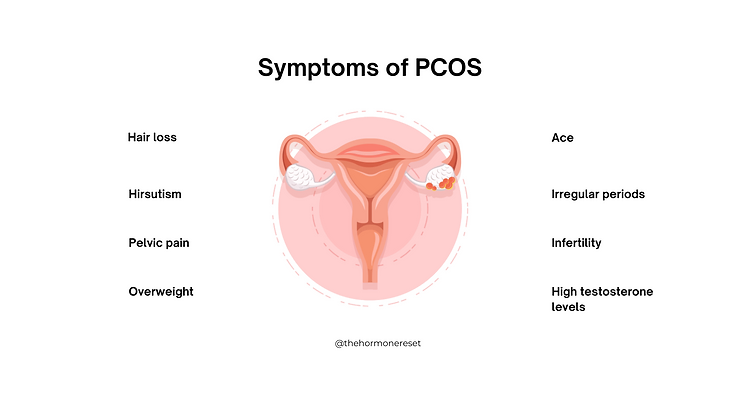
    The symptoms of PCOS can vary from person to person, and not all women will experience the same symptoms. Common symptoms of PCOS include:

    • Irregular periods: Women with PCOS may have infrequent or prolonged menstrual cycles, or they may experience heavy or unpredictable bleeding.
    • Ovarian cysts: The ovaries may contain small cysts, which are fluid-filled sacs. These cysts are usually harmless but can contribute to hormone imbalance if they don’t regress themselves, and rather grow in size.
    • Hormonal imbalances: Women with PCOS often have higher levels of androgens, which are male hormones. This can lead to symptoms such as acne,hair thinning, excessive hair growth (hirsutism), and male-pattern baldness.
    • Weight gain and difficulty losing weight: Most women with PCOS struggle with weight management. Insulin resistance and hormonal imbalances can make it more challenging to maintain a healthy weight.
    • Skin problems: PCOS can be associated with skin issues, including acne, oily skin, and dark patches of skin (acanthosis nigricans).
    • Fertility issues: PCOS is one of the leading causes of female infertility. Hormonal imbalances can interfere with the normal ovulation process, making it more difficult to conceive.

    It’s important to note that the symptoms of PCOS can vary in severity, and not all women with PCOS will experience all of these symptoms. If you are one who is struggling with PCOS symptoms, certain nutrition interventions can help you manage symptoms and even reverse PCOS.

    8e4b88 e6e1531dd474461a8c7a4dd34756f1e5mv2

    Here are nine PCOS nutrition interventions that you should incorporate in your daily regime:

    • 1. Low-Glycemic Index (GI) Diet: Opt for a balanced diet that includes a variety of whole foods, lean proteins, healthy fats, and low-GI carbohydrates. Low-GI foods help stabilise blood sugar levels and can aid in weight management, a common concern for women with PCOS.
    • 2. Fiber-Rich Foods: Include fiber-rich foods such as fruits, vegetables, whole grains, and legumes in your diet. High-fiber foods can help regulate blood sugar levels, improve digestion, and promote satiety, which may aid in weight management.
    • 3. Omega-3 Fatty Acids: Incorporate omega-3 fatty acids into your diet through sources like fatty fish (salmon, mackerel), chia seeds, flaxseeds, and walnuts. Omega-3s have anti-inflammatory properties and may help reduce insulin resistance and improve lipid profile in women with PCOS.
    • 4. Use Anti-Inflammatory herbs in diet: Consume foods with anti-inflammatory properties, including turmeric, ginger, cinnamon, clove etc. Also have a diet combination of green leafy vegetables, berries, and nuts. Chronic inflammation is often associated with PCOS, and an anti-inflammatory diet will help reduce inflammation and related symptoms.
    • 5. Include chromium & sulphur rich foods: Consider adding chromium & sulphur -rich foods such as broccoli, green beans, nuts, and whole grains to your diet. Chromium supplementation improves insulin sensitivity and glucose metabolism in women with PCOS.
    • 6. Get sufficient Vitamin D: Ensure adequate vitamin D levels through sunlight exposure and/or vitamin D-rich foods like fatty fish, and egg yolks. Vitamin D deficiency is prevalent in women with PCOS and may contribute to insulin resistance.
    • 7. Probiotics to be added daily: Incorporate probiotic-rich foods like yogurt, kefir, and sauerkraut, or consider probiotic supplements. Probiotics help improve gut health, reduce inflammation, and regulate hormonal balance in women with PCOS.
    • 8. Herbal Remedies: Certain herbal remedies like cinnamon, spearmint tea, and saw palmetto have beneficial effects on insulin sensitivity and hormone levels in women with PCOS. However, consult with a healthcare provider before using herbal supplements.
    • 9. Mindful Eating: Practise mindful eating techniques, such as paying attention to hunger and fullness cues, eating slowly, and savouring each bite. Mindful eating can promote a healthy relationship with food and support weight management goals in women with PCOS.

    References :

    1. Marsh K, et al. (2010). The effect of a low glycemic load diet on acne vulgaris and the fatty acid composition of skin surface triglycerides. J Dermatol Sci. 59(3):248-251.
    2. Palomba S, et al. (2015). Dietary Interventions and Nutritional Supplements for Women with Polycystic Ovary Syndrome. PCOS Consensus Workshop Group. Rev Endocr Metab Disord. 16(3):269-284.
    3. Mohammadi E, et al. (2012). Effects of omega-3 fatty acids supplementation on serum adiponectin levels and some metabolic risk factors in women with polycystic ovary syndrome. Asia Pac J Clin Nutr. 21(4):511-518.
    4. Wang J, et al. (2016). Effects of probiotics on glycaemic control, lipid profiles, and endothelial function in women with polycystic ovary syndrome: a randomized controlled trial. Endocrine. 52(1):69-77.

    Share