
Author: Siddarth Goel

  • Is a Permanent Cure For Psoriasis​ Really Possible? A Peek at the Latest Data

    Is a Permanent Cure For Psoriasis​ Really Possible? A Peek at the Latest Data

    Imagine discovering Permanent Cure For Psoriasis might lie not just in medications or topical treatments, but in restoring your body’s internal systems! Psoriasis is a chronic autoimmune condition that impacts millions of people around the globe. It’s much more than just a skin issue; it involves a fascinating mix of immune dysfunction, hormonal imbalances, and systemic inflammation.

    While traditional treatments often aim to ease symptoms, exciting new research and holistic approaches—like Hormone Reset’s functional medicine-based strategies—are opening up fresh avenues for deeper, lasting healing. Could these breakthroughs hint at a potential permanent solution? Let’s explore how cutting-edge findings, combined with innovative functional medicine techniques, are paving the way for a brighter future in psoriasis care!

    Psoriasis is More Than Just Skin Deep Issue

    While Psoriasis might first appear to be just a skin condition, it runs much deeper than that. It’s a systemic autoimmune disease characterised by red, scaly patches and ongoing inflammation resulting from an overactive immune system that is attacking and damaging the skin. But psoriasis is not just about the skin; it is associated with other underlying health issues and can also lead to some, including:

    • Elevated Cardiovascular Risks: This chronic inflammation linked to psoriasis entails an increased risk of heart conditions, stroke, and other cardiovascular conditions.
    • Mental Health Challenges: Many experience depression, anxiety, and social isolation because of the visible symptoms and stigma.
    • Metabolic Syndrome Link: Psoriasis is strongly linked to obesity, high blood pressure, and insulin resistance, amplifying health complications.
    • Gut dysbiosis: Imbalance of gut bacteria disturbs the immune system, raises inflammation, and triggers psoriasis flares by damaging digestion and nutrient absorption.
    • Slow liver: An inefficient liver is unable to detoxify the body, and toxins accumulate, which worsens inflammation and skin diseases such as psoriasis.
    • Nutrient deficiencies: Inadequate amounts of critical vitamins (D, A, E) and minerals (zinc, magnesium) compromise skin healing, retard immune function, and enhance the severity of psoriasis symptoms.
    • Overgrowth of Candida: Yeast overgrowth in the gut interferes with microbiome balance, compromises gut lining integrity, and initiates systemic inflammation, exacerbating autoimmune diseases such as psoriasis.

    Recognizing these deeper connections is crucial for addressing the root causes of psoriasis rather than just its visible manifestations.

    Conventional Treatments are just a Band-Aid for a Chronic Condition

    For decades, psoriasis treatment has focused on symptom management through therapies like corticosteroids, biologics, and phototherapy. While effective to some extent, these methods leave significant gaps:

    • Short-Lived Relief: Symptom suppression often leads to recurring flare-ups without addressing the underlying causes.
    • Side Effects and Risks: The prolonged use of certain drugs can cause various side effects like liver damage, immune suppression, dependency etc.
    • Cost-Prohibitive: Advanced biologic treatments, even if effective, remain costly and inaccessible for many patients.

    The future of psoriasis care demands a shift toward personalized, integrative approaches that prioritize root cause resolution over symptom suppression.

    Also Read: Living With Multiple Autoimmune Conditions

    Hormone Reset is A Revolutionary Path to Healing Psoriasis

    The Hormone Reset approach offers a thoughtful and holistic method to address the interconnected systems of your body, promoting long-lasting healing. Rather than relying on conventional treatments, this strategy focuses on identifying the root causes leading to immune dysfunction, gently rebalancing your hormones, reducing inflammation, and tackling systemic issues right at their source.

    The Role of Hormones in Psoriasis

    Hormones such as cortisol, insulin, and thyroid hormones are incredibly important for managing our immune system and inflammation. When these hormones are out of balance, it can make psoriasis symptoms worse. Let’s explore how bringing them back into balance can make a positive difference:

    • Managing Cortisol for Reduction of Stress: Chronic stress elevates cortisol, which initiates immune dysfunction. Yogic techniques and mindfulness can reduce cortisol levels, as can adaptogenic herbs like ashwagandha and Rhodiola.
    • Enhances insulin sensitivity: Insulin resistance is a key factor source of systemic inflammation. Dietary improvement that thrives on low-glycemic foods, whole grains, lean proteins, and healthy fats can improve one’s insulin sensitivity significantly.
    • Thyroid Health for Skin Wellness: Many people with psoriasis have hypothyroidism. Other nutrients that really can be important for thyroid health include selenium (Brazil nuts) and iodine (seaweed).

    What is the connection of Psoriasis and Gut Issue?

    Emerging research highlights the powerful link between gut health and skin conditions like psoriasis. An imbalanced gut microbiome or leaky gut syndrome can worsen inflammation and immune responses.

    • Eliminating Dietary Triggers: Gluten, dairy, and processed foods are common culprits that exacerbate gut inflammation.
    • Prioritising Probiotic Foods: Fermented foods like yoghurt, kimchi, and kefir restore gut microbial balance. However, it is important to note that gut infections can be worsened by probiotic foods. Hence, cleaning up infections is important before introducing probiotic-rich foods. In such cases, specific probiotic supplements are a better alternative. 
    • Essential Nutrients Boost: Zinc, omega-3 fatty acids, and vitamin D all enhance gut health and decrease systemic inflammation.

    Also Read: Understanding The Connection Between Your Diet And Hormonal Imbalance

    Detoxification: Clearing Out the Toxins

    The liver is vital for hormone metabolism and toxin elimination. A sluggish liver can lead to a buildup of inflammatory substances, and worsening psoriasis.

    • Liver-Supporting Foods: Cruciferous vegetables (broccoli, kale), citrus fruits, and garlic enhance detoxification.
    • Herbal Allies: Milk thistle and dandelion root will help support liver function.
    • Sweat Therapy: Infrared saunas, regular exercise, and Epsom salt baths help detoxify the skin and body.

    Calming the Fire Within

    Chronic inflammation is at the heart of psoriasis. Tackling it holistically can bring profound relief:

    • Anti-Inflammatory Diet: Turmeric, ginger, green tea, and fatty fish are some of the inflammation-fighting foods.
    • Identify Environmental Triggers: Mold exposure, harsh chemicals, and allergens make symptoms worse.
    • Reducing toxin exposure: Replace toxic personal care products and chemical-based household cleaners to reduce inflammatory burden.

    Scientific Breakthroughs in Psoriasis Care

    Recent studies are shedding light on the effectiveness of integrative approaches. Key findings include:

    • Hormonal Balance Yields Amazing Results: A 2023 PMC study showed that patients who used hormone reset strategies experienced fewer flare-ups and less severe symptoms.
    • Gut Healing Improves Outcomes: Probiotic and prebiotic supplementation strengthened gut barriers and reduced systemic inflammation in clinical trials.
    • Detox protocol success: Improvements in dermal health along with better symptomatic control are noted for those detox-focused interventions.

    Are there any Future Innovations for Permanent Cure For Psoriasis?

    Microbiome-Focused Therapies: Targeting specific probiotic strains holds immense promise for reducing psoriasis severity by restoring gut health.

    Precision Nutrition and Nutrigenomics: Customized diets based on genetic profiles can suppress inflammatory pathways linked to psoriasis.

    Epigenetic Modifications: Lifestyle changes like improved sleep, regular exercise, and reduced stress can reprogram gene expression and reduce psoriasis symptoms.

    AI-Powered Care: Artificial intelligence is revolutionizing personalised medicine, offering tailored treatment plans based on an individual’s unique biology and lifestyle

    How to Treat Psoriasis?

    Ready to embrace the Hormone Reset approach for Permanent Cure For Psoriasis? Here’s how you can begin:

    1. Adopt a Psoriasis-Friendly Diet
      • Focus on whole, nutrient-dense foods like leafy greens, lean proteins, and healthy fats.
      • Avoid inflammatory triggers such as sugar, processed foods, and gluten.
    2. Prioritise Stress Management
      • Incorporate daily mindfulness practices or yoga sessions.
      • Try natural adaptogens like holy basil and ashwagandha to lower cortisol levels.
    3. Strengthen Your Gut
      • Add probiotic-rich foods and supplements to your routine.
      • Include prebiotic-rich foods like garlic, spring onions, and millet for microbial balance.
    4. Support Detoxification
      • Start your day with warm lemon water to stimulate liver function.
      • Use herbal teas like dandelion and turmeric for natural detox benefits.
    5. Seek Expert Guidance
      • Consult a functional medicine practitioner for a tailored plan.
      • Explore resources like Hormone Reset for specialized support

    If you’re looking for a complete Recipes, then checkout our Recipes for managing your Psoriasis

    Reimagining Psoriasis with A Hopeful Tomorrow

    A definitive Permanent Cure For Psoriasis is available with the Hormone Reset approach, which stands out as a guiding light. By focusing on the underlying causes, such as hormonal imbalances, gut health concerns, and chronic inflammation, this functional medicine method can offer people lasting remission and a better quality of life.

    Picture waking up to clear skin, feeling vibrant and full of energy, and exuding newfound confidence. Healing starts with understanding your body’s needs and embracing positive, evidence-based changes. The future of psoriasis treatment is here—are you ready to embrace it?

    Further if you’re looking for one-on-one consultation with our expert then Book Now!

    References

    Share

  • Are Certain Foods Behind Your Rheumatoid Arthritis Diagnosis? What Are Some Best Foods For Rheumatoid Arthritis?

    Are Certain Foods Behind Your Rheumatoid Arthritis Diagnosis? What Are Some Best Foods For Rheumatoid Arthritis?

    Rheumatoid arthritis (RA) is a chronic autoimmune disorder where the immune system mistakenly attacks healthy joint tissues, causing inflammation, pain, and stiffness. While genetics and environmental factors are known contributors, research suggests that factors like chronic infections, gut dysbiosis, food sensitivities, toxins, nutrient imbalances and insufficiencies, and mitochondrial dysfunction, perhaps diet play an important role in the onset and progression of RA. Although no single food directly causes RA, certain dietary patterns can contribute to inflammation and potentially worsen symptoms.

    Understanding how diet affects RA is essential for those managing the condition. Here’s a closer look at the Foods Behind Rheumatoid Arthritis and dietary changes that may help alleviate symptoms.

    Inflammation and the Role of Diet in RA

    In rheumatoid arthritis, the immune system attacks the lining of the joints, leading to chronic inflammation. This inflammation damages the cartilage and bones over time, affecting joint mobility and causing significant pain. The foods we consume can influence this inflammatory process, either by aggravating it or by helping to reduce it.

    Research shows that certain Foods Behind Rheumatoid Arthritis, which can exacerbate it’s symptoms. For example, glutendairy productsrefined carbsseed oilsred meats, certain vegetables like nightshadesalcohol and caffeinehigh-sugar and artificial sweetenershighly processed, and fried foods are known to increase levels of inflammatory markers in the body, potentially leading to more frequent and severe flare-ups in individuals with RA. Studies have shown that people who consume diets high in these inflammatory foods are more likely to experience worsened symptoms.

    What Are The Consequences of an Inflammatory Diet?

    For people with RA, the pain and stiffness from inflammation can limit daily activities and reduce quality of life. Consuming inflammatory foods can lead to more frequent flare-ups, increased fatigue, and joint discomfort. What makes this situation challenging is that these symptoms often go beyond physical pain, affecting mental health as well. For many, the unpredictability of RA symptoms can contribute to anxiety and depression.

    Beyond the immediate symptoms, chronic inflammation caused by poor diet can lead to other health complications, such as cardiovascular disease and diabetes, which are already more common in individuals with RA. Ignoring the Foods Behind Rheumatoid Arthritis may worsen not only joint pain but also overall health, adding more strain to managing RA.

    Dietary Changes That May Help Manage RA Symptoms

    While diet alone won’t cure RA, certain dietary adjustments can help reduce inflammation and possibly alleviate some symptoms. Here are Best Foods For Rheumatoid Arthritis that could make a positive difference.

    1. Limit Sugary Foods and Beverages

    Sugar can trigger inflammatory responses in the body, which can worsen RA symptoms. Sugary foods and drinks, such as sodas, candies, and baked goods, are often high in refined sugars that increase inflammatory markers.

    Tip: Choose natural sweeteners like honey or fruits, which don’t spike inflammation levels as quickly. Also, check labels for hidden sugars, as many packaged foods contain added sugars.

    2. Reduce Red and Processed Meats

    Red and processed meats, such as beef, bacon, and sausages, contain high levels of saturated fats and advanced glycation end products (AGEs), which can promote inflammation. Studies have found that people with diets high in red and processed meats tend to have higher levels of inflammatory markers.

    Tip: Substitute red meats with lean proteins like chicken, turkey, and fish, which have anti-inflammatory properties. Plant-based protein sources like lentils and beans are also good options.

    3. Avoid Processed and Fried Foods

    Fried and processed foods are often loaded with unhealthy trans fats, preservatives, and artificial ingredients that increase inflammation. They also contain high levels of AGEs, which can trigger an inflammatory response in the body.

    Tip: Opt for whole, unprocessed foods whenever possible. Air-frying or baking foods instead of frying can also help reduce the intake of unhealthy fats.

    4. Incorporate Anti-Inflammatory Foods

    The good news is that several foods are known for their anti-inflammatory effects and may help alleviate RA symptoms when included in a balanced diet. Here are a few worth considering:

    • Vegetables: Leafy greens (spinach, kale) and cruciferous vegetables (broccoli, cauliflower) are rich in powerful anti-inflammatory properties. Sweet potatoes and carrots are rich in beta-carotene, which is anti-inflammatory. Beets aid in detoxification of the body. Leafy greens (spinach, kale) and cruciferous vegetables (broccoli, cauliflower) are rich in powerful anti-inflammatory properties. Sweet potatoes and carrots are rich in beta-carotene, which is anti-inflammatory. Beets aid in detoxification of the body.
    • Fruits: Berries (blueberries, strawberries) are full of antioxidants. Pomegranates guard joints, while cherries reduce uric acid levels. Boiled apples contain quercetin, a natural anti-inflammatory. Stay away from high-sugar fruits, as they could make symptoms worse. Berries (blueberries, strawberries) are full of antioxidants. Pomegranates guard joints, while cherries reduce uric acid levels. Boiled apples contain quercetin, a natural anti-inflammatory. Stay away from high-sugar fruits, as they could make symptoms worse.
    • Healthy Fats: Olive oil, avocados, coconut oil, and ghee are necessary for vital anti-inflammatory factors. Olive oil, avocados, coconut oil, and ghee are necessary for vital anti-inflammatory factors.
    • Ferment-Friendly Foods: Fermented foods such as sauerkraut, kimchi, and kefir aid in digestion, and bone broth helps the joints. Prebiotic foods such as onions and garlic help gut health. But fermented foods can act as triggers among sensitive people. Fermented foods such as sauerkraut, kimchi, and kefir aid in digestion, and bone broth helps the joints. Prebiotic foods such as onions and garlic help gut health. But fermented foods can act as triggers among sensitive people.
    • Spices & Herbs: Turmeric (curcumin), ginger, garlic, cinnamon, rosemary, and oregano each possess very powerful anti-inflammatory capabilities. Turmeric (curcumin), ginger, garlic, cinnamon, rosemary, and oregano each possess very powerful anti-inflammatory capabilities.
    • Nuts & Seeds: Walnuts (rich in omega-3s), almonds (joint vitamin E), pumpkin seeds (muscle-relaxing magnesium), and sunflower seeds (antioxidant-rich) can assist, if well tolerated. Walnuts (rich in omega-3s), almonds (joint vitamin E), pumpkin seeds (muscle-relaxing magnesium), and sunflower seeds (antioxidant-rich) can assist, if well tolerated.
    • Whole Grains: Quinoa, buckwheat, millet, and amaranth are anti-inflammatory and gluten-free options. Quinoa, buckwheat, millet, and amaranth are anti-inflammatory and gluten-free options.
    • Hydrating Foods & Drinks: Green tea, herbal teas (turmeric, chamomile), lemon water, and celery juice help detoxify and reduce inflammation. Green tea, herbal teas (turmeric, chamomile), lemon water, and celery juice help detoxify and reduce inflammation.

    If you’re looking for Recipes then feel free to checkout our Recipes for Managing Rheumatoid Arthritis.

    5. Embrace the Mediterranean Diet

    The Mediterranean diet emphasises whole grains, lean proteins, healthy fats, and plenty of fruits and vegetables. Studies have shown that this dietary pattern can help reduce inflammation in people with RA. In fact, research indicates that those following a Mediterranean diet report fewer flare-ups and lower overall pain levels.

    Tip: Focus on incorporating olive oil, whole grains, and fresh vegetables into your meals, which can help lower inflammation and provide lasting energy.

    Also Read: Rheumatoid Arthritis – Why Medications Are Not The Answer

    What Are Some Benefits of a Diet Change for Rheumatoid Arthritis?

    While dietary changes alone may not cure rheumatoid arthritis, many individuals with RA find that shifting their eating habits to focus on anti-inflammatory foods can significantly improve their quality of life. A study published in the Annals of Rheumatic Diseases found that people with RA who followed an anti-inflammatory diet for 12 weeks experienced a reduction in joint swelling and pain.

    Incorporating these changes doesn’t require a complete lifestyle overhaul. Small, consistent steps, such as choosing fish over red meat, adding more leafy greens, and reducing sugar intake, can lead to noticeable improvements over time.

    Taking Control Through Food Choices

    If you’re managing RA, paying attention to your diet could provide relief from pain and inflammation. By reducing inflammatory foods and incorporating Best Foods For Rheumatoid Arthritis, you can help support your body’s response to RA. Although diet changes are not a cure, they represent a proactive way to take charge of your health and potentially lessen the impact of rheumatoid arthritis on your daily life.

    Further if you’re looking for one-on-one consultation with our Specialists, then Book Now!

    References

    Share

  • Is Hashimoto’s Thyroiditis Curable? Can Functional Medicine Reverse it?

    Is Hashimoto’s Thyroiditis Curable? Can Functional Medicine Reverse it?

    Imagine waking up feeling a bit drained each day, battling unexpected weight gain, or struggling with brain fog so heavy that it seems like you’re just sleepwalking through life. For those dealing with Hashimoto’s Thyroiditis, this isn’t just an occasional rough day – it’s a daily challenge. 

    But here’s the exciting news: the path to healing is shining brighter than ever! While Conventional Medicine often focuses on just managing symptoms, a remarkable approach called the Hormone Reset Method is here to change that. Instead of just surviving with Hashimoto’s, let’s talk about thriving! Is a cure for Hashimoto’s possible? Together, let’s explore this empowering truth that Hashimoto’s Thyroiditis Curable or not?

    What Exactly is Hashimoto’s Thyroiditis?

    Hashimoto’s Thyroiditis is an autoimmune disease in which your immune system mistakenly attacks your thyroid gland. This chronic damage and the resultant inflammation can lead to hypothyroidism, or an underactive thyroid, which may leave you feeling exhausted, with low energy, and a little miffed.

    The symptoms often sneak up on you:

    • Fatigue that no amount of coffee can fix
    • Weight gain that seems impossible to shed
    • Brain fog and difficulty focusing
    • Hair thinning and brittle nails
    • Sensitivity to cold and dry skin
    • Depression or mood swings, and many more

    The thyroid gland is a tiny, butterfly-shaped organ at the base of your neck, important for regulating your metabolism, energy levels, and overall well-being. When it faces challenges, the effects can ripple throughout your whole body.

    While conventional medicine often aims at managing symptoms through synthetic thyroid hormones—helpful as they may be—they tend to overlook the underlying issues. This is where the true strength of functional medicine shines!

    Can You Really Reverse Hashimoto’s? Separating Myths from Facts

    It is widely understood in modern medical practice that autoimmune conditions such as Hashimoto’s may not be viewed as a type of “curable” condition in the classic sense. But here’s the good news: remission is definitely within reach! So, what does this mean for you? Here are some possibilities:

    • Reduce or even eliminate symptoms
    • Prevent further damage to your thyroid
    • Restore your energy, mental clarity, and overall well-being

    This shift happens when you start embracing the idea of your thyroid as part of a larger system—your body’s amazing interconnected networks. By taking the time to identify and address the autoimmune triggers and balance these systems, you can make a wonderful difference in your overall health.

    How Functional Medicine Can Recover Hashimoto’s Thyroiditis?

    Hormone Reset is all about helping you restore your hormonal imbalance naturally by embracing lifestyle changes, nourishing nutrition, and thoughtful supplementation. Central to this approach is functional medicine, which plays a key role in managing Hashimoto’s.. This holistic strategy focuses on digging deep to uncover and address the root causes of Hashimoto’s. Here’s what it includes:

    • Balancing your immune system by identifying and addressing the autoimmune triggers
    • Correcting the diet to remove immune triggering foods and include the ones that help calm the immune system dow
    • Healing your gut (>70% of your immune system resides there!)
    • Balancing the microbiome as it often plays a significant role in immune system modulation
    • Identifying and addressing nutritional deficiencies that often work both as root causes and aggravating factors
    • Managing stress and optimizing your adrenal health
    • Identifying and eliminating environmental toxins
    • Working on overall lifestyle to ensure harmful habits and minimised and replaced with healthier ones

    Step 1: Heal Your Gut, Heal Your Thyroid

    Did you know that there is a strong connection between gut health and Hashimoto’s? Leaky gut, or intestinal permeability, allows toxins to enter your bloodstream, triggering immune responses that exacerbate thyroid inflammation. The Hormone Reset method prioritizes:

    • A gut-healing diet rich in anti-inflammatory foods
    • Avoiding common irritants like gluten and dairy
    • Probiotic support to restore healthy gut flora
    • Incorporating prebiotic foods like garlic, onions, and bananas to nourish good bacteria

    Gut healing is pivotal because 70% of the immune system resides in the gut. By reducing gut inflammation, you reduce autoimmune triggers.

    Step 2: Detox Your Body and Eliminate Toxins

    Your immune systemcan really react to toxins, including heavy metals and endocrine disruptors. Once triggered by these toxins, it can attack many organs like the thyroid gland. Functional medicine understands this and offers support to help you feel your best. It emphasizes:

    • Supporting liver detoxification with cruciferous vegetables, antioxidants, and herbs like milk thistle
    • Identifying and if found, addressing toxins like mercury, lead, aluminum, etc
    • Avoiding exposure to chemicals in plastics, cosmetics, and cleaning products
    • Drinking plenty of filtered water to flush out toxins
    • Using various tools like saunas or sweating through exercise to enhance detoxification

    Additionally, opting for organic foods and minimizing pesticide exposure can significantly lower your body’s toxic burden.

    Step 3: Master Stress Management

    Chronic stress can really take a toll on your thyroid health. That’s why the Hormone Reset approach offers some wonderful guidance on stress-reducing techniques, such as:

    • Mindfulness meditation to calm your nervous system
    • Gentle yoga, tai chi, or Pilates to reduce cortisol levels
    • Adaptogenic herbs like ashwagandha and rhodiola to support adrenal health
    • Prioritizing sleep hygiene and restorative practices

    Stress isn’t just emotional—it’s biochemical. By managing stress, you reduce the inflammatory cascade that fuels autoimmune diseases.

    Step 4: Nutrition Food for Your Thyroid

    Many people with Hashimoto’s experience nutritional deficiencies. Functional medicine can help identify gaps in important nutrients like selenium, zinc, magnesium, omega 3 fatty acids, and vitamin D etc. Hormone Reset plans offer a thoughtful approach to address these needs.

    • Introduce nutrient-dense foods to replenish these levels
    • Focus on thyroid-supportive nutrients like iodine (in safe amounts)
    • Incorporate omega-3 fatty acids to reduce inflammation
    • Provide targeted supplementation where needed
    • Include selenium-rich foods like Brazil nuts and seafood

    There are various Natural Foods for your thyroid health is essential for overall well-being

    Step 5: Tame Chronic Inflammation

    Inflammation plays a key role in Hashimoto’s, and addressing it is essential for your well-being. Embracing an anti-inflammatory diet,, along with some lifestyle changes, is a fundamental part of the Hormone Reset plan. Here are some additional strategies to consider:

    • Adding turmeric (curcumin) and ginger to your meals
    • Increasing intake of green leafy vegetables, berries, and healthy fats
    • Using herbal teas with anti-inflammatory properties, like chamomile or green tea
    • Reducing sugar and processed foods

    Know More: Are Certain Foods Behind Rheumatoid Arthritis?

    What Can Ignite Hashimoto’s and How to Get Rid of them? 

    Hashimoto’s flare-ups can be caused by several different factors. It’s really important to identify and manage these triggers to help improve your health!

    • Foodsensitivity: The majority of patients with Hashimoto’s have a sensitivity to certain foodslike gluten and dairy, which cause inflammation by triggering immune reactions.
    • Chronic Stress: Long-term stress disrupts your hormonal balance and weakens your immune system.
    • Nutrient deficiencies: Low levels of various key nutrients like B vitamins, iodine, selenium, vitamin D, and zinc levels can contribute to worsening the symptoms.
    • Environmental Toxins: Exposure to chemicals, pesticides, and heavy metals can stress both your immune system and thyroid.
    • Infections: Some viral or bacterial infections may initiate or exacerbate autoimmune activity. For example, Epstein-Barr Virus and Human Herpesvirus-6 etc are well known to be connected to Hashimoto’s disease.
    • Overexercising: Strenuous exercise can increase inflammation thereby worsening autoimmunity, so focus on gentle, restorative movement.

    Avoiding these triggers and adopting the Hormone Reset approach can help you regain control over your health.

    The Science Behind Functional Medicine: Why It Works

    The functional medicine approach is deeply rooted in science. Studies have shown that addressing gut health, managing inflammation, and restoring hormonal balance can:

    • Reduce autoimmunity
    • Improve thyroid function
    • Reduce or eliminate all symptoms connected with hashimoto’s disease

    Functional medicine practitioners use advanced testing to identify the root causes of your symptoms, allowing them to create a customized plan tailored to your unique biology.

    Why Is Functional Approach The Future Of Thyroid Health?

    At Hormone Reset Program, we believe in a functional medicine approach that goes beyond quick fixes. It’s all about creating a sustainable and transformative journey that empowers you to truly take charge of your health. Here’s what makes our method so special:

    • Root Cause Focus: Gut Health to Stress management, no aspect is left untouchedunearthed.
    • Personalized Care: Every patient’s Hashimoto’s journey is unique. Yours should be too.
    • Becoming Empowered through Education: Hormone Reset empowers you with the necessary resources and knowledge for life changes.

    A Brighter Future by Reclaiming Your Health

    You don’t have to let Hashimoto’s Thyroiditis take control of your life anymore! A permanent Hashimoto’s Thyroiditis Curable with Hormone Reset’s functional medicine approach. By addressing the root cause—healing your gut and resetting your hormones—you can take charge of your health and create a vibrant future filled with energy, clarity, and joy.

    The Hormone Reset approach is more than just a treatment plan; it’s a lifestyle choice that empowers you to live your best life. Why not take that first step today? Your future self, as well as your thyroid gland, will be grateful!

    Further if you’re looking for one-on-one consultation with our Specialists, then Book Now!

    References

    Share

  • Hormonal Imbalance in Women: Tips For Healthy Lifestyle

    Hormonal Imbalance in Women: Tips For Healthy Lifestyle

    Introduction

    Hormonal Imbalance in Women are a significant concern, affecting everything from mood and energy levels to weight and reproductive health. It is estimated that nearly 80% of women experience some form of hormonal imbalance in their lives, often linked to factors like stress, diet, and lifestyle choices. Understanding how to manage these Hormonal Imbalance in Women through lifestyle changes is essential for improving overall well-being. This article will provide practical tips for women looking to enhance their hormonal health through sustainable lifestyle modifications.

    What is Hormonal Imbalance in Women?

    Causes of Hormonal Imbalance in Women

    Hormonal Imbalance in Women can result from a variety of factors, including:

    • Diet: Poor dietary choices, including high sugar and processed food consumption, can lead to nutrient deficiencies and hormonal fluctuations.
    • Lifestyle Factors: Sedentary behavior, inadequate sleep, and environmental toxins can all contribute to hormonal dysregulation.
    • Stress: Chronic stress triggers the release of cortisol, which can interfere with the balance of other hormones like estrogen and progesterone.

    What are the Symptoms of Hormonal Imbalance in Women?

    Women may experience a range of symptoms associated with hormonal imbalances, including:

    • Mood Swings: Hormonal fluctuations can lead to irritability, anxiety, and depression.
    • Weight Gain: Changes in hormone levels can affect metabolism and fat distribution, leading to weight gain, particularly in the abdominal area.
    • Fatigue: Hormonal imbalances often result in low energy levels and chronic fatigue, impacting daily life.
    • Irregular Cycles: Women may experience changes in menstrual cycle regularity, including missed periods or heavy bleeding.

    The Role of Nutrition in Hormonal Balance

    top view assortment healthy food with copy space

    balanced diet plays a critical role in managing hormonal health. Focus on consuming whole, nutrient-dense foods that provide the body with essential vitamins and minerals

    Key Nutrients That Support Hormonal Health

    Several key nutrients are particularly beneficial for hormonal balance:

    • Fiber: Helps regulate blood sugar levels and promote healthy digestion, which is essential for hormonal health. A study published in The Journal of Nutrition found that women who consumed high-fiber diets had more stable insulin levels (Slavin, 2013).
    • Healthy Fats: Essential fatty acids, such as omega-3s found in fish, nuts, and seeds, support hormone production and reduce inflammation.
    • Vitamins and Minerals: Key nutrients such as vitamin D, magnesium, and B vitamins play vital roles in hormonal regulation. For example, vitamin D is linked to mood regulation and reproductive health.

    Foods to Include

    Incorporate the following foods into your diet:

    • Fruits and Vegetables: Aim for a variety of colors to ensure a wide range of nutrients. Leafy greens, berries, and cruciferous vegetables are particularly beneficial.
    • Lean Proteins: Sources such as chicken, turkey, tofu, and legumes provide essential amino acids necessary for hormone production.
    • Whole Grains: Quinoa, brown rice, and oats offer fiber and nutrients that help stabilize blood sugar

    Foods to Avoid

    Certain foods can exacerbate hormonal imbalances and should be minimized:

    • Processed Foods: Often high in unhealthy fats and sugars, these can disrupt hormonal balance and lead to inflammation.
    • Refined Sugars: High sugar intake is linked to increased insulin resistance and hormonal fluctuations, contributing to weight gain and other symptoms.

    Exercise and Hormonal Health

    sports girl black top training autumn park 11zon

    How Physical Activity Influences Hormone Regulation?

    Regular Excercise has been shown to improve hormonal balance by enhancing insulin sensitivity, reducing stress levels, and promoting overall metabolic health. Exercise can stimulate the release of endorphins, which improve mood and energy levels.

    Recommended Types of Exercise

    Incorporate a variety of exercises to support hormonal health:

    • Strength Training: Building muscle mass helps increase metabolism and improve insulin sensitivity. Aim for two to three sessions per week.
    • Cardio: Activities like walking, running, cycling, or swimming promote cardiovascular health and help regulate hormones.
    • Yoga and Stretching: These practices enhance flexibility, reduce stress, and can help with symptoms related to hormonal imbalances

    Importance of Consistency and Finding Enjoyable Activities

    Consistency is key to reaping the benefits of exercise. Choose activities that you enjoy to make it easier to stick with a regular routine. Aim for at least 150 minutes of moderate-intensity exercise each week.

    Stress Management Techniques

    The Impact of Stress on Hormonal Balance

    Chronic stress can wreak havoc on hormonal balance, particularly cortisol and sex hormones. High cortisol levels can lead to increased cravings for unhealthy foods, disrupted sleep patterns, and negative impacts on mood.

    Effective Stress Reduction Strategies

    Incorporate the following techniques to manage stress:

    • Meditation: Practicing mindfulness or guided meditation can significantly reduce stress levels and improve emotional regulation.
    • Deep Breathing: Simple deep breathing exercises can activate the body’s relaxation response, helping to counteract stress.
    • Mindfulness Practices: Engage in mindfulness activities, such as mindful eating or body scans, to increase awareness and reduce stress.

    Importance of Sleep and Establishing a Healthy Sleep Routine

    Quality sleep is crucial for hormonal balance in women. Aim for 7-9 hours of restful sleep each night. Establish a sleep routine by:

    • Creating a calming bedtime ritual.
    • Limiting screen time before bed.
    • Keeping the sleep environment dark and cool.

    How to Lead a Healthy Lifestyle to Treat Hormonal Imbalance in Women​?

    Importance of Social Connections and Support Systems

    Strong social connections can help mitigate stress and improve emotional well-being. Surround yourself with supportive friends and family, and consider joining community groups or activities that resonate with your interests.

    Incorporating Relaxation Techniques

    Integrate relaxation techniques into your daily routine:

    • Hobbies: Engage in activities that bring you joy and relaxation, such as reading, gardening, or crafting.
    • Nature Walks: Spending time in nature can reduce stress and improve mood, contributing to better hormonal health.

    Regular Health Check-Ups and Open Communication with Healthcare Providers

    Regular check-ups with healthcare providers can help monitor hormonal health and address any concerns. Open communication is essential for discussing symptoms and exploring treatment options, including lifestyle changes and functional medicine approaches.

    Lifestyle Changes 

    Making lifestyle changes can have a profound impact on hormonal imbalance in women​. By understanding the causes and symptoms of hormonal imbalances, focusing on nutrition, incorporating exercise, managing stress, and building a supportive environment, women can improve their hormonal health and overall well-being.

    Looking for Hormone Reset Program for Women which will enable your body to recover from any health issues, then Book a Consultation Now!

    References

    1. Slavin, J. L. (2013). “Fiber and prebiotics: mechanisms and health benefits.” Nutrients.
    2. American College of Obstetricians and Gynecologists. “Hormonal Contraception.”
    3. Harvard Health Publishing. “The Importance of Sleep for Hormonal Balance.”
    4. National Institutes of Health. “Stress and Health: The Effects of Stress on Hormones.”
    5. U.S. Department of Health & Human Services. “Physical Activity Guidelines for Americans.”

    Share

  • An Exploration of Autoimmune Diseases: Understanding the Commonalities and Differences in Rheumatoid Arthritis

    An Exploration of Autoimmune Diseases: Understanding the Commonalities and Differences in Rheumatoid Arthritis

    The Rising Prevalence of Autoimmune Diseases

    Autoimmune diseases are on the rise worldwide, affecting millions of people and significantly impacting their quality of life. Among these, rheumatoid arthritis (RA) is one of the most studied and complex conditions. RA affects nearly 1% of the global population, with women being two to three times more likely to develop it than men. Despite ongoing research, many people remain confused about autoimmune diseases, their triggers, and how conditions like RA compare to other autoimmune disorders.

    Why This Matters?

    Living with an autoimmune disease is often an uphill battle. Symptoms like chronic fatigue, joint pain, and systemic inflammation can severely disrupt daily life. But RA doesn’t just stop at pain—it can also damage internal organs, increase cardiovascular risks, and reduce life expectancy if left unmanaged. To complicate matters, autoimmune diseases share overlapping symptoms, making diagnosis tricky. This lack of clarity can lead to treatment delays and worsening patient outcomes.

    So, how do autoimmune diseases work, and what makes RA unique compared to others like lupus or multiple sclerosis? Understanding these nuances is crucial to managing the disease effectively.


    Solution: Breaking Down the Commonalities and Differences

    What Do Autoimmune Diseases Have in Common?

    Autoimmune diseases occur when the immune system mistakenly attacks healthy cells instead of harmful invaders like bacteria or viruses. Here are some common traits:

    1. Underlying Mechanism:
      An overactive immune response fuels autoimmune diseases. The body’s defense system mistakes its tissues for foreign substances, triggering inflammation and tissue damage.
    2. Triggers:
      While the exact cause is unknown, environmental factors (like smoking or infections), genetic predisposition, and hormonal imbalances play a key role in autoimmune diseases.
    3. Systemic Nature:
      Many autoimmune diseases are systemic, affecting multiple organs or tissues simultaneously. For instance, systemic lupus erythematosus (SLE) can impact skin, kidneys, and joints, similar to RA’s effect on joints and organs.
    4. Shared Symptoms:
      Symptoms like fatigue, inflammation, and chronic pain are common across conditions. For example:
      • Both RA and lupus can cause joint pain.
      • Hashimoto’s thyroiditis and RA both lead to fatigue due to their systemic effects.

    What Makes Rheumatoid Arthritis Unique?

    RA is an autoimmune disease that specifically targets the synovium, the lining of joints. This leads to swelling, pain, and potential joint deformities. Unlike osteoarthritis, which is wear-and-tear-related, RA results from the immune system attacking healthy joint tissues.

    Here’s what sets RA apart:

    1. Targeted Areas:
      RA typically begins in smaller joints (like fingers and toes) and can progress to larger joints over time.
    2. Symmetrical Symptoms:
      A hallmark feature of RA is symmetry. If one hand or knee is affected, the other side usually follows suit, a characteristic not seen in all autoimmune diseases.
    3. Co-Morbid Risks:
      Patients with RA face increased risks of heart disease, lung conditions, and even mental health issues due to systemic inflammation. Studies show that individuals with RA are 50% more likely to experience cardiovascular problems.
    4. Diagnostic Markers:
      RA can be diagnosed through blood tests for rheumatoid factor (RF) and anti-cyclic citrullinated peptide (anti-CCP) antibodies. These markers are specific to RA, helping distinguish it from other autoimmune diseases like lupus or psoriasis.

    Case Study: Early Diagnosis and Management of RA

    Consider the case of Sarah, a 42-year-old teacher who began experiencing morning stiffness in her fingers that lasted for over an hour. At first, she assumed it was due to her long hours at work. However, as the pain worsened and her fatigue increased, she sought medical advice.

    Tests revealed elevated levels of RF and anti-CCP antibodies, confirming an RA diagnosis. Early intervention with disease-modifying antirheumatic drugs (DMARDs) significantly slowed the disease’s progression. Additionally, Sarah adopted a balanced diet rich in anti-inflammatory foods (like fatty fish and leafy greens) and started practicing low-impact exercises such as yoga.

    Today, Sarah manages her symptoms effectively, demonstrating the importance of early detection and a holistic approach to autoimmune diseases.


    Bridging the Gap: How Knowledge Empowers Management

    While autoimmune diseases like RA may seem daunting, knowledge is a powerful tool in managing them. Understanding the commonalities can help patients identify early warning signs while recognizing differences allows for accurate diagnosis and tailored treatments.

    For those living with RA, combining medical treatment with lifestyle changes—such as stress management, regular exercise, and an anti-inflammatory diet—can significantly improve outcomes.


    Key Takeaways

    • Autoimmune diseases, including RA, share common mechanisms but differ in how and where they manifest.
    • RA is unique due to its targeted joint effects, symmetrical symptoms, and specific diagnostic markers.
    • Early diagnosis and a proactive approach, as seen in Sarah’s case, are vital to managing RA effectively.

    By fostering awareness and staying informed, patients and caregivers can take control of their health, reducing the burden of autoimmune diseases one step at a time.

    References:

    National Institute of Arthritis and Musculoskeletal and Skin Diseases. “Rheumatoid Arthritis.” Retrieved from https://www.niams.nih.gov

    Centers for Disease Control and Prevention (CDC). “Rheumatoid Arthritis (RA).” Retrieved from https://www.cdc.gov

    Mayo Clinic. “Rheumatoid Arthritis: Symptoms and Causes.” Retrieved from https://www.mayoclinic.org

    Gabriel, S. E., & Michaud, K. (2009). “Epidemiological studies in incidence, prevalence, mortality, and comorbidity of the rheumatic diseases.” Arthritis Research & Therapy, 11(3), 229. Retrieved from https://arthritis-research.biomedcentral.com/

    Arthritis Foundation. “What Is Rheumatoid Arthritis?” Retrieved from https://www.arthritis.org

    Share

  • A Comprehensive Guide to Managing Hashimoto’s with Functional Medicine

    A Comprehensive Guide to Managing Hashimoto’s with Functional Medicine

    Hashimoto’s thyroiditis is an autoimmune disorder that affects the thyroid gland. Most cases of Hashimoto’s are unnecessarily treated as hypothyroidism by looking at high TSH levels. While conventional medicine typically focuses on supplementing thyroid hormones, functional medicine offers a more integrated approach. This method delves into the root causes behind the autoimmune process, emphasizing personalized care through advanced diagnostic testing, tailored supplements, and dietary adjustments. 

    Understanding Hashimoto’s and the Functional Medicine Approach

    Hashimoto’s occurs when the immune system attacks the thyroid, causing inflammation and dysfunction. Symptoms like fatigue, weight gain, hair thinning, and mental fog can take a significant toll on daily life.  

    Functional medicine goes beyond treating symptoms by exploring the unique factors contributing to the condition. It seeks to identify potential triggers, such as nutrient deficiencies, chronic stress, or environmental influences, and address them to restore balance and support overall health.  

    Essential Testing for Hashimoto’s

    Functional medicine prioritizes in-depth diagnostic tests to uncover underlying imbalances that drive Hashimoto’s. Key assessments include:  

    1. Comprehensive Thyroid Testing: Measuring TSH, Free T3, Free T4, Reverse T3, and thyroid antibodies (TPOAb and TgAb) provides a complete picture of thyroid health and immune activity.  

    2. Nutrient Status: Testing for deficiencies in Vitamin D, Selenium, Zinc, complete B vitamins, and Iron (Ferritin) helps identify areas where supplementation or dietary changes may benefit.

    3. Gut Health Evaluation: Since a disrupted gut microbiome or intestinal permeability often accompanies autoimmune disorders, stool testing for gut microbiome and organic acid tests are vital for gut assessment. 

    4. Heavy metals: Heavy metals like lead, aluminium, cadmium, arsenic, mercury can block thyroid hormone receptors, interfere with conversion of T4 to T3 and moreover dysregulate the immune system. It’s important to test for heavy metals and work on heavy metal removal if high levels are reported. 

    5. Organ function tests: Optimal liver and kidney function is critical for ensuring proper detoxification pathways. 

    4. Stress and Adrenal Health: Chronic stress can exacerbate thyroid dysfunction, making cortisol testing an essential part of treatment planning.  

    Nutritional Foundations for Thyroid Health  

    Diet plays a transformative role in managing Hashimoto’s, as certain foods can either support or hinder thyroid function. Functional medicine emphasizes personalized dietary interventions, including:  

    Elimination of Trigger Foods: Many patients experience symptom relief by avoiding gluten and dairy, which are common inflammatory triggers in autoimmune conditions.  

    Focus on Nutrient Density: Foods rich in selenium (e.g., Brazil nuts), iodine (moderate amounts), zinc, and omega-3 fatty acids help optimize thyroid function.  Good quality protein is important. 

    Balanced Blood Sugar Levels: A diet that avoids spikes in blood sugar can reduce inflammation and improve energy stability.  

    Gut-Supportive Foods: Incorporating bone broth, and probiotics can strengthen the gut lining and enhance nutrient absorption.  

    Targeted Supplementation  

    Supplements can complement dietary changes and provide additional support for thyroid and immune health. Functional medicine practitioners often recommend:  

    1. Vitamin D: Vital for immune system regulation and thyroid function.  

    2. Selenium: Known to decrease thyroid antibody levels and aid hormone conversion.  

    3. Zinc: Supports the immune system and thyroid hormone synthesis.  

    4. Omega-3s: Help control inflammation, a key factor in autoimmune conditions.  

    5. Adaptogens: Herbs like Ashwagandha and Rhodiola can improve the body’s stress response, which is critical for managing Hashimoto’s.  

    Lifestyle Practices for Long-Term Support  

    Beyond diet and supplementation, lifestyle adjustments are essential for managing Hashimoto’s and enhancing overall well-being. These include:  

    Stress Reduction Techniques: Meditation, mindfulness, and yoga can help lower stress hormones like cortisol, which may worsen thyroid dysfunction.  

    Exercise in Moderation: Regular, low-impact physical activity, such as walking or swimming, supports metabolism and reduces inflammation without overburdening the body.  

    Prioritizing Sleep: Restful sleep is critical for immune balance and hormone regulation.  

    The Importance of Individualized Care 

    No two cases of Hashimoto’s are identical. A functional medicine approach tailors treatment to each person’s unique needs by considering factors like genetics, environment, and lifestyle. This personalized strategy helps identify and address specific triggers, paving the way for symptom relief and better long-term outcomes.  

    Key Takeaway

    Managing Hashimoto’s thyroiditis requires a multifaceted approach that looks beyond symptoms to address root causes. By incorporating detailed testing, strategic nutrition, targeted supplements, and lifestyle changes, functional medicine empowers individuals to take control of their health. With the right support, it’s possible to reduce inflammation, support the thyroid, and improve overall quality of life.

    HR CTA tiny

    References:

    1. Weinberg, J.L. (2022, March 18). Fatigue, Weight Gain, Depression, And Brain Fog Are Common Signs Of This Autoimmune Disease.
    2. Toulis, K.A., Anastasilakis, A.D., Tzellos, T.G., et al. (2010). Selenium Supplementation in the Treatment of Hashimoto’s Thyroiditis: A Systematic Review and a Meta-analysis.
    3. Mazokopakis, E.E., Papadomanolaki, M.G., Tsekouras, K.C., et al. (2015). Is vitamin D related to pathogenesis and treatment of Hashimoto’s thyroiditis?
    4. Yoon, S.J., Choi, S.R., Kim, D.M., et al. (2003). The effect of iodine restriction on thyroid function in patients with hypothyroidism due to Hashimoto’s thyroiditis.
    5. Liontiris, M.I., & Mazokopakis, E.E. (2017). A concise review of Hashimoto thyroiditis (HT) and the importance of iodine, selenium, vitamin D, and gluten on autoimmunity and dietary management.

    Share

  • Why Medications Are Not the Answer for Rheumatoid Arthritis

    Why Medications Are Not the Answer for Rheumatoid Arthritis

    Rheumatoid arthritis (RA) is a chronic autoimmune disease where the immune system attacks the synovial membranes of joints, causing pain, inflammation, and deformity. It most commonly affects individuals aged 30-50 and is three times more prevalent in women than men. It is a long-term condition that causes pain, swelling, and stiffness in the joints. 

    If you’ve been diagnosed, chances are, you’ve been prescribed medications to manage it. But is that really the best solution? While medications can help manage symptoms, they dont offer a lasting solution. Let’s explore why medications may not be the ultimate answer for RA.

    The Problem: Medications Can’t Reverse Rheumatoid Arthritis

    When you’re diagnosed with rheumatoid arthritis, the first line of defense often involves medications like nonsteroidal anti-inflammatory drugs (NSAIDs), disease-modifying antirheumatic drugs (DMARDs), and biologics. These medications aim to slow down the progression of the disease, reduce inflammation, and relieve pain. But here’s the problem: they don’t cure RA. In fact, they’re only designed to manage or suppress the symptoms.

    A 2017 study published in the Journal of Rheumatology showed that while DMARDs can reduce joint inflammation and slow disease progression, only 30-40% of patients achieved remission after using these medications for a year. This means the majority of people are still living with significant symptoms even while on medication.

    Additionally, medications often come with a slew of side effects. Long-term use of NSAIDs, for example, has been linked to stomach ulcers, liver damage, and increased risk of heart attacks. Biologics can suppress the immune system, making patients more vulnerable to infections.

    Agitation: The Limits and Risks of Medication Dependence

    It’s easy to feel like medications are the only way to keep rheumatoid arthritis in check. But relying solely on pharmaceuticals comes with risks and limitations. For starters, medications don’t address the underlying cause of RA, which is the reason why the immune system is attacking the joints.

    A long-term reliance on drugs may mask the symptoms while the disease continues to progress. According to a case study published in Rheumatology International, one patient who had been on DMARDs for five years experienced decreased effectiveness of the drugs over time. By the end of the case study, they still had joint deterioration and required joint replacement surgery despite ongoing medication.

    The risks don’t stop there. Many RA drugs also carry potential long-term health risks. A 2020 study in The Lancet found that patients on biologics were 60% more likely to develop serious infections due to immune suppression. Medications may temporarily control RA symptoms, but at what cost to your overall health?

    Solution: What You Can Do Instead of Relying Solely on Medication

    Today, science has a pretty good understanding of the reasons that lead the immune system to attack the joints. RA is driven by an imbalance in immune cells, with an excess of Th1 lymphocytes producing inflammatory mediators and a deficiency of Th2 lymphocytes. The question we have to ask is – why is this imbalance happening?

    Environmental factors, such as viral and bacterial infections, play a key role by triggering chronic inflammation and oxidative tissue damage. These infections can also compromise gut health, leading to intestinal permeability, low Secretory IgA, elevated zonulin, and other inflammatory bowel markers, which may further exacerbate the autoimmune response.

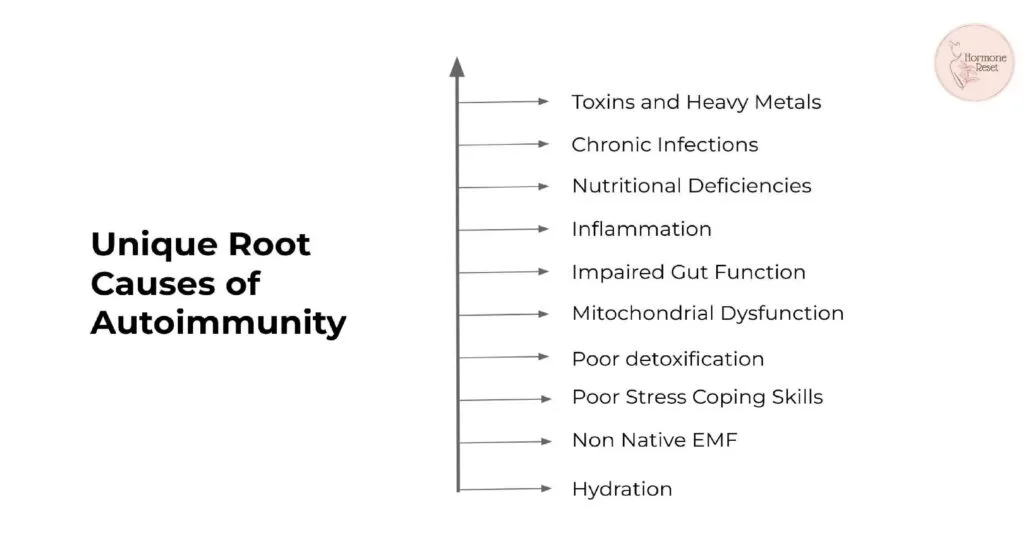
    Autoimmunity causes3 1

    Key contributors include:

    • Nutritional deficiencies: Low levels of essential nutrients like vitamin D, vitamin A, omega-3 fatty acids, and antioxidants, amongst many others, can weaken immune regulation and joint health.
    • Chronic infections: Overgrowth of bacteria, fungi, parasites, viruses, etc in the body can trigger immune dysfunction leading to autoimmunity.
    • Gut health imbalance: Increased intestinal permeability (“leaky gut”) allows toxins and undigested food particles to enter the bloodstream, triggering autoimmune responses.
    • Reactivity to triggers: Chemicals, pathogens, or certain foods can provoke immune responses and cross-reactivity, leading to inflammation and worsening symptoms.
    • Toxins: A variety of toxins, including heavy metals, bacterial and fungal toxins, and agricultural and other environmental toxins, are known to trigger the immune system into hypervigilance and then autoimmunity.
    • Stress or trauma: Chronic or acute stress can disrupt the body’s stress response, promote inflammation, and act as a trigger for RA onset or exacerbation.

    The rising prevalence of autoimmune diseases is linked to gut health. A compromised intestinal barrier and immune system reactivity to food are major contributors to immune system overstimulation and disease progression. Addressing gut health through personalised dietary strategies that reduce food triggers, alongside targeted care, is essential for recovery.

    A Functional Medicine approach emphasizes addressing these factors through personalized nutrition, gut healing, stress management, detoxification, addressing chronic infections, and identifying specific triggers to manage RA effectively. These alternative strategies can help you manage symptoms and potentially reverse the disease’s progression without relying entirely on pharmaceuticals. Some of these are discussed below.

    1. Anti-Inflammatory Diet: Numerous studies have shown that diet plays a critical role in reducing inflammation. One study in Arthritis Care & Research found that RA patients who followed an anti-inflammatory diet rich in omega-3 fatty acids, fresh fruits, and vegetables experienced reduction in flare-ups and improved overall joint health.
      Eliminate all processed foods, gluten, dairy and sugars, as they can trigger inflammation. Work with an experienced Functional nutritionist to personalise your diet based on your symptoms and test results.
    2. Physical Therapy and Exercise: Regular, low-impact exercise can improve joint flexibility and reduce pain. According to the American College of Rheumatology, exercises such as swimming, yoga, and walking can strengthen the muscles surrounding the joints, alleviating pressure and improving mobility.
      Physical therapy has also been shown to reduce reliance on pain medications. A case study published in Physical Therapy & Rehabilitation Journal highlighted a patient who significantly reduced NSAID usage after participating in a targeted physical therapy program for six months.
    3. Stress Management: RA symptoms often worsen during periods of high stress. Mind-body practices like meditation, deep breathing exercises, and progressive muscle relaxation have been proven to reduce stress and, in turn, lessen inflammation.
      A 2018 study in Psychosomatic Medicine found that RA patients who practiced mindfulness meditation for eight weeks saw measurable reductions in inflammatory markers, compared to those who relied on medications alone.
    4. Supplements and Natural Remedies: Supplements form an integral part of the Functional Medicine approach to treating RA. Various supplements and nutraceuticals like Evening Primrose Oil (GLA), Boswellia, Collagen, Turmeric, etc. have been shown to offer significant benefits in RA.
      Be sure to consult with your healthcare provider before adding any supplements to your routine.

    The Power of Holistic Treatment

    While we have helped many patients with RA, one case of an athlete who used to run marathons stands out. This patient was told that her running days were over as she could not even walk properly due to the pain caused by her inflamed knees. After working with us for six months, not only could she get back to running, but she broke her personal records! In other words, not only did her RA reverse, but her health, stamina and fitness improved so much that she could break her personal records.

    Take Action Today

    Medications can help control rheumatoid arthritis symptoms, but they aren’t a cure, and long-term dependence on them can carry risks. The good news is functional medicine can help by making lifestyle changes, including dietary modifications, stress management, and supplementation so that you can take control of your RA and reduce your reliance on medications. Empower yourself by taking small steps toward a healthier, more balanced approach to RA care.

    HR CTA tiny

    References: 

    1. Jasvinder A Singh, Treatment Guidelines in Rheumatoid Arthritis, Published by Elsevier Inc., 2022 Jul 5, https://pubmed.ncbi.nlm.nih.gov/35953230/ 
    2. Bicer, A., Tursen, U., Cimen, O. et al. Prevalence of dermatophytosis in patients with rheumatoid arthritis. Rheumatol Int 23, 37–40 (2003). https://doi.org/10.1007/s00296-002-0238-3
    3. Tedeschi SK, Frits M, Cui J, Zhang ZZ, Mahmoud T, Iannaccone C, Lin TC, Yoshida K, Weinblatt ME, Shadick NA et al.. Diet and rheumatoid arthritis symptoms: survey results from a rheumatoid arthritis registry. Arthritis Care Res (Hoboken)
    4. Gioxari A, Kaliora AC, Marantidou F, Panagiotakos DP. Intake of omega-3 polyunsaturated fatty acids in patients with rheumatoid arthritis: a systematic review and meta-analysis.
    5. Exercise & Arthritis, American College of Rheumatology, April 2023 by Howard Yang, MD, 
    6. 2022 American College of Rheumatology (ACR) Guideline for Exercise, Rehabilitation, Diet, and Additional Integrative Interventions for Rheumatoid Arthritis, 2023 Aug
    7. The Journal of Rheumatology in 2017, which evaluated the effectiveness of disease-modifying antirheumatic drugs (DMARDs)
    8. Psychosomatic Medicine, 2018: A study demonstrating RA patients practicing mindfulness meditation
    9. The Journal of Clinical Rheumatology, 2021: A review on turmeric supplementation

    Share

  • The Impact of Autoimmune Disorders on Skin Health: A Detailed Analysis of Psoriasis, Vitiligo, and Lichen Planus

    The Impact of Autoimmune Disorders on Skin Health: A Detailed Analysis of Psoriasis, Vitiligo, and Lichen Planus

    The Unseen Toll of Autoimmune Disorders on Skin Health

    Autoimmune disorders are conditions where the immune system mistakenly attacks healthy cells in the body, including those in the skin. For millions of people around the world, this means dealing with chronic skin conditions that cause physical discomfort, emotional distress, and sometimes even social stigma.

    Some of the most well-known autoimmune skin conditions include psoriasisvitiligo, eczema, and lichen planus. These conditions can significantly impact a person’s appearance and overall quality of life. The flare-ups can be unpredictable and severe, leaving patients frustrated and uncertain about managing their symptoms.

    Psoriasis, for example, causes thick, scaly patches on the skin, while vitiligo leads to the loss of pigmentation, and lichen planus results in itchy, inflamed skin. Despite their differences, all three diseases share a common underlying cause: an immune system that has become overactive and starts attacking the body’s own tissues.


    Why Does This Issue Matter?

    Living with an autoimmune skin condition is far more than just a cosmetic concern – it is a health issue that affects daily living.

    • Psoriasis is one of the most common autoimmune skin conditions, affecting up to 3% of the global population. It can lead to pain, swelling, and difficulty with mobility when the joints are involved, in addition to the visible skin lesions.
    • Vitiligo, which causes depigmented patches, can significantly affect a person’s self-esteem, with studies showing that nearly 50% of those with vitiligo experience psychological distress due to their appearance.
    • Lichen Planus, often associated with intense itching, can lead to scarring and long-term skin damage. In severe cases, it can affect the mucous membranes in the mouth and genitals, further complicating its management.

    In addition to the physical symptoms, these conditions can cause a range of psychological impacts. Individuals may feel isolated or embarrassed about their appearance, and the unpredictable nature of autoimmune flare-ups can add to the emotional burden.


    Root Causes and Symptoms of Psoriasis, Vitiligo and Lichen Planus

    Psoriasis

    Psoriasis is an autoimmune condition characterized by rapid skin cell turnover, leading to plaques of thick, inflamed, scaly skin.

    Symptoms: Common symptoms include

    • Plaques: Thickened, raised, red patches of skin covered with silvery-white scales. Commonly affects elbows, knees, scalp, and lower back.
    • Itching and Burning: Affected areas may feel itchy, painful, or have a burning sensation.
    • Nail Changes: Pitting, discolouration, or separation of the nail from the nail bed (onycholysis).
    • Scalp Psoriasis: Dry, scaly patches on the scalp resembling dandruff but thicker.
    • Psoriatic Arthritis (in some cases): Joint pain, stiffness, and swelling.

    Root Causes:

    Immune System Dysregulation: It is common knowledge that psoriasis is caused by an overactive immune response targeting healthy skin cells. However, what factors lead to this overactivity? Below are some of these factors.

    • Genetic Predisposition: Mutations in genes related to the immune system and skin barrier, such as HLA-Cw6.
    • Infections or overgrowths of pathogenic bacteria, fungus etc can often lead to an overactive immune system (e.g., strep throat can trigger guttate psoriasis).
    • Stress and trauma can lead to chronic activation of the fight or flight response of the nervous system. This activation often leads to various chronic ailments including autoimmunity (Koebner phenomenon).
    • Certain medications (e.g., beta-blockers, lithium) can cause autoimmunity.
    • Toxins of various types, when in excess in the body, can again trigger a chronic hyper stimulation of the immune respnse leading to autoimmunityEnvironmental factors (cold weather, smoking, alcohol).
    • Metabolic Syndrome: Links to obesity, diabetes, and cardiovascular issues also known to trigger autoimmunity.

    Vitiligo

    Vitiligo is a condition in which pigment-producing cells (melanocytes) are destroyed, leading to depigmented patches on the skin.

    Symptoms

    • Depigmented Patches: Flat, white patches on the skin that are sharply demarcated. Often begins on sun-exposed areas (hands, face, arms). 
    • Symmetry: Patches often appear symmetrically on both sides of the body.
    • Hair Depigmentation: Hair in affected areas may turn white or grey (e.g., scalp, eyebrows, eyelashes). 
    • Progression: Gradual enlargement of depigmented areas over time.

    Root Causes: Some factors, in addition to those discussed for psoriasis, are

    • Autoimmune Mechanisms: Immune cells target and destroy melanocytes.
    • Genetic Factors: Mutations in genes involved in immune regulation and melanin production (e.g., NLRP1PTPN22).
    • Oxidative Stress: Accumulation of reactive oxygen species (ROS) damages melanocytes.
    • Neurogenic Hypothesis: Abnormal nerve activity may release harmful substances affecting melanocytes.
    • Environmental Triggers:
      • Chemical exposure (e.g., phenolic compounds).
      • Physical trauma (Koebner phenomenon).
      • Emotional stress.

    Lichen Planus

    Lichen planus is an inflammatory condition affecting the skin, mucous membranes, hair, and nails, characterized by purple, itchy, flat-topped papules.

    Symptoms:

    • Skin Lesions: Flat-topped, purple, polygonal papules or plaques. Often itchy and appear on wrists, ankles, lower back, and forearms.
    • Oral Lichen Planus: White, lace-like patterns (Wickham’s striae) or red, painful sores in the mouth. Affects gums, tongue, and inner cheeks.
    • Genital Lichen Planus: Painful sores or white patches in the genital area.
    • Scalp (Lichen Planopilaris): Hair loss with scarring and redness on the scalp.
    • Nail Changes: Thinning, ridging, splitting, or loss of nails.
    • Mucous Membranes: Painful, raw patches on the mucous membranes (oral, genital).

    Root Causes: Few factors, In addition to the common causes discussed for psoriasis and vitiligo above, are

    • Immune-Mediated Mechanisms: T-cell-mediated attack on basal keratinocytes.
    • Viral Infections: Association with hepatitis C virus (HCV).
    • Genetic Predisposition: Familial cases suggest a heritable component.
    • Gut-Skin Axis: Altered gut microbiota may contribute to chronic inflammation.

    Common Underlying Factors for All Three:

    • Autoimmune Dysregulation: A shared hallmark is an immune system attacking the body’s own cells.
    • Chronic Inflammation: Persistent low-grade inflammation exacerbates symptoms.
    • Genetic Susceptibility: Variants in immune-regulation genes.
    • Environmental Triggers: External stressors often initiate or worsen symptoms.
    • Gut Health: Gut dysbiosis and leaky gut syndrome can contribute to immune imbalances.

    Addressing these root causes often involves a combination of medical treatments, lifestyle modifications, stress management, and dietary interventions to reduce inflammation and restore immune balance.

    Functional Medicine Approach Understanding and Reversing Autoimmune Skin Conditions

    Managing autoimmune skin conditions requires a multi-faceted approach, ranging from lifestyle changes to stress management to improving gut health. Here’s an in-depth look at how psoriasis, vitiligo, and lichen planus can be reversed: 

    1. Address Gut Health:
      • Test for and treat gut dysbiosis or leaky gut syndrome.
      • Incorporate gut-healing foods like bone broth, fermented foods (e.g., sauerkraut), and prebiotic fibers.
      • Avoid inflammatory foods like gluten, dairy, sugar, and processed foods.
    2. Reduce Inflammation:
      • Adopt an anti-inflammatory diet (rich in omega-3 fatty acids, turmeric, ginger).
      • Supplement with omega-3s, curcumin, and quercetin to lower systemic inflammation.
    3. Support Detox Pathways:
      • Optimize liver function with cruciferous vegetables (broccoli, kale) and adequate hydration.
      • Avoid environmental toxins (e.g., harsh chemicals, smoking, alcohol).
    4. Balance the Immune System:
      • Identify and eliminate food sensitivities (through elimination diets or testing).
      • Supplement with vitamin D, which regulates immune function.
    5. Mind-Body Connection:
      • Practice stress-reducing techniques such as yoga, meditation, or breathwork.
      • Improve sleep quality, as poor sleep exacerbates inflammation.
      • Use adaptogens like ashwagandha or Rhodiola to manage stress.
    6. Address Underlying Triggers:
      • Treat infections (e.g., strep throat, candida) that may trigger flares.

    Vitiligo

    1. Optimize Immune Function:
      • Use antioxidants like vitamin C, E, and selenium to reduce oxidative stress.
      • Supplement with L-phenylalanine and ginkgo biloba to support repigmentation.
      • Incorporate turmeric (curcumin) to modulate autoimmunity.
    2. Support the Gut-Skin Axis:
      • Heal the gut lining with nutrients like glutamine, zinc carnosine, and probiotics.
      • Avoid inflammatory triggers such as gluten, dairy, and processed foods.
    3. Stimulate Melanin Production:
      • Use natural therapies like narrow-band UVB phototherapy under medical supervision.
      • Incorporate copper-rich foods (e.g., nuts, seeds, shellfish) to support melanocyte function.
    4. Balance Hormones:
      • Address thyroid dysfunction or adrenal imbalances, as these can exacerbate vitiligo.
      • Manage stress with adaptogens and mindfulness practices.
    5. Reduce Toxins:
      • Avoid chemical exposures (e.g., phenolic compounds) that may trigger depigmentation.
      • Detoxify the liver with herbs like milk thistle or dandelion root.

    Lichen Planus

    1. Identify Triggers:
      • Test for viral infections (e.g., hepatitis C) and address them if present.
      • Remove potential allergens, including dental amalgam and specific medications.
    2. Calm Autoimmunity:
      • Use anti-inflammatory supplements like omega-3s, vitamin D, and quercetin.
      • Incorporate resveratrol or green tea extract for immune modulation.
    3. Heal the Gut:
      • Eliminate food sensitivities through an elimination diet.
      • Use gut-healing protocols with aloe vera, licorice root (DGL), and glutamine.
    4. Support Mucosal Health:
      • Use natural oral rinses with coconut oil or aloe vera for oral lichen planus.
      • Supplement with zinc and B vitamins to repair mucous membranes.
    5. Manage Stress and Inflammation:
      • Practice mindfulness, meditation, or acupuncture to reduce systemic stress.
      • Add anti-inflammatory foods like dark leafy greens, berries, and fatty fish.
    6. Detoxify the Body:
      • Avoid environmental toxins and reduce heavy metal exposure.
      • Support liver detox with NAC (N-acetyl cysteine) and cruciferous vegetables.

    Common Functional Medicine Strategies for All Three Conditions:

    1. Personalized Nutrition: Diet and nutrition play an important role due to a variety of reasons.
      • Adopt an anti-inflammatory diet personalised for your condition by an experienced functional medicine practitioner.
      • Focus on whole, organic, unprocessed, nutrient-dense foods rich in antioxidants and omega-3s etc.
    2. Testing for Root Causes: We need to test for and address all the main root causes that often lead to autoimmunity. Some examples of tests are below.
      • Comprehensive stool tests to evaluate gut health.
      • Food sensitivity and allergy testing.
      • Tests for viral or bacterial infections, heavy metals, and toxins.
    3. Supplements and Nutrients: Various supplements and nutrients can be used to support the immune system and nudge it towards more balanced activity. Some examples are
      • Vitamins A and D3: To regulate immunity.
      • Probiotics: To restore gut microbiota.
      • Zinc, selenium, and magnesium: To support cellular repair and immune function.
    4. Lifestyle Modifications: Chronic ailments are often referred to as lifestyle diseases. This is because it is our lifestyle choices (including diet, exercise, stress, relationships, and more) that impact how the body functions in the long run. For example,
      • Regular exercise helps to improve circulation and reduce inflammation.
      • Adequate and deep sleep is crucial for the nervous system to shift out of chronic fight and flight mode which is essential for immune system balance and recovery.
    5. Stress Management:
      • Chronic stress is a common trigger for all three conditions; incorporate stress-reducing techniques like journaling, tai chi, or therapy.

    Taking Control of Skin Health with Autoimmune Disorders

    Psoriasis, vitiligo, and lichen planus can have a profound impact on skin health, but with functional medicine, these conditions can be reversed. Customized Treatment plans that combine precise supplements, lifestyle adjustments, and stress management can significantly improve the quality of life for patients.

    If you’re living with an autoimmune skin condition, it’s essential to work closely with your healthcare provider to develop a personalized treatment strategy. Additionally, understanding the triggers for flare-ups and managing them proactively can go a long way in maintaining healthy skin and overall well-being.


    Share this blog to help raise awareness about the impact of autoimmune disorders on skin health!


    References:

    1. American Academy of Dermatology. “Psoriasis: Symptoms and Diagnosis.”
      • https://www.aad.org/public/diseases/psoriasis
    2. National Vitiligo Foundation. “Vitiligo: Causes, Symptoms, and Treatment.”
    3. American Skin Association. “Lichen Planus: Causes and Treatment Options.”
    4. Quality of life in patients with vitiligo. Parsad D, Dogra S, Kanwar AJ. Health Qual Life Outcomes. 2003
    5. Psychological reaction to chronic skin disorders: a study of patients with vitiligo. Porter J, Beuf AH, Nordlund JJ, et al. Gen Hosp Psychiatry. 1979
    6. Bergstrom, KG, Kimball AB. (2011) 100 questions & answers about psoriasis. Sudbury, Mass: Jones and Bartlett. 
    7. Marks, B. “More than skin deep: Triggers, treatments, and you.” An educational session hosted by the National Psoriasis Foundation. Chicago: Presented June 20, 2015.
    8. Murzaku EC, Bronsnick T, et al. “Diet in dermatology Part II. Melanoma, chronic urticaria, and psoriasis.” J Am Acad Dermatol. 2015 Aug;73(2):353.

    Share

  • Why Your Immune System Is Damaging Your Joints and What You Can Do About It?

    Why Your Immune System Is Damaging Your Joints and What You Can Do About It?

    Introduction

    The immune system is the body’s defense mechanism, protecting against infections, diseases, and foreign invaders. However, in certain circumstances, this protective system can become misguided, leading to autoimmune disorders that have a profound impact on joint health. Autoimmunity occurs when the immune system mistakenly attacks the body’s tissues, including those in the joints, resulting in pain, inflammation, and deterioration. This article will delve into the intricate relationship between the immune system and joint health, helping you understand how to effectively manage and protect your joints.

    Understanding Autoimmunity

    Definition of Autoimmune Diseases

    Autoimmune diseases are conditions where the immune system erroneously targets and attacks the body’s cells. This misdirected response can lead to widespread inflammation and tissue damage, causing pain and dysfunction in affected areas. According to the National Institutes of Health, over 80 different autoimmune diseases exist, each with its symptoms and mechanisms.

    Explanation of How the Immune System Can Mistakenly Attack Joint Tissues

    In autoimmune disorders affecting the joints, the immune system identifies joint tissues as foreign and launches an attack against them. This process involves the activation of immune cells and the production of antibodies that further exacerbate inflammation, leading to joint damage. The immune response can vary significantly from one disorder to another, affecting various joint tissues, including cartilage, synovial fluid, and ligaments.

    Common Autoimmune Disorders Affecting Joints

    Several autoimmune diseases are particularly notorious for their effects on joint health, including:

    • Rheumatoid Arthritis (RA): A chronic inflammatory disorder that primarily affects joints, leading to pain, swelling, and potential joint destruction. RA can also affect other systems in the body, including the lungs, heart, and eyes.
    • Systemic Lupus Erythematosus (SLE): A multisystem disorder characterized by periods of exacerbation and remission, lupus can cause joint pain and inflammation among other systemic symptoms. Patients may also experience fatigue, skin rashes, and kidney problems.
    • Ankylosing Spondylitis: This type of arthritis primarily affects the spine and can lead to severe inflammation and stiffness. It may also affect other joints and is associated with significant pain and limited mobility.
    • Psoriatic Arthritis: Often seen in individuals with psoriasis, this condition causes joint inflammation and can lead to joint damage. Symptoms include swelling, stiffness, and pain in the affected joints.

    How the Immune System Damages Joints

    Mechanisms of Immune Response That Lead to Inflammation and Joint Damage

    When the immune system is activated inappropriately, it triggers a cascade of events leading to joint inflammation. This includes the activation of immune cells like T-cells and B-cells, which produce inflammatory cytokines that damage joint tissues. The immune system’s response may also involve the formation of immune complexes that deposit in joint tissues, causing further inflammation and deterioration.

    The Role of Inflammatory Cytokines and Immune Cells in Joint Deterioration

    Inflammatory cytokines, such as tumour necrosis factor-alpha (TNF-alpha) and interleukin-6 (IL-6), play significant roles in promoting inflammation. These cytokines increase the activity of immune cells, leading to further joint damage and chronic inflammation. Research has shown that elevated levels of these cytokines are often found in patients with autoimmune diseases, and they contribute to the overall pain and stiffness associated with these conditions.

    Factors That Trigger Autoimmune Responses

    Several factors can contribute to the onset of autoimmune responses, including:

    • Genetics: A family history of autoimmune diseases can increase susceptibility. Certain genetic markers have been identified that correlate with a higher risk of developing conditions like rheumatoid arthritis.
    • Environmental Factors: Exposure to toxins, chemicals, or certain medications can trigger immune dysregulation. For instance, silica dust exposure has been linked to increased rates of autoimmune diseases.
    • Infections: Some infections can mimic joint tissues, leading the immune system to attack both the invader and the body’s cells. Certain viral and bacterial infections have been implicated in triggering autoimmune responses, particularly in genetically predisposed individuals.
    • Hormonal Changes: Hormonal fluctuations, particularly in sex hormones like estrogen and progesterone, are thought to play a significant role in modulating the immune system. Estrogen, for example, tends to enhance immune activity, which can be protective against infections but may also increase the risk of autoimmune reactions. This may partially explain why autoimmune diseases are more common in women, especially during times of hormonal shifts, such as puberty, pregnancy, and menopause. Additionally, changes in thyroid hormones, cortisol, and insulin levels can also impact immune function. Low cortisol, often linked to chronic stress, can lead to an overactive immune response, increasing the risk of autoimmunity. Hormonal contraceptives and hormone replacement therapies, which alter hormonal balance, may also influence susceptibility to autoimmune diseases in genetically predisposed individuals.

    Symptoms of Immune-Related Joint Damage

    Common Symptoms to Watch For

    Recognizing the symptoms of immune-related joint damage is crucial for early intervention. Common symptoms include:

    • Pain and Swelling: Persistent pain and swelling in the joints are key indicators. This can be localized to specific joints or more widespread, depending on the condition.
    • Stiffness: Joint stiffness, particularly in the morning or after periods of inactivity, is a hallmark symptom of autoimmune diseases. This stiffness can last for hours, significantly impacting daily activities.
    • Fatigue: A general sense of fatigue or malaise can accompany joint issues. Many patients report feeling unusually tired even after adequate rest.
    • Fever and Malaise: Some autoimmune disorders can cause systemic symptoms such as low-grade fever, loss of appetite, and general malaise.

    Impact on Daily Life and Mobility

    Joint pain and stiffness can significantly impact daily activities, making it difficult to perform tasks or engage in physical activities. Over time, this can lead to a decline in overall quality of life, as individuals may limit their activities to avoid discomfort. This reduced mobility can create a vicious cycle, as decreased activity can lead to further joint deterioration.

    Importance of Early Detection and Intervention

    Early diagnosis and intervention are vital for managing autoimmune conditions and minimizing joint damage. Regular check-ups with healthcare providers can help identify issues before they escalate. Patients should be proactive in discussing symptoms with their doctors, especially if they have a family history of autoimmune diseases.

    Dietary and Lifestyle Modifications

    Anti-Inflammatory Foods to Incorporate

    Diet plays a crucial role in managing inflammation and supporting joint health. Incorporate the following anti-inflammatory foods:

    • Omega-3 Fatty Acids: Found in fatty fish like salmon, walnuts, and flaxseeds, omega-3s can help reduce inflammation. A study published in The American Journal of Clinical Nutrition showed that omega-3 supplementation significantly lowered inflammatory markers in patients with rheumatoid arthritis.
    • Fruits and Vegetables: A diet rich in antioxidants can combat oxidative stress and inflammation. Berries, leafy greens, and cruciferous vegetables are particularly beneficial.
    • Whole Grains: Foods such as brown rice and quinoa provide fiber and essential nutrients that support overall health.
    • Spices and Herbs: Turmeric, ginger, and garlic have potent anti-inflammatory properties and can easily be incorporated into meals.

    Foods to Avoid That May Exacerbate Inflammation

    Certain foods can trigger inflammation and worsen symptoms:

    • Processed Foods: These often contain unhealthy fats and additives that can promote inflammation. Fast foods, snacks, and pre-packaged meals should be minimized.
    • Sugars and Refined Carbohydrates: High sugar intake is linked to increased inflammation. Reducing sugary drinks, sweets, and refined grain products can make a significant difference.
    • Dairy and Gluten: Some individuals with autoimmune diseases find that dairy and gluten exacerbate their symptoms. While this can vary from person to person, considering an elimination diet under the guidance of a healthcare provider can help identify potential triggers.

    Importance of Hydration and Maintaining a Healthy Weight

    Staying hydrated is essential for joint health, as water helps lubricate joints. Aim to drink adequate fluids throughout the day. Additionally, maintaining a healthy weight can reduce strain on the joints and improve overall health. Even a modest weight loss of 5-10% can have substantial benefits for joint function and pain relief.

    Holistic Approaches to Support Joint Health

    Role of Physical Activity in Managing Symptoms

    Regular physical activity is vital for managing joint pain and maintaining mobility. Low-impact exercises such as swimming, cycling, and walking can help improve joint function without causing additional stress. Physical activity also supports overall health, helping to maintain a healthy weight and improve cardiovascular health.

    • Strength Training: Incorporating strength training can help build muscle around joints, providing added support and stability.
    • Flexibility Exercises: Stretching and flexibility exercises, such as yoga, can help improve range of motion and reduce stiffness.

    Stress Management Techniques

    Stress can exacerbate autoimmune symptoms. Incorporate stress management techniques such as:

    • Mindfulness and Meditation: These practices can help reduce stress and improve overall well-being. Mindfulness meditation has been shown to lower cortisol levels and improve the emotional response to pain.
    • Yoga: Yoga promotes flexibility and relaxation, making it beneficial for joint health. It combines physical movement, breath control, and meditation, contributing to overall mental and physical wellness.
    • Deep Breathing Exercises: Simple deep breathing techniques can help calm the mind and reduce stress levels.

    Importance of Regular Medical Check-Ups and Personalized Treatment Plans

    Regular check-ups with healthcare providers are essential for managing autoimmune conditions. Personalized treatment plans can help address individual needs and adapt strategies over time. Collaborating with a healthcare team that includes rheumatologists, nutritionists, and physical therapists can provide comprehensive support.

    Conclusion

    The connection between the immune system and joint health is complex, with autoimmune disorders leading to significant joint damage. By understanding this relationship, individuals can take proactive steps to manage their joint health through dietary and lifestyle modifications, as well as holistic approaches to care. Emphasizing the importance of early detection and personalized treatment can empower individuals to reclaim their health and mobility.

    HR CTA tiny

    References:

    1. National Institutes of Health. “Autoimmune Diseases.”
    2. McInnes, I. B., & Schett, G. (2011). “The pathogenesis of rheumatoid arthritis.” The New England Journal of Medicine.
    3. Bae, S. C., et al. (2018). “The role of environmental factors in the pathogenesis of autoimmune diseases.” Nature Reviews Rheumatology.
    4. Deane, K. D., et al. (2017). “The interplay between environmental exposures and the immune system in autoimmune disease.” Frontiers in Immunology.
    5. Bangel, K. A., et al. (2016). “Effects of omega-3 fatty acids on inflammatory markers in rheumatoid arthritis.” The American Journal of Clinical Nutrition.
    6. Kabat-Zinn, J. (2003). “Mindfulness-based interventions in context: past, present, and future.” Clinical Psychology: Science and Practice.

    Share

  • What is the Impact of Regular Exercise on Hormonal Health

    What is the Impact of Regular Exercise on Hormonal Health

    Introduction

    Hormones are essential chemical messengers that play a vital role in numerous bodily functions, including metabolism, growth, mood regulation, and reproductive health. The balance of these hormones is crucial for overall well-being, and regular exercise has emerged as a key factor in maintaining this balance. Engaging in physical activity influences hormone levels and enhances overall metabolic health and emotional stability.

    Understanding Hormonal Health

    Explanation of Hormonal Balance and Its Significance

    Hormonal balance refers to the optimal levels of hormones in the body, ensuring that they work synergistically to regulate various physiological processes. An imbalance can lead to a range of health issues, including poor immunity, metabolic and other imbalances, fatigue, mood disorders, and weight fluctuations. Maintaining hormonal health is essential for physical and mental well-being, influencing everything from energy levels to immune function.

    Common Signs of Hormonal Imbalances

    Recognizing signs of hormonal imbalances is crucial for early intervention. Common symptoms include:

    • Fatigue: Chronic tiredness can indicate adrenal dysfunction or thyroid issues.
    • Mood Changes: Fluctuations in hormones such as estrogen and progesterone can lead to mood swings or depression.
    • Weight Fluctuations: Hormonal imbalances can affect metabolism, leading to unexplained weight gain or loss.
    • Irregular periods (for women) and low libido: 
    • Hair loss or thinning and facial/body hair for women (PCOS):
    • Digestive issues:
    • Brain fog:
    • Dry or flaky skin: 

    How Exercise Influences Hormones

    Overview of Key Hormones Affected by Exercise

    Regular exercise has a profound impact on several key hormones, including:

    • Insulin: Physical activity enhances insulin sensitivity, helping to regulate blood sugar levels.
    • Cortisol: Exercise can modulate cortisol levels, reducing stress and promoting a balanced response to stressors.
    • Endorphins: Often referred to as “feel-good” hormones, endorphins are released during exercise, contributing to improved mood and reduced pain perception.
    • Leptin and Ghrelin (hunger hormones): Exercise may lower ghrelin (which stimulates appetite) and increase leptin sensitivity (which helps you feel full).
    • Thyroid hormones (T4 and T3): Exercise can increase the production and conversion of thyroid hormones. Over time, regular physical activity can also enhance thyroid hormone sensitivity.

    The Impact of Different Types of Exercise on Hormonal Levels

    Different types of exercise affect hormones in unique ways:

    • Aerobic Exercise: Running, cycling, and swimming enhance cardiovascular health and insulin sensitivity. They also support and balance hormones like cortisol, serotonin and dopamine leading to better focus, memory, mood and lower inflammation, etc. 
    • Strength Training: Lifting weights can boost testosterone and growth hormone levels, which are vital for muscle growth and metabolism. Also balances cortisol levels. 
    • Flexibility Exercises: Practices like yoga promote relaxation and reduce stress hormones, positively impacting overall hormonal balance.

    The Role of Exercise in Reducing Inflammation and Enhancing Metabolic Health

    Regular physical activity helps reduce inflammation, which is linked to various chronic diseases and hormonal imbalances. Exercise improves metabolic health by enhancing glucose metabolism and promoting healthy body composition, thus supporting hormonal health.

    Benefits of Regular Exercise for Hormonal Balance

    Improved Insulin Sensitivity and Blood Sugar Regulation

    Regular exercise enhances insulin sensitivity, allowing cells to utilize glucose more effectively. A study published in Diabetes Care indicated that even short bouts of physical activity can improve insulin sensitivity in individuals with insulin resistance.

    Reduction in Stress Hormones and Improvement in Mood

    Exercise is a powerful stress reliever. Physical activity reduces cortisol levels and promotes the release of endorphins, leading to enhanced mood and reduced anxiety. Research shows that individuals who engage in regular physical activity report lower levels of stress and anxiety.

    Balancing of Sex Hormones (Testosterone, Estrogen)

    Regular strength training and aerobic exercise can boost and balance levels of sex hormones like testosterone and estrogen, which are essential for reproductive health and overall vitality. A meta-analysis found that resistance training significantly increases testosterone levels in men.

    Benefits for Thyroid Function and Metabolism

    Exercise supports thyroid function, enhancing metabolic rate and energy expenditure. Studies suggest that moderate-intensity aerobic exercise can improve thyroid hormone levels, which play a crucial role in metabolism and energy regulation.

    Exercise Recommendations for Hormonal Health

    Types of Exercises to Include

    To promote hormonal health, consider incorporating a variety of exercise types:

    • Cardio: Activities like brisk walking, running, or cycling should be included for cardiovascular health.
    • HIIT (High-Intensity Interval Training) is a workout method that alternates short bursts of intense exercise with brief recovery periods. It boosts cardiovascular fitness, burns calories efficiently, and builds endurance in a shorter time than traditional workouts.
    • Strength Training: To support muscle growth and hormonal balance, aim for resistance exercises at least two to three times a week.
    • Yoga and Flexibility Work: Practices like yoga can help reduce stress and promote relaxation.

    Guidelines for Frequency, Duration, and Intensity

    Aim for at least 150 minutes of moderate-intensity aerobic activity each week and two days of strength training. For optimal results, include:

    • 30 minutes of moderate exercise most days (e.g., brisk walking).
    • 2-3 days of strength training focusing on major muscle groups.
    • Flexibility and relaxation exercises such as yoga or stretching.

    Importance of Incorporating Rest and Recovery

    Rest and recovery are vital for hormonal health. Overtraining can lead to elevated cortisol levels and hormonal imbalances. Ensure adequate sleep and incorporate rest days into your routine to allow your body to recover.

    People who should only exercise under supervision

    Certain individuals should avoid exercise or engage in it only under medical supervision due to potential health risks. People with cardiovascular disease (CVD), especially those with uncontrolled hypertension, arrhythmias, or recent heart surgeries, should have a doctor’s clearance and may benefit from medically supervised workouts to prevent strain on the heart. Pregnant women, particularly in high-risk pregnancies, are advised to consult with healthcare providers to ensure safe modifications and intensity adjustments, as exercise can sometimes pose risks to both mother and baby. Individuals with adrenal fatigue or hormonal imbalances should also approach exercise carefully, as intense physical activity can worsen symptoms, disrupt recovery, and further deplete energy. Those with autoimmune conditions, severe osteoporosis, or uncontrolled diabetes should work closely with medical professionals to tailor exercise routines to their needs, promoting safety and gradual progress.

    Potential Pitfalls of Over-Exercising

    Understanding the Concept of Overtraining and Its Effects on Hormones

    Overtraining occurs when exercise exceeds the body’s ability to recover. This can lead to a state of chronic fatigue, increased cortisol levels, and hormonal imbalances. Signs of overtraining include persistent fatigue, irritability, and decreased performance.

    Signs of Over-Exercising

    Recognizing the signs of over-exercising is crucial for maintaining hormonal balance:

    • Fatigue: Persistent tiredness despite adequate rest.
    • Decreased Performance: A noticeable decline in workout performance or endurance.
    • Mood Swings: Increased irritability or anxiety levels.

    Strategies to Maintain a Balanced Exercise Routine

    To avoid the pitfalls of over-exercising, consider the following strategies:

    • Listen to Your Body: Pay attention to signs of fatigue and adjust your routine accordingly.
    • Incorporate Rest Days: Schedule regular rest days to allow your body to recover.
    • Vary Intensity and Duration: Mix high-intensity workouts with lower-intensity activities to prevent burnout and overexertion of muscle groups.

    Conclusion

    Regular exercise is a powerful tool for maintaining hormonal health. By enhancing insulin sensitivity, reducing stress, and supporting the production of essential hormones, physical activity can significantly improve overall well-being. It is vital to find a balanced exercise routine that promotes hormonal balance without leading to overtraining.

    HR CTA tiny

    References

    1. Colberg, S. R., et al. (2016). “Exercise and diabetes.” Diabetes Care.
    2. McAuley, E., et al. (2011). “Physical activity and mental health.” Clinical Psychology Review.
    3. Zhao, Y., et al. (2015). “The effect of resistance training on testosterone levels in men.” Sports Medicine.
    4. Schaub, A., et al. (2015). “Impact of exercise on thyroid function.” Thyroid.

    Share