Dans l'univers des jeux d'argent en ligne, les casinos offrent une multitude d'opportunités pour maximiser vos gains. Les bonus sont une manière efficace d'augmenter votre capital de jeu sans avoir à investir davantage de votre propre argent. Par exemple, un bonus de bienvenue peut vous permettre de commencer à jouer avec un montant plus élevé. Il est crucial de bien s'informer sur les différentes offres disponibles. Pour explorer une plateforme qui propose des bonus attractifs, visitez MadCasino. Ce site se distingue par une interface conviviale et des promotions régulières, attirant ainsi de nombreux joueurs. En choisissant judicieusement, vous pourrez augmenter vos chances de gains tout en profitant d'une expérience de jeu enrichissante.

Les machines à sous représentent une part importante de l'expérience dans les casinos en ligne. Ces jeux sont non seulement divertissants, mais ils offrent également la possibilité de remporter des jackpots impressionnants. En jouant à des titres populaires, vous pourrez découvrir des mécaniques de jeu innovantes et des graphismes époustouflants. En effet, des plateformes comme Betzino Casino proposent une vaste sélection de machines à sous, allant des classiques aux plus modernes. La diversité des jeux permet aux joueurs de trouver leurs préférés, tout en leur offrant la chance de gagner de gros prix. N'oubliez pas de lire les règles de chaque jeu pour maximiser vos chances de succès.

Le jeu en direct, ou live casino, est une tendance qui a pris de l'ampleur ces dernières années. Cette expérience immersive permet aux joueurs d'interagir en temps réel avec des croupiers professionnels. Les jeux tels que le blackjack, la roulette et le baccarat sont disponibles en mode live, offrant une atmosphère de casino terrestre depuis le confort de votre domicile. Pour une expérience de jeu inégalée, consultez Bruno Casino. Ce site se spécialise dans les jeux en direct, offrant des tables avec des limites variées pour convenir à tous les types de joueurs. L'interaction sociale et l'excitation du jeu en direct en font une option incontournable pour les amateurs de sensations fortes.

Les paris sportifs sont une autre dimension passionnante des jeux d'argent en ligne. Les plateformes de paris permettent aux utilisateurs de parier sur une multitude d'événements sportifs, augmentant ainsi l'engagement et le divertissement. Avec des cotes compétitives et des promotions intéressantes, il est possible de maximiser vos gains à chaque pari. Pour découvrir un site qui propose des options de paris variées, visitez Instant Casino. Ce casino en ligne offre une interface facile à naviguer, et des mises à jour en temps réel des cotes, ce qui en fait un choix judicieux pour les passionnés de sport. En intégrant les paris sportifs à votre expérience de jeu, vous trouverez une nouvelle dimension d'excitation et de potentiel de gain.

Author: Divya Jain

  • How Environmental Triggers Influence Autoimmune Conditions: Insights from Hashimoto’s Thyroiditis, Lupus, and Psoriasis

    How Environmental Triggers Influence Autoimmune Conditions: Insights from Hashimoto’s Thyroiditis, Lupus, and Psoriasis

    The Growing Burden of Autoimmune Conditions

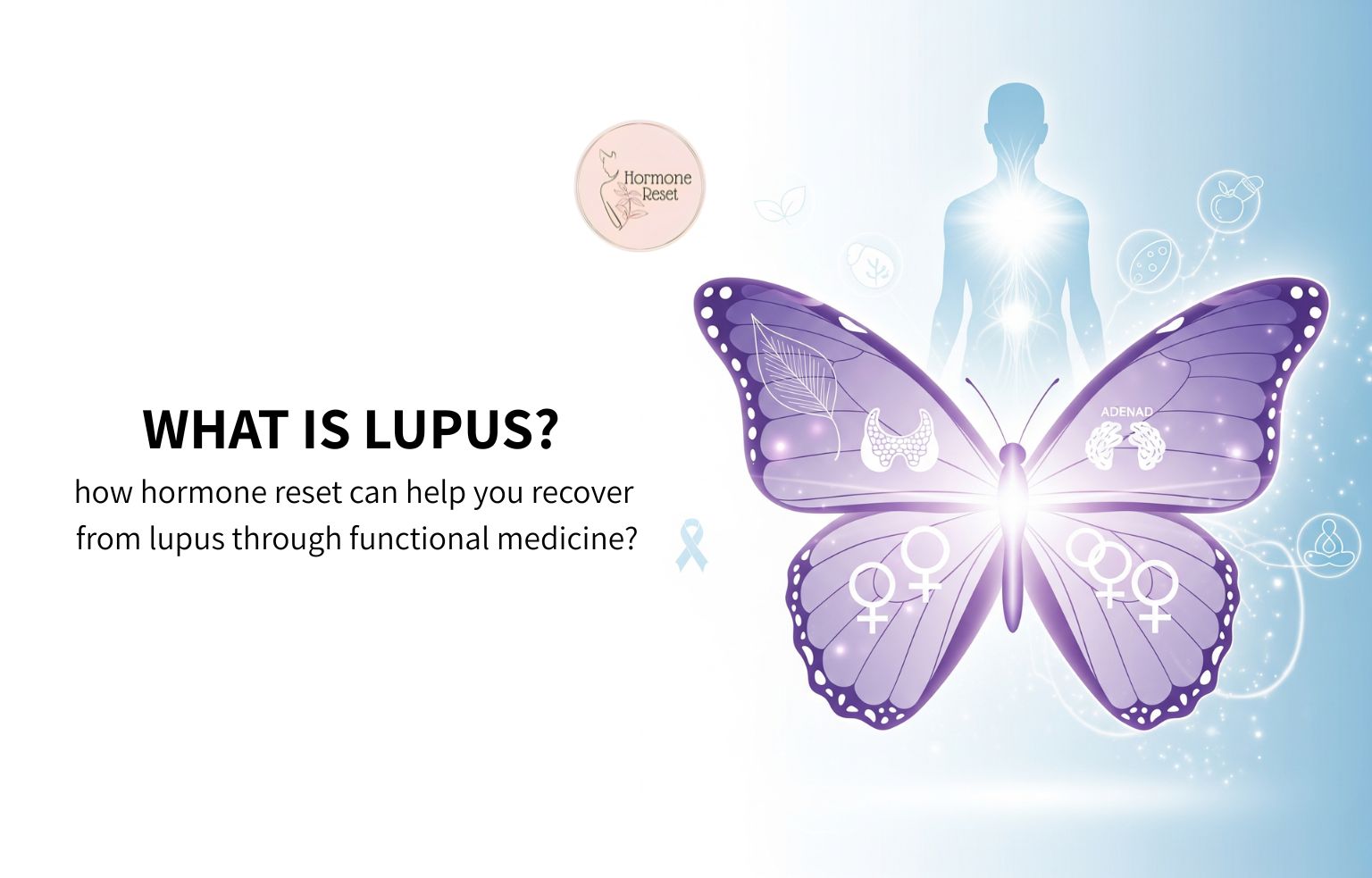
    Autoimmune diseases affect millions worldwide, where the immune system mistakenly attacks healthy tissues. Conditions like Hashimoto’s thyroiditis, lupus, and psoriasis are particularly concerning due to their chronic nature and complex symptoms.

    While genetics may play a role in some, environmental triggers often serve as the catalysts that initiate or exacerbate them. In this blog, we explore how environmental factors influence autoimmune conditions such as Hashimoto’s thyroiditis, lupus, and psoriasis and how understanding these triggers can help not only in managing these diseases but in reversing them. 

    Why This Matters?

    Imagine living with unrelenting fatigue, joint pain, or skin lesions that affect your physical and emotional well-being. Now, consider the confusion of managing these symptoms when no clear cause is evident. That’s the reality for many with autoimmune conditions.

    Environmental triggers often go unnoticed, yet they can significantly influence disease progression. Various factors like the foods we eat, the stress we endure, and the harmful chemicals we encounter daily can tip the immune system into overdrive, exacerbating these conditions. Understanding these connections is vital to addressing autoimmune diseases effectively.

    What are some Environmental Triggers in Autoimmune Conditions?

    1. Diet and Digestive System Health and Autoimmune Diseases

    Diet can profoundly impact autoimmune conditions by influencing inflammation, gut health, and immune regulation.

    • Leaky Gut Syndrome:
      Many autoimmune diseases are linked to increased intestinal permeability, or “leaky gut,” where toxins and undigested food particles enter the bloodstream. This triggers an immune response, worsening conditions like Hashimoto’s and lupus.
    • Case Study: Hashimoto’s Thyroiditis
      A 2017 study in Thyroid Research highlighted the benefits of eliminating gluten for patients with Hashimoto’s. Gluten shares molecular similarities with thyroid tissue, leading to cross-reactivity and immune attacks on the thyroid.
      • Result: Patients who adopted a gluten-free diet reported reduced thyroid antibody levels and improved symptoms.
    • Pro-inflammatory Foods:
      Diets high in processed foods, sugar, and trans fats promote inflammation, aggravating psoriasis and lupus symptoms. Conversely, anti-inflammatory diets rich in omega-3 fatty acids, antioxidants, and fiber help manage these diseases.

    2. Stress and Autoimmune Diseases

    Chronic stress is a known disruptor of immune function. Stress increases cortisol levels, which can impair immune regulation and exacerbate autoimmune flares.

    • Case Study: Lupus (Systemic Lupus Erythematosus)
      In a 2019 study published in Arthritis Care & Research, patients with lupus who reported high-stress levels experienced more frequent disease flares and greater organ involvement.
      • Result: Implementing stress management techniques, such as mindfulness and yoga, helped stabilise her condition over time.

    3. Toxins and Autoimmune Diseases

    Environmental toxins, including heavy metals, pesticides, and household chemicals, can act as triggers by disrupting the immune system.

    • Toxic load and immune dysregulation:
      Persistent exposure to toxins increases oxidative stress and inflammation, which may lead to autoimmunity. For instance, mercury exposure from contaminated fish has been linked to autoimmune diseases like lupus.
    • Case Study: Psoriasis
      Research in Clinical and Experimental Dermatology found that patients with psoriasis often had higher levels of environmental toxins, such as dioxins and phthalates, in their bodies.
      • Result: Reducing exposure to such toxins, alongside phototherapy and anti-inflammatory diets, improved skin lesions in many cases.

    4. Infections and Autoimmune Diseases

    Infections play a significant role in the development and exacerbation of autoimmune diseases. Through mechanisms like molecular mimicry, bystander activation, and chronic immune stimulation, infections can lead the immune system to mistakenly attack the body’s tissues. 

    • Epstein-Barr virus (EBV) is closely linked to conditions such as systemic lupus erythematosus (SLE) and multiple sclerosis (MS). At the same time, streptococcal infections are known to trigger guttate psoriasis and rheumatic fever. Chronic infections, such as those caused by Helicobacter pylori or Mycoplasma, can create persistent inflammation that heightens the risk of autoimmune responses. Understanding and managing these infection-autoimmune links is critical for reducing flare-ups and improving long-term outcomes in affected individuals.

    Also Read: Impact of Autoimmune Disorders on Skin Health

    Bridging the Gaps: What Science and Case Studies Tell Us

    While autoimmune diseases like Hashimoto’s, lupus, and psoriasis differ in their manifestations, they share common pathways influenced by environmental triggers. The interplay between diet, stress, and toxins is critical to both the onset and progression of these diseases.

    Key Insights from Research:

    1. Personalised Nutrition:
      Adopting diets tailored to individual sensibilities, such as gluten-free for Hashimoto’s or anti-inflammatory for lupus and psoriasis, can alleviate symptoms.
    2. Stress Management:
      Practices like meditation, cognitive behavioural therapy, and regular physical activity help mitigate the effects of chronic stress on autoimmune flares.
    3. Reducing Toxic Exposure:
      Switching to organic produce, avoiding processed foods, and using non-toxic household products can reduce the toxic burden on the body, potentially improving disease outcomes.

    Functional Medicine Approach to Reversing Autoimmune Conditions

    The functional medicine approach focuses on identifying and addressing the root causes of autoimmune diseases rather than merely managing symptoms. Here’s a breakdown of how functional medicine reverses autoimmune conditions:

    1. Comprehensive Evaluation

    • Medical History and Genetics: Reviewing family history and personal health milestones to uncover predispositions and triggers.
    • Environmental Factors: Evaluating exposure to toxins, infections, and stress.
    • Lifestyle Assessment: Analyzing diet, sleep, exercise, and mental health habits.

    2. Root Cause Identification

    • Gut Health: A significant focus is placed on intestinal permeability, or “leaky gut,” which allows antigens to trigger an immune response.
    • Food Sensitivities: identifying and eliminating common triggers like gluten, dairy, and processed foods.
    • Toxins: Assessing for heavy metals, mould, or chemical exposures.
    • Infections: Testing for underlying viral, bacterial, or parasitic infections that may contribute to immune dysfunction.

    3. Personalized Dietary Interventions

    • Elimination Diets: Remove potential inflammatory foods and gradually reintroduce them to identify sensitivities.
    • Nutrient-dense diet: A nutrient-dense diet focusing on anti-inflammatory foods such as vegetables, healthy fats, and quality proteins  
    • Gut-Healing Foods: Incorporating hydrolysed protein, bone broth, and prebiotic-rich vegetables to support microbiome health.

    4. Stress Management and Emotional Health

    • Chronic stress can exacerbate inflammation and immune dysregulation. Stress-reduction strategies include:
      • Mindfulness and meditation.
      • Cognitive Behavioral Therapy (CBT).
      • Breathing exercises and yoga.
    • Addressing past trauma through therapeutic interventions.

    5. Targeted Nutritional Support

    Functional medicine practitioners often recommend supplements based on individual needs:

    • Omega-3 Fatty Acids: To reduce inflammation.
    • Vitamin D: For immune modulation.
    • Probiotics: To support gut microbiota balance.
    • Zinc, Selenium, and Magnesium: Essential for proper immune function.
    • Curcumin and Resveratrol: Natural anti-inflammatory agents.

    6. Detoxification and Environmental Changes

    • Supporting liver detox pathways through a clean diet and supplements like milk thistle.
    • Reducing environmental toxin exposure by:
      • Using clean, natural products for personal care and home.
      • Avoiding plastic and BPA exposure.
      • Filtering water and air.

    7. Movement and Physical Activity

    • Regular exercise improves hormonal health by reducing stress, improving circulation, and enhancing lymphatic drainage without overburdening the body.
    • Gentle activities like walking, yoga, or tai chi are often recommended for those with active inflammation.

    8. Restoring Circadian Rhythm

    • Prioritising sleep hygiene to ensure restorative rest, which is critical for healing and immune regulation.
    • Strategies include:
      • Consistent sleep schedules.
      • Limiting screen time before bed.
      • Creating a dark, cool, and quiet sleep environment.

    9. Monitoring and Adjustment

    Functional medicine emphasises regular follow-ups to monitor progress and adjust treatment plans as needed. Testing is often repeated to evaluate changes in inflammatory markers, gut health, and immune system activity.

    The Goal: Balance and Restoration

    The functional medicine approach seeks to restore balance to the immune system by addressing the underlying triggers of autoimmunity. By tailoring interventions to the individual’s needs, this approach offers the potential not just to manage but to reverse autoimmune conditions and promote long-term health.

    Would you like guidance on implementing these principles or resources for specific autoimmune conditions?

    Taking Control of Your Health

    Environmental triggers, such as diet, stress, and toxins, play a significant role in autoimmune diseases like Hashimoto’s, lupus, and psoriasis. While genetics set the stage, lifestyle factors often determine the severity of the condition.

    By adopting an anti-inflammatory diet, managing stress, and reducing exposure to toxins, patients can take proactive steps toward managing their symptoms and improving their quality of life.

    References:

    1. Fasano, A. (2012). “Leaky gut and autoimmune diseases.” Clinical Reviews in Allergy & Immunology. https://link.springer.com/article/10.1007/s12016-012-8290-4
    2. Li, Y., et al. (2017). “Gluten-free diet and its impact on Hashimoto’s thyroiditis.” Thyroid Research. https://thyroidresearch.biomedcentral.com/articles/10.1186/s13044-017-0147-5/
    3. Sterling, K. A., et al. (2019). “Stress and disease activity in lupus.” Arthritis Care & Research. https://onlinelibrary.wiley.com/doi/abs/10.1002/acr.23960
    4. Kimball, A. B., et al. (2018). “Environmental triggers in psoriasis.” Clinical and Experimental Dermatology. https://onlinelibrary.wiley.com/doi/full/10.1111/ced.13683
    5. Ricker MA, Haas WC. Anti-inflammatory diet in clinical practice: a review. Nutr Clin Pract. 2017;32(3):318-325. doi:10.1177/0884533617700353
    6. How to use food to help your body fight inflammation. Mayo Clinic. Published August 13, 2019. Accessed February 26, 2021. https://www.mayoclinic.org/healthy-lifestyle/nutrition-and-healthy-eating/in-depth/how-to-use-food-to-help-your-body-fight-inflammation/art-20457586
    7. Fasano, A. (2020). Leaky gut and autoimmune diseases. Clinical Reviews in Allergy & Immunology, 58(3), 384-396.
    8. Leung, A. M., Braverman, L. E., & Pearce, E. N. (2012). History of U.S. iodine fortification and supplementation. Nutrients, 4(11), 1740-1746.
    9. Proal, A. D. (2017). Infection and autoimmunity. Nature Reviews Rheumatology, 13(4), 196-198.
    10. Rose, N. R., & McGuire, K. L. (2018). Environmental triggers of autoimmunity. Annual Review of Medicine, 69, 287-299.
    11. Schug, T. T., Janesick, A., et al. (2011). Endocrine-disrupting chemicals and disease susceptibility. Journal of Steroid Biochemistry and Molecular Biology, 127(1-2), 204-215.
    12. Tsokos, G. C. (2011). Systemic lupus erythematosus. New England Journal of Medicine, 365(22), 2110-2121.

    Share

  • Living with Multiple Autoimmune Conditions: Strategies for Reversing Symptoms and Improving Quality of Life in Patients with Lupus and Sjogren’s Syndrome

    Living with Multiple Autoimmune Conditions: Strategies for Reversing Symptoms and Improving Quality of Life in Patients with Lupus and Sjogren’s Syndrome

    The Challenges of Living with Multiple Autoimmune Conditions

    Autoimmune diseases like lupus and Sjogren’s syndrome can disrupt nearly every aspect of a person’s life. These conditions occur when the immune system mistakenly attacks the body’s healthy tissues, causing chronic inflammation and a wide range of debilitating symptoms.

    When diagnosed with one autoimmune condition, managing symptoms can already feel overwhelming, but for individuals dealing with multiple autoimmune diseases, the challenges increase significantly. The complexity of managing two or more autoimmune diseases can lead to more severe symptoms, frequent flare-ups, and a greater need for medical intervention.

    For example, lupus is a systemic autoimmune disease that primarily affects the skin, joints, and internal organs, while Sjogren’s syndrome typically impacts moisture-producing glands, leading to dry eyes, mouth, and other symptoms. When these two diseases coexist, the patient faces an even greater burden of managing fatigue, joint pain, dry mouth, and increased risk for complications like kidney damage.

    Why These Challenges Matter?

    For those living with both lupus and Sjogren’s syndrome, each day can feel like a balancing act between symptom management, healthcare appointments, and daily life responsibilities.

    • Fatigue is one of the most common and debilitating symptoms of both lupus and Sjogren’s syndrome. According to a study published in the Journal of Rheumatology, nearly 80% of lupus patients report chronic fatigue, which is only worsened when compounded by Sjogren’s syndrome.
    • Pain and Inflammation: Lupus can cause joint pain, while Sjogren’s can lead to dry, inflamed tissues, increasing the physical toll on the body. The overlapping symptoms can leave patients feeling defeated without a clear solution to manage their discomfort.
    • Complicated Treatment Regimens: Managing multiple autoimmune diseases means juggling medications and treatments, which may include immunosuppressive drugs, corticosteroids, and symptom-specific treatments. This can make it hard for patients to find a routine that works and stays effective.

    Living with multiple autoimmune conditions can be overwhelming, as it often involves managing chronic inflammation, fluctuating symptoms, and a compromised quality of life. However, a functional medicine approach offers hope by addressing the root causes rather than just the symptoms. This holistic strategy focuses on identifying and mitigating triggers such as gut imbalances, chronic infections, toxin exposure, and nutrient deficiencies. By integrating personalised nutrition, stress management, detoxification, and targeted supplementation, functional medicine aims to restore balance to the immune system, reduce inflammation, and improve overall well-being. It empowers individuals with a tailored roadmap to regain control over their health and enhance their quality of life.

    Also Read: How Environmental Triggers Influence Autoimmune Conditions

    Practical Strategies for Reversing Symptoms

    While managing lupus and Sjogren’s syndrome simultaneously may seem daunting, a comprehensive, holistic approach can help in addressing the root causes of autoimmunity, prevent further new autoimmune conditions, and and significantly improve daily functioning and well-being. Here are some strategies for reversing symeffectively improving a patient’s quality of life:

    1. Understand the Root Causes

    Autoimmune diseases often stem from a combination of genetic predisposition, environmental triggers, and lifestyle factors. Functional medicine aims to identify and address these underlying factors, such as:

    • Gut dysbiosis: Leaky gut or imbalances in the microbiome can contribute to systemic inflammation and autoimmunity.
    • Chronic Infections: viral, bacterial, or parasitic infections may act as triggers.
    • Toxin Exposure: Heavy metals, pesticides, and environmental toxins can overstimulate the immune system.
    • Nutrient Deficiencies: Deficiencies in key nutrients like vitamin D, omega-3 fatty acids, and zinc can impair immune regulation.
    • Stress and Trauma: Chronic stress dysregulates the hypothalamic-pituitary-adrenal (HPA) axis, influencing immune function.

    2. Comprehensive Testing

    Work with a functional medicine practitioner to perform advanced diagnostic tests:

    • Comprehensive Stool Analysis for gut health and microbiome status.
    • Food Sensitivity Testing (e.g., IgG or IgA) to identify dietary triggers.
    • Autoimmune Markers like ANA, RF, or anti-dsDNA.
    • Nutritional Testing for deficiencies in vitamins, minerals, and antioxidants.
    • Toxin and Heavy Metal Testing through blood, urine, or hair analysis.
    • Hormonal Panels to assess adrenal and thyroid function.

    3. Optimize Gut Health

    The gut is central to immune regulation. Steps to restore gut health include:

    • Remove Triggers: Eliminate gluten, dairy, sugar, processed foods, and other common irritants.
    • Repair the Gut: Use nutrients like L-glutamine, zinc carnosine, and collagen peptides to heal the intestinal lining.
    • Rebalance the Microbiome: Introduce probiotics and prebiotics to restore balance.
    • Reduce Inflammation: Anti-inflammatory herbs like curcumin, quercetin, and ginger can soothe the gut lining.

    4. Individualized Nutrition

    Adopt an anti-inflammatory diet tailored to your specific needs:

    • Diverse Vegetables: Provide fiber and antioxidants for gut and immune health.
    • Healthy Fats: Include omega-3 fatty acids (fatty fish, flaxseeds) and monounsaturated fats (avocado, olive oil).
    • Protein Sources: Choose lean, clean protein, such as grass-fed meat and wild-caught fish.

    5. Support the Immune System

    • Vitamin D: Aim for optimal levels (40–60 ng/mL) through supplementation or sunlight.
    • Omega-3 Fatty Acids: EPA/DHA supplements can reduce inflammation.
    • Adaptogens: Herbs like ashwagandha and rhodiola support stress resilience.
    • Peptides: Consider immune-modulating peptides under a practitioner’s guidance.

    6. Address Chronic Stress

    Stress reduction is vital for calming the immune system:

    • Practice mindfulness, meditation, or yoga.
    • Schedule regular restorative activities.
    • Ensure adequate sleep hygiene (7–9 hours/night).

    7. Detoxification

    Support your body’s detox pathways:

    • Hydration: Drink filtered water to flush out toxins.
    • Liver Support: Use cruciferous vegetables, milk thistle, or NAC.
    • Sweating: Regular exercise and saunas can promote toxin elimination.

    8. Exercise and Stress Reduction

    Though it might seem counterintuitive when fatigued, low-impact exercise overall energy and reduce joint pain. Activities such as walking, swimming, or yoga can help maintain mobility and improve mood.

    Stress is another major trigger for autoimmune flares, particularly with lupus. Engaging in mindfulness exercises, meditation, and deep breathing can help control stress levels and improve symptom management. Yoga and tai chi, for example, offer both gentle movement and mindfulness, making them ideal for patients managing multiple autoimmune conditions.

    9. Monitor Flare-Ups and Track Symptoms

    Keeping a symptom diary can be valuable in understanding what triggers flares and how different treatments are working. By noting activities, foods, and stress levels, one can identify patterns and make informed adjustments to their routines.

    10. Personalized Supplementation

    Work with a functional medicine practitioner to determine targeted supplements:

    • Antioxidants: Glutathione, vitamin C, and CoQ10.
    • Gut-Healing Agents: Slippery elm, marshmallow root, and aloe vera.
    • Immunomodulators: Low-dose naltrexone (LDN) has shown promise for autoimmune diseases. Only take in under the guidance of a healthcare practitioner. 

    Empowering Yourself to Live Well with Lupus and Sjogren’s Syndrome

    In conclusion, living with multiple autoimmune conditions like lupus and Sjogren’s syndrome requires a proactive and personalised approach to managing symptoms and improving overall well-being. By addressing the root causes through functional medicine, adopting a nutrient-dense, anti-inflammatory diet, practicing stress management, and prioritising self-care, you can take meaningful steps toward reversing symptoms and enhancing your quality of life. 


    References:

    1. Campbell AW. Autoimmunity and the gut. Autoimmune Dis. 2014;2014:152428. doi:10.1155/2014/152428
    2. Zielinski MR, Systrom DM, Rose NR. Fatigue, Sleep, and Autoimmune and Related Disorders. Front Immunol. 2019;10:1827. Published 2019 Aug 6. doi:10.3389/fimmu.2019.01827
    3. Cojocaru M, Cojocaru IM, Silosi I. Multiple autoimmune syndrome. Maedica (Bucur). 2010;5(2):132-134.
    4. Jörg S, Grohme DA, Erzler M, et al. Environmental factors in autoimmune diseases and their role in multiple sclerosis. Cell Mol Life Sci. 2016;73(24):4611-4622. doi:10.1007/s00018-016-2311-1
    5. Desai MK, Brinton RD. Autoimmune Disease in Women: Endocrine Transition and Risk Across the Lifespan. Front Endocrinol (Lausanne). 2019;10:265. Published 2019 Apr 29. doi:10.3389/fendo.2019.00265

    Share

  • Psoriasis: Uncovering the Roots and Finding Lasting Relief with Functional Medicine

    Psoriasis: Uncovering the Roots and Finding Lasting Relief with Functional Medicine

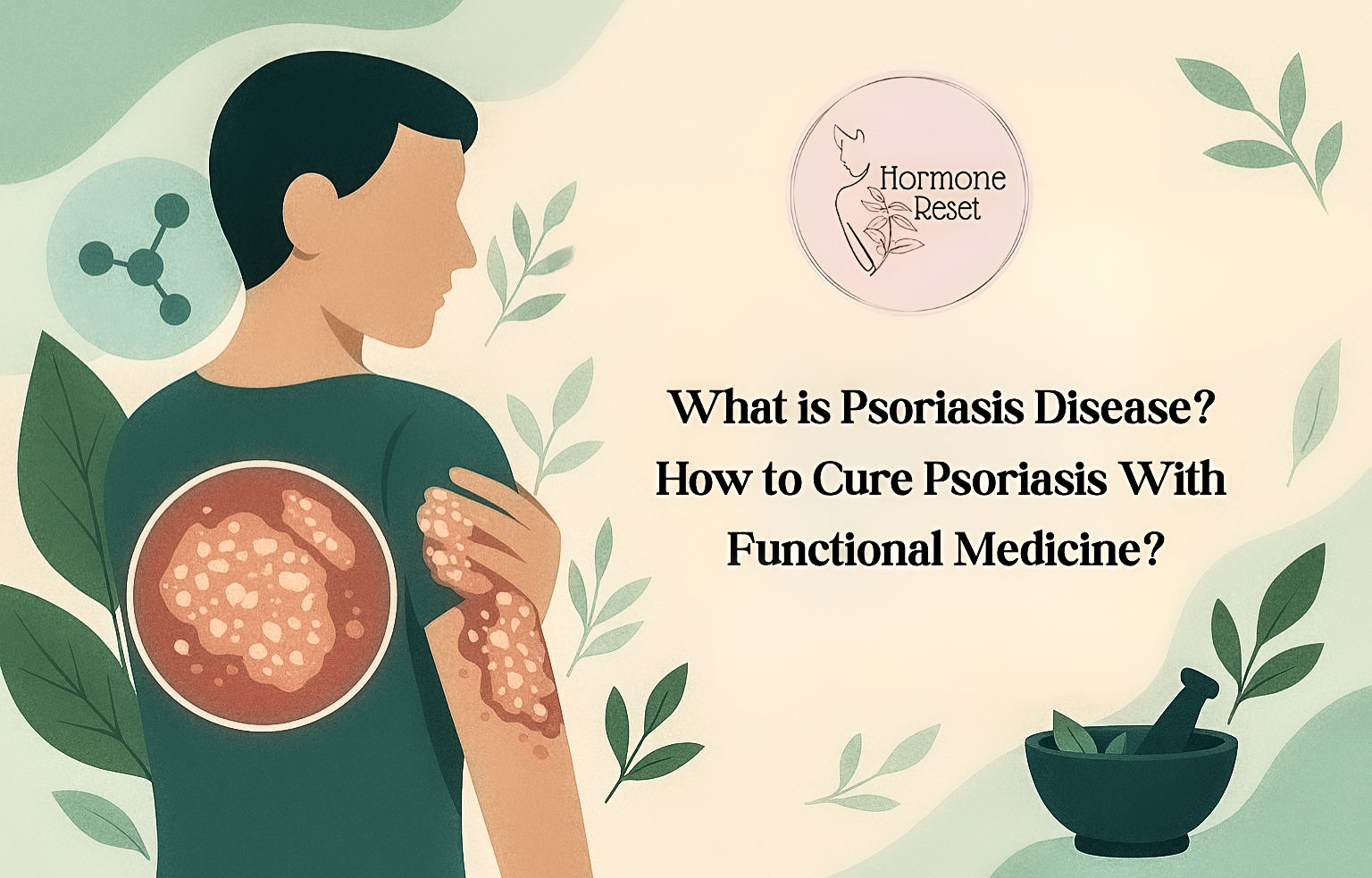
    Psoriasis is a chronic autoimmune condition characterised by red, scaly patches on the skin that can appear anywhere on the body. While it is commonly associated with skin issues, psoriasis is an inflammatory disorder involving the immune system. Traditional treatments, such as topical creams, phototherapy, and systemic medications, can provide relief but often fail to address the root causes of the condition. Functional medicine looks beyond symptom management to uncover and address the underlying factors contributing to psoriasis. In this blog, we will explore the roots of psoriasis, its triggers, and how functional medicine can offer lasting relief through a personalised, holistic approach.

    Understanding Psoriasis: A Complex Condition

    Psoriasis is more than just a skin disease—it is a systemic condition that involves immune system dysfunction. It occurs when the immune system mistakenly attacks healthy skin cells, leading to an overproduction of skin cells that pile up on the surface, forming plaques. The most common types of psoriasis include:

    • Plaque Psoriasis: Characterized by raised, red patches covered with silvery scales.
    • Guttate Psoriasis: Small, drop-shaped lesions, often triggered by infections.
    • Inverse Psoriasis: Red, shiny lesions that appear in skin folds.
    • Pustular Psoriasis: White pustules surrounded by red skin.
    • Erythrodermic Psoriasis: Severe, widespread redness and shedding of skin

    Psoriasis can affect any part of the body, but it is most common on the elbows, knees, scalp, and lower back.

    Traditional Treatments for Psoriasis

    Traditional treatments for psoriasis include:

    • Topical medications: These drugs are applied topically to the affected area to decrease inflammation and allow the scales to clear.
    • Light therapy: This therapy involves the use of ultraviolet light to slow the growth of skin cells.
    • Oral medications: These drugs are oral drugs that aid in the suppression of the immune system.

    None of the above address the root causes of psoriasis. 

    The Root Causes of Psoriasis

    Psoriasis is influenced by multiple internal and external factors that can contribute to its development and flare-ups:

    1. Immune System Dysfunction
      At the core of psoriasis is an overactive immune response. T-cells, a type of white blood cell, mistakenly attack healthy skin cells, triggering inflammation and abnormal skin cell turnover. This dysregulated immune response is often linked to environmental triggers, such as infections or stress.
    2. Environmental Triggers
      While genetics lay the foundation, environmental factors often act as triggers for psoriasis flare-ups. Some of the most common environmental triggers include:
      • Infections: Particularly streptococcal infections, candida overgrowth, parasites, which are known to trigger psoriasis (Michaëlsson et al., 2019).
      • Stress: Emotional stress is a common trigger for psoriasis flare-ups, likely due to the role of cortisol in immune system modulation (Dhabhar, 2014).
      • Diet: A pro-inflammatory diet rich in sugar, gluten, and processed foods can exacerbate inflammation, while an anti-inflammatory diet can help manage symptoms (Barrea et al., 2019).
      • Environmental Toxins: Exposure to chemicals, pollutants, or smoking can worsen psoriasis symptoms and inflammation.
    3. Gut Health
      The gut plays a crucial role in immune system regulation. Dysbiosis (an imbalance in the gut microbiome) can contribute to systemic inflammation and immune dysfunction, potentially triggering or worsening psoriasis (Boehncke & Schön, 2015). The gut-skin axis, a connection between gut health and skin inflammation, is gaining recognition in psoriasis research.

    Functional Medicine for Psoriasis

    Functional medicine is identification of the causative factors of a disease rather than its symptoms alone. It has been very effective in the reversal of psoriasis, as it would be able to point out factors affecting the patient and then focus on these issues.Functional medicine is healing from the inside out, not just alleviating psoriasis but making a person healthier and more alive.

    How Functional Medicine Transforms Psoriasis Care

    Functional medicine takes a root-cause approach to healthcare, aiming to identify and address the underlying factors that contribute to disease. Instead of merely managing symptoms with topical creams or systemic medications, functional medicine practitioners seek to restore balance in the body by considering multiple aspects of health—nutrition, lifestyle, genetics, and environmental factors. In the case of psoriasis, functional medicine focuses on the following key areas:

    1. Diet and Nutrition
      An anti-inflammatory diet is central to managing psoriasis. Reducing the intake of pro-inflammatory foods, such as sugar, refined carbs, and gluten, can help reduce systemic inflammation and skin flare-ups. Instead, a diet rich in omega-3 fatty acids (from fish or flaxseed), antioxidants (from fruits and vegetables), and healthy fats (such as those found in avocados and olive oil) can support skin health and reduce inflammation. Some functional medicine practitioners also recommend eliminating food allergens, such as gluten or dairy, to see if it improves symptoms.
    2. Gut Health Optimization
      Given the link between gut health and psoriasis, improving the microbiome through probiotics, prebiotics, and a nutrient-dense diet is a key aspect of functional medicine. Healing the gut lining, balancing gut bacteria, and reducing intestinal permeability (leaky gut) may help reduce inflammation and autoimmunity. Studies have shown that the use of probiotics can improve psoriasis symptoms by modulating the immune response (Zhang et al., 2019).
    3. Addressing Infections and Immune Dysregulation
      Infections, particularly streptococcal throat infections, can trigger psoriasis flare-ups. A functional medicine approach involves identifying and treating any underlying infections that may be exacerbating the condition. Additionally, modulating immune system activity with nutrients such as vitamin D, omega-3 fatty acids, and antioxidants can help restore immune balance. Some research suggests that vitamin D deficiency may worsen psoriasis, and supplementation may help alleviate symptoms (Ghoreschi et al., 2011).
    4. Reducing Stress
      Stress is a powerful trigger for psoriasis flare-ups. Functional medicine emphasizes the importance of stress management techniques such as meditation, yoga, deep breathing exercises, and mindfulness. By addressing the root cause of stress, individuals can help modulate their cortisol levels and reduce inflammation in the body.
    5. Detoxification
      Detoxifying the body through practices like saunas, adequate hydration, and reducing exposure to environmental toxins (such as smoking, heavy metals, or pesticides) is another important aspect of functional medicine. Reducing the burden on the liver and improving toxin elimination can help reduce the inflammatory load on the body.

    Clinical Evidence Supporting Functional Medicine for Psoriasis Relief

    A number of studies have supported the effectiveness of functional medicine approaches for psoriasis management:

    • Dietary Interventions: A study published in the Journal of Dermatological Treatment found that dietary changes, including a gluten-free diet, led to a significant reduction in psoriasis symptoms (Barrea et al., 2019).
    • Probiotics and Gut Health: Research has shown that probiotics can improve the skin barrier and reduce inflammation in patients with psoriasis (Zhang et al., 2019).
    • Vitamin D Supplementation: Vitamin D levels have been shown to correlate with the severity of psoriasis. Supplementation with vitamin D may help regulate immune responses and improve skin health (Ghoreschi et al., 2011).

    Psoriasis is a multifactorial condition that requires a comprehensive, personalized approach for effective management. Functional medicine offers a holistic pathway to uncovering the root causes of psoriasis and finding lasting relief. By focusing on diet, gut health, immune regulation, stress management, and detoxification, functional medicine provides a promising framework for those seeking long-term solutions beyond conventional treatments. If you suffer from psoriasis, working with a functional medicine practitioner can help you take control of your health and improve your skin’s appearance, all while addressing the underlying factors contributing to the condition. Functional medicine is healing from the inside out, not just alleviating psoriasis but making a person healthier and more alive.

    References

    1. Barrea, L., Balato, N., et al. (2019). Nutrition and psoriasis: Is there any association between the severity of the disease and adherence to the Mediterranean diet? Journal of Translational Medicine, 17(1), 1-8.
    2. Boehncke, W. H., & Schön, M. P. (2015). Psoriasis. The Lancet, 386(9997), 983-994.
    3. Dhabhar, F. S. (2014). Effects of stress on immune function: The good, the bad, and the beautiful. Immunologic Research, 58(2), 193-210.
    4. Ghoreschi, K., et al. (2011). Modulation of the immune response in psoriasis and psoriatic arthritis by vitamin D. Nature Reviews Rheumatology, 7(4), 255-261.
    5. Michaëlsson, G., et al. (2019). Infections in psoriasis: The role of streptococcal and other infections in triggering guttate psoriasis. European Journal of Dermatology, 29(1), 12-18.
    6. Tsoi, L. C., et al. (2017). Genetic associations with psoriasis. The Lancet, 389(10081), 1216-1230.

    Zhang, Z., et al. (2019). Effects of probiotics on psoriasis: A systematic review and meta-analysis. Journal of Dermatological Treatment, 30(6), 583-588.

    Share

  • How does Stress Management impact on Hashimoto Thyroiditis Treatment?

    How does Stress Management impact on Hashimoto Thyroiditis Treatment?

    Hashimoto’s thyroiditis often brings to mind thyroid imbalances, fatigue, and brain fog, but there’s so much more to this autoimmune condition than what we usually see. Stress plays a significant yet often overlooked role in this journey. In our fast-paced lives, where stress feels almost unavoidable, understanding how chronic stress connects to thyroid dysfunction is essential. Not only can it make the symptoms of Hashimoto’s worse, but it also affects every facet of your health. 

    Just imagine—what if managing stress could become more than just another task? It could be a turning point in your healing journey! With Hormone Reset’s innovative functional medicine approach, patients find themselves not just coping with their health challenges; they’re rewriting their stories, rediscovering their balance, and thriving despite their diagnosis. Let’s delve into the important Stress Management impact on Hashimoto Thyroiditis!

    What’s the Relationship Between Stress And Hashimoto’s Thyroiditis?

    Stress, whether it’s physical, emotional, or even from our environment, plays a big role in autoimmune conditions like Hashimoto’s Thyroiditis. When we experience chronic stress, our hypothalamic-pituitary-adrenal (HPA) axis gets activated, releasing a surge of stress hormones like cortisol. Unfortunately, this prolonged activation can take a toll on our bodies. Let’s explore how stress directly affects Hashimoto’s:

    1. Immune System Dysfunction: Stress deregulates the immune system, thereby reducing its ability to distinguish between self and non-self tissues, thus increasing the autoimmune attack on the thyroid.
    2. Thyroid Hormone Conversion Issues: Stress interferes with the conversion of T4 (inactive thyroid hormone) into T3 (active thyroid hormone), leading to suboptimal thyroid function.
    3. Reverse T3: Stress also increases the conversion of T4 into Reverse T3 hormone. Reverse T3 blocks the T3 receptors, resulting in the little T3 that is present becoming useless, as its receptors are already occupied. 
    4. Inflammatory Cascade: High cortisol levels drive systemic inflammation, exacerbating the autoimmune response against the thyroid gland.
    5. Worsened Gut Health: Stress weakens the gut barrier, leading to leaky gut syndrome—a key contributor to autoimmune diseases.
    6. Nutrient Depletion: Stress causes the body to deplete vital nutrients such as selenium, zinc, vitamin B12 and magnesium etc, which are important for thyroid function and healthy body and mind operation.

    Research confirms that women with Hashimoto’s who manage their stress see improved clinical outcomes, such as reduced thyroid antibody levels and stabilized hormone function.

    Also Read: Is Hashimoto’s Thyroiditis Curable? Know With Hormone Reset

    Is Functional Medicine Approach Is A New Path To Healing?

    Hashimoto Thyroiditis

    Hormone Reset is making a wonderful impact in managing Hashimoto’s by focusing on stress management as an important part of the treatment to ensure recovery. Their holistic and functional medicine approach goes deeper than just managing symptoms; it tackles the root causes of the condition with care and understanding. Here’s how they support patients in achieving hormonal harmony:

    1. Identifying Unique Stress Triggers

    Stress touches each one of us uniquely. Hormone Reset approaches life from a unique perspective, identifying specific physical, emotional, and environmental stressors using advanced diagnostics. We personalise strategies that will help reduce or even mitigate those triggers that may make you feel less than your best self.

    2. Rebalancing the HPA Axis

    The HPA axis plays a critical role in the stress response. Hormone Reset focuses on rebalancing it through:

    • Dietary Interventions: Anti-inflammatory diets, high in antioxidants and adaptogenic herbs.
    • Mind-Body Practices: Using mindfulness, meditation, and restorative yoga to regulate stress hormone levels.
    • Lifestyle Changes: Better sleep hygiene, daily movement, and relaxation habits.

    3. Healing the Gut-Thyroid Axis

    Did you know that gut health is directly related to thyroid health? At Hormone Reset, we use probiotics, prebiotics, and yummy gut-healing foods to repair the lining of the gut, reduce inflammation, and optimize nutrient absorption while nurturing from the inside out!

    If you’re looking for such amzing recipes then our Recipe Tips at Hormone Reset is only for you!

    4. Balancing Nutritional Deficiencies

    Stress can really take a toll on your body, affecting important nutrients like selenium, zinc, and magnesium, which are vital for your thyroid health. At Hormone Reset, we focus on restoring these nutrients through personalized diet plans and supplements, helping you feel your best!

    5. Mindset and Emotional Well-Being

    Stress is often associated with emotional factors such as anxiety and past traumas. At Hormone Reset, we offer holistic solutions such as cognitive-behavioral therapy (CBT) and guided journaling to help you achieve mental clarity and boost your emotional resilience.

    Stress And Hormones Are A Delicate Dance

    stress

    Stress doesn’t just impact your thyroid; it disrupts your entire endocrine system, including:

    • Adrenal glands: Cause for adrenal fatigue, leading to unbalanced cortisol and adrenalin production.
    • Sex Hormones: Contributing to menstrual irregularities, infertility, and exacerbated PMS and PCOS symptoms.
    • Insulin regulation: It enhances the chances of blood glucose imbalances and weight gain.

    By addressing hormonal imbalances holistically, Hormone Reset Program provides lasting solutions for improving overall health and vitality.

    Stress Relief Tips

    Managing stress isn’t merely a trend; it’s an evidence-based way to enhance your thyroid health. Let’s explore some of the most effective techniques:

    1. Mind-Body Practices

    • Meditation and Mindfulness: Reduces cortisol levels and increases emotional resilience.
    • Yoga: It integrates the physical movement with stress relief, which increases flexibility and reduces inflammation.
    • Breathing Exercises: Engages parasympathetic nervous system and encourages relaxation.

    2. Sleep

    Quality sleep is vital for healing. Patients are guided to:

    • Follow consistent sleep schedules.
    • Limit screen time before bed.
    • Use sleep aids like herbal teas and magnesium supplements.

    3. Gentle Exercise

    While regular exercise can exacerbate stress, low-impact activities like walking, swimming, or Pilates are encouraged to reduce cortisol and improve circulation.

    4. Anti-Inflammatory Nutrition

    A thyroid-supportive diet focuses on:

    • Whole, nutrient-dense foods.
    • Omega-3-rich sources like fatty fish.
    • Gluten-free options to minimize autoimmune triggers.

    5. Support Systems and Counseling

    Stress often feels isolating. Hormone Reset encourages building strong support systems, seeking professional counseling when needed, and engaging in community activities for emotional health.

    What are some Benefits of Stress Management in Hashimoto’s?

    Scientific studies underscore the profound benefits of stress management:

    • Lower Inflammation: Reduced markers of inflammation directly enhance thyroid health.
    • Improved Immune Regulation: Replacing cortisol levels returns the immune system to balance.
    • Optimized Hormone Conversions: Stress reduction ensures proper conversion of T4 to T3 and reduced reverse T3, thus making energy and mental acuity more efficient.
    • Stabilized TSH levels: Patients may experience improvements in lab markers, indicating better thyroid function.

    Why Ignoring Stress Is No Longer an Option?

    For those living with Hashimoto’s, stress can be more than just a trigger for discomfort; it often serves as a foundational cause of their symptoms worsening. By acknowledging and addressingstress, patients can tap into one of the key elements of their healing journey. This proactive approach helps them regain control over their health, paving the way for enduring relief from fatigue, weight gain, and brain fog.

    Master Stress, Transform Your Health

    Hashimoto’s thyroiditis is more than just a thyroid disease—it’s a gentle reminder about the hidden challenges affecting the well-being of those who feel overwhelmed. Through our work at Hormone Reset, we’ve discovered that managing stress isn’t just achievable; it can be truly transformative! By rebalancing the HPA axis, healing the gut, and creating a nurturing environment for the thyroid gland, we can make a real difference.

    Stress Management impact on Hashimoto Thyroiditis can be seen as a lifestyle shift rather than a daunting, life-altering decision. With the right tools and support, everyone has the potential to improve their health and embrace a vibrant, energetic life. You can find this journey at Hormone Reset. So today, let’s take that first step toward healing together—empower yourself to live a vibrant, balanced life. Cheers to your thyroid journey!

    Further if you’re looking for one-on-one consultation with our Specialists, then Book Now!

    References

    Share

  • Is a Permanent Cure For Psoriasis​ Really Possible? A Peek at the Latest Data

    Is a Permanent Cure For Psoriasis​ Really Possible? A Peek at the Latest Data

    Imagine discovering Permanent Cure For Psoriasis might lie not just in medications or topical treatments, but in restoring your body’s internal systems! Psoriasis is a chronic autoimmune condition that impacts millions of people around the globe. It’s much more than just a skin issue; it involves a fascinating mix of immune dysfunction, hormonal imbalances, and systemic inflammation.

    While traditional treatments often aim to ease symptoms, exciting new research and holistic approaches—like Hormone Reset’s functional medicine-based strategies—are opening up fresh avenues for deeper, lasting healing. Could these breakthroughs hint at a potential permanent solution? Let’s explore how cutting-edge findings, combined with innovative functional medicine techniques, are paving the way for a brighter future in psoriasis care!

    Psoriasis is More Than Just Skin Deep Issue

    While Psoriasis might first appear to be just a skin condition, it runs much deeper than that. It’s a systemic autoimmune disease characterised by red, scaly patches and ongoing inflammation resulting from an overactive immune system that is attacking and damaging the skin. But psoriasis is not just about the skin; it is associated with other underlying health issues and can also lead to some, including:

    • Elevated Cardiovascular Risks: This chronic inflammation linked to psoriasis entails an increased risk of heart conditions, stroke, and other cardiovascular conditions.
    • Mental Health Challenges: Many experience depression, anxiety, and social isolation because of the visible symptoms and stigma.
    • Metabolic Syndrome Link: Psoriasis is strongly linked to obesity, high blood pressure, and insulin resistance, amplifying health complications.
    • Gut dysbiosis: Imbalance of gut bacteria disturbs the immune system, raises inflammation, and triggers psoriasis flares by damaging digestion and nutrient absorption.
    • Slow liver: An inefficient liver is unable to detoxify the body, and toxins accumulate, which worsens inflammation and skin diseases such as psoriasis.
    • Nutrient deficiencies: Inadequate amounts of critical vitamins (D, A, E) and minerals (zinc, magnesium) compromise skin healing, retard immune function, and enhance the severity of psoriasis symptoms.
    • Overgrowth of Candida: Yeast overgrowth in the gut interferes with microbiome balance, compromises gut lining integrity, and initiates systemic inflammation, exacerbating autoimmune diseases such as psoriasis.

    Recognizing these deeper connections is crucial for addressing the root causes of psoriasis rather than just its visible manifestations.

    Conventional Treatments are just a Band-Aid for a Chronic Condition

    For decades, psoriasis treatment has focused on symptom management through therapies like corticosteroids, biologics, and phototherapy. While effective to some extent, these methods leave significant gaps:

    • Short-Lived Relief: Symptom suppression often leads to recurring flare-ups without addressing the underlying causes.
    • Side Effects and Risks: The prolonged use of certain drugs can cause various side effects like liver damage, immune suppression, dependency etc.
    • Cost-Prohibitive: Advanced biologic treatments, even if effective, remain costly and inaccessible for many patients.

    The future of psoriasis care demands a shift toward personalized, integrative approaches that prioritize root cause resolution over symptom suppression.

    Also Read: Living With Multiple Autoimmune Conditions

    Hormone Reset is A Revolutionary Path to Healing Psoriasis

    The Hormone Reset approach offers a thoughtful and holistic method to address the interconnected systems of your body, promoting long-lasting healing. Rather than relying on conventional treatments, this strategy focuses on identifying the root causes leading to immune dysfunction, gently rebalancing your hormones, reducing inflammation, and tackling systemic issues right at their source.

    The Role of Hormones in Psoriasis

    Hormones such as cortisol, insulin, and thyroid hormones are incredibly important for managing our immune system and inflammation. When these hormones are out of balance, it can make psoriasis symptoms worse. Let’s explore how bringing them back into balance can make a positive difference:

    • Managing Cortisol for Reduction of Stress: Chronic stress elevates cortisol, which initiates immune dysfunction. Yogic techniques and mindfulness can reduce cortisol levels, as can adaptogenic herbs like ashwagandha and Rhodiola.
    • Enhances insulin sensitivity: Insulin resistance is a key factor source of systemic inflammation. Dietary improvement that thrives on low-glycemic foods, whole grains, lean proteins, and healthy fats can improve one’s insulin sensitivity significantly.
    • Thyroid Health for Skin Wellness: Many people with psoriasis have hypothyroidism. Other nutrients that really can be important for thyroid health include selenium (Brazil nuts) and iodine (seaweed).

    What is the connection of Psoriasis and Gut Issue?

    Emerging research highlights the powerful link between gut health and skin conditions like psoriasis. An imbalanced gut microbiome or leaky gut syndrome can worsen inflammation and immune responses.

    • Eliminating Dietary Triggers: Gluten, dairy, and processed foods are common culprits that exacerbate gut inflammation.
    • Prioritising Probiotic Foods: Fermented foods like yoghurt, kimchi, and kefir restore gut microbial balance. However, it is important to note that gut infections can be worsened by probiotic foods. Hence, cleaning up infections is important before introducing probiotic-rich foods. In such cases, specific probiotic supplements are a better alternative. 
    • Essential Nutrients Boost: Zinc, omega-3 fatty acids, and vitamin D all enhance gut health and decrease systemic inflammation.

    Also Read: Understanding The Connection Between Your Diet And Hormonal Imbalance

    Detoxification: Clearing Out the Toxins

    The liver is vital for hormone metabolism and toxin elimination. A sluggish liver can lead to a buildup of inflammatory substances, and worsening psoriasis.

    • Liver-Supporting Foods: Cruciferous vegetables (broccoli, kale), citrus fruits, and garlic enhance detoxification.
    • Herbal Allies: Milk thistle and dandelion root will help support liver function.
    • Sweat Therapy: Infrared saunas, regular exercise, and Epsom salt baths help detoxify the skin and body.

    Calming the Fire Within

    Chronic inflammation is at the heart of psoriasis. Tackling it holistically can bring profound relief:

    • Anti-Inflammatory Diet: Turmeric, ginger, green tea, and fatty fish are some of the inflammation-fighting foods.
    • Identify Environmental Triggers: Mold exposure, harsh chemicals, and allergens make symptoms worse.
    • Reducing toxin exposure: Replace toxic personal care products and chemical-based household cleaners to reduce inflammatory burden.

    Scientific Breakthroughs in Psoriasis Care

    Recent studies are shedding light on the effectiveness of integrative approaches. Key findings include:

    • Hormonal Balance Yields Amazing Results: A 2023 PMC study showed that patients who used hormone reset strategies experienced fewer flare-ups and less severe symptoms.
    • Gut Healing Improves Outcomes: Probiotic and prebiotic supplementation strengthened gut barriers and reduced systemic inflammation in clinical trials.
    • Detox protocol success: Improvements in dermal health along with better symptomatic control are noted for those detox-focused interventions.

    Are there any Future Innovations for Permanent Cure For Psoriasis?

    Microbiome-Focused Therapies: Targeting specific probiotic strains holds immense promise for reducing psoriasis severity by restoring gut health.

    Precision Nutrition and Nutrigenomics: Customized diets based on genetic profiles can suppress inflammatory pathways linked to psoriasis.

    Epigenetic Modifications: Lifestyle changes like improved sleep, regular exercise, and reduced stress can reprogram gene expression and reduce psoriasis symptoms.

    AI-Powered Care: Artificial intelligence is revolutionizing personalised medicine, offering tailored treatment plans based on an individual’s unique biology and lifestyle

    How to Treat Psoriasis?

    Ready to embrace the Hormone Reset approach for Permanent Cure For Psoriasis? Here’s how you can begin:

    1. Adopt a Psoriasis-Friendly Diet
      • Focus on whole, nutrient-dense foods like leafy greens, lean proteins, and healthy fats.
      • Avoid inflammatory triggers such as sugar, processed foods, and gluten.
    2. Prioritise Stress Management
      • Incorporate daily mindfulness practices or yoga sessions.
      • Try natural adaptogens like holy basil and ashwagandha to lower cortisol levels.
    3. Strengthen Your Gut
      • Add probiotic-rich foods and supplements to your routine.
      • Include prebiotic-rich foods like garlic, spring onions, and millet for microbial balance.
    4. Support Detoxification
      • Start your day with warm lemon water to stimulate liver function.
      • Use herbal teas like dandelion and turmeric for natural detox benefits.
    5. Seek Expert Guidance
      • Consult a functional medicine practitioner for a tailored plan.
      • Explore resources like Hormone Reset for specialized support

    If you’re looking for a complete Recipes, then checkout our Recipes for managing your Psoriasis

    Reimagining Psoriasis with A Hopeful Tomorrow

    A definitive Permanent Cure For Psoriasis is available with the Hormone Reset approach, which stands out as a guiding light. By focusing on the underlying causes, such as hormonal imbalances, gut health concerns, and chronic inflammation, this functional medicine method can offer people lasting remission and a better quality of life.

    Picture waking up to clear skin, feeling vibrant and full of energy, and exuding newfound confidence. Healing starts with understanding your body’s needs and embracing positive, evidence-based changes. The future of psoriasis treatment is here—are you ready to embrace it?

    Further if you’re looking for one-on-one consultation with our expert then Book Now!

    References

    Share

  • Are Certain Foods Behind Your Rheumatoid Arthritis Diagnosis? What Are Some Best Foods For Rheumatoid Arthritis?

    Are Certain Foods Behind Your Rheumatoid Arthritis Diagnosis? What Are Some Best Foods For Rheumatoid Arthritis?

    Rheumatoid arthritis (RA) is a chronic autoimmune disorder where the immune system mistakenly attacks healthy joint tissues, causing inflammation, pain, and stiffness. While genetics and environmental factors are known contributors, research suggests that factors like chronic infections, gut dysbiosis, food sensitivities, toxins, nutrient imbalances and insufficiencies, and mitochondrial dysfunction, perhaps diet play an important role in the onset and progression of RA. Although no single food directly causes RA, certain dietary patterns can contribute to inflammation and potentially worsen symptoms.

    Understanding how diet affects RA is essential for those managing the condition. Here’s a closer look at the Foods Behind Rheumatoid Arthritis and dietary changes that may help alleviate symptoms.

    Inflammation and the Role of Diet in RA

    In rheumatoid arthritis, the immune system attacks the lining of the joints, leading to chronic inflammation. This inflammation damages the cartilage and bones over time, affecting joint mobility and causing significant pain. The foods we consume can influence this inflammatory process, either by aggravating it or by helping to reduce it.

    Research shows that certain Foods Behind Rheumatoid Arthritis, which can exacerbate it’s symptoms. For example, glutendairy productsrefined carbsseed oilsred meats, certain vegetables like nightshadesalcohol and caffeinehigh-sugar and artificial sweetenershighly processed, and fried foods are known to increase levels of inflammatory markers in the body, potentially leading to more frequent and severe flare-ups in individuals with RA. Studies have shown that people who consume diets high in these inflammatory foods are more likely to experience worsened symptoms.

    What Are The Consequences of an Inflammatory Diet?

    For people with RA, the pain and stiffness from inflammation can limit daily activities and reduce quality of life. Consuming inflammatory foods can lead to more frequent flare-ups, increased fatigue, and joint discomfort. What makes this situation challenging is that these symptoms often go beyond physical pain, affecting mental health as well. For many, the unpredictability of RA symptoms can contribute to anxiety and depression.

    Beyond the immediate symptoms, chronic inflammation caused by poor diet can lead to other health complications, such as cardiovascular disease and diabetes, which are already more common in individuals with RA. Ignoring the Foods Behind Rheumatoid Arthritis may worsen not only joint pain but also overall health, adding more strain to managing RA.

    Dietary Changes That May Help Manage RA Symptoms

    While diet alone won’t cure RA, certain dietary adjustments can help reduce inflammation and possibly alleviate some symptoms. Here are Best Foods For Rheumatoid Arthritis that could make a positive difference.

    1. Limit Sugary Foods and Beverages

    Sugar can trigger inflammatory responses in the body, which can worsen RA symptoms. Sugary foods and drinks, such as sodas, candies, and baked goods, are often high in refined sugars that increase inflammatory markers.

    Tip: Choose natural sweeteners like honey or fruits, which don’t spike inflammation levels as quickly. Also, check labels for hidden sugars, as many packaged foods contain added sugars.

    2. Reduce Red and Processed Meats

    Red and processed meats, such as beef, bacon, and sausages, contain high levels of saturated fats and advanced glycation end products (AGEs), which can promote inflammation. Studies have found that people with diets high in red and processed meats tend to have higher levels of inflammatory markers.

    Tip: Substitute red meats with lean proteins like chicken, turkey, and fish, which have anti-inflammatory properties. Plant-based protein sources like lentils and beans are also good options.

    3. Avoid Processed and Fried Foods

    Fried and processed foods are often loaded with unhealthy trans fats, preservatives, and artificial ingredients that increase inflammation. They also contain high levels of AGEs, which can trigger an inflammatory response in the body.

    Tip: Opt for whole, unprocessed foods whenever possible. Air-frying or baking foods instead of frying can also help reduce the intake of unhealthy fats.

    4. Incorporate Anti-Inflammatory Foods

    The good news is that several foods are known for their anti-inflammatory effects and may help alleviate RA symptoms when included in a balanced diet. Here are a few worth considering:

    • Vegetables: Leafy greens (spinach, kale) and cruciferous vegetables (broccoli, cauliflower) are rich in powerful anti-inflammatory properties. Sweet potatoes and carrots are rich in beta-carotene, which is anti-inflammatory. Beets aid in detoxification of the body. Leafy greens (spinach, kale) and cruciferous vegetables (broccoli, cauliflower) are rich in powerful anti-inflammatory properties. Sweet potatoes and carrots are rich in beta-carotene, which is anti-inflammatory. Beets aid in detoxification of the body.
    • Fruits: Berries (blueberries, strawberries) are full of antioxidants. Pomegranates guard joints, while cherries reduce uric acid levels. Boiled apples contain quercetin, a natural anti-inflammatory. Stay away from high-sugar fruits, as they could make symptoms worse. Berries (blueberries, strawberries) are full of antioxidants. Pomegranates guard joints, while cherries reduce uric acid levels. Boiled apples contain quercetin, a natural anti-inflammatory. Stay away from high-sugar fruits, as they could make symptoms worse.
    • Healthy Fats: Olive oil, avocados, coconut oil, and ghee are necessary for vital anti-inflammatory factors. Olive oil, avocados, coconut oil, and ghee are necessary for vital anti-inflammatory factors.
    • Ferment-Friendly Foods: Fermented foods such as sauerkraut, kimchi, and kefir aid in digestion, and bone broth helps the joints. Prebiotic foods such as onions and garlic help gut health. But fermented foods can act as triggers among sensitive people. Fermented foods such as sauerkraut, kimchi, and kefir aid in digestion, and bone broth helps the joints. Prebiotic foods such as onions and garlic help gut health. But fermented foods can act as triggers among sensitive people.
    • Spices & Herbs: Turmeric (curcumin), ginger, garlic, cinnamon, rosemary, and oregano each possess very powerful anti-inflammatory capabilities. Turmeric (curcumin), ginger, garlic, cinnamon, rosemary, and oregano each possess very powerful anti-inflammatory capabilities.
    • Nuts & Seeds: Walnuts (rich in omega-3s), almonds (joint vitamin E), pumpkin seeds (muscle-relaxing magnesium), and sunflower seeds (antioxidant-rich) can assist, if well tolerated. Walnuts (rich in omega-3s), almonds (joint vitamin E), pumpkin seeds (muscle-relaxing magnesium), and sunflower seeds (antioxidant-rich) can assist, if well tolerated.
    • Whole Grains: Quinoa, buckwheat, millet, and amaranth are anti-inflammatory and gluten-free options. Quinoa, buckwheat, millet, and amaranth are anti-inflammatory and gluten-free options.
    • Hydrating Foods & Drinks: Green tea, herbal teas (turmeric, chamomile), lemon water, and celery juice help detoxify and reduce inflammation. Green tea, herbal teas (turmeric, chamomile), lemon water, and celery juice help detoxify and reduce inflammation.

    If you’re looking for Recipes then feel free to checkout our Recipes for Managing Rheumatoid Arthritis.

    5. Embrace the Mediterranean Diet

    The Mediterranean diet emphasises whole grains, lean proteins, healthy fats, and plenty of fruits and vegetables. Studies have shown that this dietary pattern can help reduce inflammation in people with RA. In fact, research indicates that those following a Mediterranean diet report fewer flare-ups and lower overall pain levels.

    Tip: Focus on incorporating olive oil, whole grains, and fresh vegetables into your meals, which can help lower inflammation and provide lasting energy.

    Also Read: Rheumatoid Arthritis – Why Medications Are Not The Answer

    What Are Some Benefits of a Diet Change for Rheumatoid Arthritis?

    While dietary changes alone may not cure rheumatoid arthritis, many individuals with RA find that shifting their eating habits to focus on anti-inflammatory foods can significantly improve their quality of life. A study published in the Annals of Rheumatic Diseases found that people with RA who followed an anti-inflammatory diet for 12 weeks experienced a reduction in joint swelling and pain.

    Incorporating these changes doesn’t require a complete lifestyle overhaul. Small, consistent steps, such as choosing fish over red meat, adding more leafy greens, and reducing sugar intake, can lead to noticeable improvements over time.

    Taking Control Through Food Choices

    If you’re managing RA, paying attention to your diet could provide relief from pain and inflammation. By reducing inflammatory foods and incorporating Best Foods For Rheumatoid Arthritis, you can help support your body’s response to RA. Although diet changes are not a cure, they represent a proactive way to take charge of your health and potentially lessen the impact of rheumatoid arthritis on your daily life.

    Further if you’re looking for one-on-one consultation with our Specialists, then Book Now!

    References

    Share

  • Is Hashimoto’s Thyroiditis Curable? Can Functional Medicine Reverse it?

    Is Hashimoto’s Thyroiditis Curable? Can Functional Medicine Reverse it?

    Imagine waking up feeling a bit drained each day, battling unexpected weight gain, or struggling with brain fog so heavy that it seems like you’re just sleepwalking through life. For those dealing with Hashimoto’s Thyroiditis, this isn’t just an occasional rough day – it’s a daily challenge. 

    But here’s the exciting news: the path to healing is shining brighter than ever! While Conventional Medicine often focuses on just managing symptoms, a remarkable approach called the Hormone Reset Method is here to change that. Instead of just surviving with Hashimoto’s, let’s talk about thriving! Is a cure for Hashimoto’s possible? Together, let’s explore this empowering truth that Hashimoto’s Thyroiditis Curable or not?

    What Exactly is Hashimoto’s Thyroiditis?

    Hashimoto’s Thyroiditis is an autoimmune disease in which your immune system mistakenly attacks your thyroid gland. This chronic damage and the resultant inflammation can lead to hypothyroidism, or an underactive thyroid, which may leave you feeling exhausted, with low energy, and a little miffed.

    The symptoms often sneak up on you:

    • Fatigue that no amount of coffee can fix
    • Weight gain that seems impossible to shed
    • Brain fog and difficulty focusing
    • Hair thinning and brittle nails
    • Sensitivity to cold and dry skin
    • Depression or mood swings, and many more

    The thyroid gland is a tiny, butterfly-shaped organ at the base of your neck, important for regulating your metabolism, energy levels, and overall well-being. When it faces challenges, the effects can ripple throughout your whole body.

    While conventional medicine often aims at managing symptoms through synthetic thyroid hormones—helpful as they may be—they tend to overlook the underlying issues. This is where the true strength of functional medicine shines!

    Can You Really Reverse Hashimoto’s? Separating Myths from Facts

    It is widely understood in modern medical practice that autoimmune conditions such as Hashimoto’s may not be viewed as a type of “curable” condition in the classic sense. But here’s the good news: remission is definitely within reach! So, what does this mean for you? Here are some possibilities:

    • Reduce or even eliminate symptoms
    • Prevent further damage to your thyroid
    • Restore your energy, mental clarity, and overall well-being

    This shift happens when you start embracing the idea of your thyroid as part of a larger system—your body’s amazing interconnected networks. By taking the time to identify and address the autoimmune triggers and balance these systems, you can make a wonderful difference in your overall health.

    How Functional Medicine Can Recover Hashimoto’s Thyroiditis?

    Hormone Reset is all about helping you restore your hormonal imbalance naturally by embracing lifestyle changes, nourishing nutrition, and thoughtful supplementation. Central to this approach is functional medicine, which plays a key role in managing Hashimoto’s.. This holistic strategy focuses on digging deep to uncover and address the root causes of Hashimoto’s. Here’s what it includes:

    • Balancing your immune system by identifying and addressing the autoimmune triggers
    • Correcting the diet to remove immune triggering foods and include the ones that help calm the immune system dow
    • Healing your gut (>70% of your immune system resides there!)
    • Balancing the microbiome as it often plays a significant role in immune system modulation
    • Identifying and addressing nutritional deficiencies that often work both as root causes and aggravating factors
    • Managing stress and optimizing your adrenal health
    • Identifying and eliminating environmental toxins
    • Working on overall lifestyle to ensure harmful habits and minimised and replaced with healthier ones

    Step 1: Heal Your Gut, Heal Your Thyroid

    Did you know that there is a strong connection between gut health and Hashimoto’s? Leaky gut, or intestinal permeability, allows toxins to enter your bloodstream, triggering immune responses that exacerbate thyroid inflammation. The Hormone Reset method prioritizes:

    • A gut-healing diet rich in anti-inflammatory foods
    • Avoiding common irritants like gluten and dairy
    • Probiotic support to restore healthy gut flora
    • Incorporating prebiotic foods like garlic, onions, and bananas to nourish good bacteria

    Gut healing is pivotal because 70% of the immune system resides in the gut. By reducing gut inflammation, you reduce autoimmune triggers.

    Step 2: Detox Your Body and Eliminate Toxins

    Your immune systemcan really react to toxins, including heavy metals and endocrine disruptors. Once triggered by these toxins, it can attack many organs like the thyroid gland. Functional medicine understands this and offers support to help you feel your best. It emphasizes:

    • Supporting liver detoxification with cruciferous vegetables, antioxidants, and herbs like milk thistle
    • Identifying and if found, addressing toxins like mercury, lead, aluminum, etc
    • Avoiding exposure to chemicals in plastics, cosmetics, and cleaning products
    • Drinking plenty of filtered water to flush out toxins
    • Using various tools like saunas or sweating through exercise to enhance detoxification

    Additionally, opting for organic foods and minimizing pesticide exposure can significantly lower your body’s toxic burden.

    Step 3: Master Stress Management

    Chronic stress can really take a toll on your thyroid health. That’s why the Hormone Reset approach offers some wonderful guidance on stress-reducing techniques, such as:

    • Mindfulness meditation to calm your nervous system
    • Gentle yoga, tai chi, or Pilates to reduce cortisol levels
    • Adaptogenic herbs like ashwagandha and rhodiola to support adrenal health
    • Prioritizing sleep hygiene and restorative practices

    Stress isn’t just emotional—it’s biochemical. By managing stress, you reduce the inflammatory cascade that fuels autoimmune diseases.

    Step 4: Nutrition Food for Your Thyroid

    Many people with Hashimoto’s experience nutritional deficiencies. Functional medicine can help identify gaps in important nutrients like selenium, zinc, magnesium, omega 3 fatty acids, and vitamin D etc. Hormone Reset plans offer a thoughtful approach to address these needs.

    • Introduce nutrient-dense foods to replenish these levels
    • Focus on thyroid-supportive nutrients like iodine (in safe amounts)
    • Incorporate omega-3 fatty acids to reduce inflammation
    • Provide targeted supplementation where needed
    • Include selenium-rich foods like Brazil nuts and seafood

    There are various Natural Foods for your thyroid health is essential for overall well-being

    Step 5: Tame Chronic Inflammation

    Inflammation plays a key role in Hashimoto’s, and addressing it is essential for your well-being. Embracing an anti-inflammatory diet,, along with some lifestyle changes, is a fundamental part of the Hormone Reset plan. Here are some additional strategies to consider:

    • Adding turmeric (curcumin) and ginger to your meals
    • Increasing intake of green leafy vegetables, berries, and healthy fats
    • Using herbal teas with anti-inflammatory properties, like chamomile or green tea
    • Reducing sugar and processed foods

    Know More: Are Certain Foods Behind Rheumatoid Arthritis?

    What Can Ignite Hashimoto’s and How to Get Rid of them? 

    Hashimoto’s flare-ups can be caused by several different factors. It’s really important to identify and manage these triggers to help improve your health!

    • Foodsensitivity: The majority of patients with Hashimoto’s have a sensitivity to certain foodslike gluten and dairy, which cause inflammation by triggering immune reactions.
    • Chronic Stress: Long-term stress disrupts your hormonal balance and weakens your immune system.
    • Nutrient deficiencies: Low levels of various key nutrients like B vitamins, iodine, selenium, vitamin D, and zinc levels can contribute to worsening the symptoms.
    • Environmental Toxins: Exposure to chemicals, pesticides, and heavy metals can stress both your immune system and thyroid.
    • Infections: Some viral or bacterial infections may initiate or exacerbate autoimmune activity. For example, Epstein-Barr Virus and Human Herpesvirus-6 etc are well known to be connected to Hashimoto’s disease.
    • Overexercising: Strenuous exercise can increase inflammation thereby worsening autoimmunity, so focus on gentle, restorative movement.

    Avoiding these triggers and adopting the Hormone Reset approach can help you regain control over your health.

    The Science Behind Functional Medicine: Why It Works

    The functional medicine approach is deeply rooted in science. Studies have shown that addressing gut health, managing inflammation, and restoring hormonal balance can:

    • Reduce autoimmunity
    • Improve thyroid function
    • Reduce or eliminate all symptoms connected with hashimoto’s disease

    Functional medicine practitioners use advanced testing to identify the root causes of your symptoms, allowing them to create a customized plan tailored to your unique biology.

    Why Is Functional Approach The Future Of Thyroid Health?

    At Hormone Reset Program, we believe in a functional medicine approach that goes beyond quick fixes. It’s all about creating a sustainable and transformative journey that empowers you to truly take charge of your health. Here’s what makes our method so special:

    • Root Cause Focus: Gut Health to Stress management, no aspect is left untouchedunearthed.
    • Personalized Care: Every patient’s Hashimoto’s journey is unique. Yours should be too.
    • Becoming Empowered through Education: Hormone Reset empowers you with the necessary resources and knowledge for life changes.

    A Brighter Future by Reclaiming Your Health

    You don’t have to let Hashimoto’s Thyroiditis take control of your life anymore! A permanent Hashimoto’s Thyroiditis Curable with Hormone Reset’s functional medicine approach. By addressing the root cause—healing your gut and resetting your hormones—you can take charge of your health and create a vibrant future filled with energy, clarity, and joy.

    The Hormone Reset approach is more than just a treatment plan; it’s a lifestyle choice that empowers you to live your best life. Why not take that first step today? Your future self, as well as your thyroid gland, will be grateful!

    Further if you’re looking for one-on-one consultation with our Specialists, then Book Now!

    References

    Share

  • Hormonal Imbalance in Women: Tips For Healthy Lifestyle

    Hormonal Imbalance in Women: Tips For Healthy Lifestyle

    Introduction

    Hormonal Imbalance in Women are a significant concern, affecting everything from mood and energy levels to weight and reproductive health. It is estimated that nearly 80% of women experience some form of hormonal imbalance in their lives, often linked to factors like stress, diet, and lifestyle choices. Understanding how to manage these Hormonal Imbalance in Women through lifestyle changes is essential for improving overall well-being. This article will provide practical tips for women looking to enhance their hormonal health through sustainable lifestyle modifications.

    What is Hormonal Imbalance in Women?

    Causes of Hormonal Imbalance in Women

    Hormonal Imbalance in Women can result from a variety of factors, including:

    • Diet: Poor dietary choices, including high sugar and processed food consumption, can lead to nutrient deficiencies and hormonal fluctuations.
    • Lifestyle Factors: Sedentary behavior, inadequate sleep, and environmental toxins can all contribute to hormonal dysregulation.
    • Stress: Chronic stress triggers the release of cortisol, which can interfere with the balance of other hormones like estrogen and progesterone.

    What are the Symptoms of Hormonal Imbalance in Women?

    Women may experience a range of symptoms associated with hormonal imbalances, including:

    • Mood Swings: Hormonal fluctuations can lead to irritability, anxiety, and depression.
    • Weight Gain: Changes in hormone levels can affect metabolism and fat distribution, leading to weight gain, particularly in the abdominal area.
    • Fatigue: Hormonal imbalances often result in low energy levels and chronic fatigue, impacting daily life.
    • Irregular Cycles: Women may experience changes in menstrual cycle regularity, including missed periods or heavy bleeding.

    The Role of Nutrition in Hormonal Balance

    top view assortment healthy food with copy space

    balanced diet plays a critical role in managing hormonal health. Focus on consuming whole, nutrient-dense foods that provide the body with essential vitamins and minerals

    Key Nutrients That Support Hormonal Health

    Several key nutrients are particularly beneficial for hormonal balance:

    • Fiber: Helps regulate blood sugar levels and promote healthy digestion, which is essential for hormonal health. A study published in The Journal of Nutrition found that women who consumed high-fiber diets had more stable insulin levels (Slavin, 2013).
    • Healthy Fats: Essential fatty acids, such as omega-3s found in fish, nuts, and seeds, support hormone production and reduce inflammation.
    • Vitamins and Minerals: Key nutrients such as vitamin D, magnesium, and B vitamins play vital roles in hormonal regulation. For example, vitamin D is linked to mood regulation and reproductive health.

    Foods to Include

    Incorporate the following foods into your diet:

    • Fruits and Vegetables: Aim for a variety of colors to ensure a wide range of nutrients. Leafy greens, berries, and cruciferous vegetables are particularly beneficial.
    • Lean Proteins: Sources such as chicken, turkey, tofu, and legumes provide essential amino acids necessary for hormone production.
    • Whole Grains: Quinoa, brown rice, and oats offer fiber and nutrients that help stabilize blood sugar

    Foods to Avoid

    Certain foods can exacerbate hormonal imbalances and should be minimized:

    • Processed Foods: Often high in unhealthy fats and sugars, these can disrupt hormonal balance and lead to inflammation.
    • Refined Sugars: High sugar intake is linked to increased insulin resistance and hormonal fluctuations, contributing to weight gain and other symptoms.

    Exercise and Hormonal Health

    sports girl black top training autumn park 11zon

    How Physical Activity Influences Hormone Regulation?

    Regular Excercise has been shown to improve hormonal balance by enhancing insulin sensitivity, reducing stress levels, and promoting overall metabolic health. Exercise can stimulate the release of endorphins, which improve mood and energy levels.

    Recommended Types of Exercise

    Incorporate a variety of exercises to support hormonal health:

    • Strength Training: Building muscle mass helps increase metabolism and improve insulin sensitivity. Aim for two to three sessions per week.
    • Cardio: Activities like walking, running, cycling, or swimming promote cardiovascular health and help regulate hormones.
    • Yoga and Stretching: These practices enhance flexibility, reduce stress, and can help with symptoms related to hormonal imbalances

    Importance of Consistency and Finding Enjoyable Activities

    Consistency is key to reaping the benefits of exercise. Choose activities that you enjoy to make it easier to stick with a regular routine. Aim for at least 150 minutes of moderate-intensity exercise each week.

    Stress Management Techniques

    The Impact of Stress on Hormonal Balance

    Chronic stress can wreak havoc on hormonal balance, particularly cortisol and sex hormones. High cortisol levels can lead to increased cravings for unhealthy foods, disrupted sleep patterns, and negative impacts on mood.

    Effective Stress Reduction Strategies

    Incorporate the following techniques to manage stress:

    • Meditation: Practicing mindfulness or guided meditation can significantly reduce stress levels and improve emotional regulation.
    • Deep Breathing: Simple deep breathing exercises can activate the body’s relaxation response, helping to counteract stress.
    • Mindfulness Practices: Engage in mindfulness activities, such as mindful eating or body scans, to increase awareness and reduce stress.

    Importance of Sleep and Establishing a Healthy Sleep Routine

    Quality sleep is crucial for hormonal balance in women. Aim for 7-9 hours of restful sleep each night. Establish a sleep routine by:

    • Creating a calming bedtime ritual.
    • Limiting screen time before bed.
    • Keeping the sleep environment dark and cool.

    How to Lead a Healthy Lifestyle to Treat Hormonal Imbalance in Women​?

    Importance of Social Connections and Support Systems

    Strong social connections can help mitigate stress and improve emotional well-being. Surround yourself with supportive friends and family, and consider joining community groups or activities that resonate with your interests.

    Incorporating Relaxation Techniques

    Integrate relaxation techniques into your daily routine:

    • Hobbies: Engage in activities that bring you joy and relaxation, such as reading, gardening, or crafting.
    • Nature Walks: Spending time in nature can reduce stress and improve mood, contributing to better hormonal health.

    Regular Health Check-Ups and Open Communication with Healthcare Providers

    Regular check-ups with healthcare providers can help monitor hormonal health and address any concerns. Open communication is essential for discussing symptoms and exploring treatment options, including lifestyle changes and functional medicine approaches.

    Lifestyle Changes 

    Making lifestyle changes can have a profound impact on hormonal imbalance in women​. By understanding the causes and symptoms of hormonal imbalances, focusing on nutrition, incorporating exercise, managing stress, and building a supportive environment, women can improve their hormonal health and overall well-being.

    Looking for Hormone Reset Program for Women which will enable your body to recover from any health issues, then Book a Consultation Now!

    References

    1. Slavin, J. L. (2013). “Fiber and prebiotics: mechanisms and health benefits.” Nutrients.
    2. American College of Obstetricians and Gynecologists. “Hormonal Contraception.”
    3. Harvard Health Publishing. “The Importance of Sleep for Hormonal Balance.”
    4. National Institutes of Health. “Stress and Health: The Effects of Stress on Hormones.”
    5. U.S. Department of Health & Human Services. “Physical Activity Guidelines for Americans.”

    Share

  • An Exploration of Autoimmune Diseases: Understanding the Commonalities and Differences in Rheumatoid Arthritis

    An Exploration of Autoimmune Diseases: Understanding the Commonalities and Differences in Rheumatoid Arthritis

    The Rising Prevalence of Autoimmune Diseases

    Autoimmune diseases are on the rise worldwide, affecting millions of people and significantly impacting their quality of life. Among these, rheumatoid arthritis (RA) is one of the most studied and complex conditions. RA affects nearly 1% of the global population, with women being two to three times more likely to develop it than men. Despite ongoing research, many people remain confused about autoimmune diseases, their triggers, and how conditions like RA compare to other autoimmune disorders.

    Why This Matters?

    Living with an autoimmune disease is often an uphill battle. Symptoms like chronic fatigue, joint pain, and systemic inflammation can severely disrupt daily life. But RA doesn’t just stop at pain—it can also damage internal organs, increase cardiovascular risks, and reduce life expectancy if left unmanaged. To complicate matters, autoimmune diseases share overlapping symptoms, making diagnosis tricky. This lack of clarity can lead to treatment delays and worsening patient outcomes.

    So, how do autoimmune diseases work, and what makes RA unique compared to others like lupus or multiple sclerosis? Understanding these nuances is crucial to managing the disease effectively.


    Solution: Breaking Down the Commonalities and Differences

    What Do Autoimmune Diseases Have in Common?

    Autoimmune diseases occur when the immune system mistakenly attacks healthy cells instead of harmful invaders like bacteria or viruses. Here are some common traits:

    1. Underlying Mechanism:
      An overactive immune response fuels autoimmune diseases. The body’s defense system mistakes its tissues for foreign substances, triggering inflammation and tissue damage.
    2. Triggers:
      While the exact cause is unknown, environmental factors (like smoking or infections), genetic predisposition, and hormonal imbalances play a key role in autoimmune diseases.
    3. Systemic Nature:
      Many autoimmune diseases are systemic, affecting multiple organs or tissues simultaneously. For instance, systemic lupus erythematosus (SLE) can impact skin, kidneys, and joints, similar to RA’s effect on joints and organs.
    4. Shared Symptoms:
      Symptoms like fatigue, inflammation, and chronic pain are common across conditions. For example:
      • Both RA and lupus can cause joint pain.
      • Hashimoto’s thyroiditis and RA both lead to fatigue due to their systemic effects.

    What Makes Rheumatoid Arthritis Unique?

    RA is an autoimmune disease that specifically targets the synovium, the lining of joints. This leads to swelling, pain, and potential joint deformities. Unlike osteoarthritis, which is wear-and-tear-related, RA results from the immune system attacking healthy joint tissues.

    Here’s what sets RA apart:

    1. Targeted Areas:
      RA typically begins in smaller joints (like fingers and toes) and can progress to larger joints over time.
    2. Symmetrical Symptoms:
      A hallmark feature of RA is symmetry. If one hand or knee is affected, the other side usually follows suit, a characteristic not seen in all autoimmune diseases.
    3. Co-Morbid Risks:
      Patients with RA face increased risks of heart disease, lung conditions, and even mental health issues due to systemic inflammation. Studies show that individuals with RA are 50% more likely to experience cardiovascular problems.
    4. Diagnostic Markers:
      RA can be diagnosed through blood tests for rheumatoid factor (RF) and anti-cyclic citrullinated peptide (anti-CCP) antibodies. These markers are specific to RA, helping distinguish it from other autoimmune diseases like lupus or psoriasis.

    Case Study: Early Diagnosis and Management of RA

    Consider the case of Sarah, a 42-year-old teacher who began experiencing morning stiffness in her fingers that lasted for over an hour. At first, she assumed it was due to her long hours at work. However, as the pain worsened and her fatigue increased, she sought medical advice.

    Tests revealed elevated levels of RF and anti-CCP antibodies, confirming an RA diagnosis. Early intervention with disease-modifying antirheumatic drugs (DMARDs) significantly slowed the disease’s progression. Additionally, Sarah adopted a balanced diet rich in anti-inflammatory foods (like fatty fish and leafy greens) and started practicing low-impact exercises such as yoga.

    Today, Sarah manages her symptoms effectively, demonstrating the importance of early detection and a holistic approach to autoimmune diseases.


    Bridging the Gap: How Knowledge Empowers Management

    While autoimmune diseases like RA may seem daunting, knowledge is a powerful tool in managing them. Understanding the commonalities can help patients identify early warning signs while recognizing differences allows for accurate diagnosis and tailored treatments.

    For those living with RA, combining medical treatment with lifestyle changes—such as stress management, regular exercise, and an anti-inflammatory diet—can significantly improve outcomes.


    Key Takeaways

    • Autoimmune diseases, including RA, share common mechanisms but differ in how and where they manifest.
    • RA is unique due to its targeted joint effects, symmetrical symptoms, and specific diagnostic markers.
    • Early diagnosis and a proactive approach, as seen in Sarah’s case, are vital to managing RA effectively.

    By fostering awareness and staying informed, patients and caregivers can take control of their health, reducing the burden of autoimmune diseases one step at a time.

    References:

    National Institute of Arthritis and Musculoskeletal and Skin Diseases. “Rheumatoid Arthritis.” Retrieved from https://www.niams.nih.gov

    Centers for Disease Control and Prevention (CDC). “Rheumatoid Arthritis (RA).” Retrieved from https://www.cdc.gov

    Mayo Clinic. “Rheumatoid Arthritis: Symptoms and Causes.” Retrieved from https://www.mayoclinic.org

    Gabriel, S. E., & Michaud, K. (2009). “Epidemiological studies in incidence, prevalence, mortality, and comorbidity of the rheumatic diseases.” Arthritis Research & Therapy, 11(3), 229. Retrieved from https://arthritis-research.biomedcentral.com/

    Arthritis Foundation. “What Is Rheumatoid Arthritis?” Retrieved from https://www.arthritis.org

    Share

  • A Comprehensive Guide to Managing Hashimoto’s with Functional Medicine

    A Comprehensive Guide to Managing Hashimoto’s with Functional Medicine

    Hashimoto’s thyroiditis is an autoimmune disorder that affects the thyroid gland. Most cases of Hashimoto’s are unnecessarily treated as hypothyroidism by looking at high TSH levels. While conventional medicine typically focuses on supplementing thyroid hormones, functional medicine offers a more integrated approach. This method delves into the root causes behind the autoimmune process, emphasizing personalized care through advanced diagnostic testing, tailored supplements, and dietary adjustments. 

    Understanding Hashimoto’s and the Functional Medicine Approach

    Hashimoto’s occurs when the immune system attacks the thyroid, causing inflammation and dysfunction. Symptoms like fatigue, weight gain, hair thinning, and mental fog can take a significant toll on daily life.  

    Functional medicine goes beyond treating symptoms by exploring the unique factors contributing to the condition. It seeks to identify potential triggers, such as nutrient deficiencies, chronic stress, or environmental influences, and address them to restore balance and support overall health.  

    Essential Testing for Hashimoto’s

    Functional medicine prioritizes in-depth diagnostic tests to uncover underlying imbalances that drive Hashimoto’s. Key assessments include:  

    1. Comprehensive Thyroid Testing: Measuring TSH, Free T3, Free T4, Reverse T3, and thyroid antibodies (TPOAb and TgAb) provides a complete picture of thyroid health and immune activity.  

    2. Nutrient Status: Testing for deficiencies in Vitamin D, Selenium, Zinc, complete B vitamins, and Iron (Ferritin) helps identify areas where supplementation or dietary changes may benefit.

    3. Gut Health Evaluation: Since a disrupted gut microbiome or intestinal permeability often accompanies autoimmune disorders, stool testing for gut microbiome and organic acid tests are vital for gut assessment. 

    4. Heavy metals: Heavy metals like lead, aluminium, cadmium, arsenic, mercury can block thyroid hormone receptors, interfere with conversion of T4 to T3 and moreover dysregulate the immune system. It’s important to test for heavy metals and work on heavy metal removal if high levels are reported. 

    5. Organ function tests: Optimal liver and kidney function is critical for ensuring proper detoxification pathways. 

    4. Stress and Adrenal Health: Chronic stress can exacerbate thyroid dysfunction, making cortisol testing an essential part of treatment planning.  

    Nutritional Foundations for Thyroid Health  

    Diet plays a transformative role in managing Hashimoto’s, as certain foods can either support or hinder thyroid function. Functional medicine emphasizes personalized dietary interventions, including:  

    Elimination of Trigger Foods: Many patients experience symptom relief by avoiding gluten and dairy, which are common inflammatory triggers in autoimmune conditions.  

    Focus on Nutrient Density: Foods rich in selenium (e.g., Brazil nuts), iodine (moderate amounts), zinc, and omega-3 fatty acids help optimize thyroid function.  Good quality protein is important. 

    Balanced Blood Sugar Levels: A diet that avoids spikes in blood sugar can reduce inflammation and improve energy stability.  

    Gut-Supportive Foods: Incorporating bone broth, and probiotics can strengthen the gut lining and enhance nutrient absorption.  

    Targeted Supplementation  

    Supplements can complement dietary changes and provide additional support for thyroid and immune health. Functional medicine practitioners often recommend:  

    1. Vitamin D: Vital for immune system regulation and thyroid function.  

    2. Selenium: Known to decrease thyroid antibody levels and aid hormone conversion.  

    3. Zinc: Supports the immune system and thyroid hormone synthesis.  

    4. Omega-3s: Help control inflammation, a key factor in autoimmune conditions.  

    5. Adaptogens: Herbs like Ashwagandha and Rhodiola can improve the body’s stress response, which is critical for managing Hashimoto’s.  

    Lifestyle Practices for Long-Term Support  

    Beyond diet and supplementation, lifestyle adjustments are essential for managing Hashimoto’s and enhancing overall well-being. These include:  

    Stress Reduction Techniques: Meditation, mindfulness, and yoga can help lower stress hormones like cortisol, which may worsen thyroid dysfunction.  

    Exercise in Moderation: Regular, low-impact physical activity, such as walking or swimming, supports metabolism and reduces inflammation without overburdening the body.  

    Prioritizing Sleep: Restful sleep is critical for immune balance and hormone regulation.  

    The Importance of Individualized Care 

    No two cases of Hashimoto’s are identical. A functional medicine approach tailors treatment to each person’s unique needs by considering factors like genetics, environment, and lifestyle. This personalized strategy helps identify and address specific triggers, paving the way for symptom relief and better long-term outcomes.  

    Key Takeaway

    Managing Hashimoto’s thyroiditis requires a multifaceted approach that looks beyond symptoms to address root causes. By incorporating detailed testing, strategic nutrition, targeted supplements, and lifestyle changes, functional medicine empowers individuals to take control of their health. With the right support, it’s possible to reduce inflammation, support the thyroid, and improve overall quality of life.

    HR CTA tiny

    References:

    1. Weinberg, J.L. (2022, March 18). Fatigue, Weight Gain, Depression, And Brain Fog Are Common Signs Of This Autoimmune Disease.
    2. Toulis, K.A., Anastasilakis, A.D., Tzellos, T.G., et al. (2010). Selenium Supplementation in the Treatment of Hashimoto’s Thyroiditis: A Systematic Review and a Meta-analysis.
    3. Mazokopakis, E.E., Papadomanolaki, M.G., Tsekouras, K.C., et al. (2015). Is vitamin D related to pathogenesis and treatment of Hashimoto’s thyroiditis?
    4. Yoon, S.J., Choi, S.R., Kim, D.M., et al. (2003). The effect of iodine restriction on thyroid function in patients with hypothyroidism due to Hashimoto’s thyroiditis.
    5. Liontiris, M.I., & Mazokopakis, E.E. (2017). A concise review of Hashimoto thyroiditis (HT) and the importance of iodine, selenium, vitamin D, and gluten on autoimmunity and dietary management.

    Share