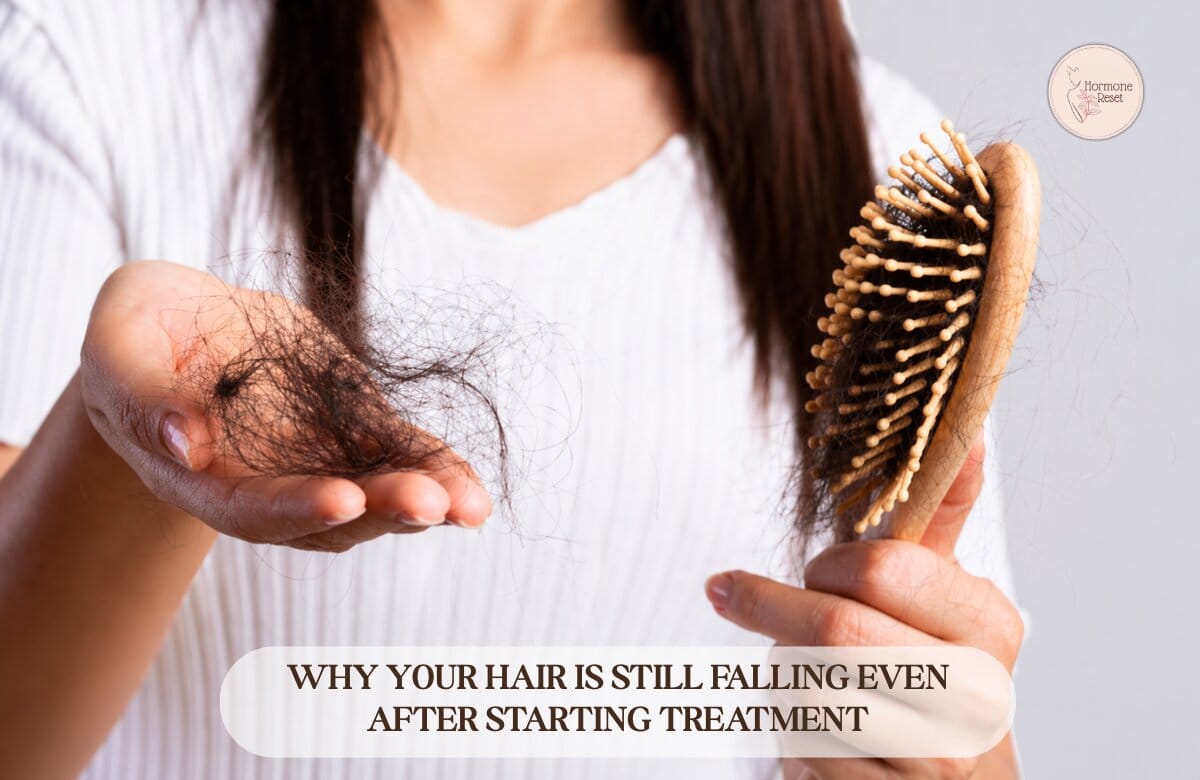
“Doctor… I’m following everything. Diet, supplements, routine… but my hair fall hasn’t stopped.”
She looked worried. And honestly, a little defeated.
If you’ve ever felt this way – you’re not alone.
Hair fall is not just physical. It slowly starts affecting your confidence, your mood, even how you feel when you look in the mirror.
And when you’re doing everything right… but still seeing hair fall?
That’s the hardest part.
But here’s what I want you to understand first:
This doesn’t mean your treatment is not working. In many cases… it means your body has just started healing.
The Part No One Explains: Hair Has Its Own Timeline
Hair doesn’t respond instantly.
It follows its own cycle — almost like a delayed reaction system.
So when your body goes through stress (poor nutrition, hormonal imbalance, gut issues, emotional stress), your hair quietly shifts into a resting phase.
And then… it falls.
Not immediately. But 2–3 months later.
So what you’re seeing today?
It’s often your body processing something from the past.
That’s why even after starting treatment, hair fall continues for some time.
And yes… that’s completely normal
Then Why Did My Hair Fall Increase After Starting Treatment?
This is where most people panic.
Because sometimes, after starting a functional medicine plan, hair fall doesn’t just continue… It increases.
And that feels scary.
What’s Really Happening Inside Your Body
When you start working on:
Gut healing
Detoxification
Removing inflammatory foods
Improving metabolism
Your body doesn’t just “fix hair.”
It starts cleaning house.
Toxins, inflammation, stored waste, even unhealthy gut bacteria — everything begins to get cleared.This phase is often called: Detox phase or die-off response
Why Hair Fall Increases During This Phase
Think of it like this:
Your body has limited energy. And right now, it chooses: “Let me heal first… beauty can wait.”
So what happens?
Nutrients are used for repair
Detox pathways become active
Hair growth is temporarily paused
Hair enters shedding phase
Result?
More hair fall — temporarily
Read This Carefully (Because This Changes Everything)
This phase does NOT mean:
Treatment is failing or You’re doing something wrong
It often means:
✔ Your body is responding ✔ Healing has started ✔ Internal repair is happening
This is not regression. This is transition.
How Long Does This Phase Last?
Usually: 2–6 weeks
After that, things begin to settle.Hair fall reduces. And slowly… regrowth begins.
What You Should Do (Very Important)
Instead of stopping everything midway, support your body better:
Drink enough water (your detox pathways need it)
Don’t skip protein (hair still needs building blocks)
Avoid extreme dieting
Rest more than usual
Be gentle with your hair
And most importantly… Don’t panic.
But Let’s Go Deeper – Why Did Hair Fall Start in the First Place?
Hair fall is rarely due to just one reason. It’s usually a combination of internal imbalances. Some of the most common root causes I see:
Low iron (ferritin) – very common in women
Vitamin B12 & Vitamin D deficiency
Thyroid imbalance
Insulin resistance / PCOS
Poorgut health & absorption issues
Chronic stress and high cortisol
Autoimmune conditions like alopecia
Hair is often the last place the body invests in — so when something is off, it shows here first.
A Very Common but Ignored Cause: Insulin Resistance
This is something I see very often in women.
And many don’t even realize it.
When your body becomes insulin resistant, your cells stop responding properly to insulin.
So the body produces more of it.
And this affects hair in ways most people don’t expect.
What Happens When Insulin Is High?
It increases androgen (male hormone) levels
It disrupts the hair growth cycle
It weakens hair follicles over time
This is why many women notice:
Hair thinning around the crown
Acne
Irregular periods
Weight gain (especially around the abdomen)
Why This Matters for Hair
Even if you are taking supplements… If insulin is not balanced, hair fall may continue.
What You Can Do
Simple changes can make a big difference:
Don’t skip meals (prevents sugar crashes)
Include protein in every meal
Avoid excess sugar and refined carbs
Move your body daily (even walking helps
Maintain good sleep
These steps improve insulin sensitivity – and that directly supports hair growth.
What Should You Actually Check? (Important Tests)
Instead of guessing, it’s always better to check. I usually recommend:
Nutrient levels:
Serum Ferritin
Vitamin B12
Vitamin D
Zinc
Hormonal markers:
Thyroid (TSH, Free T3, Free T4)
Fasting insulin
HbA1c
Because many times… Hair fall improves only when these are corrected.
Now Let’s Talk About Food (Because It Truly Matters)
Hair is not just about oils and shampoos.
It is built from what you eat.
Your hair needs:
Protein (Lentils, eggs, legumes) → forms the structure of hair
Healthy fats (Flaxseeds, walnuts, nuts) → reduce inflammationVitamin C (Amla, citrus fruits) → helps absorb iron better
What About Supplements?
Sometimes food alone is not enough – especially if levels are low. Depending on the person, support may include:
Iron (if ferritin is low)
Vitamin B12
Vitamin D
Zinc
Omega-3
Biotin / amino acids
But here’s the key: Supplements should be targeted, not random
But There’s One More Piece Most People Miss
Even after fixing diet, supplements, and gut… Some people still struggle. Why? Because healing is not just physical.
The Emotional Brain: Your Limbic System
Let me explain something very simply.
Your brain has a part called the limbic system.
It’s your emotional center.
It decides:
Are you safe?
Are you stressed?
Should the body repair… or just survive?
When This System Is Overactive…
Your body stays in stress mode.
Even if everything looks “fine” on the outside.
Digestion slowsAnd in stress mode, the body does one thing: It prioritizes survival over growth means:
Digestion slows
Hormones get imbalanced
Hair growth stops
Emotional Blockages: The Silent Factor
Most women don’t realize how much they’re carrying:
Overthinking
Stress
Suppressed emotions
Constant mental load
And the body doesn’t ignore this.
It translates emotions into biology.
Stress → Hormones → Hair fall
Signs This May Be Affecting You
You feel constantly “on” or anxious
You struggle to relax
Your sleep isn’t deep
Hair fall increases during stressful phases
If this feels familiar… your body is not just tired.
It’s overwhelmed.
How Do You Fix This?
Not with more supplements.
But by telling your body: “You’re safe now.”
Simple Ways to Calm the Limbic System
You don’t need complicated routines.
Start here:
1. Emotional release Write your thoughts. Don’t filter. Just release.
2. Breath work 5–10 minutes of slow breathing daily.
3. Small pauses in the day Even 2 minutes of doing nothing helps.
4. Grounding Walk barefoot. Be in sunlight.
Meditation (The Game-Changer)
This is not just “relaxation.”
This is rewiring your brain.
Just sit quietly for 10–15 minutes.
No perfection needed.
Just breathe. Observe.
Over time:
Stress hormones reduce
Mind slows down
Body shifts into healing mode
A New-Age Support: Red Light Therapy
This is something many people are now exploring.
Red light therapy (LLLT) works by:
Improving blood circulation to scalp
Stimulating hair follicles
Supporting cellular energy
It’s not a replacement for root cause healing…
But it can be a good supportive tool alongside your plan.
When Will You See Results?
This is the part that needs patience.
Most women start noticing:
Baby hairs near the hairline
Less hair fall while washing
Better hair thickness
After about:3–4 months of consistency
And This Is Where Hair Growth Begins
Because here’s the truth: Hair grows in a body that feels safe.
Not in a body that is constantly stressed, rushing, or overwhelmed.
Final Thought (Read This Slowly)
Your hair is not the problem.
It’s a messenger.
It reflects:
How your body feels
How your mind feels
How supported your system is
So instead of asking: “Why is my hair falling?”
Start asking: “What is my body trying to tell me?”
Because when you:
Nourish your body
Support your gut
Balance your hormones
Calm your mind
Hair growth is not forced.
It naturally follows.
And sometimes…
The real treatment is not another product. It’s giving your body the safety it has been asking for.
References
Hair Growth Cycle & Telogen Effluvium
Headington, J. T. (1993). Telogen Effluvium: New Concepts and Review. Journal of the American Academy of Dermatology. https://pubmed.ncbi.nlm.nih.gov/8360899/
Trost, L. B., Bergfeld, W. F., & Calogeras, E. (2006). Iron Deficiency and Hair Loss. Journal of the American Academy of Dermatology. https://pubmed.ncbi.nlm.nih.gov/16635664/
Arck, P. C., et al. (2003). Stress Induces Hair Growth Inhibition. American Journal of Pathology. https://www.ncbi.nlm.nih.gov/pmc/articles/PMC1868204/
Ross, A., & Thomas, S. (2010). The Health Benefits of Yoga and Exercise. Journal of Alternative and Complementary Medicine https://pubmed.ncbi.nlm.nih.gov/20105062/
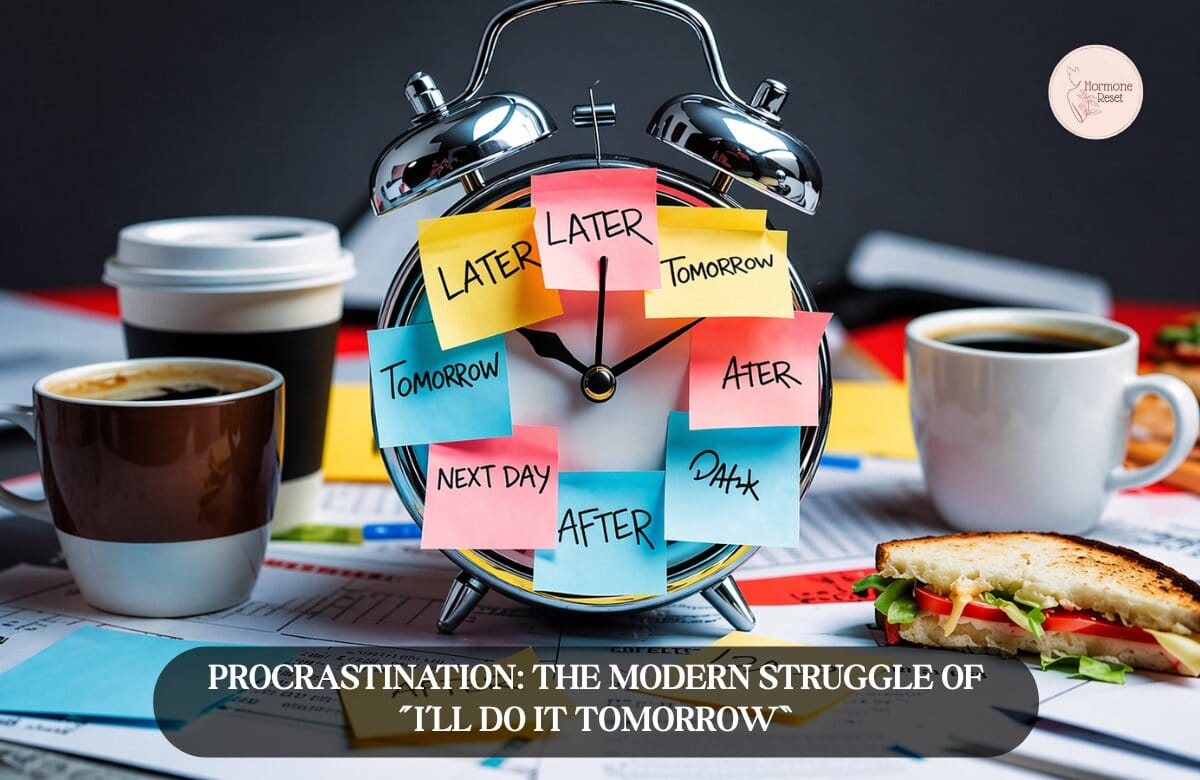
You sit down with a cup of coffee, open your laptop, and promise yourself: “Just 10 minutes of focused work.” An hour later, you’re deep into Instagram reels, your task untouched, and your brain whispers, “I’ll do it tomorrow.”
Sounds familiar? You’re not alone. In fact, research estimates that 20–25% of adults and up to 70% of students struggle with chronic procrastination. But here’s the truth — it’s not laziness. It’s a biological, emotional, nervous system, and energy-driven imbalance that functional medicine can help us heal, not just “manage”.
What Is Procrastination, Really?
Procrastination is the voluntary delay of important tasks despite knowing the negative outcomes. It’s a self-regulation breakdown where short-term comfort wins over long-term goals — a tug-of-war between your emotional brain and your rational brain.
Functional medicine views procrastination as a mind-body disconnect: when inflammation, nutrient depletion, poor sleep, stress and trauma, or hormonal imbalance hijack the brain’s ability to plan and act.
“Procrastination is not a time issue; it’s an energy and alignment issue.”
The Neuroscience Behind Procrastination
At its core, procrastination is a neurochemical conflict between two brain regions:
Limbic system – seeks pleasure, comfort, and immediate reward.
Prefrontal cortex – plans, decides, and executes long-term actions.
When we face stress, sleep deprivation, inflammation, or low mitochondrial energy, the prefrontal cortex weakens, and the limbic system takes over.
That’s why even intelligent, disciplined people delay — the nervous andenergy system, not the moral system, is failing.
Research has linked procrastination to:
Dopamine imbalance → Reduced motivation and reward sensitivity.
Cortisol elevation → Stress and avoidance behavior.
Mitochondrial dysfunction → Brain fatigue and reduced cognitive control.
Blood sugar fluctuations → Mood swings and poor focus.
Studies show that genetic variation in dopamine receptors and chronic stress directly influence procrastination behavior (Schlüter et al., 2019; Svartdal & Steel, 2022).
GABA: The Missing Calm That Helps You Begin
If dopamine drives motivation, GABA provides the calm required to act on it. GABA is the brain’s primary inhibitory neurotransmitter — it slows down overthinking, reduces anxiety, and creates a sense of internal safety. When GABA levels are low, even simple tasks can feel mentally heavy, leading to avoidance, restlessness, and the familiar “I’ll do it later” response. Functional medicine recognizes that chronic stress, poor sleep, nutrient deficiencies, and gut imbalance can all lower GABA activity, making procrastination more of a neurochemical issue than a behavioral one. Supporting GABA through breathwork, sleep, magnesium, and mindful practices helps quiet the emotional noise — allowing the brain to shift from resistance to action.
How to Support GABA Naturally
The goal is to calm the mind so action feels easier, not forced:
Practice slow breathing → Long exhalation activates the calming response
Improve sleep quality → Deep sleep restores GABA balance
Include magnesium-rich foods/supplements → Supports relaxation and nerve function
Limit stimulants → Reduce caffeine and screen exposure, especially at night
Engage in gentle movement → Walking, yoga, or stretching enhances GABA activity
Create calming rituals → Music, meditation, or quiet time signals safety to the brain
The Limbic System: Why Your Brain Chooses Comfort Over Action
At the heart of procrastination lies the limbic system — your emotional brain that is wired for safety, comfort, and immediate relief. Whenever a task feels overwhelming, unfamiliar, or tied to past stress, the limbic system interprets it as a threat and pushes you toward avoidance. This is why you may consciously want to work, yet find yourself scrolling or delaying — not out of laziness, but because your nervous system is trying to protect you. In states of chronic stress, poor sleep, or inflammation, this emotional brain becomes overactive, overpowering the prefrontal cortex (your logical, decision-making center). The result is a cycle where short-term comfort wins over long-term goals, until the underlying stress physiology is addressed.
How to Gently Rebalance the Limbic System
Instead of forcing discipline, the goal is to create a sense of safety in the brain:
Start small → Break tasks into 2–5 minute actions to reduce overwhelm
Use breathwork → Slow, deep breathing (longer exhale) calms the stress response
Regulate your environment → Work in a calm, clutter-free space to reduce sensory overload
Prioritize sleep → Rested brain = stronger prefrontal control
Process emotions → Journaling,reflection and other trauma release techniques help release hidden resistance
Reduce pressure language → Replace “I have to” with “I can start small”
Why It Happens: Age & Gender Dimensions
Teens & Students: Underdeveloped prefrontal cortex + high dopamine craving = classic last-minute energy bursts.
Adults: Overloaded nervous system and chronic stress lead to decision fatigue.
Women: Hormonal fluctuations (especially estrogen and progesterone) affect dopamine and serotonin — influencing motivation cycles.
Men: Often show higher impulsivity and reward-seeking procrastination, tied to testosterone and dopamine signaling.
Functional medicine emphasizes that biochemistry changes across life stages, and procrastination often mirrors those internal rhythms.
Symptoms — Are You Dealing With Procrastination Biologically?
Here’s a quick self-check:
You delay even simple tasks until pressure builds. You feel guilty or anxious after avoiding work. You experience fatigue, brain fog, or low motivation. You need caffeine, deadlines, or panic to get started. You “know” what to do but can’t make yourself begin.
If this resonates — your procrastination might be rooted in stress physiology, mitochondrial burnout, or neurotransmitter imbalance, not personality flaws.
Functional Medicine Insight: Heal the Body to Focus the Mind
Functional medicine looks beneath behavior — into cellular health, hormone rhythm, gut-brain communication, and energy metabolism.
1. Balance Blood Sugar
High sugar intake and skipped meals lead to insulin spikes → dopamine crashes → attention dips.
Focus foods: protein-rich breakfast, omega-3 fats, magnesium, and chromium.
2. Support Mitochondria
Brain energy (ATP) drives focus. Chronic fatigue = procrastination in disguise.
Support with CoQ10, alpha-lipoic acid, B vitamins, and gentle movement.
3. Heal the Gut
90% of serotonin and 50% of dopamine precursors originate in the gut. Dysbiosis can mean low drive, poor mood, and decision fog.
Add probiotic-rich foods, fiber, and remove processed sugars.
4. Reset Circadian Rhythm
Screen exposure after 9 PM suppresses melatonin, disturbs sleep, and reduces next-day motivation.
Morning sunlight and digital detox before bed rebuild mental clarity.
5. Resolve Trauma,Stress & Cortisol
Explore working with a professional to identify and address suppressed emotions and traumatic experiences.
Daily grounding rituals (breathwork, journaling, gratitude, or yoga nidra) lower cortisol and restore cognitive control.
Healing procrastination starts in your cells — not your calendar.
Quick Daily Anti-Procrastination Checklist
Do this daily
Why it matters
10 min sunlight on waking
Boosts dopamine & serotonin
Eat protein-rich breakfast
Stabilizes blood sugar & energy
Hydrate with electrolytes
Supports brain conductivity
Write 3 micro-goals
Builds momentum and accountability
No screens 60 mins before bed
Resets melatonin & prefrontal control
Conclusion: From Delay to Direction
Procrastination isn’t about time management — it’s about energy alignment. When your gut, brain, and hormones are balanced, focus becomes effortless.
The functional medicine approach reminds us: You don’t overcome procrastination with force; you outgrow it by healing the systems that fuel indecision.
Start small. Nourish your mitochondria. Breathe deeply. Because the moment you begin — even imperfectly — you reclaim your power, purpose, and presence.
References (PubMed & Journals)
Schlüter C, et al. Genetic variation in dopamine availability modulates self-reported procrastination.Personality and Individual Differences. 2019;150:109–118. PMC6778824
Svartdal F, & Steel P. Procrastination and stress: why context matters.Frontiers in Psychology. 2022;13:10049005. PMC10049005
Fan Z, Feng Z, & Wang J. A Reinforcement Learning Approach to Understanding Procrastination.Frontiers in Neuroscience. 2021;15:660595. PMC8323848
Rozental A, & Carlbring P. Understanding and treating procrastination: A review of a common self-regulatory failure.Journal of Clinical Psychology. 2014;70(11):1039–1055.
Pychyl TA, & Flett GL. Procrastination and self-regulatory failure: An introduction.Journal of Rational-Emotive & Cognitive-Behavior Therapy. 2012;30(4):203–212.
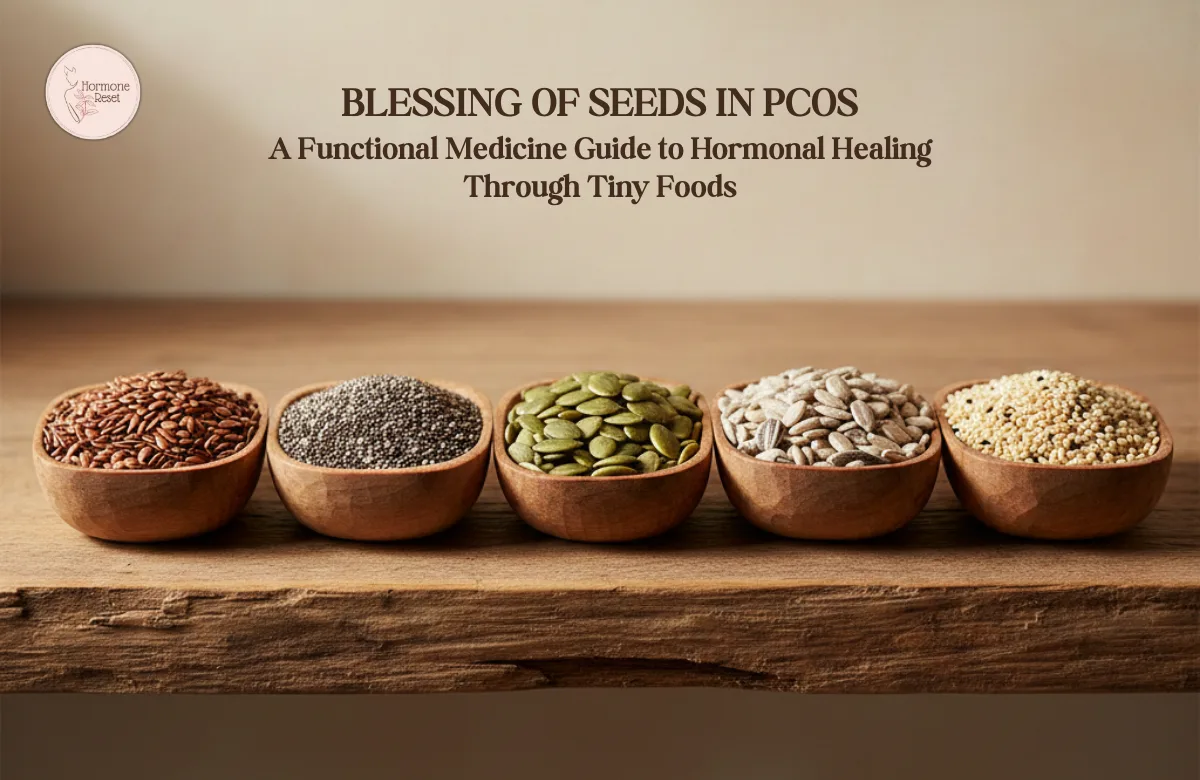
A Functional Medicine Guide to Hormonal Healing Through Tiny Foods
Table of Contents
PCOS: Not a Hormone Problem — A Body in Survival Mode
Polycystic Ovary Syndrome (PCOS) is often misunderstood as a female hormone disorder — but in reality, PCOS is the body’s intelligent survival response to long‑standing internal stress.
Your ovaries are not faulty. Your hormones are not confused. Your body is adapting.
PCOS develops when the body feels unsafe at a metabolic level — from blood sugar swings, chronic inflammation, gut imbalance, nutrient depletion, emotional stress, and poor detoxification. Ovulation becomes irregular, progesterone drops, and androgens rise — not as a mistake, but as an adaptive strategy.
That is why symptoms such as irregular periods, acne, weight gain, hair fall, infertility, anxiety, fatigue, or PMS are not isolated problems. They are messages.
Treating PCOS by only inducing periods or suppressing hormones may silence the symptoms temporarily, but it never answers the most important question:
Why did the body choose this pattern in the first place?
This is exactly where Functional Medicine begins.
The Functional Medicine Approach to PCOS
Functional Medicine asks a different question: “Why did the body shift into this hormonal pattern?”
From this perspective, PCOS is a systems imbalance, involving:
Gut–liver–hormone axis
Insulin–ovary–androgen loop
Stress–adrenal–progesterone pathway
Inflammatory and immune signals
Healing PCOS means restoring:
Insulin sensitivity
Estrogen clearance
Ovulation rhythm
Nutrient sufficiency
Nervous system safety
Here, food is not just nutrition — it is biological information.
And among the most powerful yet underrated foods for PCOS are seeds.
Why Seeds Are Powerful in PCOS
Seeds are tiny, but they are hormonally intelligent. They contain:
Soluble & insoluble fiber
Essential fatty acids
Minerals like zinc, magnesium, and iron
Phyto‑compounds that influence estrogen metabolism
From a functional medicine lens, seeds:
Improve gut health
Support liver detox pathways
Reduce inflammation
Stabilize blood sugar
Nourish ovulation and progesterone
They don’t force the body — they guide it gently back into rhythm.
Seed‑by‑Seed Guide for PCOS Healing
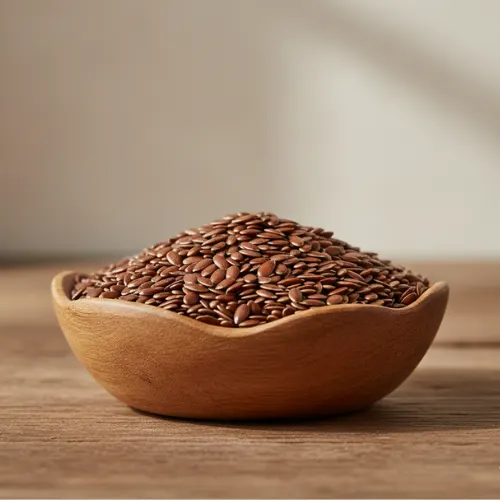
Flax Seeds (Alsi) — The Estrogen Detoxifier
Functional role:
Rich in lignans → bind excess estrogen
Reduce beta‑glucuronidase activity
Improve estrogen clearance via stool
Benefits in PCOS:
Regulates cycles
Reduces estrogen dominance
Improves acne & hair fall
Relieves constipation
How to use:
Freshly ground only
1–2 tbsp daily, preferably morning
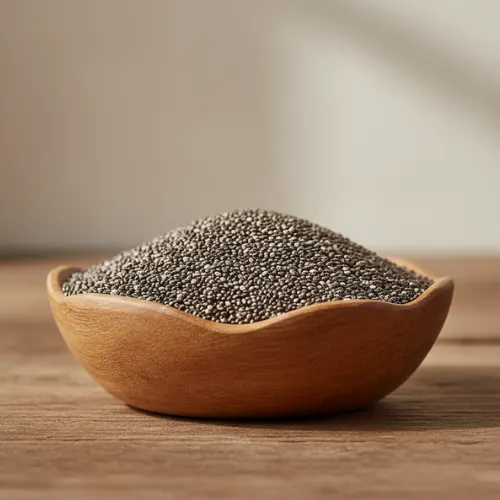
Chia Seeds — The Insulin Stabilizer
Functional role:
Forms gel → slows glucose absorption
Improves insulin sensitivity
Feeds beneficial gut bacteria
Benefits in PCOS:
Controls cravings
Supports weight balance
Improves energy & bowel movements
How to use:
Always soaked (20–30 min)
1 tbsp daily
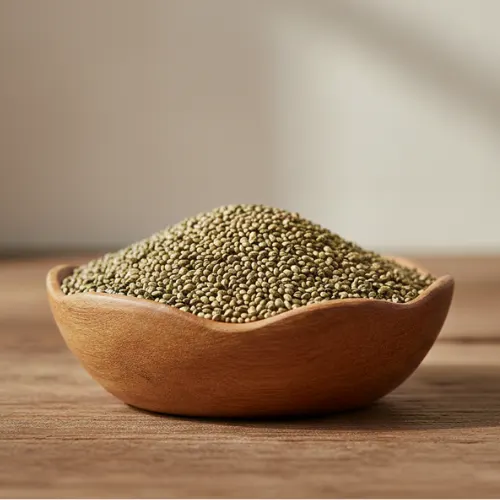
Hemp Seeds — The Hormone Nourisher
Functional role:
Complete plant protein
Ideal omega‑6 : omega‑3 ratio
Rich in magnesium & zinc
Benefits in PCOS:
Improves ovulation quality
Supports progesterone
Reduces fatigue & hair thinning
How to use:
Raw, no soaking
1 tbsp daily
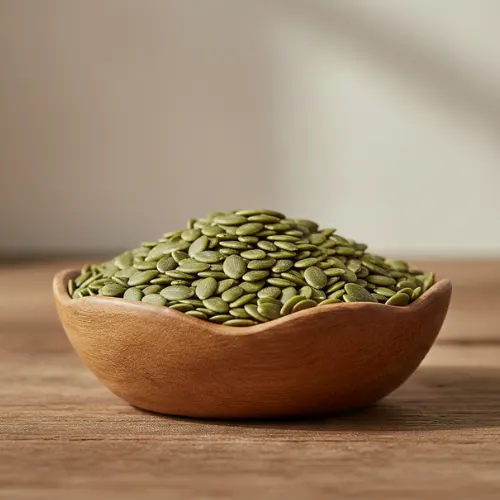
Pumpkin Seeds — The Androgen Modulator
Functional role:
High in zinc
Supports insulin signaling
Anti‑inflammatory
Benefits in PCOS:
Reduces acne & hirsutism
Improves follicle development
How to use:
1 tbsp soaked or lightly roasted
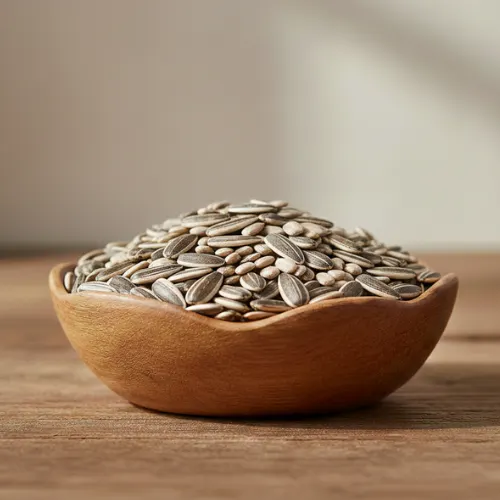
Sunflower Seeds — The Progesterone Supporter
Functional role:
Rich in vitamin E
Supports corpus luteum
Antioxidant for ovaries
Benefits in PCOS:
Improves luteal phase
Reduces PMS & breast tenderness
How to use:
1 tbsp raw or lightly roasted
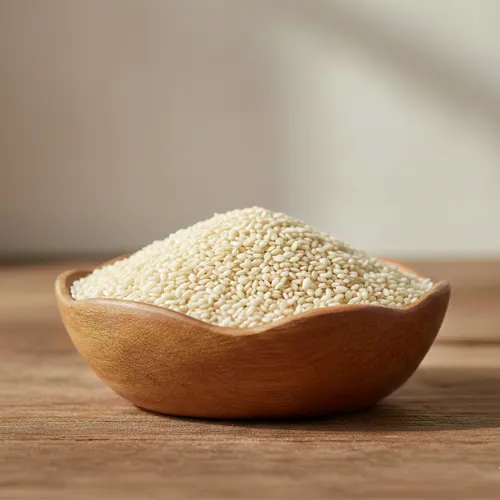
Sesame Seeds (Til) — The Uterine Warmer
Functional role:
Rich in calcium, iron & lignans
Improves uterine blood flow
Benefits in PCOS:
Helpful in delayed periods
Supports implantation
Note: Avoid during heavy bleeding or severe estrogen dominance.
Seed Cycling & Rotation in PCOS
Seed cycling aligns nutrition with hormonal rhythm.
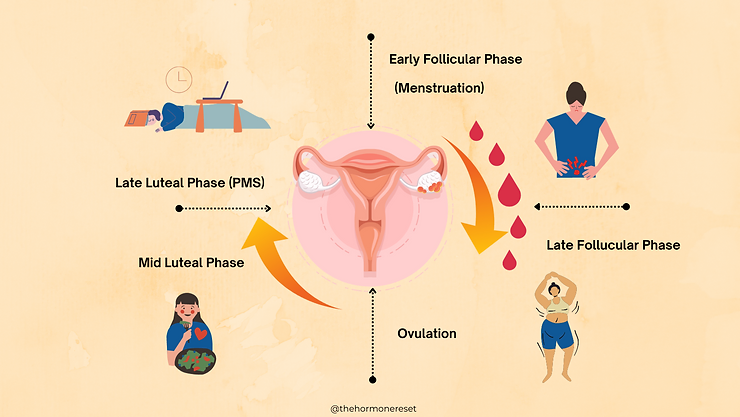
Follicular Phase (Day 1–14)
Flax seeds
Pumpkin seeds
Purpose: Estrogen balance & follicle growth
Luteal Phase (Day 15–28)
Sunflower seeds
Sesame seeds
Purpose: Progesterone support & PMS reduction
For irregular cycles: Follow moon cycle (new moon to full moon = follicular seeds).
Practical Ways to Add Seeds Daily
Hormone detox water (chia + flax)
Smoothies with hemp & pumpkin seeds
Seed chutney or podi with meals
Seed ladoos with dates & nuts
Coconut yogurt with soaked chia
Roasted seed trail mix
Consistency matters more than quantity.
Important Clinical Points
Start slow if bloating, IBS or SIBO present
Prefer soaked or ground forms
Use fresh & organic seeds
Avoid excess during acute gut inflammation
Seeds support healing — but PCOS still needs stress regulation, sleep, protein adequacy, and gut repair.
Frequently Asked Questions
1. Can seeds really help manage PCOS symptoms naturally?
Yes, when used consistently and correctly, seeds can support PCOS management. From a functional medicine perspective, seeds provide fiber, healthy fats, minerals, and phyto-compounds that help regulate blood sugar, improve estrogen clearance, reduce inflammation, and support ovulation. They do not “cure” PCOS overnight, but they create the internal conditions needed for hormonal balance.
2. How long does it take to see results from seed cycling in PCOS?
Most women begin to notice subtle improvements such as better digestion, reduced cravings, improved energy, or less PMS within 4 to 6 weeks. Menstrual regularity, acne reduction, or ovulation support may take 2 to 3 cycles. Consistency matters more than quantity, and results depend on overall lifestyle, stress levels, and metabolic health.
3. Is seed cycling safe for women with irregular or missing periods?
Yes. For women with irregular cycles or absent periods, seed cycling can be followed according to the moon cycle or simply rotated every 14 days. Seeds are food, not hormones, and they gently support the body’s rhythm rather than forcing ovulation. However, women with severe gut issues or active inflammation should start slowly and seek guidance.
4. Can seeds replace medication or hormonal treatment for PCOS?
Seeds are a supportive therapy, not a replacement for medical care when it is needed. Functional nutrition works best alongside proper diagnosis, stress management, sleep, adequate protein intake, and, when required, medical treatment. Seeds help address root causes like insulin resistance and estrogen imbalance, but should be part of a comprehensive approach.
5. Are there any situations where seed intake should be limited in PCOS?
Yes. Women with active IBS, SIBO, severe bloating, or acute gut inflammation should introduce seeds gradually and prefer soaked or ground forms. Excessive intake without adequate hydration may worsen digestion. Also, sesame seeds should be limited during heavy menstrual bleeding or severe estrogen dominance.
Final Conclusion
PCOS is not a failure of the body. It is a request for safety, nourishment, and rhythm.
Seeds may be small, but when used daily and intentionally, they deliver powerful messages:
You are nourished. You are safe. You can ovulate. You can heal.
Sometimes, hormonal healing doesn’t begin with strong medicine — It begins with tiny seeds and daily rituals
If you are a woman with PCOS, remember: your body is not broken. It is listening. And what you feed it matters.
We live in a world where entertainment never sleeps. A screen lights up our mornings, keeps us company through the day, and often lulls us to sleep at night. We tell ourselves it’s harmless — a few episodes, a quick scroll, a game or two. But beneath this comfort lies a silent trade-off: our health, focus, and biological balance are paying the price.
Let’s uncover how our beloved devices are reshaping our health — system by system — and how a functional medicine approach can help us restore balance.
1. Eyes — When Screens Steal Our Vision
It starts with a familiar feeling: tired eyes, blurred vision, that dull ache behind the forehead after a long day online. This is what experts call Digital Eye Strain (DES) — a result of prolonged near-focus and reduced blinking.
Studies by the American Academy of Ophthalmology (AAO) show that people blink nearly 60% less when staring at screens, leading to dryness, irritation, and even redness. Over time, continuous close-up focus can alter how the eye grows — especially in children — raising the risk of myopia (nearsightedness).
And while the idea that screens literally “burn” our retinas is exaggerated, research suggests that blue light—particularly from LED lighting and digital screens (phones, laptops, tablets, monitors)—can increase oxidative stress in retinal cells, making the eyes more vulnerable to inflammation and mitochondrial dysfunction.
Mechanisms & implications
1. Blue light & retinal mitochondrial stress
LEDs and screens emit a higher proportion of short-wavelength blue light (≈400–490 nm), also referred to as high-energy visible (HEV) light. This wavelength penetrates deep into the eye and is absorbed by retinal photoreceptors and retinal pigment epithelial (RPE) cells. Excessive exposure may increase reactive oxygen species (ROS), stressing retinal mitochondria and potentially leading to cumulative, sub-clinical retinal damage over time. While this does not equate to immediate injury, it may contribute to long-term vulnerability to age-related retinal disorders, especially in individuals with low antioxidant reserves or existing metabolic stress.
2. Prolonged near-focus & visual strain
Screens are typically viewed at 30–40 cm, requiring sustained accommodative and convergence effort. Prolonged near-work can fatigue the ciliary muscles and extraocular muscles, contributing to symptoms such as eye strain, headaches, and blurred vision.
3. Reduced blink rate & dry eye symptoms
During focused screen use, blink rate may drop by 40–60%, leading to tear film instability, increased tear evaporation, and dry eye symptoms (burning, grittiness, and redness). Air-conditioned environments and prolonged indoor screen use further worsen this effect.
4. Myopia risk: association, not simple causation
The link between screen use and myopia likely reflects multiple interacting factors, not screen time alone. These include:
Increased near-work duration
Reduced outdoor light exposure (which is protective for eye growth regulation)
Evening blue-light exposure suppresses melatonin, which may indirectly impair night-time retinal repair and antioxidant activity, adding to cumulative stress over years.
Functional-medicine perspective / what to emphasise
As part of blog: stress that eye health isn’t just optics—cellular health in retina matters (mitochondria, oxidative stress, peptides, etc.).
Early signs: frequent eye fatigue, need to squint or blink excessively, headaches after screen use, unexplained worsening of near/blur vision, dry/irritated eyes.
Modifiable factors: screen distance, lighting (glare, ambient), breaks (20-20-20 rule), outdoor (natural light) exposure for children/adults, consider blue‐light filter or lens, but emphasise that it’s supportiv,e not a substitute for behavioural change.
Nutritional support: antioxidants (lutein/zeaxanthin in macula), omega-3 (tear film health), mitochondrial support (CoQ10, ALA) may be useful adjuncts when you suspect cumulative damage.
💡 Functional Tip: Follow the 20-20-20 rule — every 20 minutes, look 20 feet away for 20 seconds to relax eye muscles and reduce strain. Support eye mitochondria and retinal antioxidant defences with these nutrients:
💡 Tip: Pair carotenoid-rich foods with healthy fats (ghee, olive oil, nuts) to improve absorption.
2. Sleep & Circadian Rhythm — Blue Light vs. Melatonin
That late-night scroll may feel relaxing, but your body reads it differently. Screens, especially LED ones, emit blue-enriched light that tricks the brain into thinking it’s still daytime. This suppresses melatonin, the sleep hormone that helps you fall asleep and stay asleep.
According to research published in the Journal of Clinical Endocrinology & Metabolism, even 1–2 hours of evening screen exposure can delay melatonin release and shift your internal body clock. The result? Trouble sleeping, restless nights, groggy mornings, and daytime brain fog.
Mechanisms/implications
Poor sleep interferes with many downstream systems: mitochondrial repair (many repair/mitochondrial biogenesis processes happen during deep sleep), hormonal regulation (growth hormone, cortisol rhythms), neurochemical resetting (glymphatic clearance in brain), peptide/hormone signalling (eg melatonin, orexin).
Shifted circadian rhythm leads to misalignment between internal clock and external environment → reduced overall vitality, mood lability, increased risk of metabolic dysfunction (for example via disrupted cortisol/insulin rhythms).
Screens just before bed = increased arousal (visual, cognitive, emotional) + delayed melatonin → cascade of poor sleep quality leading to daytime fatigue, brain fog, reduced mitochondrial efficiency.
Functional-medicine perspective
Consider assessing sleep hygiene, device exposure windows (eg stop screens 60-90 min before bed), ambient lighting (warm light vs blue light), ensure sufficient dark period during night.
Symptoms to watch: difficulty falling asleep, waking frequently at night, non-restorative sleep, morning grogginess, needing more sleep than you used to, daytime irritability or concentration problems.
Interventions:
Establish fixed sleep-wake times, blackout curtains, red/amber evening light, screen filters/night mode, and device off in the bedroom. Support restoratively with melatonin (short-term, clinician supervision), magnesium at night, and mitochondrial/nutrient support to help repair (eg CoQ10 for mitochondrial support, antioxidant support).
💡 Functional Tip: Avoid screens 1–2 hours before bed, or use blue-light filters and amber glasses. Support melatonin naturally with dark evenings, magnesium-rich foods, and exposure to morning sunlight.
3. Brain — Rewiring the Reward System
Our brains love novelty — and screens deliver it in endless supply. Each notification, like, or game win triggers a dopamine spike, the same chemical involved in motivation and addiction. Over time, this overstimulation rewires our reward pathways, making us crave more screen time while real-world pleasures feel less satisfying.
MRI studies from Frontiers in Human Neuroscience reveal that excessive screen or gaming use can alter gray matter volume in brain regions linked to attention, impulse control, and emotional regulation. This helps explain why heavy users often struggle with focus, mood swings, or anxiety when offline.
Mechanisms/implications
Screens (especially games/social media) give rapid feedback loops, variable reward/punishment, novelty — this can train the brain’s reward circuit (striatum, putamen) toward instant gratification, making slower tasks (reading, sustained effort) relatively less rewarding.
Altered reward signaling can shift peptide/hormone/neurotransmitter balance (dopamine, endorphins, orexin, etc) → changes in craving, mood, attention.
Structural brain changes: frontal control networks (executive function) may be under-stimulated or less developed in heavy users, especially in developing brains.
Downstream effects: reduced focus, impaired learning and memory, greater emotional volatility, and impulsive behavior.
Functional-medicine perspective
When working with clients: screen-use history (hours/day, type of content, device, time of day), look for signs of attention/learning issues, mood swings, craving/overuse behaviours.
Early signs: needing shorter bursts of screen time before feeling bored, inability to focus on non-screen tasks, irritability when screen use is reduced, increased need for novelty.
Nutritional/neurochemical support: ensure good omega-3 (brain membranes), B-vitamins (neurotransmitter synthesis), magnesium (calming), possibly L-theanine for focus, and lifestyle factors (physical exercise, nature exposure, novel tasks) to rebuild regulatory networks.
💡 Functional Tip: Rebalance dopamine naturally through movement, sunlight, nature exposure, and deep work. Practice digital fasting — one day a week without screens to reset your brain’s chemistry.
4. Mitochondria — The Hidden Energy Drain
Few people realize that screen habits affect us down to our cellular engines — the mitochondria. Blue light and chronic sleep deprivation elevate oxidative stress, leading to mitochondrial dysfunction not just in the eyes, but throughout the body. A 2022 study in Redox Biology found that disrupted circadian rhythms directly impair mitochondrial energy production.
Mechanisms/implications
Mitochondria are the energy generators of our cells. When they are stressed or damaged, the body produces less energy (ATP) and more oxidative stress, leading to cellular fatigue, faster ageing of cells, and impaired repair.
In the context of screen use, repeated exposure to blue-heavy light may place stress on retinal cells—marked by poor sleep, reduced movement, and increased oxidative stress—can place strain on mitochondria throughout the body, indirectly affecting energy levels and blood-sugar balance over time.
From a functional medicine perspective, poor mitochondrial health often shows up as persistent fatigue, slower recovery, reduced stress tolerance, mood changes, brain fog, insulin resistance, and stubborn weight gain.
Functional medicine perspective
During case history, it’s important to ask about:
Daily screen time, especially evening and night-time use
Exposure to bright or blue light from phones, laptops, and LEDs
Sleep quality, sleep timing, and difficulty winding down
Long periods of sitting or inactive screen use
Symptoms such as ongoing fatigue, slow recovery after effort, brain fog, poor focus, and mental slowing
How this information is used:
When available, specific tests related to cellular energy and oxidative stress may be reviewed.
When testing is not practical, support can still begin by addressing the root contributors
Movement and interval training to drive mitochondrial biogenesis (PGC-1α activation).
Ensure sleep and circadian alignment because many mitochondrial repair processes happen in sleep and during dark/quiet periods.
💡 Functional Tip: Feed your mitochondria with antioxidant-rich foods (berries, greens, turmeric), adequate sleep, and infrared light exposure (morning sunlight or red-light therapy).
5. Peptides & Hormonal Signalling — When Screens Confuse Your Chemistry
Your body’s hormones and brain messengers work best when daily rhythms are stable. Late-night screen use and constant digital stimulation disrupt these rhythms, altering melatonin (sleep), dopamine (reward), endorphins (calm), and insulin (blood sugar control).
Over time, this imbalance can lead to sleep disorders, anxiety or low mood, sugar cravings, weight gain, insulin resistance, prediabetes, PCOS, and burnout-related fatigue, along with reduced emotional resilience and energy.
Excessive reward stimulation (screens/games) → dopamine overshoot → down-regulation of dopamine receptors or shift in reward threshold → needing more stimulation, reduced pleasure from normal life → possible mood/anxiety issues.
Metabolic peptides (insulin, leptin, ghrelin) get affected by poor sleep, sedentary behaviour, irregular eating which often accompany high screen-behaviour → risk of insulin resistance, weight gain.
In functional-medicine terms: the brain/body signalling network is out-of-sync → fatigue, cravings, mood dysregulation, metabolic drift.
Functional-medicine perspective
Assessment: ask about cravings, reward-seeking behaviour (screen/games/social media), mood swings, appetite/weight changes, sleep disruption, and attention issues.
Make the link: Excess screen usage → reward/peptide stress → downstream metabolic & brain-health effects.
Interventions:
Limit “high-stimulus” screen content (fast games, social media scrolling) and replace with slower, less dopamine-intense activities (reading, hands-on project, nature exposure).
Support neurochemical resilience: omega-3s, B-vitamins, magnesium, adaptogens (if appropriate) for HPA-axis / neuro-modulation. Reinforce natural reward systems: exercise, nature, creativity, and social real-life interaction.
Stabilise sleep/circadian system (see above) so peptides/hormones synchronise properly.
💡 Functional Tip: Eat meals at regular times, prioritize protein and omega-3 fats, and practice mindful screen use — especially during meals or before sleep — to keep your body’s peptides and hormones in sync.
6. Whole-Body Effects — From Sedentary Screens to Stressed Systems
Screens often mean sitting, and sitting means stagnation. The more time we spend online, the less we move, which affects our metabolism, lymphatic flow, and mood regulation. Research in The Lancet Psychiatry found a strong link between screen time and depression, especially in teens and young adults. Prolonged inactivity also leads to insulin resistance, weight gain, and poor circulation — key drivers of inflammation and chronic disease.
Mechanisms/implications
Sedentary screen time → low physical activity → lower mitochondrial biogenesis, fewer muscle contractions (muscle is a metabolic organ) → reduced metabolic capacity.
Brain reward dysregulation + mood impact → can lead to emotional eating, comfort-snacking, sedentary mood states.
Inflammatory milieu: increased sedentary time + poor sleep + high screen load may increase chronic low-grade inflammation, which burdens mitochondria and peptides.
Functional-medicine perspective
Assessment: screen-time minutes/day, physical activity minutes/day, sitting time, number of breaks, mood/stress levels, weight/waist changes, lab markers (glucose, insulin, lipids, inflammatory markers).
Interventions:
Break up sedentary time: every 30-45 minutes, get up, move/stretch, use “active screen breaks”.
Incorporate resistance + aerobic exercise to boost mitochondrial and metabolic health.
Address mood/stress: implement mindfulness, social interaction, real-life engagement rather than passive screen absorption.
Diet: focus on whole foods, high antioxidant load, moderate glycemic load to mitigate the metabolic burden.
💡 Functional Tip: Set movement reminders every hour. Try “habit stacking” — do squats while watching reels or stretch during a call. Reconnect your body to motion.
Functional Medicine View: Restoring Digital Balance
Functional medicine doesn’t tell you to throw away your phone — it helps you create harmony between technology and biology. Here’s how you can start:
Detox your circadian rhythm: Prioritize morning sunlight and dim evening lights.
Nourish your cells: Eat anti-inflammatory, mitochondria-supportive foods.
Support your nervous system: Use adaptogens like ashwagandha or rhodiola, and practice digital mindfulness.
Rebuild real connections: Engage in activities that activate oxytocin — eye contact, laughter, shared meals, nature time.
Frequently Asked Questions (FAQs)
1. Is screen time actually damaging my health, or is it just causing temporary discomfort?
Screen use itself isn’t inherently harmful, but how and when we use screens matters. Occasional eye strain or late nights may feel temporary, but chronic overexposure—especially at night—can disrupt sleep, stress mitochondria, alter brain reward pathways, and impair metabolic and hormonal balance over time. The impact is cumulative, not immediate, which is why many people don’t connect their fatigue, brain fog, or mood changes to screen habits until years later.
2. Do blue-light filters and glasses fully protect me from screen-related problems?
Blue-light filters and glasses can reduce glare and ease eye strain, but they are supportive tools—not complete solutions. They don’t address reduced blinking, prolonged near-focus, dopamine overstimulation, sedentary behavior, or circadian disruption caused by late-night screen use. Behavioral changes, such as screen breaks, earlier device cut-off times, outdoor light exposure, and movement, remain the most effective interventions.
3. Can excessive screen use really affect energy levels, weight, and hormones?
Yes. Screen overuse often leads to poor sleep, reduced physical activity, and disrupted circadian rhythms—all of which influence insulin, cortisol, melatonin, leptin, and dopamine signaling. Over time, this can contribute to low energy, increased cravings, weight gain, insulin resistance, mood changes, and burnout. From a functional-medicine perspective, these issues stem from disrupted biological signaling rather than willpower alone.
4. What’s the most realistic way to reduce screen damage without giving up technology?
The goal isn’t digital elimination—it’s digital alignment. Start by switching off screens 60–90 minutes before bed to protect melatonin and sleep quality, and get morning sunlight to reset your circadian rhythm. Take regular movement breaks during screen use to counter sedentary strain, and consciously limit high-dopamine activities like endless scrolling or gaming that overstimulate the brain. Support your body from the inside with antioxidant-rich foods, omega-3 fats, and consistent, high-quality sleep. These small, sustainable changes work with your biology and restore balance far more effectively than extreme digital detoxes.
Conclusion: Entertainment at the Cost of Energy
The irony is clear — the tools designed to entertain and connect us are slowly disconnecting us from our biology. When entertainment turns into dependency, our eyes strain, our sleep fades, our brain rewires, and our cells lose energy.
But awarenehttps://hormonereset.in/contact-us/ss is power. By blending modern technology with ancient biological wisdom — light, rest, movement, connection — we can reclaim the balance that our bodies are quietly craving.
Because true entertainment isn’t what numbs you — it’s what nourishes your energy and lights up your life.
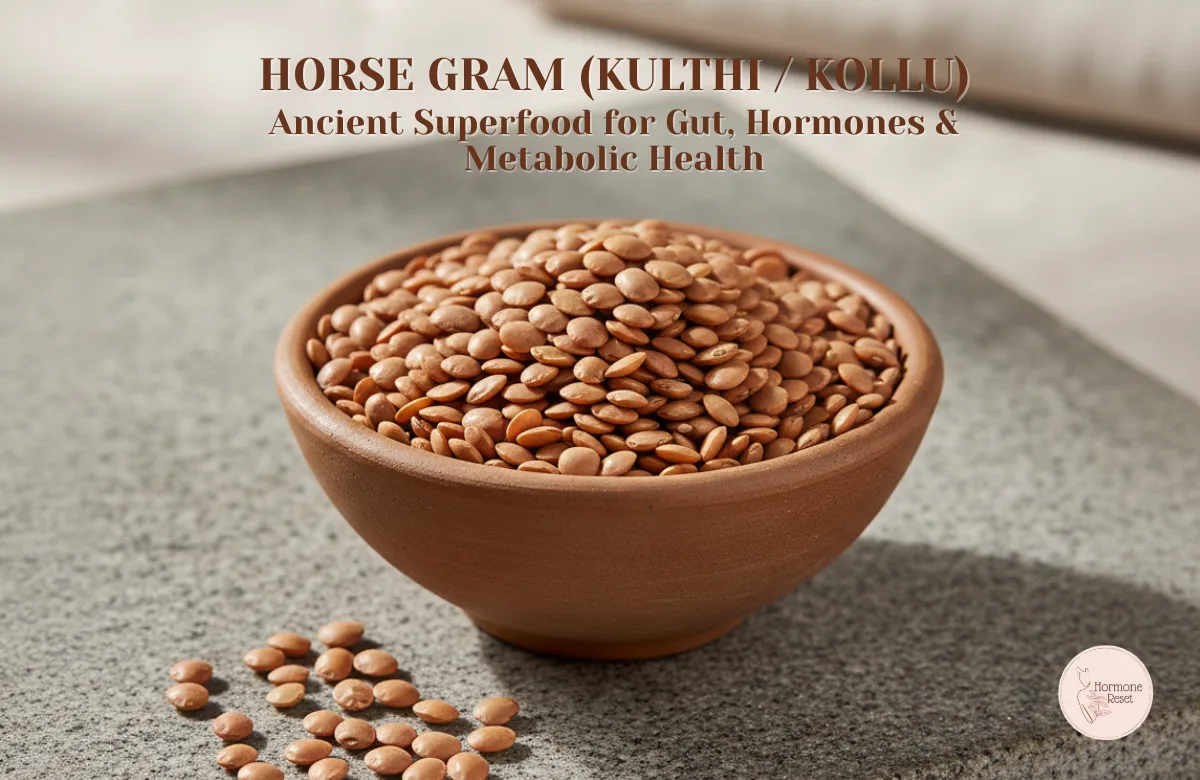
In a world obsessed with imported “superfoods,” one of the most potent metabolic foods has been hiding in plain sight for thousands of years: Horse gram. Known as Kulthi in Ayurveda and Kollu in South India, this humble legume is making a comeback—not just as food, but as functional medicine. Its unique nutrient profile and bioactive compounds offer benefits for glucose balance, gut health, hormone metabolism, and inflammation.
What is Horse Gram?
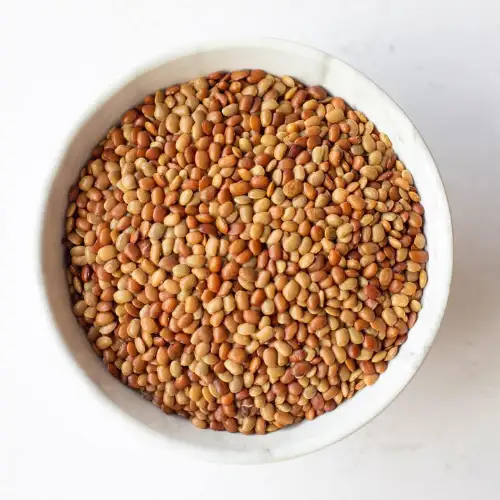
Horse gram (Macrotyloma uniflorum) is a drought-resistant legume traditionally consumed across India, Sri Lanka, and Southeast Asia. Historically, it was fed to warriors and livestock for endurance and strength, and was valued for its therapeutic properties in traditional medical systems.
Ancient History & Traditional Use
In Ayurvedic texts like Charaka Samhita, horse gram is described as a food that balances doshas, especially Kapha and Vata, and supports digestion. Siddha and folk traditions have used it for conditions like kidney stones (Mutrashmari), obesity (Medoroga), and poor digestion—long before modern science began exploring its medicinal potential. Its heating nature was traditionally prized for activating metabolism and clearing internal toxins.
Nutritional Powerhouse with Functional Potential
Horse gram stands out among pulses for its:
High-quality plant protein, amongst the highest in the plant kingdom
Very high dietary fiber, supporting gut and metabolic health
Rich polyphenols and antioxidants, helping reduce inflammation
Naturally low glycemic impact, beneficial for blood-sugar balance
High iron content, supporting energy levels and hemoglobin
Good calcium content, supporting bone and metabolic function
In traditional systems, horse gram is also considered high-pranic—a food believed to enhance vital energy, warmth, and metabolic fire, making it especially valuable for sedentary, cold, or sluggish metabolic states.
From an Ayurvedic perspective, it (Kulthi) is considered ushna (warming), ruksha (dry), and tikshna (penetrating). It is traditionally used to stimulate agni (digestive fire), reduce kapha accumulation, and clear ama (metabolic waste). Because of its high pranic value, it is believed to enhance vital energy, circulation, and metabolic strength, making it especially beneficial for sluggish digestion, fluid retention, and cold, sedentary body types.
Scientifically Documented Benefits
1. Anti-Inflammatory & Antioxidant Effects
Research shows that horse gram can boost antioxidant enzyme activities like superoxide dismutase and catalase, potentially helping reduce oxidative stress and inflammation in the body. In animal models, horse gram supplementation increased antioxidant status without activating pro-inflammatory mediators.
Studies have shown that the oil extracted from horse gram seeds—referred to in research as its fixed oil—contains bioactive fatty acids and plant compounds with pain-relieving and anti-inflammatory properties. Unlike essential oils, fixed oils are stable, non-volatile oils that support cell membrane health and help regulate inflammatory pathways in the body. These findings provide a scientific explanation for horse gram’s traditional use in easing joint pain, muscle aches, and other inflammatory conditions, bridging ancient dietary wisdom with modern nutritional science.
2. Metabolic Health: Glucose & Lipid Regulation
While large human clinical trials are still limited, animal studies and systematic reviews suggest that horse gram may act as an antidiabetic and lipid-modulating food. Its bioactive compounds—including polyphenols, resistant starch, and dietary fibre—appear to influence glucose metabolism, improve insulin sensitivity, and favourably modify lipid parameters such as total cholesterol, LDL cholesterol, triglycerides, and the LDL:HDL ratio. Some studies also note improvements in oxidative stress and inflammatory markers, which are central to cardiometabolic risk. These effects are particularly relevant for modern lifestyle conditions such as PCOS, insulin resistance, metabolic syndrome, fatty liver disease, and cardiovascular disease (CVD) risk.
Fermented horse gram products have also shown inhibition of enzymes related to fat digestion, indicating potential anti-obesity effects.
3. Kidney Protection & Diuretic Action
Traditional use of horse gram for urinary health is supported by studies showing diuretic activity and protective effects in nephrotoxicity models. These findings align with its historical use in preventing or managing kidney stones and supporting overall kidney function.
4. Antioxidants & Phytochemicals
The seeds are rich in phenolics, flavonoids, and tannins, which contribute to its antioxidant, antimicrobial, and potential therapeutic properties. These compounds are linked to a range of physiological effects from gut health support to reduced oxidative damage.
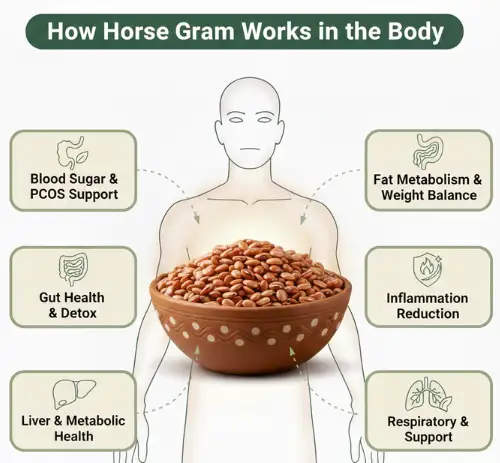
Functional Medicine Perspective: How Horse Gram Works in the Body
Blood Sugar Regulation & PCOS
The high fiber and polyphenol content slow carbohydrate absorption, helping stabilize glucose levels—which is vital if you’re managing insulin resistance, PCOS, or metabolic syndrome.
Gut Health & Detoxification
Fiber supports bowel regularity and gut microbiome health. A healthier gut means improved hormone metabolism and reduced systemic inflammation.
Fat Metabolism & Weight Management
Traditional sources consider horse gram deepana (digestive fire enhancer). Modern studies support effects on fat digestion and enzyme activity, helping with satiety and metabolic efficiency.
Inflammation Modulation
The antioxidants and anti-inflammatory compounds in horse gram help the body neutralize harmful free radicals and reduce chronic inflammation in tissues. For patients, this can translate into:
Reduced fatigue and improved energy, as cells are less stressed and can produce energy more efficiently
Better metabolic health, including improved blood sugar control and lipid balance
Support for liver function, helping reduce fat accumulation in conditions like fatty liver
Joint and muscle comfort, as inflammation in connective tissues decreases
Enhanced cardiovascular health by lowering oxidative stress and improving blood vessel function
In short, these compounds help the body recover, repair, and function optimally, making horse gram a supportive food for conditions like insulin resistance, PCOS, fatty liver, and mild inflammatory states.
Support respiratory health
Horse gram has traditionally been used in Ayurveda to support respiratory health and help relieve cold, cough, and congestion. Its warming, drying, and anti-inflammatory properties can help soothe the respiratory tract, reduce mucus buildup, and ease irritation in the throat and lungs. Additionally, the antioxidants and bioactive compounds may support the immune system, helping the body respond better to infections or seasonal colds, making it a gentle, food-based way to support overall respiratory wellness.
Who Should Use Caution?
Despite its benefits, horse gram is heating and high in fiber, which may be intense for some individuals.
Avoid or consume cautiously if you have:
Active gastritis or ulcers
Thyroid conditions without proper soaking & preparation
Pregnancy or sensitive digestion (without guidance)
How to Prepare Horse Gram Correctly (Essential Step)
Proper preparation reduces phytic acid and gas-forming compounds, enhances digestibility, and unlocks therapeutic benefits.
Sprouted and lightly tempered with mustard seeds and lemon—a perfect plant-based protein snack.
Best Time & Frequency to Consume
1–2 times per week is sufficient for most
Best during winter & monsoon
Ideal at lunch (strongest digestion)
Frequently Asked Questions (FAQs)
1. Is horse gram safe to consume regularly?
It is safe for most people when consumed in moderation and properly prepared. Because it is high in fiber and warming in nature, it is best eaten 1–2 times per week, especially during cooler seasons. Proper soaking, thorough cooking, and the use of digestive spices improve tolerance and reduce digestive discomfort.
2. Can horse gram help with PCOS and insulin resistance?
It may support metabolic health due to its high fiber content, low glycaemic impact, and polyphenols, which help stabilize blood sugar and improve insulin sensitivity. While it is not a treatment for PCOS, it can be a supportive food as part of a balanced, root-cause-based nutrition plan.
3. Does horse gram support gut health?
Yes. The dietary fiber in horse gram supports bowel regularity and gut microbiome balance, which are important for hormone metabolism and inflammation control. A healthier gut can help the body process and eliminate hormones more efficiently, supporting overall metabolic and hormonal balance.
4. Who should avoid or limit horse gram?
It should be consumed cautiously by individuals with active gastritis, ulcers, very sensitive digestion, pregnancy, or thyroid conditions if not properly prepared. In such cases, it’s best to seek guidance from a qualified healthcare or Functional Medicine practitioner before including it regularly.
Closing Thoughts: Ancient Wisdom Meets Modern Science
Horse gram is a classic functional food—one that not only nourishes but also actively supports the body’s healing and metabolic systems. Packed with high-quality protein, dietary fiber, polyphenols, antioxidants, iron, and calcium, it helps improve blood sugar control, lipid balance, gut health, and energy metabolism. Its anti-inflammatory and antioxidant properties support tissue repair, reduce oxidative stress, and may help manage conditions such as PCOS, insulin resistance, fatty liver, cardiovascular risk, and mild inflammatory states. Traditionally valued for its warming and pranic qualities, horse gram also supports digestion, immunity, and even respiratory health, helping with cold and cough.
In bridging ancient wisdom and modern science, horse gram reminds us that sometimes the oldest foods are the most healing, offering both nourishment and therapeutic benefit in today’s modern lifestyle.
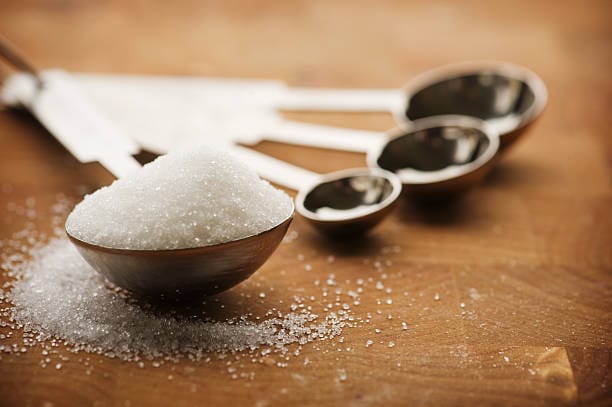
White sugar, or table sugar, is the sweet, crystalline ingredient that makes your coffee a morning lifesaver and your cookies delightful treats. It is taken from sugar cane or sugar beets, refined to get rid of all the natural nutrients, bleached to remove color, and then crystallized into the familiar, sparkly granules we know so well.
But behind this sweetness hides a bitter truth. Excessive sugar intake is linked to tooth decay, weight gain, and a higher risk of chronic illnesses like diabetes, heart disease, and fatty liver. In short, it’s like inviting a guest to the party who leaves behind a big mess.
Once upon a time in America, meals came straight from the farm. Families grew vegetables, baked bread at home, and sweet treats were rare—reserved for holidays or celebrations. Food was wholesome, seasonal, and nourishing.
Then came the food revolution. Factories started producing packaged snacks, sodas, and sugar-loaded treats. What was once a luxury became an everyday habit. The results? Expanding waistlines, rising health problems, and the decline of the traditional family meal.
But here’s the good news: today, more and more people are asking, “If not white sugar, then what?”
White Sugar: Sweet Today, Sour Tomorrow – Here’s Why
We all love that quick sugar rush—but here’s the catch: white sugar is not just a sweetener, it’s a troublemaker dressed in sparkly crystals. Let’s break down why:
Mood Swings : Sugar is like that friend who hypes you up for a great time but disappears when things get tough. You feel energetic for a moment, then end up lethargic, irritable, and moody.
Functional medicine insight: Excess sugar spikes blood glucose, which forces your pancreas to release insulin. When the levels crash afterward, it can trigger cortisol (the stress hormone), leaving you cranky and fatigued.
We all love that quick sugar rush—but here’s the catch: white sugar is not just a sweetener, it’s a troublemaker dressed in sparkly crystals. Let’s break down why:
Skin Sabotage : Want to avoid looking like a pepperoni pizza? Sugar can accelerate aging faster than a time-traveling grandma. It’s notorious for fueling breakouts and dull skin.
Functional medicine insight:High sugar causes glycation, a process where sugar molecules damage collagen and elastin—the proteins that keep your skin firm and youthful. It also feeds yeast and bad bacteria in the gut, triggering acne and inflammation.
Energy Rollercoaster : Sugar gives you a quick boost but drops you harder than a caffeine hangover. It’s like driving a car that constantly runs out of gas.
Functional medicine insight: Simple sugars are absorbed quickly, spiking blood sugar and insulin. This rollercoaster creates energy highs followed by hypoglycemia (sugar crash), leaving you drained and craving more sweets.
Brain Fog: Too much sugar can make your brain feel like cotton candy—fluffy, distracted, and sluggish. Clear thinking? Overrated… just kidding—it’s essential!
Functional medicine insight:High sugar intake impairs insulin signaling in the brain, reducing glucose availability for neurons. Over time, it’s linked to memory decline and even higher risk of neurodegenerative conditions.
Weight Gain : Sugar doesn’t just disappear after you eat it—it signals your body to store fat, especially around the belly.
Functional medicine insight:Excess sugar raises insulin and triglycerides, driving visceral fat storage and increasing the risk of obesity and metabolic syndrome.
Candida Overgrowth: Sugar is the favorite food of harmful yeast like Candida albicans. Too much of it can throw your gut microbiome off balance.
Functional medicine insight: High sugar intake feeds pathogenic yeast, leading to bloating, fatigue, brain fog, and recurring infections.
Inflammation : Sugar acts like fuel for the body’s fire, sparking inflammation that slowly damages tissues and organs.
Functional medicine insight:Refined sugar promotes the release of inflammatory cytokines, contributing to conditions like arthritis, heart disease, and autoimmune flare-ups.
A Little Experiment
Try quitting white sugar for just two weeks. Notice how your energy stabilizes, your skin glows, and your mind feels sharper. Functional medicine sees food as information for your body—and without sugar’s toxic messages, your cells get the clarity to heal and thrive.
Because at the end of the day, the sweetest thing you can give yourself isn’t another spoonful of sugar—it’s lasting health.
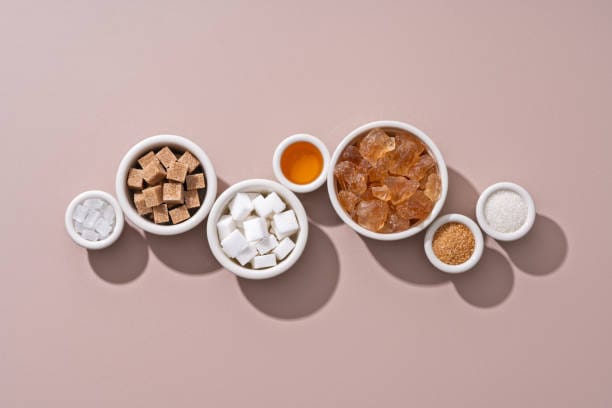
Replacements for Sugar:
Tired of white sugar making you feel bad? Say hello to the sweet revolution! From the mystical powers of monk fruit to the ancient secrets of molasses, we’ve got the inside scoop on delicious sugar alternatives that’ll make your taste buds dance and your waistline rejoice. Time to kick refined sugar to the curb and sweeten up your life with these health-friendly superheroes!
Try quitting white sugar for just two weeks. Notice how your energy stabilizes, your skin glows, and your mind feels sharper. Functional medicine sees food as information for your body—and without sugar’s toxic messages, your cells get the clarity to heal and thrive.
Because at the end of the day, the sweetest thing you can give yourself isn’t another spoonful of sugar—it’s lasting health.
Replacements for Sugar:
Tired of white sugar making you feel bad? Say hello to the sweet revolution! From the mystical powers of monk fruit to the ancient secrets of molasses, we’ve got the inside scoop on delicious sugar alternatives that’ll make your taste buds dance and your waistline rejoice. Time to kick refined sugar to the curb and sweeten up your life with these health-friendly superheroes!
Sweet Swaps: Healthier Alternatives to White Sugar
=
We all crave sweetness—it’s part of being human. But refined sugar is one of the main drivers of obesity, diabetes, fatty liver, and chronic inflammation. The good news? You don’t have to give up sweetness. Nature has already given us plenty of healthier, nutrient-packed alternatives. Let’s meet them!
Stevia – The Zero-Calorie Leaf
Stevia, from the Stevia rebaudiana plant, is 200–300 times sweeter than sugar but contains almost no calories. It has a glycemic index of zero, doesn’t spike blood sugar, and is safe for diabetics. Stevia also supports dental health and provides antioxidant protection.
Sugar Alcohols – Sweet, But Gentle
Sugar alcohols (like xylitol, erythritol, sorbitol, maltitol) are low-calorie sweeteners found in fruits and vegetables. They don’t cause cavities and are blood-sugar-friendly. But because they’re not fully absorbed, large amounts can cause bloating, gas, or diarrhea.
Monk Fruit – The Ancient Sweetener
Used in Traditional Chinese Medicine, monk fruit gets its sweetness from compounds called mogrosides, which are 150–200 times sweeter than sugar. It has zero calories, a zero glycemic index, and antioxidant benefits. Perfect for tea, coffee, or even desserts.
Allulose – The Rare Sugar
Allulose tastes and behaves like sugar but has only 0.2–0.4 calories per gram (just 1/10th of sugar). It doesn’t raise blood sugar or insulin, making it ideal for diabetics. Plus, it doesn’t cause cavities or digestive distress like some sugar alcohols.
Dates – Nature’s Caramel
Dates are naturally sweet and packed with fiber, potassium, magnesium, and antioxidants. They give a quick energy boost and support digestion, heart health, and bone strength. Best used in smoothies, energy bars, or as a natural caramel substitute.
Fruit Purées – Sweet + Nutritious
Banana or applesauce purée makes baked goods moist and sweet, while also adding fiber, vitamins, and minerals. They work great as a 1:1 replacement for sugar in recipes—just reduce other liquids slightly.
Yacon Syrup – Sweet for Your Gut
Yacon syrup, from the Andes, is low in calories and rich in fructooligosaccharides (FOS), which feed good gut bacteria. It supports digestion, helps regulate appetite, and has a very low glycemic impact—great for diabetics.
Maple Syrup – Sweet + Mineral Rich
Pure maple syrup contains manganese, zinc, calcium, and antioxidants. It has a higher sugar content than other alternatives, so moderation is key—but it brings both nutrients and flavor to the table.
Molasses – The Mineral Syrup
Especially blackstrap molasses, which is packed with iron, calcium, magnesium, and potassium. It’s a nutrient powerhouse compared to sugar, supports blood production and bone health, and adds depth to baking and marinades.
Coconut Sugar – The Sustainable Choice
Made from the sap of coconut palms, coconut sugar is more nutrient-dense than table sugar. It has a lower glycemic index, contains small amounts of zinc, iron, and potassium, and is eco-friendly. Works as a 1:1 sugar substitute in most recipes.
Quick Comparison Chart: Sugar vs Natural Sweeteners
Sweetener
Calories (per g)
Glycemic Index
Benefits
Side Effects / Cautions
White Sugar
4
65
Quick energy
Spikes blood sugar, causes weight gain, tooth decay, inflammation
Stevia
~0
0
Zero calories, safe for diabetics, antioxidants
Some find aftertaste
Sugar Alcohols (Xylitol, Erythritol)
0.2–2.4
0–12
Fewer calories, cavity protection
Bloating, gas, diarrhea in excess
Monk Fruit
~0
0
Antioxidants, zero calories, diabetic-friendly
Often mixed with fillers
Allulose
0.2–0.4
~0
Tastes like sugar, no spikes, tooth-friendly
Very high doses may cause mild bloating
Dates
3
42
Fiber, minerals, antioxidants
High natural sugar, use moderately
Fruit Purées
0.6–1 (per tbsp)
Low
Adds fiber, vitamins, moisture
Can alter texture of recipes
Yacon Syrup
1.3
Very Low
Prebiotic, gut-friendly, supports weight loss
Excess may cause bloating
Maple Syrup
2.6
54
Minerals (manganese, zinc), antioxidants
Still high in sugar, use moderately
Molasses
3
55
Rich in iron & minerals, antioxidants
Strong taste, still sugary
Coconut Sugar
3.8
35
Minerals, lower GI, eco-friendly
Still calorie-dense, use moderately
Key Takeaway:
You don’t need to quit sweetness—you just need to choose it wisely. Natural sweeteners provide taste plus nutrients, unlike white sugar which gives only empty calories and health risks.
Health Risks: Too much sugar can lead to heart disease, diabetes, obesity, and fatty liver.
Mood Swings: High sugar diets can make you more susceptible to depression.
Tooth Trouble: Excess sugar feeds bad bacteria in your mouth, causing cavities and gum disease.
Do You Have to Ditch Sugar Completely?
Nope! You don’t need to go cold turkey. Just aim for a balanced diet.
Whole Foods Rule: Fill up on veggies and fruits—they’re packed with nutrients and keep you feeling good.
Sweeten Sparingly: Enjoy added sugars in moderation. A little treat now and then won’t hurt!
Tips for Cutting Down on Sugar:
Read Labels: Keep an eye on sugar content in processed foods.
Swap Smartly: Use natural sweeteners like fruit purées in baking.
Snack Wisely: Opt for whole, nutrient-dense snacks over sugary ones.
By making these small changes, you’ll cut down on sugar and boost your overall health—without sacrificing all your sweet treats!
References
Romo-Romo, A., Aguilar-Salinas, C. A., Brito-Córdova, G., Gómez-Díaz, R. A., Valentín, D. V., & Almeda-Valdes, P. (2016). Effects of the non-nutritive sweeteners on glucose metabolism and appetite regulating hormones: Systematic review of observational prospective studies and clinical trials. PLoS ONE, 11(8), e0161264. https://doi.org/10.1371/journal.pone.0161264
Martyn, D., Darch, M., Roberts, A., Lee, H. Y., Tian, T. Y., Kaburagi, N., & Belmar, P. (2018). Low-/no-calorie sweeteners: A review of global intakes. Nutrients, 10(3), 357. https://doi.org/10.3390/nu10030357
Grembecka, M. (2015). Sugar alcohols—their role in the modern world of sweeteners: A review. European Food Research and Technology, 241(1), 1–14. https://doi.org/10.1007/s00217-015-2437-7
Sound has long been recognized across traditions as a potent healing tool and promoting mental well-being—Ayurveda embraces sound as a vibrational means of restoring balance. Specific sounds and mantras are believed to resonate with different energy centers in the body (chakras), influencing the flow of prana (life force energy).
What Is Sound and How It Affects the Body
Nature of Sound:
A wave produced by vibration, traveling through mediums (air, liquid, solids). Even beyond hearing, lower frequencies can physically be felt.
Recognized scientifically as foundational: “sound came first, before form” — sound creates and shapes matter.
Resonance:
Organ systems and cells have innate resonant frequencies. Disruption can occur via stress or imbalance; sound may re-harmonize these frequencies.
Rhythm & Entrainment:
From prenatal rhythms (heartbeat, breathing) to cosmic cycles, human life is rhythmically interwoven.
Entrainment describes how one vibration harmonizes another—humans naturally entrain, even in speech.
Western Insights on Sound Healing
Water Crystal Experiments (Masaru Emoto):
Music shapes water crystals; “healing music” imprints patterns affecting mood and harmony.
The Mozart Effect & Personal Healing:
A musician recovered from a brain clot through humming and visualization; sound actively influenced physiological healing.
Brainwave & Vital Signs Modulation:
Music can slow brain waves, reduce stress, and alter heart rate and blood pressure. Some forms of rock music speed up heart rate; classical music and chants promote calm.
Therapeutic Impact on Neurological Conditions:
Music therapy aids stroke and Parkinson’s patients—“frozen” individuals often respond to rhythm, regaining movement.
Clinical Studies:
Stroke Recovery: Patients listening to music showed greater improvement in verbal memory and attention, with better mood.
Low-frequency Sound Therapy: In elderly individuals, it improved blood pressure, mobility, and bone density.
Toning & Humming:
Vocal toning reduces surgical stress, lowers BP and respiratory rate in cardiac patients, and alleviates tension during scans.
Anecdotal cases show humming resolved a cyst and helped schizophrenia patients; toning facilitates emotional release.
Tibetan Singing Bowls:
Used with visualization, bowls aided a cancer patient in locating emotional blocks, promoting relaxation and insight.
Ayurvedic Understanding of Sound
Primordial Vibration & the Rishis:
Ancient sages (rishis) knew of vibratory healing and entrainment; sound was seen as foundational to life and health.
Instruments & Dosha Balance:
Bamboo flute: Soothes and balances vata.
Sitar: Captivates pitta; bold, rich tones.
Sarod: Deep, awakening tones help uplift kapha.
Mantra, Nadis & Chakras:
Sound channels pranic energy through nadis; chanting (mantra) supports emotional and spiritual states.
Mantras were used from birth in rituals and to ward off negativity.
Bija mantras are “seed sounds” for chakra activation (e.g., Lam, Vam, Ram, Yam, Ham, Ksham, Om), aligning with elemental qualities.
Om — the Primordial Sound:
Om connects individual vibrational identity to the wider universe; often described as cosmic resonance and a path to silence and unity.
Its vibration parallels the “sound” of cosmic activity, bridging ancient wisdom with modern cosmology.
Healing Ritual & Sacred Sound:
Ritualistic chanting supports energetic cleansing and deeper healing. Conscious sound is a spiritual tool and medicine.
Japa:
Japa — the practice of repeating a mantra or divine name — is a simple way to calm the mind and body. Just 10–12 minutes a day can quiet racing thoughts, steady the breath, and activate the body’s “rest-and-digest” response. This not only reduces stress but also supports GABA activity, helping balance excess glutamate. Over time, Japa builds focus, eases anxiety, improves sleep, and fosters a deep sense of inner calm.
Conclusion: Integrating Sound Healing for Mind, Body, and Spirit
The Ayurvedic and Western traditions both affirm that sound profoundly influences healing, though via different lenses.
Modern medicine now scientifically acknowledges sound’s role in physical and emotional well-being.
The integration of both approaches offers powerful, holistic healing tools—sound as vibrational medicine bridges body, mind, and spirit.
Imagine this: you’re lying awake at night, your mind restless, your body tense. No matter how hard you try, your thoughts just won’t stop racing. You want peace, but stress and anxiety seem louder than any silence you can create.
What if I told you that the key to calming your mind, lowering your stress, and restoring balance doesn’t come from a pill — but from something already inside you? Something as simple as a sound.
Welcome to the world of sound therapy and vibration healing.
The Ancient Wisdom of Sound
From the chants of monks in Himalayan monasteries, to tribal drumming in Africa, to the “Om” that resonates through yoga studios worldwide — sound has always been used as medicine. For centuries, cultures across the globe have recognized that vibration and sound can shift our energy, clear emotional blocks, and promote healing.
Modern science is now catching up, showing that certain frequencies can reduce anxiety, calm the nervous system, balance hormones, and even enhance immune function.
And one of the most accessible ways to experience this? Humming.
Why Sound Works on Stress and Anxiety
Every cell in your body vibrates. Your brain, your heart, even your gut has rhythm. Stress and anxiety throw these rhythms out of tune, creating chaos in your internal “orchestra.” Sound therapy works like a tuning fork — gently bringing your system back into harmony.
Vibration travels deep through tissues, bones, and fluids, shifting how your body feels and functions.
Specific sounds calm the nervous system, activating the parasympathetic response (“rest and digest”).
Rhythmic patterns entrain the brain, pulling you away from scattered, anxious states into calm, coherent brainwaves.
Humming: The Inner Sound Therapy
Humming may feel simple, but it is one of the most profound self-healing tools available. When you hum, the vibrations ripple through your sinuses, chest, and even into your brain, stimulating healing pathways.
How to Hum: Different Techniques
Basic Humming :
Preparation: Find a comfortable, quiet location. Sit with your back straight, and ideally, close your eyes to amplify the ability to feel the resonance.
Breathing: Practice diaphragmatic breathing: inhale slowly and deeply, feeling your belly expand, and then gently release the breath. This increases oxygen supply and energy.
The Sound: Start with an “mmmmm” sound, like showing appreciation for delicious food. You can also begin with the mantra “Om” or the word “hum,” elongating the “mmmmm” sound after a brief initial vowel.
Mouth and Nose: Keep your lips gently closed, ensuring no air escapes from your mouth. Your nose must be open for humming.
Pitch and Volume: Choose a comfortable pitch, ideally within your normal speaking voice range, without straining your vocal cords. Louder is not better; gentle, comfortable sounds are most effective.
Duration: Hold the hum for 5-10 seconds, or as long as comfortable.
Feeling the Vibrations :
Practice: Hum for about five minutes, focusing on where in your body you feel the sound. You’ll likely feel vibrations in your vocal cavity, skull, or chest, but it can manifest in many places.
Post-Humming: After humming, remain seated quietly with eyes closed for five minutes to relax and notice any changes. Then, take five minutes to ground yourself, wiggling your toes or fingers to reconnect with your surroundings.
Changing Pitch:
Experimentation: Hum at a comfortable pitch, then try slightly lowering and raising your pitch to feel the subtle vibrational changes. This helps you understand how different pitches resonate in different parts of your body.
Humming a Song: Hum a familiar song or tune, consciously noticing how the varying notes vibrate different parts of your body.
Try humming gently for just 5 minutes before bed, and you’ll notice your thoughts slowing down, your body softening, and sleep coming more naturally.
Beyond Humming: Other Sound & Vibration Practices
Sound therapy isn’t limited to humming. Here are a few other practices that can transform your stress into serenity:
Chanting “Om” – This ancient mantra resonates through the chest and skull, creating a sense of deep grounding and connection.
Tuning Fork Therapy – Different frequencies applied to the body can release muscle tension and emotional blockages.
Crystal Singing Bowls – Their pure tones can shift brainwaves from anxious beta states into relaxed alpha or meditative theta states.
Drumming & Rhythmic Sounds – Repetitive beats calm overactive thoughts and induce meditative states, helpful for stress and trauma release.
Bhramari Pranayama (Bee Breath) – A yogic humming technique that not only relaxes but also balances hormones, sharpens focus, and soothes anxiety.
Listening to 432Hz or 528Hz Music – These healing frequencies are believed to restore natural harmony within the body and reduce mental stress.
Here are some key benefits:
Stress Reduction: Humming can radically reduce stress, lowering levels of stress-related hormones like cortisol. Just five minutes of humming can induce a relaxation response by deactivating the brain’s limbic system, which controls emotion.
Cardiovascular Health: It can lower blood pressure and heart rate significantly by inducing “parasympathetic dominance” on the cardiovascular system. The vagus nerve, highly associated with sound and vocalisation, plays a key role in slowing heart rate, dilating blood vessels, and activating digestion.
Increased Nitric Oxide (NO) Levels: Humming triggers the release of nitric oxide, a crucial molecule that enhances the immune, cardiovascular, and respiratory systems. NO causes vasodilation, widening blood vessels to increase blood flow and decrease blood pressure. Humming in the nasal cavity can greatly increase NO levels, which may help clear a stuffy nose. Sound vibration can cause cells throughout the body to release NO, suggesting humming acts as an internal sonic massage.
Enhanced Lymphatic Circulation: Humming increases oxygen levels in cells, partly due to deep breathing and NO release. It helps circulate and filter lymph fluid, transporting white blood cells and enhancing immune response.
Improved Sleep and Mood: Self-created sounds stimulate the pineal gland to release melatonin, a hormone associated with circadian rhythms, sleep patterns, and powerful antioxidant and anti-inflammatory effects. It can also trigger serotonin release, leading to balanced moods.
Endorphin Release: Humming generates endorphins, opiate-like neurotransmitters that block pain and contribute to feelings of pleasure and euphoria. This suggests humming can lead to happiness and reduce physical pain.
Oxytocin Release: Activities involving making sounds with others, like humming, can stimulate the release of oxytocin, known as the “trust” or “love hormone,” facilitating bonding and empathy.
Neurological Benefits: The “Humming Hypothesis” suggests that humming creates vibrations in the brain that stimulate neurochemicals and microtubules, potentially leading to the repair of damaged cells, generation of new cells, and formation of new neural networks. This has great implications for conditions like Alzheimer’s, strokes, brain injuries, and PTSD. Humming can stimulate neuroplasticity, allowing the brain to remap itself after injury.
Hormonal and Metabolic Balance: Particularly with advanced techniques like Bhramari Pranayama, humming is said to invigorate the thyroid gland, balance hormonal secretions, help balance blood sugar levels, and enhance the oxidisation of fats.
Relief for Various Ailments: It may help relieve migraines, control respiratory disorders (like asthma), alleviate throat ailments, relieve sinus infections, and cure insomnia. It can also relieve the mind of anger, agitation, frustration, and anxiety.
The Inner Journey: Sound as a Path, Not Just a Tool
Think of sound not just as something you hear — but as something you feel. When you hum, chant, or simply sit with the resonance of a singing bowl, your entire system shifts. It’s not about being musical; it’s about reconnecting with your body’s natural language — vibration.
The beautiful part is, sound therapy doesn’t require expensive equipment or hours of practice. You can start with your own voice, anytime, anywhere.
Feeling anxious at work? Step aside and hum quietly for 2 minutes.
Trouble sleeping? Try a few rounds of “Om” before bed.
Feeling heavy emotions? Let yourself release them through sound — a gentle hum, a chant, or even toning out loud.
Sound Instead of Medication?
For many, stress and anxiety lead straight to a prescription pad. While medication has its place, it often comes with side effects and dependency. Sound therapy is natural, safe, and empowering. It allows you to be an active participant in your healing, rather than relying solely on external solutions.
Benefits of Daily Sound Healing Practice
Benefits of Daily Sound Healing Practice
Reduces Stress & Anxiety
Humming and Om chanting activate the vagus nerve, calming the nervous system.
Lowers cortisol (the stress hormone) and promotes deep relaxation.
Evening practice can quiet the mind and prepare the body for restful sleep.
Balances Mood & Emotions
Sound vibrations increase serotonin and endorphins, creating a sense of happiness and well-being.
Helps ease feelings of agitation, frustration, or sadness.
Supports Heart & Lung Health
Chanting and humming naturally slow down breathing and heart rate.
Improves oxygen circulation and strengthens respiratory function.
Strengthens Connection with Self
The combination of sound and silence fosters mindfulness and self-awareness.
Encourages gratitude, compassion, and inner peace.
Boosts Immunity
Humming increases nitric oxide levels, which support immune, cardiovascular, and respiratory health.
Vibrations also stimulate lymphatic flow, aiding detoxification.
Enhances Focus & Mental Clarity
Rhythmic sound entrains brainwaves into calm alpha and theta states.
Improves concentration, creativity, and memory over time.
Promotes Inner Healing & Harmony
Vibrations travel through tissues, calming the body at a cellular level.
Regular practice can support recovery from fatigue, emotional burnout, and even chronic conditions.
Your Invitation
The next time stress feels overwhelming, pause. Close your eyes. Breathe deeply. And hum.
Feel the vibration in your chest, your face, your whole being. Let the sound carry your worries out of your body. Allow it to guide you back into balance, into harmony, into yourself.
Because sometimes, the medicine we’re searching for isn’t outside — it’s the sound within us.
Try This: 5-Minute Humming for Stress Relief
You don’t need any special skill, just a quiet space and your own voice.
Step 1 – Find Your Space :Sit comfortably in a chair or cross-legged on the floor. Keep your back straight but relaxed. Close your eyes if that feels good.
Step 2 – Breathe : Take a slow, deep breath in through your nose, letting your belly rise. Gently exhale through your nose. Repeat this for 2–3 breaths to settle in.
Start Humming : On your next exhale, hum gently with lips closed: “mmmmmm.”
Feel the vibration in your face, throat, or chest.
Don’t force it — let it be soft and comfortable.
Step 4 – Continue Rhythmically : Inhale slowly through your nose, then hum again on the exhale. Repeat this cycle for about 5 minutes.
Step 5 – Notice & Rest : After your last hum, sit quietly for a minute. Notice how your body feels — calmer, lighter, maybe even warmer. Take a deep breath, wiggle your fingers and toes, and gently open your eyes. That’s it. In just five minutes, you’ve given your nervous system a reset, your mind a pause, and your body a natural dose of relaxation hormones.
You can do this first thing in the morning to set the tone for the day, or in the evening to unwind.
Step 1 – Arrival (2 minutes)
Sit comfortably with your back straight (chair or floor).
Close your eyes and place one hand on your chest, one on your belly.
Take 3 slow breaths: inhale deeply through your nose, exhale fully through your mouth.
With each breath, imagine releasing tension and inviting calm.
Step 2 – Gentle Humming (4 minutes)
Inhale through the nose.
Exhale with a soft hum: “mmmmmm…”
Feel the vibration in your lips, cheeks, and chest.
Keep your humming comfortable — not too loud or forced.
Imagine each hum spreading waves of relaxation through your body.
(Tip: You can vary your pitch slightly — higher to feel vibrations in your head, lower to feel them in your chest.)
Step 3 – Om Chanting (4 minutes)
Take a deep breath and chant “Om” slowly on your exhale:
“Ooo…” (belly & chest vibrate)
“Mmm…” (skull & forehead vibrate)
Repeat for 6–8 rounds.
Allow the sound to resonate fully before the next breath.
As you chant, imagine yourself tuning into harmony — like an instrument being rebalanced.
Step 4 – Silent Stillness (2 minutes)
After your last Om, sit quietly in silence.
Focus on the echoes of sound inside your body.
If thoughts arise, let them pass like clouds, and return to the feeling of calm.
Place both hands on your heart, take one last deep breath, and whisper a word of gratitude (e.g., peace, calm, healing).
Total Time: ~12 minutes
With regular practice, this routine helps release stress, improve mood, calm anxiety, and reconnect you with your inner harmony — without any medication, just your own breath and voice.
Additional Helpful Information
Start Small and Be Gentle: Introduce new humming practices gradually. Do not overextend the hum to the point of discomfort. Practice makes perfect; the more you practice, the more skilled you will become.
Journal Your Experience: Keep a notebook to record your thoughts, feelings, and the effects you experience after each session. This can be very helpful for tracking your progress and understanding the nuances of your unique experience.
Trust Your Intuition: There is no one “right” way to hum. Experiment with different methods and pitches to find what feels most natural and comfortable for you as a “unique vibratory being”.
Anecdotal Evidence is Important: While scientific validation is crucial, repeated anecdotal reports of positive outcomes suggest a phenomenon is likely true, even if not yet scientifically proven.
Weitzberg, E., & Lundberg, J. O. (2002). Humming greatly increases nasal nitric oxide. American Journal of Respiratory and Critical Care Medicine, 166(2), 144–145.
Porges, S. W. (2011). The Polyvagal Theory: Neurophysiological Foundations of Emotions, Attachment, Communication, and Self-Regulation. W. W. Norton & Company.
Bhramari Pranayama (Bee Breath):
Telles, S., Nagarathna, R., & Nagendra, H. R. (1998). Autonomic changes during “OM” meditation. Indian Journal of Physiology and Pharmacology, 42(3), 467–472.
Sound Healing & Brainwave Entrainment :
Wahbeh, H., Calabrese, C., & Zwickey, H. (2007). Binaural beat technology in humans: a pilot study to assess psychologic and physiologic effects. The Journal of Alternative and Complementary Medicine, 13(1), 25–32.
Lehikoinen, J. K. (2005). Vibrational healing: Sound therapy and the human biofield. Subtle Energies & Energy Medicine Journal, 16(3), 255–270.
Books for General Readers :
Goldman, J. (2017). The Humming Effect: Sound Healing for Health and Happiness. Healing Arts Press.
Campbell, D. (2000). The Mozart Effect: Tapping the Power of Music to Heal the Body, Strengthen the Mind, and Unlock the Creative Spirit. HarperCollins.
Millets: Functional Grains for a Healthier Life In recent years, there’s been a growing shift toward holistic nutrition and food-as-medicine philosophies. At the forefront of this movement are millets, a group of ancient gluten-free grains that perfectly align with the functional foods approach. These small-seeded grasses have been cultivated for thousands of years and are now gaining renewed attention for their impressive nutritional value and wide-ranging health benefits.
Packed with plant-based protein, essential minerals, and antioxidants, millets are ideal for promoting gut health, managing blood sugar, and reducing inflammation. This guide explores the different types of millets, their health benefits, and how they can support specific conditions like diabetes, thyroid dysfunction, and autoimmune diseases.
Foxtail millet is a rich source of protein, fiber, phosphorus, magnesium, and iron. As a gluten-free grain, it’s ideal for those with celiac disease or gluten sensitivity. Its low glycemic index makes it an excellent addition to millets for diet plans for diabetics, helping regulate blood sugar levels naturally.
2. Pennisetum glaucum (Pearl Millet or Bajra)
Known for its drought tolerance, pearl millet is rich in iron, magnesium, and phosphorus. It supports heart health, aids digestion, and provides lasting energy. Its high fiber content makes it effective in millets for weight loss diets and beneficial for those with autoimmune diseases.
3. Eleusine coracana (Finger Millet or Ragi)
This nutrient-dense millet is renowned for its high calcium and antioxidant content, supporting bone strength and reducing oxidative stress. Finger millet is especially beneficial for thyroid health, weight management, and maintaining blood sugar balance, making it a core part of any millet-based diet.
4. Echinochloa esculenta (Barnyard Millet or Sanwa)
Barnyard millet is rich in protein and fiber and has a low glycemic index. It’s known to improve cardiovascular health and aid in sustainable energy release, making it suitable for individuals managing diabetes or pursuing weight loss.
5. Panicum miliaceum (Proso Millet or Broomcorn Millet)
Adaptable and antioxidant-rich, proso millet provides essential amino acids and is low in fat. It’s a versatile grain, ideal for soups, salads, or sweet dishes and fits well into a gluten-free and autoimmune-friendly diet.
6. Panicum sumatrense (Little Millet)
Despite its small size, little millet is nutrient-packed with iron, zinc, protein, and fiber. Its low glycemic index and gluten-free nature make it a preferred grain for those managing diabetes, thyroid issues, or autoimmune diseases.
7. Sorghum bicolor (Sorghum Millet)
Sorghum grain is 72% carbohydrates including 7% dietary fiber, 11% protein, 3% fat, and 12% water (table). In a reference amount of 100 grams (3.5 oz), sorghum grain supplies 329 calories and rich contents (20% or more of the Daily Value, DV) of several B vitamins and dietary minerals (table).
8. Urochloa ramosa (Browntop Millet)
High in fiber and protein, browntop millet promotes good digestion, helps in weight management (improving BMI), supports heart health, and boosts kidney and liver function. It is known to help manage diabetes. Browntop can be used as a rice substitute in dishes like Khichdi, Idli, Upma, Pulao, or ground into flour for making chapatis, dosas, and healthy snacks.
9. Paspalum scrobiculatum (Kodo Millet)
Kodo millet is a monocot and an annual grass that grows to heights of approximately four feet. It has an inflorescence that produces 4–6 racemes that are 4–9 cm long. Its slender, light green leaves grow to be 20 to 40 centimeters in length. The seeds it produces are very small and ellipsoidal, being approximately 1.5 mm in width and 2 mm in length; they vary in colour from being light brown to a dark grey. Kodo millet has a shallow root system that may be ideal for intercropping.
Millets are celebrated for their broad nutritional profile, supporting both preventive and therapeutic health strategies:
High in Dietary Fiber: Promotes digestive health and satiety, helping in weight management.
Rich in Essential Minerals: Includes iron, calcium, magnesium, and phosphorus—vital for bone health and anemia prevention.
Plant-Based Proteins: Support muscle repair and are ideal for vegan and vegetarian diets.
Low Glycemic Index: Controls blood sugar spikes, making millets effective in diabetic diets.
Naturally Gluten-Free: Safe for people with celiac disease or gluten sensitivity.
Rich in Antioxidants: Combat oxidative stress and inflammation, supporting immune health.
Millets for Diabetes and Blood Sugar Regulation
The low glycemic index of most millets ensures gradual glucose release, helping diabetics maintain stable energy and blood sugar levels. Foxtail, finger, and barnyard millets are particularly beneficial for this purpose, making them cornerstone ingredients in millets for diabetes meal planning.
Millets and Thyroid Health: What You Need to Know
While millets offer rich nutrition, their impact on thyroid health depends on balanced consumption:
Iodine Consideration: Millets like pearl millet contain compounds that may interfere with iodine uptake. It’s crucial to balance millet intake with iodine-rich foods.
Goitrogens: Found in some millets, but their impact is reduced through cooking.
Best Choices: Foxtail millet and finger millet are better suited for those with thyroid issues, especially when well-cooked and consumed in moderation.
Why Millets Are a Better Choice Than Wheat for Autoimmune and Diabetic Conditions
For individuals managing autoimmune diseases or diabetes, millets offer several advantages over wheat:
Lower Glycemic Index
Higher Fiber Content
Naturally Gluten-Free
Anti-Inflammatory Properties
Greater Nutritional Diversity
Support for Immune Modulation
These factors make millets safer and more functional for managing chronic conditions compared to gluten-rich wheat products.
What Are Pseudo-Millets, and Why Should You Care?
Pseudo-millets are seeds from broadleaf plants that are not true cereals but are used like grains due to similar nutritional profiles and culinary uses. Unlike true millets (which are grasses), pseudo-millets belong to different botanical families. They include:
Quinoa: A complete protein, as it contains all nine essential amino acids that your body cannot produce on its own and must get from food, and excellent for gluten-free diets.
Amaranth: High in iron, fiber, and calcium—great for inflammation and heart health.
Buckwheat: Known to support heart health and blood sugar regulation.
These are excellent additions to a millet-based diet, especially for those with autoimmune disorders or gluten intolerance.
Seasonal Availability and How to Add Millets to Your Diet
Millets are seasonally versatile
Summer: Sorghum (Jowar)
Monsoon: Finger millet (Ragi), Foxtail millet
Autumn: Barnyard millet, Little millet
Winter: Kodo millet, Proso millet,Pearl millet (Bajra),
Easy Ways to Include Millets:
Rotis & Flatbreads with millet flours
Porridges, Upma, or Khichdi
Millet-based malt drinks
Dosas & Idlis using millet batter
Rice Substitutes in pulao or pilaf
Many of us struggle to make soft millet chapatis—they crack, break, or turn hard.
So here’s my tried-and-tested 1:1 method for making soft, pliable millet rotis. This method works beautifully with any type of millet flour—jowar, bajra, ragi, or even mixed millets.
Ingredients:
1 cup millet flour (e.g., jowar, bajra, or ragi)
1 cup boiling water
A pinch of salt (optional)
Instructions:
Boil the water
In a pan, bring 1 cup of water to a boil. Add a pinch of salt if desired.
Turn off the heat and immediately add 1 cup of millet flour into the hot water.
Stir quickly with a spoon or spatula to combine into a rough dough.
Let the mixture cool slightly until warm (not hot).
Knead it into a soft, smooth dough using your hands. (If it’s too sticky, add a little flour. If too dry, sprinkle warm water.)
Divide the dough into small balls.
Flatten and roll gently into round chapatis using dry millet flour for dusting.
Cook on hot tawa
Tips:
Use freshly milled flour for best softness.
Always use boiling water for this method—it activates the starch and softens the dough.
Eat warm for the best taste and texture.
Including a variety of millets in your diet helps ensure balanced nutrition year-round. For more inspiring millet-based recipes, head over to theRecipe section on our website, “Hormone Reset.”
Conclusion: Unlocking the Full Health Benefits of Millets
Millets are more than a dietary trend—they’re an essential part of a functional food approach to wellness. From managing blood sugar and promoting thyroid health to aiding weight loss and supporting those with autoimmune diseases, millets offer unmatched versatility and nourishment.
Whether you’re seeking sustainable nutrition or managing chronic conditions, adopting a millet-based diet can transform your health from the inside out.
Call to Action
Make the switch today: Start small by adding one type of millet to your weekly meals. Rotate between foxtail, finger, and pearl millet to experience their benefits firsthand.
Keep a food journal when adding millets to your diet. Noting daily changes in energy, digestion, mood, or skin helps you catch subtle improvements most people miss. Your body speaks in signs—tracking helps you listen!
Looking for more personalized millet meal ideas or diet plans? Explore Hormone Reset—your smart companion for functional nutrition.
References
Saleh, A. S., Zhang, Q., Chen, J., & Shen, Q. (2013). Millet grains: Nutritional quality, processing, and potential health benefits. Comprehensive Reviews in Food Science and Food Safety, 12(3), 281–295.
Devi, P. B., et al. (2014). Health benefits of finger millet (Eleusine coracana L.) polyphenols and dietary fiber: A review. Journal of Food Science and Technology, 51(6), 1021–1040.
National Institute of Nutrition. (2020). Nutrient Requirements and Recommended Dietary Allowances for Indians.
FAO. (2018). The Role of Millets in Sustainable Agriculture and Nutrition.
Pathak, R. K. (2021). The Role of Millets in Managing Diabetes and Thyroid Conditions. Journal of Functional Foods and Nutraceuticals, 6(1), 45–53.
Cycle syncing is an all-encompassing method of managing your menstrual cycle that entails coordinating your lifestyle, physical activity, and diet with the different phases of your cycle.
This enhances both your physical and emotional well-being and your performance.
The menstrual cycle has four phases: menstruation, the follicular phase, ovulation, and the luteal phase. Each phase is connected to specific hormonal and physiological alterations in a woman’s body that may impact different facets of her physical and emotional wellbeing. Women can enhance their general well-being by understanding these changes and adjusting to them.
Cycle synchronisation advantages
Cycle synchronisation can benefit women in a variety of ways, including:
Possibility of fewer menstrual symptoms like mood swings, bloating, and cramps
Make your exercise regimen more efficient and effective.
Optimum energy management is achieved by timing activities to coincide with hormonal changes that occur naturally
Enhancing focus and productivity by taking advantage of times of increased energy and mental clarity
Potential control of hormonal balance and menstrual cycles over time
Live in harmony with your body.
Describe the best time to conceive and offer fertility support.
Greater sense of control over one’s body and connection to it
Potential improvement in sleep quality and stress management
Potential improvement in overall well-being and quality of life.
Let us quickly review the menstrual cycle’s various phases!
Menstruation: is the first phase of the menstrual cycle, which begins on the first day of bleeding. During menstruation, the uterus sheds its lining, causing the vagina to leak blood and tissue. Hormone levels, especially estrogen and progesterone, are relatively low during this phase, which may cause fatigue and bloating.
Follicular Phase: The follicular phase begins immediately after menstruation and lasts until ovulation. During this stage, the pituitary gland secretes follicle-stimulating hormone (FSH), which stimulates ovarian follicle growth and maturation. These follicles contain eggs and produce estrogen as they grow. Estrogen is essential for thickening the uterine lining and preparing it for pregnancy. During this phase, estrogen levels are increasing gradually, which can improve your mood and energy levels.
Ovulation: Ovulation typically happens 14 days before the start of the subsequent period, in the middle of the menstrual cycle.The dominant follicle bursts during ovulation, releasing a mature egg from the ovary. An increase in luteinizing hormone (LH) produced by the pituitary gland initiates this process. Just before ovulation, estrogen levels reach their peak, encouraging egg release and raising cervical mucus to allow sperm movement.
Your mood, energy level, and libido can all improve because estrogen and progesterone levels are at their highest during this phase.
Luteal Phase: The luteal phase begins after ovulation and lasts until the following period. The ovary’s ruptured follicle develops into the corpus luteum after the egg has been released from it. Progesterone, which is produced by the corpus luteum, helps to maintain and thicken the uterine lining in preparation for the implantation of a fertilized egg. In the absence of fertilization, estrogen and progesterone levels drop, causing the uterine lining to shed and a new menstrual cycle to begin. Your progesterone levels rise during this stage, which may result in symptoms including bloating, breast soreness, and mood swings.
How do you cycle in sync with the first phase (the menstrual phase) of your menstrual cycle?
During the menstrual phase, hormone levels, particularly estrogen and progesterone, are relatively low, which can lead to feelings of fatigue and bloating. So, it’s important that you choose your food and physical activities accordingly.
Foods to eat during the menstrual phase
Iron-Rich Foods: Because menstruation involves blood loss, it is critical to replenish iron levels. Include iron-rich foods in your diet, such as leafy greens, legumes and lean meats (if you are a non-vegetarian)
Anti-inflammatory Foods: Some women experience cramps and inflammation during their menstrual cycle.Consume anti-inflammatory foods such as fatty fish (salmon, mackerel), turmeric, ginger, and green leafy vegetables.
Hydration is critical throughout your cycle, including during menstruation. Drink plenty of structured water and eat hydrating fruits and vegetables.
Add this to your shopping list for the menstrual phase:
Green leafy vegetables
Pumpkin seeds
Millets
Lean meat
Lentils
Fatty fish
Eggs
Nuts
Turmeric
Ginger
Exercise cycle syncing guidelines during the menstrual phase
Gentle yoga or stretching: These activities can help relieve cramps and promote relaxation.
Meditation or mindfulness practices: Engaging in calming mental exercises can aid in stress reduction and emotional well-being.
Light aerobic exercises: Low-impact activities such as walking or gentle cycling can help improve circulation and mood.
How do you sync your cycle with the second phase (Follicular phase) of your menstrual cycle?
During the follicular phase, estrogen levels are gradually increasing, which can improve your mood and energy levels.
Foods to eat during the luteal phase
Follicular phase
Balanced Nutrition: Eat a well-rounded, nutrient-dense diet rich in fruits, vegetables, whole grains, lean proteins, and healthy fats. Your body will receive the nutrients it needs for optimum hormone production as a results
Foods High in Phytoestrogen: Plant compounds called phytoestrogens act as the body’s estrogen substitute. Phytoestrogen-rich foods like flaxseeds, soy products (only non-GMO varieties are recommended), lentils, and chickpeas may support hormone balance during this phase.
Foods High in Fiber: Consuming a diet rich in fiber can promote healthy digestion and assist in maintaining stable blood sugar levels. Whole grains, legumes, fruits, and vegetables are high in dietary fiber.
Your shopping list should include the following foods for the follicular phase:
Green, leafy vegetables
Flaxseeds and pumpkin seeds
Avocado
Broccoli
Nuts/seed mix
Olive oil
Zucchini
Fish
Protein sources
Exercise cycle syncing guidelines during the follicular phase
Energy-Boosting Activities: With rising estrogen levels, you may experience increased energy during the follicular phase. Utilize this by engaging in high-intensity activities like cardio, weightlifting, or HIIT (High-Intensity Interval Training)
Try Out New Exercises: The follicular phase is linked to an excitement for discovery and novelty. It is a great opportunity to try out any new hobbies or fitness classes you have been thinking about. This can inspire you to stay active and keep your workouts interesting
Focus on Endurance and Stamina: Your endurance and stamina may improve at this point. Make the most of this time by challenging yourself with longer workouts or by gradually raising the level of your workout intensity.
How do you sync your cycle with the third phase (Ovulatory phase) of your menstrual cycle?
Estrogen and progesterone are at their highest levels at this time, and the body is ready for conception. Here are some suggestions for coordinating your diet and exercise program with the third phase:
Foods to eat during the Ovulatory phase
Balanced Macronutrients: Eat a well-balanced diet that includes carbohydrates, proteins, and healthy fats. This will give your body the energy and nutrients it needs to produce hormones optimally.
Omega-3 Fatty Acids: Consume omega-3 fatty acid-rich foods such as fatty fish (salmon, mackerel, and sardines), chia seeds, flaxseeds, and walnuts. Omega-3 fatty acids are anti-inflammatory and may aid in hormonal balance.
Antioxidant-Rich Foods: Eat antioxidant-rich foods such as berries, dark leafy greens, colorful vegetables, and green tea. During this stage, antioxidants can help reduce oxidative stress and support overall health.
Add these food items to your shopping list for the ovulatory phase:
Whole grains
Eggs
Leafy green vegetables
Tomatoes
Flaxseeds and pumpkin seeds
Fruits: Berries, citrus fruits, papaya
Exercise cycle syncing guidelines during the ovulatory phase
High-Intensity Workouts: During the ovulatory phase, when estrogen and progesterone levels are at their highest, you may have more energy and endurance. Use this to your advantage by incorporating high-intensity workouts such as interval training, running, or cycling.
Resistance Training and Strength Exercises: Resistance training and strength exercises can be beneficial during this phase. They aid in the enhancement of muscle tone, strength, and bone health. Consider incorporating weightlifting, bodyweight exercises, or resistance bands.
Social and team activities: The ovulatory phase is frequently associated with increased sociability and confidence. Consider participating in group exercises or team sports that promote social interaction and a sense of camaraderie.
How do you cycle sync during the fourth phase (luteal phase) of your menstrual cycle?
During this phase, progesterone levels rise, and the body prepares for either pregnancy or the start of a new menstrual cycle. Premenstrual syndrome, or PMS, may occur.
Foods to eat during the luteal phase
Balanced Nutrition: Focus on consuming a well-balanced diet that includes a variety of fruits, vegetables, whole grains, lean proteins, and healthy fats. Aim for nutrient-dense foods to support overall health.
Complex Carbohydrates: Include complex carbohydrates such as whole grains, legumes, and starchy vegetables in your meals. These foods provide sustained energy and can help stabilize blood sugar levels.
Healthy Fats: Incorporate healthy fats from sources like avocados, nuts, seeds, and olive oil. Healthy fats can help with satiety, hormone production, and absorption of fat-soluble vitamins.
Exercise cycle syncing guidelines during the luteal phase
Moderate Intensity Workouts: Engage in moderate-intensity exercises such as brisk walking, jogging, swimming, or cycling. These activities can help maintain fitness levels while considering the potential changes in energy and mood during this phase.
Strength Training and Resistance Exercises: Continue with strength training exercises to maintain muscle tone and strength. Resistance exercises can also help support bone health.
Mind-Body Activities: Consider incorporating mind-body activities like yoga, Pilates, or tai chi, which can promote relaxation, stress reduction, and mind-body connection during the luteal phase.
Gentle Cardiovascular Exercise: If you experience bloating, breast tenderness, or other symptoms associated with the luteal phase, opting for low-impact cardiovascular exercises like elliptical training or swimming can be beneficial.
FAQs
Who all gets the most benefit out of cycle syncing?
While cycle syncing can potentially benefit individuals who menstruate, it may be particularly beneficial for those who experience noticeable changes in their energy levels, mood, and physical symptoms throughout their menstrual cycle. It may also be beneficial for individuals who are seeking a holistic approach to managing their menstrual health and overall well-being.
Here are some groups that may find cycle syncing beneficial:
Individuals with irregular menstrual cycles: Cycle syncing can help individuals with irregular cycles gain a better understanding of their hormonal patterns and potentially support cycle regulation.
People experiencing menstrual symptoms: Those who experience common menstrual symptoms such as bloating, cramps, mood swings, or fatigue may find that adapting their lifestyle to their menstrual cycle can help alleviate these symptoms.
Athletes and fitness enthusiasts: Athletes and individuals engaged in regular exercise may benefit from adjusting their training and intensity levels according to their hormonal fluctuations, potentially optimizing performance and recovery.
Individuals seeking natural approaches to hormone balance: Cycle syncing offers a natural approach to working with your body’s hormonal changes, potentially supporting hormone balance without relying solely on medical interventions.
Those interested in holistic well-being: Cycle syncing encourages a holistic approach to overall well-being, including self-care practices, nutrition, stress management, and exercise routines tailored to individual phases of the menstrual cycle.
How to start cycle syncing
To start cycle syncing, follow these steps:
Track your menstrual cycle: Begin by tracking the start and end dates of your menstrual cycle. This will help you identify the different phases and understand the timing of each phase.
Learn about the menstrual cycle phases: Familiarize yourself with the four phases of the menstrual cycle: menstruation, follicular phase, ovulation, and luteal phase. Understand the hormonal changes and typical symptoms associated with each phase.
Observe your own patterns and symptoms: Pay attention to how you feel during different phases of your menstrual cycle. Note any changes in energy levels, mood, physical symptoms, and cravings. This self-awareness will help you tailor your lifestyle to each phase.
Adjust your activities: Based on your observations, adapt your activities and routines to align with each menstrual cycle phase.
During menstruation: Prioritize rest, self-care, and gentle exercise like walking or yoga.
During the follicular phase: Engage in higher-energy activities, try new exercises, and focus on building stamina.
During ovulation: Take advantage of increased energy and focus on intense workouts and social activities.
During the luteal phase: Emphasize self-care, relaxation, and lower-impact exercises like yoga or swimming.