Category: Clean Eating

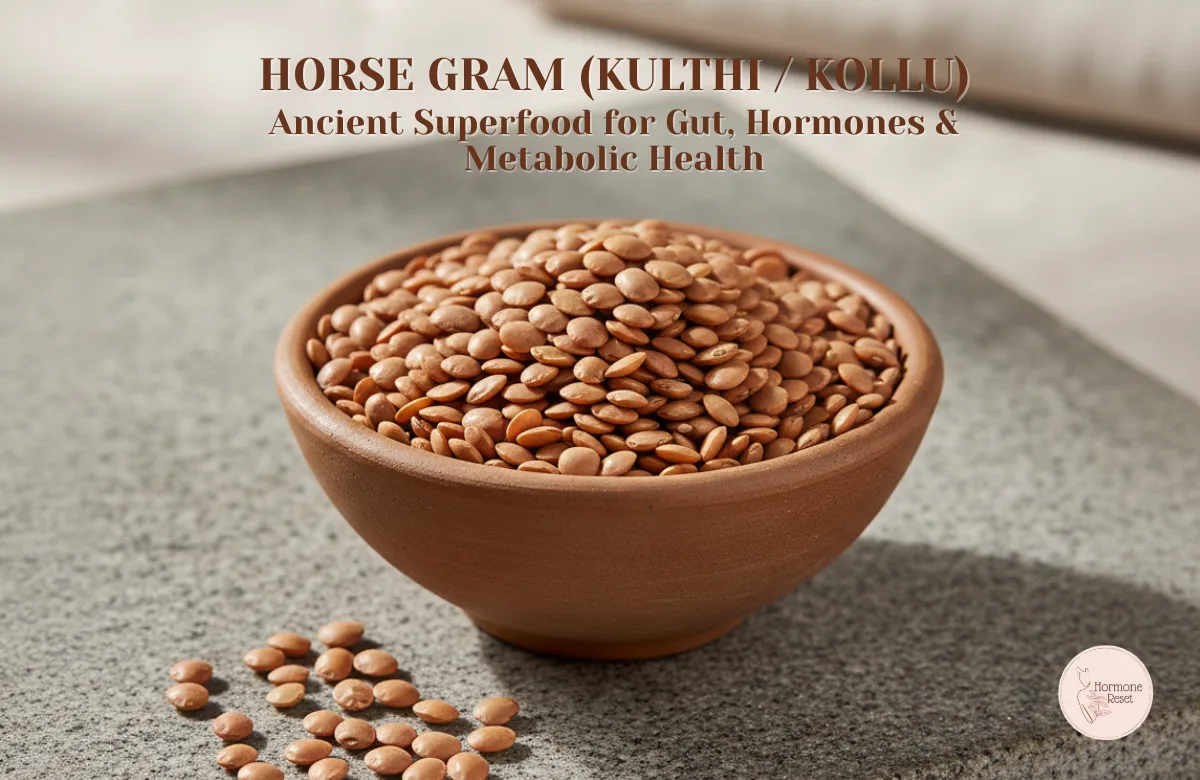
  • Horse Gram (Kulthi / Kollu): Ancient Superfood for Gut, Hormones & Metabolic Health

    Horse Gram (Kulthi / Kollu): Ancient Superfood for Gut, Hormones & Metabolic Health

    In a world obsessed with imported “superfoods,” one of the most potent metabolic foods has been hiding in plain sight for thousands of years: Horse gram. Known as Kulthi in Ayurveda and Kollu in South India, this humble legume is making a comeback—not just as food, but as functional medicine. Its unique nutrient profile and bioactive compounds offer benefits for glucose balance, gut health, hormone metabolism, and inflammation.
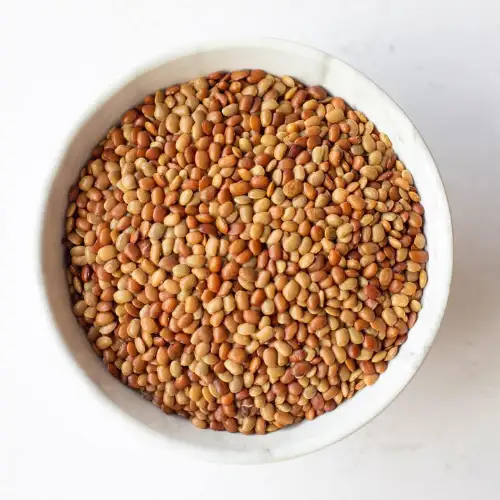
    What is Horse Gram

    What is Horse Gram?

    Horse gram (Macrotyloma uniflorum) is a drought-resistant legume traditionally consumed across India, Sri Lanka, and Southeast Asia. Historically, it was fed to warriors and livestock for endurance and strength, and was valued for its therapeutic properties in traditional medical systems.

    Ancient History & Traditional Use

    In Ayurvedic texts like Charaka Samhita, horse gram is described as a food that balances doshas, especially Kapha and Vata, and supports digestion. Siddha and folk traditions have used it for conditions like kidney stones (Mutrashmari), obesity (Medoroga), and poor digestion—long before modern science began exploring its medicinal potential. Its heating nature was traditionally prized for activating metabolism and clearing internal toxins.

    Nutritional Powerhouse with Functional Potential

    Horse gram stands out among pulses for its:

    • High-quality plant protein, amongst the highest in the plant kingdom
    • Very high dietary fiber, supporting gut and metabolic health
    • Rich polyphenols and antioxidants, helping reduce inflammation
    • Naturally low glycemic impact, beneficial for blood-sugar balance
    • High iron content, supporting energy levels and hemoglobin
    • Good calcium content, supporting bone and metabolic function

    In traditional systems, horse gram is also considered high-pranic—a food believed to enhance vital energy, warmth, and metabolic fire, making it especially valuable for sedentary, cold, or sluggish metabolic states.

    From an Ayurvedic perspective, it (Kulthi) is considered ushna (warming), ruksha (dry), and tikshna (penetrating). It is traditionally used to stimulate agni (digestive fire), reduce kapha accumulation, and clear ama (metabolic waste). Because of its high pranic value, it is believed to enhance vital energy, circulation, and metabolic strength, making it especially beneficial for sluggish digestion, fluid retention, and cold, sedentary body types.

    Scientifically Documented Benefits

    1. Anti-Inflammatory & Antioxidant Effects

    Research shows that horse gram can boost antioxidant enzyme activities like superoxide dismutase and catalase, potentially helping reduce oxidative stress and inflammation in the body. In animal models, horse gram supplementation increased antioxidant status without activating pro-inflammatory mediators. 

    Studies have shown that the oil extracted from horse gram seeds—referred to in research as its fixed oil—contains bioactive fatty acids and plant compounds with pain-relieving and anti-inflammatory properties. Unlike essential oils, fixed oils are stable, non-volatile oils that support cell membrane health and help regulate inflammatory pathways in the body. These findings provide a scientific explanation for horse gram’s traditional use in easing joint pain, muscle aches, and other inflammatory conditions, bridging ancient dietary wisdom with modern nutritional science.

    2. Metabolic Health: Glucose & Lipid Regulation

    While large human clinical trials are still limited, animal studies and systematic reviews suggest that horse gram may act as an antidiabetic and lipid-modulating food. Its bioactive compounds—including polyphenols, resistant starch, and dietary fibre—appear to influence glucose metabolism, improve insulin sensitivity, and favourably modify lipid parameters such as total cholesterol, LDL cholesterol, triglycerides, and the LDL:HDL ratio. Some studies also note improvements in oxidative stress and inflammatory markers, which are central to cardiometabolic risk. These effects are particularly relevant for modern lifestyle conditions such as PCOS, insulin resistance, metabolic syndrome, fatty liver disease, and cardiovascular disease (CVD) risk.

    Fermented horse gram products have also shown inhibition of enzymes related to fat digestion, indicating potential anti-obesity effects. 

    3. Kidney Protection & Diuretic Action

    Traditional use of horse gram for urinary health is supported by studies showing diuretic activity and protective effects in nephrotoxicity models. These findings align with its historical use in preventing or managing kidney stones and supporting overall kidney function. 

    4. Antioxidants & Phytochemicals

    The seeds are rich in phenolics, flavonoids, and tannins, which contribute to its antioxidant, antimicrobial, and potential therapeutic properties. These compounds are linked to a range of physiological effects from gut health support to reduced oxidative damage.
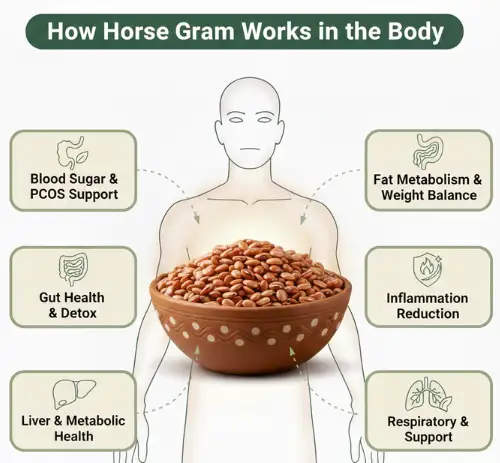
    How Horse Gram Works in the Body

    Functional Medicine Perspective: How Horse Gram Works in the Body

    Blood Sugar Regulation & PCOS

    The high fiber and polyphenol content slow carbohydrate absorption, helping stabilize glucose levels—which is vital if you’re managing insulin resistance, PCOS, or metabolic syndrome.

    Gut Health & Detoxification

    Fiber supports bowel regularity and gut microbiome health. A healthier gut means improved hormone metabolism and reduced systemic inflammation.

    Fat Metabolism & Weight Management

    Traditional sources consider horse gram deepana (digestive fire enhancer). Modern studies support effects on fat digestion and enzyme activity, helping with satiety and metabolic efficiency.

    Inflammation Modulation

    The antioxidants and anti-inflammatory compounds in horse gram help the body neutralize harmful free radicals and reduce chronic inflammation in tissues. For patients, this can translate into:

    • Reduced fatigue and improved energy, as cells are less stressed and can produce energy more efficiently
    • Better metabolic health, including improved blood sugar control and lipid balance
    • Support for liver function, helping reduce fat accumulation in conditions like fatty liver
    • Joint and muscle comfort, as inflammation in connective tissues decreases
    • Enhanced cardiovascular health by lowering oxidative stress and improving blood vessel function

    In short, these compounds help the body recover, repair, and function optimally, making horse gram a supportive food for conditions like insulin resistance, PCOS, fatty liver, and mild inflammatory states.

    Support respiratory health

    Horse gram has traditionally been used in Ayurveda to support respiratory health and help relieve cold, cough, and congestion. Its warming, drying, and anti-inflammatory properties can help soothe the respiratory tract, reduce mucus buildup, and ease irritation in the throat and lungs. Additionally, the antioxidants and bioactive compounds may support the immune system, helping the body respond better to infections or seasonal colds, making it a gentle, food-based way to support overall respiratory wellness.

    Who Should Use Caution?

    Despite its benefits, horse gram is heating and high in fiber, which may be intense for some individuals.

    Avoid or consume cautiously if you have:

    • Active gastritis or ulcers
    • Thyroid conditions without proper soaking & preparation
    • Pregnancy or sensitive digestion (without guidance)

    How to Prepare Horse Gram Correctly (Essential Step)

    Proper preparation reduces phytic acid and gas-forming compounds, enhances digestibility, and unlocks therapeutic benefits.

    Soaking + Spicing Protocol:

    1. Soak 10–12 hours
    2. Discard soaking water
    3. Pressure-cook thoroughly
    4. Add digestive spices:
        Ginger, cumin, asafoetida (hing), curry leaves

    This simple method enhances bioavailability and reduces digestive strain.

    Gluten-Free, Sugar-Free & Dairy-Free Horse Gram Recipes

    1. Horse Gram Rasam — Detox & Gut Support

    A light, tangy broth with cooked horse gram water, spices, and herbs—ideal on bloating or fatty liver days.

    2. Horse Gram Chutney Powder — PCOS-Friendly Condiment

    Roasted horse gram + sesame + curry leaves make a fiber-rich, nutrient-dense topping for millets.

    3. Horse Gram Soup — Reset Meal

    Blend cooked horse gram with ginger, turmeric, and seasonal veggies for a metabolic reset.

    4. Sprouted Horse Gram Sundal — High-Protein Snack

    Sprouted and lightly tempered with mustard seeds and lemon—a perfect plant-based protein snack.

    Best Time & Frequency to Consume

    • 1–2 times per week is sufficient for most
    • Best during winter & monsoon
    • Ideal at lunch (strongest digestion)

    Frequently Asked Questions (FAQs)

    1. Is horse gram safe to consume regularly?

    It is safe for most people when consumed in moderation and properly prepared. Because it is high in fiber and warming in nature, it is best eaten 1–2 times per week, especially during cooler seasons. Proper soaking, thorough cooking, and the use of digestive spices improve tolerance and reduce digestive discomfort.

    2. Can horse gram help with PCOS and insulin resistance?

    It may support metabolic health due to its high fiber content, low glycaemic impact, and polyphenols, which help stabilize blood sugar and improve insulin sensitivity. While it is not a treatment for PCOS, it can be a supportive food as part of a balanced, root-cause-based nutrition plan.

    3. Does horse gram support gut health?

    Yes. The dietary fiber in horse gram supports bowel regularity and gut microbiome balance, which are important for hormone metabolism and inflammation control. A healthier gut can help the body process and eliminate hormones more efficiently, supporting overall metabolic and hormonal balance.

    4. Who should avoid or limit horse gram?

    It should be consumed cautiously by individuals with active gastritis, ulcers, very sensitive digestion, pregnancy, or thyroid conditions if not properly prepared. In such cases, it’s best to seek guidance from a qualified healthcare or Functional Medicine practitioner before including it regularly.

    Closing Thoughts: Ancient Wisdom Meets Modern Science

    Horse gram is a classic functional food—one that not only nourishes but also actively supports the body’s healing and metabolic systems. Packed with high-quality protein, dietary fiber, polyphenols, antioxidants, iron, and calcium, it helps improve blood sugar control, lipid balance, gut health, and energy metabolism. Its anti-inflammatory and antioxidant properties support tissue repair, reduce oxidative stress, and may help manage conditions such as PCOS, insulin resistance, fatty liver, cardiovascular risk, and mild inflammatory states. Traditionally valued for its warming and pranic qualities, horse gram also supports digestion, immunity, and even respiratory health, helping with cold and cough.

    In bridging ancient wisdom and modern science, horse gram reminds us that sometimes the oldest foods are the most healing, offering both nourishment and therapeutic benefit in today’s modern lifestyle.

    👉 Discover how traditional foods and modern science can support your hormonal health. Book a Functional Medicine consultation to address root causes.

    Call to Action for Hormone Reset
    References

    1. Nutritional Profile and Therapeutic Properties of Horse Gram– Open Science Publications. 
    2. Traditional uses, phytochemistry, pharmacology, and nutraceutical potential of horse gram– National Library of Medicine
    3. Kaulath, a new fermented food from horse gram– National Library of Medicine

    Please subscribe to our social channels for updates related to functional medicines.
    Instagramthehormonereset
    FacebookHormone Reset
    YouTubeHormone Reset Program

    LinkedInHormone Reset

  • How to Remove Gas from Stomach Instantly: Quick Relief Tips

    How to Remove Gas from Stomach Instantly: Quick Relief Tips

    Introduction: Understanding Stomach Gas from a Functional Perspective

    Stomach gas, bloating, and digestive discomfort are common complaints that many people experience after meals. While occasional gas is normal, persistent or excessive gas signals that the digestive system is under stress or not functioning optimally. Conventional advice often focuses on temporary relief, such as over-the-counter medications or lifestyle clichés like “eat smaller meals” or “drink water during meals.”

    From a Functional Medicine perspective, gas is not an isolated problem—it is a symptom that points to deeper imbalances in the digestive system. Understanding why gas occurs, rather than just masking it, is key to long-term digestive comfort. Gas typically arises from bacterial fermentation in the gut, impaired motility, enzyme deficiencies, microbiome imbalances, and food sensitivities. By addressing these root causes, you can achieve both immediate relief and sustained improvement in digestive health.

    What’s Really Happening in Your Gut

    Excess stomach gas is rarely just a minor nuisance—it usually reflects deeper digestive imbalances. The main contributors include bacterial fermentation of undigested food, an imbalanced gut microbiome, insufficient digestive enzymes, slow gut motility, and individual food sensitivities. Understanding and addressing these root causes is key to achieving lasting relief and optimal digestive health.

    Fermentation by Gut Bacteria

    The most significant source of stomach gas is the fermentation of undigested carbohydrates by gut bacteria. When food is not fully broken down in the small intestine, it reaches the colon where bacteria metabolize it, producing gases such as hydrogen, methane, and carbon dioxide. This process can create the familiar sensations of bloating, pressure, and abdominal discomfort.

    Factors that increase bacterial fermentation include:

    • Incomplete digestion of carbohydrates due to low stomach acid or insufficient digestive enzymes.
    • Overgrowth of gas-producing bacteria in the small intestine or colon.
    • Consumption of high-FODMAP foods like beans, lentils, onions, garlic, and certain fruits, which ferment more readily.

    Bacterial fermentation is a natural process, but excessive or poorly timed fermentation leads to uncomfortable gas buildup.

    Imbalance in Gut Microbiome (Dysbiosis)

    A healthy gut microbiome maintains digestive balance, aids nutrient absorption, and prevents overproduction of gas. Dysbiosis, or an imbalance between beneficial and harmful microbes, is a common underlying factor for chronic bloating.

    Causes of dysbiosis include:

    • Repeated antibiotic use
    • High-sugar or ultra-processed diets
    • Chronic stress
    • Sedentary lifestyle

    Certain bacteria, such as methane-producing archaea or sulfur-producing microbes, generate significantly more gas than others. When these bacteria dominate, even normal meals can lead to discomfort.

    Poor Digestion or Enzyme Deficiency

    Effective digestion relies on stomach acid, digestive enzymes, and bile to break down carbohydrates, fats, and proteins. When any of these components are insufficient, food passes into the intestines partially undigested, creating a perfect substrate for gas-producing bacteria.

    Common contributors include:

    • Low stomach acid (hypochlorhydria)
    • Inadequate pancreatic enzyme activity
    • Reduced bile secretion
    • Gut inflammation that impairs nutrient absorption

    Supporting digestion through proper enzyme activity and stomach acid balance reduces substrate for fermentation and minimizes gas formation.

    Slow Gut Motility

    When food moves too slowly through the digestive tract, fermentation increases, and gas has more time to accumulate. Slow motility can be caused by:

    • Chronic stress or sympathetic nervous system activation
    • Low thyroid hormone levels
    • Nutrient deficiencies s,uch as magnesium or B12
    • Lack of physical movement

    Functional Medicine emphasizes restoring natural gut motility rather than relying on frequent meals, which can disrupt the Migrating Motor Complex (MMC)—a critical wave that clears the small intestine of bacteria and leftover food.

    Food Intolerances and Sensitivities

    Certain foods are more likely to cause gas in sensitive individuals. Common triggers include:

    • Dairy (lactose intolerance)
    • Gluten
    • Beans, lentils, and chickpeas
    • Onions, garlic, and other high-FODMAP vegetables
    • Sugar alcohols found in processed foods

    When these foods are consumed, undigested carbohydrates ferment rapidly, producing gas and bloating. A structured elimination and reintroduction approach can help identify personal triggers.

    image 9

    Recognizing When Stomach Gas Becomes a Concern

    Occasional gas is a normal part of digestion, but frequent or severe bloating may interfere with daily life. Signs that stomach gas requires attention include:

    • Bloating that appears 30–60 minutes after meals
    • Chronic abdominal fullness or pressure
    • Excessive burping or flatulence
    • Discomfort that affects social situations or daily activities
    • Gas accompanied by changes in bowel habits, pain, or unexplained weight loss

    Persistent gas is a signal that deeper digestive imbalances need to be addressed rather than ignored.

    Functional Medicine Strategies for Quick Gas Relief

    While root-cause management is the long-term solution, there are effective methods to relieve discomfort naturally in the short term:

    Gentle Movement and Stretching

    • Light walking after meals helps stimulate gut motility and reduce bloating.
    • Yoga poses like Knee-to-Chest (Apanasana) and Child’s Pose gently shift trapped gas and relieve pressure. Hold each pose for 30–60 seconds.

    Deep Breathing and Relaxation

    • Controlled, diaphragmatic breathing relaxes the abdominal muscles and supports natural gas passage.
    • Stress reduction techniques such as mindfulness or progressive relaxation help normalize digestive rhythm.

    Warm Herbal Beverages

    • Peppermint tea: Relaxes intestinal muscles, allowing gas to pass more easily.
    • Ginger tea: Reduces bloating, eases abdominal discomfort, and stimulates digestion.
    • Chamomile tea: Calms the stomach and nervous system, indirectly supporting gas relief.

    Sipping slowly allows the digestive system to respond effectively.

    Eating Habits That Support Digestive Comfort

    Food Choices

    • Choose low-FODMAP foods such as rice, zucchini, carrots, and certain fruits to reduce fermentation.
    • Replace high-gas foods like beans, onions, and cruciferous vegetables with gentler alternatives.
    • Use lactose-free or plant-based dairy if sensitive to lactose.

    Mindful Eating

    • Eat slowly and chew thoroughly to reduce fermentation caused by undigested food.
    • Avoid talking while eating and minimize distractions like phones or screens.

    Meal Timing and Hydration

    • Avoid frequent snacking that disrupts gut motility.
    • Sip water between meals rather than drinking large amounts with food
    • Focus on gradual, consistent hydration to support smooth digestion.
    image 8

    Lifestyle Practices for Long-Term Relief

    In Functional Medicine, digestion is not viewed in isolation; it is intimately connected with broader lifestyle factors. Physical activity plays a vital role in supporting gut motility, helping food move efficiently through the digestive tract and reducing the risk of excessive fermentation and gas buildup. Gentle walks after meals or light stretching can stimulate natural digestive rhythms and ease bloating. Equally important is stress management, as chronic stress activates the sympathetic nervous system and slows digestion, creating an environment where gas and bloating are more likely. Techniques such as deep breathing, meditation, or short mindful breaks throughout the day can help relax the body, promote efficient motility, and reduce abdominal discomfort. Posture and physical comfort also contribute to digestive ease; sitting upright during meals ensures proper organ alignment and allows the digestive system to function optimally, while wearing non-restrictive clothing reduces unnecessary pressure around the abdomen. Finally, maintaining consistent daily routines—such as getting adequate sleep, eating dinner at regular times, and avoiding late-night snacking—supports the natural circadian rhythms of the gut. Together, these lifestyle strategies enhance digestion, support the microbiome, and reduce the frequency and severity of bloating and gas over time.

    When to Seek Medical Advice

    While most gas and bloating can be managed through diet, lifestyle, and functional strategies, persistent or severe symptoms may indicate underlying medical conditions that require professional evaluation. It is important to seek medical attention if gas is accompanied by intense abdominal pain, persistent vomiting, diarrhea, or noticeable changes in bowel movements such as blood in the stool or black, tarry stools. Unexplained weight loss alongside bloating or gas can also signal a deeper digestive issue that should not be ignored. In these cases, a healthcare professional may recommend targeted testing to uncover the root cause, such as comprehensive stool analysis to evaluate microbiome balance, digestive enzyme function, or inflammation; SIBO breath tests to detect bacterial overgrowth in the small intestine; food sensitivity panels to identify triggering foods; and nutrient deficiency assessments to ensure the body is receiving essential vitamins and minerals for optimal digestion. Identifying the underlying cause through these functional tests allows for a personalized approach, addressing the source of excessive gas rather than just managing symptoms, and provides a path toward lasting digestive wellness.

    FAQs: How to Ease Stomach Gas Naturally and Feel Comfortable

    1.  What is the main cause of stomach gas?

    The primary cause of stomach gas is bacterial fermentation of undigested carbohydrates in the gut. When food is not fully broken down in the small intestine, it reaches the colon where gut bacteria metabolize it, producing gases such as hydrogen, methane, and carbon dioxide. Factors like slow gut motility, enzyme deficiencies, or an imbalance in the gut microbiome can worsen fermentation, leading to bloating and discomfort. While swallowing air can contribute slightly, it is rarely the main driver of chronic gas.

    2. Which foods are most likely to cause gas and bloating?

    Certain foods ferment more readily in the gut and can increase gas production, particularly in sensitive individuals. Common culprits include beans, lentils, chickpeas, onions, garlic, cabbage, and cruciferous vegetables. High-FODMAP fruits and sugar alcohols found in processed foods may also trigger bloating. Functional Medicine recommends identifying personal triggers through an elimination and reintroduction approach rather than avoiding all potentially gassy foods indiscriminately.

    3. What simple habits can help prevent trapped gas?

    Eating slowly, chewing well, staying hydrated, and sitting up straight during meals support smoother digestion. Light movement, such as a short walk after meals, and relaxation practices to reduce stress, can also help your stomach feel lighter.

    4. Can stress make gas worse?

    Yes, stress can slow digestion and make bloating or trapped gas more noticeable. Mindful breathing, short relaxation exercises, or gentle stretching can help calm the digestive system naturally.

    5. How can I tell if my gas is more than usual?

    Occasional bloating is normal, but if fullness, pressure, or discomfort keeps returning, it may be linked to certain foods, habits, or gut sensitivities. Keeping a simple note of meals and how your stomach feels can help you notice patterns.

    6. How does gut motility affect gas formation?


    Slow gut motility prolongs the time food spends in the digestive tract, giving bacteria more opportunity to ferment undigested carbohydrates. Functional Medicine emphasizes supporting natural motility through movement, proper hydration, and adequate nutrient intake (such as magnesium), rather than relying on frequent small meals, which can disrupt the Migrating Motor Complex (MMC)—the gut’s natural cleansing mechanism that prevents bacterial overgrowth.

    7. When should I seek professional advice?

    If gas comes with persistent bloating, strong stomach discomfort, sudden weight changes, or digestive upset that doesn’t ease, it’s helpful to check in with a healthcare professional. Tracking symptoms makes it easier for them to provide personalized guidance

    8.  Can enzyme supplements or stomach acid support help reduce gas?

    Yes, supporting digestive efficiency can reduce the substrate available for fermentation. Digestive enzymes, adequate stomach acid (when safely supported), and bile production help break down carbohydrates, fats, and proteins effectively. This reduces undigested food reaching the colon, limiting excessive bacterial fermentation and gas formation. Such strategies should be tailored to the individual under professional guidance.

    9. How can Hormone Reset help with gas and bloating?

    Hormone Reset focuses on identifying root causes—like thyroid function, gut health, or food sensitivities—and creating a tailored plan to support digestive comfort and reduce bloating naturally.

    10. Can hormones or thyroid issues influence gas and bloating

    Yes, hormonal imbalances—including thyroid dysfunction—can slow gut motility and alter digestion, making gas and bloating more likely. Functional Medicine considers these systemic influences when addressing digestive discomfort. Optimizing thyroid function, sex hormone balance, and overall metabolic health can significantly improve motility, enzyme activity, and gut microbiome function, reducing chronic gas.

    Conclusion

    Yes, hormonal imbalances—including thyroid dysfunction—can slow gut motility and alter digestion, making gas and bloating more likely. Functional Medicine considers these systemic influences when addressing digestive discomfort. Optimizing thyroid function, sex hormone balance, and overall metabolic health can significantly improve motility, enzyme activity, and gut microbiome function, reducing chronic gas.
    Learn more about supporting hormone and digestive balance with the Hormone Reset program.

    References

    1. Intestinal Gas Production:
      Comprehensive review of how gut microbes generate intestinal gas, including mechanisms and contributing factors – ScienceDirect, 2025
    2. Gut Microbiota Dysbiosis in FGIDs:
      Insights into how microbial imbalance drives symptoms and pathophysiology in functional gastrointestinal disorders – PubMed Central, 2024
    3. SIBO & Methane-Related Fermentation:
      Detailed discussion on methane production, bacterial/fungal roles, diagnostic methods, and treatment strategies for SIBO – MDPI, 2023
    4. Small Intestinal Bacterial Overgrowth (SIBO):
      Clinical overview of causes, symptoms, diagnostic criteria, and therapeutic approaches to SIBO – PubMed Central, 2024
    5. Excessive Gas:
      Overview of causes, symptoms, and general guidance on managing gas –Mayo Clinic, 2025
    6. Tips for Healthy Digestion:
      Practical strategies to support smooth digestion and reduce bloating –Harvard Health Publishing, 2024
    7. Digestive Health and Gas:
      Insights into normal gas formation and digestive system function –National Institutes of Health (NIH), 2021
    8. Managing Gas and Bloating:
      Professional guidance on recognizing and alleviating gas-related discomfort –American Gastroenterological Association, 2023
    9. Causes and Remedies for Gas
      Evidence-based advice on foods, lifestyle habits, and natural relief methods –ClevelandClinic, 2023

    Please subscribe to our social channels for updates related to functional medicines.
    Instagramthehormonereset
    FacebookHormone Reset
    YouTubeHormone Reset Program
    LinkedInHormone Reset

  • Healthy Eating Guide for Diwali by Hormone Reset

    Healthy Eating Guide for Diwali by Hormone Reset

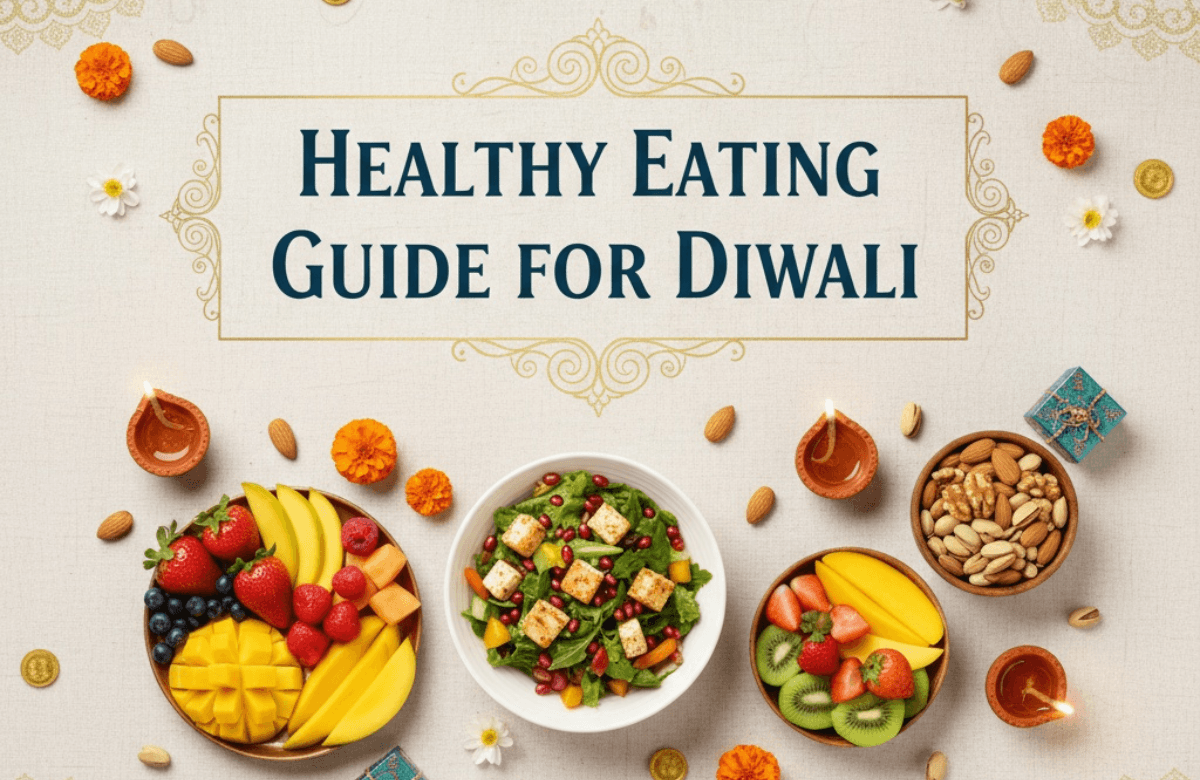
    The festive season of Diwali brings joy, celebration, and an abundance of traditional foods. However, it also presents unique health challenges, especially for individuals managing chronic or autoimmune conditions. This Healthy Eating Guide for Diwali provides practical, evidence-based strategies—rooted in functional medicine—to help you make healthier food choices, maintain energy balance, and support overall well-being during Diwali, without missing out on the festivities.

    Healthy Eating Guide for Diwali: Balance of Energy Intake and Expenditure

    Uncontrolled food intake, especially during the festive season, can lead to increased inflammation, poor digestion, slowed metabolism and weight gain. Our healthy eating guide for Diwali ensures we stay fit while enjoying our festivals to the hilt is a concern that needs to be addressed during the festive season. Therefore, we are encouraged to practice healthy eating according to the tips for healthy eating. This will help us enjoy the meal during the festive season without compromising our health.

    1. Plan your meals

    Diwali celebrations often revolve around indulgent meals with family and friends, featuring foods high in fat, sugar, salt, and refined flour. To balance festive eating, plan your meals—keep breakfast and lunch light if attending a dinner, or restrict dinner if you’ve indulged earlier in the day.

    2. Intermittent Fasting

    Eating food in a window of 8 to 10 hours gives the digestive system and metabolism longer breaks. This allows the body to better handle many of the negative effects of a relatively not-so-healthy diet like rebalancing insulin spikes, detoxifying, reducing inflammation, etc. 

     3. Focus on fibre-rich food

    Limit your intake of fried foods and foods made from refined ingredients. While at a party choose to have salad and stir-fried vegetables instead of fried snacks. Fibre leaves you feeling full without causing you to gain weight. Eating raw or steamed salads in one of the meals is also a good and easy way to keep the system balanced and avoid many of the health-related pitfalls commonly associated with festivals.

    4. Enjoy a Diwali snack at evening snack time

    Do not have Diwali snacks accompanied by any regular meal (for example sweets with lunch/dinner). You can have it as a small meal (for example as a tea-time snack). Remember, portion control is the key. Avoid munching these snacks or sweets throughout the day.

    5. Prefer healthy replacements

    You can prefer dry fruits over sweets or fried snacks. You can also experiment with cooking methods. (for example baked Chaklies, roasted chidwa over fried chidwa and date rolls without sugar.)

    6. Choose to eat salads

    Salads provide our body with fiber. A nutritionist would advise salads to be eaten every day since it is the right way to eat. During Diwali especially, when we eat so much oil and ghee-based food, cleansing the system becomes a necessity. This Diwali, make a conscious choice to include a lot of fiber in your food. When you have guests over for a Diwali feast, serve them lots of tasty and healthy salads as well. 

    7. Exercise

    Apart from controlling your food intake during the festive season, it is important to burn calories too. So don’t skip your workout. Give at least half an hour to walk, jog or cycle every day as cardio is the quickest way to burn calories, reset your metabolism and reduce inflammation.

    8. Prioritize Mental Health

    Amidst the joy and celebration, it’s essential to prioritize your mental health. Diwali can be a stressful time for some due to various reasons, such as family dynamics, financial pressures, or the need to meet social expectations. Take time to relax, meditate, or engage in stress-reduction activities like deep breathing exercises. Ensure that you’re not overextending yourself and have realistic expectations for the festival.

    Healthy Eating Guide for Diwali

    Food preparation tips from our healthy eating guide for Diwali

    • Instead of using refined oils, use good quality A2 ghee or coconut oil in traditional recipes.
    • Reduce the sugar content of traditional sweets such as laddoo by using natural sweetening substances such as raisins, cherries or dried apricots. Sweeteners like monkfruit sugar and stevia are also good options.
    • Fried foods such as Muruku can also be prepared without oil in a microwave oven.
    • Prepare meals in small serving sizes. 
    • Serve fresh fruits as dessert. 
    • Reduce the serving of sweetened beverages and ensure that flavored water is always available for guests.
    HR CTA tiny

    References:

    https://continentalhospitals.com/blog/healthy-diwali-tips-for-celebrating-the-festival-in-a-healthier-way/
    https://www.vilina.in/blog/healthy-eating-tips-for-diwali-2018/
    https://www.moh.gov.my/moh/resources/auto%20download%20images/589d763e4e042.pdf
    https://www.kokilabenhospital.com/blog/eat-healthy-this-diwali/
    http://www.dietenrich.com/blogs/blog-how-to-manage-healthy-eating-habits-during-the-festival-of-diwali/
    https://www.healthhub.sg/live-healthy/eating-healthy-during-deepavali

    Share

  • Millets: 8 Amazing Types of Millets and Their Powerful Health Benefits

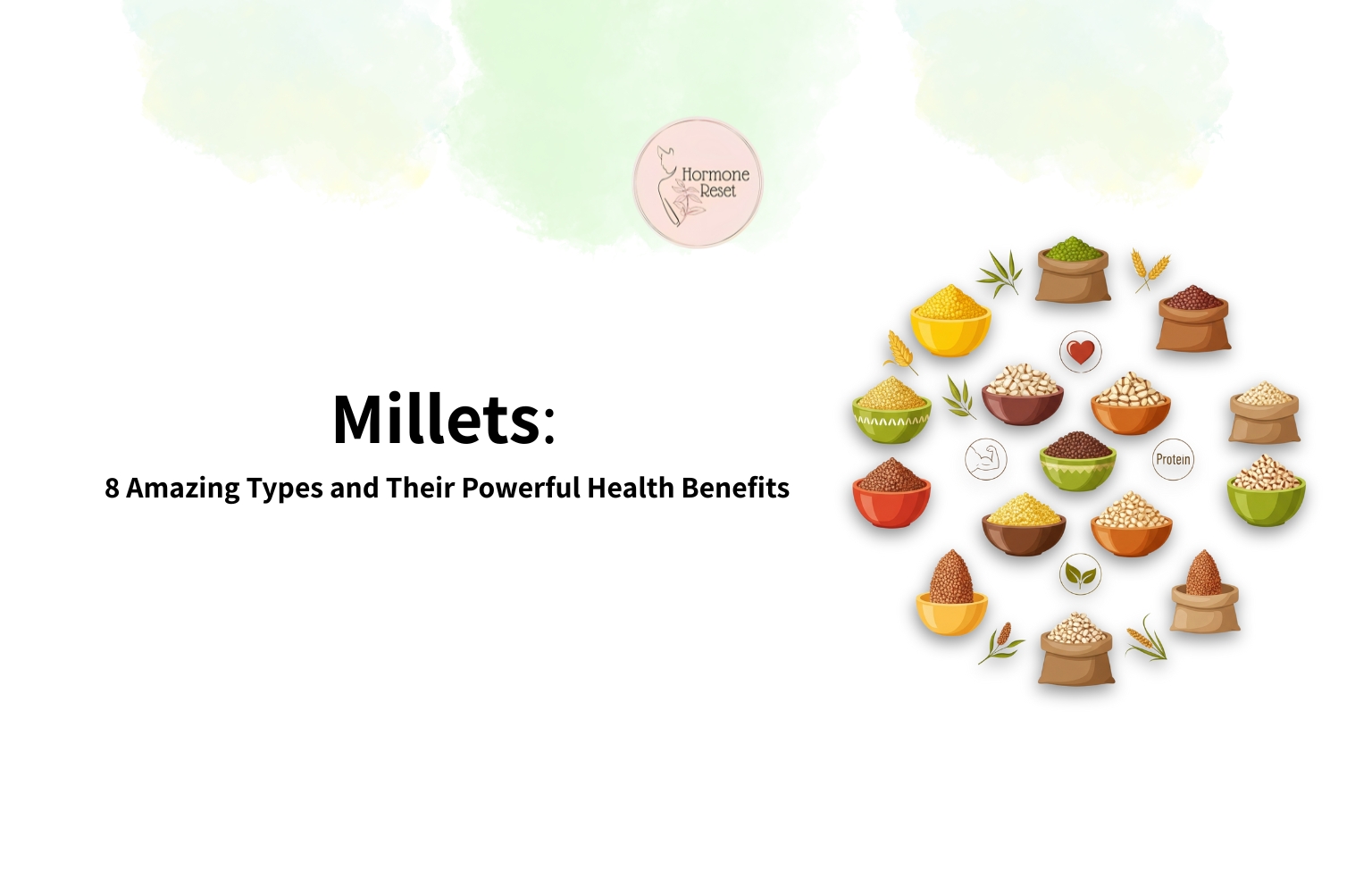
    Millets: 8 Amazing Types of Millets and Their Powerful Health Benefits

    Millets: Functional Grains for a Healthier Life
    In recent years, there’s been a growing shift toward holistic nutrition and food-as-medicine philosophies. At the forefront of this movement are millets, a group of ancient gluten-free grains that perfectly align with the functional foods approach. These small-seeded grasses have been cultivated for thousands of years and are now gaining renewed attention for their impressive nutritional value and wide-ranging health benefits.

    Packed with plant-based protein, essential minerals, and antioxidants, millets are ideal for promoting gut health, managing blood sugar, and reducing inflammation. This guide explores the different types of millets, their health benefits, and how they can support specific conditions like diabetes, thyroid dysfunction, and autoimmune diseases.

    Millets: Types and Unique Benefits

    AD 4nXfJIv1XmAT L eJ9qYPoXXtW4
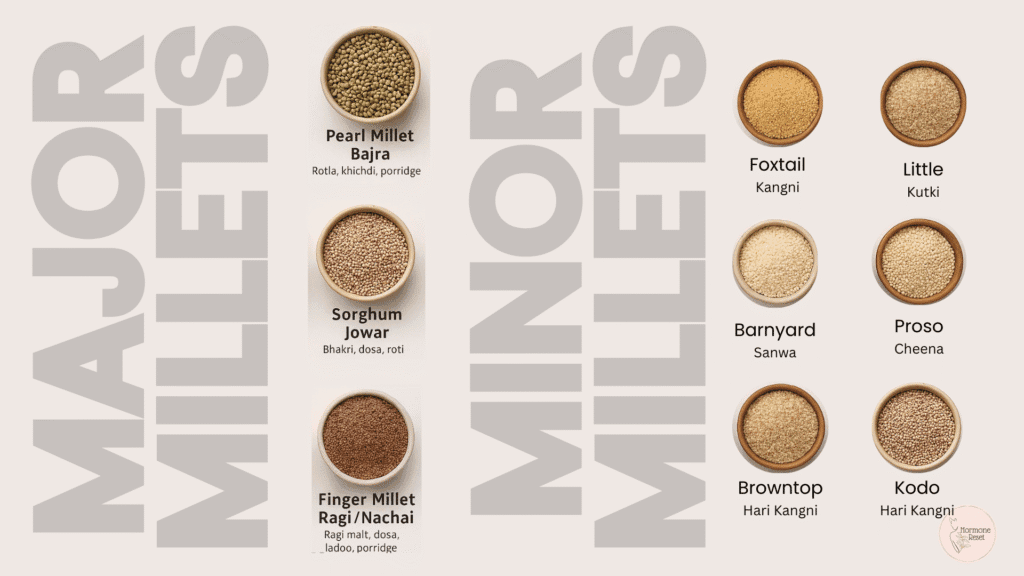
    Types of Millets

    Setaria italica (Foxtail Millet)

    • Foxtail millet is a rich source of protein, fiber, phosphorus, magnesium, and iron. As a gluten-free grain, it’s ideal for those with celiac disease or gluten sensitivity. Its low glycemic index makes it an excellent addition to millets for diet plans for diabetics, helping regulate blood sugar levels naturally.

    Pennisetum glaucum (Pearl Millet or Bajra)

    • Known for its drought tolerance, pearl millet is rich in iron, magnesium, and phosphorus. It supports heart health, aids digestion, and provides lasting energy. Its high fiber content makes it effective in millets for weight loss diets and beneficial for those with autoimmune diseases.

    Eleusine coracana (Finger Millet or Ragi)

    • This nutrient-dense millet is renowned for its high calcium and antioxidant content, supporting bone strength and reducing oxidative stress. Finger millet is especially beneficial for thyroid health, weight management, and maintaining blood sugar balance, making it a core part of any millet-based diet.

    Echinochloa esculenta (Barnyard Millet or Sanwa)

    • Barnyard millet is rich in protein and fiber and has a low glycemic index. It’s known to improve cardiovascular health and aid in sustainable energy release, making it suitable for individuals managing diabetes or pursuing weight loss.

    Panicum miliaceum (Proso Millet or Broomcorn Millet)

    • Adaptable and antioxidant-rich, proso millet provides essential amino acids and is low in fat. It’s a versatile grain, ideal for soups, salads, or sweet dishes and fits well into a gluten-free and autoimmune-friendly diet.

    Panicum sumatrense (Little Millet)

    • Despite its small size, little millet is nutrient-packed with iron, zinc, protein, and fiber. Its low glycemic index and gluten-free nature make it a preferred grain for those managing diabetes, thyroid issues, or autoimmune diseases.

    Understanding the Nutritional Value of Millets

    AD 4nXd2e9LACIKmnBu2d1bg8lR11nFbgFIGF9BSn5B03I7oyvVu2jeb96QMgRZTJhZXv 4Tbpe4NaBlMG1np7ZbvuNszX31Bn
    Health Benefits Of Millet

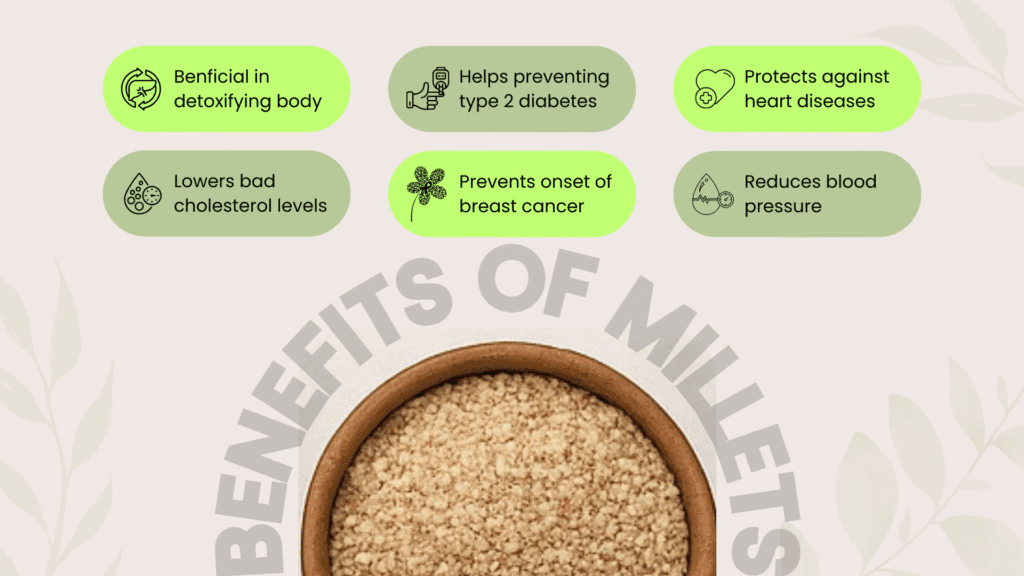
    Millets are celebrated for their broad nutritional profile, supporting both preventive and therapeutic health strategies:

    • High in Dietary Fiber: Promotes digestive health and satiety, helping in weight management.
    • Rich in Essential Minerals: Includes iron, calcium, magnesium, and phosphorus—vital for bone health and anemia prevention.
    • Plant-Based Proteins: Support muscle repair and are ideal for vegan and vegetarian diets.
    • Low Glycemic Index: Controls blood sugar spikes, making millets effective in diabetic diets.
    • Naturally Gluten-Free: Safe for people with celiac disease or gluten sensitivity.
    • Rich in Antioxidants: Combat oxidative stress and inflammation, supporting immune health.

    Millets for Diabetes and Blood Sugar Regulation

    The low glycemic index of most millets ensures gradual glucose release, helping diabetics maintain stable energy and blood sugar levels. Foxtail, finger, and barnyard millets are particularly beneficial for this purpose, making them cornerstone ingredients in millets for diabetes meal planning.

    Millets and Thyroid Health: What You Need to Know

    While millets offer rich nutrition, their impact on thyroid health depends on balanced consumption:

    • Iodine Consideration: Millets like pearl millet contain compounds that may interfere with iodine uptake. It’s crucial to balance millet intake with iodine-rich foods.
    • Goitrogens: Found in some millets, but their impact is reduced through cooking.
    • Best Choices: Foxtail millet and finger millet are better suited for those with thyroid issues, especially when well-cooked and consumed in moderation.

    Why Millets Are a Better Choice Than Wheat for Autoimmune and Diabetic Conditions

    AD 4nXeOacFDHktADcXqtAmTHk 8uMt6HYvN9tIuQdIiEKmcRh4tKV bAep4M4hf3Ov9A pbZVOIhDUV5bF QwkWIA9UYUQmWR2vZPSSfzIUCSenb4c uN ZEYf7AGjJomeKFg s9VG7fA?key=Dj5gKZvP1C2AKzuCRCSMQA
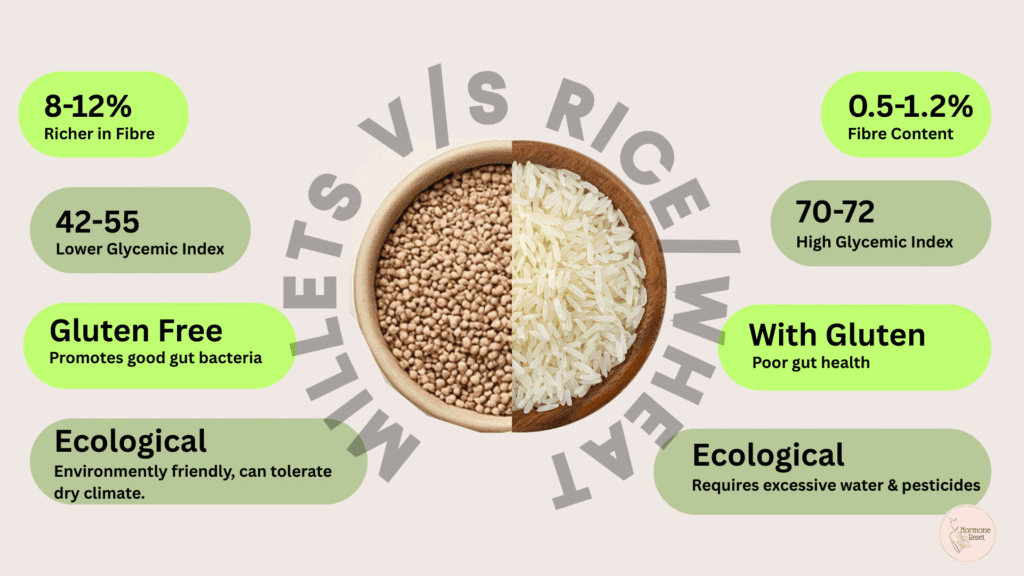
    Millets vs Wheat/Rice

    For individuals managing autoimmune diseases or diabetes, millets offer several advantages over wheat:

    • Lower Glycemic Index
    • Higher Fiber Content
    • Naturally Gluten-Free
    • Anti-Inflammatory Properties
    • Greater Nutritional Diversity
    • Support for Immune Modulation

    These factors make millets safer and more functional for managing chronic conditions compared to gluten-rich wheat products.

    What Are Pseudo-Millets, and Why Should You Care?

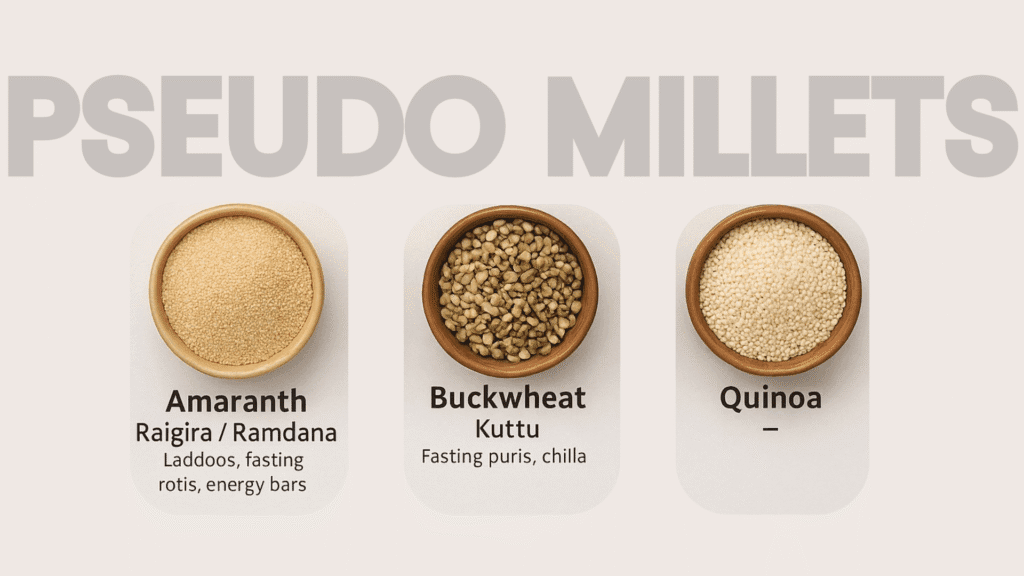
    Pseudo-millets are seeds from broadleaf plants that are not true cereals but are used like grains due to similar nutritional profiles and culinary uses. Unlike true millets (which are grasses), pseudo-millets belong to different botanical families. They include:

    • Quinoa: A complete protein, as it contains all nine essential amino acids that your body cannot produce on its own and must get from food, and excellent for gluten-free diets.
    • Amaranth: High in iron, fiber, and calcium—great for inflammation and heart health.
    • Buckwheat: Known to support heart health and blood sugar regulation.

    These are excellent additions to a millet-based diet, especially for those with autoimmune disorders or gluten intolerance.

    Seasonal Availability and How to Add Millets to Your Diet

    Millets are seasonally versatile:

    • Summer: Sorghum (Jowar)
    • Monsoon: Finger millet (Ragi), Foxtail millet
    • Autumn: Barnyard millet, Little millet
    • Winter: Kodo millet, Proso millet, Pearl millet (Bajra),

    Easy Ways to Include Millets:

    • Rotis & Flatbreads with millet flours
    • Porridges, Upma, or Khichdi
    • Millet-based malt drinks
    • Dosas & Idlis using millet batter
    • Rice Substitutes in pulao or pilaf

    Many of us struggle to make soft millet chapatis—they crack, break, or turn hard.

    So here’s my tried-and-tested 1:1 method for making soft, pliable millet rotis. This method works beautifully with any type of millet flour—jowar, bajra, ragi, or even mixed millets.

    Ingredients:

    • 1 cup millet flour (e.g., jowar, bajra, or ragi)
    • 1 cup boiling water
    • A pinch of salt (optional)

    Instructions:

    • Boil the water
    • In a pan, bring 1 cup of water to a boil. Add a pinch of salt if desired.
    • Turn off the heat and immediately add 1 cup of millet flour into the hot water.
    • Stir quickly with a spoon or spatula to combine into a rough dough.
    • Let the mixture cool slightly until warm (not hot).
    • Knead it into a soft, smooth dough using your hands. (If it’s too sticky, add a little flour. If too dry, sprinkle warm water.)
    • Divide the dough into small balls.
    • Flatten and roll gently into round chapatis using dry millet flour for dusting.
    • Cook on hot tawa

    Tips:

    • Use freshly milled flour for best softness.
    • Always use boiling water for this method—it activates the starch and softens the dough.
    • Eat warm for the best taste and texture.

    Including a variety of millets in your diet helps ensure balanced nutrition year-round. For more inspiring millet-based recipes, head over to the Recipe section on our website, “Hormone Reset.”

    Conclusion: Unlocking the Full Health Benefits of Millets

    Millets are more than a dietary trend—they’re an essential part of a functional food approach to wellness. From managing blood sugar and promoting thyroid health to aiding weight loss and supporting those with autoimmune diseases, millets offer unmatched versatility and nourishment.

    Whether you’re seeking sustainable nutrition or managing chronic conditions, adopting a millet-based diet can transform your health from the inside out.

    Call to Action

    •  Make the switch today: Start small by adding one type of millet to your weekly meals. Rotate between foxtail, finger, and pearl millet to experience their benefits firsthand.
    • Keep a food journal when adding millets to your diet.
      Noting daily changes in energy, digestion, mood, or skin helps you catch subtle improvements most people miss. Your body speaks in signs—tracking helps you listen!

    Looking for more personalized millet meal ideas or diet plans? Explore Hormone Reset—your smart companion for functional nutrition.

    References

    Saleh, A. S., Zhang, Q., Chen, J., & Shen, Q. (2013). Millet grains: Nutritional quality, processing, and potential health benefits. Comprehensive Reviews in Food Science and Food Safety, 12(3), 281–295.

    Devi, P. B., et al. (2014). Health benefits of finger millet (Eleusine coracana L.) polyphenols and dietary fiber: A review. Journal of Food Science and Technology, 51(6), 1021–1040.

    National Institute of Nutrition. (2020). Nutrient Requirements and Recommended Dietary Allowances for Indians.

    FAO. (2018). The Role of Millets in Sustainable Agriculture and Nutrition.

    Pathak, R. K. (2021). The Role of Millets in Managing Diabetes and Thyroid Conditions. Journal of Functional Foods and Nutraceuticals, 6(1), 45–53.


    Also Read: PCOS Unveiled: Understanding Your Unique Path to Reversal

    Stay updated with the latest information on functional medicine. Subscribe to our YouTube channel.

  • Understanding the Connection Between Your Diet and Hormonal Imbalance

    Understanding the Connection Between Your Diet and Hormonal Imbalance

    Introduction

    Hormones are the body’s chemical messengers, crucial in regulating numerous physiological processes, including metabolism, immune function, mood, and reproductive health. A delicate balance of hormones is essential for overall health, and when this balance is disrupted, various symptoms can manifest, ranging from fatigue to weight gain. The role of diet in maintaining this hormonal equilibrium cannot be overstated; what we eat significantly influences hormone production, regulation, and metabolism.

    Importance of Diet in Maintaining Hormonal Balance

    Nutrition is a powerful tool in promoting hormonal health. A balanced diet rich in whole foods can support hormonal functions and mitigate the effects of imbalances. Conversely, a diet high in processed foods, sugar, and unhealthy fats can exacerbate hormonal disturbances. Understanding the connection between diet and hormonal health is crucial for optimizing their well-being.

    Understanding Hormonal Imbalance

    Definition of Hormonal Imbalance

    Hormonal imbalance occurs when there is too much or too little hormone in the bloodstream. This can affect various bodily functions, leading to health issues that may be chronic or temporary. Common hormonal imbalances include those related to insulin, cortisol, estrogen, thyroid, and testosterone.

    Common Symptoms

    Hormonal imbalances can manifest in various symptoms, including:

    • Fatigue: Often linked to adrenal or thyroid hormone disruptions.
    • Mood Swings: Imbalances in estrogen and progesterone can affect mood stability.
    • Weight Gain: Insulin resistance, often related to diet, can lead to weight gain, particularly around the abdomen.
    • Menstrual Irregularities: Fluctuations in hormone levels can disrupt menstrual cycles.
    • Sleep Disturbances: Hormones play a crucial role in sleep regulation.

    Factors Contributing to Hormonal Imbalance

    Several factors can contribute to hormonal imbalances:

    • Stress: Chronic stress leads to elevated cortisol levels, which can disrupt other hormones.
    • Lifestyle: Poor sleep, lack of exercise, and sedentary behavior can negatively affect hormonal balance.
    • Diet: The types of foods consumed have a direct impact on hormone levels and overall health.
    • Nutritional deficiencies – vitamin D, omega-3 fatty acids, magnesium, iodine, etc. 
    • Aging 
    • Toxins – pesticides, heavy metals
    • Endocrine-disrupting chemicals (EDCs)

    The Role of Diet in Hormonal Health

    Explanation of How Diet Affects Hormone Production and Regulation

    Diet plays a pivotal role in hormone production and regulation. Nutrient-dense foods provide the building blocks necessary for hormone synthesis. For instance, fats are essential for producing steroid hormones, while proteins are crucial for the synthesis of peptide hormones. Inadequate nutrition can lead to deficiencies that may trigger hormonal imbalances.

    Key Nutrients That Influence Hormones

    1. Omega-3 Fatty Acids: These healthy fats, found in fatty fish and flaxseeds, have been shown to reduce inflammation and support hormonal health. A study published in Nutrition Reviews found that omega-3s can help balance hormones like insulin and cortisol.
    2. Vitamins and Minerals: Essential nutrients such as vitamin D, B vitamins, magnesium, and zinc play critical roles in hormone regulation. For example, a deficiency in vitamin D has been linked to lower testosterone levels in men.

    Impact of Processed Foods and Sugar on Hormonal Balance

    Processed foods and high sugar intake can wreak havoc on hormonal balance. These foods often contain additives, unhealthy fats, and excessive sugars, leading to insulin resistance, increased inflammation, and disrupted hormone signaling. Research indicates that high sugar consumption is associated with obesity and type 2 diabetes, both of which are linked to an imbalance of insulin and other hormones.

    Foods to Avoid for Hormonal Balance

    Processed Foods and Their Effects on Hormones

    Processed foods often contain preservatives, unhealthy fats, and artificial additives that can disrupt hormonal balance. These foods can lead to inflammation, insulin resistance, and hormonal dysregulation.

    Sugar and Its Role in Insulin Resistance

    Excessive sugar intake is a major contributor to insulin resistance, which can lead to conditions like polycystic ovary syndrome (PCOS) and type 2 diabetes. According to the American Heart Association, the average American consumes about 77 grams of sugar per day, significantly exceeding the recommended limit of 25 grams for women and 37.5 grams for men (Mozaffarian et al., 2011).

    Impact of Unhealthy Fats and Additives

    Trans fats and excessive omega-6 fatty acids, often found in fried foods and baked goods, can promote inflammation and disrupt hormonal signalling. Avoiding these fats is essential for maintaining hormonal health.

    Effects of Pesticides and Toxins in Food

    The presence of pesticides and other toxins in the food supply is a significant concern for hormonal health. Many of these chemicals, including pesticides, herbicides, and heavy metals, are classified as endocrine-disrupting chemicals (EDCs). EDCs interfere with hormone production, metabolism, and signaling, leading to disruptions in the endocrine system. Studies have shown that long-term exposure to these toxins, even in small amounts, can lead to hormonal imbalances, contributing to conditions such as infertility, thyroid disorders, and metabolic issues like obesity and diabetes. Choosing organic and pesticide-free produce, when possible, is essential for minimizing exposure to these harmful substances and supporting overall hormonal balance.

    Impact of Hormones in Animal Products

    Hormones used in animal agriculture can also affect human hormonal health. Many commercially raised animals are injected with growth hormones or fed hormone-laden feed to increase their size and milk production. When humans consume these animal products, it can disrupt their natural hormonal balance. Research suggests that regular intake of hormone-treated meat and dairy products can increase estrogen levels in the body, potentially contributing to hormone-related conditions like estrogen dominance, which is linked to conditions such as polycystic ovary syndrome (PCOS) and breast cancer. To support hormonal balance, it’s recommended to choose hormone-free or organic animal products.

    Foods That Support Hormonal Balance

    Whole Foods to Include

    Incorporating whole foods into your diet can promote hormonal health. Consider the following:

    • Fruits and Vegetables: Rich in vitamins, minerals, and antioxidants, they help combat oxidative stress and inflammation.
    • Healthy Fats: Sources like avocados, nuts, seeds, and olive oil support hormone production.
    • Lean Proteins: Foods such as chicken, fish, legumes, and eggs provide amino acids vital for hormone synthesis.

    Herbs and Supplements That Promote Hormonal Health

    Certain herbs and supplements can also support hormonal balance:

    • Maca Root: Traditionally used to enhance energy and sexual health, maca root may help balance estrogen levels
    • Ashwagandha: Known for its adaptogenic properties, ashwagandha can help reduce cortisol levels and combat stress

    Importance of Balanced Meals and Blood Sugar Management

    Maintaining balanced meals that include protein, healthy fats, and complex carbohydrates can help stabilize blood sugar levels, which is crucial for hormonal health. Fluctuating blood sugar can lead to increased insulin levels, contributing to hormonal imbalances. Additionally, balanced meals support optimal thyroid function, as the thyroid hormone plays a vital role in regulating metabolism. Consistent blood sugar levels help prevent excessive stress on the thyroid, which can become overworked when blood sugar spikes and crashes occur. Proper nutrient intake, particularly iodine, selenium, and zinc, also supports healthy thyroid hormone production and overall metabolic balance.

    Lifestyle Factors That Affect Hormones

    Stress Management Techniques

    Stress management is vital for hormonal balance. Techniques such as:

    • Exercise: Regular physical activity can help reduce cortisol levels and improve insulin sensitivity.
    • Meditation: Mindfulness and meditation practices have been shown to reduce stress and promote hormonal balance.
    • Quality Sleep: Ensuring adequate sleep is critical, as hormonal regulation occurs predominantly during sleep.

    Importance of Hydration

    Proper hydration supports metabolic functions and hormone regulation. Dehydration can lead to elevated cortisol levels and affect overall health. Aim to drink plenty of water throughout the day.

    The Role of Physical Activity

    Regular physical activity can improve hormonal balance by enhancing insulin sensitivity, reducing stress levels, and promoting a healthy body weight. According to the CDC, adults should aim for at least 150 minutes of moderate-intensity aerobic activity each week (CDC, 2020).

    Conclusion

    Understanding the connection between diet and hormonal health is crucial for achieving overall well-being. By focusing on a nutrient-rich diet, avoiding processed foods and excessive sugars, and adopting healthy lifestyle habits, individuals can take proactive steps to maintain hormonal balance.

    HR CTA tiny

    References

    1. Buchowski, M. S., et al. (2015). “Dietary omega-3 fatty acids and their role in hormonal health.” Nutrition Reviews.
    2. Pilz, S., et al. (2011). “Vitamin D and testosterone in men.” Clinical Endocrinology.
    3. Vartanian, L. R., et al. (2007). “Sugar-sweetened beverage consumption and weight gain.” American Journal of Clinical Nutrition.
    4. Stojanovska, L., et al. (2016). “The effect of maca root on hormonal balance.” Journal of Ethnopharmacology.
    5. Chandrasekhar, K., et al. (2012). “A standardized extract of ashwagandha reduces stress and anxiety in adults.” Journal of Clinical Psychology.
    6. Mozaffarian, D., et al. (2011). “Changes in diet and lifestyle and long-term weight gain in women and men.” New England Journal of Medicine.
    7. CDC. (2020). “Physical Activity Basics.” Centers for Disease Control and Prevention.

    Share

  • Healing Irritable Bowel Syndrome (IBS): A Root Cause Approach

    Healing Irritable Bowel Syndrome (IBS): A Root Cause Approach

    Are you tired of the constant discomfort and unpredictability of Irritable Bowel Syndrome (IBS)? You’re not alone. Millions of people worldwide struggle with this frustrating condition, often feeling like they’re at the mercy of their own digestive system. But what if there was a way to break free from the cycle of symptoms and find lasting relief?

    Enter the root cause approach to healing IBS.  Unlike traditional methods that focus solely on managing symptoms, this revolutionary strategy aims to uncover and address the underlying factors contributing to your digestive distress. By delving deeper into the origins of IBS, we can unlock the door to true healing and long-term wellness.

    In this blog post, we’ll explore the comprehensive journey from understanding IBS beyond its surface-level symptoms to implementing holistic treatment strategies and lifestyle modifications. Get ready to discover how identifying root causes, utilizing advanced diagnostic techniques, and embracing a multifaceted approach can transform your relationship with your gut – and ultimately, your quality of life. 

    Understanding IBS: Beyond Symptoms

    The gut-brain connection in IBS

    The intricate relationship between the gut and the brain plays a crucial role in Irritable Bowel Syndrome (IBS). This connection, known as the gut-brain axis, involves a complex network of nerves, hormones, and biochemical signaling between the digestive system and the central nervous system. In IBS patients, this communication can become disrupted, leading to various symptoms.

    • Stress and anxiety can exacerbate IBS symptoms
    • Gut microbiome imbalances can influence mood and cognitive function
    • Neurotransmitters produced in the gut affect brain function and vice versa

    Distinguishing IBS from other digestive disorders

    While IBS shares symptoms with other gastrointestinal conditions, it has distinct characteristics that set it apart. Understanding these differences is crucial for accurate diagnosis and effective treatment.

    ConditionKey SymptomsDistinguishing Factors
    IBSAbdominal pain, bloating, altered bowel habitsNo structural abnormalities, symptoms often relieved by bowel movements
    Inflammatory Bowel Disease (IBD)Abdominal pain, diarrhea, weight lossVisible inflammation, potential complications like strictures or fistulas
    Celiac DiseaseAbdominal pain, diarrhea, fatigueTriggered by gluten, damage to small intestine visible on biopsy

    Common triggers and their impact

    Identifying and understanding common IBS triggers is essential for managing the condition effectively. These triggers can vary from person to person but often include:

    1. Certain foods (e.g., dairy, caffeine, high-fat meals)
    2. Stress and emotional factors
    3. Hormonal changes (especially in women)
    4. Sleep disturbances
    5. Medications (such as antibiotics)

    The impact of these triggers can range from mild discomfort to severe symptoms that significantly affect daily life. By recognizing and addressing these triggers, individuals with IBS can take proactive steps toward managing their condition and improving their quality of life.

    Now that we have a deeper understanding of IBS, let’s explore the root causes that contribute to this complex disorder.

    Identifying Root Causes of IBS

    Now that we understand the complexity of IBS beyond its symptoms, let’s delve into the underlying factors that contribute to this condition. Identifying the root causes is crucial for developing an effective treatment plan.

    A. Hormonal influences

    Hormones play a significant role in digestive health and can greatly impact IBS symptoms. The following table illustrates key hormones and their effects on the gut:

    HormoneFunctionImpact on IBS
    SerotoninRegulates gut motilityImbalance can lead to constipation or diarrhea
    CortisolStress responseExcessive levels can increase gut sensitivity
    EstrogenAffects gut motilityFluctuations may worsen symptoms during menstrual cycle

    B. Stress and emotional factors

    Stress and emotions are intricately linked to gut function through the gut-brain axis. Common emotional triggers for IBS include:

    • Anxiety
    • Depression
    • Chronic stress
    • Trauma or PTSD

    C. Food sensitivities and intolerances

    Certain foods can trigger or exacerbate IBS symptoms. Common culprits include:

    1. FODMAPs (Fermentable Oligosaccharides, Disaccharides, Monosaccharides, and Polyols)
    2. Gluten
    3. Dairy products
    4. Caffeine and alcohol

    D. Gut microbiome imbalances

    The balance of beneficial and harmful bacteria in the gut can significantly impact IBS symptoms. Factors that can disrupt the microbiome include:

    • Antibiotic use
    • Poor diet
    • Chronic stress
    • Infections

    Understanding these root causes is essential for developing a comprehensive treatment strategy. In the next section, we’ll explore advanced diagnostic techniques to pinpoint the specific factors contributing to your IBS symptoms.

    Comprehensive Diagnosis Techniques

    Now that we’ve explored the root causes of IBS, let’s delve into the comprehensive diagnosis techniques that can help identify the specific triggers and underlying issues for each individual.

    A. Stress Assessment Tools

    Stress plays a significant role in IBS, and identifying stress levels is crucial for effective management. Here are some commonly used stress assessment tools:

    • Perceived Stress Scale (PSS)
    • Holmes-Rahe Stress Inventory
    • Depression Anxiety Stress Scales (DASS)

    These tools help quantify stress levels and provide insights into how stress may be impacting IBS symptoms.

    B. Elimination Diets and Food Journals

    Identifying food triggers is essential for managing IBS. Two effective methods include:

    1. Elimination diets: Temporarily removing potential trigger foods and gradually reintroducing them to identify sensitivities.
    2. Food journals: Keeping detailed records of food intake and symptom occurrence to spot patterns.
    Elimination Diet PhaseDurationPurpose
    Elimination2-4 weeksRemove potential trigger foods
    Reintroduction2-3 days per foodGradually reintroduce foods to identify triggers
    MaintenanceOngoingAvoid identified trigger foods

    C. Functional Medicine Testing Options

    Functional medicine offers advanced testing options to uncover underlying imbalances:

    • Comprehensive stool analysis: Assesses gut microbiome, digestive function, and inflammation markers
    • Food sensitivity testing: Identifies specific food intolerances
    • Small Intestinal Bacterial Overgrowth (SIBO) breath test: Detects bacterial overgrowth in the small intestine
    • Organic acids test: Evaluates metabolic function and gut health markers

    These diagnostic techniques provide a holistic view of an individual’s gut health, allowing for more targeted and effective treatment strategies. Next, we’ll explore holistic treatment approaches that address the root causes identified through these comprehensive diagnosis techniques.

    Holistic Treatment Strategies

    Now that we’ve explored the root causes and diagnostic techniques for IBS, let’s delve into holistic treatment strategies that address the condition comprehensively.

    A. Stress Management Techniques

    Stress plays a significant role in exacerbating IBS symptoms. Implementing effective stress management techniques can lead to substantial improvements:

    • Deep breathing exercises
    • Progressive muscle relaxation
    • Mindfulness meditation
    • Regular exercise routines

    B. Mind-Body Practices for IBS Relief

    Mind-body practices offer powerful tools for managing IBS symptoms:

    1. Cognitive Behavioral Therapy (CBT)
    2. Hypnotherapy
    3. Biofeedback
    4. Yoga
    PracticeBenefits for IBS
    CBTReduces anxiety and negative thought patterns
    HypnotherapyAlleviates abdominal pain and improves gut motility
    BiofeedbackEnhances control over physiological processes
    YogaCombines stress reduction with gentle physical activity

    C. Gut-Healing Supplements

    Certain supplements can support gut healing and alleviate IBS symptoms:

    • L-glutamine
    • Zinc carnosine
    • Omega-3 fatty acids
    • Curcumin

    D. Targeted Probiotic Therapy

    Probiotics play a crucial role in restoring gut balance. Specific strains have shown promise for IBS:

    • Lactobacillus plantarum 299v
    • Bifidobacterium infantis 35624
    • Saccharomyces boulardii

    E. Personalized Nutrition Plans

    Tailoring nutrition to individual needs is essential for managing IBS:

    1. Identify trigger foods through elimination diets
    2. Implement low FODMAP diet when appropriate
    3. Increase fiber intake gradually
    4. Stay hydrated with adequate water intake

    By integrating these holistic treatment strategies, individuals with IBS can experience significant relief and improved quality of life. Next, we’ll explore lifestyle modifications that can further support the long-term management of IBS symptoms.

    Lifestyle Modifications for Long-term Management

    Now that we’ve explored various treatment strategies, let’s focus on the crucial lifestyle modifications that can help manage IBS in the long term.

    Mindful Eating Practices

    Adopting mindful eating habits can significantly improve IBS symptoms. Here are some key practices to incorporate:

    • Eat slowly and chew thoroughly
    • Pay attention to hunger and fullness cues
    • Avoid distractions during meals (e.g., TV, phones)
    • Practice gratitude for your food

    Implementing these practices can lead to better digestion and reduced stress around meals.

    Exercise Routines that Support Digestion

    Regular physical activity is beneficial for overall health and can help alleviate IBS symptoms. Consider incorporating the following exercises:

    Exercise TypeBenefits for IBS
    YogaReduces stress, improves digestion
    WalkingStimulates gut motility
    SwimmingLow-impact, full-body workout
    CyclingBoosts circulation, aids digestion

    Aim for at least 30 minutes of moderate exercise most days of the week.

    Sleep Optimization for Gut Health

    Quality sleep is crucial for maintaining a healthy gut. Here are some tips to improve your sleep:

    1. Stick to a consistent sleep schedule
    2. Create a relaxing bedtime routine
    3. Avoid large meals and caffeine close to bedtime
    4. Keep your bedroom cool, dark, and quiet
    5. Limit screen time before sleep

    By prioritizing good sleep habits, you can support your gut health and overall well-being.

    Addressing Irritable Bowel Syndrome (IBS) requires a comprehensive approach that goes beyond symptom management. By focusing on identifying and treating root causes, employing advanced diagnostic techniques, and implementing holistic treatment strategies, individuals with IBS can achieve lasting relief. This root cause approach not only alleviates symptoms but also promotes overall gut health and well-being.

    Embracing lifestyle modifications is crucial for long-term IBS management. By incorporating dietary changes, stress reduction techniques, and regular exercise into daily routines, those affected by IBS can take control of their condition and significantly improve their quality of life. Remember, healing from IBS is a journey, and with the right approach and support, it’s possible to achieve lasting gut health and comfort.

    HR CTA tiny
    References:
    1. Raskov H, Burcharth J, Pommergaard HC, Rosenberg J. Irritable bowel syndrome, the microbiota and the gut-brain axis. Gut Microbes. 2016 Sep 2;7(5):365-83. doi: 10.1080/19490976.2016.1218585. Epub 2016 Jul 29. PMID: 27472486; PMCID: PMC5046167. – Read here
    2. Harper A, Naghibi MM, Garcha D. The Role of Bacteria, Probiotics and Diet in Irritable Bowel Syndrome. Foods. 2018 Jan 26;7(2):13. doi: 10.3390/foods7020013. PMID: 29373532; PMCID: PMC5848117. – Read here
    3. Altayar O, Sharma V, Prokop LJ, Sood A, Murad MH. Psychological therapies in patients with irritable bowel syndrome: a systematic review and meta-analysis of randomized controlled trials. Gastroenterol Res Pract. 2015;2015:549308. doi: 10.1155/2015/549308. Epub 2015 Jan 31. PMID: 25802514; PMCID: PMC4329838. – Read here

    Share

  • Thyroid Supplements: The Essential Role of Selenium, Iodine and Zinc in Thyroid Health

    Thyroid Supplements: The Essential Role of Selenium, Iodine and Zinc in Thyroid Health

    When it comes to maintaining optimal thyroid health, the right nutrients play a crucial role. Two essential minerals, selenium and zinc, are particularly important for thyroid function. Let’s explore why these minerals are vital and how to choose the best supplements to support your thyroid health.

    Why Selenium, Iodine and Zinc Matter for Thyroid Health

    1. Selenium: A Thyroid Superhero

    • Why is Selenium important for Thyroid: Selenium is a trace mineral that plays a critical role in thyroid hormone production and metabolism. It helps convert the inactive thyroid hormone T4 into its active form, T3. Sufficient selenium also protects the thyroid tissue from oxidative damage, synthesis of thyroid hormones being a highly oxidising process.
    • Functional Medicine Insight: Selenium is a component of several selenoproteins that are essential for the conversion of T4 into T3 and protection from oxidative damage. Adequate selenium levels help maintain thyroid health and prevent conditions like hypothyroidism and thyroiditis.

    2. Iodine: The Essential Element

    • Why is Iodine Important for Thyroid: Iodine is a crucial element for thyroid health because it is an integral component of thyroid hormones. These hormones, primarily T3 and T4, regulate many important functions in the body, including metabolism, energy production, and overall growth and development. Without adequate iodine, the thyroid gland cannot produce these hormones effectively, leading to conditions such as goiter and hypothyroidism.
    • Functional Medicine Insight: Iodine is essential for synthesizing thyroid hormones. The thyroid gland absorbs iodine from the bloodstream and incorporates it into thyroid hormones, which are vital for regulating various bodily processes. Adequate iodine levels support optimal hormone production and prevent imbalances that can affect overall health. Ensuring sufficient iodine intake helps maintain proper thyroid function and supports metabolic health, making it a key nutrient for overall well-being. 

    3. Zinc: A Key Regulator

    • Why Is Zinc  important for Thyroid: Zinc is another crucial mineral for thyroid function. It supports the synthesis of thyroid hormones and helps regulate their release into the bloodstream. Zinc also contributes to a healthy immune system, which is essential for preventing autoimmune thyroid conditions like Hashimoto’s thyroiditis.
    • Functional Medicine Insight: Zinc influences thyroid hormone production by modulating the activity of enzymes involved in hormone synthesis. It also affects the thyroid gland’s ability to absorb iodine, further supporting thyroid function. Most importantly, zinc is important for conversion of T4 to T3 in the peripheral cells for its activity.  

    Best Selenium, Iodine  and Zinc Supplements for Thyroid Health

    When choosing thyroid supplements, it’s essential to select high-quality products that provide optimal and bioavailable doses of selenium, iodine and zinc. Here are some top recommendations:

    Selenium Supplements:

    • Selenium Yeast: Selenium yeast is a highly bioavailable form of selenium that your body can easily absorb. It’s a natural source of selenium and provides the mineral in a form that is beneficial for thyroid health.
    • L-Selenomethionine: This is another well-absorbed form of selenium. L-selenomethionine is a stable and effective option for supporting thyroid function and overall antioxidant protection.

    Iodine Supplements:

    • Iodine Tablets or Drops: These are commonly used forms of iodine supplementation. They usually contain potassium iodide or iodate, which are both effective for supporting thyroid hormone production. Look for products that provide iodine in a bioavailable form.
    • Kelp Supplements: Kelp is a type of seaweed that is naturally rich in iodine. It can be an excellent option for those looking for a natural source of iodine. Kelp supplements often come in capsule or powder form and can also provide additional trace minerals beneficial for thyroid health.

    Zinc Supplements:

    • Zinc Picolinate: Zinc picolinate is a highly absorbable form of zinc that efficiently supports thyroid function and immune health. It’s often recommended for its superior bioavailability.
    • Zinc Citrate: Zinc citrate is another easily absorbed form of zinc. It supports thyroid hormone production and helps maintain overall thyroid health.

    How to Choose the Right Supplement

    • Check the Form: Opt for supplements that use well-absorbed forms of selenium, iodine and zinc, such as selenium yeast, L-selenomethionine, zinc picolinate, or zinc citrate.
    • Look for Quality: Choose reputable brands that provide transparency about ingredient sources and manufacturing processes. Third-party testing can also ensure product quality and safety.
    • Consider Dosage: Follow recommended dosages and consult with a healthcare provider to determine the appropriate amount of selenium and zinc for your individual needs. Over-supplementation can lead to adverse effects, so balance is key.

    Wrapping It Up

    Selenium and zinc are vital for maintaining healthy thyroid function and overall well-being. By choosing high-quality supplements and incorporating them into your health regimen, you can support your thyroid gland’s ability to produce and regulate hormones effectively.

    Pro Tip: Before starting any new supplement, it’s always a good idea to consult with a healthcare professional, especially if you have existing health conditions or are taking other medications.

    Support your thyroid health with the right nutrients and enjoy the benefits of a balanced and well-functioning thyroid. Here’s to a healthier you!

    References:
    1. Triggiani V, Tafaro E, Giagulli VA, Sabbà C, Resta F, Licchelli B, Guastamacchia E. Role of iodine, selenium and other micronutrients in thyroid function and disorders. Endocr Metab Immune Disord Drug Targets. 2009 Sep;9(3):277-94. doi: 10.2174/187153009789044392. Epub 2009 Sep 1. PMID: 19594417. – https://pubmed.ncbi.nlm.nih.gov/19594417/
    2. Severo JS, Morais JBS, de Freitas TEC, Andrade ALP, Feitosa MM, Fontenelle LC, de Oliveira ARS, Cruz KJC, do Nascimento Marreiro D. The Role of Zinc in Thyroid Hormones Metabolism. Int J Vitam Nutr Res. 2019 Jul;89(1-2):80-88. doi: 10.1024/0300-9831/a000262. Epub 2019 Apr 15. PMID: 30982439. – https://pubmed.ncbi.nlm.nih.gov/30982439/
    3. Zimmermann MB, Boelaert K. Iodine deficiency and thyroid disorders. Lancet Diabetes Endocrinol. 2015 Apr;3(4):286-95. doi: 10.1016/S2213-8587(14)70225-6. Epub 2015 Jan 13. PMID: 25591468. – https://pubmed.ncbi.nlm.nih.gov/25591468/

    Share

  • 6 Health Benefits of Garlic: How It Supports and Protects the Thyroid Gland and Gut Health

    6 Health Benefits of Garlic: How It Supports and Protects the Thyroid Gland and Gut Health

    Garlic isn’t just a flavorful addition to your meals—it’s also a powerhouse of health benefits. Beyond its culinary uses, garlic offers significant support for thyroid health and gut function. Let’s explore six amazing health benefits of garlic and how it can positively impact your thyroid and digestive health.

    6 Benefits Garlic 1

    1. Boosts Immune Function

    • Why It Helps: Garlic is renowned for its immune-boosting properties. It contains allicin, a compound with strong antibacterial and antiviral effects.
    • Technical Insight: Allicin enhances the immune system by promoting the activity of white blood cells and improving the body’s ability to fight off infections. A robust immune system helps protect the thyroid gland from autoimmune diseases and supports overall health.
    • How to Enjoy: Add raw garlic to dressings, sauces, or enjoy it as a flavoring in your dishes. Cooking garlic can reduce its allicin content, so for maximum immune benefits, consider incorporating it raw when possible.

    2. Supports Thyroid Function

    • Why It Helps: Garlic can play a supportive role in thyroid health by providing essential nutrients and reducing inflammation.
    • Technical Insight: Garlic contains trace amounts of selenium and zinc, both of which are crucial for thyroid hormone production and function. Selenium helps in the conversion of T4 to T3, the active thyroid hormone, while zinc supports overall thyroid health. Additionally, garlic’s anti-inflammatory properties help protect the thyroid gland from oxidative stress and inflammation.
    • How to Enjoy: Incorporate garlic into your meals regularly, whether in soups, stews, or roasted dishes. It’s an easy way to support your thyroid with a flavorful ingredient.

    3. Improves Gut Health

    • Why It Helps: Garlic has prebiotic properties that promote a healthy gut microbiome.
    • Technical Insight: The prebiotic fibers in garlic help nourish beneficial gut bacteria, such as Bifidobacteria and Lactobacilli. A balanced gut microbiome is essential for optimal digestion, nutrient absorption, and overall gut health. A healthy gut also supports the synthesis of thyroid hormones and the body’s immune response.
    • How to Enjoy: Add garlic to your daily meals, such as in stir-fries, marinades, or as a seasoning. It helps support a healthy gut environment while enhancing the flavor of your food.

    4. Reduces Inflammation

    • Why It Helps: Chronic inflammation can negatively impact thyroid function and overall health. Garlic’s anti-inflammatory properties help mitigate this.
    • Technical Insight: Allicin and other sulfur-containing compounds in garlic have been shown to reduce inflammation markers in the body. This helps lower the risk of thyroiditis and other inflammatory conditions that could affect thyroid health.
    • How to Enjoy: Use garlic in your cooking to reduce inflammation. Roasting, sautéing, or adding it to various dishes can help you reap its anti-inflammatory benefits.

    5. Detoxifies the Body

    • Why It Helps: Garlic assists in detoxification by promoting the elimination of toxins from the body.
    • Technical Insight: Garlic supports liver function, which is vital for detoxifying harmful substances. Compounds like allicin enhance the liver’s ability to process and expel toxins. A well-functioning liver is crucial for maintaining overall health, including thyroid health.
    • How to Enjoy: Incorporate garlic into your diet regularly to support your body’s natural detoxification processes. Add it to your favorite recipes to boost both flavor and detox benefits.

    6. Supports Cardiovascular Health

    • Why It Helps: Garlic has been shown to benefit heart health, which is closely linked to thyroid function.
    • Technical Insight: Garlic helps lower blood pressure and reduce cholesterol levels, contributing to overall cardiovascular health. Maintaining healthy blood vessels and a good circulatory system supports the efficient transport of thyroid hormones throughout the body.
    • How to Enjoy: Include garlic in your diet to support heart health. It pairs well with various dishes and can be used in dressings, marinades, or as a seasoning.

    Wrapping It Up

    Garlic is more than just a kitchen staple—it’s a powerful ally for your thyroid and gut health. By incorporating this versatile herb into your meals, you can enjoy its numerous health benefits, from boosting your immune system to supporting your gut microbiome.

    Pro Tip: For the greatest health benefits, try to consume garlic raw or lightly cooked. This preserves the allicin content, maximizing its positive effects.

    Embrace the power of garlic and enhance your health with its delicious and nutritious benefits. Your thyroid, gut, and overall well-being will thank you!

    References
    1. Ried, K., et al. (2013). “Garlic reduces blood pressure in hypertensive patients.” Journal of Hypertension. This study examines the effect of garlic on blood pressure and cardiovascular health.
      https://pubmed.ncbi.nlm.nih.gov/26764327/

    Share

  • Top 6 Natural Foods That Boosts Your Thyroid Health

    Top 6 Natural Foods That Boosts Your Thyroid Health

    Maintaining your thyroid health is essential for overall well-being, and the good news is that adding specific natural foods to your diet can give a significant boost to your thyroid health. These six foods are not only tasty but also packed with nutrients that support thyroid function.

    Let’s dive into the details of how each of these 6 natural food boosts your thyroid health.

    1. Seaweed: The Ocean’s Gift

    iStock 465140316
    • Why It Helps: Seaweed is a rich source of iodine, an essential mineral that your thyroid needs to produce thyroid hormones (T3 and T4 – 3 and 4 indicate the number of iodine atoms attached to tyrosine). Without adequate iodine, your thyroid can’t function optimally, which may lead to hypothyroidism.
    • Technical Insight: Iodine is crucial for the synthesis of thyroid hormones. Seaweed varieties like kelp and nori provide a concentrated source of iodine, helping to ensure that your thyroid gland has the raw materials it needs for hormone production.
    • How to Enjoy: Incorporate seaweed into your diet by adding it to salads, soups, or enjoying it as a snack in the form of seaweed chips. A little goes a long way in meeting your iodine needs.

    2. Brazil Nuts: Tiny But Mighty

    brazil nuts
    • Why It Helps: Brazil nuts are a powerhouse of selenium, a trace mineral that supports the conversion of T4 (inactive thyroid hormone) into T3 (active thyroid hormone). Selenium also has antioxidant properties that help protect thyroid cells from damage and also help in the reduction of thyroid antibodies(in the case of Hashimoto’s Thyroiditis).
    • Technical Insight: Selenium is a key component of enzymes known as selenoproteins, which are involved in the conversion of T4 to T3. By ensuring sufficient selenium intake, you can help optimize this crucial metabolic process. Being a powerful antioxidant, it also helps protect the thyroid tissue from oxidative damage, as thyroid synthesis is oxidising in nature.
    • How to Enjoy: Snack on a few Brazil nuts daily or add them to your trail mix. Their rich, nutty flavor makes them a delicious way to boost your selenium levels.

    3. Fatty Fish: Ocean’s Bounty

    fatty fish
    • Why It Helps: Fatty fish like salmon, mackerel, and sardines are rich in omega-3 fatty acids and vitamin D. Omega-3s help reduce inflammation, which can support overall thyroid function, while vitamin D is important for maintaining a healthy immune system.
    • Technical Insight: Omega-3 fatty acids have anti-inflammatory properties that help manage autoimmune conditions like Hashimoto’s thyroiditis. Vitamin D plays a role in modulating the immune response, which is important for thyroid health.
    • How to Enjoy: Aim to include fatty fish in your diet at least twice a week. Grill, bake, or broil your fish to enjoy a nutrient-dense meal that supports thyroid function.

    4. Leafy Greens: Green Goodness

    leafy greens
    • Why It Helps: Leafy greens such as spinach, kale, and Swiss chard are packed with vitamins and minerals, including iron, magnesium, and antioxidants. These nutrients support overall thyroid health and help combat oxidative stress.
    • Technical Insight: Magnesium and iron are involved in thyroid hormone production and metabolism. Antioxidants found in leafy greens help protect the thyroid gland from oxidative damage, promoting better thyroid function.
    • How to Enjoy: Add a handful of leafy greens to your smoothies, salads, or sauté them as a side dish. They’re versatile and easy to incorporate into a variety of meals.

    5. Berries: Nature’s Candy

    colorful berries
    • Why It Helps: Berries, including blueberries, strawberries, and raspberries, are rich in antioxidants like vitamin C and flavonoids. These antioxidants help protect the thyroid gland from oxidative stress and support a healthy immune system.
    • Technical Insight: Vitamin C is crucial for the synthesis of thyroid hormones and has antioxidant properties that protect thyroid cells from damage. Flavonoids further enhance antioxidant protection, supporting overall thyroid health.
    • How to Enjoy: Enjoy berries as a snack. They provide a sweet and nutritious boost to your diet.

    6. Chia Seeds

    chia seeds
    • Why They Help: Chia seeds are high in omega-3 fatty acids, fiber, and protein. Omega-3s help reduce inflammation and support overall hormone balance, including thyroid health.
    • Technical Insight: Omega-3 fatty acids play a role in reducing inflammation, which can benefit thyroid function. The fiber content aids in digestion and nutrient absorption.
    • How to Enjoy: Mix chia seeds into your daily diet. They also work well as a topping for salads.
    free-autoimmune-workshop

    Book a free discovery call

    Book Now >

    Wrapping It Up

    Incorporating these thyroid-friendly foods into your diet can be a delicious way to support your thyroid health. Each food offers unique nutrients that play a role in maintaining thyroid function and overall well-being. For personalized advice, consider consulting with a healthcare professional or nutritionist.

    By making these nutrient-rich foods a regular part of your meals, you’re taking positive steps towards a healthier thyroid. Enjoy the journey to better health with these tasty and nutritious choices!

    References :
    1. Ventura M, Melo M, Carrilho F. Selenium and Thyroid Disease: From Pathophysiology to Treatment. Int J Endocrinol. 2017;2017:1297658. doi: 10.1155/2017/1297658. Epub 2017 Jan 31. PMID: 28255299; PMCID: PMC5307254. – https://www.ncbi.nlm.nih.gov/pmc/articles/PMC5307254/
    2. Benvenga S, Famà F, Perdichizzi LG, Antonelli A, Brenta G, Vermiglio F, Moleti M. Fish and the Thyroid: A Janus Bifrons Relationship Caused by Pollutants and the Omega-3 Polyunsaturated Fatty Acids. Front Endocrinol (Lausanne). 2022 May 27;13:891233. doi: 10.3389/fendo.2022.891233. PMID: 35712237; PMCID: PMC9196333. – https://www.ncbi.nlm.nih.gov/pmc/articles/PMC9196333/
    3. Zhou Q, Xue S, Zhang L, Chen G. Trace elements and the thyroid. Front Endocrinol (Lausanne). 2022 Oct 24;13:904889. doi: 10.3389/fendo.2022.904889. PMID: 36353227; PMCID: PMC9637662. – https://www.ncbi.nlm.nih.gov/pmc/articles/PMC9637662/
    4. Macvanin MT, Gluvic Z, Zafirovic S, Gao X, Essack M, Isenovic ER. The protective role of nutritional antioxidants against oxidative stress in thyroid disorders. Front Endocrinol (Lausanne). 2023 Jan 4;13:1092837. doi: 10.3389/fendo.2022.1092837. PMID: 36686463; PMCID: PMC9846570. – https://www.ncbi.nlm.nih.gov/pmc/articles/PMC9846570/

    Share

  • Don’t Miss These Diet & Lifestyle Tips During Festivities

    Don’t Miss These Diet & Lifestyle Tips During Festivities

    Festivals are a time of joy, togetherness, and celebration. As the festive season draws near, it’s easy to get carried away by the excitement, forgetting our health goals and indulging in excessive feasting. They often bring with them an abundance of delicious, but not always healthy foods along with disrupted routines and increased stress. It is highly important to strike a balance between enjoying the festivities and taking care of your health.

    Here are some essential diet and lifestyle precautions to help you make the most of the festival season while maintaining your well-being.

    • Plan Your Meals

    Festivals are synonymous with feasting, and it’s easy to overindulge. To maintain a balance, plan your meals ahead of time. Choose healthier options and keep your portion sizes in check. Incorporate plenty of fresh fruits, vegetables, lean proteins, and whole grains into your festival diet to ensure you’re getting essential nutrients.

    • Stay Optimally Hydrated

    Amidst the excitement of the festivities, it’s easy to forget to drink enough water. Dehydration can lead to fatigue and headaches. Carry a water bottle with you and aim to drink at least 8-10 glasses of water daily. Herbal teas, coconut water, and homemade fruit-infused water can be refreshing alternatives.

    • Mindful Eating

    Practise mindful eating during the festival season. Enjoy each bite, savour the flavours, and eat slowly. This not only helps you appreciate the food but also prevents overeating. Pay attention to your body’s hunger and fullness cues to avoid mindless snacking.

    • Limit Sugary Treats

    Festivals often feature an array of sugary sweets and desserts. While it’s perfectly fine to enjoy them in moderation, don’t go overboard. Excessive sugar consumption can lead to energy crashes and weight gain. Opt for smaller portions and try healthier dessert alternatives like fruit salad, dry fruits ladoo, fruit custard, beetroot halwa etc.

    • Stay Active

    Festivals can disrupt your regular exercise routine. However, try to stay active whenever possible. Take a walk with family or friends, participate in traditional dance or outdoor games, or simply engage in light stretching exercises. Staying active will help burn off extra calories and keep you energised.

    • Manage Stress

    Festivals can be stressful with all the preparations, social gatherings, and family expectations. Stress can take a toll on your mental and physical health. Practice stress management techniques such as deep breathing, meditation, or yoga to stay calm and centred during this time.

    • Get Sufficient Sleep

    Ensure you get enough rest during the festival season. Lack of sleep can lead to fatigue, weakened immunity, and increased stress. Try to maintain a regular sleep schedule and create a relaxing bedtime routine to improve the quality of your sleep.

    • Food Safety

    Food safety is crucial during festivals, especially when sharing meals with family and friends. Ensure that food is prepared and stored correctly to prevent foodborne illnesses. Also, be cautious about eating street food or consuming raw or undercooked dishes.

    • Stay Connected

    Festivals are a time for social interaction and bonding. Spend quality time with loved ones and engage in meaningful conversations. Strong social connections contribute to emotional well-being.

    8e4b88 ad0e0d8b807340258d5a9049a7060783~mv2

    Festivals are an integral part of our lives. However, with a mindful approach to both diet and lifestyle choices, you can enjoy the festivities without compromising your health. By following these diet and lifestyle precautions, you can strike a balance between indulgence and well-being. Remember that moderation is key, and making conscious choices will help you navigate the festival season with both joy and good health.

    Wishing you a very happy diwali & togetherness from Hormone Reset Team!

    Share