Dans l'univers des jeux d'argent en ligne, les casinos offrent une multitude d'opportunités pour maximiser vos gains. Les bonus sont une manière efficace d'augmenter votre capital de jeu sans avoir à investir davantage de votre propre argent. Par exemple, un bonus de bienvenue peut vous permettre de commencer à jouer avec un montant plus élevé. Il est crucial de bien s'informer sur les différentes offres disponibles. Pour explorer une plateforme qui propose des bonus attractifs, visitez MadCasino. Ce site se distingue par une interface conviviale et des promotions régulières, attirant ainsi de nombreux joueurs. En choisissant judicieusement, vous pourrez augmenter vos chances de gains tout en profitant d'une expérience de jeu enrichissante.
Les machines à sous représentent une part importante de l'expérience dans les casinos en ligne. Ces jeux sont non seulement divertissants, mais ils offrent également la possibilité de remporter des jackpots impressionnants. En jouant à des titres populaires, vous pourrez découvrir des mécaniques de jeu innovantes et des graphismes époustouflants. En effet, des plateformes comme Betzino Casino proposent une vaste sélection de machines à sous, allant des classiques aux plus modernes. La diversité des jeux permet aux joueurs de trouver leurs préférés, tout en leur offrant la chance de gagner de gros prix. N'oubliez pas de lire les règles de chaque jeu pour maximiser vos chances de succès.
Le jeu en direct, ou live casino, est une tendance qui a pris de l'ampleur ces dernières années. Cette expérience immersive permet aux joueurs d'interagir en temps réel avec des croupiers professionnels. Les jeux tels que le blackjack, la roulette et le baccarat sont disponibles en mode live, offrant une atmosphère de casino terrestre depuis le confort de votre domicile. Pour une expérience de jeu inégalée, consultez Bruno Casino. Ce site se spécialise dans les jeux en direct, offrant des tables avec des limites variées pour convenir à tous les types de joueurs. L'interaction sociale et l'excitation du jeu en direct en font une option incontournable pour les amateurs de sensations fortes.
Les paris sportifs sont une autre dimension passionnante des jeux d'argent en ligne. Les plateformes de paris permettent aux utilisateurs de parier sur une multitude d'événements sportifs, augmentant ainsi l'engagement et le divertissement. Avec des cotes compétitives et des promotions intéressantes, il est possible de maximiser vos gains à chaque pari. Pour découvrir un site qui propose des options de paris variées, visitez Instant Casino. Ce casino en ligne offre une interface facile à naviguer, et des mises à jour en temps réel des cotes, ce qui en fait un choix judicieux pour les passionnés de sport. En intégrant les paris sportifs à votre expérience de jeu, vous trouverez une nouvelle dimension d'excitation et de potentiel de gain.
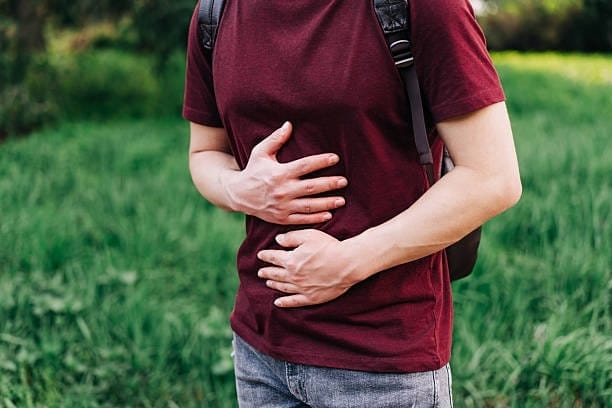
Have you ever felt “butterflies” in your stomach before a big event? Or experienced digestive discomfort during stressful times? These experiences are not random — they are signs of the powerful connection between your gut and brain.
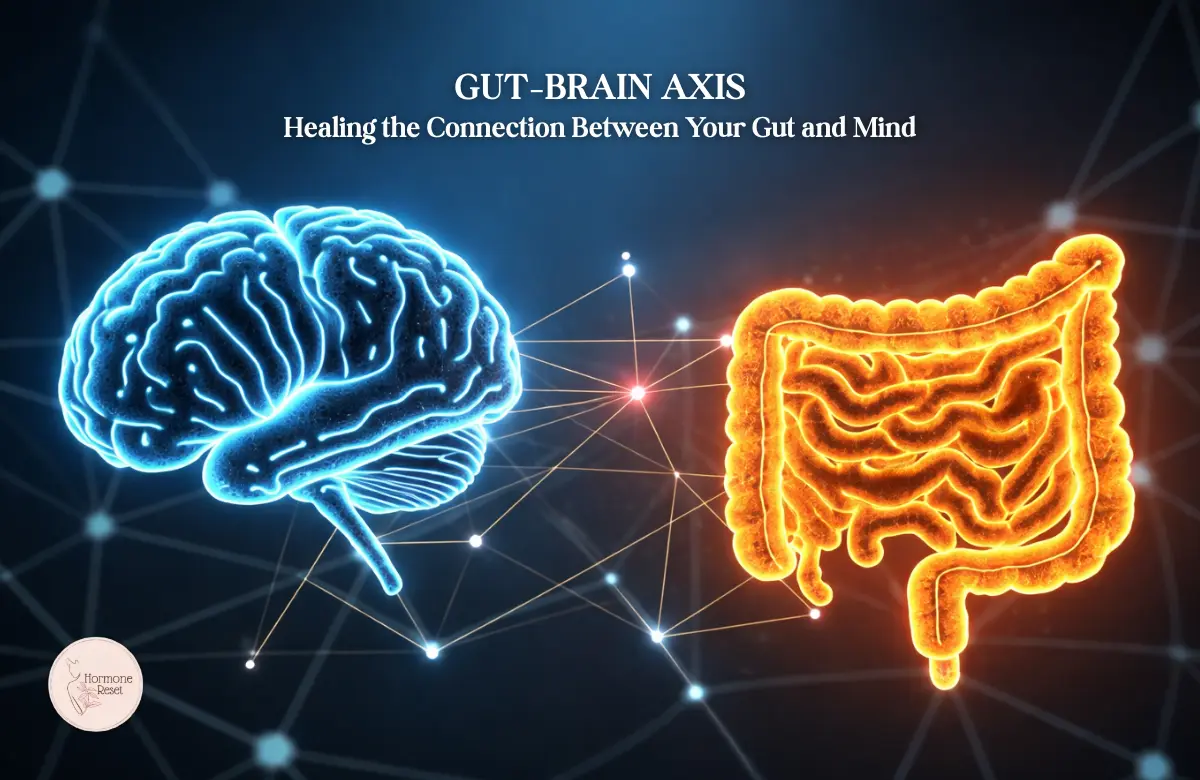
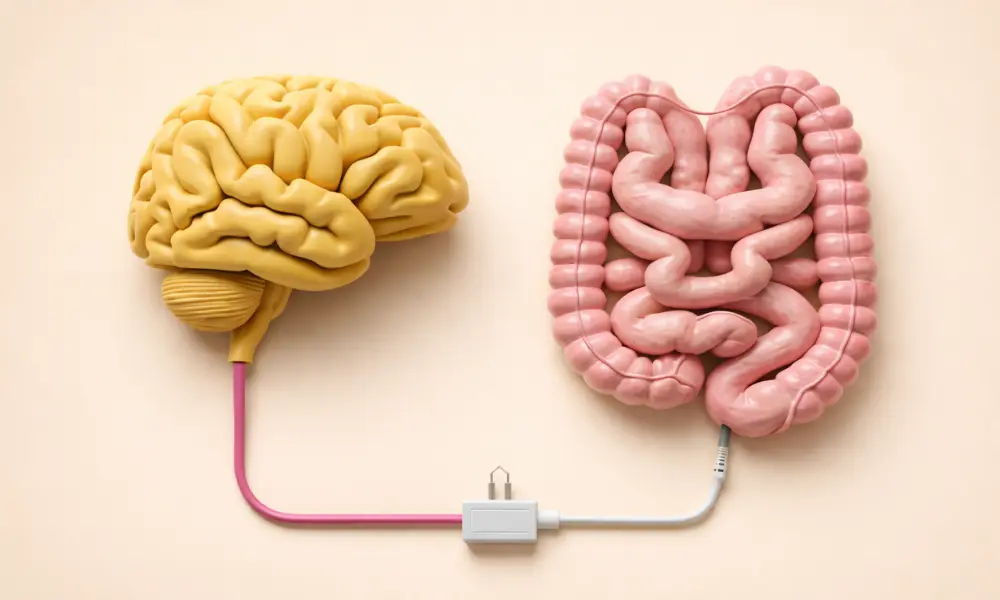
The gut–brain axis (GBA) is a complex, two-way communication system that links your digestive system and your brain. When this connection is healthy, you feel emotionally balanced, mentally clear, and physically well. When it becomes disrupted, it can contribute to chronic inflammation, mood disorders, digestive problems, and autoimmune conditions.
Understanding this connection allows us to address many chronic health issues at their root.
What Is the Gut–Brain Axis?
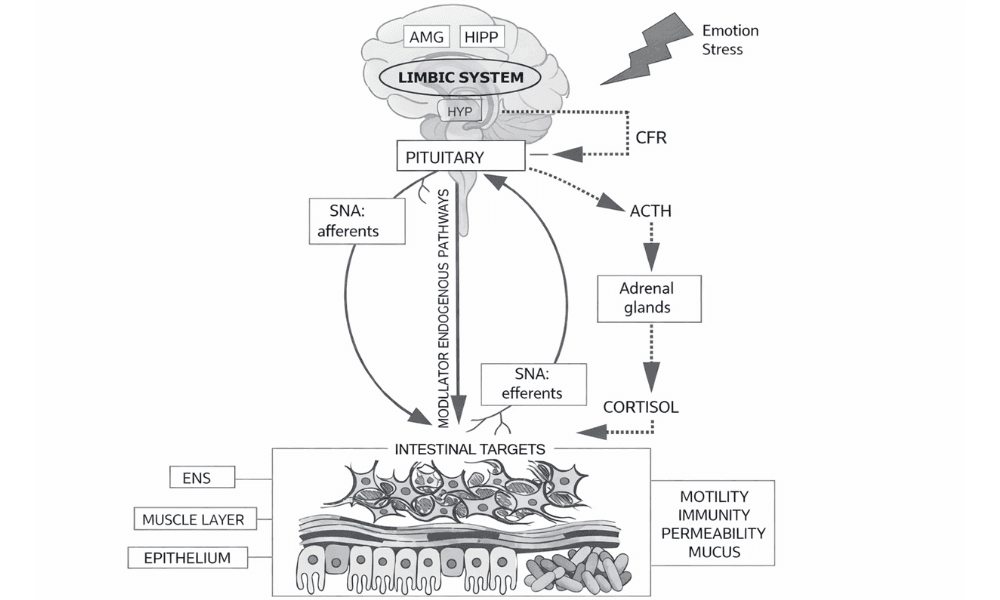
The gut–brain axis is a bidirectional communication network involving:
The Central Nervous System (CNS)
The Autonomic Nervous System (ANS)
The Enteric Nervous System (ENS) — often called the “second brain”
The Hypothalamic–Pituitary–Adrenal (HPA) axis
This system connects emotional and cognitive centers of the brain with intestinal functions such as:
Gut motility
Immune activation
Intestinal permeability
Hormone release
Stress response
Communication occurs through nerves (especially the vagus nerve), hormones, immune messengers, and microbial metabolites.
In simple terms: Your gut influences your nervous system and vice versa.
Conditions Linked to Gut–Brain Axis Dysfunction
When the gut–brain communication is disrupted, it can contribute to multiple chronic conditions:
Mental Health
Anxiety
Depression
ADHD
Autism spectrum disorders
Neurological Disorders
Alzheimer’s disease
Parkinson’s disease
Migraines
Digestive Conditions
IBS (Irritable Bowel Syndrome)
IBD (Inflammatory Bowel Disease)
Leaky gut
SIBO
Autoimmune Disorders
Hashimoto’s thyroiditis
Multiple sclerosis
Rheumatoid arthritis
These conditions often share underlying factors: chronic stress, inflammation, and microbiome imbalance.
The Role of Gut Microbiota
Your gut contains trillions of microorganisms that directly influence your brain and immune system.
1. Neurotransmitter Production
About 95% of serotonin is produced in the gut. Gut bacteria also influence GABA and dopamine production — essential for mood regulation, sleep, focus, and stress resilience.
2. Immune Regulation
Approximately 70% of the immune system resides in the gut. In the gut there are tight junctions.These junctions make the intestinal barrier impermeable to toxins and other materials. If the intestinal barrier becomes permeable (“leaky gut”), toxins and inflammatory compounds enter the bloodstream, triggering systemic and even brain inflammation.
3. Short-Chain Fatty Acids (SCFAs)
Beneficial bacteria ferment dietary fiber to produce SCFAs like butyrate, which:
Strengthen the gut lining
Reduce inflammation
Support brain function
Regulate immune balance
4. Stress Response
Chronic stress activates the HPA axis, increasing cortisol levels. High cortisol disrupts the gut barrier, alters microbiome balance, and weakens vagus nerve signaling.
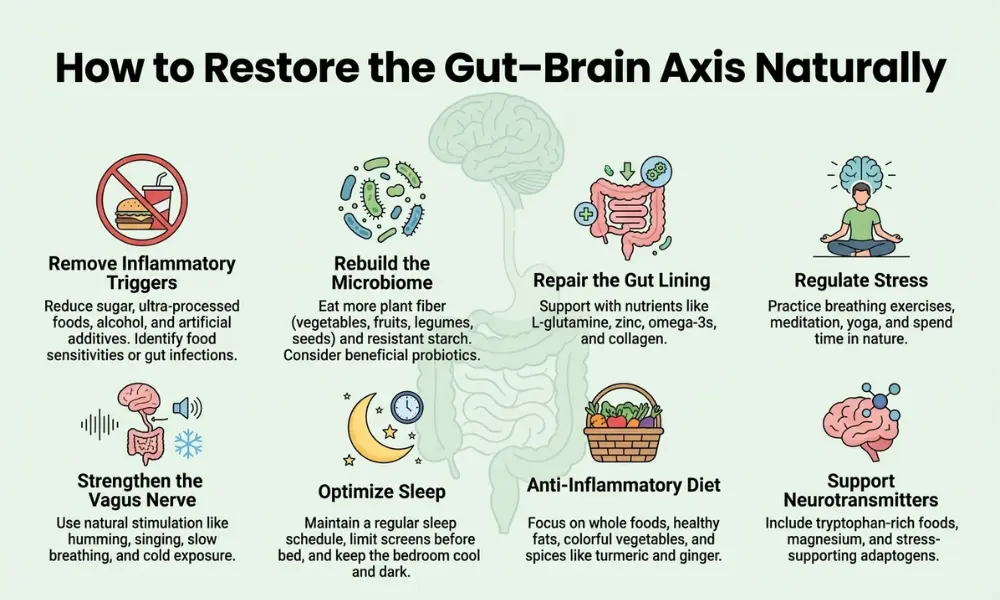
How to Restore the Gut–Brain Axis Naturally?
Healing the gut–brain axis requires a holistic approach. Below is a detailed, step-by-step strategy.
1. Remove Inflammatory Triggers
The first step is reducing the burden on the gut.
Eliminate Common Irritants:
Refined sugar
Ultra-processed foods
Excess alcohol
Artificial additives
Gluten or dairy (if sensitive)
Identify Hidden Causes:
Small Intestine bacterial overgrowth
Candida overgrowth
Parasites
Food intolerances
Removing these triggers reduces inflammation and allows the gut lining to begin repairing itself.
2. Rebuild and Diversify the Microbiome
A diverse microbiome is essential for strong gut–brain communication.
Increase Fiber Intake
Aim for a variety of plant fibers:
Leafy greens
Vegetables
Fruits
Legumes
Seeds
Resistant starch (green bananas, cooked and cooled rice or potatoes)
Adaptogens like ashwagandha and rhodiola (if appropriate)
Always consult a healthcare provider before supplementation.
Frequently Asked Questions
1. What is the gut–brain axis, and why is it important?
The gut–brain axis is the communication network that connects the digestive system and the brain through nerves, hormones, immune signals, and the gut microbiome. This two-way communication allows the brain to influence digestive processes while the gut can affect mood, cognition, and overall health. A well-functioning gut–brain axis supports emotional balance, healthy digestion, immune strength, and mental clarity.
2. Can gut health affect mental health?
Yes, gut health plays a significant role in mental health. The gut microbiome influences the production of neurotransmitters such as serotonin, dopamine, and GABA, which regulate mood, sleep, and stress responses. Since a large portion of serotonin is produced in the gut, imbalances in gut bacteria can contribute to anxiety, depression, and other mood disorders.
3. What are the signs of an unhealthy gut–brain connection?
An imbalance in the gut–brain axis can lead to a variety of symptoms affecting both physical and mental health. Common signs include digestive problems such as bloating, constipation, or irritable bowel syndrome, as well as symptoms like brain fog, fatigue, sleep disturbances, mood swings, and increased stress sensitivity. These symptoms often indicate inflammation, microbiome imbalance, or increased intestinal permeability.
4. How can you improve the gut–brain axis naturally?
Improving the gut–brain axis requires a holistic approach that focuses on diet, lifestyle, and stress management. Eating a nutrient-dense diet rich in fiber, vegetables, and fermented foods helps nourish beneficial gut bacteria. Managing stress through meditation, breathing exercises, or physical activity can regulate the stress response system. Getting adequate sleep, reducing processed foods and sugar, and maintaining a balanced lifestyle can also help restore healthy communication between the gut and brain.
5. How long does it take to restore gut–brain balance?
The time needed to improve the gut–brain axis varies depending on the individual and the underlying health issues involved. Some people may notice improvements in digestion, mood, and energy levels within a few weeks after adopting healthier habits. However, restoring microbiome balance and reducing chronic inflammation can take several months of consistent dietary changes, stress management, and lifestyle adjustments.
Conclusion
The gut–brain axis is not just a theory — it is a foundational system that influences mental clarity, emotional balance, immune function, and chronic disease risk.
By removing inflammatory triggers, rebuilding the microbiome, repairing the gut lining, regulating stress, and supporting the vagus nerve, you can naturally restore this powerful communication pathway.
Healing the gut is not just about digestion — it is about restoring balance to the entire body and mind.
When the gut is supported, the brain begins to heal — and true wellness becomes possible.
Weight loss is one of the most misunderstood aspects of modern health. Millions of people eat “right” and exercise “enough,” only to wonder why the scale doesn’t move — or worse, why belly fat and inflammation continue to worsen. This frustration is real, and it often stems not from lack of effort but from systems within the body that have not been addressed. In functional medicine, weight loss isn’t just about calories — it’s about the internal environment that determines how your metabolism behaves.
In this long‑form article, we’ll explore why traditional approaches often fail, and how the gut, hormones, and liver are central to sustainable fat loss. We’ll look at current science, functional medicine concepts, and practical root‑cause frameworks — all grounded in the latest understanding of metabolic regulation.
The Calorie Myth: Why Simple Math Doesn’t Match Biology
For decades, weight loss has been explained as “calories in vs. calories out.” While this model sounds logical, it fails to capture the complex biochemical and hormonal feedback loops that govern energy homeostasis.
Your body is not a machine. It is a biological ecosystem designed to maintain stability (homeostasis). When systems like hormone signaling, gut integrity, or liver function are disrupted, the body adapts in ways that protect energy stores rather than melt them away.
For example:
The brain constantly monitors energy availability. When it senses stress, inflammation, or nutrient deficiencies, it signals the body to store fat as insurance.
Chronic stress and elevated cortisol drive glucose dysregulation and fat storage, even without overeating.
Disruptions in gut microbiota can alter the production of signaling molecules that regulate appetite, metabolism, and insulin sensitivity.
This science helps explain why many people can eat less and still gain weight, or why “starving yourself” can paradoxically slow metabolism.
The Hormone Connection: Metabolic Regulators That Control Fat Storage
Hormones are the chemical messengers that orchestrate metabolism. When they are imbalanced, fat loss resistance is one of the most common outcomes.
Insulin: The Master Fat Storage Hormone
Insulin regulates glucose uptake and storage. When insulin is constantly elevated — due to high refined carbohydrate intake, frequent snacking, or chronic stress — the body shifts into a fat storage mode. This state is often called insulin resistance, and it is a common early step on the path to metabolic dysfunction.
Research increasingly shows that imbalances in insulin and related pathways contribute to both obesity and metabolic syndrome.
Cortisol: The Stress Hormone That Stores Fat
Cortisol is released in response to stress. Short‑term elevations are adaptive, but chronic cortisol elevation:
Increases appetite
Promotes visceral fat storage
Suppresses thyroid function
Drives blood sugar variability
Chronic cortisol elevation can therefore create a metabolic environment that favors weight gain — especially around the abdomen.
Thyroid Hormones: The Metabolic Accelerator
Thyroid hormones (T3 and T4) influence every cell’s metabolism. When thyroid function is suboptimal — even within “normal” lab ranges — metabolic rate drops, energy levels decline, and weight becomes more difficult to lose.
Functional medicine practitioners often look beyond standard TSH tests to evaluate:
Free T3 and Free T4
Reverse T3 (an inactive form that blocks metabolism)
Thyroid antibodies
Because thyroid activity influences nearly every aspect of energy regulation, even mild dysfunction can be a key root cause of weight resistance.
Sex Hormones: Estrogen, Progesterone & Testosterone
Sex hormones also shape metabolic outcomes:
Estrogen dominance is linked with increased fat storage and reduced fat burning
Low progesterone can impact insulin sensitivity and inflammation
Low testosterone (in both men and women) reduces lean mass and slows metabolism
Functional pathways that connect hormone imbalances with metabolic resistance are deeply interconnected with liver processing and gut microbial function.
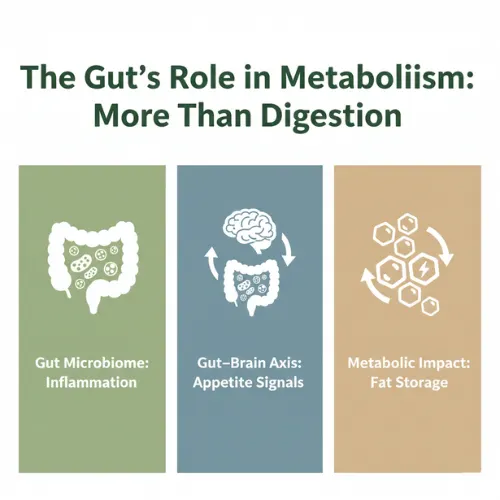
The Gut’s Role in Metabolism: More Than Digestion
The gut microbiome is now understood as an endocrine organ — producing signaling molecules that influence metabolism, inflammation, appetite, and fat storage.
Gut Microbiota as Metabolic Regulators
Dysbiosis — an imbalance in gut microbes — has been linked to:
Increased inflammation
Reduced production of short‑chain fatty acids (SCFAs) that support metabolic health
Greater gut permeability (“leaky gut”)
Altered appetite signaling through gut‑brain peptides
These microbial and biochemical changes can increase fat storage, drive insulin resistance, and make weight loss challenging even with diet and exercise.
A comprehensive review highlights the impact of the microbiome on obesity and metabolic disorders, showing that gut microbial shifts can directly influence:
The gut and brain communicate via hormonal and neural pathways that regulate hunger and satiety. When this axis is dysregulated — due to poor gut health or chronic inflammation — the signals that tell you “you’re full” or “you have enough energy” are blurred. This contributes to overeating, cravings, and poor metabolic control.
Functional Medicine Viewpoint
Rather than treating the gut as a passive digestive organ, functional medicine sees it as central to:
Hormone balance
Immune function
Detoxification support
Neuroendocrine signaling
Thus, poor gut health can be a root cause of metabolic resistance.
The Liver: The Metabolic Control Center
In functional medicine, the liver is recognized as the body’s primary metabolic hub, coordinating nutrient processing, hormone regulation, detoxification, and fat metabolism. While the gut handles intake, the liver ensures that nutrients are efficiently utilized, hormones are cleared, toxins neutralized, and fats are properly digested through bile production. It also plays a critical role in regulating blood sugar and maintaining metabolic flexibility.
Compromised liver function—due to fat accumulation, chronic inflammation, or exposure to environmental toxins—is increasingly seen as a barrier to sustainable weight loss, both in India and globally. Subclinical liver stress often goes undetected, yet it impairs metabolism by disrupting hormone clearance, nutrient processing, and energy homeostasis.
Fatty Liver and Insulin Resistance: Non-alcoholic fatty liver disease (NAFLD) is a common metabolic condition associated with obesity, insulin resistance, and systemic inflammation. A fatty liver struggles to regulate blood glucose, produces pro-inflammatory cytokines, and sends stress signals to other organs, further impairing metabolic efficiency. (Journal of Clinical Endocrinology & Metabolism, 2021)
Functional medicine interventions for liver health include:
Anti-inflammatory and nutrient-dense diet to reduce fat accumulation and oxidative stress.
Supporting detox pathways with nutrients like N-acetylcysteine, milk thistle, B vitamins, and antioxidants.
Managing blood sugar and insulin through diet, lifestyle, and gut health optimization.
Reducing environmental toxin exposure and chronic alcohol or medication stressors.
Outcome: By restoring liver function, metabolic signaling improves, hormone clearance normalizes, inflammation decreases, and fat-burning capacity is enhanced. Functional medicine treats liver health as a cornerstone of systemic metabolic restoration, ensuring that weight loss is sustainable and rooted in overall wellness.
Chronic Inflammation: The Hidden Barrier to Weight Loss
Chronic inflammation is like a silent brake on your metabolism. Unlike short-term inflammation that helps your body heal, long-lasting inflammation disrupts hormones, blood sugar control, and energy use, making it hard to lose weight.
What Causes Chronic Inflammation?
Leaky Gut: When the gut lining is weak, food particles, bacteria, and toxins leak into the bloodstream, triggering the immune system.
Toxins: Pollution, heavy metals, and chemical exposures increase stress in the body and trigger inflammatory responses.
Stress: Constant psychological or physical stress raises cortisol, promoting belly fat and insulin resistance.
Gut Imbalance or Hidden Infections: Overgrowth of harmful gut bacteria or low-level infections keep the immune system activated.
How Inflammation Blocks Fat Loss:
Insulin Resistance: Inflammatory molecules make it harder for cells to use sugar properly, encouraging fat storage.
Appetite Hormone Disruption: Leptin and ghrelin signals get confused, making you feel hungrier and less satisfied after meals.
Energy Conservation Signals: Cells slow down metabolism because they perceive stress, preventing fat burning.
Reduced Flexibility: Your body struggles to switch between burning sugar and fat efficiently.
Functional Medicine Approach: Functional medicine focuses on finding and fixing the root cause. Healing the gut, reducing toxins, balancing microbes, improving diet, supporting the liver, and managing stress can calm inflammation. Once inflammation is lowered, hormones stabilize, metabolism improves, and weight loss becomes easier and sustainable.
Stress, Sleep & Metabolism: Why the Nervous System Matters
Chronic stress is not just mental — it has physiological metabolic consequences. Elevated stress and poor sleep disrupt:
Cortisol rhythms
Appetite hormones
Blood sugar control
Mitochondrial function (how cells burn fuel)
These effects make fat loss harder, even with disciplined eating and activity.
Nutrient Deficiencies and Metabolic Blockage: A Functional Medicine Perspective
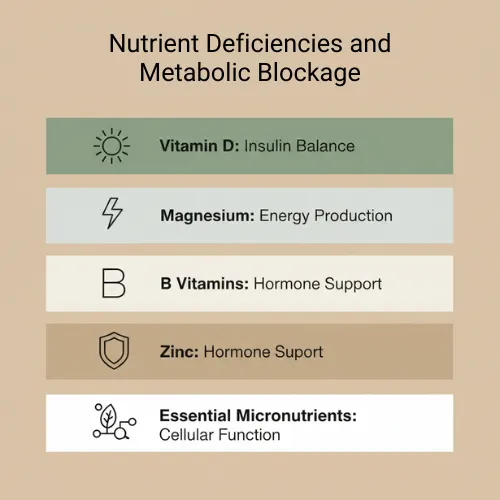
In functional medicine, nutrient sufficiency is foundational to metabolism, hormone function, and overall health. Micronutrients are not optional—they act as co-factors for enzyme activity, hormone synthesis, neurotransmitter balance, and detoxification pathways. Deficiencies can silently create metabolic resistance, making weight loss extremely difficult despite diet and exercise.
Vitamin D: Crucial for immune modulation, insulin sensitivity, and thyroid regulation. Low vitamin D is strongly associated with metabolic syndrome, obesity, and increased inflammatory markers. Supplementation under supervision can improve insulin signaling and hormone balance.
Magnesium: Required for over 300 enzymatic reactions, including those controlling energy production and glucose metabolism. Magnesium deficiency is linked to insulin resistance, poor energy utilization, and impaired mitochondrial function.
B Vitamins: B12, B6, and folate are essential for methylation, neurotransmitter production, and homocysteine regulation. Deficiency can lead to fatigue, impaired thyroid function, and disrupted hormone metabolism.
Zinc: Integral to thyroid hormone synthesis, insulin regulation, and appetite signaling. Zinc deficiency can increase oxidative stress, hormonal imbalance, and metabolic inefficiency.
Other Micronutrients: Selenium, iron, omega-3 fatty acids, and antioxidants support liver detoxification, hormone clearance, and inflammatory balance, all of which are critical for fat metabolism.
Functional medicine practitioners often use detailed lab testing to identify deficiencies and tailor supplementation, while also addressing underlying causes such as gut malabsorption, chronic inflammation, or toxin exposure. Correcting these deficiencies is not simply about filling gaps—it unlocks metabolic pathways, improves hormonal function, and restores energy regulation, paving the way for sustainable, root-cause weight management.
Functional Assessment: How Practitioners Identify Root Causes
Functional medicine views the body as an interconnected system, where metabolic, hormonal, immune, and digestive pathways constantly interact. Unlike conventional approaches that focus primarily on weight, BMI, or isolated lab values, functional medicine practitioners use comprehensive assessments to uncover root causes of metabolic resistance and fat accumulation.
Hormone Panels: Detailed evaluation of thyroid (TSH, Free T3, Free T4, Reverse T3, thyroid antibodies), adrenal hormones (cortisol rhythm), sex hormones (estrogen, progesterone, testosterone), and appetite-regulating hormones (leptin, ghrelin) helps identify imbalances that influence energy expenditure, fat storage, and cravings.
Blood Sugar and Insulin Response: Functional medicine tests often include fasting glucose, HbA1c, fasting insulin, and oral glucose tolerance to detect insulin resistance, a key driver of metabolic dysregulation and fat accumulation.
Gut Microbiome Analysis: Dysbiosis and leaky gut contribute to systemic inflammation, hormone disruption, and altered nutrient absorption. Stool tests, microbiome sequencing, and evaluation of gut permeability markers guide interventions.
Nutrient Status: Deficiencies in vitamin D, magnesium, B vitamins, zinc, and omega-3s are assessed as these are critical co-factors in hormone production, mitochondrial function, and detoxification.
Liver Detox Capacity and Inflammatory Markers: Liver function tests, CRP, IL-6, and other markers indicate metabolic stress and systemic inflammation, both of which impair fat loss.
Stress and Nervous System Evaluation: Cortisol rhythms, heart rate variability, and lifestyle stressors are assessed to understand their impact on hormone signaling and metabolic flexibility.
By examining these systems holistically, functional medicine practitioners identify the interconnected patterns that block weight loss and develop personalized, root-cause strategies rather than offering generic solutions.
Lifestyle Factors That Block Weight Loss: A Functional Medicine Perspective
Weight loss resistance is rarely caused by a single factor. Modern lifestyles create multiple stressors that disrupt metabolism, hormone balance, and gut-liver function, often invisibly.
1. Sedentary Behaviour: Prolonged sitting and low physical activity reduce mitochondrial efficiency, impair insulin sensitivity, and slow fat oxidation. Research shows even moderate activity, such as short bouts of walking or strength training, improves glucose metabolism and hormone regulation.
2. Highly Processed Diets: Diets rich in refined carbohydrates, trans fats, and ultra-processed foods promote chronic inflammation, dysbiosis, and insulin resistance. Functional medicine emphasizes nutrient-dense, anti-inflammatory foods to restore gut microbiome balance, support liver detoxification, and stabilize hormones.
3. Irregular Sleep: Poor or inconsistent sleep impairs cortisol rhythms, disrupts leptin and ghrelin signaling (hunger hormones), and reduces energy expenditure. Chronic sleep deprivation is linked to increased visceral fat and impaired metabolic flexibility.
4. Chronic Stress: Persistent psychological or physical stress elevates cortisol, which drives abdominal fat accumulation, insulin resistance, and thyroid suppression. Stress also worsens gut permeability, further amplifying inflammation and metabolic disruption.
5. Environmental Toxins: Exposure to endocrine-disrupting chemicals (EDCs) such as BPA, pesticides, and heavy metals can interfere with thyroid function, liver detoxification, and hormone signaling, all critical for weight regulation.
Functional medicine recognizes that these lifestyle factors interact with gut, liver, and hormone systems, creating a vicious cycle that prevents fat loss. Addressing these root contributors—through diet, sleep, stress management, detox support, and movement—restores metabolic balance and enables sustainable weight loss.
Functional Medicine Strategies That Support Metabolic Healing & Weight Loss
Functional medicine approaches weight loss as a natural outcome of restoring internal systems, rather than focusing solely on calories or exercise. Sustainable results depend on addressing the gut, hormones, liver, inflammation, and stress — the key drivers of metabolic health.
1. Gut Repair: The gut is a central regulator of metabolism and immune signaling. Dysbiosis, leaky gut, or microbial imbalances can trigger systemic inflammation, impair appetite regulation, and block fat burning. Functional medicine interventions include probiotics, prebiotics, gut-healing nutrients (like L-glutamine and zinc), and anti-inflammatory diets.
2. Hormone Balancing: Hormones orchestrate fat storage and energy use. Imbalances in thyroid, insulin, cortisol, estrogen, progesterone, and leptin can create resistance to weight loss. Personalized strategies focus on optimizing hormone levels, improving insulin sensitivity, and regulating stress hormones.
3. Liver Support: The liver processes nutrients, detoxifies hormones, and regulates metabolism. Impaired liver function from toxins or fatty liver slows fat metabolism. Functional medicine emphasizes detox support, nutrient cofactors, and reducing environmental and dietary toxins.
4. Inflammation Reduction: Chronic inflammation disrupts insulin signaling, appetite hormones, and metabolism. Strategies include anti-inflammatory diets, micronutrient support (vitamin D, magnesium, zinc), and addressing underlying triggers such as gut permeability and environmental toxins.
5. Stress & Sleep Optimization: Chronic stress elevates cortisol, while poor sleep impairs insulin sensitivity and metabolic regulation. Functional medicine incorporates stress management, meditation, sleep hygiene, and adaptogens to restore balance.
6. Personalized Root-Cause Approach: Every individual’s metabolic resistance is unique. Functional medicine combines comprehensive testing, dietary, lifestyle, and behavioral interventions to target the root causes, ensuring fat loss occurs naturally as internal systems normalize.
Outcome: By healing the gut, balancing hormones, supporting the liver, reducing inflammation, and managing stress, the body can reset its metabolism, allowing sustainable, long-term weight loss as a byproduct of restored health.
Why Results May Take Time and Require Personalization?
Functional medicine works on the principle that every body is unique, and weight loss or metabolic restoration cannot be achieved with a single quick fix. Long-term results depend on identifying and correcting the underlying factors that block metabolism.
Why it Takes Time:
Multiple Systems Are Involved: Weight resistance is rarely due to one issue. Gut health, liver function, hormones, inflammation, sleep, and stress all interact. Addressing just one factor may provide temporary relief but not lasting results.
Complex Biological Patterns: Each individual has a distinct combination of hormone imbalances, nutrient deficiencies, and environmental exposures that affect metabolism differently. Functional medicine maps these patterns before making targeted interventions.
Healing and Adaptation: Restoring gut integrity, balancing hormones, improving liver detoxification, and reducing inflammation takes time. Cells, tissues, and metabolic pathways need weeks or months to recover and function efficiently.
Building Sustainable Habits: Functional medicine emphasizes long-term lifestyle changes in diet, movement, sleep, and stress management. Quick fixes may yield temporary results but often fail when old habits resume.
Why Conventional Approaches Often Fall Short: Traditional methods frequently focus on calorie restriction or medication to suppress symptoms rather than addressing root causes. This may produce short-term results, but underlying imbalances remain, leading to plateaus, fatigue, and frustration.
By tackling the body’s systems holistically and allowing time for true healing, functional medicine enables lasting metabolic balance, hormone stability, and gradual, sustainable weight loss.
FAQs: Functional Medicine & Weight Loss
1. Why am I eating healthy and exercising, yet not losing weight?
Weight loss resistance often stems from internal system imbalances rather than calorie intake alone. Hormonal disruption (thyroid, insulin, cortisol), gut dysbiosis, liver stress, chronic inflammation, and nutrient deficiencies can all signal your body to store fat, making conventional diet and exercise less effective.
2. How does gut health affect my metabolism?
The gut microbiome produces hormones and signaling molecules that regulate appetite, fat storage, and insulin sensitivity. Dysbiosis (microbial imbalance) or leaky gut increases inflammation, disrupts metabolism, and alters hunger cues, contributing to weight gain or stalled weight loss.
3. What role does the liver play in fat loss?
The liver is central to metabolic control: it processes nutrients, detoxifies hormones, regulates blood sugar, and produces bile for fat digestion. Fatty liver, toxin accumulation, or chronic inflammation can impair these functions, slowing metabolism and fat-burning capacity.
4. How do hormones influence weight loss?
Hormones such as insulin, cortisol, thyroid hormones, estrogen, progesterone, and leptin orchestrate energy use and fat storage. Imbalances—like insulin resistance, thyroid sluggishness, or estrogen dominance—can block fat loss, even with proper diet and exercise.
5. Why is chronic inflammation a problem for weight loss?
Persistent inflammation alters insulin and appetite hormone signaling, signals cells to store energy, and reduces metabolic flexibility. Sources include gut permeability, environmental toxins, stress, and hidden infections.
6. Can nutrient deficiencies prevent weight loss?
Yes. Micronutrients like vitamin D, magnesium, B vitamins, zinc, selenium, and omega-3 fatty acids are critical co-factors for hormone production, enzyme function, and detox pathways. Deficiencies can impair metabolism, energy production, and fat-burning efficiency.
7. How long does it take to see results using functional medicine principles?
Because functional medicine addresses multiple systems simultaneously, improvements may take weeks to months. The focus is on restoring internal balance—gut, hormones, liver, and inflammation—which gradually leads to sustainable fat loss.
Conclusion: Metabolic Healing Before Weight Loss
Weight loss is not just about eating less and moving more. It’s about understanding the internal signals that determine whether your body releases or stores fat.
Further research increasingly supports the idea that gut microbiota influences metabolic homeostasis, that hormonal imbalances can drive fat storage, and that liver function is essential for energy balance
Functional medicine reframes weight loss as a signal of internal balance rather than a battle against your body. When hormones communicate clearly, when the gut and liver function optimally, and when inflammation is controlled, fat loss becomes a natural consequence of restored health.
In a world obsessed with imported “superfoods,” one of the most potent metabolic foods has been hiding in plain sight for thousands of years: Horse gram. Known as Kulthi in Ayurveda and Kollu in South India, this humble legume is making a comeback—not just as food, but as functional medicine. Its unique nutrient profile and bioactive compounds offer benefits for glucose balance, gut health, hormone metabolism, and inflammation.
What is Horse Gram?
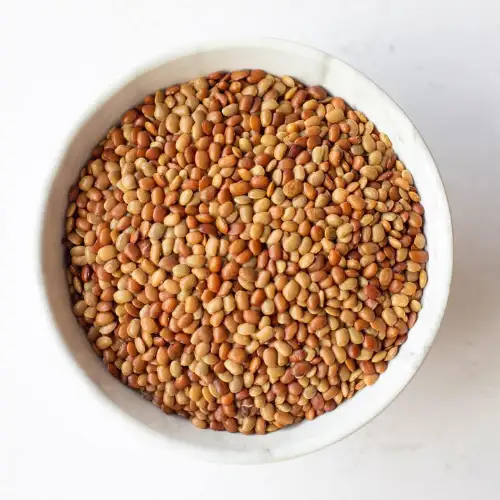
Horse gram (Macrotyloma uniflorum) is a drought-resistant legume traditionally consumed across India, Sri Lanka, and Southeast Asia. Historically, it was fed to warriors and livestock for endurance and strength, and was valued for its therapeutic properties in traditional medical systems.
Ancient History & Traditional Use
In Ayurvedic texts like Charaka Samhita, horse gram is described as a food that balances doshas, especially Kapha and Vata, and supports digestion. Siddha and folk traditions have used it for conditions like kidney stones (Mutrashmari), obesity (Medoroga), and poor digestion—long before modern science began exploring its medicinal potential. Its heating nature was traditionally prized for activating metabolism and clearing internal toxins.
Nutritional Powerhouse with Functional Potential
Horse gram stands out among pulses for its:
High-quality plant protein, amongst the highest in the plant kingdom
Very high dietary fiber, supporting gut and metabolic health
Rich polyphenols and antioxidants, helping reduce inflammation
Naturally low glycemic impact, beneficial for blood-sugar balance
High iron content, supporting energy levels and hemoglobin
Good calcium content, supporting bone and metabolic function
In traditional systems, horse gram is also considered high-pranic—a food believed to enhance vital energy, warmth, and metabolic fire, making it especially valuable for sedentary, cold, or sluggish metabolic states.
From an Ayurvedic perspective, it (Kulthi) is considered ushna (warming), ruksha (dry), and tikshna (penetrating). It is traditionally used to stimulate agni (digestive fire), reduce kapha accumulation, and clear ama (metabolic waste). Because of its high pranic value, it is believed to enhance vital energy, circulation, and metabolic strength, making it especially beneficial for sluggish digestion, fluid retention, and cold, sedentary body types.
Scientifically Documented Benefits
1. Anti-Inflammatory & Antioxidant Effects
Research shows that horse gram can boost antioxidant enzyme activities like superoxide dismutase and catalase, potentially helping reduce oxidative stress and inflammation in the body. In animal models, horse gram supplementation increased antioxidant status without activating pro-inflammatory mediators.
Studies have shown that the oil extracted from horse gram seeds—referred to in research as its fixed oil—contains bioactive fatty acids and plant compounds with pain-relieving and anti-inflammatory properties. Unlike essential oils, fixed oils are stable, non-volatile oils that support cell membrane health and help regulate inflammatory pathways in the body. These findings provide a scientific explanation for horse gram’s traditional use in easing joint pain, muscle aches, and other inflammatory conditions, bridging ancient dietary wisdom with modern nutritional science.
2. Metabolic Health: Glucose & Lipid Regulation
While large human clinical trials are still limited, animal studies and systematic reviews suggest that horse gram may act as an antidiabetic and lipid-modulating food. Its bioactive compounds—including polyphenols, resistant starch, and dietary fibre—appear to influence glucose metabolism, improve insulin sensitivity, and favourably modify lipid parameters such as total cholesterol, LDL cholesterol, triglycerides, and the LDL:HDL ratio. Some studies also note improvements in oxidative stress and inflammatory markers, which are central to cardiometabolic risk. These effects are particularly relevant for modern lifestyle conditions such as PCOS, insulin resistance, metabolic syndrome, fatty liver disease, and cardiovascular disease (CVD) risk.
Fermented horse gram products have also shown inhibition of enzymes related to fat digestion, indicating potential anti-obesity effects.
3. Kidney Protection & Diuretic Action
Traditional use of horse gram for urinary health is supported by studies showing diuretic activity and protective effects in nephrotoxicity models. These findings align with its historical use in preventing or managing kidney stones and supporting overall kidney function.
4. Antioxidants & Phytochemicals
The seeds are rich in phenolics, flavonoids, and tannins, which contribute to its antioxidant, antimicrobial, and potential therapeutic properties. These compounds are linked to a range of physiological effects from gut health support to reduced oxidative damage.
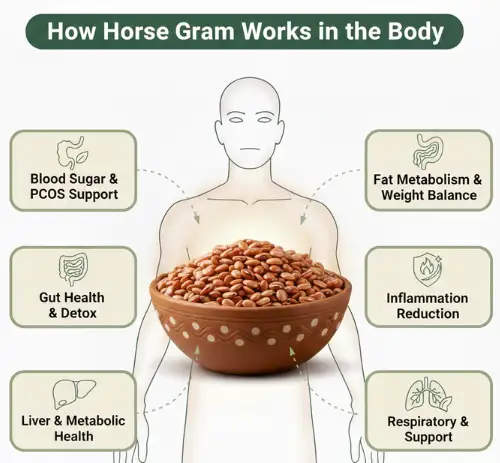
Functional Medicine Perspective: How Horse Gram Works in the Body
Blood Sugar Regulation & PCOS
The high fiber and polyphenol content slow carbohydrate absorption, helping stabilize glucose levels—which is vital if you’re managing insulin resistance, PCOS, or metabolic syndrome.
Gut Health & Detoxification
Fiber supports bowel regularity and gut microbiome health. A healthier gut means improved hormone metabolism and reduced systemic inflammation.
Fat Metabolism & Weight Management
Traditional sources consider horse gram deepana (digestive fire enhancer). Modern studies support effects on fat digestion and enzyme activity, helping with satiety and metabolic efficiency.
Inflammation Modulation
The antioxidants and anti-inflammatory compounds in horse gram help the body neutralize harmful free radicals and reduce chronic inflammation in tissues. For patients, this can translate into:
Reduced fatigue and improved energy, as cells are less stressed and can produce energy more efficiently
Better metabolic health, including improved blood sugar control and lipid balance
Support for liver function, helping reduce fat accumulation in conditions like fatty liver
Joint and muscle comfort, as inflammation in connective tissues decreases
Enhanced cardiovascular health by lowering oxidative stress and improving blood vessel function
In short, these compounds help the body recover, repair, and function optimally, making horse gram a supportive food for conditions like insulin resistance, PCOS, fatty liver, and mild inflammatory states.
Support respiratory health
Horse gram has traditionally been used in Ayurveda to support respiratory health and help relieve cold, cough, and congestion. Its warming, drying, and anti-inflammatory properties can help soothe the respiratory tract, reduce mucus buildup, and ease irritation in the throat and lungs. Additionally, the antioxidants and bioactive compounds may support the immune system, helping the body respond better to infections or seasonal colds, making it a gentle, food-based way to support overall respiratory wellness.
Who Should Use Caution?
Despite its benefits, horse gram is heating and high in fiber, which may be intense for some individuals.
Avoid or consume cautiously if you have:
Active gastritis or ulcers
Thyroid conditions without proper soaking & preparation
Pregnancy or sensitive digestion (without guidance)
How to Prepare Horse Gram Correctly (Essential Step)
Proper preparation reduces phytic acid and gas-forming compounds, enhances digestibility, and unlocks therapeutic benefits.
Sprouted and lightly tempered with mustard seeds and lemon—a perfect plant-based protein snack.
Best Time & Frequency to Consume
1–2 times per week is sufficient for most
Best during winter & monsoon
Ideal at lunch (strongest digestion)
Frequently Asked Questions (FAQs)
1. Is horse gram safe to consume regularly?
It is safe for most people when consumed in moderation and properly prepared. Because it is high in fiber and warming in nature, it is best eaten 1–2 times per week, especially during cooler seasons. Proper soaking, thorough cooking, and the use of digestive spices improve tolerance and reduce digestive discomfort.
2. Can horse gram help with PCOS and insulin resistance?
It may support metabolic health due to its high fiber content, low glycaemic impact, and polyphenols, which help stabilize blood sugar and improve insulin sensitivity. While it is not a treatment for PCOS, it can be a supportive food as part of a balanced, root-cause-based nutrition plan.
3. Does horse gram support gut health?
Yes. The dietary fiber in horse gram supports bowel regularity and gut microbiome balance, which are important for hormone metabolism and inflammation control. A healthier gut can help the body process and eliminate hormones more efficiently, supporting overall metabolic and hormonal balance.
4. Who should avoid or limit horse gram?
It should be consumed cautiously by individuals with active gastritis, ulcers, very sensitive digestion, pregnancy, or thyroid conditions if not properly prepared. In such cases, it’s best to seek guidance from a qualified healthcare or Functional Medicine practitioner before including it regularly.
Closing Thoughts: Ancient Wisdom Meets Modern Science
Horse gram is a classic functional food—one that not only nourishes but also actively supports the body’s healing and metabolic systems. Packed with high-quality protein, dietary fiber, polyphenols, antioxidants, iron, and calcium, it helps improve blood sugar control, lipid balance, gut health, and energy metabolism. Its anti-inflammatory and antioxidant properties support tissue repair, reduce oxidative stress, and may help manage conditions such as PCOS, insulin resistance, fatty liver, cardiovascular risk, and mild inflammatory states. Traditionally valued for its warming and pranic qualities, horse gram also supports digestion, immunity, and even respiratory health, helping with cold and cough.
In bridging ancient wisdom and modern science, horse gram reminds us that sometimes the oldest foods are the most healing, offering both nourishment and therapeutic benefit in today’s modern lifestyle.
Introduction: Understanding Stomach Gas from a Functional Perspective
Stomach gas, bloating, and digestive discomfort are common complaints that many people experience after meals. While occasional gas is normal, persistent or excessive gas signals that the digestive system is under stress or not functioning optimally. Conventional advice often focuses on temporary relief, such as over-the-counter medications or lifestyle clichés like “eat smaller meals” or “drink water during meals.”
From a Functional Medicine perspective, gas is not an isolated problem—it is a symptom that points to deeper imbalances in the digestive system. Understanding why gas occurs, rather than just masking it, is key to long-term digestive comfort. Gas typically arises from bacterial fermentation in the gut, impaired motility, enzyme deficiencies, microbiome imbalances, and food sensitivities. By addressing these root causes, you can achieve both immediate relief and sustained improvement in digestive health.
What’s Really Happening in Your Gut
Excess stomach gas is rarely just a minor nuisance—it usually reflects deeper digestive imbalances. The main contributors include bacterial fermentation of undigested food, an imbalanced gut microbiome, insufficient digestive enzymes, slow gut motility, and individual food sensitivities. Understanding and addressing these root causes is key to achieving lasting relief and optimal digestive health.
Fermentation by Gut Bacteria
The most significant source of stomach gas is the fermentation of undigested carbohydrates by gut bacteria. When food is not fully broken down in the small intestine, it reaches the colon where bacteria metabolize it, producing gases such as hydrogen, methane, and carbon dioxide. This process can create the familiar sensations of bloating, pressure, and abdominal discomfort.
Factors that increase bacterial fermentation include:
Incomplete digestion of carbohydrates due to low stomach acid or insufficient digestive enzymes.
Overgrowth of gas-producing bacteria in the small intestine or colon.
Consumption of high-FODMAP foods like beans, lentils, onions, garlic, and certain fruits, which ferment more readily.
Bacterial fermentation is a natural process, but excessive or poorly timed fermentation leads to uncomfortable gas buildup.
Imbalance in Gut Microbiome (Dysbiosis)
A healthy gut microbiome maintains digestive balance, aids nutrient absorption, and prevents overproduction of gas. Dysbiosis, or an imbalance between beneficial and harmful microbes, is a common underlying factor for chronic bloating.
Causes of dysbiosis include:
Repeated antibiotic use
High-sugar or ultra-processed diets
Chronic stress
Sedentary lifestyle
Certain bacteria, such as methane-producing archaea or sulfur-producing microbes, generate significantly more gas than others. When these bacteria dominate, even normal meals can lead to discomfort.
Poor Digestion or Enzyme Deficiency
Effective digestion relies on stomach acid, digestive enzymes, and bile to break down carbohydrates, fats, and proteins. When any of these components are insufficient, food passes into the intestines partially undigested, creating a perfect substrate for gas-producing bacteria.
Common contributors include:
Low stomach acid (hypochlorhydria)
Inadequate pancreatic enzyme activity
Reduced bile secretion
Gut inflammation that impairs nutrient absorption
Supporting digestion through proper enzyme activity and stomach acid balance reduces substrate for fermentation and minimizes gas formation.
Slow Gut Motility
When food moves too slowly through the digestive tract, fermentation increases, and gas has more time to accumulate. Slow motility can be caused by:
Chronic stress or sympathetic nervous system activation
Low thyroid hormone levels
Nutrient deficiencies s,uch as magnesium or B12
Lack of physical movement
Functional Medicine emphasizes restoring natural gut motility rather than relying on frequent meals, which can disrupt the Migrating Motor Complex (MMC)—a critical wave that clears the small intestine of bacteria and leftover food.
Food Intolerances and Sensitivities
Certain foods are more likely to cause gas in sensitive individuals. Common triggers include:
Dairy (lactose intolerance)
Gluten
Beans, lentils, and chickpeas
Onions, garlic, and other high-FODMAP vegetables
Sugar alcohols found in processed foods
When these foods are consumed, undigested carbohydrates ferment rapidly, producing gas and bloating. A structured elimination and reintroduction approach can help identify personal triggers.
Recognizing When Stomach Gas Becomes a Concern
Occasional gas is a normal part of digestion, but frequent or severe bloating may interfere with daily life. Signs that stomach gas requires attention include:
Bloating that appears 30–60 minutes after meals
Chronic abdominal fullness or pressure
Excessive burping or flatulence
Discomfort that affects social situations or daily activities
Gas accompanied by changes in bowel habits, pain, or unexplained weight loss
Persistent gas is a signal that deeper digestive imbalances need to be addressed rather than ignored.
Functional Medicine Strategies for Quick Gas Relief
While root-cause management is the long-term solution, there are effective methods to relieve discomfort naturally in the short term:
Gentle Movement and Stretching
Light walking after meals helps stimulate gut motility and reduce bloating.
Yoga poses like Knee-to-Chest (Apanasana) and Child’s Pose gently shift trapped gas and relieve pressure. Hold each pose for 30–60 seconds.
Deep Breathing and Relaxation
Controlled, diaphragmatic breathing relaxes the abdominal muscles and supports natural gas passage.
Stress reduction techniques such as mindfulness or progressive relaxation help normalize digestive rhythm.
Warm Herbal Beverages
Peppermint tea: Relaxes intestinal muscles, allowing gas to pass more easily.
Ginger tea: Reduces bloating, eases abdominal discomfort, and stimulates digestion.
Chamomile tea: Calms the stomach and nervous system, indirectly supporting gas relief.
Sipping slowly allows the digestive system to respond effectively.
Eating Habits That Support Digestive Comfort
Food Choices
Choose low-FODMAP foods such as rice, zucchini, carrots, and certain fruits to reduce fermentation.
Replace high-gas foods like beans, onions, and cruciferous vegetables with gentler alternatives.
Use lactose-free or plant-based dairy if sensitive to lactose.
Mindful Eating
Eat slowly and chew thoroughly to reduce fermentation caused by undigested food.
Avoid talking while eating and minimize distractions like phones or screens.
Meal Timing and Hydration
Avoid frequent snacking that disrupts gut motility.
Sip water between meals rather than drinking large amounts with food
Focus on gradual, consistent hydration to support smooth digestion.
Lifestyle Practices for Long-Term Relief
In Functional Medicine, digestion is not viewed in isolation; it is intimately connected with broader lifestyle factors. Physical activity plays a vital role in supporting gut motility, helping food move efficiently through the digestive tract and reducing the risk of excessive fermentation and gas buildup. Gentle walks after meals or light stretching can stimulate natural digestive rhythms and ease bloating. Equally important is stress management, as chronic stress activates the sympathetic nervous system and slows digestion, creating an environment where gas and bloating are more likely. Techniques such as deep breathing, meditation, or short mindful breaks throughout the day can help relax the body, promote efficient motility, and reduce abdominal discomfort. Posture and physical comfort also contribute to digestive ease; sitting upright during meals ensures proper organ alignment and allows the digestive system to function optimally, while wearing non-restrictive clothing reduces unnecessary pressure around the abdomen. Finally, maintaining consistent daily routines—such as getting adequate sleep, eating dinner at regular times, and avoiding late-night snacking—supports the natural circadian rhythms of the gut. Together, these lifestyle strategies enhance digestion, support the microbiome, and reduce the frequency and severity of bloating and gas over time.
When to Seek Medical Advice
While most gas and bloating can be managed through diet, lifestyle, and functional strategies, persistent or severe symptoms may indicate underlying medical conditions that require professional evaluation. It is important to seek medical attention if gas is accompanied by intense abdominal pain, persistent vomiting, diarrhea, or noticeable changes in bowel movements such as blood in the stool or black, tarry stools. Unexplained weight loss alongside bloating or gas can also signal a deeper digestive issue that should not be ignored. In these cases, a healthcare professional may recommend targeted testing to uncover the root cause, such as comprehensive stool analysis to evaluate microbiome balance, digestive enzyme function, or inflammation; SIBO breath tests to detect bacterial overgrowth in the small intestine; food sensitivity panels to identify triggering foods; and nutrient deficiency assessments to ensure the body is receiving essential vitamins and minerals for optimal digestion. Identifying the underlying cause through these functional tests allows for a personalized approach, addressing the source of excessive gas rather than just managing symptoms, and provides a path toward lasting digestive wellness.
FAQs: How to Ease Stomach Gas Naturally and Feel Comfortable
1. What is the main cause of stomach gas?
The primary cause of stomach gas is bacterial fermentation of undigested carbohydrates in the gut. When food is not fully broken down in the small intestine, it reaches the colon where gut bacteria metabolize it, producing gases such as hydrogen, methane, and carbon dioxide. Factors like slow gut motility, enzyme deficiencies, or an imbalance in the gut microbiome can worsen fermentation, leading to bloating and discomfort. While swallowing air can contribute slightly, it is rarely the main driver of chronic gas.
2. Which foods are most likely to cause gas and bloating?
Certain foods ferment more readily in the gut and can increase gas production, particularly in sensitive individuals. Common culprits include beans, lentils, chickpeas, onions, garlic, cabbage, and cruciferous vegetables. High-FODMAP fruits and sugar alcohols found in processed foods may also trigger bloating. Functional Medicine recommends identifying personal triggers through an elimination and reintroduction approach rather than avoiding all potentially gassy foods indiscriminately.
3. What simple habits can help prevent trapped gas?
Eating slowly, chewing well, staying hydrated, and sitting up straight during meals support smoother digestion. Light movement, such as a short walk after meals, and relaxation practices to reduce stress, can also help your stomach feel lighter.
4. Can stress make gas worse?
Yes, stress can slow digestion and make bloating or trapped gas more noticeable. Mindful breathing, short relaxation exercises, or gentle stretching can help calm the digestive system naturally.
5. How can I tell if my gas is more than usual?
Occasional bloating is normal, but if fullness, pressure, or discomfort keeps returning, it may be linked to certain foods, habits, or gut sensitivities. Keeping a simple note of meals and how your stomach feels can help you notice patterns.
6. How does gut motility affect gas formation?
Slow gut motility prolongs the time food spends in the digestive tract, giving bacteria more opportunity to ferment undigested carbohydrates. Functional Medicine emphasizes supporting natural motility through movement, proper hydration, and adequate nutrient intake (such as magnesium), rather than relying on frequent small meals, which can disrupt the Migrating Motor Complex (MMC)—the gut’s natural cleansing mechanism that prevents bacterial overgrowth.
7. When should I seek professional advice?
If gas comes with persistent bloating, strong stomach discomfort, sudden weight changes, or digestive upset that doesn’t ease, it’s helpful to check in with a healthcare professional. Tracking symptoms makes it easier for them to provide personalized guidance
8. Can enzyme supplements or stomach acid support help reduce gas?
Yes, supporting digestive efficiency can reduce the substrate available for fermentation. Digestive enzymes, adequate stomach acid (when safely supported), and bile production help break down carbohydrates, fats, and proteins effectively. This reduces undigested food reaching the colon, limiting excessive bacterial fermentation and gas formation. Such strategies should be tailored to the individual under professional guidance.
9. How can Hormone Reset help with gas and bloating?
Hormone Reset focuses on identifying root causes—like thyroid function, gut health, or food sensitivities—and creating a tailored plan to support digestive comfort and reduce bloating naturally.
10. Can hormones or thyroid issues influence gas and bloating
Yes, hormonal imbalances—including thyroid dysfunction—can slow gut motility and alter digestion, making gas and bloating more likely. Functional Medicine considers these systemic influences when addressing digestive discomfort. Optimizing thyroid function, sex hormone balance, and overall metabolic health can significantly improve motility, enzyme activity, and gut microbiome function, reducing chronic gas.
Conclusion
Yes, hormonal imbalances—including thyroid dysfunction—can slow gut motility and alter digestion, making gas and bloating more likely. Functional Medicine considers these systemic influences when addressing digestive discomfort. Optimizing thyroid function, sex hormone balance, and overall metabolic health can significantly improve motility, enzyme activity, and gut microbiome function, reducing chronic gas. Learn more about supporting hormone and digestive balance with the Hormone Reset program.
References
Intestinal Gas Production: Comprehensive review of how gut microbes generate intestinal gas, including mechanisms and contributing factors – ScienceDirect, 2025
Gut Microbiota Dysbiosis in FGIDs: Insights into how microbial imbalance drives symptoms and pathophysiology in functional gastrointestinal disorders – PubMed Central, 2024
SIBO & Methane-Related Fermentation: Detailed discussion on methane production, bacterial/fungal roles, diagnostic methods, and treatment strategies for SIBO – MDPI, 2023
Small Intestinal Bacterial Overgrowth (SIBO): Clinical overview of causes, symptoms, diagnostic criteria, and therapeutic approaches to SIBO – PubMed Central, 2024
Excessive Gas: Overview of causes, symptoms, and general guidance on managing gas –Mayo Clinic, 2025
Tips for Healthy Digestion: Practical strategies to support smooth digestion and reduce bloating –Harvard Health Publishing, 2024
The festive season of Diwali brings joy, celebration, and an abundance of traditional foods. However, it also presents unique health challenges, especially for individuals managing chronic or autoimmune conditions. This Healthy Eating Guide for Diwali provides practical, evidence-based strategies—rooted in functional medicine—to help you make healthier food choices, maintain energy balance, and support overall well-being during Diwali, without missing out on the festivities.
Healthy Eating Guide for Diwali: Balance of Energy Intake and Expenditure
Uncontrolled food intake, especially during the festive season, can lead to increased inflammation, poor digestion, slowed metabolism and weight gain. Our healthy eating guide for Diwali ensures we stay fit while enjoying our festivals to the hilt is a concern that needs to be addressed during the festive season. Therefore, we are encouraged to practice healthy eating according to the tips for healthy eating. This will help us enjoy the meal during the festive season without compromising our health.
1. Plan your meals
Diwali celebrations often revolve around indulgent meals with family and friends, featuring foods high in fat, sugar, salt, and refined flour. To balance festive eating, plan your meals—keep breakfast and lunch light if attending a dinner, or restrict dinner if you’ve indulged earlier in the day.
2. Intermittent Fasting
Eating food in a window of 8 to 10 hours gives the digestive system and metabolism longer breaks. This allows the body to better handle many of the negative effects of a relatively not-so-healthy diet like rebalancing insulin spikes, detoxifying, reducing inflammation, etc.
3. Focus on fibre-rich food
Limit your intake of fried foods and foods made from refined ingredients. While at a party choose to have salad and stir-fried vegetables instead of fried snacks. Fibre leaves you feeling full without causing you to gain weight. Eating raw or steamed salads in one of the meals is also a good and easy way to keep the system balanced and avoid many of the health-related pitfalls commonly associated with festivals.
4. Enjoy a Diwali snack at evening snack time
Do not have Diwali snacks accompanied by any regular meal (for example sweets with lunch/dinner). You can have it as a small meal (for example as a tea-time snack). Remember, portion control is the key. Avoid munching these snacks or sweets throughout the day.
5. Prefer healthy replacements
You can prefer dry fruits over sweets or fried snacks. You can also experiment with cooking methods. (for example baked Chaklies, roasted chidwa over fried chidwa and date rolls without sugar.)
6. Choose to eat salads
Salads provide our body with fiber. A nutritionist would advise salads to be eaten every day since it is the right way to eat. During Diwali especially, when we eat so much oil and ghee-based food, cleansing the system becomes a necessity. This Diwali, make a conscious choice to include a lot of fiber in your food. When you have guests over for a Diwali feast, serve them lots of tasty and healthy salads as well.
Apart from controlling your food intake during the festive season, it is important to burn calories too. So don’t skip your workout. Give at least half an hour to walk, jog or cycle every day as cardio is the quickest way to burn calories, reset your metabolism and reduce inflammation.
8. Prioritize Mental Health
Amidst the joy and celebration, it’s essential to prioritize your mental health. Diwali can be a stressful time for some due to various reasons, such as family dynamics, financial pressures, or the need to meet social expectations. Take time to relax, meditate, or engage in stress-reduction activities like deep breathing exercises. Ensure that you’re not overextending yourself and have realistic expectations for the festival.
Food preparation tips from our healthy eating guide for Diwali
Instead of using refined oils, use good quality A2 ghee or coconut oil in traditional recipes.
Reduce the sugar content of traditional sweets such as laddoo by using natural sweetening substances such as raisins, cherries or dried apricots. Sweeteners like monkfruit sugar and stevia are also good options.
Fried foods such as Muruku can also be prepared without oil in a microwave oven.
Prepare meals in small serving sizes.
Serve fresh fruits as dessert.
Reduce the serving of sweetened beverages and ensure that flavored water is always available for guests.
Are you tired of the constant discomfort and unpredictability of Irritable Bowel Syndrome (IBS)? You’re not alone. Millions of people worldwide struggle with this frustrating condition, often feeling like they’re at the mercy of their own digestive system. But what if there was a way to break free from the cycle of symptoms and find lasting relief?
Enter the root cause approach to healing IBS. Unlike traditional methods that focus solely on managing symptoms, this revolutionary strategy aims to uncover and address the underlying factors contributing to your digestive distress. By delving deeper into the origins of IBS, we can unlock the door to true healing and long-term wellness.
In this blog post, we’ll explore the comprehensive journey from understanding IBS beyond its surface-level symptoms to implementing holistic treatment strategies and lifestyle modifications. Get ready to discover how identifying root causes, utilizing advanced diagnostic techniques, and embracing a multifaceted approach can transform your relationship with your gut – and ultimately, your quality of life.
Understanding IBS: Beyond Symptoms
The gut-brain connection in IBS
The intricate relationship between the gut and the brain plays a crucial role in Irritable Bowel Syndrome (IBS). This connection, known as the gut-brain axis, involves a complex network of nerves, hormones, and biochemical signaling between the digestive system and the central nervous system. In IBS patients, this communication can become disrupted, leading to various symptoms.
Stress and anxiety can exacerbate IBS symptoms
Gut microbiome imbalances can influence mood and cognitive function
Neurotransmitters produced in the gut affect brain function and vice versa
Distinguishing IBS from other digestive disorders
While IBS shares symptoms with other gastrointestinal conditions, it has distinct characteristics that set it apart. Understanding these differences is crucial for accurate diagnosis and effective treatment.
Condition
Key Symptoms
Distinguishing Factors
IBS
Abdominal pain, bloating, altered bowel habits
No structural abnormalities, symptoms often relieved by bowel movements
Inflammatory Bowel Disease (IBD)
Abdominal pain, diarrhea, weight loss
Visible inflammation, potential complications like strictures or fistulas
Celiac Disease
Abdominal pain, diarrhea, fatigue
Triggered by gluten, damage to small intestine visible on biopsy
Common triggers and their impact
Identifying and understanding common IBS triggers is essential for managing the condition effectively. These triggers can vary from person to person but often include:
Certain foods (e.g., dairy, caffeine, high-fat meals)
Stress and emotional factors
Hormonal changes (especially in women)
Sleep disturbances
Medications (such as antibiotics)
The impact of these triggers can range from mild discomfort to severe symptoms that significantly affect daily life. By recognizing and addressing these triggers, individuals with IBS can take proactive steps toward managing their condition and improving their quality of life.
Now that we have a deeper understanding of IBS, let’s explore the root causes that contribute to this complex disorder.
Identifying Root Causes of IBS
Now that we understand the complexity of IBS beyond its symptoms, let’s delve into the underlying factors that contribute to this condition. Identifying the root causes is crucial for developing an effective treatment plan.
A. Hormonal influences
Hormones play a significant role in digestive health and can greatly impact IBS symptoms. The following table illustrates key hormones and their effects on the gut:
Hormone
Function
Impact on IBS
Serotonin
Regulates gut motility
Imbalance can lead to constipation or diarrhea
Cortisol
Stress response
Excessive levels can increase gut sensitivity
Estrogen
Affects gut motility
Fluctuations may worsen symptoms during menstrual cycle
B. Stress and emotional factors
Stress and emotions are intricately linked to gut function through the gut-brain axis. Common emotional triggers for IBS include:
Anxiety
Depression
Chronic stress
Trauma or PTSD
C. Food sensitivities and intolerances
Certain foods can trigger or exacerbate IBS symptoms. Common culprits include:
FODMAPs (Fermentable Oligosaccharides, Disaccharides, Monosaccharides, and Polyols)
Gluten
Dairy products
Caffeine and alcohol
D. Gut microbiome imbalances
The balance of beneficial and harmful bacteria in the gut can significantly impact IBS symptoms. Factors that can disrupt the microbiome include:
Antibiotic use
Poor diet
Chronic stress
Infections
Understanding these root causes is essential for developing a comprehensive treatment strategy. In the next section, we’ll explore advanced diagnostic techniques to pinpoint the specific factors contributing to your IBS symptoms.
Comprehensive Diagnosis Techniques
Now that we’ve explored the root causes of IBS, let’s delve into the comprehensive diagnosis techniques that can help identify the specific triggers and underlying issues for each individual.
A. Stress Assessment Tools
Stress plays a significant role in IBS, and identifying stress levels is crucial for effective management. Here are some commonly used stress assessment tools:
Perceived Stress Scale (PSS)
Holmes-Rahe Stress Inventory
Depression Anxiety Stress Scales (DASS)
These tools help quantify stress levels and provide insights into how stress may be impacting IBS symptoms.
B. Elimination Diets and Food Journals
Identifying food triggers is essential for managing IBS. Two effective methods include:
Elimination diets: Temporarily removing potential trigger foods and gradually reintroducing them to identify sensitivities.
Food journals: Keeping detailed records of food intake and symptom occurrence to spot patterns.
Elimination Diet Phase
Duration
Purpose
Elimination
2-4 weeks
Remove potential trigger foods
Reintroduction
2-3 days per food
Gradually reintroduce foods to identify triggers
Maintenance
Ongoing
Avoid identified trigger foods
C. Functional Medicine Testing Options
Functional medicine offers advanced testing options to uncover underlying imbalances:
Comprehensive stool analysis: Assesses gut microbiome, digestive function, and inflammation markers
Food sensitivity testing: Identifies specific food intolerances
Small Intestinal Bacterial Overgrowth (SIBO) breath test: Detects bacterial overgrowth in the small intestine
Organic acids test: Evaluates metabolic function and gut health markers
These diagnostic techniques provide a holistic view of an individual’s gut health, allowing for more targeted and effective treatment strategies. Next, we’ll explore holistic treatment approaches that address the root causes identified through these comprehensive diagnosis techniques.
Holistic Treatment Strategies
Now that we’ve explored the root causes and diagnostic techniques for IBS, let’s delve into holistic treatment strategies that address the condition comprehensively.
A. Stress Management Techniques
Stress plays a significant role in exacerbating IBS symptoms. Implementing effective stress management techniques can lead to substantial improvements:
Deep breathing exercises
Progressive muscle relaxation
Mindfulness meditation
Regular exercise routines
B. Mind-Body Practices for IBS Relief
Mind-body practices offer powerful tools for managing IBS symptoms:
Cognitive Behavioral Therapy (CBT)
Hypnotherapy
Biofeedback
Yoga
Practice
Benefits for IBS
CBT
Reduces anxiety and negative thought patterns
Hypnotherapy
Alleviates abdominal pain and improves gut motility
Biofeedback
Enhances control over physiological processes
Yoga
Combines stress reduction with gentle physical activity
C. Gut-Healing Supplements
Certain supplements can support gut healing and alleviate IBS symptoms:
L-glutamine
Zinc carnosine
Omega-3 fatty acids
Curcumin
D. Targeted Probiotic Therapy
Probiotics play a crucial role in restoring gut balance. Specific strains have shown promise for IBS:
Lactobacillus plantarum 299v
Bifidobacterium infantis 35624
Saccharomyces boulardii
E. Personalized Nutrition Plans
Tailoring nutrition to individual needs is essential for managing IBS:
Identify trigger foods through elimination diets
Implement low FODMAP diet when appropriate
Increase fiber intake gradually
Stay hydrated with adequate water intake
By integrating these holistic treatment strategies, individuals with IBS can experience significant relief and improved quality of life. Next, we’ll explore lifestyle modifications that can further support the long-term management of IBS symptoms.
Lifestyle Modifications for Long-term Management
Now that we’ve explored various treatment strategies, let’s focus on the crucial lifestyle modifications that can help manage IBS in the long term.
Mindful Eating Practices
Adopting mindful eating habits can significantly improve IBS symptoms. Here are some key practices to incorporate:
Eat slowly and chew thoroughly
Pay attention to hunger and fullness cues
Avoid distractions during meals (e.g., TV, phones)
Practice gratitude for your food
Implementing these practices can lead to better digestion and reduced stress around meals.
Exercise Routines that Support Digestion
Regular physical activity is beneficial for overall health and can help alleviate IBS symptoms. Consider incorporating the following exercises:
Exercise Type
Benefits for IBS
Yoga
Reduces stress, improves digestion
Walking
Stimulates gut motility
Swimming
Low-impact, full-body workout
Cycling
Boosts circulation, aids digestion
Aim for at least 30 minutes of moderate exercise most days of the week.
Sleep Optimization for Gut Health
Quality sleep is crucial for maintaining a healthy gut. Here are some tips to improve your sleep:
Stick to a consistent sleep schedule
Create a relaxing bedtime routine
Avoid large meals and caffeine close to bedtime
Keep your bedroom cool, dark, and quiet
Limit screen time before sleep
By prioritizing good sleep habits, you can support your gut health and overall well-being.
Addressing Irritable Bowel Syndrome (IBS) requires a comprehensive approach that goes beyond symptom management. By focusing on identifying and treating root causes, employing advanced diagnostic techniques, and implementing holistic treatment strategies, individuals with IBS can achieve lasting relief. This root cause approach not only alleviates symptoms but also promotes overall gut health and well-being.
Embracing lifestyle modifications is crucial for long-term IBS management. By incorporating dietary changes, stress reduction techniques, and regular exercise into daily routines, those affected by IBS can take control of their condition and significantly improve their quality of life. Remember, healing from IBS is a journey, and with the right approach and support, it’s possible to achieve lasting gut health and comfort.
References:
Raskov H, Burcharth J, Pommergaard HC, Rosenberg J. Irritable bowel syndrome, the microbiota and the gut-brain axis. Gut Microbes. 2016 Sep 2;7(5):365-83. doi: 10.1080/19490976.2016.1218585. Epub 2016 Jul 29. PMID: 27472486; PMCID: PMC5046167. – Read here
Harper A, Naghibi MM, Garcha D. The Role of Bacteria, Probiotics and Diet in Irritable Bowel Syndrome. Foods. 2018 Jan 26;7(2):13. doi: 10.3390/foods7020013. PMID: 29373532; PMCID: PMC5848117. – Read here
Altayar O, Sharma V, Prokop LJ, Sood A, Murad MH. Psychological therapies in patients with irritable bowel syndrome: a systematic review and meta-analysis of randomized controlled trials. Gastroenterol Res Pract. 2015;2015:549308. doi: 10.1155/2015/549308. Epub 2015 Jan 31. PMID: 25802514; PMCID: PMC4329838. – Read here
Festivals are a time of joy, togetherness, and celebration. As the festive season draws near, it’s easy to get carried away by the excitement, forgetting our health goals and indulging in excessive feasting. They often bring with them an abundance of delicious, but not always healthy foods along with disrupted routines and increased stress. It is highly important to strike a balance between enjoying the festivities and taking care of your health.
Here are some essential diet and lifestyle precautions to help you make the most of the festival season while maintaining your well-being.
Plan Your Meals
Festivals are synonymous with feasting, and it’s easy to overindulge. To maintain a balance, plan your meals ahead of time. Choose healthier options and keep your portion sizes in check. Incorporate plenty of fresh fruits, vegetables, lean proteins, and whole grains into your festival diet to ensure you’re getting essential nutrients.
Stay Optimally Hydrated
Amidst the excitement of the festivities, it’s easy to forget to drink enough water. Dehydration can lead to fatigue and headaches. Carry a water bottle with you and aim to drink at least 8-10 glasses of water daily. Herbal teas, coconut water, and homemade fruit-infused water can be refreshing alternatives.
Mindful Eating
Practise mindful eating during the festival season. Enjoy each bite, savour the flavours, and eat slowly. This not only helps you appreciate the food but also prevents overeating. Pay attention to your body’s hunger and fullness cues to avoid mindless snacking.
Limit Sugary Treats
Festivals often feature an array of sugary sweets and desserts. While it’s perfectly fine to enjoy them in moderation, don’t go overboard. Excessive sugar consumption can lead to energy crashes and weight gain. Opt for smaller portions and try healthier dessert alternatives like fruit salad, dry fruits ladoo, fruit custard, beetroot halwa etc.
Stay Active
Festivals can disrupt your regular exercise routine. However, try to stay active whenever possible. Take a walk with family or friends, participate in traditional dance or outdoor games, or simply engage in light stretching exercises. Staying active will help burn off extra calories and keep you energised.
Manage Stress
Festivals can be stressful with all the preparations, social gatherings, and family expectations. Stress can take a toll on your mental and physical health. Practice stress management techniques such as deep breathing, meditation, or yoga to stay calm and centred during this time.
Get Sufficient Sleep
Ensure you get enough rest during the festival season. Lack of sleep can lead to fatigue, weakened immunity, and increased stress. Try to maintain a regular sleep schedule and create a relaxing bedtime routine to improve the quality of your sleep.
Food Safety
Food safety is crucial during festivals, especially when sharing meals with family and friends. Ensure that food is prepared and stored correctly to prevent foodborne illnesses. Also, be cautious about eating street food or consuming raw or undercooked dishes.
Stay Connected
Festivals are a time for social interaction and bonding. Spend quality time with loved ones and engage in meaningful conversations. Strong social connections contribute to emotional well-being.
Festivals are an integral part of our lives. However, with a mindful approach to both diet and lifestyle choices, you can enjoy the festivities without compromising your health. By following these diet and lifestyle precautions, you can strike a balance between indulgence and well-being. Remember that moderation is key, and making conscious choices will help you navigate the festival season with both joy and good health.
Wishing you a very happy diwali & togetherness from Hormone Reset Team!
Introduction: As we age, maintaining good health becomes increasingly important. One often overlooked compound that plays a significant role in supporting the well-being of elderly individuals is taurine.
Taurine, an amino acid-like compound, is involved in various physiological processes and has been linked to several health benefits. In this blog post, we will explore the importance of taurine for the health of elderly people and how it can contribute to their overall well-being.
1. Cardiovascular Health: Cardiovascular diseases are a major concern among the elderly population. Taurine has shown promising effects in supporting heart health. It helps regulate heart rhythm, enhances the contractility of the heart muscle, and acts as a vasodilator, promoting healthy blood pressure levels. By incorporating taurine into their diet or through supplementation, seniors can potentially reduce the risk of heart-related complications and maintain a healthy cardiovascular system.
2. Cognitive Function: Preserving cognitive function is crucial for maintaining independence and quality of life in older adults. Taurine plays a role in neurotransmitter regulation, supporting optimal brain function. It helps modulate the balance between excitatory and inhibitory neurotransmitters, thus promoting cognitive health. Research suggests that taurine supplementation may help improve memory, focus, and overall cognitive performance in the elderly.
3. Eye Health: Age-related vision problems, such as macular degeneration and cataracts, are common concerns for the elderly. Taurine, being highly concentrated in the retina, contributes to maintaining good eye health. Its antioxidant properties help protect retinal cells from oxidative stress and damage, reducing the risk of age-related eye conditions. By ensuring adequate taurine intake, seniors can support their visual health and potentially preserve their vision.
4. Liver Function and Health: Taurine is involved in the synthesis of bile salts in the liver. We know that bile salts are necessary for the digestion and absorption of dietary fats. Taurine conjugates with bile acids to form bile salts, which are then released into the intestines to aid in the breakdown and absorption of fats and fat-soluble vitamins. Bile performs many other lesser known yet highly important roles in the body like regulating pH of small intestine, regulating overgrowth of microorganisms through its antimicrobial action, lipid regulation, etc.
5. Muscle Function and Mobility: Maintaining muscle mass and strength is crucial for elderly individuals to maintain their independence and mobility. Taurine has been found to have positive effects on muscle function. It helps improve muscle contractility, reduce muscle damage caused by exercise or age-related factors, and supports overall muscle health. By incorporating taurine into their diet or through supplementation, seniors may experience improved muscle strength and endurance, thus promoting their ability to perform daily activities with ease.
6. Antioxidant Defense: Ageing is associated with increased oxidative stress, which can contribute to cellular damage and the development of chronic diseases. Taurine acts as a potent antioxidant, helping to neutralize free radicals and protect cells from oxidative damage. By bolstering the body’s antioxidant defenses, taurine can potentially reduce the risk of age-related diseases and promote healthy ageing.
7. Metabolic Function: Taurine has been shown to have a role in glucose regulation and insulin sensitivity. It may help improve glucose tolerance, reduce insulin resistance, and support healthy metabolic function, potentially benefiting individuals with diabetes or metabolic syndrome.
Conclusion: Incorporating taurine into the diet or through supplementation can be a valuable strategy for supporting the health and well-being of elderly individuals. From cardiovascular health to cognitive function, eye health, muscle function, and antioxidant defence, taurine plays a vital role in promoting healthy ageing. However, it is essential to consult with healthcare professionals before initiating any supplementation regimen, as individual needs may vary. By recognizing the importance of taurine and taking steps to ensure its sufficient intake, elderly individuals can proactively support their health, vitality, and overall quality of life.
The startling truth is that almost everyone is parasitized. Yes, even healthy individuals who are symptom-free. Parasites can affect anyone, although they are particularly common in children and adults with compromised immune systems. The issue is whether or not these parasites are promoting health or sickness (because weirdly, sometimes parasites are useful for health). These creatures only become an issue when we become infected or overrun by them, and when they do, the symptoms that they produce can be fatal.
The following are some of the most typical indications and symptoms of intestinal parasites:
Digestive issues such as unexplained diarrhea, constipation, or lingering gas
Undiagnosed skin conditions like eczema, hives, and itching.
Joint and muscle ache
Feeling fatigued even after getting enough sleep
Despite eating a large dinner, constant hunger
Anemia due to iron deficiency
Teeth grinding during sleep, PICA
Unknown anxiety symptoms
Ongoing yeast infections, vaginal or anus itching
Nausea
How can you get parasites?
Consuming infected food, such as raw meat, or ingesting polluted water is one of the most popular methods to get parasites. Additionally, exposure to infected excrement can cause you to contract parasites (meaning: wash your hands after you use the bathroom – if everyone did, it could largely decrease the spread of the microscopic eggs of parasites).
However, parasites do not always pose a threat. Changing your diet may help you get rid of your parasite problem because they thrive on junk food, particularly sugar, and feed off of what you eat. People who have immune system problems or microbiome abnormalities are also more likely to have parasites. Being unwell essentially makes it easier for these invaders to take up residence in your body. This can lead to nutrient deficiencies, a suppressed immune system, which can lead to disease perpetuation, and severe gut dysfunction. Perhaps you can see how this is a vicious cycle: poor health weakens the immune system, attracting parasites, and parasite overgrowth weakens your health even more.
Food from our kitchen that can help fight parasitic infections
1. Neem and turmeric balls:
In morning have one marble size ball of neem and marble size ball of turmeric empty stomach
Benefits:
Fights harmful microorganisms
Makes you aware of how much food you should eat
Distributes energy evenly throughout the body
Purifies the body and removes cancerous cells, cold-related diseases and blocked nostrils’ remedy, dilates the cellular structure, allowing the cells to absorb energy.
2. Oregano oil:
Oregano and the carvacrol it contains may aid in the fight against pathogens. It was discovered that oregano contained 3-30 times the antioxidant levels of the, which included thyme and marjoram. Candida yeast infections may thrive along with parasites. Oregano oil fights candida, protecting against “leaky gut,” a common digestive complaint.
3. Drinks that kills parasitic infection:
a) Pineapple juice: The generation of proinflammatory cytokines, which can cause colon inflammation, can be reduced by pineapple juice. The ability of bromelain to kill worms and its prowess in digesting meals high in protein make it a great weapon against intestinal parasites. You can boost your immune system and help fight off and get rid of parasites by regularly eating pineapple.
b) Garlic juice: Since ancient times, people have utilized garlic for its medical benefits, which include enhancing appetite, boosting immunity, eliminating parasites, and treating motion sickness. Bacterial and yeast overgrowth in the gut have been linked to chronically low stomach acid levels. It’s vital to note that garlic can enhance the production of stomach acids.
c) Apple cider vinegar: B-vitamins are found in apple cider vinegar, which makes it incredibly beneficial for the body. Parasites can be removed, digestion can be aided, and the pH equilibrium in the body can be restored.
4. Seeds:
a) Pumpkin seeds: Because they contain tetracyclic triterpenes that can aid in the removal of parasites from the body, pumpkin seeds are frequently used as a parasite treatment. In addition, cucurbitacin’s included in pumpkin seeds can paralyze worms and hinder their ability to hide within intestinal walls. As a result, they go through the bowels more easily when having a bowel movement.
b) Cucumber seeds: Tapeworms that live in the digestive tract can be easily removed with cucumber seeds. Because of this, it is wise to eat cucumber seeds as a preventative strategy even if you do not currently have a parasite. Tapeworms can be eliminated by cucumber enzymes.
c) Papaya seeds: It is advisable to consume papaya seeds in the morning as they aid to eradicate intestinal parasites.
5. Castor oil:
a) Cure constipation: Take one spoonful of food-grade (medical grade) castor oil before bedtime for three consecutive nights to treat constipation. You can do this once every three months, but avoid eating any raw vegetables or fruits and keep your meal intake very minimal.
b) Detox flush of stomach :
Do this on an empty stomach.
Three teaspoons of food- or pharmaceutical-grade castor oil should be added to a glass of freshly squeezed orange juice. Stir, then drink immediately.
Wait for 30 minutes.
Drink one hot glass of water.
Two glasses of warm water should be consumed after waiting 15 minutes.
After 15 minutes, take two more glasses of warm water.
Rest until you feel the need to use the restroom.
For two days after the flush, avoid greasy, spicy, and heavy foods. Also avoid eating anything uncooked.
This flush is quite powerful and effective because it washes away the body of all toxins. As a result, it may cause you to feel a little dizzy when flushing out parasites like tapeworms. Repeat every month for better results.
Cortés A, García-Ferrús M, Sotillo J, Guillermo Esteban J, Toledo R, Muñoz-Antolí C. Effects of dietary intake of garlic on intestinal trematodes. Parasitol Res. 2017;116(8):2119-2129. doi:10.1007/s00436-017-5511-1
Okeniyi JA, Ogunlesi TA, Oyelami OA, Adeyemi LA. Effectiveness of dried Carica papaya seeds against human intestinal parasitosis: a pilot study. J Med Food. 2007;10(1):194-196. doi:10.1089/jmf.2005.065
Force M, Sparks WS, Ronzio RA. Inhibition of enteric parasites by emulsified oil of oregano in vivo. Phytother Res. 2000;14(3):213-214. doi:10.1002/(sici)1099-1573(200005)14:3<213::aid-ptr583>3.0.co;2-u
Okada H, Kuhn C, Feillet H, Bach JF. The ‘hygiene hypothesis’ for autoimmune and allergic diseases: an update. Clin Exp Immunol. 2010;160(1):1-9. doi:10.1111/j.1365-2249.2010.04139.x
Gallstones have become a ubiquitous problem with estimates suggesting up to 20-25% of various populations having the condition. Though initially relatively asymptomatic, when allowed to worsen and maybe get infected, it can become an excruciatingly painful and serious problem. Most patients are offered a relatively simple solution – cholecystectomy: surgical gallbladder removal!
As we will understand in this blog, this approach is like shooting the victim of a crime while the criminal goes scot-free!
The primary reasons leading to gallstone formation are hepatic-biliary congestion, excessive and the wrong type of cholesterol in the liver, poor gallbladder emptying, estrogen overload, etc. Let us understand these in detail.
HEPATIC BILIARY CONGESTION – The most common underlying reason is what is referred to as hepatic-biliary congestion. This can be triggered by many factors, the simplest being chronic dehydration. Due to insufficient hydration, the bile becomes thick and sticky. As a result, the fats and other salts in the bile tend to precipitate out and form stones.
CHOLESTEROL – Due to an imbalance in diet, the amount of cholesterol in bile increases, making it thick and sluggish. As bile becomes thick cholesterol gets supersaturated and precipitates out in the form of soft stones of different sizes (Over 80% of gallstones are made of cholesterol). Some of these can get lodged in the gallbladder. Over a period of time as more cholesterol precipitates, these stones grow bigger and can get infected leading to the telltale symptoms of gallbladder disease – severe pain and inflammation.
LOW-FIBRE DIET – The low fibre content in diet also contributes to this process. Dietary fibre plays an important role in the excretion of excess cholesterol from the system. Typical modern diets are very low in fibre leading to higher cholesterol levels which contribute to gallstone formation.
INCREASED NUCLEATION – Increased nucleation of cholesterol particles also plays a role in the gallstone formation process. These diets low in fibre and fats and high in refined carbs may also have a role in this process. The cholesterol particles thus created are sticky and dense, much more likely to stick together to form stones.
ESTROGENS – Higher levels of estrogen in the body also contribute to the process of gallstone formation. Estrogen induces an increased input to the free cholesterol pool in the liver by up-regulating the low-density lipoprotein (LDL) receptor. This increased cholesterol in the liver then tends to precipitate out in the form of stones. This is one reason why women are much more likely than men to suffer from gallstones.
GALLBLADDER HYPOMOTILITY – Poor emptying of the gallbladder is another important reason contributing to gallstone formation. When the gall bladder does not empty completely, bile tends to stagnate in the bladder increasing the chances of formation of sludge and stones. The most common reason for this is a diet that is low in fats and high in refined carbohydrates (LCHF). Unfortunately, this is a very typical diet recommended by health authorities in various countries!
Gall bladder empties itself in response to fat in the diet. When we consume a diet low in fats, the bladder does not empty fully leading to bile stagnation. Stagnating bile is an obvious trigger for stone formation!
For most people, there is usually a combination of the above factors that lead to the formation of gallstones.
HOW TO PREVENT GALLSTONES?
The good news is that almost all the reasons leading to gallstone formation are modifiable i.e. we can choose a lifestyle that prevents gallstone formation. Let us look at the various changes we can make to reduce the possibility of getting gallstones as well as getting rid of them if we already have them.
HYDRATION – Proper hydration is a fundamental requirement that ensures the bile is thin and free-flowing.
DIETARY CHANGES – Dietary changes are perhaps the most important factor that we can easily influence in our favour.
A diet based on unrefined wholegrains and lots of vegetables and fruits helps reduce the likelihood of bile fats precipitating out as stones.
Consuming a good amount of healthy fats in the diet ensures that the bile is used up for digesting the fats. This ensures that the bile does not stagnate in the bladder thereby reducing the chances of stone formation.
The increased fibre content in the diet helps in reducing the cholesterol load in the body hence reducing stone formation chances
GALLBLADDER MOTILITY – Ensuring good gallbladder motility is another important step toward reducing the likelihood of gallstone formation. Better motility helps the bladder empty itself completely so that bile does not sediment and solidify. Bitter herbs are useful in improving gallbladder motility.
ESTROGEN – Estrogen dominance is one key reason for excess cholesterol leading to fat precipitation in the form of stones. Hence ensuring estrogen levels are balanced is key to preventing gallstone formation. One of the reasons for excess estrogen is xenoestrogen – i.e. estrogen-like substances coming into the body from outside. Reducing estrogen overload and minimising the influx of xenoestrogens is important to reduce the chances of gallstone formation. Ensuring optimal liver function and bowel movements is important in reducing estrogen dominance.
CHOLESTEROL – High levels of cholesterol – especially the dense and sticky particles of cholesterol tend to stick to each other and speed up the process of stone formation. Implementing the required dietary and lifestyle changes to improve the lipid profile is key to reducing stone formation likelihood.
A NOTE ON CHOLECYSTECTOMY – As I mentioned earlier, removing the gallbladder is like shooting the victim of a crime while the criminal is allowed to go scot-free. This approach completely ignores the root causes of the problem while focusing only on the symptoms. As the reasons remain unaddressed, the formation of stones continues even after the removal of the gallbladder leading to many issues in the future.
On the other hand, the removal of the gallbladder leads to very poor digestion of fats creating long-term metabolic deficiencies in the body. One common outcome is deficiencies of fat-soluble vitamins like Vitamin A, D, E and K. In turn these deficiencies lead to the development of various chronic ailments in the long term.
DISSOLVING EXISTING STONES
The various points mentioned above can help one reduce the chances of getting gallstones as well as reduce the likelihood of recurrence for those who have had stones in the past.
However, when it comes to existing stones, conventionally it is considered impossible to reduce or dissolve them. There is a large volume of scientific research and clinical studies have highlighted various protocols that can help dissolve or flush out existing stones.
In the Hormone Reset Program, improving hepato-biliary health is one of our key focus areas.
Get in touch with us if you need help with liver and gallbladder-related issues.
VAN ERPECUM, K. J., & VAN BERGE-HENEGOUWEN, G. P. (1999, March 1). Gallstones: an intestinal disease? Gut, 44(3), 435–438. https://doi.org/10.1136/gut.44.3.435
Di Ciaula, A., Molina-Molina, E., Bonfrate, L., Wang, D. Q., Dumitrascu, D. L., & Portincasa, P. (2019). Gastrointestinal defects in gallstone and cholecystectomized patients. European journal of clinical investigation, 49(3), e13066. https://doi.org/10.1111/eci.13066
Igimi, H., Tamura, R., Toraishi, K., Yamamoto, F., Kataoka, A., Ikejiri, Y., Hisatsugu, T., & Shimura, H. (1991). Medical dissolution of gallstones. Clinical experience of d-limonene as a simple, safe, and effective solvent. Digestive diseases and sciences, 36(2), 200–208. https://doi.org/10.1007/BF01300757
Di Ciaula, A., Molina-Molina, E., Bonfrate, L., Wang, D. Q., Dumitrascu, D. L., & Portincasa, P. (2019). Gastrointestinal defects in gallstone and cholecystectomized patients. European journal of clinical investigation, 49(3), e13066. https://doi.org/10.1111/eci.13066