Category: General

  • Biohacking: Types, Benefits & Beginner Hacks

    Biohacking: Types, Benefits & Beginner Hacks

    Biohacking has become one of the biggest wellness trends of the last decade, spanning from Silicon Valley entrepreneurs to health-conscious individuals worldwide. But here’s the truth: biohacking isn’t just a “techie fad.” When applied correctly, it can help improve your hormonal balance, energy levels, metabolism, and overall well-being.

    At its core, biohacking is about making intentional, science-backed changes to your lifestyle to optimize both body and mind. Whether you want sharper focus, better sleep, or stronger immunity, biohacking offers strategies to achieve those goals naturally.

    In this article, we’ll explore what biohacking really means, the main types, the science-backed benefits (especially for hormone health), and easy beginner-friendly hacks you can try today.

    What Is Biohacking?

    Biohacking is the practice of making small, science-driven adjustments to your biology to enhance health, longevity, and performance. Think of it as a DIY approach to human optimisation using nutrition, technology, lifestyle changes, and sometimes advanced therapies.

    While some biohackers experiment with futuristic methods like genetic editing or implantable chips, the majority focus on accessible lifestyle-based hacks that improve daily life.

    For those interested in hormone health, biohacking can help regulate:

    • Cortisol (stress hormone) through mindfulness and sleep optimisation
    • Melatonin (sleep hormone) with circadian rhythm hacks
    • Insulin (blood sugar control) via diet and fasting
    • Testosterone, estrogen, and progesterone through nutrition, exercise, and recovery habits

    Biohacking allows you to take control of your hormonal system, instead of letting stress, poor diet, or modern lifestyles dictate it.

    The Main Types of Biohacking

    Biohacking is not “one-size-fits-all.” Depending on your goals—mental sharpness, physical endurance, stress relief, or longevity—you can experiment with different approaches.

    1. Nutritional Biohacking: Food is fuel, but it’s also a powerful hormonal regulator. Nutritional biohacking includes:
      • Intermittent fasting to improve insulin sensitivity and cellular repair
      • Ketogenic or low-carb diets for energy stability and reduced sugar spikes
      • Supplements & nootropics (omega-3s, vitamin D, magnesium, adaptogens) to support hormonal balance and brain function
      • Gut health optimisation (probiotics, fibre-rich diets) to lower inflammation and support hormone regulation
    2. Physical Biohacking: Your body thrives on movement, rest, and recovery. Physical biohacking includes:
      • Exercise protocols (HIIT, resistance training, mobility work) for testosterone, growth hormone, and overall fitness
      • Sleep optimisation to restore melatonin and cortisol cycles
      • Recovery techniques like cold exposure, red light therapy, or infrared saunas to reduce inflammation and improve circulation
    3. Mental & Emotional Biohacking : Your mind and hormones are deeply connected. Stress directly impacts cortisol, which in turn influences weight, energy, and immunity. Mental biohacks include:
      • Mindfulness & meditation to reduce cortisol
      • Breathwork (such as box breathing) to regulate the nervous system
      • Cognitive training and neurofeedback for sharper focus and emotional resilience
    4. Technological Biohacking : With today’s tools, you can measure and optimise your health like never before:
      • Wearable devices (smartwatches, Oura rings) to track sleep, HRV, and recovery
      • Continuous glucose monitors (CGM) for real-time insights into blood sugar and insulin response
      • Blue-light blocking glasses to protect circadian rhythm and melatonin release
      • neurostimulation and implantable devices (though still niche)

    Benefits of Biohacking

    The reason biohacking is exploding worldwide is simple: the benefits are real and measurable. Let’s break down some of the biggest wins for both hormones and overall health.

    1. Improved Hormonal Balance :
      • Better insulin sensitivity with intermittent fasting and low-sugar diets
      • Stabilised cortisol levels with mindfulness and sleep optimisation
      • Enhanced testosterone and growth hormone through exercise and recovery
    2. Enhanced Mental Clarity & Stress Management:
      • Biohacks like meditation, nootropics, and brain-training exercises help improve focus, memory, and emotional resilience
      • Lower cortisol = better mood, less anxiety, more productivity
    3. Increased Energy & Better Sleep:
      • Sleep hygiene and circadian rhythm biohacks can improve melatonin release
      • Energy-boosting hacks like cold showers, red light therapy, and clean nutrition improve daily vitality
    4. Longevity & Disease Prevention:
      • Reducing inflammation and improving mitochondrial function may slow aging
      • Lifestyle-based hacks can help prevent diabetes, obesity, and cardiovascular diseases
    5. Stronger Immune System & Faster Recovery:
      • Gut health optimisation improves immunity
      • Cold exposure and nutrient-dense diets enhance resilience
      • Recovery biohacks speed up muscle repair and reduce systemic inflammation

    Beginner-Friendly Biohacks You Can Try Today

    You do not need fancy tech or extreme lifestyle changes to benefit from biohacking. Small, consistent changes can transform your health over time.

    Nutrition Hacks

    • Swap processed sugar for whole fruits or nuts
    • Add omega-3 fatty acids (salmon, flaxseed, chia) for brain and hormone health
    • Try intermittent fasting (start with 12-14 hours overnight)

    Physical Hacks

    • Walk 30 minutes daily to stabilise blood sugar and cortisol
    • Strength training 2–3 times per week for testosterone and metabolism
    • Cold showers for energy and stress resilience

    Mental Hacks

    • Practice 5 minutes of meditation or journaling daily
    • Try “box breathing” (inhale 4s, hold 4s, exhale 4s, hold 4s) to calm stress hormones
    • Use gratitude practices to lower cortisol and improve mood

    Sleep Hacks

    • Maintain a consistent bedtime, even on weekends
    • Limit blue-light exposure 1–2 hours before bed
    • Keep your room cool, dark, and quiet for deeper sleep

    How to Get Started With Biohacking

    Starting small is key. Here’s a simple roadmap:

    1. Pick one or two hacks (e.g., improve sleep and add morning walks).
    2. Track your progress—use a journal or a simple app to note energy, mood, and sleep.
    3. Stay consistent for at least 3–4 weeks before adding another hack.
    4. Adjust based on results—everyone’s biology is unique, so personalise your biohacking journey.
    5. Consult professionals if making big changes (especially around supplements or fasting).

    At Hormone Reset, we provide evidence-based content to help you make informed decisions about your health. While biohacking can be powerful, it is not a substitute for medical care. Always consult with a qualified healthcare provider before starting new supplements, fasting routines, or advanced biohacking practices.

    Biohacking isn’t about perfection—it’s about progress. By making small, intentional lifestyle changes, you can enhance your hormone balance, boost energy, improve sleep, and increase resilience to stress.

    Whether you start with better nutrition, smarter sleep habits, or mindfulness practices, each hack builds a foundation for long-term health and vitality.

    If you’re ready to take charge of your health, why not begin today? Choose one hack, stick with it, and track your progress. You’ll be surprised how quickly your hormones, energy, and mood start to shift in the right direction.

    Your body is your most powerful tool. Biohacking simply helps you unlock its full potential.

    Also Read: What is Gut Issues? Does Functional Medicine Reverse it?

    FAQ’s

    1. What is biohacking in hormone health?
      • Biohacking means using simple, science-backed habits—like better sleep, food, and stress relief—to naturally reset and balance your hormones
    2. Can biohacking help with hormone imbalances?
      • Yes. Biohacking supports key hormones like cortisol, melatonin, insulin, and estrogen through lifestyle changes that improve how your body functions.
    3. Is biohacking safe for hormone health?
      • Basic biohacks are safe for most people. But if you have a hormone condition, talk to a functional or hormone health expert before starting
    4. How does functional medicine help with biohacking and hormone reset?
      • Functional medicine finds the root cause of hormone issues. It helps you personalise biohacking strategies like nutrition, sleep, and stress reduction for long-term balance.

    Stay updated with the latest information on functional medicine.

    Please subscribe to our social channels for updates related to functional medicines.
    Instagram: thehormonereset
    Facebook: Hormone Reset
    YouTube: Hormone Reset Program
    LinkedIn: Hormone Reset

  • Millets: 8 Amazing Types of Millets and Their Powerful Health Benefits

    Millets: 8 Amazing Types of Millets and Their Powerful Health Benefits

    Millets: Functional Grains for a Healthier Life
    In recent years, there’s been a growing shift toward holistic nutrition and food-as-medicine philosophies. At the forefront of this movement are millets, a group of ancient gluten-free grains that perfectly align with the functional foods approach. These small-seeded grasses have been cultivated for thousands of years and are now gaining renewed attention for their impressive nutritional value and wide-ranging health benefits.

    Packed with plant-based protein, essential minerals, and antioxidants, millets are ideal for promoting gut health, managing blood sugar, and reducing inflammation. This guide explores the different types of millets, their health benefits, and how they can support specific conditions like diabetes, thyroid dysfunction, and autoimmune diseases.

    Millets: Types and Unique Benefits

    AD 4nXfJIv1XmAT L eJ9qYPoXXtW4
    Types of Millets

    Setaria italica (Foxtail Millet)

    • Foxtail millet is a rich source of protein, fiber, phosphorus, magnesium, and iron. As a gluten-free grain, it’s ideal for those with celiac disease or gluten sensitivity. Its low glycemic index makes it an excellent addition to millets for diet plans for diabetics, helping regulate blood sugar levels naturally.

    Pennisetum glaucum (Pearl Millet or Bajra)

    • Known for its drought tolerance, pearl millet is rich in iron, magnesium, and phosphorus. It supports heart health, aids digestion, and provides lasting energy. Its high fiber content makes it effective in millets for weight loss diets and beneficial for those with autoimmune diseases.

    Eleusine coracana (Finger Millet or Ragi)

    • This nutrient-dense millet is renowned for its high calcium and antioxidant content, supporting bone strength and reducing oxidative stress. Finger millet is especially beneficial for thyroid health, weight management, and maintaining blood sugar balance, making it a core part of any millet-based diet.

    Echinochloa esculenta (Barnyard Millet or Sanwa)

    • Barnyard millet is rich in protein and fiber and has a low glycemic index. It’s known to improve cardiovascular health and aid in sustainable energy release, making it suitable for individuals managing diabetes or pursuing weight loss.

    Panicum miliaceum (Proso Millet or Broomcorn Millet)

    • Adaptable and antioxidant-rich, proso millet provides essential amino acids and is low in fat. It’s a versatile grain, ideal for soups, salads, or sweet dishes and fits well into a gluten-free and autoimmune-friendly diet.

    Panicum sumatrense (Little Millet)

    • Despite its small size, little millet is nutrient-packed with iron, zinc, protein, and fiber. Its low glycemic index and gluten-free nature make it a preferred grain for those managing diabetes, thyroid issues, or autoimmune diseases.

    Understanding the Nutritional Value of Millets

    AD 4nXd2e9LACIKmnBu2d1bg8lR11nFbgFIGF9BSn5B03I7oyvVu2jeb96QMgRZTJhZXv 4Tbpe4NaBlMG1np7ZbvuNszX31Bn
    Health Benefits Of Millet

    Millets are celebrated for their broad nutritional profile, supporting both preventive and therapeutic health strategies:

    • High in Dietary Fiber: Promotes digestive health and satiety, helping in weight management.
    • Rich in Essential Minerals: Includes iron, calcium, magnesium, and phosphorus—vital for bone health and anemia prevention.
    • Plant-Based Proteins: Support muscle repair and are ideal for vegan and vegetarian diets.
    • Low Glycemic Index: Controls blood sugar spikes, making millets effective in diabetic diets.
    • Naturally Gluten-Free: Safe for people with celiac disease or gluten sensitivity.
    • Rich in Antioxidants: Combat oxidative stress and inflammation, supporting immune health.

    Millets for Diabetes and Blood Sugar Regulation

    The low glycemic index of most millets ensures gradual glucose release, helping diabetics maintain stable energy and blood sugar levels. Foxtail, finger, and barnyard millets are particularly beneficial for this purpose, making them cornerstone ingredients in millets for diabetes meal planning.

    Millets and Thyroid Health: What You Need to Know

    While millets offer rich nutrition, their impact on thyroid health depends on balanced consumption:

    • Iodine Consideration: Millets like pearl millet contain compounds that may interfere with iodine uptake. It’s crucial to balance millet intake with iodine-rich foods.
    • Goitrogens: Found in some millets, but their impact is reduced through cooking.
    • Best Choices: Foxtail millet and finger millet are better suited for those with thyroid issues, especially when well-cooked and consumed in moderation.

    Why Millets Are a Better Choice Than Wheat for Autoimmune and Diabetic Conditions

    AD 4nXeOacFDHktADcXqtAmTHk 8uMt6HYvN9tIuQdIiEKmcRh4tKV bAep4M4hf3Ov9A pbZVOIhDUV5bF QwkWIA9UYUQmWR2vZPSSfzIUCSenb4c uN ZEYf7AGjJomeKFg s9VG7fA?key=Dj5gKZvP1C2AKzuCRCSMQA
    Millets vs Wheat/Rice

    For individuals managing autoimmune diseases or diabetes, millets offer several advantages over wheat:

    • Lower Glycemic Index
    • Higher Fiber Content
    • Naturally Gluten-Free
    • Anti-Inflammatory Properties
    • Greater Nutritional Diversity
    • Support for Immune Modulation

    These factors make millets safer and more functional for managing chronic conditions compared to gluten-rich wheat products.

    What Are Pseudo-Millets, and Why Should You Care?

    Pseudo-millets are seeds from broadleaf plants that are not true cereals but are used like grains due to similar nutritional profiles and culinary uses. Unlike true millets (which are grasses), pseudo-millets belong to different botanical families. They include:

    • Quinoa: A complete protein, as it contains all nine essential amino acids that your body cannot produce on its own and must get from food, and excellent for gluten-free diets.
    • Amaranth: High in iron, fiber, and calcium—great for inflammation and heart health.
    • Buckwheat: Known to support heart health and blood sugar regulation.

    These are excellent additions to a millet-based diet, especially for those with autoimmune disorders or gluten intolerance.

    Seasonal Availability and How to Add Millets to Your Diet

    Millets are seasonally versatile:

    • Summer: Sorghum (Jowar)
    • Monsoon: Finger millet (Ragi), Foxtail millet
    • Autumn: Barnyard millet, Little millet
    • Winter: Kodo millet, Proso millet, Pearl millet (Bajra),

    Easy Ways to Include Millets:

    • Rotis & Flatbreads with millet flours
    • Porridges, Upma, or Khichdi
    • Millet-based malt drinks
    • Dosas & Idlis using millet batter
    • Rice Substitutes in pulao or pilaf

    Many of us struggle to make soft millet chapatis—they crack, break, or turn hard.

    So here’s my tried-and-tested 1:1 method for making soft, pliable millet rotis. This method works beautifully with any type of millet flour—jowar, bajra, ragi, or even mixed millets.

    Ingredients:

    • 1 cup millet flour (e.g., jowar, bajra, or ragi)
    • 1 cup boiling water
    • A pinch of salt (optional)

    Instructions:

    • Boil the water
    • In a pan, bring 1 cup of water to a boil. Add a pinch of salt if desired.
    • Turn off the heat and immediately add 1 cup of millet flour into the hot water.
    • Stir quickly with a spoon or spatula to combine into a rough dough.
    • Let the mixture cool slightly until warm (not hot).
    • Knead it into a soft, smooth dough using your hands. (If it’s too sticky, add a little flour. If too dry, sprinkle warm water.)
    • Divide the dough into small balls.
    • Flatten and roll gently into round chapatis using dry millet flour for dusting.
    • Cook on hot tawa

    Tips:

    • Use freshly milled flour for best softness.
    • Always use boiling water for this method—it activates the starch and softens the dough.
    • Eat warm for the best taste and texture.

    Including a variety of millets in your diet helps ensure balanced nutrition year-round. For more inspiring millet-based recipes, head over to the Recipe section on our website, “Hormone Reset.”

    Conclusion: Unlocking the Full Health Benefits of Millets

    Millets are more than a dietary trend—they’re an essential part of a functional food approach to wellness. From managing blood sugar and promoting thyroid health to aiding weight loss and supporting those with autoimmune diseases, millets offer unmatched versatility and nourishment.

    Whether you’re seeking sustainable nutrition or managing chronic conditions, adopting a millet-based diet can transform your health from the inside out.

    Call to Action

    •  Make the switch today: Start small by adding one type of millet to your weekly meals. Rotate between foxtail, finger, and pearl millet to experience their benefits firsthand.
    • Keep a food journal when adding millets to your diet.
      Noting daily changes in energy, digestion, mood, or skin helps you catch subtle improvements most people miss. Your body speaks in signs—tracking helps you listen!

    Looking for more personalized millet meal ideas or diet plans? Explore Hormone Reset—your smart companion for functional nutrition.

    References

    Saleh, A. S., Zhang, Q., Chen, J., & Shen, Q. (2013). Millet grains: Nutritional quality, processing, and potential health benefits. Comprehensive Reviews in Food Science and Food Safety, 12(3), 281–295.

    Devi, P. B., et al. (2014). Health benefits of finger millet (Eleusine coracana L.) polyphenols and dietary fiber: A review. Journal of Food Science and Technology, 51(6), 1021–1040.

    National Institute of Nutrition. (2020). Nutrient Requirements and Recommended Dietary Allowances for Indians.

    FAO. (2018). The Role of Millets in Sustainable Agriculture and Nutrition.

    Pathak, R. K. (2021). The Role of Millets in Managing Diabetes and Thyroid Conditions. Journal of Functional Foods and Nutraceuticals, 6(1), 45–53.


    Also Read: PCOS Unveiled: Understanding Your Unique Path to Reversal

    Stay updated with the latest information on functional medicine. Subscribe to our YouTube channel.

  • PCOS Unveiled: Understanding Your Unique Path to Reversal

    PCOS Unveiled: Understanding Your Unique Path to Reversal

    Have you recently been diagnosed with Polycystic Ovary Syndrome (PCOS) and feel overwhelmed by conflicting advice? Or maybe your symptoms don’t match the “typical” description? You’re not alone. PCOS is a complex, misunderstood condition that affects every woman differently.

    This guide will help you recognize your PCOS type, uncover underlying causes, and explore a step-by-step approach to manage and reverse symptoms naturally.


    PCOS Is Not One-Size-Fits-All

    PCOS presents in many forms. Two women may look very different yet share the same diagnosis:

    • Anuradha: lean, anxious, irregular cycles, jawline acne, no ovarian cysts.
    • Manju: curvier, belly fat, severe cycle irregularity, ovarian cysts, infertility.

    How can they both have PCOS?
    The answer lies in the Rotterdam criteria (2003): Diagnosis requires at least two of these three:

    • Irregular or absent ovulation
    • Excess androgens (causing acne, facial hair, hair loss)
    • Polycystic ovaries on ultrasound

    The Four PCOS Phenotypes

    • Type A (Classic): All three symptoms.
    • Type B (Classic): Irregular ovulation + high androgens, no ovarian cysts.
    • Type C (Non-Classic): High androgens + cystic ovaries, but regular cycles.
    • Type D (Non-Classic): Irregular cycles + cysts, but normal androgen levels.

    The 8-Step Approach to Reverse

    This management isn’t “one-size-fits-all.” Addressing underlying triggers is what leads to real improvement.

    1. Reduce inflammation
    2. Treat insulin resistance
    3. Support adrenal health & mood
    4. Manage excess androgens
    5. Balance female hormones
    6. Support thyroid health
    7. Minimize toxins & create a healthy environment
    8. Eat a PCOS-friendly diet

    Step 1: Address Inflammation
    Chronic inflammation is a hidden driver of that. It can:

    • Increase testosterone
    • Trigger insulin resistance
    • Harm gut and egg quality
    • Affect mood

    Natural Anti-Inflammatory Support

    • Diet: Whole foods, cut dairy & refined sugar.
    • Gut Health: Reduce gluten, address food sensitivities.
    • Supplements: Omega-3s, NAC, curcumin, vitamin D, bioflavonoids.

    Step 2: Overcome Insulin Resistance
    Most women with PCOS have insulin resistance. High insulin worsens androgen production and weight struggles.

    Ways to Improve Insulin Sensitivity

    • Exercise: At least 75 minutes of vigorous weekly activity.
    • Supplements: Myo-inositol & D-chiro-inositol, berberine, chromium, vitamin D, cinnamon, fenugreek.
    • Nutrition: Balanced, low-glycemic meals.

    Step 3: Adrenals, Stress & Mood in PCOS
    Stress hormones (cortisol, DHEA) can worsen PCOS.

    Signs of Adrenal Imbalance

    • Hyperactivity (high cortisol): anxiety, belly fat, insomnia.
    • Fatigue (low cortisol): exhaustion, depression, low blood pressure.

    Natural Stress-Balancing Tools

    • Meditation & yoga
    • Consistent sleep routines
    • Breathing practices & vagus nerve stimulation
    • Supportive connections & therapy
    • Nutrients: Omega-3s, magnesium, B-complex, L-theanine

    Step 4: Treat Excess Androgens
    High androgens cause acne, hair loss, and hirsutism.

    Natural Remedies

    • Licorice + White Peony – lower testosterone
    • Spearmint or green tea – reduce DHT
    • Saw Palmetto, Reishi, Rosemary – block androgen activity
    • Zinc & iron – support hair and hormone balance

    Step 5: Balance Female Hormones
    PCOS disrupts ovulation and lowers progesterone.

    Support Options

    • Medical: Birth control or progesterone therapy (for cycle regulation, not root healing).
    • Natural:
      • Vitex for irregular ovulation
      • White Peony + Licorice to balance LH/FSH
      • Cinnamon for insulin resistance
      • Black Cohosh & Dong Quai for cycle support

    Step 6: Support Your Thyroid
    Thyroid disorders commonly overlap with PCOS, worsening symptoms like fatigue, weight gain, and infertility.

    Key Tests

    • TSH, Free T3, Free T4, Reverse T3, Thyroid antibodies

    Support

    • Selenium, zinc, iodine (only under medical supervision)
    • Ashwagandha, Coleus, Guggul
    • Gut healing for autoimmune thyroid conditions

    Step 7: Minimize Toxins
    Endocrine disruptors (plastics, pesticides, cosmetics) mimic hormones and worsen PCOS.

    Reduce Exposure

    • Use glass/stainless steel instead of plastic
    • Choose organic produce
    • Switch to toxin-free skincare & cleaning products
    • Drink filtered water

    Step 8: Eat a Balanced, PCOS-Friendly Diet
    Nutrition plays a central role in PCOS reversal.

    Guidelines

    • Base meals on plants: Non-starchy vegetables & fiber-rich foods.
    • Add protein & healthy fats: Fish, poultry, avocado, nuts, olive oil.
    • Smart carbs: Berries, sweet potatoes, squash, brown/red rice.

    Foods to Avoid

    • Sugar: Fuels insulin resistance.
    • Dairy: Can increase insulin & hormones.
    • Gluten: Triggers inflammation & hunger signals.
    • Artificial sweeteners: Disrupt metabolism.

    PCOS: A Lifelong Journey, Not a Life Sentence

    PCOS may not be “curable,” but it is reversible and manageable. With the right strategy, you can reduce symptoms, balance hormones, and lower long-term risks like diabetes, infertility, and heart disease.

    PCOS does not define you—you have the tools to transform your health and live fully.

    Also Read: Psoriasis: Uncovering the Roots and Finding Lasting Relief with Functional Medicine

    For personalized support, reach out to Hormone Reset for guidance.

    FAQs

    Q1: Can PCOS be completely cured?
    Yes, PCOS can be cured and symptoms can be reversed effectively through lifestyle, nutrition, and medical support.

    Q2: Which type of PCOS is the most common?
    The most common type is Classic PCOS (with irregular cycles and high androgens). However, each woman may show a unique combination of symptoms.

    Q3: Which foods should I avoid in PCOS?
    Limit sugar, dairy, gluten, processed foods, and refined carbs. Focus on whole, nutrient-rich foods to balance hormones.

    Q4: Can I get pregnant if I have PCOS?
    Yes, many women with PCOS conceive naturally or with medical support. Restoring ovulation through lifestyle changes improves fertility chances.

    Q5: What is the fastest way to reverse PCOS naturally?
    Improving insulin sensitivity through diet, exercise, stress management, and supplements like inositol works as the fastest path for many women.


    Stay updated with the latest tips on PCOS management, women’s health, and natural remedies. Follow our channel for more updates.

  • How to Prevent Lyme Disease: Essential Tips for Outdoor Enthusiasts

    How to Prevent Lyme Disease: Essential Tips for Outdoor Enthusiasts

    There’s nothing quite like the thrill of hiking through a sun-dappled forest, camping under the stars, or simply enjoying your garden’s fresh air. But for every outdoor enthusiast, there’s a tiny, stealthy threat lurking in the grass: the tick. These minuscule creatures can transmit Lyme disease—a condition that can turn your love for nature into a health nightmare. But don’t worry! With the right knowledge and a proactive approach, you can enjoy the great outdoors safely and confidently.

    What Is Lyme Disease and Why Should You Care?

    Lyme disease is a bacterial infection spread by the bite of infected ticks, especially deer ticks. It can cause fever, fatigue, joint pain, heart and even neurological issues if left untreated. The good news? Most cases are preventable with a few smart habits and a holistic approach to health.

    Outdoor Safety: Your Tick-Prevention Playbook

    1. Dress to Protect

    • Wear light-colored clothing so ticks are easy to spot.
    • Long sleeves, long pants, and closed shoes are your best defense. Tuck your pants into your socks and your shirt into your pants for extra protection.
    • Tie back long hair to keep ticks from hitching a ride.

    2. Smart Trail Choices

    • Stay on well-traveled, cleared trails. Avoid brushing up against tall grass, shrubs, and leaf litter—ticks’ favorite hiding spots.
    • Skip animal trails and overgrown paths, which are tick hotspots.

    3. Repel and Defend

    • Use insect repellents with DEET or Icaridin on exposed skin and clothing. Always follow the label instructions.
    • Treat clothing and gear with permethrin for added protection.

    4. Tick Checks: Your New Outdoor Ritual

    • Check yourself, your children, and pets for ticks after every outdoor adventure. Pay special attention to warm, hidden areas like the scalp, behind the ears, underarms, waist, and behind the knees.
    • Shower as soon as possible after being outdoors to wash off any crawling ticks.
    • Tumble clothes in a dryer on high heat for at least 10 minutes to kill any hidden ticks.

    5. Home and Yard Defense

    • Keep your grass mowed short and trim back bushes to let in sunlight—ticks hate dry, sunny spots.
    • Remove leaf litter and brush from around your home and create a barrier of gravel or woodchips between your lawn and wooded areas.
    • Discourage deer and rodents—they’re tick carriers—by cleaning up under bird feeders and moving play equipment away from the woods.

    The Functional Medicine Edge: Hormone Reset’s Approach

    What if prevention could go beyond just avoiding ticks? At Hormone Reset, we believe in a Functional Medicine approach—one that looks at your body as a connected ecosystem, not just a collection of symptoms.

    How Does Functional Medicine Help?

    • Root Cause Focus: Instead of just treating symptoms, we dig deep to find and address underlying imbalances that make you more vulnerable to chronic diseases—including those triggered by infections like Lyme disease.
    • Strengthen Your Defenses: By optimizing your gut health, immune system, and hormonal balance, we help your body resist illness and recover faster if you do get bitten.
    • Personalized Plans: Every body is different. We tailor nutrition, lifestyle, and supplement recommendations to your unique needs so you can thrive outdoors and in daily life.

    Why Is This Important for Lyme Disease?
    Lyme disease can sometimes trigger ongoing symptoms even after treatment, especially if your immune system or hormones are out of balance. A Functional Medicine approach helps you:

    • Recover more completely
    • Reduce inflammation
    • Restore energy and vitality
    • Prevent chronic complications

    “Functional Medicine delves deeper to identify and address the root causes behind the onset and progression of diseases.” — Hormone Reset

    Interactive Checklist: Are You Lyme-Safe?

    • Did you wear long sleeves, pants, and light colors?
    • Did you use insect repellent?
    • Did you stick to the center of the trail?
    • Did you check yourself, your kids, and your pets for ticks?
    • Did you shower and tumble-dry your clothes after your adventure?
    • Are you supporting your body’s defenses with a holistic health plan?

    Conclusion: Embrace Nature, Fearlessly

    Nature is your playground—don’t let ticks keep you indoors! By combining smart prevention strategies with a Functional Medicine approach from Hormone Reset, you can enjoy every hike, picnic, and garden stroll with confidence. Remember, it’s not just about avoiding ticks; it’s about building a resilient, vibrant you.

    Ready to take your health to the next level? Book a Free Discovery Call with Hormone Reset and discover how a personalized, root-cause approach can empower your outdoor adventures and your life.

    References

    1. https://www.health.ny.gov/publications/2825/
    2. https://portal.ct.gov/dph/epidemiology-and-emerging-infections/prevent-lyme-disease
    3. https://eohu.ca/en/lyme/how-to-prevent-tick-bites-when-working-or-enjoying-the-outdoors
    4. https://www.hopkinslyme.org/lyme-education/5-tips-for-preventing-tick-bites-and-lyme-disease/
    5. https://www.globallymealliance.org/blog/how-to-prevent-ticks-while-hiking
    6. https://www.hopkinslyme.org/lyme-disease/lyme-disease-lifestyle-options-and-prevention-measures-to-enhance-health/
    7. https://kidshealth.org/en/teens/lyme-risk-teen.html
    8. https://hormonereset.in
    9. https://pmc.ncbi.nlm.nih.gov/articles/PMC5864273/
    10. https://my.clevelandclinic.org/health/diseases/11586-lyme-disease
    11. https://www.mayoclinic.org/diseases-conditions/lyme-disease/symptoms-causes/syc-20374651
  • Causes of Vitiligo: Understanding the Triggers and Risk Factors Through the Hormone Reset Lens

    Causes of Vitiligo: Understanding the Triggers and Risk Factors Through the Hormone Reset Lens

    Vitiligo is far more than a cosmetic skin issue—it’s a visible clue to deeper imbalances in the body. While the loss of skin pigment is the hallmark, the real story unfolds at the intersection of genetics, immunity, environment, and hormones. Let’s explore the science behind vitiligo’s causes, the latest research, and how the Hormone Reset Functional Medicine Approach offers a new path to healing.

    Autoimmune Dysregulation: When the Body Turns on Itself

    The primary cause of vitiligo is autoimmune dysfunction. Here, the immune system mistakenly attacks melanocytes—the cells responsible for producing skin pigment—leading to well-defined white patches on the skin. This immune attack is not random; it’s driven by a complex interplay of immune cells, especially IFN–γ–producing CD8+ T cells, which target and destroy melanocytes. Research shows that regulatory T cells, which normally keep immune responses in check, are often impaired in vitiligo, allowing the destructive process to continue unchecked.

    Melanocytes themselves aren’t just passive victims. Studies reveal that melanocytes in vitiligo patients show signs of stress and abnormality, making them more susceptible to immune attack. Environmental stressors, like chemicals or UV exposure, can increase this vulnerability by causing melanocytes to release signals that attract immune cells.

    Genetic Susceptibility: The Inherited Risk

    Genetics play a significant role in determining who develops vitiligo. Nearly 30–60 risk alleles have been linked to the disease, most of which are involved in immune system regulation. Notably, variations in HLA genes and other immune-related genes such as PTPN22 and IL-2RA have been associated with increased risk. These genetic factors often overlap with those seen in other autoimmune diseases, explaining why vitiligo frequently co-occurs with conditions like thyroid disease or type 1 diabetes.

    Recent breakthroughs have uncovered that certain genetic variants, such as those mimicking the effects of PCSK9-inhibiting drugs, are associated with a lower risk of developing vitiligo. This suggests that immune-metabolic pathways, not just traditional immune mechanisms, may influence who gets vitiligo and how severe it becomes.

    Environmental and Physical Triggers: The Spark That Ignites the Fire

    While genetics set the stage, environmental and physical triggers often pull the curtain. Common triggers include:

    • Skin trauma (cuts, burns, or repeated friction)
    • Severe sunburns
    • Exposure to chemicals (like phenols found in certain dyes and cosmetics)
    • Emotional or psychological stress

    These factors can initiate or worsen vitiligo by increasing melanocyte stress and activating immune responses. For example, exposure to phenolic compounds can disrupt melanin production, causing melanocytes to send distress signals that trigger inflammation and immune attack.

    Hormonal Influences: The Hidden Modulator

    Hormonal changes are a critical but often overlooked factor in vitiligo. Life stages involving major hormonal shifts—such as puberty, pregnancy, or menopause—can trigger or exacerbate the condition. Hormones influence immune system behavior and skin cell health, so imbalances may tip the scales toward pigment loss. Stress hormones, in particular, have been shown in animal models to worsen vitiligo by altering immune cell activity4.

    The Microbiome and Vitiligo: A New Frontier

    Emerging research highlights the gut-skin connection in autoimmune diseases. Recent studies show that compounds derived from gut-friendly bacteria can slow vitiligo progression and even help restore pigmentation. This suggests that gut health and the microbiome may play a vital role in immune regulation and skin health.

    Why Conventional Treatments Often Miss the Mark

    Traditional therapies—like topical steroids, light therapy, or new drugs such as JAK inhibitors—focus on managing symptoms or slowing progression. While these can help, they rarely address the underlying triggers: immune imbalance, genetic risk, environmental exposures, and hormonal disruption. This is why relapses are common and long-term remission remains elusive for many patients.

    Hormone Reset’s Functional Medicine Approach: Healing from the Inside Out

    Hormone Reset offers a revolutionary approach by looking at the whole person, not just the skin. Here’s how this method stands apart:

    • Root Cause Analysis: Instead of masking symptoms, Hormone Reset investigates your genetics, immune status, hormone levels, gut health, and environmental exposures to pinpoint the real drivers of vitiligo.
    • Hormonal Balance: Personalized plans are developed to restore hormonal harmony, which helps calm the immune system and protect melanocytes.
    • Immune Modulation: Through targeted nutrition, lifestyle changes, and stress management, Hormone Reset helps rebalance immune responses and reduce inflammation.
    • Gut Health Restoration: By improving gut health and supporting a healthy microbiome, this approach addresses a key source of immune dysregulation, potentially slowing or reversing vitiligo progression.
    • Empowerment and Education: Patients are given the tools and knowledge to actively participate in their healing journey, increasing the likelihood of lasting results.

    Compelling Conclusion: A New Era for Vitiligo Care

    Vitiligo is a complex condition, but understanding its true causes opens the door to real healing. Genetics, immune dysfunction, environmental triggers, and hormonal imbalances all play a part—but they’re not the end of the story. The Hormone Reset approach goes beyond surface treatments, offering hope by addressing the root causes and supporting the body’s natural ability to heal.

    If you’re ready to move past frustration and discover a science-backed, holistic path to vibrant skin health, Hormone Reset is here to guide you. Your journey to restoration starts from within—let’s reset, rebalance, and reclaim your confidence together.

    Also Read Natural Remedies for Vitiligo

    References

    1. https://www.ncbi.nlm.nih.gov/books/NBK559149/
    2. https://news.northwestern.edu/stories/2025/01/microbial-therapy-offers-new-hope-for-vitiligo-patients/
    3. https://my.clevelandclinic.org/health/diseases/12419-vitiligo
    4. https://pmc.ncbi.nlm.nih.gov/articles/PMC11735104/
    5. https://www.dermatologytimes.com/view/genetics-suggest-new-vitiligo-treatment-path
    6. https://www.pfizer.com/disease-and-conditions/vitiligo
    7. https://www.aadmeetingnews.org/2025-aad-annual-meeting/article/22935059/vitiligo-treatments-myths-and-concerns
    8. https://vajiramandravi.com/current-affairs/vitiligo/
  • Embrace Functional Medicine & Address Root Causes of Your Disease

    Embrace Functional Medicine & Address Root Causes of Your Disease

    Are you ready to break free from the cycle of endless doctor visits, temporary fixes, and unanswered questions?
    Imagine waking up each day with boundless energy, a clear mind, and the confidence that your body is working for you, not against you. In today’s world, chronic illnesses and unexplained symptoms are more common than ever, leaving many feeling frustrated and hopeless. But what if there was a better way?
    Welcome to the world of functional medicine and the Hormone Reset approach—a revolutionary path that empowers you to heal at the source, not just mask the symptoms. Get ready to discover how you can reclaim your health, restore your vitality, and live your highest life.

    Why Functional Medicine? Why Now?

    Chronic health issues like hormonal imbalances, autoimmune diseases, fatigue, fibromyalgia and digestive problems are soaring worldwide. Conventional medicine often focuses on symptom management, leaving many feeling stuck and frustrated. Functional Medicine  Approach changes this by looking deeper, addressing the root causes such as:

    • Hormonal imbalances
    • Gut dysfunction
    • Chronic inflammation
    • Toxic overload
    • Nutritional deficiencies
    • Stress and lifestyle factors

    Functional medicine understands that seemingly disparate organs and processes often impact the body systemically and that there are underlying reasons for all ailments. For example, stress increases cortisol, which in turn spikes insulin levels and suppresses thyroid hormone levels, leading to systemic impact. 

    If something in the body is not working as it should, it does not mean it is broken. Rather, it often indicates that other underlying imbalances are leading to the dysfunction. More often than not, it is a way of the body trying to desperately adapt to one or more of the root causes listed above.

    By understanding these interconnected systems, Functional Medicine empowers you to heal your body holistically and sustainably.

    What Is Hormone Reset?

    Hormone Reset is a science-backed Functional Medicine program designed to restore your hormonal balance and overall health naturally. It’s not just about hormone replacement or quick fixes—it’s about resetting your body’s internal environment so your hormones can function optimally.

    How Hormone Reset Works:

    1. Comprehensive Assessment:
      Your unique health history, symptoms, lab markers, and lifestyle are deeply analyzed to uncover hidden imbalances.
    2. Root Cause Identification:
      Using advanced testing and expert evaluation, Hormone Reset pinpoints the underlying causes disrupting your hormonal and metabolic health.
    3. Personalized Healing Plan:
      Tailored nutrition, lifestyle modifications, detoxification strategies, and natural supplements work synergistically to rebalance your hormones and restore vitality.
    4. Ongoing Support & Education:
      You’re guided through every step with continuous support, motivation, and education to ensure lasting transformation.

    Why Hormones Matter in Functional Medicine

    Hormones are the body’s chemical messengers, regulating everything from energy and metabolism to mood and immune function. When your hormone system is out of sync—whether it’s thyroid, adrenal, sex hormones, or insulin—your whole body feels the impact.

    Functional Medicine’s Hormone Reset approach focuses on:

    • Restoring balance in the hypothalamic-pituitary-adrenal-thyroid-gonadal (HPATG) axis
    • Improving hormone production, transport, and receptor sensitivity
    • Minimizing the need for synthetic hormone replacement by enhancing natural hormone function through diet, lifestyle, and botanicals

    This deep, personalized approach helps you regain energy, reduce inflammation, improve mental clarity, and reverse chronic conditions.

    More Ways Hormone Reset Transforms Lives

    • Gut Health Restoration: By targeting gut imbalances, Hormone Reset helps resolve issues like bloating, IBS, and leaky gut, restoring digestion and nutrient absorption.
    • Detoxification Support: The program uses gentle, science-backed detox strategies to clear toxins that disrupt hormones, boosting your body’s natural cleansing power.
    • Stress Resilience: Mind-body techniques and adaptogenic herbs help recalibrate your stress response, supporting adrenal health and emotional well-being.
    • Sustainable Weight Management: By correcting underlying hormonal and metabolic issues, you can achieve and maintain a healthy weight, without crash diets or deprivation.
    • Improved Sleep & Mood: Balancing hormones like cortisol and melatonin leads to restful sleep, stable moods, and sharper focus.

    Real Stories, Real Transformations

    The power of Hormone Reset is best seen in the lives it changes. Here are just a few inspiring examples:

    • PCOS & Gut Health: One participant overcame severe acidity and PCOS by learning how environmental factors like insulin resistance and food sensitivities affect hormones and making simple lifestyle changes.
    • Autoimmune Recovery: A woman with Hashimoto’s thyroiditis and adrenal fatigue found relief from migraines, hair loss, and anxiety through a holistic plan combining Functional Medicine and stress management.
    • Chronic Pain & Weight Loss: Another individual shed pounds, reduced migraines, and eliminated gallstones naturally without surgery, thanks to the program’s focus on hormonal balance and root cause resolution.
    • Autoimmune Disorders: Patients with rheumatoid arthritis and multiple sclerosis reported up to 80% improvement, better gut health, and glowing skin after personalized treatment and ongoing support.

    These stories highlight how addressing root causes with Hormone Reset leads to lasting, life-changing results.

    What Makes Hormone Reset Unique?

    FeatureHormone Reset Functional MedicineConventional Medicine
    FocusRoot causes of hormonal and metabolic imbalanceSymptom management
    ApproachPersonalized, holistic, natural therapiesStandard protocols, medication-focused
    SupportContinuous education and coachingEpisodic visits, limited patient education
    TreatmentNutrition, lifestyle, detox, supplements, mind-body medicineDrugs, surgery, hormone replacement
    OutcomeSustainable health restorationTemporary relief

    Heal Deep, Live Fully

    Your journey to true wellness begins with a single step—a step toward understanding, empowerment, and transformation.
    With the Hormone Reset Functional Medicine approach, you’re not just managing disease; you’re unlocking your body’s innate ability to heal. Imagine a life where you feel energetic, balanced, and in control—where your health story is one of hope and renewal.
    Are you ready to embrace a new chapter? The power to heal is within you. Let Hormone Reset show you the way.

    References 

    1. https://hormonereset.in/success-stories/
    2. https://www.ifm.org/hormone
    3. https://pmc.ncbi.nlm.nih.gov/articles/PMC5424588/
    4. https://hormonereset.in
    5. https://hormonereset.in/author/siddarth/
    6. https://integrativepainscienceinstitute.com/the-hormone-reset-diet-reset-your-hormones-heal-your-pain/
    7. https://hormonereset.in/category/general/
    8. https://theteggatzclinic.com/blogs/functional-medicine-case-study-part-1/
  • Can Hypothyroidism Be Reversed by Functional Medicine?

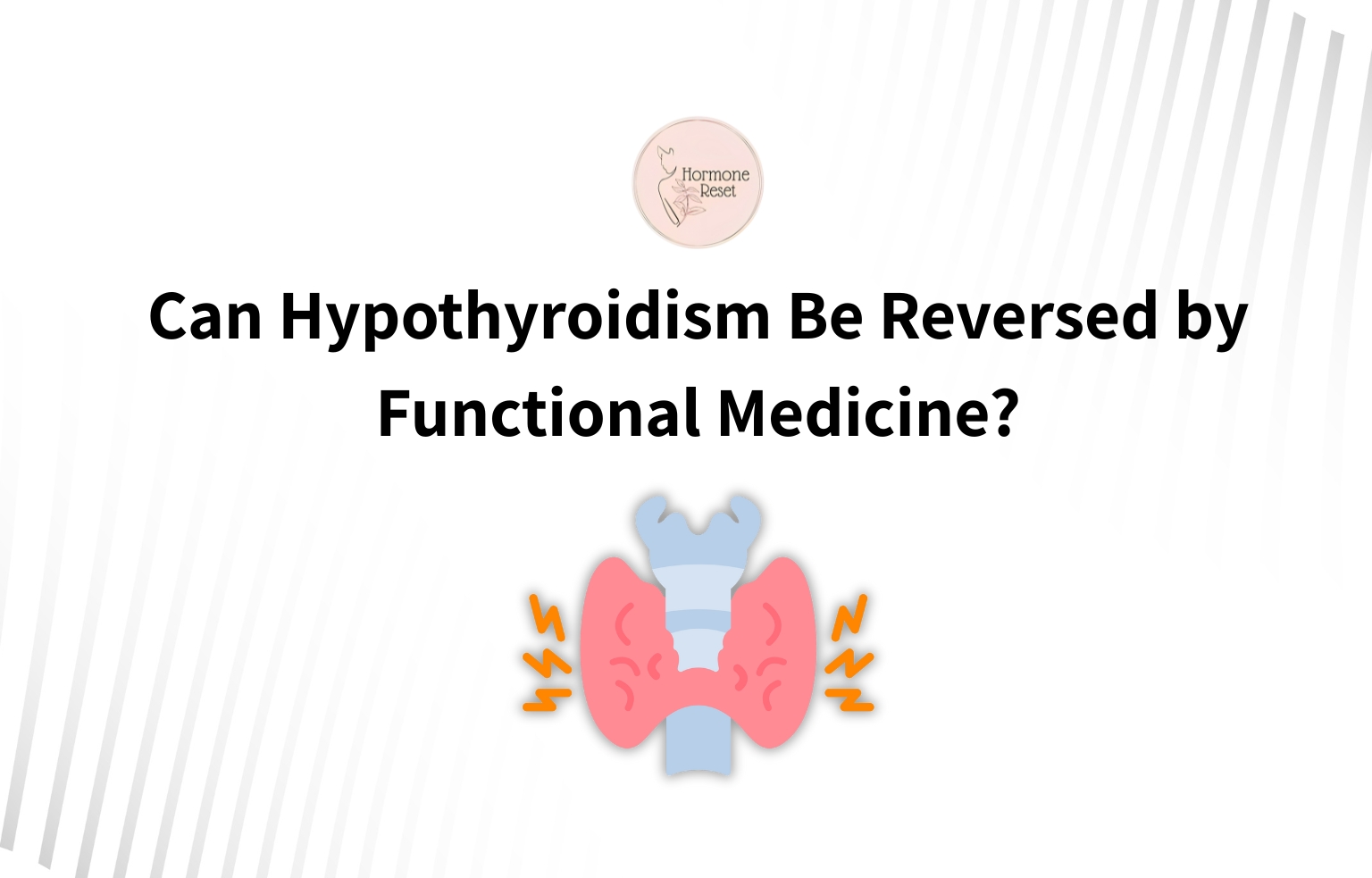
    Can Hypothyroidism Be Reversed by Functional Medicine?

    Have you ever wondered why, despite taking your thyroid medication, you still feel tired, sluggish, or just not yourself? If you’re one of the millions living with hypothyroidism, you know the frustration of chasing normal lab results while your symptoms linger. But what if there was a way to go beyond just “managing” your thyroid – and actually help your body heal? Welcome to the world of functional medicine, where the focus is on root causes, not just quick fixes. Let’s explore how a Hormone Reset functional medicine approach could help you reclaim your energy, balance, and joy.

    What Is Hypothyroidism and Why Does It Matter?

    Hypothyroidism, or an underactive thyroid, means your thyroid gland isn’t producing enough hormones to keep your metabolism and body functions running smoothly. This can cause fatigue, weight gain, brain fog, hair thinning, cold intolerance, and more. Conventional medicine typically treats hypothyroidism with hormone replacement therapy, but many patients find this approach doesn’t fully resolve their symptoms or address the root causes.

    Why Functional Medicine Offers a New Hope

    Functional medicine treats the body as an interconnected system rather than isolated symptoms. It aims to identify and correct the underlying causes of hypothyroidism, such as autoimmune dysfunction, nutrient deficiencies, chronic inflammation, gut imbalances, and environmental toxins. This personalized, holistic approach can often help restore thyroid function and improve quality of life.

    The Hormone Reset Functional Medicine Approach to Hypothyroidism

    At Hormone Reset, the functional medicine approach is designed to harmonize and revitalize your entire hormonal system, not just the thyroid. Here’s how it works:

    1. Comprehensive Assessment and Advanced Testing

    • Complete Thyroid Panel: Beyond standard TSH tests, Hormone Reset evaluates free T3, free T4, reverse T3, and thyroid antibodies (TPO and thyroglobulin) to get a full picture of thyroid health and autoimmune activity.
    • Root Cause Identification: Testing includes nutrient levels (selenium, zinc, vitamin D), gut health markers, inflammation, and toxin exposure to pinpoint hidden triggers of thyroid dysfunction.

    2. Personalized Anti-Inflammatory Nutrition

    • Removing inflammatory foods like gluten, dairy, and processed sugars reduces immune activation and supports thyroid healing.
    • Emphasizing nutrient-dense, whole foods rich in thyroid-supporting vitamins and minerals fuels your metabolism and hormone production.

    3. Targeted Nutritional and Herbal Support

    • Supplements such as magnesium, omega-3 fatty acids, selenium, and adaptogenic herbs help reduce inflammation, improve thyroid hormone conversion, and balance stress hormones.
    • Careful iodine management ensures optimal thyroid hormone synthesis without overloading the gland.

    4. Detoxification and Lifestyle Optimization

    • Identifying and reducing exposure to environmental toxins that disrupt thyroid function.
    • Supporting liver health with specific foods and herbs to enhance detox pathways.
    • Stress reduction techniques, including mindfulness and sleep optimization, to balance adrenal and thyroid function.

    5. Ongoing Support and Education

    • Hormone Reset provides continuous guidance, empowering you to become an active participant in your healing journey.
    • Customized plans evolve with your progress to ensure lasting results.

    How Functional Medicine Differs from Conventional Treatment

    AspectConventional MedicineFunctional Medicine (Hormone Reset)
    FocusReplace thyroid hormoneIdentify and treat root causes
    TestingBasic TSH and T4 onlyComprehensive thyroid panel + nutrient & toxin tests
    TreatmentLifelong hormone replacementPersonalized diet, supplements, detox, lifestyle changes
    Symptom ManagementSymptom relief via medicationSymptom resolution by restoring thyroid health
    Patient RolePassive recipientActive partner in healing

    Can Hypothyroidism Be Reversed?

    While some thyroid damage may be permanent, many cases of hypothyroidism, especially autoimmune Hashimoto’s, can be significantly improved or even reversed by addressing the root causes. Functional medicine’s holistic approach often leads to:

    • Reduced thyroid antibody levels
    • Improved thyroid hormone production and conversion
    • Enhanced energy, mood, and metabolism
    • Decreased dependence on medication (under medical supervision)

    Additional Functional Medicine Strategies for Thyroid Health

    Supporting Thyroid Hormone Conversion

    • Chronic stress and inflammation can impair conversion of T4 to active T3 hormone.
    • Functional medicine supports this process through stress management, anti-inflammatory nutrition, and supplements like magnesium and zinc.

    Gut Health and Thyroid Function

    • A healthy gut lining prevents autoimmune triggers and improves nutrient absorption.
    • Probiotics, digestive enzymes, and gut-healing foods are key components of the Hormone Reset protocol.

    Managing Autoimmune Triggers

    • Identifying food sensitivities and environmental factors that provoke immune attacks on the thyroid.
    • Using natural anti-inflammatory agents and lifestyle changes to calm the immune system.

    Real-Life Impact: What Patients Experience

    Patients following the Hormone Reset functional medicine approach often report:

    • More stable energy throughout the day
    • Clearer thinking and better mental focus
    • Weight loss and improved digestion
    • Healthier hair and skin
    • Greater emotional balance and reduced anxiety

    Imagine Life with a Thriving Thyroid

    Hypothyroidism doesn’t have to define your life. With the Hormone Reset functional medicine approach, you can move beyond symptom management to true healing by uncovering and addressing the root causes of your thyroid imbalance. This personalized, compassionate method supports your whole body, empowering you to reclaim your vitality and well-being.

    Reference

    https://www.rupahealth.com/post/understanding-hypothyroidism-and-how-to-treat-it-naturally

    https://www.rupahealth.com/post/a-functional-medicine-hypothyroidism-protocol-comprehensive-testing-supplements-and-integrative-nutrition

    https://www.josefspharmacy.com/2021/08/05/boosting-thyroid/

    https://naturemed.org/how-do-naturopathic-doctors-treat-hypothyroidism/

    https://my.clevelandclinic.org/health/diseases/12120-hypothyroidism

    https://www.ifm.org/articles/balancing-thyroid-hormones-naturally

    https://drstavy.com/blog/how-functional-medicine-can-help-with-hypothyroidism/

    https://www.mayoclinic.org/diseases-conditions/hypothyroidism/diagnosis-treatment/drc-20350289

  • Can Diabetics Eat Bananas? Myths vs. Facts

    Can Diabetics Eat Bananas? Myths vs. Facts


    Bananas—bright, portable, and delicious—are a favourite fruit for millions. But if you have diabetes, you’ve likely heard conflicting advice: some say bananas are too sugary, others insist they’re packed with nutrients your body needs. So, what’s the real story? Can you enjoy bananas without worrying about your blood sugar? In this blog, we’ll peel back the myths and reveal the facts, exploring how bananas truly affect diabetes. Plus, you’ll discover how the Hormone Reset Functional Medicine Approach can help you make informed, confident choices—so you can enjoy food and life without fear.

    Understanding Diabetes

    Diabetes is a chronic condition where your body either doesn’t produce enough insulin or can’t use it effectively. Insulin is the hormone that helps move sugar from your blood into your cells for energy. When this process breaks down, blood sugar levels rise, leading to symptoms like fatigue, frequent urination, and increased thirst. Over time, unmanaged 

    diabetes can damage your heart, kidneys, nerves, and eyes. Managing diabetes is about more than just food—it’s about balancing nutrition, exercise, stress, sleep, and medication to keep your blood sugar in a healthy range.

    Bananas: Nutrition Profile and Health Benefits

    WhatsApp Image 2025 07 02 at 12.16.48 PM

    Bananas are packed with nutrients that support overall health, including potassium (which helps control blood pressure), vitamin B6 (for brain health and metabolism), vitamin C (an antioxidant), magnesium, and dietary fiber. A medium banana contains about 3 grams of fiber, which slows digestion and helps prevent rapid blood sugar spikes. Bananas also contain antioxidants like dopamine and catechin, which help fight inflammation and protect your cells from damage. The resistant starch in less ripe bananas acts as a prebiotic, feeding good gut bacteria and supporting digestive health.

    Myths About Bananas and Diabetes

    Myth 1: Bananas are too sugary for diabetics.
    Bananas do contain natural sugars, but they also offer fiber and nutrients that help modulate blood sugar impact. The sugar in bananas is not the same as added sugars found in processed foods.

    • Myth 2: All bananas have the same effect on blood sugar.
      The effect of a banana on blood sugar depends on its ripeness, size, and what you eat it with. Green bananas have more resistant starch and less sugar, while ripe bananas are sweeter and can raise blood sugar faster.

    Myth 3: Diabetics should avoid bananas completely.
    There’s no need to banish bananas from your diet. Most people with diabetes can enjoy bananas in moderation, especially when paired with protein or healthy fats to slow sugar absorption.

    Facts: How Bananas Affect Blood Sugar

    Bananas are a source of carbohydrates, which are broken down into glucose and absorbed into the bloodstream. However, the fiber and resistant starch in bananas slow this process, leading to a more gradual rise in blood sugar compared to highly processed snacks. The glycemic index (GI) of bananas varies with ripeness—less ripe bananas have a lower GI, while fully ripe bananas have a higher GI. Pairing bananas with protein (like nut butter or yogurt) or healthy fats can further slow down the sugar absorption, helping to prevent spikes and crashes in blood glucose.

    Glycemic Index and Glycemic Load: What Do They Mean for Bananas?

    • The glycemic index (GI) measures how quickly a food raises blood sugar.
    • Green bananas have a GI of 31–48 (low).
    • Ripe bananas have a GI of 51–62 (medium).
    • Glycemic load (GL) considers both the GI and carbohydrate content in a serving.
    • GL provides a more practical measure for real-world eating.
    • A small banana has a moderate GL.
    • Small bananas can fit into a balanced diet for most diabetics when eaten in moderation and as part of a meal.

    Banana Ripeness: Why It Matters for Diabetics

    As bananas ripen, their starches convert into sugars, making them taste sweeter and increasing their GI. Green or slightly yellow bananas are higher in resistant starch and fiber, which slow down sugar absorption and help keep blood sugar stable. Ripe bananas, while still nutritious, are digested faster and can raise blood sugar more quickly. For people with diabetes, choosing less ripe bananas and combining them with other foods can help maintain better glycemic control.

    Portion Control: How Much Banana is Safe?

    Portion size is crucial for managing blood sugar. A small or medium banana (about 100–120 grams) is generally considered a safe portion for most people with diabetes. Eating larger bananas or multiple servings at once can lead to higher blood sugar spikes. It’s also important to pay attention to your body’s response—monitor your blood sugar before and after eating bananas to see how you react, and adjust your portion size accordingly.

    Smart Ways to Eat Bananas with Diabetes

    • Pair with protein or healthy fats: Eating bananas with foods like nuts, seeds, or yogurt slows digestion and sugar absorption.
    • Add to balanced meals: Sliced bananas in oatmeal or smoothies can provide sustained energy without causing sugar spikes.
    • Avoid on an empty stomach: Eating bananas alone can cause a quicker rise in blood sugar; always pair with other foods for balance.
    • Spread fruit intake: Don’t consume all your fruit servings at once—spreading them throughout the day helps keep blood sugar stable.
    • Monitor your response: Keep a food diary and check your blood sugar to learn how bananas affect you personally. A CGM can also help in understanding how the body responds to bananas and different foods.

    Bananas vs. Other Fruits: A Comparison

    FruitGlycemic IndexFiber (g/100g)Sugar (g/100g)Notable Nutrients
    Banana31–622.612Potassium, B6, C, Mg
    Apple362.410Vitamin C, Potassium
    Orange432.29Vitamin C, Folate
    Grapes530.916Vitamin K, C, Antioxidants

    Bananas are comparable to other fruits in terms of sugar and fiber, but their potassium content is especially beneficial for heart health—a major concern for people with diabetes.

    The Role of Fiber and Resistant Starch in Bananas

    Fiber and resistant starch are key components that make bananas a smart choice for diabetes management. Fiber slows the absorption of sugar, preventing rapid spikes in blood glucose. Resistant starch, found in higher amounts in green bananas, acts like soluble fiber and feeds beneficial gut bacteria. This not only helps with blood sugar control but also supports gut and immune system health, which is increasingly recognized as important for metabolic and hormonal balance.

    Bananas and Gut Health: The Prebiotic Effect

    Bananas, especially when less ripe, are a natural prebiotic—meaning they feed the beneficial bacteria in your gut. A healthy gut microbiome is linked to improved insulin sensitivity, reduced inflammation, and better hormone regulation. By supporting gut health, bananas can indirectly help with blood sugar management and overall metabolic wellness.

    The Hormone Reset Functional Medicine Approach: Root Cause Healing

    Hormone Reset’s Functional Medicine Approach is about more than just blood sugar numbers—it’s about restoring balance to your entire body. Here’s how Hormone Reset stands apart:

    • Comprehensive Health Evaluation: Your journey begins with a detailed health history and targeted lab tests to uncover hidden imbalances, including hormonal, metabolic, and gut health factors.
    • Root Cause Analysis: Instead of just managing symptoms, Hormone Reset identifies the underlying causes of your diabetes, such as chronic inflammation, stress, poor gut health, or hormonal imbalances.
    • Personalized Nutrition: You’ll receive a custom nutrition plan tailored to your unique needs, including guidance on how to safely enjoy foods like bananas. This plan takes into account your lifestyle, preferences, and metabolic health.
    • Ongoing Support: Access to experienced clinicians and a supportive community ensures you have guidance and motivation every step of the way.
    • Mind-Body Wellness: The program includes stress management techniques, meditation, and a guided detox to support your body’s natural healing abilities.
    • Physical Activity Guidance: Expert advice on exercise and yoga helps you integrate movement strategies that work with your nutrition plan for optimal results.
    • Empowerment and Education: Hormone Reset empowers you to understand your body’s signals, make informed choices, and sustain healthy habits for life.

    By addressing the root causes of metabolic imbalance, Hormone Reset helps you achieve lasting improvements in blood sugar control, energy, and overall well-being. Bananas—and many other foods—can be part of your journey to vibrant health, not just something to fear or avoid.

    Bananas, Balance, and the Power of Hormone Reset

    Bananas don’t have to be the enemy for people with diabetes. With the right knowledge—understanding ripeness, portion control, and smart food pairing—you can enjoy bananas as part of a balanced, nourishing diet. The Hormone Reset approach goes beyond simple “yes” or “no” answers, empowering you to address the root causes of blood sugar imbalances and build a lifestyle that supports your long-term health. By focusing on your unique needs and fostering true metabolic harmony, you can savour the foods you love and live vibrantly—even with diabetes.

    References

    https://redcliffelabs.com/myhealth/diabetes/is-banana-good-for-diabetes-check-the-facts/

    https://www.healthline.com/nutrition/bananas-diabetes

    https://glycemic-index.net/banana/

    https://www.signos.com/blog/glycemic-index-of-banana

    https://www.medicoverhospitals.in/articles/can-diabetics-eat-bananas

    https://www.medicalnewstoday.com/articles/319992

    https://www.healthline.com/nutrition/foods/bananas

  • Burnout Uncovered: How Functional Medicine Can Help You Heal and Thrive

    Burnout Uncovered: How Functional Medicine Can Help You Heal and Thrive

    What Is Burnout Syndrome?


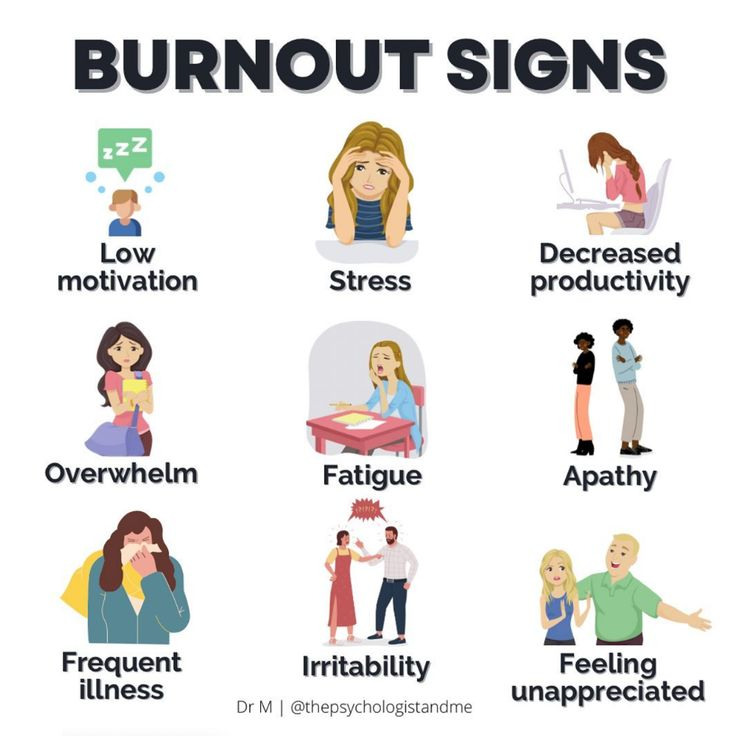
    Ever feel like you’re running on empty, no matter how much you rest? You might be experiencing burnout—an increasingly common condition in today’s high-stress world. Burnout syndrome is a state of emotional, physical, and mental exhaustion caused by prolonged and excessive stress. It is often linked to workplace pressures but can also arise from caregiving, academic demands, or even personal responsibilities. Common symptoms include

    • Chronic fatigue
    • Detachment or cynicism
    • Reduced performance
    • A sense of helplessness or hopelessness

    Burnout is more than just feeling “worn out”. It is a recognised phenomenon, with the World Health Organisation classifying it as an “occupational phenomenon” in its International Classification of Diseases (ICD-11).


    Top Causes of Burnout: A Functional Medicine Perspective

    Burnout results from an imbalance between demands and resources. Key contributors include:

    1. Work-Related Pressures: Overload, tight deadlines, lack of autonomy
    2. Internal Drivers: Perfectionism, people-pleasing tendencies
    3. Lifestyle Stressors: Poor sleep, inadequate nutrition, no downtime
    4. Environmental Stressors: Constant notifications on devices, lack of social support
    5. Unresolved Emotional Burdens: Trauma, financial worries, caregiving

    Why Is This Happening More Often?


    Modern lifestyles tend to glorify productivity at the expense of well-being. The rise of “hustle culture”, digital dependency, economic uncertainty, and blurred work-life boundaries have all made chronic stress the norm.

    The COVID-19 pandemic amplified these stressors, especially with the shift to remote work and 24/7 connectivity, leaving little time or space to recharge.


    Who Is Affected and When?


    Burnout can affect anyone, but it tends to peak during life stages marked by high responsibility and change.

    • Young Adults (20–35 years): Facing career pressures, academic burdens, or caregiving responsibilities.
    • Middle-Aged Adults (35–50 years): Juggling work, family, and personal aspirations.
    • Older adults (50+ years): handling work transitions, caregiving for aging parents, or health issues.

    Parameters to Measure Burnout’s Impact


    Burnout can be assessed through various frameworks:

    1. Maslach Burnout Inventory (MBI): Measures emotional exhaustion, depersonalisation, and reduced personal achievement.
    2. Physical Symptoms: Fatigue, insomnia, headaches, or frequent illnesses.
    3. Mental Health Indicators: Depression, anxiety, or lack of motivation.
    4. Workplace Metrics: Conflict with coworkers, absenteeism, or a decline in productivity.
    5. Quality of Life: Impaired relationships, reduced enjoyment in activities, or social withdrawal.

    Also Read: Environmental Triggers Influence Autoimmune Conditions

    image

    Overcoming Burnout with a Functional Medicine Approach

    Unlike conventional approaches that focus on managing symptoms, functional medicine approach looks deeper, addressing the interconnected lifestyle, hormonal, and emotional patterns contributing to burnout.

    Key interventions include:

    1. Nutritional Optimization:
      • Incorporate anti-inflammatory foods, such as leafy greens, nuts, seeds, and fatty fish.
      • Focus on nutrients like magnesium (nuts, dark chocolate), omega-3s (salmon, flaxseeds), and B vitamins (whole grains, eggs) to support nervous system health.
      • Avoid processed foods, caffeine, and sugar, which can exacerbate stress responses.
    2. Stress Management:
      • Practice mindfulness meditation or deep breathing exercises daily.
      • Engage in restorative activities like yoga or tai chi.
    3. Sleep Hygiene:
      • Establish a consistent bedtime routine, avoiding screens before sleep.
      • Use magnesium glycinate or herbal teas (like chamomile or valerian) for better sleep quality.
    4. Physical Activity:
      • Incorporate moderate exercise, such as walking or swimming, to release endorphins and reduce stress.
      • Avoid overtraining, which can lead to further exhaustion.
    5. Hormonal Balance:
      • Address adrenal fatigue through adaptogens like ashwagandha or rhodiola.
      • Monitor thyroid and cortisol levels with professional testing.
    6. Mental Health Support:
      • Seek therapy or counseling to address emotional triggers.
      • Join support groups to foster connection and understanding.

    Lifestyle Modifications to Prevent Burnout

    1. Set Boundaries: Clearly define work and personal life. Practice saying “no” to avoid overcommitment.
    2. Prioritize Self-Care: Dedicate time to hobbies, relaxation, and personal interests.
    3. Build Resilience: Develop a gratitude practice or journaling routine to shift focus to positive experiences.
    4. Reconnect with Purpose: Reflect on life goals and align daily activities with your values.
    5. Community Engagement: Foster relationships with friends, family, or support groups to create a sense of belonging.

    Conclusion

    You don’t have to wait until you hit a breaking point. Start small—prioritize rest, nourish your body, and explore what balance looks like for you. Healing from burnout is possible, and you deserve to feel whole again. You don’t have to go it alone. Reach out for support and begin your journey back to balance

    Ready to take the first step in healing from burnout? A personalised functional medicine plan can help you get there.

    Visit our website to learn more about what functional medicine is and how it can help. Book a call with us today.

    References:

    1. World Health Organisation. Burn-out an “occupational phenomenon”: International Classification of Diseases (ICD-11).
      https://www.who.int/mental_health/evidence/burn-out/en/
    2. Maslach, C., & Leiter, M.P. (2016). Understanding the burnout experience: recent research and its implications for psychiatry. World Psychiatry, 15(2), 103–111. https://doi.org/10.1002/wps.20311

    P

  • Psoriasis: Uncovering the Roots and Finding Lasting Relief with Functional Medicine

    Psoriasis: Uncovering the Roots and Finding Lasting Relief with Functional Medicine

    Functional Medicine Psoriasis is a chronic autoimmune condition characterised by red, scaly patches on the skin that can appear anywhere on the body. While it is commonly associated with skin issues, psoriasis is an inflammatory disorder involving the immune system. Traditional treatments, such as topical creams, phototherapy, and systemic medications, can provide relief but often fail to address the root causes of the condition. Functional medicine looks beyond symptom management to uncover and address the underlying factors contributing to psoriasis. In this blog, we will explore the roots of psoriasis, its triggers, and how functional medicine can offer lasting relief through a personalised, holistic approach.

    Understanding Psoriasis: A Complex Condition

    Psoriasis is more than just a skin disease—it is a systemic condition that involves immune system dysfunction. It occurs when the immune system mistakenly attacks healthy skin cells, leading to an overproduction of skin cells that pile up on the surface, forming plaques. The most common types of psoriasis include:

    • Plaque Psoriasis: Characterized by raised, red patches covered with silvery scales.
    • Guttate Psoriasis: Small, drop-shaped lesions, often triggered by infections.
    • Inverse Psoriasis: Red, shiny lesions that appear in skin folds.
    • Pustular Psoriasis: White pustules surrounded by red skin.
    • Erythrodermic Psoriasis: Severe, widespread redness and shedding of skin

    Psoriasis can affect any part of the body, but it is most common on the elbows, knees, scalp, and lower back.

    Traditional Treatments for Psoriasis

    Traditional treatments for psoriasis include:

    • Topical medications: These drugs are applied topically to the affected area to decrease inflammation and allow the scales to clear.
    • Light therapy: This therapy involves the use of ultraviolet light to slow the growth of skin cells.
    • Oral medications: These drugs are oral drugs that aid in the suppression of the immune system.

    None of the above address the root causes of psoriasis. 

    The Root Causes of Psoriasis

    Psoriasis is influenced by multiple internal and external factors that can contribute to its development and flare-ups:

    1. Immune System Dysfunction
      At the core of psoriasis is an overactive immune response. T-cells, a type of white blood cell, mistakenly attack healthy skin cells, triggering inflammation and abnormal skin cell turnover. This dysregulated immune response is often linked to environmental triggers, such as infections or stress.
    2. Environmental Triggers
      While genetics lay the foundation, environmental factors often act as triggers for psoriasis flare-ups. Some of the most common environmental triggers include:
      • Infections: Particularly streptococcal infections, candida overgrowth, parasites, which are known to trigger psoriasis (Michaëlsson et al., 2019).
      • Stress: Emotional stress is a common trigger for psoriasis flare-ups, likely due to the role of cortisol in immune system modulation (Dhabhar, 2014).
      • Diet: A pro-inflammatory diet rich in sugar, gluten, and processed foods can exacerbate inflammation, while an anti-inflammatory diet can help manage symptoms (Barrea et al., 2019).
      • Environmental Toxins: Exposure to chemicals, pollutants, or smoking can worsen psoriasis symptoms and inflammation.
    3. Gut Health
      The gut plays a crucial role in immune system regulation. Dysbiosis (an imbalance in the gut microbiome) can contribute to systemic inflammation and immune dysfunction, potentially triggering or worsening psoriasis (Boehncke & Schön, 2015). The gut-skin axis, a connection between gut health and skin inflammation, is gaining recognition in psoriasis research.

    Functional Medicine for Psoriasis

    Functional medicine is identification of the causative factors of a disease rather than its symptoms alone. It has been very effective in the reversal of psoriasis, as it would be able to point out factors affecting the patient and then focus on these issues.Functional medicine is healing from the inside out, not just alleviating psoriasis but making a person healthier and more alive.

    How Functional Medicine Transforms Psoriasis Care

    Functional medicine takes a root-cause approach to healthcare, aiming to identify and address the underlying factors that contribute to disease. Instead of merely managing symptoms with topical creams or systemic medications, functional medicine practitioners seek to restore balance in the body by considering multiple aspects of health—nutrition, lifestyle, genetics, and environmental factors. In the case of psoriasis, functional medicine focuses on the following key areas:

    1. Diet and Nutrition
      An anti-inflammatory diet is central to managing psoriasis. Reducing the intake of pro-inflammatory foods, such as sugar, refined carbs, and gluten, can help reduce systemic inflammation and skin flare-ups. Instead, a diet rich in omega-3 fatty acids (from fish or flaxseed), antioxidants (from fruits and vegetables), and healthy fats (such as those found in avocados and olive oil) can support skin health and reduce inflammation. Some functional medicine practitioners also recommend eliminating food allergens, such as gluten or dairy, to see if it improves symptoms.
    2. Gut Health Optimization
      Given the link between gut health and psoriasis, improving the microbiome through probiotics, prebiotics, and a nutrient-dense diet is a key aspect of functional medicine. Healing the gut lining, balancing gut bacteria, and reducing intestinal permeability (leaky gut) may help reduce inflammation and autoimmunity. Studies have shown that the use of probiotics can improve psoriasis symptoms by modulating the immune response (Zhang et al., 2019).
    3. Addressing Infections and Immune Dysregulation
      Infections, particularly streptococcal throat infections, can trigger psoriasis flare-ups. A functional medicine approach involves identifying and treating any underlying infections that may be exacerbating the condition. Additionally, modulating immune system activity with nutrients such as vitamin D, omega-3 fatty acids, and antioxidants can help restore immune balance. Some research suggests that vitamin D deficiency may worsen psoriasis, and supplementation may help alleviate symptoms (Ghoreschi et al., 2011).
    4. Reducing Stress
      Stress is a powerful trigger for psoriasis flare-ups. Functional medicine emphasizes the importance of stress management techniques such as meditation, yoga, deep breathing exercises, and mindfulness. By addressing the root cause of stress, individuals can help modulate their cortisol levels and reduce inflammation in the body.
    5. Detoxification
      Detoxifying the body through practices like saunas, adequate hydration, and reducing exposure to environmental toxins (such as smoking, heavy metals, or pesticides) is another important aspect of functional medicine. Reducing the burden on the liver and improving toxin elimination can help reduce the inflammatory load on the body.

    Clinical Evidence Supporting Functional Medicine for Psoriasis Relief

    A number of studies have supported the effectiveness of functional medicine approaches for psoriasis management:

    • Dietary Interventions: A study published in the Journal of Dermatological Treatment found that dietary changes, including a gluten-free diet, led to a significant reduction in psoriasis symptoms (Barrea et al., 2019).
    • Probiotics and Gut Health: Research has shown that probiotics can improve the skin barrier and reduce inflammation in patients with psoriasis (Zhang et al., 2019).
    • Vitamin D Supplementation: Vitamin D levels have been shown to correlate with the severity of psoriasis. Supplementation with vitamin D may help regulate immune responses and improve skin health (Ghoreschi et al., 2011).

    Psoriasis is a multifactorial condition that requires a comprehensive, personalized approach for effective management. Functional medicine offers a holistic pathway to uncovering the root causes of psoriasis and finding lasting relief. By focusing on diet, gut health, immune regulation, stress management, and detoxification, functional medicine provides a promising framework for those seeking long-term solutions beyond conventional treatments. If you suffer from psoriasis, working with a functional medicine practitioner can help you take control of your health and improve your skin’s appearance, all while addressing the underlying factors contributing to the condition. Functional medicine is healing from the inside out, not just alleviating psoriasis but making a person healthier and more alive.

    Also Read: What is Psoriasis Disease? How to Cure Psoriasis With Functional Medicine?


    References

    1. Barrea, L., Balato, N., et al. (2019). Nutrition and psoriasis: Is there any association between the severity of the disease and adherence to the Mediterranean diet? Journal of Translational Medicine, 17(1), 1-8.
    2. Boehncke, W. H., & Schön, M. P. (2015). Psoriasis. The Lancet, 386(9997), 983-994.
    3. Dhabhar, F. S. (2014). Effects of stress on immune function: The good, the bad, and the beautiful. Immunologic Research, 58(2), 193-210.
    4. Ghoreschi, K., et al. (2011). Modulation of the immune response in psoriasis and psoriatic arthritis by vitamin D. Nature Reviews Rheumatology, 7(4), 255-261.
    5. Michaëlsson, G., et al. (2019). Infections in psoriasis: The role of streptococcal and other infections in triggering guttate psoriasis. European Journal of Dermatology, 29(1), 12-18.
    6. Tsoi, L. C., et al. (2017). Genetic associations with psoriasis. The Lancet, 389(10081), 1216-1230.
    7. Zhang, Z., et al. (2019). Effects of probiotics on psoriasis: A systematic review and meta-analysis. Journal of Dermatological Treatment, 30(6), 583-588.