“Doctor… I’m following everything. Diet, supplements, routine… but my hair fall hasn’t stopped.”
She looked worried. And honestly, a little defeated.
If you’ve ever felt this way – you’re not alone.
Hair fall is not just physical. It slowly starts affecting your confidence, your mood, even how you feel when you look in the mirror.
And when you’re doing everything right… but still seeing hair fall?
That’s the hardest part.
But here’s what I want you to understand first:
This doesn’t mean your treatment is not working. In many cases… it means your body has just started healing.
The Part No One Explains: Hair Has Its Own Timeline
Hair doesn’t respond instantly.
It follows its own cycle — almost like a delayed reaction system.
So when your body goes through stress (poor nutrition, hormonal imbalance, gut issues, emotional stress), your hair quietly shifts into a resting phase.
And then… it falls.
Not immediately. But 2–3 months later.
So what you’re seeing today?
It’s often your body processing something from the past.
That’s why even after starting treatment, hair fall continues for some time.
And yes… that’s completely normal
Then Why Did My Hair Fall Increase After Starting Treatment?
This is where most people panic.
Because sometimes, after starting a functional medicine plan, hair fall doesn’t just continue… It increases.
And that feels scary.
What’s Really Happening Inside Your Body
When you start working on:
Gut healing
Detoxification
Removing inflammatory foods
Improving metabolism
Your body doesn’t just “fix hair.”
It starts cleaning house.
Toxins, inflammation, stored waste, even unhealthy gut bacteria — everything begins to get cleared.This phase is often called: Detox phase or die-off response
Why Hair Fall Increases During This Phase
Think of it like this:
Your body has limited energy. And right now, it chooses: “Let me heal first… beauty can wait.”
So what happens?
Nutrients are used for repair
Detox pathways become active
Hair growth is temporarily paused
Hair enters shedding phase
Result?
More hair fall — temporarily
Read This Carefully (Because This Changes Everything)
This phase does NOT mean:
Treatment is failing or You’re doing something wrong
It often means:
✔ Your body is responding ✔ Healing has started ✔ Internal repair is happening
This is not regression. This is transition.
How Long Does This Phase Last?
Usually: 2–6 weeks
After that, things begin to settle.Hair fall reduces. And slowly… regrowth begins.
What You Should Do (Very Important)
Instead of stopping everything midway, support your body better:
Drink enough water (your detox pathways need it)
Don’t skip protein (hair still needs building blocks)
Avoid extreme dieting
Rest more than usual
Be gentle with your hair
And most importantly… Don’t panic.
But Let’s Go Deeper – Why Did Hair Fall Start in the First Place?
Hair fall is rarely due to just one reason. It’s usually a combination of internal imbalances. Some of the most common root causes I see:
Low iron (ferritin) – very common in women
Vitamin B12 & Vitamin D deficiency
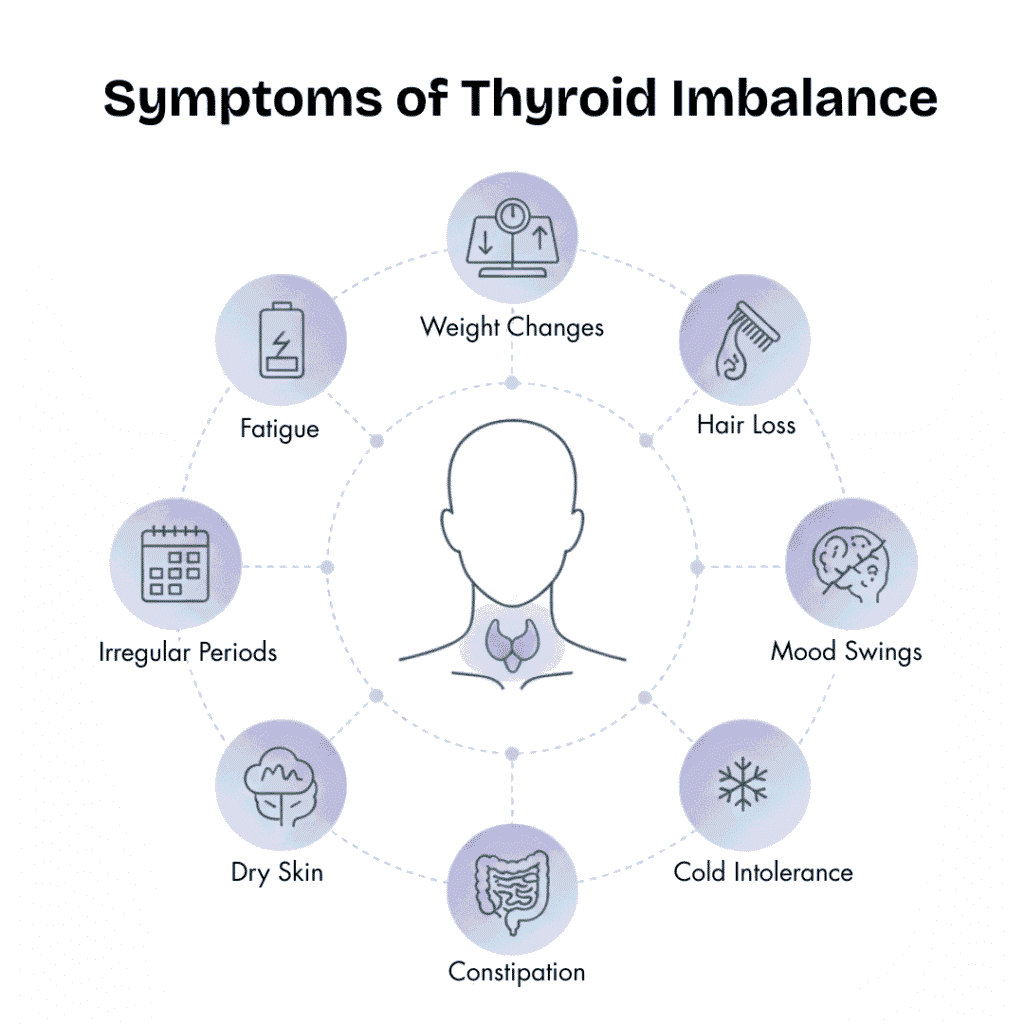
Thyroid imbalance
Insulin resistance / PCOS
Poorgut health & absorption issues
Chronic stress and high cortisol
Autoimmune conditions like alopecia
Hair is often the last place the body invests in — so when something is off, it shows here first.
A Very Common but Ignored Cause: Insulin Resistance
This is something I see very often in women.
And many don’t even realize it.
When your body becomes insulin resistant, your cells stop responding properly to insulin.
So the body produces more of it.
And this affects hair in ways most people don’t expect.
What Happens When Insulin Is High?
It increases androgen (male hormone) levels
It disrupts the hair growth cycle
It weakens hair follicles over time
This is why many women notice:
Hair thinning around the crown
Acne
Irregular periods
Weight gain (especially around the abdomen)
Why This Matters for Hair
Even if you are taking supplements… If insulin is not balanced, hair fall may continue.
What You Can Do
Simple changes can make a big difference:
Don’t skip meals (prevents sugar crashes)
Include protein in every meal
Avoid excess sugar and refined carbs
Move your body daily (even walking helps
Maintain good sleep
These steps improve insulin sensitivity – and that directly supports hair growth.
What Should You Actually Check? (Important Tests)
Instead of guessing, it’s always better to check. I usually recommend:
Nutrient levels:
Serum Ferritin
Vitamin B12
Vitamin D
Zinc
Hormonal markers:
Thyroid (TSH, Free T3, Free T4)
Fasting insulin
HbA1c
Because many times… Hair fall improves only when these are corrected.
Now Let’s Talk About Food (Because It Truly Matters)
Hair is not just about oils and shampoos.
It is built from what you eat.
Your hair needs:
Protein (Lentils, eggs, legumes) → forms the structure of hair
Healthy fats (Flaxseeds, walnuts, nuts) → reduce inflammationVitamin C (Amla, citrus fruits) → helps absorb iron better
What About Supplements?
Sometimes food alone is not enough – especially if levels are low. Depending on the person, support may include:
Iron (if ferritin is low)
Vitamin B12
Vitamin D
Zinc
Omega-3
Biotin / amino acids
But here’s the key: Supplements should be targeted, not random
But There’s One More Piece Most People Miss
Even after fixing diet, supplements, and gut… Some people still struggle. Why? Because healing is not just physical.
The Emotional Brain: Your Limbic System
Let me explain something very simply.
Your brain has a part called the limbic system.
It’s your emotional center.
It decides:
Are you safe?
Are you stressed?
Should the body repair… or just survive?
When This System Is Overactive…
Your body stays in stress mode.
Even if everything looks “fine” on the outside.
Digestion slowsAnd in stress mode, the body does one thing: It prioritizes survival over growth means:
Digestion slows
Hormones get imbalanced
Hair growth stops
Emotional Blockages: The Silent Factor
Most women don’t realize how much they’re carrying:
Overthinking
Stress
Suppressed emotions
Constant mental load
And the body doesn’t ignore this.
It translates emotions into biology.
Stress → Hormones → Hair fall
Signs This May Be Affecting You
You feel constantly “on” or anxious
You struggle to relax
Your sleep isn’t deep
Hair fall increases during stressful phases
If this feels familiar… your body is not just tired.
It’s overwhelmed.
How Do You Fix This?
Not with more supplements.
But by telling your body: “You’re safe now.”
Simple Ways to Calm the Limbic System
You don’t need complicated routines.
Start here:
1. Emotional release Write your thoughts. Don’t filter. Just release.
2. Breath work 5–10 minutes of slow breathing daily.
3. Small pauses in the day Even 2 minutes of doing nothing helps.
4. Grounding Walk barefoot. Be in sunlight.
Meditation (The Game-Changer)
This is not just “relaxation.”
This is rewiring your brain.
Just sit quietly for 10–15 minutes.
No perfection needed.
Just breathe. Observe.
Over time:
Stress hormones reduce
Mind slows down
Body shifts into healing mode
A New-Age Support: Red Light Therapy
This is something many people are now exploring.
Red light therapy (LLLT) works by:
Improving blood circulation to scalp
Stimulating hair follicles
Supporting cellular energy
It’s not a replacement for root cause healing…
But it can be a good supportive tool alongside your plan.
When Will You See Results?
This is the part that needs patience.
Most women start noticing:
Baby hairs near the hairline
Less hair fall while washing
Better hair thickness
After about:3–4 months of consistency
And This Is Where Hair Growth Begins
Because here’s the truth: Hair grows in a body that feels safe.
Not in a body that is constantly stressed, rushing, or overwhelmed.
Final Thought (Read This Slowly)
Your hair is not the problem.
It’s a messenger.
It reflects:
How your body feels
How your mind feels
How supported your system is
So instead of asking: “Why is my hair falling?”
Start asking: “What is my body trying to tell me?”
Because when you:
Nourish your body
Support your gut
Balance your hormones
Calm your mind
Hair growth is not forced.
It naturally follows.
And sometimes…
The real treatment is not another product. It’s giving your body the safety it has been asking for.
References
Hair Growth Cycle & Telogen Effluvium
Headington, J. T. (1993). Telogen Effluvium: New Concepts and Review. Journal of the American Academy of Dermatology. https://pubmed.ncbi.nlm.nih.gov/8360899/
Trost, L. B., Bergfeld, W. F., & Calogeras, E. (2006). Iron Deficiency and Hair Loss. Journal of the American Academy of Dermatology. https://pubmed.ncbi.nlm.nih.gov/16635664/
Arck, P. C., et al. (2003). Stress Induces Hair Growth Inhibition. American Journal of Pathology. https://www.ncbi.nlm.nih.gov/pmc/articles/PMC1868204/
Ross, A., & Thomas, S. (2010). The Health Benefits of Yoga and Exercise. Journal of Alternative and Complementary Medicine https://pubmed.ncbi.nlm.nih.gov/20105062/
Weight loss is one of the most misunderstood aspects of modern health. Millions of people eat “right” and exercise “enough,” only to wonder why the scale doesn’t move — or worse, why belly fat and inflammation continue to worsen. This frustration is real, and it often stems not from lack of effort but from systems within the body that have not been addressed. In functional medicine, weight loss isn’t just about calories — it’s about the internal environment that determines how your metabolism behaves.
In this long‑form article, we’ll explore why traditional approaches often fail, and how the gut, hormones, and liver are central to sustainable fat loss. We’ll look at current science, functional medicine concepts, and practical root‑cause frameworks — all grounded in the latest understanding of metabolic regulation.
The Calorie Myth: Why Simple Math Doesn’t Match Biology
For decades, weight loss has been explained as “calories in vs. calories out.” While this model sounds logical, it fails to capture the complex biochemical and hormonal feedback loops that govern energy homeostasis.
Your body is not a machine. It is a biological ecosystem designed to maintain stability (homeostasis). When systems like hormone signaling, gut integrity, or liver function are disrupted, the body adapts in ways that protect energy stores rather than melt them away.
For example:
The brain constantly monitors energy availability. When it senses stress, inflammation, or nutrient deficiencies, it signals the body to store fat as insurance.
Chronic stress and elevated cortisol drive glucose dysregulation and fat storage, even without overeating.
Disruptions in gut microbiota can alter the production of signaling molecules that regulate appetite, metabolism, and insulin sensitivity.
This science helps explain why many people can eat less and still gain weight, or why “starving yourself” can paradoxically slow metabolism.
The Hormone Connection: Metabolic Regulators That Control Fat Storage
Hormones are the chemical messengers that orchestrate metabolism. When they are imbalanced, fat loss resistance is one of the most common outcomes.
Insulin: The Master Fat Storage Hormone
Insulin regulates glucose uptake and storage. When insulin is constantly elevated — due to high refined carbohydrate intake, frequent snacking, or chronic stress — the body shifts into a fat storage mode. This state is often called insulin resistance, and it is a common early step on the path to metabolic dysfunction.
Research increasingly shows that imbalances in insulin and related pathways contribute to both obesity and metabolic syndrome.
Cortisol: The Stress Hormone That Stores Fat
Cortisol is released in response to stress. Short‑term elevations are adaptive, but chronic cortisol elevation:
Increases appetite
Promotes visceral fat storage
Suppresses thyroid function
Drives blood sugar variability
Chronic cortisol elevation can therefore create a metabolic environment that favors weight gain — especially around the abdomen.
Thyroid Hormones: The Metabolic Accelerator
Thyroid hormones (T3 and T4) influence every cell’s metabolism. When thyroid function is suboptimal — even within “normal” lab ranges — metabolic rate drops, energy levels decline, and weight becomes more difficult to lose.
Functional medicine practitioners often look beyond standard TSH tests to evaluate:
Free T3 and Free T4
Reverse T3 (an inactive form that blocks metabolism)
Thyroid antibodies
Because thyroid activity influences nearly every aspect of energy regulation, even mild dysfunction can be a key root cause of weight resistance.
Sex Hormones: Estrogen, Progesterone & Testosterone
Sex hormones also shape metabolic outcomes:
Estrogen dominance is linked with increased fat storage and reduced fat burning
Low progesterone can impact insulin sensitivity and inflammation
Low testosterone (in both men and women) reduces lean mass and slows metabolism
Functional pathways that connect hormone imbalances with metabolic resistance are deeply interconnected with liver processing and gut microbial function.
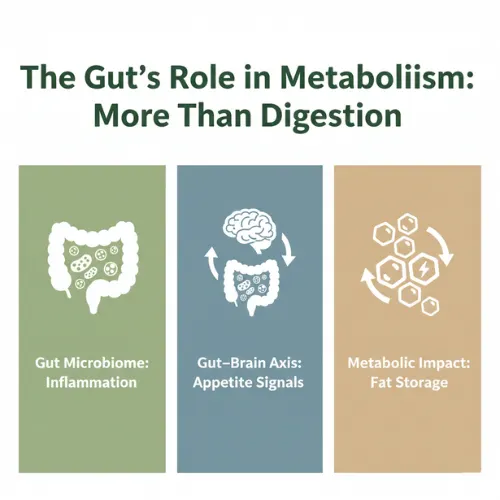
The Gut’s Role in Metabolism: More Than Digestion
The gut microbiome is now understood as an endocrine organ — producing signaling molecules that influence metabolism, inflammation, appetite, and fat storage.
Gut Microbiota as Metabolic Regulators
Dysbiosis — an imbalance in gut microbes — has been linked to:
Increased inflammation
Reduced production of short‑chain fatty acids (SCFAs) that support metabolic health
Greater gut permeability (“leaky gut”)
Altered appetite signaling through gut‑brain peptides
These microbial and biochemical changes can increase fat storage, drive insulin resistance, and make weight loss challenging even with diet and exercise.
A comprehensive review highlights the impact of the microbiome on obesity and metabolic disorders, showing that gut microbial shifts can directly influence:
The gut and brain communicate via hormonal and neural pathways that regulate hunger and satiety. When this axis is dysregulated — due to poor gut health or chronic inflammation — the signals that tell you “you’re full” or “you have enough energy” are blurred. This contributes to overeating, cravings, and poor metabolic control.
Functional Medicine Viewpoint
Rather than treating the gut as a passive digestive organ, functional medicine sees it as central to:
Hormone balance
Immune function
Detoxification support
Neuroendocrine signaling
Thus, poor gut health can be a root cause of metabolic resistance.
The Liver: The Metabolic Control Center
In functional medicine, the liver is recognized as the body’s primary metabolic hub, coordinating nutrient processing, hormone regulation, detoxification, and fat metabolism. While the gut handles intake, the liver ensures that nutrients are efficiently utilized, hormones are cleared, toxins neutralized, and fats are properly digested through bile production. It also plays a critical role in regulating blood sugar and maintaining metabolic flexibility.
Compromised liver function—due to fat accumulation, chronic inflammation, or exposure to environmental toxins—is increasingly seen as a barrier to sustainable weight loss, both in India and globally. Subclinical liver stress often goes undetected, yet it impairs metabolism by disrupting hormone clearance, nutrient processing, and energy homeostasis.
Fatty Liver and Insulin Resistance: Non-alcoholic fatty liver disease (NAFLD) is a common metabolic condition associated with obesity, insulin resistance, and systemic inflammation. A fatty liver struggles to regulate blood glucose, produces pro-inflammatory cytokines, and sends stress signals to other organs, further impairing metabolic efficiency. (Journal of Clinical Endocrinology & Metabolism, 2021)
Functional medicine interventions for liver health include:
Anti-inflammatory and nutrient-dense diet to reduce fat accumulation and oxidative stress.
Supporting detox pathways with nutrients like N-acetylcysteine, milk thistle, B vitamins, and antioxidants.
Managing blood sugar and insulin through diet, lifestyle, and gut health optimization.
Reducing environmental toxin exposure and chronic alcohol or medication stressors.
Outcome: By restoring liver function, metabolic signaling improves, hormone clearance normalizes, inflammation decreases, and fat-burning capacity is enhanced. Functional medicine treats liver health as a cornerstone of systemic metabolic restoration, ensuring that weight loss is sustainable and rooted in overall wellness.
Chronic Inflammation: The Hidden Barrier to Weight Loss
Chronic inflammation is like a silent brake on your metabolism. Unlike short-term inflammation that helps your body heal, long-lasting inflammation disrupts hormones, blood sugar control, and energy use, making it hard to lose weight.
What Causes Chronic Inflammation?
Leaky Gut: When the gut lining is weak, food particles, bacteria, and toxins leak into the bloodstream, triggering the immune system.
Toxins: Pollution, heavy metals, and chemical exposures increase stress in the body and trigger inflammatory responses.
Stress: Constant psychological or physical stress raises cortisol, promoting belly fat and insulin resistance.
Gut Imbalance or Hidden Infections: Overgrowth of harmful gut bacteria or low-level infections keep the immune system activated.
How Inflammation Blocks Fat Loss:
Insulin Resistance: Inflammatory molecules make it harder for cells to use sugar properly, encouraging fat storage.
Appetite Hormone Disruption: Leptin and ghrelin signals get confused, making you feel hungrier and less satisfied after meals.
Energy Conservation Signals: Cells slow down metabolism because they perceive stress, preventing fat burning.
Reduced Flexibility: Your body struggles to switch between burning sugar and fat efficiently.
Functional Medicine Approach: Functional medicine focuses on finding and fixing the root cause. Healing the gut, reducing toxins, balancing microbes, improving diet, supporting the liver, and managing stress can calm inflammation. Once inflammation is lowered, hormones stabilize, metabolism improves, and weight loss becomes easier and sustainable.
Stress, Sleep & Metabolism: Why the Nervous System Matters
Chronic stress is not just mental — it has physiological metabolic consequences. Elevated stress and poor sleep disrupt:
Cortisol rhythms
Appetite hormones
Blood sugar control
Mitochondrial function (how cells burn fuel)
These effects make fat loss harder, even with disciplined eating and activity.
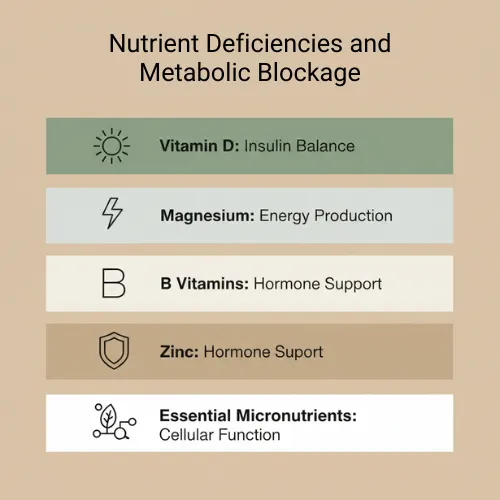
Nutrient Deficiencies and Metabolic Blockage: A Functional Medicine Perspective
In functional medicine, nutrient sufficiency is foundational to metabolism, hormone function, and overall health. Micronutrients are not optional—they act as co-factors for enzyme activity, hormone synthesis, neurotransmitter balance, and detoxification pathways. Deficiencies can silently create metabolic resistance, making weight loss extremely difficult despite diet and exercise.
Vitamin D: Crucial for immune modulation, insulin sensitivity, and thyroid regulation. Low vitamin D is strongly associated with metabolic syndrome, obesity, and increased inflammatory markers. Supplementation under supervision can improve insulin signaling and hormone balance.
Magnesium: Required for over 300 enzymatic reactions, including those controlling energy production and glucose metabolism. Magnesium deficiency is linked to insulin resistance, poor energy utilization, and impaired mitochondrial function.
B Vitamins: B12, B6, and folate are essential for methylation, neurotransmitter production, and homocysteine regulation. Deficiency can lead to fatigue, impaired thyroid function, and disrupted hormone metabolism.
Zinc: Integral to thyroid hormone synthesis, insulin regulation, and appetite signaling. Zinc deficiency can increase oxidative stress, hormonal imbalance, and metabolic inefficiency.
Other Micronutrients: Selenium, iron, omega-3 fatty acids, and antioxidants support liver detoxification, hormone clearance, and inflammatory balance, all of which are critical for fat metabolism.
Functional medicine practitioners often use detailed lab testing to identify deficiencies and tailor supplementation, while also addressing underlying causes such as gut malabsorption, chronic inflammation, or toxin exposure. Correcting these deficiencies is not simply about filling gaps—it unlocks metabolic pathways, improves hormonal function, and restores energy regulation, paving the way for sustainable, root-cause weight management.
Functional Assessment: How Practitioners Identify Root Causes
Functional medicine views the body as an interconnected system, where metabolic, hormonal, immune, and digestive pathways constantly interact. Unlike conventional approaches that focus primarily on weight, BMI, or isolated lab values, functional medicine practitioners use comprehensive assessments to uncover root causes of metabolic resistance and fat accumulation.
Hormone Panels: Detailed evaluation of thyroid (TSH, Free T3, Free T4, Reverse T3, thyroid antibodies), adrenal hormones (cortisol rhythm), sex hormones (estrogen, progesterone, testosterone), and appetite-regulating hormones (leptin, ghrelin) helps identify imbalances that influence energy expenditure, fat storage, and cravings.
Blood Sugar and Insulin Response: Functional medicine tests often include fasting glucose, HbA1c, fasting insulin, and oral glucose tolerance to detect insulin resistance, a key driver of metabolic dysregulation and fat accumulation.
Gut Microbiome Analysis: Dysbiosis and leaky gut contribute to systemic inflammation, hormone disruption, and altered nutrient absorption. Stool tests, microbiome sequencing, and evaluation of gut permeability markers guide interventions.
Nutrient Status: Deficiencies in vitamin D, magnesium, B vitamins, zinc, and omega-3s are assessed as these are critical co-factors in hormone production, mitochondrial function, and detoxification.
Liver Detox Capacity and Inflammatory Markers: Liver function tests, CRP, IL-6, and other markers indicate metabolic stress and systemic inflammation, both of which impair fat loss.
Stress and Nervous System Evaluation: Cortisol rhythms, heart rate variability, and lifestyle stressors are assessed to understand their impact on hormone signaling and metabolic flexibility.
By examining these systems holistically, functional medicine practitioners identify the interconnected patterns that block weight loss and develop personalized, root-cause strategies rather than offering generic solutions.
Lifestyle Factors That Block Weight Loss: A Functional Medicine Perspective
Weight loss resistance is rarely caused by a single factor. Modern lifestyles create multiple stressors that disrupt metabolism, hormone balance, and gut-liver function, often invisibly.
1. Sedentary Behaviour: Prolonged sitting and low physical activity reduce mitochondrial efficiency, impair insulin sensitivity, and slow fat oxidation. Research shows even moderate activity, such as short bouts of walking or strength training, improves glucose metabolism and hormone regulation.
2. Highly Processed Diets: Diets rich in refined carbohydrates, trans fats, and ultra-processed foods promote chronic inflammation, dysbiosis, and insulin resistance. Functional medicine emphasizes nutrient-dense, anti-inflammatory foods to restore gut microbiome balance, support liver detoxification, and stabilize hormones.
3. Irregular Sleep: Poor or inconsistent sleep impairs cortisol rhythms, disrupts leptin and ghrelin signaling (hunger hormones), and reduces energy expenditure. Chronic sleep deprivation is linked to increased visceral fat and impaired metabolic flexibility.
4. Chronic Stress: Persistent psychological or physical stress elevates cortisol, which drives abdominal fat accumulation, insulin resistance, and thyroid suppression. Stress also worsens gut permeability, further amplifying inflammation and metabolic disruption.
5. Environmental Toxins: Exposure to endocrine-disrupting chemicals (EDCs) such as BPA, pesticides, and heavy metals can interfere with thyroid function, liver detoxification, and hormone signaling, all critical for weight regulation.
Functional medicine recognizes that these lifestyle factors interact with gut, liver, and hormone systems, creating a vicious cycle that prevents fat loss. Addressing these root contributors—through diet, sleep, stress management, detox support, and movement—restores metabolic balance and enables sustainable weight loss.
Functional Medicine Strategies That Support Metabolic Healing & Weight Loss
Functional medicine approaches weight loss as a natural outcome of restoring internal systems, rather than focusing solely on calories or exercise. Sustainable results depend on addressing the gut, hormones, liver, inflammation, and stress — the key drivers of metabolic health.
1. Gut Repair: The gut is a central regulator of metabolism and immune signaling. Dysbiosis, leaky gut, or microbial imbalances can trigger systemic inflammation, impair appetite regulation, and block fat burning. Functional medicine interventions include probiotics, prebiotics, gut-healing nutrients (like L-glutamine and zinc), and anti-inflammatory diets.
2. Hormone Balancing: Hormones orchestrate fat storage and energy use. Imbalances in thyroid, insulin, cortisol, estrogen, progesterone, and leptin can create resistance to weight loss. Personalized strategies focus on optimizing hormone levels, improving insulin sensitivity, and regulating stress hormones.
3. Liver Support: The liver processes nutrients, detoxifies hormones, and regulates metabolism. Impaired liver function from toxins or fatty liver slows fat metabolism. Functional medicine emphasizes detox support, nutrient cofactors, and reducing environmental and dietary toxins.
4. Inflammation Reduction: Chronic inflammation disrupts insulin signaling, appetite hormones, and metabolism. Strategies include anti-inflammatory diets, micronutrient support (vitamin D, magnesium, zinc), and addressing underlying triggers such as gut permeability and environmental toxins.
5. Stress & Sleep Optimization: Chronic stress elevates cortisol, while poor sleep impairs insulin sensitivity and metabolic regulation. Functional medicine incorporates stress management, meditation, sleep hygiene, and adaptogens to restore balance.
6. Personalized Root-Cause Approach: Every individual’s metabolic resistance is unique. Functional medicine combines comprehensive testing, dietary, lifestyle, and behavioral interventions to target the root causes, ensuring fat loss occurs naturally as internal systems normalize.
Outcome: By healing the gut, balancing hormones, supporting the liver, reducing inflammation, and managing stress, the body can reset its metabolism, allowing sustainable, long-term weight loss as a byproduct of restored health.
Why Results May Take Time and Require Personalization?
Functional medicine works on the principle that every body is unique, and weight loss or metabolic restoration cannot be achieved with a single quick fix. Long-term results depend on identifying and correcting the underlying factors that block metabolism.
Why it Takes Time:
Multiple Systems Are Involved: Weight resistance is rarely due to one issue. Gut health, liver function, hormones, inflammation, sleep, and stress all interact. Addressing just one factor may provide temporary relief but not lasting results.
Complex Biological Patterns: Each individual has a distinct combination of hormone imbalances, nutrient deficiencies, and environmental exposures that affect metabolism differently. Functional medicine maps these patterns before making targeted interventions.
Healing and Adaptation: Restoring gut integrity, balancing hormones, improving liver detoxification, and reducing inflammation takes time. Cells, tissues, and metabolic pathways need weeks or months to recover and function efficiently.
Building Sustainable Habits: Functional medicine emphasizes long-term lifestyle changes in diet, movement, sleep, and stress management. Quick fixes may yield temporary results but often fail when old habits resume.
Why Conventional Approaches Often Fall Short: Traditional methods frequently focus on calorie restriction or medication to suppress symptoms rather than addressing root causes. This may produce short-term results, but underlying imbalances remain, leading to plateaus, fatigue, and frustration.
By tackling the body’s systems holistically and allowing time for true healing, functional medicine enables lasting metabolic balance, hormone stability, and gradual, sustainable weight loss.
FAQs: Functional Medicine & Weight Loss
1. Why am I eating healthy and exercising, yet not losing weight?
Weight loss resistance often stems from internal system imbalances rather than calorie intake alone. Hormonal disruption (thyroid, insulin, cortisol), gut dysbiosis, liver stress, chronic inflammation, and nutrient deficiencies can all signal your body to store fat, making conventional diet and exercise less effective.
2. How does gut health affect my metabolism?
The gut microbiome produces hormones and signaling molecules that regulate appetite, fat storage, and insulin sensitivity. Dysbiosis (microbial imbalance) or leaky gut increases inflammation, disrupts metabolism, and alters hunger cues, contributing to weight gain or stalled weight loss.
3. What role does the liver play in fat loss?
The liver is central to metabolic control: it processes nutrients, detoxifies hormones, regulates blood sugar, and produces bile for fat digestion. Fatty liver, toxin accumulation, or chronic inflammation can impair these functions, slowing metabolism and fat-burning capacity.
4. How do hormones influence weight loss?
Hormones such as insulin, cortisol, thyroid hormones, estrogen, progesterone, and leptin orchestrate energy use and fat storage. Imbalances—like insulin resistance, thyroid sluggishness, or estrogen dominance—can block fat loss, even with proper diet and exercise.
5. Why is chronic inflammation a problem for weight loss?
Persistent inflammation alters insulin and appetite hormone signaling, signals cells to store energy, and reduces metabolic flexibility. Sources include gut permeability, environmental toxins, stress, and hidden infections.
6. Can nutrient deficiencies prevent weight loss?
Yes. Micronutrients like vitamin D, magnesium, B vitamins, zinc, selenium, and omega-3 fatty acids are critical co-factors for hormone production, enzyme function, and detox pathways. Deficiencies can impair metabolism, energy production, and fat-burning efficiency.
7. How long does it take to see results using functional medicine principles?
Because functional medicine addresses multiple systems simultaneously, improvements may take weeks to months. The focus is on restoring internal balance—gut, hormones, liver, and inflammation—which gradually leads to sustainable fat loss.
Conclusion: Metabolic Healing Before Weight Loss
Weight loss is not just about eating less and moving more. It’s about understanding the internal signals that determine whether your body releases or stores fat.
Further research increasingly supports the idea that gut microbiota influences metabolic homeostasis, that hormonal imbalances can drive fat storage, and that liver function is essential for energy balance
Functional medicine reframes weight loss as a signal of internal balance rather than a battle against your body. When hormones communicate clearly, when the gut and liver function optimally, and when inflammation is controlled, fat loss becomes a natural consequence of restored health.
Ever wondered why your body feels “off” even when all your tests come back normal? You’re tired, bloated, irritable, or suddenly gaining weight — and someone says, “It’s just stress.” But what if stress isn’t just emotional? What if it’s biological — altering your hormones, your metabolism, even your immunity?
That’s where cortisol, your body’s main stress hormone, steps into the story. It’s both your best friend and worst enemy. Short bursts of cortisol arent an issue. Chronic elevation? It quietly dismantles your hormonal balance — leading to what experts call hormonal chaos.
This article dives deep into how stress and cortisol interact to create long-term damage, how this connects to metabolic, autoimmune, and chronic conditions, and how Functional Medicine in India is bringing a new way to restore natural balance.
What Exactly Is Cortisol?
Cortisol is produced by your adrenal glands, tiny organs sitting above your kidneys. Think of it as your internal alarm system. When your brain senses danger like physical, emotional, or even digital (like constant notifications), your hypothalamus sends a signal: “Release cortisol!”
This hormone prepares you to fight or flee:
It releases glucose into your bloodstream for instant energy.
Increases blood pressure and heart rate.
Temporarily shuts down “non-essential” systems like digestion, immunity, and reproduction.
That’s perfectly healthy — when it ends quickly. But when the stress never stops, cortisol keeps flooding your body. That’s when the chaos begins.
The Science Behind Hormonal Chaos
When cortisol levels remain high for too long, they start to interfere with nearly every other hormone in your body:
Hormone
Effect of Cortisol
Symptoms You Might Notice
Insulin
Increases insulin resistance
Fatigue, weight gain, sugar cravings
Thyroid Hormones
Slows the conversion of T4 to T3
Low energy, hair loss, cold sensitivity
Sex Hormones (Estrogen, Progesterone, Testosterone)
Suppresses production
Irregular periods, low libido, mood swings
Melatonin
Disrupts the sleep-wake cycle
Insomnia, poor recovery, anxiety
This domino effect is what Functional Medicine experts call “Hormonal Chaos.” It’s not just about cortisol — it’s about how cortisol hijacks your body’s communication network.
How Chronic Stress Leads to Disease
Research shows that prolonged cortisol dysregulation contributes to multiple chronic and autoimmune conditions:
Metabolic Conditions like Type 2 Diabetes, PCOS, and obesity
Autoimmune Conditions like Hashimoto’s thyroiditis and rheumatoid arthritis
Respiratory Conditions like asthma and chronic inflammation of the airways
Chronic Conditions like fatigue, IBS, fibromyalgia, and sleep disorders
When your body is in constant “fight or flight,” it never enters “rest and repair.” Over time, cells lose their ability to respond properly to hormones. Inflammation increases. Immunity weakens. The result: chronic illness.
The Functional Medicine Perspective
Unlike conventional medicine — which often treats symptoms — Functional Medicine looks at why cortisol is misbehaving in the first place.
It asks:
What is triggering your stress response — emotional trauma, diet, poor sleep, or toxins?
How is your gut health affecting hormone metabolism?
Are nutrient deficiencies making cortisol regulation harder?
Which lifestyle or environmental factors are overloading your system?
Functional Medicine in India
In India, this approach is gaining ground — especially among patients with metabolic, autoimmune, and chronic conditions who are tired of one-size-fits-all treatments. Clinics now use advanced hormone panels, gut microbiome testing, and stress-response mapping to identify the root cause. From there, doctors personalize a plan involving nutrition, supplements, and stress management practices rooted in Ayurveda, yoga, and mindfulness — blending ancient wisdom with modern science.
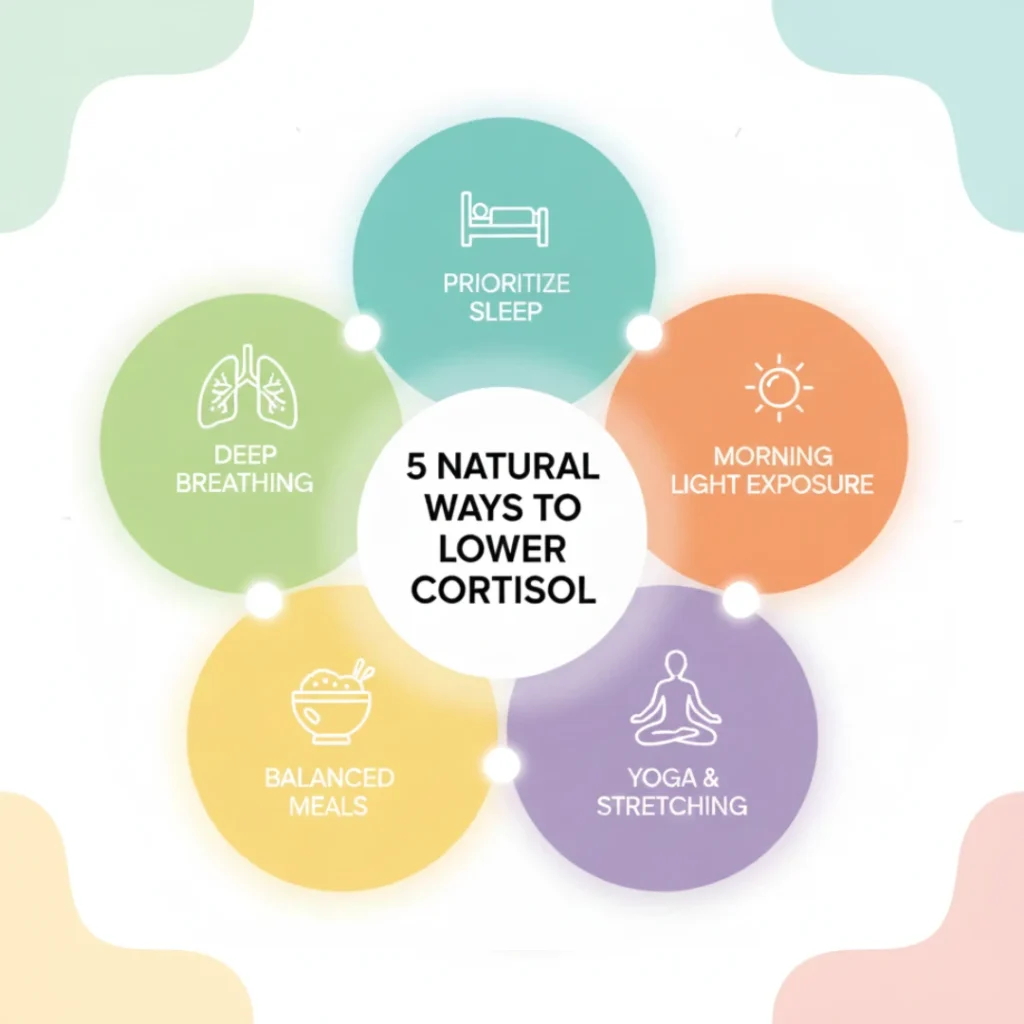
5 Natural Ways to Balance Cortisol and Hormones
Here’s what evidence and clinical practice suggest can help:
a. Regulate Your Circadian Rhythm
Your cortisol should peak in the morning and fall at night. Try:
Morning sunlight exposure for 10–15 minutes
No caffeine after 2 PM
Digital detox one hour before bed
b. Focus on Blood Sugar Stability
Erratic eating spikes cortisol.
Prioritize protein + fiber + healthy fats
Reduce processed sugar and refined carbs
c. Support the Adrenal Glands
Add magnesium, vitamin C, and B vitamins
Try adaptogenic herbs like Ashwagandha or Rhodiola (after consulting your practitioner)
Stay hydrated — dehydration elevates cortisol
d. Train, Don’t Drain
Exercise reduces stress when done right. Avoid overtraining — mix resistance training, yoga, and light cardio.
e. Mind-Body Practices
Meditation, breathwork (pranayama), journaling, and gratitude reduce cortisol and increase DHEA — the “anti-stress” hormone.
6. When to Seek Help
If you notice patterns like:
Constant fatigue despite rest
Sudden weight changes
Anxiety or irritability
Irregular menstrual cycles
Poor immunity or recurring infections
…it’s time to go deeper. A Functional Medicine practitioner can test cortisol rhythms, evaluate thyroid-adrenal-gonadal balance, and create a tailored 90-day plan to restore balance naturally.
Stress Impacts Gut Health — and Why It Matters for Hormones
Stress doesn’t just trigger cortisol — it also affects your gut, and that matters because the gut plays a major role in hormone regulation and immune balance.
When stress activates your hypothalamus-pituitary-adrenal (HPA) axis, cortisol and other stress messengers influence the digestive system. Research shows that chronic stress can alter the gut microbiome (the community of bacteria in your intestines) and increase intestinal permeability, sometimes called “leaky gut.” These changes can trigger low-grade inflammation and affect how hormones are processed and cleared from the body.
Frequently Asked Questions About Stress and Hormones
1. Can stress really disrupt hormones?
Yes. Chronic stress keeps cortisol high, which interferes with insulin, thyroid, sex hormones, and sleep hormones. This disruption often happens silently long before symptoms become severe.
2. Why do I feel unwell despite “normal” test results?
Standard tests miss hormone timing and interactions. Functional Medicine evaluates patterns and daily rhythms, not just isolated numbers.
3. Does high cortisol cause weight gain?
Yes. It increases insulin resistance, cravings, and abdominal fat storage. This is why weight gain can occur even with clean eating and regular exercise.
4. Can cortisol affect thyroid function?
Absolutely. High cortisol blocks the conversion of T4 into active T3. This leads to hypothyroid symptoms even when TSH appears normal.
5. Is stress linked to autoimmune disease?
Yes. Chronic stress weakens immune regulation and increases inflammation. Over time, this creates the perfect environment for autoimmune conditions to develop or worsen.
6. How is Functional Medicine different?
It identifies and treats root causes instead of suppressing symptoms. The goal is long-term hormonal resilience, not temporary relief.
Conclusion
Hormonal chaos isn’t random — it’s your body’s language of distress. Stress and cortisol are powerful messengers; they’re trying to tell you something’s off. By listening to them early and addressing root causes through Functional Medicine, you can prevent metabolic, autoimmune, and chronic breakdown before it even begins.
In the end, healing isn’t about fighting your hormones — it’s about understanding them. Balance your stress, and your hormones will follow.
Functional medicine is transforming the way we approach chronic health conditions and autoimmune disorders. By focusing on the root causes of illness and supporting the body’s natural healing processes, functional medicine offers a personalized path to better health. One of the cornerstones of this approach is the strategic use of high-quality supplements.
At Hormone Reset, India’s leading functional medicine clinic, we guide patients toward evidence-based supplement choices that are tailored to their unique needs. In this blog, we’ll explore the top-rated functional medicine supplements that support chronic disease recovery and optimal wellness.
What Is Functional Medicine?
Functional medicine is a patient-centered, science-based approach that looks beyond symptoms to identify and address the underlying causes of disease. Unlike conventional medicine, which often focuses on symptom management, functional medicine uses a holistic framework to understand how genetics, environment, and lifestyle factors contribute to chronic illness. Supplements play a key role in functional medicine by correcting key nutrient deficiencies, supporting biochemical pathways, and enhancing the body’s ability to heal.
Why Supplements Matter in Functional Medicine
Many chronic and autoimmune conditions are linked to nutrient deficiencies, inflammation, and imbalances in gut health. Supplements, when chosen wisely, can fill nutritional gaps, modulate inflammation, and restore balance. For example, research shows that patients with chronic conditions often lack essential nutrients like the B vitamins, vitamin D, magnesium, and omega-3 fatty acids. Adding these nutrients often improves their health significantly. Functional medicine supplements are selected based on individual needs, lab testing, and current scientific evidence—ensuring maximum safety and effectiveness.
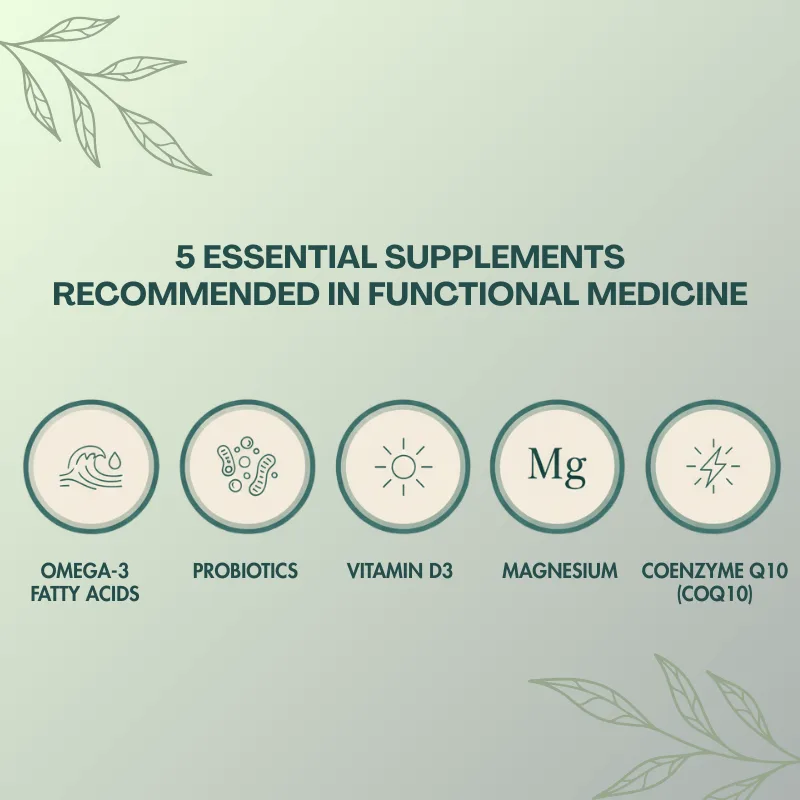
5 Essential Supplements Recommended in Functional Medicine
Omega-3 fatty acids are vital for reducing inflammation, supporting cardiovascular health, and enhancing immune function. EPA and DHA, the biologically active forms of omega-3 fatty acids, help regulate inflammatory pathways, optimize cellular communication, and support cognitive function. Functional medicine research shows that people with autoimmune conditions, metabolic syndrome, or chronic inflammatory disorders often have low omega-3 levels, which can exacerbate disease activity. Incorporating omega-3s through dietary sources such as fatty fish or through supplements has been shown to reduce markers of inflammation, improve lipid profiles, and support overall wellness.
Probiotics are essential for maintaining a healthy gut microbiome, which plays a central role in digestion, nutrient absorption, immune regulation, and even mental health. A well-balanced microbiome strengthens the intestinal barrier, reduces systemic inflammation, and modulates immune responses. Disruptions due to antibiotics, stress, processed foods, or poor diet can lead to dysbiosis, contributing to digestive discomfort, fatigue, and chronic inflammation. Clinical studies highlight the benefits of multi-strain probiotics containing Lactobacillus and Bifidobacterium in restoring gut balance, enhancing nutrient absorption, and supporting immune resilience.
Vitamin D3 functions as both a vitamin and hormone, playing a critical role in immune modulation, bone health, and inflammatory control. Research indicates that vitamin D deficiency is widespread in India, due to limited sun exposure, high melanin content, indoor lifestyles, and environmental factors. Low vitamin D levels are associated with increased risk of autoimmune diseases, impaired bone density, and chronic inflammation. Functional medicine protocols emphasize testing serum vitamin D levels and tailoring supplementation to individual needs to optimize immune function, reduce inflammation, and support musculoskeletal health.
Magnesium is a cofactor in over 300 enzymatic reactions and is essential for energy production, muscle relaxation, nerve signaling, stress management, and sleep quality. Modern diets, soil depletion, chronic stress, gastrointestinal disorders, and certain medications often lead to suboptimal magnesium levels. Clinical studies demonstrate that magnesium supplementation can alleviate muscle cramps, improve sleep patterns, reduce anxiety symptoms, and enhance cardiovascular health. Functional medicine practitioners recommend bioavailable forms such as magnesium glycinate or citrate to maximize absorption and physiological benefit.
Coenzyme Q10 (CoQ10) is a lipid-soluble antioxidant that plays a key role in mitochondrial energy production. It supports cardiovascular function, muscle performance, and neurological health by facilitating cellular ATP synthesis. CoQ10 levels naturally decline with age and can be further depleted by chronic illness, oxidative stress, or medications such as statins. Clinical studies highlight that CoQ10 supplementation may improve energy metabolism, reduce fatigue, enhance exercise tolerance, and protect cells from oxidative damage, making it a cornerstone in functional medicine protocols for cellular health and longevity.
Supplementation should always be personalized. Functional medicine practitioners at Hormone Reset use detailed health histories, lab testing, and ongoing monitoring to create individualized supplement protocols. Avoid self-prescribing, as taking the wrong supplements or incorrect dosages can be harmful. Professional guidance ensures that supplements are safe, effective, and aligned with your health goals.
Frequently Asked Questions About Functional Medicine Supplements
Are supplements safe for everyone?
Most supplements are safe when used appropriately, but some may interact with medications or underlying health conditions. Always consult a qualified practitioner.
How long before you see results?
Some supplements work quickly (e.g., magnesium for muscle cramps), while others may take longer to show benefits. Consistency and professional monitoring are key.
Can supplements replace medication?
Supplements can support healing but should not replace prescribed medications without medical supervision. Functional medicine integrates supplements with other therapies for comprehensive care.
Conclusion
Functional medicine supplements offer a powerful way to support healing, restore balance, and address the root causes of chronic and autoimmune disorders. At Hormone Reset, we combine expert guidance with evidence-based protocols to help you achieve optimal health. Ready to take the next step? Schedule a consultation with our functional medicine experts and discover a personalized path to wellness.
This article is for informational purposes only and does not constitute medical advice. Always consult a qualified healthcare provider before starting any new supplement regimen.
Have you ever stared at your calendar, wondering when your next period will appear, only to find your cycle has jumped from 25 days one month to 40 the next? For many women, irregular periods feel unpredictable, affecting fertility plans, daily comfort, and even signaling potential underlying health issues.
Functional Medicine offers a different lens. Instead of just treating the symptoms of irregular periods, Functional Medicine looks deeper to identify root causes, such as delayed ovulation, stress, thyroid or adrenal imbalances, nutritional deficiencies, and gut health issues. By understanding these causes, you can support your body naturally and restore regularity.
Understanding Menstrual Cycles and Irregular Periods
The menstrual cycle is a whole-body process influenced by metabolic health, stress physiology, gut function, and nutrient status—not just reproductive hormones. In Functional Medicine, irregular periods are viewed as signals of deeper imbalances in systems like the thyroid, adrenals, insulin regulation, and inflammation. By understanding how these interconnected systems affect ovulation, we can identify root causes rather than just track symptoms.
What Is Menstrual Cycle Length?
Cycle length is counted from the first day of one period to the first day of the next. It includes both the days of bleeding and the days in between. Hormones such as estrogen, progesterone, LH, and FSH orchestrate this complex process, with ovulation as a crucial midpoint.
Most cycles range between 21 and 35 days, but each woman’s rhythm is unique. Functional Medicine emphasizes understanding your individual baseline, rather than comparing yourself strictly to averages.
What Are Irregular Periods?
Periods are considered irregular when the body’s natural hormonal rhythm is disrupted. In Functional Medicine, irregularity is typically defined as cycles that fluctuate by more than 7–9 days each month, consistently last fewer than 21 days or more than 35 days, or involve skipped periods. These patterns aren’t just timing issues—they signal deeper imbalances in ovulation, stress hormones, metabolic health, thyroid function, or inflammation. Instead of viewing irregular periods as random, the Functional Medicine approach interprets them as important clues about how well your endocrine system is functioning and where support is needed to restore balance.
Irregular periods are often a signal from your body that something may be disrupting your hormonal rhythm. FM encourages tracking not only dates but also symptoms such as mood changes, fatigue, cramps, and bloating to get a holistic picture.
Why Irregular Cycles Occur: The Functional Medicine Perspective
Contrary to common myths, long cycles are rarely caused by “estrogen dips.” They are almost always due to delayed ovulation. From a Functional Medicine perspective, irregular cycles are often caused by hormonal imbalances influenced by lifestyle, nutrition, and overall health. Key root causes include:
Delayed Ovulation: Stress, low body weight, high-intensity exercise, and metabolic imbalances can postpone ovulation, lengthening cycles.
Polycystic Ovary Syndrome (PCOS): Insulin resistance and hormonal disruption lead to irregular or absent ovulation.
Adrenal Stress: Chronic stress elevates cortisol, which can suppress reproductive hormones and ovulation.
Nutritional Deficiencies: Low levels of zinc, magnesium, B vitamins, and essential fatty acids impair hormone synthesis.
Gut Health Imbalance: Poor gut microbiome health affects estrogen metabolism and may contribute to irregular cycles.
Functional Medicine insight: Treating symptoms alone (like heavy bleeding or skipped periods) is insufficient. Identifying why ovulation is delayed or cycles are irregular is critical to restoring hormonal balance.
Why Tracking Your Cycle Matters
Tracking your cycle transforms confusion into actionable insights. Functional Medicine encourages using this data for:
Fertility and Conception
Irregular cycles make ovulation unpredictable. Tools include:
Basal Body Temperature (BBT): Detects ovulation-related temperature rise.
Symptom Journaling: Monitors mood, cramps, bloating, and other indicators of hormonal shifts.
Tracking helps predict ovulation even in irregular cycles, improving conception chances by as much as 20% according to studies.
Health Monitoring
Cycle irregularity can indicate:
Delayed ovulation from stress, thyroid imbalance, or nutrient deficiency.
Short cycles suggesting low progesterone.
Heavy or painful periods pointing to inflammation or hormonal imbalance.
Regular tracking enables early detection of health issues.
Daily Life Planning
Optimize workouts, travel, and self-care around cycle phases (follicular, ovulatory, luteal).
Reduce surprises related to energy, mood, or menstrual flow.
Methods for Tracking Irregular Periods
Consistency is key. Choose the tools that suit your lifestyle:
1. Calendar and Journaling
Mark start/end dates, flow strength, and symptoms.
Note lifestyle factors: sleep, stress, diet, and exercise.
2. Apps and Digital Tools
Apps like Clue or Flo help calculate averages, predict ovulation, and visualize trends.
Daily logging enhances accuracy and identifies subtle patterns.
3. Wearable Devices
Devices like Fitbit or Oura Ring track BBT, sleep, and stress markers.
Combined with apps, they provide precise insights into ovulation and hormonal fluctuations.
Step-by-Step Guide to Calculating Cycle Length
Gather Your Data Track at least 3–6 months of start dates, end dates, symptoms, and lifestyle notes.
Calculate Individual Cycle Lengths Subtract the start date of the previous period from the current one, then add 1 day. Example: Jan 1 → Feb 2 = 32 days.
Determine Average Cycle Length Sum all cycle lengths and divide by the number of cycles. Note shortest and longest cycles to track variability.
Adjust for Outliers Long cycles caused by stress, illness, or travel should be logged separately. Functional Medicine encourages investigating why these deviations occurred.
Functional Medicine Tips to Support Cycle Regularity
Nutrition: Adequate zinc, magnesium, vitamin B6, and healthy fats support hormone synthesis. Stabilize blood sugar with protein-rich meals.
Stress Management: Yoga, meditation, breathwork, and mindfulness reduce cortisol and support ovulation.
Gut Health: Include fiber, fermented foods, and probiotics. Avoid highly processed foods to optimize estrogen metabolism.
Exercise: Moderate, consistent workouts support hormonal balance. Avoid overtraining, which may delay ovulation.
Thyroid & Adrenal Support: Lab tests and personalized interventions may be needed to restore optimal function.
When to Seek Professional Help
Consult a healthcare professional if you experience:
Persistent cycles <21 or >35 days.
Skipped periods for 3+ months.
Severe pain, heavy bleeding, or sudden shifts in cycle pattern.
Functional Medicine practitioners integrate labs, nutrition, lifestyle, and hormone analysis to uncover and address the root causes.
Frequently Asked Questions on Tracking Irregular Cycles
1) How does Functional Medicine evaluate irregular periods differently from conventional medicine?
Functional Medicine looks beyond symptom management and investigates why your cycle is irregular. This includes assessing gut health, nutrient deficiencies, insulin resistance, thyroid function, stress hormones, inflammation markers, and ovulation patterns to uncover the root cause.
2) Can Functional Medicine support healthy ovulation and improve cycle regularity?
Yes. Since irregular cycles are usually linked to delayed or absent ovulation, Functional Medicine focuses on restoring this key process. By improving metabolic health, stabilizing blood sugar, optimizing thyroid function, reducing inflammation, and supporting the nervous system, this approach promotes timely ovulation and more predictable menstrual cycles.
3) Can irregular cycles affect fertility?
Yes, they make ovulation harder to track; Hormone Reset combines tracking with hormone testing to support fertility
4) Why do irregular periods happen?
They may stem from stress, PCOS, thyroid issues, or lifestyle; Hormone Reset helps identify root causes.
5) Can I still get pregnant with irregular cycles?
Yes, though prediction is harder; Hormone Reset programs improve chances by balancing hormones naturally.
6) When should I see a doctor about irregular cycles?
If cycles are under 21, over 35 days, or absent for 3+ months, Hormone Reset advises a timely medical evaluation.
7) Can lifestyle changes regulate periods?
Yes, better sleep, stress control, and diet help; Hormone Reset integrates these with personalized hormone care.
8) Does Hormone Reset support women with irregular cycles?
Yes, offering hormone testing, functional medicine, and tracking guidance for cycle balance.
Conclusion
Imbalances in hormones, stress levels, gut health, inflammation, or nutrient deficiencies. With a Functional Medicine approach, you’re not just managing symptoms; you’re learning to decode these signals and correct them at the root. Begin by tracking your cycle dates, mood shifts, digestive changes, sleep patterns, and lifestyle habits. Over time, you’ll start to see clear patterns that reveal what your body truly needs. When you understand your cycle, you gain control—improving hormonal balance, supporting fertility, reducing PMS, and boosting long-term well-being.
If your periods have been irregular for months or are affecting your quality of life, don’t wait. Take the first step toward deeper hormonal healing. A personalized Functional Medicine assessment can help you identify your unique root causes and create a targeted plan for restoring balance naturally. Ready to fix your hormones from the inside out? Book your Functional Medicine consultation with Hormone Reset and start your journey to consistent, healthy cycles today.
Hormones are the silent conductors of your body’s symphony—regulating energy, metabolism, mood, reproduction, and immunity. When they’re out of balance, even simple daily tasks can feel exhausting. But hormonal imbalance is rarely a standalone problem—it’s usually a signal that something deeper in your body’s communication system is off.
At Hormone Reset, our approach goes beyond masking symptoms. We focus on identifying the root causes—from stress and gut health to thyroid dysfunction and environmental toxins—so you can rebalance your system naturally and sustainably.
1. Stress and Cortisol Imbalance: How Chronic Stress Disrupts Hormones
Chronic stress doesn’t just make you anxious—it rewires your hormonal network. The HPA (hypothalamic-pituitary-adrenal) axis controls cortisol, the stress hormone, which directly affects thyroid conversion, insulin regulation, estrogen metabolism, and reproductive hormones.
How stress disrupts hormones:
Cortisol overload: Persistent stress initially elevates cortisol, suppressing thyroid hormone conversion (T4 → T3) and leading to fatigue, brain fog, and low metabolism.
Adrenal burnout: Over time, some people experience low cortisol, contributing to chronic fatigue, mood swings, and blood sugar instability.
Estrogen and progesterone imbalance: Stress promotes estrogen dominance, worsening PMS, thyroid dysfunction, and fat retention.
Insulin spikes: Elevated cortisol increases blood sugar, fueling inflammation and worsening autoimmune conditions like Hashimoto’s.
How Hormone Reset helps:
Mindfulness and meditation to retrain the stress response.
Adaptogens like ashwagandha and rhodiola for adrenal support.
Targeted nutrition to stabilize cortisol and support adrenal function.
Lifestyle adjustments, including structured sleep, work-life balance, and gentle exercise.
2. Gut Health: The Hidden Driver of Hormone Imbalance
Did you know 70–80% of your immune system resides in your gut? A compromised gut lining, dysbiosis, or small intestinal bacterial overgrowth (SIBO) can trigger autoimmune attacks on the thyroid, disrupt estrogen metabolism, and affect serotonin production—leading to fatigue, mood swings, and thyroid dysfunction.
Mechanisms at play:
Leaky gut: Toxins enter the bloodstream, causing immune confusion and potentially attacking thyroid tissue (Hashimoto’s) or other endocrine organs.
Microbiome imbalance: Disrupted gut flora impairs hormone metabolism, including estrogen reabsorption and thyroid conversion.
Gut-healing nutrition: collagen, bone broth, L-glutamine, and zinc.
Fermented foods and high-quality probiotics for microbiome balance.
An anti-inflammatory, nutrient-dense diet eliminating gluten, dairy, refined sugar, and additives.
Toxin reduction: organic produce, filtered water, and avoiding processed products.
3. Thyroid Dysfunction: Root Cause, Not Just Symptoms
Thyroid imbalances are often misunderstood. Conditions like Hashimoto’s thyroiditis or hypothyroidism affect metabolism, mood, energy, and reproductive hormones—but are rarely isolated problems. At Hormone Reset, we focus on why the thyroid is under attack or underperforming, not just hormone replacement.
Root causes include:
Autoimmune triggers linked to gut inflammation and molecular mimicry.
Personalized nutrition: support thyroid hormone synthesis and balance estrogen, progesterone, and insulin.
Targeted supplementation: high-potency nutrients when diet alone isn’t sufficient.
Lifestyle adjustments: stress management, sleep optimization, and gentle physical activity.
Detox support: liver-focused interventions to optimize hormone metabolism.
4. Nutritional Deficiencies: Fueling Hormonal Health
Hormone production depends on specific nutrients. Deficiencies not only reduce hormone synthesis but can amplify autoimmune and metabolic dysfunction.
Critical nutrients:
Selenium & Zinc: Protect thyroid cells, support adrenal function, and reduce oxidative stress.
Iodine: Essential for T3 and T4 thyroid hormones (must be carefully monitored in Hashimoto’s).
Vitamin D: Regulates immunity and reduces autoimmune flares.
Omega-3 fatty acids: Reduce inflammation and improve cell membrane function.
Magnesium & B vitamins: Support energy production, neurotransmitter balance, and stress resilience.
Hormone Reset strategies:
Dietary optimization using nutrient-dense foods.
High-quality, clinically-tested supplements where needed.
Integration with lifestyle practices for absorption and utilization.
5. Environmental Toxins: Invisible Disruptors of Hormones
Endocrine-disrupting chemicals (EDCs) like BPA, phthalates, pesticides, and personal care chemicals mimic or block hormones, interfering with estrogen, testosterone, and thyroid signaling.
Impact on hormone metabolism:
Estrogen dominance from xenoestrogens.
Thyroid receptor interference.
Impaired detoxification leading to the accumulation of hormone-disrupting compounds.
Functional strategies:
Use glass or stainless steel containers instead of plastic.
Choose organic foods when possible.
Opt for clean, non-toxic personal care products.
Support liver detoxification pathways with cruciferous vegetables and hydration.
Female-specific conditions often amplify systemic hormone imbalances. Insulin resistance, estrogen dominance, and inflammation interconnect with thyroid and adrenal function.
Hormone Reset interventions:
Diet and lifestyle modifications to manage insulin and inflammation.
Personalized hormone-balancing protocols integrating stress, sleep, and gut health.
Targeted nutrition to stabilize estrogen and progesterone levels.
Symptom tracking and iterative program adjustments.
7. Sleep & Circadian Rhythm: Timing Is Everything
Sleep is a critical hormone regulator. Disrupted circadian rhythm elevates cortisol, impairs melatonin production, and affects insulin, thyroid, and reproductive hormones.
Hormone Reset recommendations:
Maintain consistent sleep and wake times.
Avoid screens and blue light 1–2 hours before bed.
Balance exercise with recovery to prevent adrenal burnout.
Integrate stress management and nutrition to support activity-induced hormone adaptation.
Conclusion: Addressing Root Causes, Not Just Symptoms
Our personalized programs guide you step by step, combining functional medicine, targeted nutrition, stress management, gut healing, and lifestyle optimization to bring your hormones back into balance—naturally, sustainably, and effectively.
Hormonal imbalance is rarely an isolated issue. By understanding and addressing the root causes—stress, gut health, thyroid dysfunction, nutrient deficiencies, environmental toxins, and lifestyle factors—Hormone Reset helps restore your body’s hormonal symphony.
FAQs: Hormone Reset and Hormonal Health
1. What causes hormonal imbalance in women and men?
Hormonal imbalance can arise from multiple factors, including chronic stress, poor gut health, thyroid dysfunction, nutrient deficiencies, environmental toxins, and lifestyle issues such as sleep disruption or irregular physical activity. These factors interfere with your body’s endocrine network, leading to fatigue, mood swings, metabolic changes, and reproductive health issues.
2. How does stress affect hormones?
Chronic stress disrupts the HPA axis, elevating cortisol levels. High cortisol can suppress thyroid hormone conversion (T4 → T3), promote insulin spikes, and create estrogen dominance, contributing to fatigue, brain fog, PMS, and weight gain. Over time, adrenal burnout may occur, resulting in low cortisol and chronic fatigue.
3. Can gut health impact my hormone levels?
Absolutely. Around 70–80% of the immune system resides in the gut. Gut imbalances, leaky gut, or dysbiosis can trigger autoimmune responses, impair estrogen metabolism, disrupt thyroid function, and affect neurotransmitter production, causing fatigue, mood swings, and other hormonal issues. Healing the gut is critical for overall hormonal balance.
5. Are thyroid problems the root cause or just a symptom?
Thyroid dysfunction is often a symptom of underlying issues such as autoimmune attacks (e.g., Hashimoto’s), nutrient deficiencies (selenium, zinc, iodine), liver detox issues, or chronic stress. Addressing the root causes, rather than only taking hormone replacement, leads to sustainable improvement in energy, metabolism, and overall hormonal health
6. How does Hormone Reset personalize treatment for lasting results?
Hormone Reset takes a holistic, root-cause approach. Programs combine stress management, gut healing, nutrition optimization, targeted supplementation, detox support, and lifestyle adjustments. This integrative method addresses your specific hormonal imbalances and works to restore long-term balance naturally and sustainably.
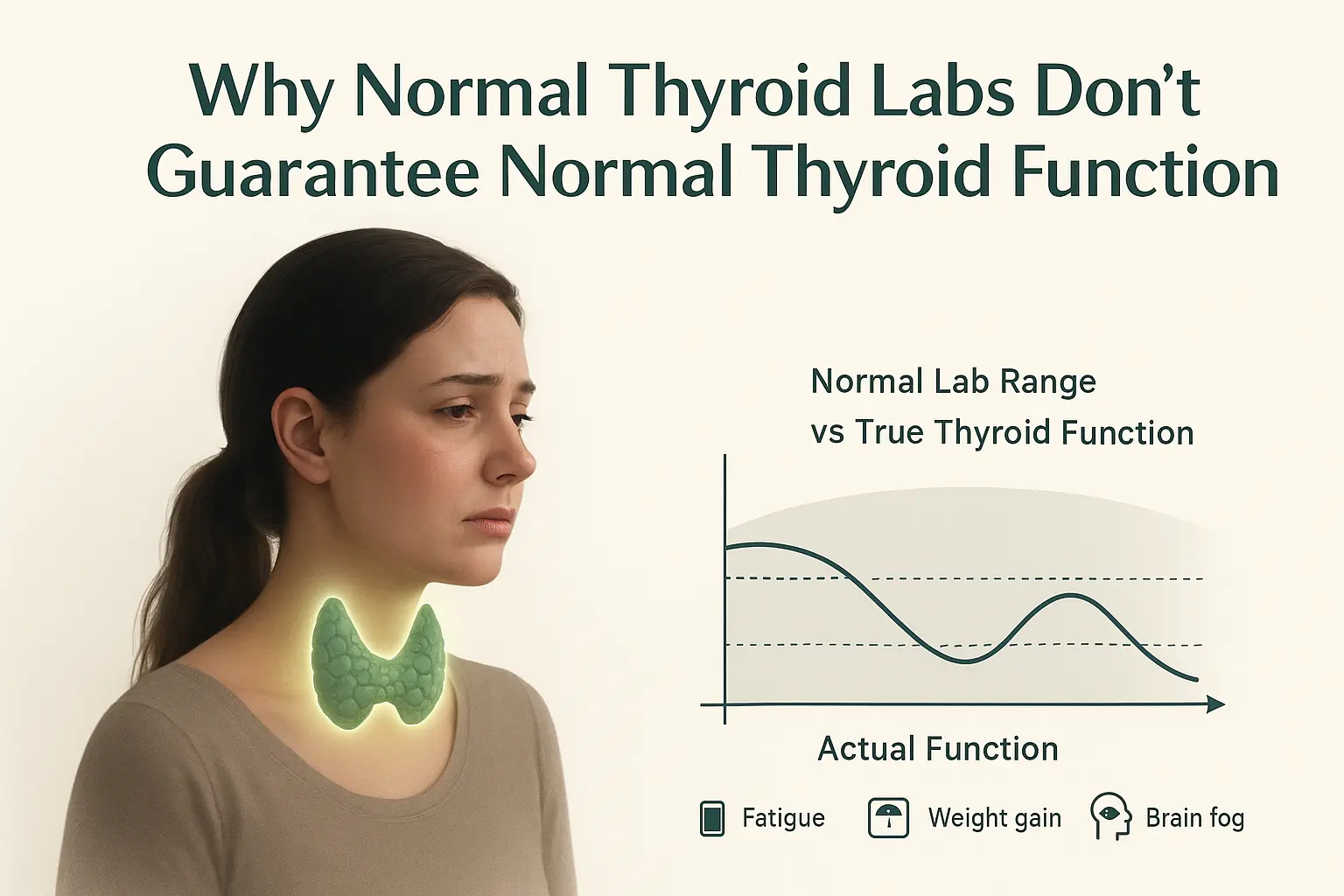
Many women and men feel constantly fatigued, struggle with weight, or notice mood swings — yet routine thyroid labs often appear “normal.” This disconnect can be confusing and frustrating. Understanding how thyroid function interacts with hormones, metabolism, and lifestyle factors is key to recognizing subtle imbalances before they affect energy, mood, and overall well-being.
How Thyroid Hormones Work
The thyroid produces hormones that regulate metabolism, energy, and mood. While T4 is the main hormone released, it is inactive and must convert into the active form, T3, to influence your body effectively.
T4 → T3 conversion is critical for energy production and metabolic efficiency
T3 affects brain function, metabolism, and fatigue levels- literally everything in the body.
Conversion can be influenced by stress, diet, lifestyle habits, and many other factors like liver function, etc.
The availability of T3 can be affected by the amount that is bound up by the binding globulins. Hence, measuring Free T3 is also needed.
Even when labs measure TSH or T4 levels and appear “normal,” subtle dysfunction in T3 conversion or hormone utilization can lead to fatigue and other symptoms.
Why Labs Might Look “Normal”
Routine thyroid tests often focus on TSH or T4 alone, which can miss early or subtle dysfunction. Several factors can influence lab results:
Timing of the test (morning vs. afternoon)
Temporary stress or illness
Nutritional deficiencies
Minor metabolic disruptions that don’t appear on standard panels
This is why some individuals feel symptoms even when tests suggest everything is fine.
Subtle Symptoms That Often Go Unnoticed
Thyroid imbalance doesn’t always trigger obvious lab alerts. Early signs can include:
Persistent fatigue, especially after meals
Brain fog or difficulty concentrating
Afternoon energy slumps
Mood swings or irritability
Minor, unexplained weight fluctuations
Even mild symptoms can indicate that your thyroid is not functioning optimally, despite normal lab values.
Functional medicine emphasizes understanding root causes beyond standard labs. Some of the factors that can subtly impact thyroid hormone function are:
Stress: High cortisol levels can reduce T4 → T3 conversion
Nutrition: Deficiencies in selenium, iodine, or zinc can affect both conversion and metabolism
Sleep disruption: Inconsistent sleep can impact hormone balance
Gut health & inflammation: Chronic issues may influence thyroid function indirectly
Thyroid Hormones – Bound vs Free
Bound Hormones: Attached to proteins, inactive, measured in standard lab tests.
Free Hormones: Unbound, active, ready to fuel your cells.
Why it matters: Only free hormones regulate energy, metabolism, and mood. Even with normal labs, low free hormone levels can leave your body starved for thyroid activity.
Key Nutrients That Support Healthy Thyroid Hormone Production
The thyroid requires certain nutrients and vitamins to function optimally:
Minerals: Iron, Iodine, Tyrosine, Zinc, Selenium
Vitamins: E, B2, B3, B6, C, D
Why it matters: Deficiencies can slow hormone production, leading to fatigue, low energy, and sluggish metabolism.
Practical Tip: Include leafy greens, eggs, nuts, seeds, and seafood to naturally support thyroid health.
Factors That Can Reduce Thyroid Hormone Production
Certain conditions or exposures can decrease your thyroid’s hormone output:
T4 → T3 Conversion: How Your Thyroid Makes Hormones Active
The thyroid releases T4 (inactive), which must be converted into T3 (active) to fuel cells efficiently.
Supports Conversion: Selenium and Zinc
Blocks Conversion / Increases Reverse T3: Stress, trauma, low-calorie diets, inflammation, toxins, infections, liver/kidney issues, or certain medications
Improving How Your Cells Respond to Thyroid Hormones
Even if hormone levels are normal, cells must respond properly to them for energy and metabolism:
Supports Cellular Sensitivity: Vitamin A, Zinc, and regular exercise
Lifestyle Factors: Prioritize consistent sleep, a balanced diet, and stress management
Outcome: Ensures thyroid hormones reach your cells effectively, regulating energy, metabolism, and overall well-being
Practical Steps to Support Thyroid Function
Even without abnormal labs, small lifestyle adjustments can support optimal thyroid function:
Balanced diet: Include protein, fiber, and micronutrients to stabilize blood sugar and hormone function
Daily movement: Light resistance training or walking improves metabolism
Sleep hygiene: Prioritize 7–8 hours of consistent sleep
Stress management: Mindfulness, journaling, or breathing exercises help reduce cortisol
Monitor symptoms: Track energy patterns, mood, and cravings to notice subtle imbalances
These actions support hormone balance and metabolic health, providing noticeable improvements over time.
Conclusion
Normal thyroid labs don’t always guarantee optimal thyroid function. Subtle disruptions in hormone conversion, lifestyle factors, and stress can affect energy, mood, and metabolism. Understanding these patterns empowers you to notice early signals and take actionable steps toward better hormone health. At Hormone Reset, we guide individuals to understand metabolic and hormone patterns using functional approaches — emphasizing lifestyle, nutrition, and energy optimization without relying solely on routine lab tests.
FAQs: Understanding Thyroid Function Beyond Lab Tests
1. Can I have thyroid issues even if my blood tests are normal?
Yes. Subtle thyroid imbalances can occur due to T3 conversion issues, lifestyle factors, or stress, which routine labs may not detect. Paying attention to energy, mood, and metabolism is key.
2. What are early signs of thyroid imbalance to watch for?
Common patterns include persistent fatigue, brain fog, mood swings, afternoon energy slumps, and unexplained weight changes, even if lab results appear normal.
3. How can lifestyle influence thyroid function?
Balanced nutrition, regular sleep, stress management, and moderate exercise all support healthy thyroid metabolism and hormone balance. Small adjustments often make a noticeable difference in energy levels.
4. Can stress or sleep affect thyroid labs?
Yes. Stress hormones like cortisol and disrupted sleep can impact T4 → T3 conversion, which may cause symptoms even when standard lab values seem normal.
5. Where can I learn more about supporting hormone balance naturally?
For educational insights on hormone and metabolic patterns, you can exploreHormone Reset, which focuses on functional approaches to energy, metabolism, and hormone balance.
Hormones are the body’s chemical messengers, regulating everything from metabolism and mood to sleep and fertility. When they are balanced, you feel energised, focused, and strong. When they are out of sync, you may experience fatigue, weight gain, mood swings, brain fog, and various other health issues like fibromyalgia, PCOS, infertility, PMS, autoimmunity, diabetes, hypothyroidism, anxiety, depression and more.
Why Do Hormones Get Imbalanced? What are the Causes of Hormonal Imbalance?
Hormonal imbalances don’t happen overnight. They develop due to various factors, including:
Chronic Stress – Elevated cortisol levels affect thyroid and reproductive hormones amongst many others, leading to fatigue, weight gain, and immune dysfunction.
Poor Diet – Processed foods, sugar, and unhealthy fats disrupt insulin sensitivity, which leads to various downstream effects like estrogen progesterone imbalance, increasing the risk of metabolic and various other disorders.
Environmental Toxins – Endocrine disruptors in plastics, beauty products, and pesticides mimic hormones and interfere with normal function, leading to hormonal chaos and dysfunction.
Gut Issues – An unhealthy gut microbiome affects various hormones like estrogen metabolism and affects immune and other functions, contributing to digestive issues and inflammation.
Nutrient Deficiencies – Essential vitamins and minerals such as magnesium, zinc, omega 3 fatty acids and B vitamins are crucial for hormone production and balance.
Sleep Deprivation – Poor sleep quality impacts melatonin, cortisol, and other crucial hormones, leading to a cascade resulting in various issues including weight gain and impaired cognitive function.
Excessive Exercise or Sedentary Lifestyle – Overtraining initially increases and later may suppress cortisol production, while lack thereof contributes to insulin resistance and poor circulation.
The good news? Functional medicine provides a natural and effective approach to resetting your hormones and restoring balance.
Do You Have a Hormone Imbalance? Symptoms of Hormonal Imbalance
Fatigue and Low Energy: Persistent tiredness, even after sufficient rest, may signal imbalances in cortisol (stress hormone), thyroid hormones (regulate metabolism), or insulin (regulates blood sugar). These imbalances can lead to adrenal fatigue or thyroid sluggishness.
Weight Gain and Difficulty Losing Weight: Hormonal disruptions, particularly involving insulin resistance, elevated cortisol, low thyroid hormones, or estrogen dominance, can make weight loss difficult. Fat often accumulates around the midsection or hips and thighs.
Mood Swings, Anxiety, and Depression: Low levels of progesterone and estrogen fluctuations can contribute to irritability, sadness, and anxiety. Elevated cortisol from chronic stress and low thyroid function also affect neurotransmitter levels, worsening mood issues.
Sleep Disturbances and Insomnia: Disrupted cortisol rhythms (elevated at night or too low during the day), melatonin imbalance, and low progesterone can cause difficulty falling asleep or staying asleep.
Irregular Menstrual Cycles and PMS: Heavy, painful, or irregular periods may signal estrogen dominance, low progesterone, or underlying conditions like PCOS or thyroid disorders. PMS symptoms like bloating, mood swings, and breast tenderness are also linked to these imbalances.
Low Libido and Fertility Issues: Low estrogen, testosterone, or progesterone levels can reduce sex drive and cause infertility. High cortisol and insulin resistance interfere with ovulation and normal reproductive hormone cycles.
Brain Fog and Poor Concentration: Forgetfulness, lack of mental clarity, and difficulty focusing may stem from thyroid dysfunction, blood sugar instability, or inflammation triggered by hormonal imbalance.
Skin and Hair Changes: Thinning hair, dry or acne-prone skin, and brittle nails may reflect low thyroid function, excess androgens (as in PCOS), or estrogen imbalance. These symptoms often appear alongside menstrual irregularities.
Digestive Problems and Bloating: Estrogen plays a role in gut motility and microbial balance. Imbalance—especially estrogen dominance—can slow digestion and promote bloating, while gut dysbiosis can impair estrogen clearance, creating a feedback loop.
Temperature Sensitivity: Cold hands and feet, intolerance to cold, or excessive sweating and hot flashes are signs of thyroid dysfunction or perimenopausal hormone fluctuations.
A hormone reset is a strategic approach to bring your hormones back to their optimal levels by making targeted lifestyle and dietary changes. This approach works by targeting the root causes like eliminating triggers, nourishing the body, and supporting detox pathways.
How Hormones Communicate in the Body
Hormones don’t work in isolation—they function in a delicate balance. A few of these hormone interactions include:
Cortisol & Insulin: Chronic stress increases cortisol, which raises insulin and leads to fat storage, particularly around the abdomen. This process often is the root cause of type 2 diabetes.
Cortisol and Thyroid: Generally these two are inversely related. For example, an increase in stress increases cortisol secretion, which in turn reduces the thyroid function.
Thyroid & Estrogen: High estrogen can interfere with thyroid hormone production, leading to sluggish metabolism, weight gain, and fatigue.
Progesterone & Stress: When stress is high, progesterone levels drop, affecting mood, sleep, and reproductive health, potentially leading to infertility.
How Functional Medicine Can Cure Hormone Imbalance?
Hormone Reset is a science-backed method that focuses on identifying and addressing the root causes of imbalances rather than just treating symptoms. Instead of relying on medication alone, this approach combines personalized nutrition, lifestyle changes, and advanced lab testing to restore optimal hormone function.
Step 1: Comprehensive Hormone Testing & Diagnosis
Unlike traditional medicine, which often overlooks underlying issues, functional medicine starts with comprehensive lab testing to evaluate:
Cortisol and adrenal function to detect chronic stress and fatigue.
Thyroid hormone levels (total t3 and t4, free t3 and t4 and tsh) to assess metabolism and energy production.
Insulin and blood sugar balance to prevent diabetes and metabolic disorders.
Estrogen, progesterone, and testosterone levels to ensure reproductive and overall health.
Gut health and microbiome diversity to improve digestion and hormone detoxification.
Nutrient deficiencies and inflammatory markers to guide dietary and supplement recommendations.
Liver function markers and symptoms to assess liver health and function as optimal liver function is important to ensure proper hormonal balance.
Step 2: Personalized Nutrition & Detoxification
Food plays a crucial role in hormone balance. Functional medicine recommends:
Anti-inflammatory foods – Leafy greens, berries, and turmeric reduce oxidative stress and inflammation.
Hormone-balancing fats – Avocados, wild-caught fish, coconut oil, and nuts support cellular function and hormone production.
Fiber-rich foods – Cruciferous vegetables (broccoli, cauliflower, cabbage) help detox excess estrogen and improve digestion.
Liver-supporting nutrients – Dandelion root, milk thistle, beets, and lemon water enhance the body’s natural detoxification pathways.
Balancing blood sugar – Prioritizing protein, healthy fats, and fiber helps prevent insulin spikes, which contribute to weight gain and fatigue.
Intermittent fasting – A well-planned fasting regimen can help regulate insulin, support metabolism, and enhance detoxification.
Transform Your Health One Meal at a Time?
Looking for hormone-balancing recipes that are as delicious as they are healing. Whether you’re dealing with PCOS, thyroid issues, or just want to reset your body naturally — we’ve got simple, nourishing recipes waiting for you.
Step 3: Restoring Gut Health & The Gut-Hormone Connection
A healthy gut is key to hormone regulation. Functional medicine supports digestion with:
Probiotics & Prebiotics – Restore beneficial bacteria and improve hormone metabolism by enhancing digestion and reducing bloating.
Gluten & Dairy Reduction – Helps prevent inflammation and autoimmune responses that impact thyroid and reproductive health.
Collagen & Bone Broth – Supports gut lining integrity and hormone production, reducing symptoms like bloating, acne, and joint pain.
Step 4: Stress Management & Sleep Optimization
Stress and poor sleep wreak havoc on hormones. Functional medicine recommends:
Sleep Hygiene – Maintaining a regular bedtime, avoiding blue light before sleep, and using magnesium supplementation improve sleep quality and hormone regulation.
Adaptogenic Herbs – Ashwagandha, rhodiola, and holy basil help regulate cortisol levels and support adrenal function.
Mindfulness & Meditation – Regular excercise and deep breathing meditation reduce stress and improve hormone balance.
Infrared Sauna & Epsom Salt Baths – These detoxification techniques support relaxation, lower inflammation, and enhance hormone function.
Take Control of Your Hormones Today
If you’re struggling with fatigue, mood swings, unexplained weight gain, or other symptoms of hormonal imbalance, it’s time to take action. Your body is designed to heal—it just needs the right support.
Start your journey to hormone balance today with expert guidance from HormoneReset and experience the power of functional medicine. Book your Free Discovery Call Now!
References:
Using Functional Nutrition to Address Hormone Imbalances – Rupa Health
Hormones are essential chemical messengers that play a vital role in numerous bodily functions, including metabolism, growth, mood regulation, and reproductive health. The balance of these hormones is crucial for overall well-being, and regular exercise has emerged as a key factor in maintaining this balance. Engaging in physical activity influences hormone levels and enhances overall metabolic health and emotional stability.
Understanding Hormonal Health
Explanation of Hormonal Balance and Its Significance
Hormonal balance refers to the optimal levels of hormones in the body, ensuring that they work synergistically to regulate various physiological processes. An imbalance can lead to a range of health issues, including poor immunity, metabolic and other imbalances, fatigue, mood disorders, and weight fluctuations. Maintaining hormonal health is essential for physical and mental well-being, influencing everything from energy levels to immune function.
Common Signs of Hormonal Imbalances
Recognizing signs of hormonal imbalances is crucial for early intervention. Common symptoms include:
Fatigue: Chronic tiredness can indicate adrenal dysfunction or thyroid issues.
Mood Changes: Fluctuations in hormones such as estrogen and progesterone can lead to mood swings or depression.
Weight Fluctuations: Hormonal imbalances can affect metabolism, leading to unexplained weight gain or loss.
Irregular periods (for women) and low libido:
Hair loss or thinning and facial/body hair for women (PCOS):
Digestive issues:
Brain fog:
Dry or flaky skin:
How Exercise Influences Hormones
Overview of Key Hormones Affected by Exercise
Regular exercise has a profound impact on several key hormones, including:
Cortisol: Exercise can modulate cortisol levels, reducing stress and promoting a balanced response to stressors.
Endorphins: Often referred to as “feel-good” hormones, endorphins are released during exercise, contributing to improved mood and reduced pain perception.
Leptin and Ghrelin (hunger hormones): Exercise may lower ghrelin (which stimulates appetite) and increase leptin sensitivity (which helps you feel full).
Thyroid hormones (T4 and T3): Exercise can increase the production and conversion of thyroid hormones. Over time, regular physical activity can also enhance thyroid hormone sensitivity.
The Impact of Different Types of Exercise on Hormonal Levels
Different types of exercise affect hormones in unique ways:
Aerobic Exercise: Running, cycling, and swimming enhance cardiovascular health and insulin sensitivity. They also support and balance hormones like cortisol, serotonin and dopamine leading to better focus, memory, mood and lower inflammation, etc.
Strength Training: Lifting weights can boost testosterone and growth hormone levels, which are vital for muscle growth and metabolism. Also balances cortisol levels.
Flexibility Exercises: Practices like yoga promote relaxation and reduce stress hormones, positively impacting overall hormonal balance.
The Role of Exercise in Reducing Inflammation and Enhancing Metabolic Health
Regular physical activity helps reduce inflammation, which is linked to various chronic diseases and hormonal imbalances. Exercise improves metabolic health by enhancing glucose metabolism and promoting healthy body composition, thus supporting hormonal health.
Benefits of Regular Exercise for Hormonal Balance
Improved Insulin Sensitivity and Blood Sugar Regulation
Regular exercise enhances insulin sensitivity, allowing cells to utilize glucose more effectively. A study published in Diabetes Care indicated that even short bouts of physical activity can improve insulin sensitivity in individuals with insulin resistance.
Reduction in Stress Hormones and Improvement in Mood
Exercise is a powerful stress reliever. Physical activity reduces cortisol levels and promotes the release of endorphins, leading to enhanced mood and reduced anxiety. Research shows that individuals who engage in regular physical activity report lower levels of stress and anxiety.
Balancing of Sex Hormones (Testosterone, Estrogen)
Regular strength training and aerobic exercise can boost and balance levels of sex hormones like testosterone and estrogen, which are essential for reproductive health and overall vitality. A meta-analysis found that resistance training significantly increases testosterone levels in men.
Benefits for Thyroid Function and Metabolism
Exercise supports thyroid function, enhancing metabolic rate and energy expenditure. Studies suggest that moderate-intensity aerobic exercise can improve thyroid hormone levels, which play a crucial role in metabolism and energy regulation.
Exercise Recommendations for Hormonal Health
Types of Exercises to Include
To promote hormonal health, consider incorporating a variety of exercise types:
Cardio: Activities like brisk walking, running, or cycling should be included for cardiovascular health.
HIIT (High-Intensity Interval Training) is a workout method that alternates short bursts of intense exercise with brief recovery periods. It boosts cardiovascular fitness, burns calories efficiently, and builds endurance in a shorter time than traditional workouts.
Strength Training: To support muscle growth and hormonal balance, aim for resistance exercises at least two to three times a week.
Yoga and Flexibility Work: Practices like yoga can help reduce stress and promote relaxation.
Guidelines for Frequency, Duration, and Intensity
Aim for at least 150 minutes of moderate-intensity aerobic activity each week and two days of strength training. For optimal results, include:
30 minutes of moderate exercise most days (e.g., brisk walking).
2-3 days of strength training focusing on major muscle groups.
Flexibility and relaxation exercises such as yoga or stretching.
Importance of Incorporating Rest and Recovery
Rest and recovery are vital for hormonal health. Overtraining can lead to elevated cortisol levels and hormonal imbalances. Ensure adequate sleep and incorporate rest days into your routine to allow your body to recover.
People who should only exercise under supervision
Certain individuals should avoid exercise or engage in it only under medical supervision due to potential health risks. People with cardiovascular disease (CVD), especially those with uncontrolled hypertension, arrhythmias, or recent heart surgeries, should have a doctor’s clearance and may benefit from medically supervised workouts to prevent strain on the heart. Pregnant women, particularly in high-risk pregnancies, are advised to consult with healthcare providers to ensure safe modifications and intensity adjustments, as exercise can sometimes pose risks to both mother and baby. Individuals with adrenal fatigue or hormonal imbalances should also approach exercise carefully, as intense physical activity can worsen symptoms, disrupt recovery, and further deplete energy. Those with autoimmune conditions, severe osteoporosis, or uncontrolled diabetes should work closely with medical professionals to tailor exercise routines to their needs, promoting safety and gradual progress.
Potential Pitfalls of Over-Exercising
Understanding the Concept of Overtraining and Its Effects on Hormones
Overtraining occurs when exercise exceeds the body’s ability to recover. This can lead to a state of chronic fatigue, increased cortisol levels, and hormonal imbalances. Signs of overtraining include persistent fatigue, irritability, and decreased performance.
Signs of Over-Exercising
Recognizing the signs of over-exercising is crucial for maintaining hormonal balance:
Decreased Performance: A noticeable decline in workout performance or endurance.
Mood Swings: Increased irritability or anxiety levels.
Strategies to Maintain a Balanced Exercise Routine
To avoid the pitfalls of over-exercising, consider the following strategies:
Listen to Your Body: Pay attention to signs of fatigue and adjust your routine accordingly.
Incorporate Rest Days: Schedule regular rest days to allow your body to recover.
Vary Intensity and Duration: Mix high-intensity workouts with lower-intensity activities to prevent burnout and overexertion of muscle groups.
Conclusion
Regular exercise is a powerful tool for maintaining hormonal health. By enhancing insulin sensitivity, reducing stress, and supporting the production of essential hormones, physical activity can significantly improve overall well-being. It is vital to find a balanced exercise routine that promotes hormonal balance without leading to overtraining.
References
Colberg, S. R., et al. (2016). “Exercise and diabetes.” Diabetes Care.
McAuley, E., et al. (2011). “Physical activity and mental health.” Clinical Psychology Review.
Zhao, Y., et al. (2015). “The effect of resistance training on testosterone levels in men.” Sports Medicine.
Schaub, A., et al. (2015). “Impact of exercise on thyroid function.” Thyroid.
Hormones are the body’s chemical messengers, crucial in regulating numerous physiological processes, including metabolism, immune function, mood, and reproductive health. A delicate balance of hormones is essential for overall health, and when this balance is disrupted, various symptoms can manifest, ranging from fatigue to weight gain. The role of diet in maintaining this hormonal equilibrium cannot be overstated; what we eat significantly influences hormone production, regulation, and metabolism.
Importance of Diet in Maintaining Hormonal Balance
Nutrition is a powerful tool in promoting hormonal health. A balanced diet rich in whole foods can support hormonal functions and mitigate the effects of imbalances. Conversely, a diet high in processed foods, sugar, and unhealthy fats can exacerbate hormonal disturbances. Understanding the connection between diet and hormonal health is crucial for optimizing their well-being.
Understanding Hormonal Imbalance
Definition of Hormonal Imbalance
Hormonal imbalance occurs when there is too much or too little hormone in the bloodstream. This can affect various bodily functions, leading to health issues that may be chronic or temporary. Common hormonal imbalances include those related to insulin, cortisol, estrogen, thyroid, and testosterone.
Common Symptoms
Hormonal imbalances can manifest in various symptoms, including:
Fatigue: Often linked to adrenal or thyroid hormone disruptions.
Mood Swings: Imbalances in estrogen and progesterone can affect mood stability.
Weight Gain: Insulin resistance, often related to diet, can lead to weight gain, particularly around the abdomen.
Menstrual Irregularities: Fluctuations in hormone levels can disrupt menstrual cycles.
Sleep Disturbances: Hormones play a crucial role in sleep regulation.
Factors Contributing to Hormonal Imbalance
Several factors can contribute to hormonal imbalances:
Stress: Chronic stress leads to elevated cortisol levels, which can disrupt other hormones.
Lifestyle: Poor sleep, lack of exercise, and sedentary behavior can negatively affect hormonal balance.
Diet: The types of foods consumed have a direct impact on hormone levels and overall health.
Explanation of How Diet Affects Hormone Production and Regulation
Diet plays a pivotal role in hormone production and regulation. Nutrient-dense foods provide the building blocks necessary for hormone synthesis. For instance, fats are essential for producing steroid hormones, while proteins are crucial for the synthesis of peptide hormones. Inadequate nutrition can lead to deficiencies that may trigger hormonal imbalances.
Key Nutrients That Influence Hormones
Omega-3 Fatty Acids: These healthy fats, found in fatty fish and flaxseeds, have been shown to reduce inflammation and support hormonal health. A study published in Nutrition Reviews found that omega-3s can help balance hormones like insulin and cortisol.
Vitamins and Minerals: Essential nutrients such as vitamin D, B vitamins, magnesium, and zinc play critical roles in hormone regulation. For example, a deficiency in vitamin D has been linked to lower testosterone levels in men.
Impact of Processed Foods and Sugar on Hormonal Balance
Processed foods and high sugar intake can wreak havoc on hormonal balance. These foods often contain additives, unhealthy fats, and excessive sugars, leading to insulin resistance, increased inflammation, and disrupted hormone signaling. Research indicates that high sugar consumption is associated with obesity and type 2 diabetes, both of which are linked to an imbalance of insulin and other hormones.
Foods to Avoid for Hormonal Balance
Processed Foods and Their Effects on Hormones
Processed foods often contain preservatives, unhealthy fats, and artificial additives that can disrupt hormonal balance. These foods can lead to inflammation, insulin resistance, and hormonal dysregulation.
Sugar and Its Role in Insulin Resistance
Excessive sugar intake is a major contributor to insulin resistance, which can lead to conditions like polycystic ovary syndrome (PCOS) and type 2 diabetes. According to the American Heart Association, the average American consumes about 77 grams of sugar per day, significantly exceeding the recommended limit of 25 grams for women and 37.5 grams for men (Mozaffarian et al., 2011).
Impact of Unhealthy Fats and Additives
Trans fats and excessive omega-6 fatty acids, often found in fried foods and baked goods, can promote inflammation and disrupt hormonal signalling. Avoiding these fats is essential for maintaining hormonal health.
Effects of Pesticides and Toxins in Food
The presence of pesticides and other toxins in the food supply is a significant concern for hormonal health. Many of these chemicals, including pesticides, herbicides, and heavy metals, are classified as endocrine-disrupting chemicals (EDCs). EDCs interfere with hormone production, metabolism, and signaling, leading to disruptions in the endocrine system. Studies have shown that long-term exposure to these toxins, even in small amounts, can lead to hormonal imbalances, contributing to conditions such as infertility, thyroid disorders, and metabolic issues like obesity and diabetes. Choosing organic and pesticide-free produce, when possible, is essential for minimizing exposure to these harmful substances and supporting overall hormonal balance.
Impact of Hormones in Animal Products
Hormones used in animal agriculture can also affect human hormonal health. Many commercially raised animals are injected with growth hormones or fed hormone-laden feed to increase their size and milk production. When humans consume these animal products, it can disrupt their natural hormonal balance. Research suggests that regular intake of hormone-treated meat and dairy products can increase estrogen levels in the body, potentially contributing to hormone-related conditions like estrogen dominance, which is linked to conditions such as polycystic ovary syndrome (PCOS) and breast cancer. To support hormonal balance, it’s recommended to choose hormone-free or organic animal products.
Foods That Support Hormonal Balance
Whole Foods to Include
Incorporating whole foods into your diet can promote hormonal health. Consider the following:
Fruits and Vegetables: Rich in vitamins, minerals, and antioxidants, they help combat oxidative stress and inflammation.
Healthy Fats: Sources like avocados, nuts, seeds, and olive oil support hormone production.
Lean Proteins: Foods such as chicken, fish, legumes, and eggs provide amino acids vital for hormone synthesis.
Herbs and Supplements That Promote Hormonal Health
Certain herbs and supplements can also support hormonal balance:
Maca Root: Traditionally used to enhance energy and sexual health, maca root may help balance estrogen levels
Ashwagandha: Known for its adaptogenic properties, ashwagandha can help reduce cortisol levels and combat stress
Importance of Balanced Meals and Blood Sugar Management
Maintaining balanced meals that include protein, healthy fats, and complex carbohydrates can help stabilize blood sugar levels, which is crucial for hormonal health. Fluctuating blood sugar can lead to increased insulin levels, contributing to hormonal imbalances. Additionally, balanced meals support optimal thyroid function, as the thyroid hormone plays a vital role in regulating metabolism. Consistent blood sugar levels help prevent excessive stress on the thyroid, which can become overworked when blood sugar spikes and crashes occur. Proper nutrient intake, particularly iodine, selenium, and zinc, also supports healthy thyroid hormone production and overall metabolic balance.
Lifestyle Factors That Affect Hormones
Stress Management Techniques
Stress management is vital for hormonal balance. Techniques such as:
Exercise: Regular physical activity can help reduce cortisol levels and improve insulin sensitivity.
Meditation: Mindfulness and meditation practices have been shown to reduce stress and promote hormonal balance.
Quality Sleep: Ensuring adequate sleep is critical, as hormonal regulation occurs predominantly during sleep.
Importance of Hydration
Proper hydration supports metabolic functions and hormone regulation. Dehydration can lead to elevated cortisol levels and affect overall health. Aim to drink plenty of water throughout the day.
The Role of Physical Activity
Regular physical activity can improve hormonal balance by enhancing insulin sensitivity, reducing stress levels, and promoting a healthy body weight. According to the CDC, adults should aim for at least 150 minutes of moderate-intensity aerobic activity each week (CDC, 2020).
Conclusion
Understanding the connection between diet and hormonal health is crucial for achieving overall well-being. By focusing on a nutrient-rich diet, avoiding processed foods and excessive sugars, and adopting healthy lifestyle habits, individuals can take proactive steps to maintain hormonal balance.
References
Buchowski, M. S., et al. (2015). “Dietary omega-3 fatty acids and their role in hormonal health.” Nutrition Reviews.
Pilz, S., et al. (2011). “Vitamin D and testosterone in men.” Clinical Endocrinology.
Vartanian, L. R., et al. (2007). “Sugar-sweetened beverage consumption and weight gain.” American Journal of Clinical Nutrition.
Stojanovska, L., et al. (2016). “The effect of maca root on hormonal balance.” Journal of Ethnopharmacology.
Chandrasekhar, K., et al. (2012). “A standardized extract of ashwagandha reduces stress and anxiety in adults.” Journal of Clinical Psychology.
Mozaffarian, D., et al. (2011). “Changes in diet and lifestyle and long-term weight gain in women and men.” New England Journal of Medicine.
CDC. (2020). “Physical Activity Basics.” Centers for Disease Control and Prevention.