Dans l'univers des jeux d'argent en ligne, les casinos offrent une multitude d'opportunités pour maximiser vos gains. Les bonus sont une manière efficace d'augmenter votre capital de jeu sans avoir à investir davantage de votre propre argent. Par exemple, un bonus de bienvenue peut vous permettre de commencer à jouer avec un montant plus élevé. Il est crucial de bien s'informer sur les différentes offres disponibles. Pour explorer une plateforme qui propose des bonus attractifs, visitez MadCasino. Ce site se distingue par une interface conviviale et des promotions régulières, attirant ainsi de nombreux joueurs. En choisissant judicieusement, vous pourrez augmenter vos chances de gains tout en profitant d'une expérience de jeu enrichissante.

Les machines à sous représentent une part importante de l'expérience dans les casinos en ligne. Ces jeux sont non seulement divertissants, mais ils offrent également la possibilité de remporter des jackpots impressionnants. En jouant à des titres populaires, vous pourrez découvrir des mécaniques de jeu innovantes et des graphismes époustouflants. En effet, des plateformes comme Betzino Casino proposent une vaste sélection de machines à sous, allant des classiques aux plus modernes. La diversité des jeux permet aux joueurs de trouver leurs préférés, tout en leur offrant la chance de gagner de gros prix. N'oubliez pas de lire les règles de chaque jeu pour maximiser vos chances de succès.

Le jeu en direct, ou live casino, est une tendance qui a pris de l'ampleur ces dernières années. Cette expérience immersive permet aux joueurs d'interagir en temps réel avec des croupiers professionnels. Les jeux tels que le blackjack, la roulette et le baccarat sont disponibles en mode live, offrant une atmosphère de casino terrestre depuis le confort de votre domicile. Pour une expérience de jeu inégalée, consultez Bruno Casino. Ce site se spécialise dans les jeux en direct, offrant des tables avec des limites variées pour convenir à tous les types de joueurs. L'interaction sociale et l'excitation du jeu en direct en font une option incontournable pour les amateurs de sensations fortes.

Les paris sportifs sont une autre dimension passionnante des jeux d'argent en ligne. Les plateformes de paris permettent aux utilisateurs de parier sur une multitude d'événements sportifs, augmentant ainsi l'engagement et le divertissement. Avec des cotes compétitives et des promotions intéressantes, il est possible de maximiser vos gains à chaque pari. Pour découvrir un site qui propose des options de paris variées, visitez Instant Casino. Ce casino en ligne offre une interface facile à naviguer, et des mises à jour en temps réel des cotes, ce qui en fait un choix judicieux pour les passionnés de sport. En intégrant les paris sportifs à votre expérience de jeu, vous trouverez une nouvelle dimension d'excitation et de potentiel de gain.

Tag: Functional medicine

  • Healing Irritable Bowel Syndrome (IBS): A Root Cause Approach

    Healing Irritable Bowel Syndrome (IBS): A Root Cause Approach

    Are you tired of the constant discomfort and unpredictability of Irritable Bowel Syndrome (IBS)? You’re not alone. Millions of people worldwide struggle with this frustrating condition, often feeling like they’re at the mercy of their own digestive system. But what if there was a way to break free from the cycle of symptoms and find lasting relief?

    Enter the root cause approach to healing IBS.  Unlike traditional methods that focus solely on managing symptoms, this revolutionary strategy aims to uncover and address the underlying factors contributing to your digestive distress. By delving deeper into the origins of IBS, we can unlock the door to true healing and long-term wellness.

    In this blog post, we’ll explore the comprehensive journey from understanding IBS beyond its surface-level symptoms to implementing holistic treatment strategies and lifestyle modifications. Get ready to discover how identifying root causes, utilizing advanced diagnostic techniques, and embracing a multifaceted approach can transform your relationship with your gut – and ultimately, your quality of life. 

    Understanding IBS: Beyond Symptoms

    The gut-brain connection in IBS

    The intricate relationship between the gut and the brain plays a crucial role in Irritable Bowel Syndrome (IBS). This connection, known as the gut-brain axis, involves a complex network of nerves, hormones, and biochemical signaling between the digestive system and the central nervous system. In IBS patients, this communication can become disrupted, leading to various symptoms.

    • Stress and anxiety can exacerbate IBS symptoms
    • Gut microbiome imbalances can influence mood and cognitive function
    • Neurotransmitters produced in the gut affect brain function and vice versa

    Distinguishing IBS from other digestive disorders

    While IBS shares symptoms with other gastrointestinal conditions, it has distinct characteristics that set it apart. Understanding these differences is crucial for accurate diagnosis and effective treatment.

    ConditionKey SymptomsDistinguishing Factors
    IBSAbdominal pain, bloating, altered bowel habitsNo structural abnormalities, symptoms often relieved by bowel movements
    Inflammatory Bowel Disease (IBD)Abdominal pain, diarrhea, weight lossVisible inflammation, potential complications like strictures or fistulas
    Celiac DiseaseAbdominal pain, diarrhea, fatigueTriggered by gluten, damage to small intestine visible on biopsy

    Common triggers and their impact

    Identifying and understanding common IBS triggers is essential for managing the condition effectively. These triggers can vary from person to person but often include:

    1. Certain foods (e.g., dairy, caffeine, high-fat meals)
    2. Stress and emotional factors
    3. Hormonal changes (especially in women)
    4. Sleep disturbances
    5. Medications (such as antibiotics)

    The impact of these triggers can range from mild discomfort to severe symptoms that significantly affect daily life. By recognizing and addressing these triggers, individuals with IBS can take proactive steps toward managing their condition and improving their quality of life.

    Now that we have a deeper understanding of IBS, let’s explore the root causes that contribute to this complex disorder.

    Identifying Root Causes of IBS

    Now that we understand the complexity of IBS beyond its symptoms, let’s delve into the underlying factors that contribute to this condition. Identifying the root causes is crucial for developing an effective treatment plan.

    A. Hormonal influences

    Hormones play a significant role in digestive health and can greatly impact IBS symptoms. The following table illustrates key hormones and their effects on the gut:

    HormoneFunctionImpact on IBS
    SerotoninRegulates gut motilityImbalance can lead to constipation or diarrhea
    CortisolStress responseExcessive levels can increase gut sensitivity
    EstrogenAffects gut motilityFluctuations may worsen symptoms during menstrual cycle

    B. Stress and emotional factors

    Stress and emotions are intricately linked to gut function through the gut-brain axis. Common emotional triggers for IBS include:

    • Anxiety
    • Depression
    • Chronic stress
    • Trauma or PTSD

    C. Food sensitivities and intolerances

    Certain foods can trigger or exacerbate IBS symptoms. Common culprits include:

    1. FODMAPs (Fermentable Oligosaccharides, Disaccharides, Monosaccharides, and Polyols)
    2. Gluten
    3. Dairy products
    4. Caffeine and alcohol

    D. Gut microbiome imbalances

    The balance of beneficial and harmful bacteria in the gut can significantly impact IBS symptoms. Factors that can disrupt the microbiome include:

    • Antibiotic use
    • Poor diet
    • Chronic stress
    • Infections

    Understanding these root causes is essential for developing a comprehensive treatment strategy. In the next section, we’ll explore advanced diagnostic techniques to pinpoint the specific factors contributing to your IBS symptoms.

    Comprehensive Diagnosis Techniques

    Now that we’ve explored the root causes of IBS, let’s delve into the comprehensive diagnosis techniques that can help identify the specific triggers and underlying issues for each individual.

    A. Stress Assessment Tools

    Stress plays a significant role in IBS, and identifying stress levels is crucial for effective management. Here are some commonly used stress assessment tools:

    • Perceived Stress Scale (PSS)
    • Holmes-Rahe Stress Inventory
    • Depression Anxiety Stress Scales (DASS)

    These tools help quantify stress levels and provide insights into how stress may be impacting IBS symptoms.

    B. Elimination Diets and Food Journals

    Identifying food triggers is essential for managing IBS. Two effective methods include:

    1. Elimination diets: Temporarily removing potential trigger foods and gradually reintroducing them to identify sensitivities.
    2. Food journals: Keeping detailed records of food intake and symptom occurrence to spot patterns.
    Elimination Diet PhaseDurationPurpose
    Elimination2-4 weeksRemove potential trigger foods
    Reintroduction2-3 days per foodGradually reintroduce foods to identify triggers
    MaintenanceOngoingAvoid identified trigger foods

    C. Functional Medicine Testing Options

    Functional medicine offers advanced testing options to uncover underlying imbalances:

    • Comprehensive stool analysis: Assesses gut microbiome, digestive function, and inflammation markers
    • Food sensitivity testing: Identifies specific food intolerances
    • Small Intestinal Bacterial Overgrowth (SIBO) breath test: Detects bacterial overgrowth in the small intestine
    • Organic acids test: Evaluates metabolic function and gut health markers

    These diagnostic techniques provide a holistic view of an individual’s gut health, allowing for more targeted and effective treatment strategies. Next, we’ll explore holistic treatment approaches that address the root causes identified through these comprehensive diagnosis techniques.

    Holistic Treatment Strategies

    Now that we’ve explored the root causes and diagnostic techniques for IBS, let’s delve into holistic treatment strategies that address the condition comprehensively.

    A. Stress Management Techniques

    Stress plays a significant role in exacerbating IBS symptoms. Implementing effective stress management techniques can lead to substantial improvements:

    • Deep breathing exercises
    • Progressive muscle relaxation
    • Mindfulness meditation
    • Regular exercise routines

    B. Mind-Body Practices for IBS Relief

    Mind-body practices offer powerful tools for managing IBS symptoms:

    1. Cognitive Behavioral Therapy (CBT)
    2. Hypnotherapy
    3. Biofeedback
    4. Yoga
    PracticeBenefits for IBS
    CBTReduces anxiety and negative thought patterns
    HypnotherapyAlleviates abdominal pain and improves gut motility
    BiofeedbackEnhances control over physiological processes
    YogaCombines stress reduction with gentle physical activity

    C. Gut-Healing Supplements

    Certain supplements can support gut healing and alleviate IBS symptoms:

    • L-glutamine
    • Zinc carnosine
    • Omega-3 fatty acids
    • Curcumin

    D. Targeted Probiotic Therapy

    Probiotics play a crucial role in restoring gut balance. Specific strains have shown promise for IBS:

    • Lactobacillus plantarum 299v
    • Bifidobacterium infantis 35624
    • Saccharomyces boulardii

    E. Personalized Nutrition Plans

    Tailoring nutrition to individual needs is essential for managing IBS:

    1. Identify trigger foods through elimination diets
    2. Implement low FODMAP diet when appropriate
    3. Increase fiber intake gradually
    4. Stay hydrated with adequate water intake

    By integrating these holistic treatment strategies, individuals with IBS can experience significant relief and improved quality of life. Next, we’ll explore lifestyle modifications that can further support the long-term management of IBS symptoms.

    Lifestyle Modifications for Long-term Management

    Now that we’ve explored various treatment strategies, let’s focus on the crucial lifestyle modifications that can help manage IBS in the long term.

    Mindful Eating Practices

    Adopting mindful eating habits can significantly improve IBS symptoms. Here are some key practices to incorporate:

    • Eat slowly and chew thoroughly
    • Pay attention to hunger and fullness cues
    • Avoid distractions during meals (e.g., TV, phones)
    • Practice gratitude for your food

    Implementing these practices can lead to better digestion and reduced stress around meals.

    Exercise Routines that Support Digestion

    Regular physical activity is beneficial for overall health and can help alleviate IBS symptoms. Consider incorporating the following exercises:

    Exercise TypeBenefits for IBS
    YogaReduces stress, improves digestion
    WalkingStimulates gut motility
    SwimmingLow-impact, full-body workout
    CyclingBoosts circulation, aids digestion

    Aim for at least 30 minutes of moderate exercise most days of the week.

    Sleep Optimization for Gut Health

    Quality sleep is crucial for maintaining a healthy gut. Here are some tips to improve your sleep:

    1. Stick to a consistent sleep schedule
    2. Create a relaxing bedtime routine
    3. Avoid large meals and caffeine close to bedtime
    4. Keep your bedroom cool, dark, and quiet
    5. Limit screen time before sleep

    By prioritizing good sleep habits, you can support your gut health and overall well-being.

    Addressing Irritable Bowel Syndrome (IBS) requires a comprehensive approach that goes beyond symptom management. By focusing on identifying and treating root causes, employing advanced diagnostic techniques, and implementing holistic treatment strategies, individuals with IBS can achieve lasting relief. This root cause approach not only alleviates symptoms but also promotes overall gut health and well-being.

    Embracing lifestyle modifications is crucial for long-term IBS management. By incorporating dietary changes, stress reduction techniques, and regular exercise into daily routines, those affected by IBS can take control of their condition and significantly improve their quality of life. Remember, healing from IBS is a journey, and with the right approach and support, it’s possible to achieve lasting gut health and comfort.

    HR CTA tiny
    References:
    1. Raskov H, Burcharth J, Pommergaard HC, Rosenberg J. Irritable bowel syndrome, the microbiota and the gut-brain axis. Gut Microbes. 2016 Sep 2;7(5):365-83. doi: 10.1080/19490976.2016.1218585. Epub 2016 Jul 29. PMID: 27472486; PMCID: PMC5046167. – Read here
    2. Harper A, Naghibi MM, Garcha D. The Role of Bacteria, Probiotics and Diet in Irritable Bowel Syndrome. Foods. 2018 Jan 26;7(2):13. doi: 10.3390/foods7020013. PMID: 29373532; PMCID: PMC5848117. – Read here
    3. Altayar O, Sharma V, Prokop LJ, Sood A, Murad MH. Psychological therapies in patients with irritable bowel syndrome: a systematic review and meta-analysis of randomized controlled trials. Gastroenterol Res Pract. 2015;2015:549308. doi: 10.1155/2015/549308. Epub 2015 Jan 31. PMID: 25802514; PMCID: PMC4329838. – Read here

    Share

  • Thyroid Supplements: The Essential Role of Selenium, Iodine and Zinc in Thyroid Health

    Thyroid Supplements: The Essential Role of Selenium, Iodine and Zinc in Thyroid Health

    When it comes to maintaining optimal thyroid health, the right nutrients play a crucial role. Two essential minerals, selenium and zinc, are particularly important for thyroid function. Let’s explore why these minerals are vital and how to choose the best supplements to support your thyroid health.

    Why Selenium, Iodine and Zinc Matter for Thyroid Health

    1. Selenium: A Thyroid Superhero

    • Why is Selenium important for Thyroid: Selenium is a trace mineral that plays a critical role in thyroid hormone production and metabolism. It helps convert the inactive thyroid hormone T4 into its active form, T3. Sufficient selenium also protects the thyroid tissue from oxidative damage, synthesis of thyroid hormones being a highly oxidising process.
    • Functional Medicine Insight: Selenium is a component of several selenoproteins that are essential for the conversion of T4 into T3 and protection from oxidative damage. Adequate selenium levels help maintain thyroid health and prevent conditions like hypothyroidism and thyroiditis.

    2. Iodine: The Essential Element

    • Why is Iodine Important for Thyroid: Iodine is a crucial element for thyroid health because it is an integral component of thyroid hormones. These hormones, primarily T3 and T4, regulate many important functions in the body, including metabolism, energy production, and overall growth and development. Without adequate iodine, the thyroid gland cannot produce these hormones effectively, leading to conditions such as goiter and hypothyroidism.
    • Functional Medicine Insight: Iodine is essential for synthesizing thyroid hormones. The thyroid gland absorbs iodine from the bloodstream and incorporates it into thyroid hormones, which are vital for regulating various bodily processes. Adequate iodine levels support optimal hormone production and prevent imbalances that can affect overall health. Ensuring sufficient iodine intake helps maintain proper thyroid function and supports metabolic health, making it a key nutrient for overall well-being. 

    3. Zinc: A Key Regulator

    • Why Is Zinc  important for Thyroid: Zinc is another crucial mineral for thyroid function. It supports the synthesis of thyroid hormones and helps regulate their release into the bloodstream. Zinc also contributes to a healthy immune system, which is essential for preventing autoimmune thyroid conditions like Hashimoto’s thyroiditis.
    • Functional Medicine Insight: Zinc influences thyroid hormone production by modulating the activity of enzymes involved in hormone synthesis. It also affects the thyroid gland’s ability to absorb iodine, further supporting thyroid function. Most importantly, zinc is important for conversion of T4 to T3 in the peripheral cells for its activity.  

    Best Selenium, Iodine  and Zinc Supplements for Thyroid Health

    When choosing thyroid supplements, it’s essential to select high-quality products that provide optimal and bioavailable doses of selenium, iodine and zinc. Here are some top recommendations:

    Selenium Supplements:

    • Selenium Yeast: Selenium yeast is a highly bioavailable form of selenium that your body can easily absorb. It’s a natural source of selenium and provides the mineral in a form that is beneficial for thyroid health.
    • L-Selenomethionine: This is another well-absorbed form of selenium. L-selenomethionine is a stable and effective option for supporting thyroid function and overall antioxidant protection.

    Iodine Supplements:

    • Iodine Tablets or Drops: These are commonly used forms of iodine supplementation. They usually contain potassium iodide or iodate, which are both effective for supporting thyroid hormone production. Look for products that provide iodine in a bioavailable form.
    • Kelp Supplements: Kelp is a type of seaweed that is naturally rich in iodine. It can be an excellent option for those looking for a natural source of iodine. Kelp supplements often come in capsule or powder form and can also provide additional trace minerals beneficial for thyroid health.

    Zinc Supplements:

    • Zinc Picolinate: Zinc picolinate is a highly absorbable form of zinc that efficiently supports thyroid function and immune health. It’s often recommended for its superior bioavailability.
    • Zinc Citrate: Zinc citrate is another easily absorbed form of zinc. It supports thyroid hormone production and helps maintain overall thyroid health.

    How to Choose the Right Supplement

    • Check the Form: Opt for supplements that use well-absorbed forms of selenium, iodine and zinc, such as selenium yeast, L-selenomethionine, zinc picolinate, or zinc citrate.
    • Look for Quality: Choose reputable brands that provide transparency about ingredient sources and manufacturing processes. Third-party testing can also ensure product quality and safety.
    • Consider Dosage: Follow recommended dosages and consult with a healthcare provider to determine the appropriate amount of selenium and zinc for your individual needs. Over-supplementation can lead to adverse effects, so balance is key.

    Wrapping It Up

    Selenium and zinc are vital for maintaining healthy thyroid function and overall well-being. By choosing high-quality supplements and incorporating them into your health regimen, you can support your thyroid gland’s ability to produce and regulate hormones effectively.

    Pro Tip: Before starting any new supplement, it’s always a good idea to consult with a healthcare professional, especially if you have existing health conditions or are taking other medications.

    Support your thyroid health with the right nutrients and enjoy the benefits of a balanced and well-functioning thyroid. Here’s to a healthier you!

    References:
    1. Triggiani V, Tafaro E, Giagulli VA, Sabbà C, Resta F, Licchelli B, Guastamacchia E. Role of iodine, selenium and other micronutrients in thyroid function and disorders. Endocr Metab Immune Disord Drug Targets. 2009 Sep;9(3):277-94. doi: 10.2174/187153009789044392. Epub 2009 Sep 1. PMID: 19594417. – https://pubmed.ncbi.nlm.nih.gov/19594417/
    2. Severo JS, Morais JBS, de Freitas TEC, Andrade ALP, Feitosa MM, Fontenelle LC, de Oliveira ARS, Cruz KJC, do Nascimento Marreiro D. The Role of Zinc in Thyroid Hormones Metabolism. Int J Vitam Nutr Res. 2019 Jul;89(1-2):80-88. doi: 10.1024/0300-9831/a000262. Epub 2019 Apr 15. PMID: 30982439. – https://pubmed.ncbi.nlm.nih.gov/30982439/
    3. Zimmermann MB, Boelaert K. Iodine deficiency and thyroid disorders. Lancet Diabetes Endocrinol. 2015 Apr;3(4):286-95. doi: 10.1016/S2213-8587(14)70225-6. Epub 2015 Jan 13. PMID: 25591468. – https://pubmed.ncbi.nlm.nih.gov/25591468/

    Share

  • 6 Health Benefits of Garlic: How It Supports and Protects the Thyroid Gland and Gut Health

    6 Health Benefits of Garlic: How It Supports and Protects the Thyroid Gland and Gut Health

    Garlic isn’t just a flavorful addition to your meals—it’s also a powerhouse of health benefits. Beyond its culinary uses, garlic offers significant support for thyroid health and gut function. Let’s explore six amazing health benefits of garlic and how it can positively impact your thyroid and digestive health.

    6 Benefits Garlic 1

    1. Boosts Immune Function

    • Why It Helps: Garlic is renowned for its immune-boosting properties. It contains allicin, a compound with strong antibacterial and antiviral effects.
    • Technical Insight: Allicin enhances the immune system by promoting the activity of white blood cells and improving the body’s ability to fight off infections. A robust immune system helps protect the thyroid gland from autoimmune diseases and supports overall health.
    • How to Enjoy: Add raw garlic to dressings, sauces, or enjoy it as a flavoring in your dishes. Cooking garlic can reduce its allicin content, so for maximum immune benefits, consider incorporating it raw when possible.

    2. Supports Thyroid Function

    • Why It Helps: Garlic can play a supportive role in thyroid health by providing essential nutrients and reducing inflammation.
    • Technical Insight: Garlic contains trace amounts of selenium and zinc, both of which are crucial for thyroid hormone production and function. Selenium helps in the conversion of T4 to T3, the active thyroid hormone, while zinc supports overall thyroid health. Additionally, garlic’s anti-inflammatory properties help protect the thyroid gland from oxidative stress and inflammation.
    • How to Enjoy: Incorporate garlic into your meals regularly, whether in soups, stews, or roasted dishes. It’s an easy way to support your thyroid with a flavorful ingredient.

    3. Improves Gut Health

    • Why It Helps: Garlic has prebiotic properties that promote a healthy gut microbiome.
    • Technical Insight: The prebiotic fibers in garlic help nourish beneficial gut bacteria, such as Bifidobacteria and Lactobacilli. A balanced gut microbiome is essential for optimal digestion, nutrient absorption, and overall gut health. A healthy gut also supports the synthesis of thyroid hormones and the body’s immune response.
    • How to Enjoy: Add garlic to your daily meals, such as in stir-fries, marinades, or as a seasoning. It helps support a healthy gut environment while enhancing the flavor of your food.

    4. Reduces Inflammation

    • Why It Helps: Chronic inflammation can negatively impact thyroid function and overall health. Garlic’s anti-inflammatory properties help mitigate this.
    • Technical Insight: Allicin and other sulfur-containing compounds in garlic have been shown to reduce inflammation markers in the body. This helps lower the risk of thyroiditis and other inflammatory conditions that could affect thyroid health.
    • How to Enjoy: Use garlic in your cooking to reduce inflammation. Roasting, sautéing, or adding it to various dishes can help you reap its anti-inflammatory benefits.

    5. Detoxifies the Body

    • Why It Helps: Garlic assists in detoxification by promoting the elimination of toxins from the body.
    • Technical Insight: Garlic supports liver function, which is vital for detoxifying harmful substances. Compounds like allicin enhance the liver’s ability to process and expel toxins. A well-functioning liver is crucial for maintaining overall health, including thyroid health.
    • How to Enjoy: Incorporate garlic into your diet regularly to support your body’s natural detoxification processes. Add it to your favorite recipes to boost both flavor and detox benefits.

    6. Supports Cardiovascular Health

    • Why It Helps: Garlic has been shown to benefit heart health, which is closely linked to thyroid function.
    • Technical Insight: Garlic helps lower blood pressure and reduce cholesterol levels, contributing to overall cardiovascular health. Maintaining healthy blood vessels and a good circulatory system supports the efficient transport of thyroid hormones throughout the body.
    • How to Enjoy: Include garlic in your diet to support heart health. It pairs well with various dishes and can be used in dressings, marinades, or as a seasoning.

    Wrapping It Up

    Garlic is more than just a kitchen staple—it’s a powerful ally for your thyroid and gut health. By incorporating this versatile herb into your meals, you can enjoy its numerous health benefits, from boosting your immune system to supporting your gut microbiome.

    Pro Tip: For the greatest health benefits, try to consume garlic raw or lightly cooked. This preserves the allicin content, maximizing its positive effects.

    Embrace the power of garlic and enhance your health with its delicious and nutritious benefits. Your thyroid, gut, and overall well-being will thank you!

    References
    1. Ried, K., et al. (2013). “Garlic reduces blood pressure in hypertensive patients.” Journal of Hypertension. This study examines the effect of garlic on blood pressure and cardiovascular health.
      https://pubmed.ncbi.nlm.nih.gov/26764327/

    Share

  • Long Haul Covid – Diet And Key Supplements

    Long Haul Covid – Diet And Key Supplements

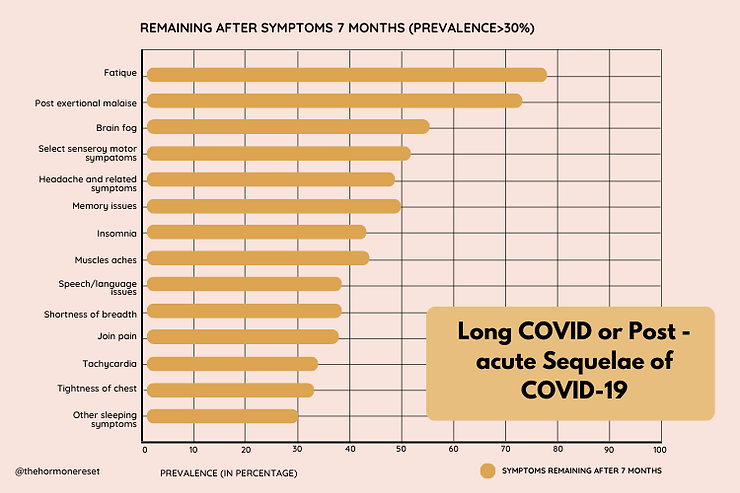
    A significant percentage (>30%) of people who suffered from Covid-19 infection are struggling to return to normal health (there are also reports of these symptoms after the mRNA injections). Some common symptoms that continue to affect them even months after the initial infection are depicted in the image below.

    1e197b 8a9738b5896d4cc1a9ce79a9974c4179mv2

    The most common issues reported are fatigue, low stamina, brain fog, memory issues, anxiety, muscular/body pains and sleep problems.

    There is broad agreement that the following pre-existing conditions increase the likelihood of struggle with long haul covid symptoms (referred to as LHC). These are:

    • Obesity (including mildly overweight)
    • Lung issues – even moderate asthma (including sleep apnea)
    • Type 2 diabetes (also pre-diabetes and hyperglycemia)
    • Cardiovascular diseases (even hypertension)
    • Smokers
    • Kidney and liver disease (including low-grade NAFLD)

    These points hold true even when these conditions are being managed with medications.

    The underlying theme is that if the body is already chronically challenged with increased inflammation, oxidative stress and other metabolic imbalances, it will be more vulnerable to infectious diseases of all types. As also more vulnerable to delayed and slow recovery on the other side of the infection.

    Using the functional medicine lens to dig deeper into the underlying imbalances and dysfunctions leads us to the following as the root causes of LHC:

    • Unresolved low-grade inflammation
    • Mitochondrial dysfunction
    • Oxidative damage
    • Inflammation specifically of the nervous tissues
    • Barrier dysfunction – gut and Blood Brain Barrier
    • Histamine overload and intolerance
    • Immune hypervigilance/dysregulation
    • Nutritional deficiencies(maybe triggered by poor absorption)
    • Toxicity
    • Disrupted serotonin synthesis

    Diet, including supplements, can play a big role in helping to reverse these issues. Let us look at them briefly.

    DIET

    In the functional medicine approach, food is not considered just as calories. In addition to energy, food also impacts the most fundamental processes of the body. This means that food is a source of energy and information and is a natural medicine for the body. Remember the age-old adage – “Food is medicine”? Here are a few key points that can help us eat our way to recovery from LHC.

    • Anti-Inflammatory Diet – The most important thing is to remove foods that create inflammation in the body. Some of the most common examples are dairy products (except good quality ghee), wheat, sugar, refined seed oils and processed foods. These should be eliminated 100% from one’s diet.
    • Light Food – It has been understood that a significant part of the LHC symptoms is rooted in impaired digestive tract function. Moving to a diet that is as easy to digest as possible, while still nourishing, is very important. It allows the digestive system space where it can repair itself. Towards this, we want to avoid fried foods, spicy foods, processed foods etc. It is also important that we consume only fresh food. Food that is old and stale (even if kept in the refrigerator) is not supportive of recovery
    • Fasting – Fasting is the best way to give a complete break to the digestive system. It may seem counterintuitive to someone struggling with weakness and fatigue, however, the results are immediate and very effective. Fasting not only gives a break to digestion, but it is also one of the most effective ways to rebalance and boost immune function.

    If someone is unable to go on a complete (water-only) fast, they can be on fresh juices (avoid fruit juices) or even only on salads or fruits. We have seen very good results with fasts lasting a minimum of 3 days

    • Histamine – Histamine is an inflammatory mediator involved in many key functions in the body, including LHC symptoms. Histamine overload goes way beyong respiratory symptoms and includes a variety of dysfunction, including anxiety, insomnia, headache, IBS-like symptoms, brain fog, irritability/restlessness, multiple chemical sensitivity, MCAS and so much more. Hence it is important to remove histamine rich foods like fermented foods, alcohol and other fermented drinks, brinjals, spinach, tomatoes, vinegar, processed meats, pickles, etc.

    NUTRITIONAL SUPPLEMENTS

    It is increasingly being understood that nutritional deficiencies play a major role in the continuation of covid symptoms.

    Earlier in this article, we looked a the main underlying imbalances contributing to LHC symptoms. To make it easier to follow, we will see which nutritional supplements are supportive in resolving each of these imbalances.

    1.Unresolved low-grade inflammation: Continued unresolved inflammation is a key component of this issue. It is essential to address this inflammation for substantial progress to happen. The following supplements are useful in bringing inflammation down.

    • Omega3 essential fats
    • Ginger
    • Vitamin D
    • Selected probiotics like Lactobacillus​ spp, some Bifidobacteria species​, and Akkermansia muciniphila, Saccharomyces boulardii, etc.
    • Curcumin
    • Resveratrol
    • Green tea extract

    2. Mitochondrial dysfunction: Mitochondrial dysfunction is perhaps the most common dynamic in LHC responsible for a very large proportion of the symptoms. The following supplements can help improve mitochondrial function:

    • B Complex vitamins (specially B1)
    • NAD
    • Alpha lipoic acid
    • Omega3 essential fats
    • Magnesium
    • L-carnitine

    3. Oxidative damage: Excessive oxidation is the hallmark of LHC related symptoms. These supplements can help bring RedOx back into balance:

    • Vitamins E and C
    • N-acetyl Cysteine combined with glycine
    • Turmeric and ginger
    • Quercetin
    • Melatonin
    • S-acetyl Glutathione
    • Milk thistle

    4. Inflammation, specifically of the nervous tissues: The following supplements have proven efficacious in reducing inflammation of the nervous tissues:

    • All B vitamins (specially B6 and B12)
    • Magnesium
    • Targeted support to bring about GABA/Glutamate balance
    • CoQ10
    • Omega3 fats
    • SAMe
    • erotonin supporting nutrients like tryptophan

    5.Barrier dysfunction – gut and blood-brain barrier: Many barrier functions get disrupted and become more permeable leading to dysfunctions. The following supplements can support the repair of the barriers:

    • Mucilaginous herbs like aloe, slippery elm, etc.
    • Glutamine
    • Melatonin
    • Zinc
    • Collagen fibre
    • Quercetin
    • Vitamin D

    6. Histamine overload and intolerance: As discussed earlier, histamine overload plays an important role in LHC-related symptoms. It is fairly important to address histamine overload via diet as well as the supplements and enzymes mentioned below:

    • DAO
    • Quercetin (with Bromelain and
    • vitamin C)
    • Stinging nettle leaf
    • B vitamins (especially vitamin B6)
    • Histamine degrading probiotics like Lactobacillus rhamnosus, Bifidobacterium longum, etc.

    7. Immune hypervigilance/dysregulation:

    • Vitamins D, C and A
    • Magnesium
    • N-acetyl cysteine
    • Probiotics
    • Zinc
    • Green tea extract
    • Quercetin
    • Melatonin

    8. Nutritional deficiencies (maybe triggered by poor absorption): Nutritional deficiencies are the rule rather than the exception in LHC. It is important that they are identified and addressed promptly. Recovery becomes long drawn unless the deficiencies are addressed simultaneously with other treatments.

    Most of the common deficiencies have already been discussed above. A good quality multimineral and/or multivitamin can be a good support. One can also consider adding supplements that improve digestion and absorption of nutrients in the gut. Some of these are:

    • Magnesium
    • Stomach acid support via HCL Betain
    • Digestive enzymes
    • Vitamin D and A
    • Essential fats

    9. Toxicity: Toxicity is another dynamic that is often completely missed or ignored. The viral mRNA and spike protein can take weeks to get detoxified and removed from our systems. They are likely to continue having toxic effects till then. It is important to support the body to get rid of these faster.

    • Fasting is a great support in mobilising detox processes in the body
    • GI binders
    • Enzymes – especially proteolytic enzymes
    • Good quality detox support formulas can be used

    10. Insomnia: Sleep-related disorders are amongst the top complaints in LHC. A lack of good deep sleep also becomes an aggravator as the nervous system gets locked in sympathetic (fight or flight) mode. Hence it is very important to focus on ensuring quality sleep. Here are a few supplements and other tips that can help:

    • Calming teas like ashwagandha, peppermint, chamomile, lavender, passion flower
    • Supplements like L-theanine and taurine can also be used as teas to relax the nervous system
    • Melatonin
    • Magnesium (liquid supplements may be more effective here)

    In addition to supplements, following good sleep hygiene habits can make a big difference in the quality and quantity of sleep, in turn leading to improvements in LHC symptoms.

    11. Liver Health: Liver is the chemical factory of the body and must be working well to ensure quick recovery from covid. Given our modern lifestyles, our livers are often loaded with fat and other unwanted toxins as well as badly inflamed. Estimates suggest over 30% of urban populations have different levels of liver issues, fatty liver being the most common. It is important to work with an experienced practitioner who can help bring your liver function back to normal.

    It is very important to remember that supplements, though wonderful as they are, cannot remedy a sympathetic dominant lifestyle. We must remember the fact that for the body to heal itself, first the nervous system has to believe that it is in a safe environment. Else it will not focus the body’s resources on healing and rejuvenating. Remember that deeper healing processes are only activated in the para-sympathetic mode!

    Also, always remember the fact that we may be able to fool everyone else, but we can never fool our own bodies. The nervous system is listening to every thought and emotion we generate. If these carry even an undertone of negativity (like anger, frustration, fear, insecurity) then the nervous system will activate the fight and flight mode (sympathetic mode) and you can throw any chances of a quick painless recovery out of the window!

    How we eat, what we eat, how we sleep, how we move, think, environmental exposures, history of traumas, our community and sense of purpose and more have a big impact on our body’s ability to heal itself. And all these are completely in our hands. Let us take our health into our hands!

    The above is only a small part of what can be done to support the body to recover quickly – much more is actually possible.

    Note – It is important the supplements etc suggested above are not taken without the guidance of someone well-versed in their usage.

    Need help with Long Haul Covid? Connect with us!

    1e197b c8eaef0bf6c64dd5980da2dcd30b86fbmv2

    References:

    1. https://pubmed.ncbi.nlm.nih.gov/35334962/ (Luigi Barrea 1 2 , William B Grant 3 , Evelyn Frias-Toral 4 , Claudia Vetrani 5 , Ludovica Verde 5 , Giulia de Alteriis 5 , Annamaria Docimo 5 , Silvia Savastano 2 5 , Annamaria Colao 2 5 6 , Giovanna Muscogiuri 2)
    2. https://www.ncbi.nlm.nih.gov/pmc/articles/PMC9212635/ (Matteo Tosato, MD, PhD,a Francesca Ciciarello, MD,a Maria Beatrice Zazzara, MD,a Cristina Pais, MD,a Giulia Savera, MSc,a Anna Picca, PhD,a Vincenzo Galluzzo, MD,a Hélio José Coelho-Júnior, PhD,b Riccardo Calvani, PhD,a,∗ Emanuele Marzetti, MD, PhD,a,b Francesco Landi, MD, PhD,a,b and , on behalf of Gemelli Against COVID-19 Post-Acute Care Team)
    3. https://pubmed.ncbi.nlm.nih.gov/32664543/ (Elena Campione 1 , Terenzio Cosio 1 , Luigi Rosa 2 , Caterina Lanna 1 , Stefano Di Girolamo 3 , Roberta Gaziano 4 , Piera Valenti 2 , Luca Bianchi)
    4. https://pubmed.ncbi.nlm.nih.gov/35355308/ (Karina Janice Guadalupe Díaz-Resendiz 1 , Alma Betsaida Benitez-Trinidad 1 , Carlos Eduardo Covantes-Rosales 1 , Gladys Alejandra Toledo-Ibarra 1 , Pablo Cesar Ortiz-Lazareno 2 , Daniel Alberto Girón-Pérez 1 , Adela Yolanda Bueno-Durán 1 , Daniela Alejandra Pérez-Díaz 1 , Rocío Guadalupe Barcelos-García 1 , Manuel Iván Girón-Pérez)
    5. https://pubmed.ncbi.nlm.nih.gov/35069483/ (Chao Shang 1 , Zirui Liu 2 , Yilong Zhu 3 , Jing Lu 4 , Chenchen Ge 4 , Cuiling Zhang 1 , Nan Li 1 , Ningyi Jin 1 3 5 , Yiquan Li 3 , Mingyao Tian 1 5 , Xiao Li)
    6. https://www.mdpi.com/2227-9032/10/3/487 (Sonia Sifuentes-Franco 1,2,*, Dellaneira Carolina Sánchez-Macías 3, Sandra Carrillo-Ibarra 3, Juan José Rivera-Valdés 4, Laura Y. Zuñiga 2 and Virginia Aleyda Sánchez-López)
    7. https://pubmed.ncbi.nlm.nih.gov/32813065/ (Aravind Sundararaman 1 , Mousumi Ray 1 , P V Ravindra 2 , Prakash M Halami)

    Share