
Tag: hormone reset

  • Why Your Body Holds On to Fat : The Functional Medicine Approach to Weight Loss via Gut, Hormones & Liver Health

    Why Your Body Holds On to Fat : The Functional Medicine Approach to Weight Loss via Gut, Hormones & Liver Health

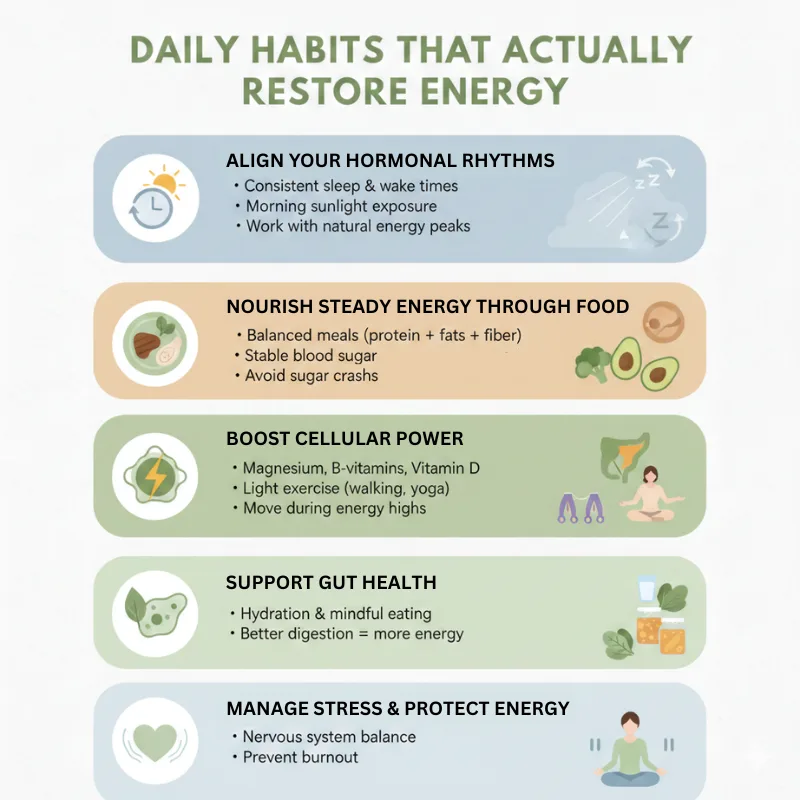
    Weight loss is one of the most misunderstood aspects of modern health. Millions of people eat “right” and exercise “enough,” only to wonder why the scale doesn’t move — or worse, why belly fat and inflammation continue to worsen. This frustration is real, and it often stems not from lack of effort but from systems within the body that have not been addressed. In functional medicine, weight loss isn’t just about calories — it’s about the internal environment that determines how your metabolism behaves.

    In this long‑form article, we’ll explore why traditional approaches often fail, and how the gut, hormones, and liver are central to sustainable fat loss. We’ll look at current science, functional medicine concepts, and practical root‑cause frameworks — all grounded in the latest understanding of metabolic regulation.

    The Calorie Myth: Why Simple Math Doesn’t Match Biology

    For decades, weight loss has been explained as “calories in vs. calories out.” While this model sounds logical, it fails to capture the complex biochemical and hormonal feedback loops that govern energy homeostasis.

    Your body is not a machine. It is a biological ecosystem designed to maintain stability (homeostasis). When systems like hormone signaling, gut integrity, or liver function are disrupted, the body adapts in ways that protect energy stores rather than melt them away.

    For example:

    • The brain constantly monitors energy availability. When it senses stress, inflammation, or nutrient deficiencies, it signals the body to store fat as insurance.
    • Chronic stress and elevated cortisol drive glucose dysregulation and fat storage, even without overeating.
    • Disruptions in gut microbiota can alter the production of signaling molecules that regulate appetite, metabolism, and insulin sensitivity.

    This science helps explain why many people can eat less and still gain weight, or why “starving yourself” can paradoxically slow metabolism.

    The Hormone Connection: Metabolic Regulators That Control Fat Storage

    Hormones are the chemical messengers that orchestrate metabolism. When they are imbalanced, fat loss resistance is one of the most common outcomes.

    Insulin: The Master Fat Storage Hormone

    Insulin regulates glucose uptake and storage. When insulin is constantly elevated — due to high refined carbohydrate intake, frequent snacking, or chronic stress — the body shifts into a fat storage mode. This state is often called insulin resistance, and it is a common early step on the path to metabolic dysfunction.

    Research increasingly shows that imbalances in insulin and related pathways contribute to both obesity and metabolic syndrome.

    Cortisol: The Stress Hormone That Stores Fat

    Cortisol is released in response to stress. Short‑term elevations are adaptive, but chronic cortisol elevation:

    • Increases appetite
    • Promotes visceral fat storage
    • Suppresses thyroid function
    • Drives blood sugar variability

    Chronic cortisol elevation can therefore create a metabolic environment that favors weight gain — especially around the abdomen.

    Thyroid Hormones: The Metabolic Accelerator

    Thyroid hormones (T3 and T4) influence every cell’s metabolism. When thyroid function is suboptimal — even within “normal” lab ranges — metabolic rate drops, energy levels decline, and weight becomes more difficult to lose.

    Functional medicine practitioners often look beyond standard TSH tests to evaluate:

    • Free T3 and Free T4
    • Reverse T3 (an inactive form that blocks metabolism)
    • Thyroid antibodies

    Because thyroid activity influences nearly every aspect of energy regulation, even mild dysfunction can be a key root cause of weight resistance.

    Sex Hormones: Estrogen, Progesterone & Testosterone

    Sex hormones also shape metabolic outcomes:

    • Estrogen dominance is linked with increased fat storage and reduced fat burning
    • Low progesterone can impact insulin sensitivity and inflammation
    • Low testosterone (in both men and women) reduces lean mass and slows metabolism

    Functional pathways that connect hormone imbalances with metabolic resistance are deeply interconnected with liver processing and gut microbial function.

    The Gut’s Role in Metabolism: More Than Digestion

    The Gut’s Role in Metabolism: More Than Digestion

    The gut microbiome is now understood as an endocrine organ — producing signaling molecules that influence metabolism, inflammation, appetite, and fat storage.

    Gut Microbiota as Metabolic Regulators

    Dysbiosis — an imbalance in gut microbes — has been linked to:

    • Increased inflammation
    • Reduced production of short‑chain fatty acids (SCFAs) that support metabolic health
    • Greater gut permeability (“leaky gut”)
    • Altered appetite signaling through gut‑brain peptides

    These microbial and biochemical changes can increase fat storage, drive insulin resistance, and make weight loss challenging even with diet and exercise.

    A comprehensive review highlights the impact of the microbiome on obesity and metabolic disorders, showing that gut microbial shifts can directly influence:

    • Appetite
    • Lipid metabolism
    • Immune activation
    • Energy homeostasis SpringerLink

    Gut‑Brain Axis & Metabolism

    The gut and brain communicate via hormonal and neural pathways that regulate hunger and satiety. When this axis is dysregulated — due to poor gut health or chronic inflammation — the signals that tell you “you’re full” or “you have enough energy” are blurred. This contributes to overeating, cravings, and poor metabolic control.

    Functional Medicine Viewpoint

    Rather than treating the gut as a passive digestive organ, functional medicine sees it as central to:

    • Hormone balance
    • Immune function
    • Detoxification support
    • Neuroendocrine signaling

    Thus, poor gut health can be a root cause of metabolic resistance.

    The Liver: The Metabolic Control Center

    In functional medicine, the liver is recognized as the body’s primary metabolic hub, coordinating nutrient processing, hormone regulation, detoxification, and fat metabolism. While the gut handles intake, the liver ensures that nutrients are efficiently utilized, hormones are cleared, toxins neutralized, and fats are properly digested through bile production. It also plays a critical role in regulating blood sugar and maintaining metabolic flexibility.

    Compromised liver function—due to fat accumulation, chronic inflammation, or exposure to environmental toxins—is increasingly seen as a barrier to sustainable weight loss, both in India and globally. Subclinical liver stress often goes undetected, yet it impairs metabolism by disrupting hormone clearance, nutrient processing, and energy homeostasis.

    Fatty Liver and Insulin Resistance: Non-alcoholic fatty liver disease (NAFLD) is a common metabolic condition associated with obesity, insulin resistance, and systemic inflammation. A fatty liver struggles to regulate blood glucose, produces pro-inflammatory cytokines, and sends stress signals to other organs, further impairing metabolic efficiency. (Journal of Clinical Endocrinology & Metabolism, 2021)

    Functional medicine interventions for liver health include:

    • Anti-inflammatory and nutrient-dense diet to reduce fat accumulation and oxidative stress.
    • Supporting detox pathways with nutrients like N-acetylcysteine, milk thistle, B vitamins, and antioxidants.
    • Managing blood sugar and insulin through diet, lifestyle, and gut health optimization.
    • Reducing environmental toxin exposure and chronic alcohol or medication stressors.

    Outcome: By restoring liver function, metabolic signaling improves, hormone clearance normalizes, inflammation decreases, and fat-burning capacity is enhanced. Functional medicine treats liver health as a cornerstone of systemic metabolic restoration, ensuring that weight loss is sustainable and rooted in overall wellness.

    Chronic Inflammation: The Hidden Barrier to Weight Loss

    Chronic inflammation is like a silent brake on your metabolism. Unlike short-term inflammation that helps your body heal, long-lasting inflammation disrupts hormones, blood sugar control, and energy use, making it hard to lose weight.

    What Causes Chronic Inflammation?

    • Leaky Gut: When the gut lining is weak, food particles, bacteria, and toxins leak into the bloodstream, triggering the immune system.
    • Toxins: Pollution, heavy metals, and chemical exposures increase stress in the body and trigger inflammatory responses.
    • Stress: Constant psychological or physical stress raises cortisol, promoting belly fat and insulin resistance.
    • Gut Imbalance or Hidden Infections: Overgrowth of harmful gut bacteria or low-level infections keep the immune system activated.

    How Inflammation Blocks Fat Loss:

    • Insulin Resistance: Inflammatory molecules make it harder for cells to use sugar properly, encouraging fat storage.
    • Appetite Hormone Disruption: Leptin and ghrelin signals get confused, making you feel hungrier and less satisfied after meals.
    • Energy Conservation Signals: Cells slow down metabolism because they perceive stress, preventing fat burning.
    • Reduced Flexibility: Your body struggles to switch between burning sugar and fat efficiently.

    Functional Medicine Approach:
    Functional medicine focuses on finding and fixing the root cause. Healing the gut, reducing toxins, balancing microbes, improving diet, supporting the liver, and managing stress can calm inflammation. Once inflammation is lowered, hormones stabilize, metabolism improves, and weight loss becomes easier and sustainable.

    Stress, Sleep & Metabolism: Why the Nervous System Matters

    Chronic stress is not just mental — it has physiological metabolic consequences. Elevated stress and poor sleep disrupt:

    • Cortisol rhythms
    • Appetite hormones
    • Blood sugar control
    • Mitochondrial function (how cells burn fuel)

    These effects make fat loss harder, even with disciplined eating and activity.

    Nutrient Deficiencies and Metabolic Blockage:

    Nutrient Deficiencies and Metabolic Blockage: A Functional Medicine Perspective

    In functional medicine, nutrient sufficiency is foundational to metabolism, hormone function, and overall health. Micronutrients are not optional—they act as co-factors for enzyme activity, hormone synthesis, neurotransmitter balance, and detoxification pathways. Deficiencies can silently create metabolic resistance, making weight loss extremely difficult despite diet and exercise.

    Vitamin D: Crucial for immune modulation, insulin sensitivity, and thyroid regulation. Low vitamin D is strongly associated with metabolic syndrome, obesity, and increased inflammatory markers. Supplementation under supervision can improve insulin signaling and hormone balance.

    Magnesium: Required for over 300 enzymatic reactions, including those controlling energy production and glucose metabolism. Magnesium deficiency is linked to insulin resistance, poor energy utilization, and impaired mitochondrial function.

    B Vitamins: B12, B6, and folate are essential for methylation, neurotransmitter production, and homocysteine regulation. Deficiency can lead to fatigue, impaired thyroid function, and disrupted hormone metabolism.

    Zinc: Integral to thyroid hormone synthesis, insulin regulation, and appetite signaling. Zinc deficiency can increase oxidative stress, hormonal imbalance, and metabolic inefficiency.

    Other Micronutrients: Selenium, iron, omega-3 fatty acids, and antioxidants support liver detoxification, hormone clearance, and inflammatory balance, all of which are critical for fat metabolism.

    Functional medicine practitioners often use detailed lab testing to identify deficiencies and tailor supplementation, while also addressing underlying causes such as gut malabsorption, chronic inflammation, or toxin exposure. Correcting these deficiencies is not simply about filling gaps—it unlocks metabolic pathways, improves hormonal function, and restores energy regulation, paving the way for sustainable, root-cause weight management.

    Functional Assessment: How Practitioners Identify Root Causes

    Functional medicine views the body as an interconnected system, where metabolic, hormonal, immune, and digestive pathways constantly interact. Unlike conventional approaches that focus primarily on weight, BMI, or isolated lab values, functional medicine practitioners use comprehensive assessments to uncover root causes of metabolic resistance and fat accumulation.

    Hormone Panels: Detailed evaluation of thyroid (TSH, Free T3, Free T4, Reverse T3, thyroid antibodies), adrenal hormones (cortisol rhythm), sex hormones (estrogen, progesterone, testosterone), and appetite-regulating hormones (leptin, ghrelin) helps identify imbalances that influence energy expenditure, fat storage, and cravings.

    Blood Sugar and Insulin Response: Functional medicine tests often include fasting glucose, HbA1c, fasting insulin, and oral glucose tolerance to detect insulin resistance, a key driver of metabolic dysregulation and fat accumulation.

    Gut Microbiome Analysis: Dysbiosis and leaky gut contribute to systemic inflammation, hormone disruption, and altered nutrient absorption. Stool tests, microbiome sequencing, and evaluation of gut permeability markers guide interventions.

    Nutrient Status: Deficiencies in vitamin D, magnesium, B vitamins, zinc, and omega-3s are assessed as these are critical co-factors in hormone production, mitochondrial function, and detoxification.

    Liver Detox Capacity and Inflammatory Markers: Liver function tests, CRP, IL-6, and other markers indicate metabolic stress and systemic inflammation, both of which impair fat loss.

    Stress and Nervous System Evaluation: Cortisol rhythms, heart rate variability, and lifestyle stressors are assessed to understand their impact on hormone signaling and metabolic flexibility.

    By examining these systems holistically, functional medicine practitioners identify the interconnected patterns that block weight loss and develop personalized, root-cause strategies rather than offering generic solutions.

    Lifestyle Factors That Block Weight Loss: A Functional Medicine Perspective

    Weight loss resistance is rarely caused by a single factor. Modern lifestyles create multiple stressors that disrupt metabolism, hormone balance, and gut-liver function, often invisibly.

    1. Sedentary Behaviour: Prolonged sitting and low physical activity reduce mitochondrial efficiency, impair insulin sensitivity, and slow fat oxidation. Research shows even moderate activity, such as short bouts of walking or strength training, improves glucose metabolism and hormone regulation.

    2. Highly Processed Diets: Diets rich in refined carbohydrates, trans fats, and ultra-processed foods promote chronic inflammation, dysbiosis, and insulin resistance. Functional medicine emphasizes nutrient-dense, anti-inflammatory foods to restore gut microbiome balance, support liver detoxification, and stabilize hormones.

    3. Irregular Sleep: Poor or inconsistent sleep impairs cortisol rhythms, disrupts leptin and ghrelin signaling (hunger hormones), and reduces energy expenditure. Chronic sleep deprivation is linked to increased visceral fat and impaired metabolic flexibility.

    4. Chronic Stress: Persistent psychological or physical stress elevates cortisol, which drives abdominal fat accumulation, insulin resistance, and thyroid suppression. Stress also worsens gut permeability, further amplifying inflammation and metabolic disruption.

    5. Environmental Toxins: Exposure to endocrine-disrupting chemicals (EDCs) such as BPA, pesticides, and heavy metals can interfere with thyroid function, liver detoxification, and hormone signaling, all critical for weight regulation.

    Functional medicine recognizes that these lifestyle factors interact with gut, liver, and hormone systems, creating a vicious cycle that prevents fat loss. Addressing these root contributors—through diet, sleep, stress management, detox support, and movement—restores metabolic balance and enables sustainable weight loss.

    Functional Medicine Strategies That Support Metabolic Healing & Weight Loss

    Functional medicine approaches weight loss as a natural outcome of restoring internal systems, rather than focusing solely on calories or exercise. Sustainable results depend on addressing the gut, hormones, liver, inflammation, and stress — the key drivers of metabolic health.

    1. Gut Repair: The gut is a central regulator of metabolism and immune signaling. Dysbiosis, leaky gut, or microbial imbalances can trigger systemic inflammation, impair appetite regulation, and block fat burning. Functional medicine interventions include probiotics, prebiotics, gut-healing nutrients (like L-glutamine and zinc), and anti-inflammatory diets.

    2. Hormone Balancing: Hormones orchestrate fat storage and energy use. Imbalances in thyroid, insulin, cortisol, estrogen, progesterone, and leptin can create resistance to weight loss. Personalized strategies focus on optimizing hormone levels, improving insulin sensitivity, and regulating stress hormones.

    3. Liver Support: The liver processes nutrients, detoxifies hormones, and regulates metabolism. Impaired liver function from toxins or fatty liver slows fat metabolism. Functional medicine emphasizes detox support, nutrient cofactors, and reducing environmental and dietary toxins.

    4. Inflammation Reduction: Chronic inflammation disrupts insulin signaling, appetite hormones, and metabolism. Strategies include anti-inflammatory diets, micronutrient support (vitamin D, magnesium, zinc), and addressing underlying triggers such as gut permeability and environmental toxins.

    5. Stress & Sleep Optimization: Chronic stress elevates cortisol, while poor sleep impairs insulin sensitivity and metabolic regulation. Functional medicine incorporates stress management, meditation, sleep hygiene, and adaptogens to restore balance.

    6. Personalized Root-Cause Approach: Every individual’s metabolic resistance is unique. Functional medicine combines comprehensive testing, dietary, lifestyle, and behavioral interventions to target the root causes, ensuring fat loss occurs naturally as internal systems normalize.

    Outcome: By healing the gut, balancing hormones, supporting the liver, reducing inflammation, and managing stress, the body can reset its metabolism, allowing sustainable, long-term weight loss as a byproduct of restored health.

    Why Results May Take Time and Require Personalization?

    Functional medicine works on the principle that every body is unique, and weight loss or metabolic restoration cannot be achieved with a single quick fix. Long-term results depend on identifying and correcting the underlying factors that block metabolism.

    Why it Takes Time:

    • Multiple Systems Are Involved: Weight resistance is rarely due to one issue. Gut health, liver function, hormones, inflammation, sleep, and stress all interact. Addressing just one factor may provide temporary relief but not lasting results.
    • Complex Biological Patterns: Each individual has a distinct combination of hormone imbalances, nutrient deficiencies, and environmental exposures that affect metabolism differently. Functional medicine maps these patterns before making targeted interventions.
    • Healing and Adaptation: Restoring gut integrity, balancing hormones, improving liver detoxification, and reducing inflammation takes time. Cells, tissues, and metabolic pathways need weeks or months to recover and function efficiently.
    • Building Sustainable Habits: Functional medicine emphasizes long-term lifestyle changes in diet, movement, sleep, and stress management. Quick fixes may yield temporary results but often fail when old habits resume.

    Why Conventional Approaches Often Fall Short:
    Traditional methods frequently focus on calorie restriction or medication to suppress symptoms rather than addressing root causes. This may produce short-term results, but underlying imbalances remain, leading to plateaus, fatigue, and frustration.

    By tackling the body’s systems holistically and allowing time for true healing, functional medicine enables lasting metabolic balance, hormone stability, and gradual, sustainable weight loss.

    FAQs: Functional Medicine & Weight Loss

    1. Why am I eating healthy and exercising, yet not losing weight?

    Weight loss resistance often stems from internal system imbalances rather than calorie intake alone. Hormonal disruption (thyroid, insulin, cortisol), gut dysbiosis, liver stress, chronic inflammation, and nutrient deficiencies can all signal your body to store fat, making conventional diet and exercise less effective.

    2. How does gut health affect my metabolism?

    The gut microbiome produces hormones and signaling molecules that regulate appetite, fat storage, and insulin sensitivity. Dysbiosis (microbial imbalance) or leaky gut increases inflammation, disrupts metabolism, and alters hunger cues, contributing to weight gain or stalled weight loss.

    3. What role does the liver play in fat loss?

    The liver is central to metabolic control: it processes nutrients, detoxifies hormones, regulates blood sugar, and produces bile for fat digestion. Fatty liver, toxin accumulation, or chronic inflammation can impair these functions, slowing metabolism and fat-burning capacity.

    4. How do hormones influence weight loss?

    Hormones such as insulin, cortisol, thyroid hormones, estrogen, progesterone, and leptin orchestrate energy use and fat storage. Imbalances—like insulin resistance, thyroid sluggishness, or estrogen dominance—can block fat loss, even with proper diet and exercise.

    5. Why is chronic inflammation a problem for weight loss?

    Persistent inflammation alters insulin and appetite hormone signaling, signals cells to store energy, and reduces metabolic flexibility. Sources include gut permeability, environmental toxins, stress, and hidden infections.

    6. Can nutrient deficiencies prevent weight loss?

    Yes. Micronutrients like vitamin D, magnesium, B vitamins, zinc, selenium, and omega-3 fatty acids are critical co-factors for hormone production, enzyme function, and detox pathways. Deficiencies can impair metabolism, energy production, and fat-burning efficiency.

    7. How long does it take to see results using functional medicine principles?

    Because functional medicine addresses multiple systems simultaneously, improvements may take weeks to months. The focus is on restoring internal balance—gut, hormones, liver, and inflammation—which gradually leads to sustainable fat loss.

    Conclusion: Metabolic Healing Before Weight Loss

    Weight loss is not just about eating less and moving more. It’s about understanding the internal signals that determine whether your body releases or stores fat.

    Further research increasingly supports the idea that gut microbiota influences metabolic homeostasis, that hormonal imbalances can drive fat storage, and that liver function is essential for energy balance

    Functional medicine reframes weight loss as a signal of internal balance rather than a battle against your body. When hormones communicate clearly, when the gut and liver function optimally, and when inflammation is controlled, fat loss becomes a natural consequence of restored health.

    Book Your Functional Medicine Consultation Today – Heal your metabolism, balance hormones, and achieve lasting results.

    Call to action for Hormone Reset
    Call to action for Hormone Reset

    References

    1. Impact of the gut microbiota on inflammation, obesity, and metabolic disease -Springer Nature 
    2. Insights into the role of gut microbiota in obesity: pathogenesis & therapeutic perspectives– Oxford Academic 
    3. Gut Microbiota as a Trigger for Metabolic Inflammation in Obesity and Type 2 Diabetes-National Library of Medicine
    4. Exploring the Gut Microbiota: Key Insights Into Its Role in Obesity, Metabolic Syndrome, and Type 2 Diabetes – The Journal of Clinical Endocrinology & Metabolism

    Please subscribe to our social channels for updates related to functional medicines.
    Instagramthehormonereset
    FacebookHormone Reset
    YouTubeHormone Reset Program
    LinkedInHormone Reset

  • The Link Between Stress, Cortisol, and Hormonal Chaos

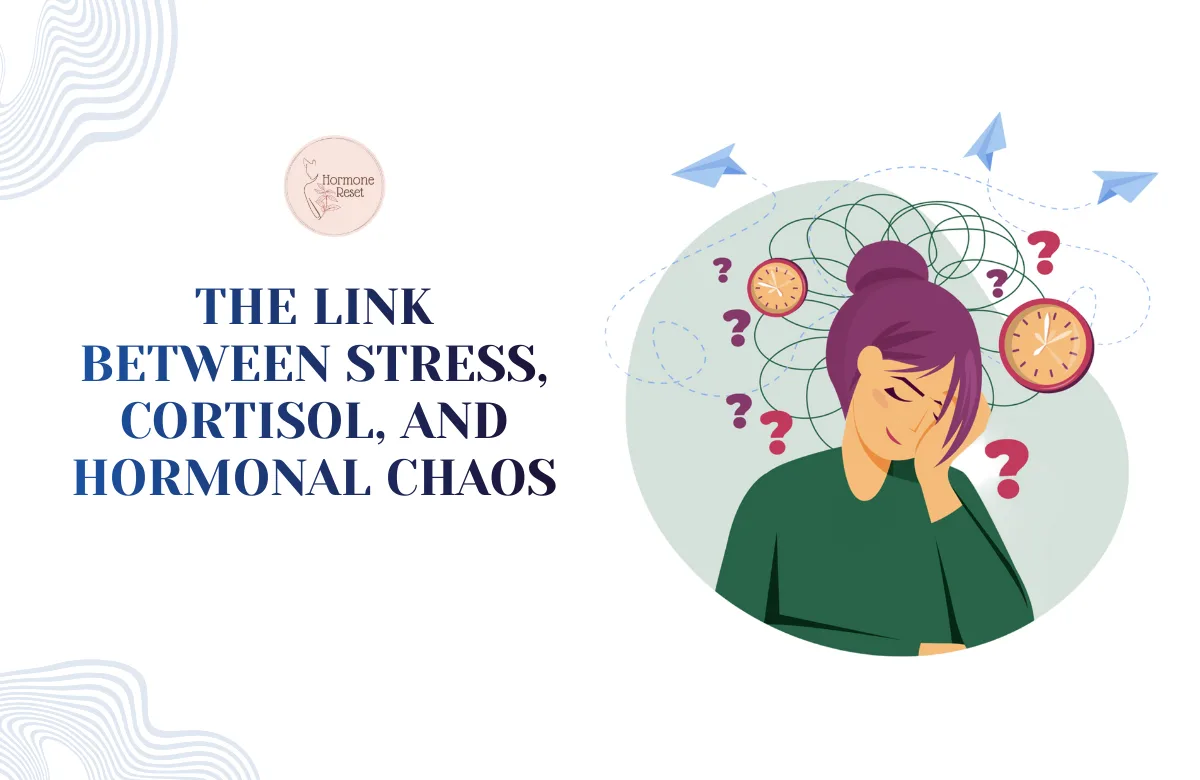
    The Link Between Stress, Cortisol, and Hormonal Chaos

    Introduction

    Ever wondered why your body feels “off” even when all your tests come back normal?
    You’re tired, bloated, irritable, or suddenly gaining weight — and someone says, “It’s just stress.” But what if stress isn’t just emotional? What if it’s biological — altering your hormones, your metabolism, even your immunity?

    That’s where cortisol, your body’s main stress hormone, steps into the story. It’s both your best friend and worst enemy. Short bursts of cortisol arent an issue. Chronic elevation? It quietly dismantles your hormonal balance — leading to what experts call hormonal chaos.

    This article dives deep into how stress and cortisol interact to create long-term damage, how this connects to metabolic, autoimmune, and chronic conditions, and how Functional Medicine in India is bringing a new way to restore natural balance.

    What Exactly Is Cortisol?

    Cortisol is produced by your adrenal glands, tiny organs sitting above your kidneys.
    Think of it as your internal alarm system. When your brain senses danger like physical, emotional, or even digital (like constant notifications), your hypothalamus sends a signal: “Release cortisol!”

    This hormone prepares you to fight or flee:

    • It releases glucose into your bloodstream for instant energy.
    • Increases blood pressure and heart rate.
    • Temporarily shuts down “non-essential” systems like digestion, immunity, and reproduction.

    That’s perfectly healthy — when it ends quickly.
    But when the stress never stops, cortisol keeps flooding your body. That’s when the chaos begins.

    The Science Behind Hormonal Chaos

    When cortisol levels remain high for too long, they start to interfere with nearly every other hormone in your body:

    HormoneEffect of CortisolSymptoms You Might Notice
    InsulinIncreases insulin resistanceFatigue, weight gain, sugar cravings
    Thyroid HormonesSlows the conversion of T4 to T3Low energy, hair loss, cold sensitivity
    Sex Hormones (Estrogen, Progesterone, Testosterone)Suppresses productionIrregular periods, low libido, mood swings
    MelatoninDisrupts the sleep-wake cycleInsomnia, poor recovery, anxiety

    This domino effect is what Functional Medicine experts call “Hormonal Chaos.”
    It’s not just about cortisol — it’s about how cortisol hijacks your body’s communication network.

    How Chronic Stress Leads to Disease

    Research shows that prolonged cortisol dysregulation contributes to multiple chronic and autoimmune conditions:

    • Metabolic Conditions like Type 2 Diabetes, PCOS, and obesity
    • Autoimmune Conditions like Hashimoto’s thyroiditis and rheumatoid arthritis
    • Respiratory Conditions like asthma and chronic inflammation of the airways
    • Chronic Conditions like fatigue, IBS, fibromyalgia, and sleep disorders

    When your body is in constant “fight or flight,” it never enters “rest and repair.”
    Over time, cells lose their ability to respond properly to hormones. Inflammation increases. Immunity weakens. The result: chronic illness.

    The Functional Medicine Perspective

    Unlike conventional medicine — which often treats symptoms — Functional Medicine looks at why cortisol is misbehaving in the first place.

    It asks:

    • What is triggering your stress response — emotional trauma, diet, poor sleep, or toxins?
    • How is your gut health affecting hormone metabolism?
    • Are nutrient deficiencies making cortisol regulation harder?
    • Which lifestyle or environmental factors are overloading your system?

    Functional Medicine in India

    In India, this approach is gaining ground — especially among patients with metabolic, autoimmune, and chronic conditions who are tired of one-size-fits-all treatments.
    Clinics now use advanced hormone panels, gut microbiome testing, and stress-response mapping to identify the root cause. From there, doctors personalize a plan involving nutrition, supplements, and stress management practices rooted in Ayurveda, yoga, and mindfulness — blending ancient wisdom with modern science.

    5 Natural Ways to Balance Cortisol and Hormones

    5 Natural Ways to Balance Cortisol and Hormones

    Here’s what evidence and clinical practice suggest can help:

    a. Regulate Your Circadian Rhythm

    Your cortisol should peak in the morning and fall at night.
    Try:

    • Morning sunlight exposure for 10–15 minutes
    • No caffeine after 2 PM
    • Digital detox one hour before bed

    b. Focus on Blood Sugar Stability

    Erratic eating spikes cortisol.

    • Prioritize protein + fiber + healthy fats
    • Reduce processed sugar and refined carbs

    c. Support the Adrenal Glands

    • Add magnesium, vitamin C, and B vitamins
    • Try adaptogenic herbs like Ashwagandha or Rhodiola (after consulting your practitioner)
    • Stay hydrated — dehydration elevates cortisol

    d. Train, Don’t Drain

    Exercise reduces stress when done right.
    Avoid overtraining — mix resistance training, yoga, and light cardio.

    e. Mind-Body Practices

    Meditation, breathwork (pranayama), journaling, and gratitude reduce cortisol and increase DHEA — the “anti-stress” hormone.

    6. When to Seek Help

    If you notice patterns like:

    • Constant fatigue despite rest
    • Sudden weight changes
    • Anxiety or irritability
    • Irregular menstrual cycles
    • Poor immunity or recurring infections

    …it’s time to go deeper. A Functional Medicine practitioner can test cortisol rhythms, evaluate thyroid-adrenal-gonadal balance, and create a tailored 90-day plan to restore balance naturally.

    Stress Impacts Gut Health — and Why It Matters for Hormones

    Stress doesn’t just trigger cortisol — it also affects your gut, and that matters because the gut plays a major role in hormone regulation and immune balance.

    When stress activates your hypothalamus-pituitary-adrenal (HPA) axis, cortisol and other stress messengers influence the digestive system. Research shows that chronic stress can alter the gut microbiome (the community of bacteria in your intestines) and increase intestinal permeability, sometimes called “leaky gut.” These changes can trigger low-grade inflammation and affect how hormones are processed and cleared from the body.

    Frequently Asked Questions About Stress and Hormones

    1. Can stress really disrupt hormones?

    Yes. Chronic stress keeps cortisol high, which interferes with insulin, thyroid, sex hormones, and sleep hormones. This disruption often happens silently long before symptoms become severe.

    2. Why do I feel unwell despite “normal” test results?

    Standard tests miss hormone timing and interactions. Functional Medicine evaluates patterns and daily rhythms, not just isolated numbers.

    3. Does high cortisol cause weight gain?

    Yes. It increases insulin resistance, cravings, and abdominal fat storage. This is why weight gain can occur even with clean eating and regular exercise.

    4. Can cortisol affect thyroid function?

    Absolutely. High cortisol blocks the conversion of T4 into active T3. This leads to hypothyroid symptoms even when TSH appears normal.

    5. Is stress linked to autoimmune disease?

     Yes. Chronic stress weakens immune regulation and increases inflammation. Over time, this creates the perfect environment for autoimmune conditions to develop or worsen.

    6. How is Functional Medicine different?

    It identifies and treats root causes instead of suppressing symptoms. The goal is long-term hormonal resilience, not temporary relief.

    Conclusion

    Hormonal chaos isn’t random — it’s your body’s language of distress.
    Stress and cortisol are powerful messengers; they’re trying to tell you something’s off.
    By listening to them early and addressing root causes through Functional Medicine, you can prevent metabolic, autoimmune, and chronic breakdown before it even begins.

    In the end, healing isn’t about fighting your hormones — it’s about understanding them.
    Balance your stress, and your hormones will follow. 

    👉 Identify the root cause behind hormonal imbalance. Book your Functional Medicine consultation.

    Call to Action button

     References

    1. Understanding the Stress Response- Harvard Health Publishing
    2. Stress Effects on the Body- American Psychological Association
    3. Stress, Immunity, and Inflammation- National Library of Medicine
    4. What Is Functional Medicine?- Cleveland Clinic
    5. Understanding the Cortisol Connection: How Chronic Stress Affects Your Hormones– Leslie Barret

    Please subscribe to our social channels for updates related to functional medicines.
    Instagramthehormonereset
    FacebookHormone Reset
    YouTubeHormone Reset Program
    LinkedInHormone Reset

  • 5 Top-Rated Functional Medicine Supplements

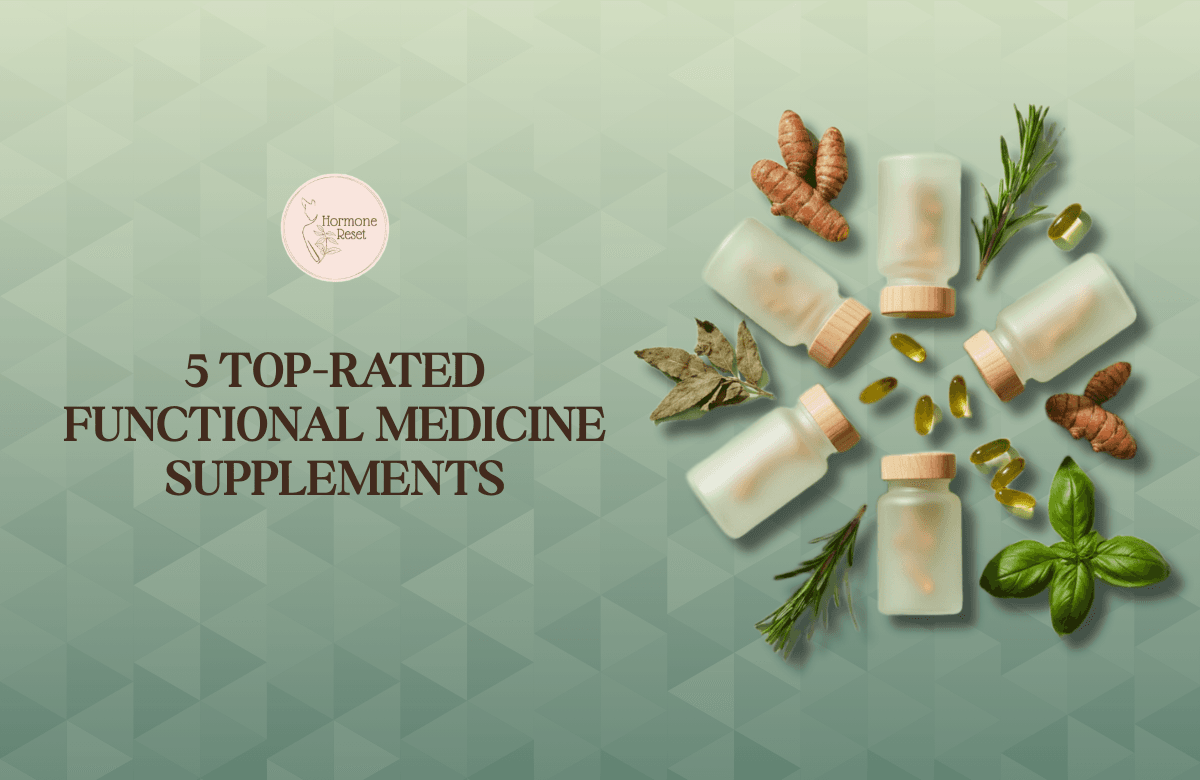
    5 Top-Rated Functional Medicine Supplements

    Functional medicine is transforming the way we approach chronic health conditions and autoimmune disorders. By focusing on the root causes of illness and supporting the body’s natural healing processes, functional medicine offers a personalized path to better health. One of the cornerstones of this approach is the strategic use of high-quality supplements. 

    At Hormone Reset, India’s leading functional medicine clinic, we guide patients toward evidence-based supplement choices that are tailored to their unique needs. In this blog, we’ll explore the top-rated functional medicine supplements that support chronic disease recovery and optimal wellness.

    What Is Functional Medicine?

    Functional medicine is a patient-centered, science-based approach that looks beyond symptoms to identify and address the underlying causes of disease. Unlike conventional medicine, which often focuses on symptom management, functional medicine uses a holistic framework to understand how genetics, environment, and lifestyle factors contribute to chronic illness. Supplements play a key role in functional medicine by correcting key nutrient deficiencies, supporting biochemical pathways, and enhancing the body’s ability to heal.

    Why Supplements Matter in Functional Medicine

    Many chronic and autoimmune conditions are linked to nutrient deficiencies, inflammation, and imbalances in gut health. Supplements, when chosen wisely, can fill nutritional gaps, modulate inflammation, and restore balance. For example, research shows that patients with chronic conditions often lack essential nutrients like the B vitamins, vitamin D, magnesium, and omega-3 fatty acids. Adding these nutrients often improves their health significantly. Functional medicine supplements are selected based on individual needs, lab testing, and current scientific evidence—ensuring maximum safety and effectiveness.

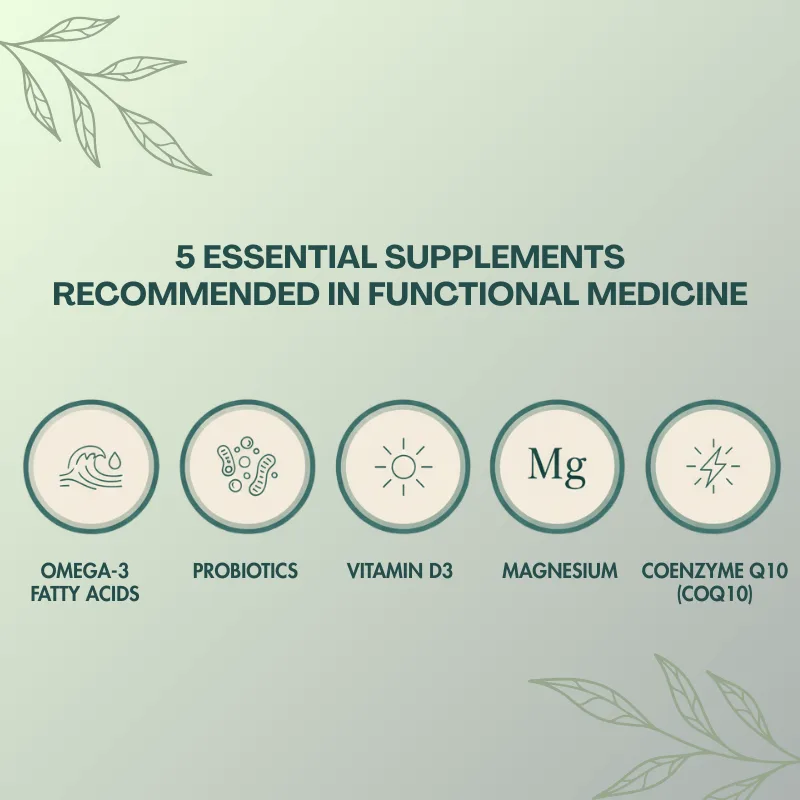
    Top 5 functional medicine supplements for immunity, gut, and hormone health

    Omega-3 fatty acids are vital for reducing inflammation, supporting cardiovascular health, and enhancing immune function. EPA and DHA, the biologically active forms of omega-3 fatty acids, help regulate inflammatory pathways, optimize cellular communication, and support cognitive function. Functional medicine research shows that people with autoimmune conditions, metabolic syndrome, or chronic inflammatory disorders often have low omega-3 levels, which can exacerbate disease activity. Incorporating omega-3s through dietary sources such as fatty fish or through supplements has been shown to reduce markers of inflammation, improve lipid profiles, and support overall wellness.

     Recommendation: Vitaone Triple Strength Omega 3, 60 Soft Gels, Autoimmunity Care Vegan Omega 3 Oil, 250 ML

    Probiotics are essential for maintaining a healthy gut microbiome, which plays a central role in digestion, nutrient absorption, immune regulation, and even mental health. A well-balanced microbiome strengthens the intestinal barrier, reduces systemic inflammation, and modulates immune responses. Disruptions due to antibiotics, stress, processed foods, or poor diet can lead to dysbiosis, contributing to digestive discomfort, fatigue, and chronic inflammation. Clinical studies highlight the benefits of multi-strain probiotics containing Lactobacillus and Bifidobacterium in restoring gut balance, enhancing nutrient absorption, and supporting immune resilience.

    Recommendation: FM Nutrition Opti-Biotic, Multi-strain Probiotics, 100 billion CFU, 60 Veg Capsules

    Vitamin D3 functions as both a vitamin and hormone, playing a critical role in immune modulation, bone health, and inflammatory control. Research indicates that vitamin D deficiency is widespread in India, due to limited sun exposure, high melanin content, indoor lifestyles, and environmental factors. Low vitamin D levels are associated with increased risk of autoimmune diseases, impaired bone density, and chronic inflammation. Functional medicine protocols emphasize testing serum vitamin D levels and tailoring supplementation to individual needs to optimize immune function, reduce inflammation, and support musculoskeletal health.

    Recommendation: Vitaone Vitamin D3 + K2-7, 90 Veg, Dr Gold Vitamin D3K2 I 60 Capsules

    Magnesium is a cofactor in over 300 enzymatic reactions and is essential for energy production, muscle relaxation, nerve signaling, stress management, and sleep quality. Modern diets, soil depletion, chronic stress, gastrointestinal disorders, and certain medications often lead to suboptimal magnesium levels. Clinical studies demonstrate that magnesium supplementation can alleviate muscle cramps, improve sleep patterns, reduce anxiety symptoms, and enhance cardiovascular health. Functional medicine practitioners recommend bioavailable forms such as magnesium glycinate or citrate to maximize absorption and physiological benefit.

    Recommendation: LivBio SuperMag Plus, Magnesium Supplement, 30 Veg Capsules

    Coenzyme Q10 (CoQ10) is a lipid-soluble antioxidant that plays a key role in mitochondrial energy production. It supports cardiovascular function, muscle performance, and neurological health by facilitating cellular ATP synthesis. CoQ10 levels naturally decline with age and can be further depleted by chronic illness, oxidative stress, or medications such as statins. Clinical studies highlight that CoQ10 supplementation may improve energy metabolism, reduce fatigue, enhance exercise tolerance, and protect cells from oxidative damage, making it a cornerstone in functional medicine protocols for cellular health and longevity.

    Recommendation: FM Nutrition Liposomal CoQ10, Ubiquinol 200mg, 30 Veg Capsules

    How to Choose the Right Supplements for You

    Supplementation should always be personalized. Functional medicine practitioners at Hormone Reset use detailed health histories, lab testing, and ongoing monitoring to create individualized supplement protocols. Avoid self-prescribing, as taking the wrong supplements or incorrect dosages can be harmful. Professional guidance ensures that supplements are safe, effective, and aligned with your health goals.

    Frequently Asked Questions About Functional Medicine Supplements

    Are supplements safe for everyone?

    Most supplements are safe when used appropriately, but some may interact with medications or underlying health conditions. Always consult a qualified practitioner.

    How long before you see results? 

    Some supplements work quickly (e.g., magnesium for muscle cramps), while others may take longer to show benefits. Consistency and professional monitoring are key.

    Can supplements replace medication? 

    Supplements can support healing but should not replace prescribed medications without medical supervision. Functional medicine integrates supplements with other therapies for comprehensive care.

    Conclusion

    Functional medicine supplements offer a powerful way to support healing, restore balance, and address the root causes of chronic and autoimmune disorders. At Hormone Reset, we combine expert guidance with evidence-based protocols to help you achieve optimal health. Ready to take the next step? Schedule a consultation with our functional medicine experts and discover a personalized path to wellness.

    This article is for informational purposes only and does not constitute medical advice. Always consult a qualified healthcare provider before starting any new supplement regimen.

    References

    1. The role of probiotic supplementation in inflammatory biomarkers in adults– National Library of Medicine
    2. Prevalence & potential significance of vitamin D deficiency in Asian Indians– Indian Journal of Medical Research
    3. Why You Should Consider Taking Omega-3 Supplements– NDTV
    4. Make no bones about it! Vitamin D deficiency a major worry, every 5th Indian suffers from it– Times of India
    5. The effects of coenzyme Q10 supplementation on biomarkers of exercise-induced muscle damage, physical performance, and oxidative stress–  National Library of Medicine
    6. The effect of omega-3 and vitamin E on oxidative stress and inflammation– National Library of Medicine

    Please subscribe to our social channels for updates related to functional medicines.
    Instagramthehormonereset
    FacebookHormone Reset
    YouTubeHormone Reset Program
    LinkedInHormone Reset

  • How Functional Medicine Helps Reverse Autoimmune Symptoms Naturally — What 90 Days of Healing Can Do

    How Functional Medicine Helps Reverse Autoimmune Symptoms Naturally — What 90 Days of Healing Can Do

    In India today, an increasing number of people are waiting months—or even years—for relief from autoimmune conditions such as Hashimoto’s thyroiditis, Rheumatoid arthritis, Psoriasis, or Lupus. Many feel trapped in symptom-management loops: the medication helps, the flare-ups return, fatigue lingers, and labs bounce. But what if the answer wasn’t just managing the immune attack—but rewinding it? That’s the promise of functional medicine. In this article, we dive into how functional medicine in India is being used to go beyond surface care and build a 90-day healing strategy for autoimmune symptoms.

    How functional medicine supports natural healing in autoimmune conditions

    Why Autoimmune Conditions Are Rising in India

    India is navigating a complex health scenario: while infectious diseases still demand attention, non-communicable and immune-mediated disorders are surging. For example, recent reporting indicates that nearly 70% of autoimmune disease patients in India are women, due to hormonal, environmental, and lifestyle factors. The Times of India

    Meanwhile, a 2021 panel of experts noted that functional medicine may help reverse chronic and autoimmune diseases by addressing root causes rather than simply suppressing symptoms. ETHealthworld.com
    Key drivers in India include:

    • Urbanisation and sedentary behaviours
    • A well-balanced traditional diet is turning into processed food loaded with refined carbohydrates and trans fats, etc.
    • Environmental toxicity, air and indoor pollution (impacting the immune and respiratory systems)
    • Delayed diagnosis or fragmented care in autoimmune cases
    • Stress, poor sleep, chronic infections, and gut dysbiosis (often unaddressed)
      In such a backdrop, functional medicine—which emphasises root-cause discovery and personalised protocols—is increasingly relevant for autoimmune health.

    What is Functional Medicine — A Root-Cause Approach

    Functional medicine is a systems-based, patient-centred model that seeks to identify why the body is mis-regulating, rather than only what is mis-regulating. It is especially relevant for complex conditions like autoimmunity, where multiple systems (gut, hormones, inflammation, immune regulation) interact.
    In India, functional medicine clinics emphasise: personalised history + advanced lab testing + tailored nutrition + lifestyle optimisation + targeted root cause solutions. For example, Indian clinics describe root causes as gut-health imbalance, toxin exposure, chronic infections, and hormonal disruption.

    Unlike conventional medicine that might prescribe immunosuppressants or symptomatic relief, functional medicine asks:

    • What triggered the immune system to misfire?
    • Which body systems are exhausted or overloaded?
    • What lifestyle or environmental exposures keep the inflammation active?

    Thus, the function-medicine approach can often complement conventional treatment and, over time, reduce flare-ups, medication dependency, and improve life quality.
    Discover how our clients transformed their health with Hormone Reset. Read their success stories!

    The 90-Day Healing Framework: What It Typically Includes

    While every individual is unique, a structured 90-day framework gives a realistic timeline for meaningful improvement in autoimmune symptoms. Here’s a typical blueprint:

    Days 1-30: Stabilise & Reset

    • Comprehensive assessment: full history, gut/hormone/immune labs
    • Elimination or anti-inflammatory nutrition plan (e.g., whole foods, reduced gluten/processed sugar)
    • Gut health: identify and address issues and imbalances related to stomach acid production, enzyme output, imbalances and overgrowths of bacteria, fungus and parasites in the gut, and heal the gut lining with probiotics, prebiotics, nutrients like zinc or L-glutamine, etc
    • Detoxify and  reduce environmental triggers (pollution exposure, indoor smoke, toxins)
    • Begin supportive lifestyle changes: consistent sleep, stress reduction (meditation or yoga)

    Days 31-60: Rebuild Systems

    • Reintroduce nutrient-dense foods adapted to the Indian diet (e.g., legumes, regional vegetables, healthy fats)
    • Hormone optimisation: adrenal/thyroid support if needed
    • Detoxification support: liver/gut/lifestyle practice
    • Moderate exercise and movement to support immune regulation
    • Monitor labs and symptoms to adapt the plan

    Days 61-90: Reinforce & Integrate

    • Immune retraining: focus on balance, not suppression (e.g., micronutrients like vitamin D, omega-3, curcumin)
    • Full integration of lifestyle: stress management, sleep hygiene, movement rhythm
    • Transition to sustainable habits rather than a “temporary fix”
    • Reassess labs and symptoms: aim to reduce flare-ups, stabilise immune markers, improve quality of life

    This 90-day timeframe is not a “cure guarantee”, but most patients report meaningful symptom reduction, fewer flares, and greater energy in this period. Clinics in India emphasise root-cause treatment over quick fixes. 

    Key Root-Cause Factors That Functional Medicine Targets

    Understanding what triggers the “autoimmune misfire” is key. Functional medicine often focuses on:

    Gut Health & Microbiome

    Overgrowth of the microbial/fungal/parasitic populations in the gut leads to higher gut toxicity and resultant immune system overactivation. This often leads to a compromised gut barrier (“leaky gut”), which in turn allows undigested food molecules and toxins into the bloodstream, triggering further immune dysregulation. Functional medicine emphasises gut healing via diet, targeted supplements, herbs, probiotics, and lifestyle.

    Toxin Load & Environment

    In India, heavy metal exposure, industrial pollutants, indoor air pollution, and chronic toxin load contribute to immune stress. Functional medicine aims to remove or reduce these exposures and support detox pathways. ETHealthworld.com

    Nutrient & Hormone Imbalances

    Vitamin D deficiency, omega-3 shortfall, thyroid/adrenal stress, and hormone imbalance all affect immune regulation. For example, research shows lower levels of vitamin D is linked with increased autoimmunity. arXiv

    Chronic Stress & Sleep Disturbance

    Chronic psychological stress elevates cortisol, dysregulates immunity, and triggers flares. The positive impact of mind-body practices like yoga for autoimmune disorders has been documented in India and globally. PubMed

    What Results Can You Realistically Expect in 90 Days?

    Let’s set realistic expectations:

    • Significant Symptom reduction: fewer flare-ups, less fatigue, better mood, and sleep
    • Improved lab markers: reduced inflammation (CRP), stabilised thyroid/hormone values, better gut health parameters
    • Reduced medication dependency: under supervision, some patients manage to reduce flare-prevention doses
    • Empowerment and sustainable habits: shift in diet, stress, lifestyle that supports long-term wellness

    Importantly, “reverse” does not always mean disease extinction, but rather “long-term remission”, improved quality of life and root-cause control. Indian reports suggest functional-medicine practitioners believe many chronic/autoimmune issues can be reversed if the root causes are identified and addressed. ETHealthworld.com

    Choosing the Right Functional Medicine Practitioner in India

    If you decide to pursue this route, here is a checklist:

    • Certified training in functional/integrative medicine (and experience in autoimmune cases)
    • Uses advanced diagnostics (gut, hormone, toxins), not just standard labs
    • Offers personalised nutrition, lifestyle + environmental support—not just supplements
    • Transparent about costs, time frame, and realistic outcomes
    • Encourages collaboration with your conventional medical provider (especially for medications)

    Frequently Asked Questions About Functional Medicine for Autoimmune Healing

    Can Functional Medicine Really Help Improve Autoimmune Conditions?

    Functional medicine does not promise a cure, but it helps many people experience significant relief by addressing the underlying triggers of autoimmunity. Instead of only controlling flare-ups, this approach works on improving gut health, reducing inflammation, balancing hormones, and calming an overactive immune system. As these root causes are addressed, most individuals begin noticing fewer symptoms and better energy within the first 90 days.

    How Is Functional Medicine Different From Conventional Treatment?

    Conventional care often focuses on symptom control through medications that suppress the immune response. Functional medicine, on the other hand, asks why the immune system is misfiring in the first place. By identifying factors such as nutrient deficiencies, environmental toxins, gut imbalance, stress, and hidden inflammation, it builds a personalised plan that restores balance rather than masking symptoms.

    What Conditions Can Benefit From a Functional Medicine Approach?

    Many autoimmune conditions—such as Hashimoto’s thyroiditis, Rheumatoid arthritis, Psoriasis, Lupus, and IBD—respond well to a root-cause strategy. People dealing with chronic fatigue, digestive discomfort, skin flare-ups, joint stiffness, or recurring inflammation often see improvements because functional medicine looks at the whole body, not just the affected organ.

    What Kind of Results Can I Expect in 90 Days?

    Ninety days is generally enough time for patients to experience a noticeable reduction in flare-ups, better sleep, improved digestion, balanced energy, and more stable lab values. While complete reversal takes time and varies from person to person, most people feel more in control of their health and see their symptoms becoming less intense and less frequent.

    Do I Need to Stop My Current Medications?

    No. Functional medicine works alongside conventional treatment. Medications should never be stopped without medical supervision. Over time, as the body stabilises and inflammation reduces, some individuals are able to lower their dosages—but only under the guidance of their primary doctor.

    Why Are Autoimmune Diseases Increasing So Fast in India?

    A combination of factors—processed foods, sedentary routines, pollution, chronic stress, gut imbalance, and nutrient deficiencies—are placing extra strain on the immune system. Women are especially affected because of hormonal fluctuations and higher exposure to certain lifestyle stressors. Functional medicine addresses these everyday triggers that conventional care often overlooks

    What Does a Functional Medicine Plan Typically Include?

    A functional medicine protocol usually begins with a detailed assessment and advanced testing. This is followed by a nutrient-rich, anti-inflammatory food plan, gut-healing support, detoxification guidance, stress and sleep optimisation, and personalised supplements where needed. The plan evolves over 90 days based on the individual’s progress and lab results, making it highly customised.

    How Do I Choose the Right Functional Medicine Practitioner?

    A trustworthy practitioner will have recognised training, experience with autoimmune cases, and a clear diagnostic approach. They will offer personalised nutrition and lifestyle support instead of relying heavily on supplements. They should also be transparent about your timeline, costs, and expected results, and encourage coordination with your existing healthcare providers.

    Final Takeaway

    Autoimmune conditions pose serious challenges—but they also respond differently when treated via root-cause, system-based care. In India, where lifestyle, environment, and nutrition often conspire against immune balance, a 90-day functional-medicine framework offers a clear path to improvement: symptom reduction, immune stabilisation, and lifestyle transformation. If you’re living with autoimmunity and feeling stuck in reactive treatment cycles—this approach may help you move toward true healing, not just management.

    👉 If you’d like to feel more in control of your health again, you’re welcome to connect with us at Hormone Reset.

    References

    1. “Functional, Bio Regulatory Medicine is the advanced version.” ET HealthWorld
    2. Yoga in autoimmune disorders: a systematic review of RCTs.” PubMed. 2025. 
    3. Autoimmune Disease Treatment with Functional Medicine” – Freedom Age (India). February 2025. 
    4. Functional Medicine for Autoimmune Disease Management” -Revital Trichology & Wellness. 
    5. What is Functional Medicine India?” -Doctor Anjali Hooda Sangwan, LiveNutrifit.
    6. Roy S, Bagchi B. “Vitamin D sensitivity to the immune responses and autoimmunity: ArXiv

    Please subscribe to our social channels for updates related to functional medicines.
    Instagramthehormonereset
    FacebookHormone Reset
    YouTubeHormone Reset Program
    LinkedInHormone Reset

  • How to Calculate Cycle Length with Irregular Periods: A Step-by-Step Guide

    How to Calculate Cycle Length with Irregular Periods: A Step-by-Step Guide

    Have you ever stared at your calendar, wondering when your next period will appear, only to find your cycle has jumped from 25 days one month to 40 the next? For many women, irregular periods feel unpredictable, affecting fertility plans, daily comfort, and even signaling potential underlying health issues.

    Functional Medicine offers a different lens. Instead of just treating the symptoms of irregular periods, Functional Medicine looks deeper to identify root causes, such as delayed ovulation, stress, thyroid or adrenal imbalances, nutritional deficiencies, and gut health issues. By understanding these causes, you can support your body naturally and restore regularity.

    image 5

    Understanding Menstrual Cycles and Irregular Periods

    The menstrual cycle is a whole-body process influenced by metabolic health, stress physiology, gut function, and nutrient status—not just reproductive hormones. In Functional Medicine, irregular periods are viewed as signals of deeper imbalances in systems like the thyroid, adrenals, insulin regulation, and inflammation. By understanding how these interconnected systems affect ovulation, we can identify root causes rather than just track symptoms.

    What Is Menstrual Cycle Length?

    Cycle length is counted from the first day of one period to the first day of the next. It includes both the days of bleeding and the days in between. Hormones such as estrogen, progesterone, LH, and FSH orchestrate this complex process, with ovulation as a crucial midpoint.

    Most cycles range between 21 and 35 days, but each woman’s rhythm is unique. Functional Medicine emphasizes understanding your individual baseline, rather than comparing yourself strictly to averages.

    What Are Irregular Periods?

    Periods are considered irregular when the body’s natural hormonal rhythm is disrupted. In Functional Medicine, irregularity is typically defined as cycles that fluctuate by more than 7–9 days each month, consistently last fewer than 21 days or more than 35 days, or involve skipped periods. These patterns aren’t just timing issues—they signal deeper imbalances in ovulation, stress hormones, metabolic health, thyroid function, or inflammation. Instead of viewing irregular periods as random, the Functional Medicine approach interprets them as important clues about how well your endocrine system is functioning and where support is needed to restore balance.

    Irregular periods are often a signal from your body that something may be disrupting your hormonal rhythm. FM encourages tracking not only dates but also symptoms such as mood changes, fatigue, cramps, and bloating to get a holistic picture.

    image 6

    Why Irregular Cycles Occur: The Functional Medicine Perspective

    Contrary to common myths, long cycles are rarely caused by “estrogen dips.” They are almost always due to delayed ovulation. From a Functional Medicine perspective, irregular cycles are often caused by hormonal imbalances influenced by lifestyle, nutrition, and overall health. Key root causes include:

    • Delayed Ovulation: Stress, low body weight, high-intensity exercise, and metabolic imbalances can postpone ovulation, lengthening cycles.
    • Polycystic Ovary Syndrome (PCOS): Insulin resistance and hormonal disruption lead to irregular or absent ovulation.
    • Thyroid Dysfunction: Hypothyroidism or hyperthyroidism affects reproductive hormones, disrupting cycle regularity.
    • Adrenal Stress: Chronic stress elevates cortisol, which can suppress reproductive hormones and ovulation.
    • Nutritional Deficiencies: Low levels of zinc, magnesium, B vitamins, and essential fatty acids impair hormone synthesis.
    • Gut Health Imbalance: Poor gut microbiome health affects estrogen metabolism and may contribute to irregular cycles.

    Functional Medicine insight: Treating symptoms alone (like heavy bleeding or skipped periods) is insufficient. Identifying why ovulation is delayed or cycles are irregular is critical to restoring hormonal balance.

    Why Tracking Your Cycle Matters

    Tracking your cycle transforms confusion into actionable insights. Functional Medicine encourages using this data for:

    Fertility and Conception

    Irregular cycles make ovulation unpredictable. Tools include:

    • Basal Body Temperature (BBT): Detects ovulation-related temperature rise.
    • Cervical Mucus Observation: Tracks fertility windows.
    • Symptom Journaling: Monitors mood, cramps, bloating, and other indicators of hormonal shifts.

    Tracking helps predict ovulation even in irregular cycles, improving conception chances by as much as 20% according to studies.

    Health Monitoring

    Cycle irregularity can indicate:

    • Delayed ovulation from stress, thyroid imbalance, or nutrient deficiency.
    • Short cycles suggesting low progesterone.
    • Heavy or painful periods pointing to inflammation or hormonal imbalance.

    Regular tracking enables early detection of health issues.

    Daily Life Planning

    • Optimize workouts, travel, and self-care around cycle phases (follicular, ovulatory, luteal).
    • Reduce surprises related to energy, mood, or menstrual flow.
    image 7

    Methods for Tracking Irregular Periods

    Consistency is key. Choose the tools that suit your lifestyle:

    1. Calendar and Journaling

    • Mark start/end dates, flow strength, and symptoms.
    • Note lifestyle factors: sleep, stress, diet, and exercise.

    2. Apps and Digital Tools

    • Apps like Clue or Flo help calculate averages, predict ovulation, and visualize trends.
    • Daily logging enhances accuracy and identifies subtle patterns.

    3. Wearable Devices

    • Devices like Fitbit or Oura Ring track BBT, sleep, and stress markers.
    • Combined with apps, they provide precise insights into ovulation and hormonal fluctuations.

    Step-by-Step Guide to Calculating Cycle Length

    1. Gather Your Data
      Track at least 3–6 months of start dates, end dates, symptoms, and lifestyle notes.
    2. Calculate Individual Cycle Lengths
      Subtract the start date of the previous period from the current one, then add 1 day. Example: Jan 1 → Feb 2 = 32 days.
    3. Determine Average Cycle Length
      Sum all cycle lengths and divide by the number of cycles. Note shortest and longest cycles to track variability.
    4. Adjust for Outliers
      Long cycles caused by stress, illness, or travel should be logged separately. Functional Medicine encourages investigating why these deviations occurred.

    Functional Medicine Tips to Support Cycle Regularity

    • Nutrition: Adequate zinc, magnesium, vitamin B6, and healthy fats support hormone synthesis. Stabilize blood sugar with protein-rich meals.
    • Stress Management: Yoga, meditation, breathwork, and mindfulness reduce cortisol and support ovulation.
    • Gut Health: Include fiber, fermented foods, and probiotics. Avoid highly processed foods to optimize estrogen metabolism.
    • Exercise: Moderate, consistent workouts support hormonal balance. Avoid overtraining, which may delay ovulation.
    • Thyroid & Adrenal Support: Lab tests and personalized interventions may be needed to restore optimal function.

    When to Seek Professional Help

    Consult a healthcare professional if you experience:

    • Persistent cycles <21 or >35 days.
    • Skipped periods for 3+ months.
    • Severe pain, heavy bleeding, or sudden shifts in cycle pattern.

    Functional Medicine practitioners integrate labs, nutrition, lifestyle, and hormone analysis to uncover and address the root causes.

    Frequently Asked Questions on Tracking Irregular Cycles

    1) How does Functional Medicine evaluate irregular periods differently from conventional medicine?

    Functional Medicine looks beyond symptom management and investigates why your cycle is irregular. This includes assessing gut health, nutrient deficiencies, insulin resistance, thyroid function, stress hormones, inflammation markers, and ovulation patterns to uncover the root cause.

    2) Can Functional Medicine support healthy ovulation and improve cycle regularity?

    Yes. Since irregular cycles are usually linked to delayed or absent ovulation, Functional Medicine focuses on restoring this key process. By improving metabolic health, stabilizing blood sugar, optimizing thyroid function, reducing inflammation, and supporting the nervous system, this approach promotes timely ovulation and more predictable menstrual cycles.

    3) Can irregular cycles affect fertility?

    Yes, they make ovulation harder to track; Hormone Reset combines tracking with hormone testing to support fertility

    4) Why do irregular periods happen?

    They may stem from stress, PCOS, thyroid issues, or lifestyle; Hormone Reset helps identify root causes.

    5) Can I still get pregnant with irregular cycles?

    Yes, though prediction is harder; Hormone Reset programs improve chances by balancing hormones naturally.

    6) When should I see a doctor about irregular cycles?

    If cycles are under 21, over 35 days, or absent for 3+ months, Hormone Reset advises a timely medical evaluation.

    7) Can lifestyle changes regulate periods?

    Yes, better sleep, stress control, and diet help; Hormone Reset integrates these with personalized hormone care.

    8) Does Hormone Reset support women with irregular cycles?

    Yes, offering hormone testing, functional medicine, and tracking guidance for cycle balance.

    Conclusion

    Imbalances in hormones, stress levels, gut health, inflammation, or nutrient deficiencies. With a Functional Medicine approach, you’re not just managing symptoms; you’re learning to decode these signals and correct them at the root.
    Begin by tracking your cycle dates, mood shifts, digestive changes, sleep patterns, and lifestyle habits. Over time, you’ll start to see clear patterns that reveal what your body truly needs. When you understand your cycle, you gain control—improving hormonal balance, supporting fertility, reducing PMS, and boosting long-term well-being.

    If your periods have been irregular for months or are affecting your quality of life, don’t wait. Take the first step toward deeper hormonal healing. A personalized Functional Medicine assessment can help you identify your unique root causes and create a targeted plan for restoring balance naturally.
    Ready to fix your hormones from the inside out? Book your Functional Medicine consultation with Hormone Reset and start your journey to consistent, healthy cycles today.

    Stay updated with the latest information on functional medicine

    References

    1. The Menstrual Cycle: Menstruation, Ovulation, and How Pregnancy-American College of Obstetricians & Gynecologists
    2. Menstrual cycle: What’s normal, what’s not– Mayo Clinic
    3. Irregular periods– Cleveland Clinic
    4. Menstruation and Menstrual Problems– National Institute of Health
    5. Menstruation– Planned Parenthood
    6. What’s “normal”?: Menstrual cycle length and variation Clue

    Please subscribe to our social channels for updates related to functional medicines.
    Instagramthehormonereset
    FacebookHormone Reset
    YouTubeHormone Reset Program
    LinkedInHormone Reset

  • Root Causes of Hormonal Imbalance: Understanding Why Your Hormones Are Off?

    Root Causes of Hormonal Imbalance: Understanding Why Your Hormones Are Off?

    Hormones are the silent conductors of your body’s symphony—regulating energy, metabolism, mood, reproduction, and immunity. When they’re out of balance, even simple daily tasks can feel exhausting. But hormonal imbalance is rarely a standalone problem—it’s usually a signal that something deeper in your body’s communication system is off.

    At Hormone Reset, our approach goes beyond masking symptoms. We focus on identifying the root causes—from stress and gut health to thyroid dysfunction and environmental toxins—so you can rebalance your system naturally and sustainably.

    How stress disrupts your hormones

    1. Stress and Cortisol Imbalance: How Chronic Stress Disrupts Hormones

    Chronic stress doesn’t just make you anxious—it rewires your hormonal network. The HPA (hypothalamic-pituitary-adrenal) axis controls cortisol, the stress hormone, which directly affects thyroid conversion, insulin regulation, estrogen metabolism, and reproductive hormones.

    How stress disrupts hormones:

    • Cortisol overload: Persistent stress initially elevates cortisol, suppressing thyroid hormone conversion (T4 → T3) and leading to fatigue, brain fog, and low metabolism.
    • Adrenal burnout: Over time, some people experience low cortisol, contributing to chronic fatigue, mood swings, and blood sugar instability.
    • Estrogen and progesterone imbalance: Stress promotes estrogen dominance, worsening PMS, thyroid dysfunction, and fat retention.
    • Insulin spikes: Elevated cortisol increases blood sugar, fueling inflammation and worsening autoimmune conditions like Hashimoto’s.

    How Hormone Reset helps:

    • Mindfulness and meditation to retrain the stress response.
    • Adaptogens like ashwagandha and rhodiola for adrenal support.
    • Targeted nutrition to stabilize cortisol and support adrenal function.
    • Lifestyle adjustments, including structured sleep, work-life balance, and gentle exercise.

    2. Gut Health: The Hidden Driver of Hormone Imbalance

    Did you know 70–80% of your immune system resides in your gut? A compromised gut lining, dysbiosis, or small intestinal bacterial overgrowth (SIBO) can trigger autoimmune attacks on the thyroid, disrupt estrogen metabolism, and affect serotonin production—leading to fatigue, mood swings, and thyroid dysfunction.

    Mechanisms at play:

    • Leaky gut: Toxins enter the bloodstream, causing immune confusion and potentially attacking thyroid tissue (Hashimoto’s) or other endocrine organs.
    • Microbiome imbalance: Disrupted gut flora impairs hormone metabolism, including estrogen reabsorption and thyroid conversion.
    • Chronic inflammation: Promotes insulin resistance, worsens autoimmune reactions, and fuels hormone disruption.


    Hormone Reset interventions:

    • Gut-healing nutrition: collagen, bone broth, L-glutamine, and zinc.
    • Fermented foods and high-quality probiotics for microbiome balance.
    • An anti-inflammatory, nutrient-dense diet eliminating gluten, dairy, refined sugar, and additives.
    • Toxin reduction: organic produce, filtered water, and avoiding processed products.

    3. Thyroid Dysfunction: Root Cause, Not Just Symptoms

    Thyroid imbalances are often misunderstood. Conditions like Hashimoto’s thyroiditis or hypothyroidism affect metabolism, mood, energy, and reproductive hormones—but are rarely isolated problems. At Hormone Reset, we focus on why the thyroid is under attack or underperforming, not just hormone replacement.

    Root causes include:

    • Autoimmune triggers linked to gut inflammation and molecular mimicry.
    • Nutrient deficiencies (selenium, zinc, iodine, and vitamin D) prevent optimal hormone production.
    • Impaired liver detoxification reduces T4 → T3 conversion.
    • Chronic stress elevates cortisol, suppressing thyroid output.

    Hormone Reset approach:

    • Personalized nutrition: support thyroid hormone synthesis and balance estrogen, progesterone, and insulin.
    • Targeted supplementation: high-potency nutrients when diet alone isn’t sufficient.
    • Lifestyle adjustments: stress management, sleep optimization, and gentle physical activity.
    • Detox support: liver-focused interventions to optimize hormone metabolism.
    Nutrient Deficiencies that disrupt hormones

    4. Nutritional Deficiencies: Fueling Hormonal Health

    Hormone production depends on specific nutrients. Deficiencies not only reduce hormone synthesis but can amplify autoimmune and metabolic dysfunction.

    Critical nutrients:

    • Selenium & Zinc: Protect thyroid cells, support adrenal function, and reduce oxidative stress.
    • Iodine: Essential for T3 and T4 thyroid hormones (must be carefully monitored in Hashimoto’s).
    • Vitamin D: Regulates immunity and reduces autoimmune flares.
    • Omega-3 fatty acids: Reduce inflammation and improve cell membrane function.
    • Magnesium & B vitamins: Support energy production, neurotransmitter balance, and stress resilience.

    Hormone Reset strategies:

    • Dietary optimization using nutrient-dense foods.
    • High-quality, clinically-tested supplements where needed.
    • Integration with lifestyle practices for absorption and utilization.

    5. Environmental Toxins: Invisible Disruptors of Hormones

    Endocrine-disrupting chemicals (EDCs) like BPA, phthalates, pesticides, and personal care chemicals mimic or block hormones, interfering with estrogen, testosterone, and thyroid signaling.

    Impact on hormone metabolism:

    • Estrogen dominance from xenoestrogens.
    • Thyroid receptor interference.
    • Impaired detoxification leading to the accumulation of hormone-disrupting compounds.

    Functional strategies:

    • Use glass or stainless steel containers instead of plastic.
    • Choose organic foods when possible.
    • Opt for clean, non-toxic personal care products.
    • Support liver detoxification pathways with cruciferous vegetables and hydration.

    6. Women’s Hormonal Issues: PCOS, PMS, Endometriosis

    Female-specific conditions often amplify systemic hormone imbalances. Insulin resistance, estrogen dominance, and inflammation interconnect with thyroid and adrenal function.

    Hormone Reset interventions:

    • Diet and lifestyle modifications to manage insulin and inflammation.
    • Personalized hormone-balancing protocols integrating stress, sleep, and gut health.
    • Targeted nutrition to stabilize estrogen and progesterone levels.
    • Symptom tracking and iterative program adjustments.

    7. Sleep & Circadian Rhythm: Timing Is Everything

    Sleep is a critical hormone regulator. Disrupted circadian rhythm elevates cortisol, impairs melatonin production, and affects insulin, thyroid, and reproductive hormones.

    Hormone Reset recommendations:

    • Maintain consistent sleep and wake times.
    • Avoid screens and blue light 1–2 hours before bed.
    • Optimize bedroom environment: darkness, cool temperature, minimal noise.
    • Support circadian alignment with morning sunlight exposure.

    8. Lifestyle & Physical Activity: Balance Is Key

    Both inactivity and overtraining disrupt hormone networks.

    • Sedentary lifestyle → lowers metabolism, increases cortisol, promotes insulin resistance.
    • Excessive or irregular training → adrenal stress, inflammation, and impaired thyroid conversion.

    Hormone Reset approach:

    • Moderate, consistent physical activity (walking, yoga, strength training).
    • Balance exercise with recovery to prevent adrenal burnout.
    • Integrate stress management and nutrition to support activity-induced hormone adaptation.

    Conclusion: Addressing Root Causes, Not Just Symptoms

    Our personalized programs guide you step by step, combining functional medicine, targeted nutrition, stress management, gut healing, and lifestyle optimization to bring your hormones back into balance—naturally, sustainably, and effectively.

    Hormonal imbalance is rarely an isolated issue. By understanding and addressing the root causes—stress, gut health, thyroid dysfunction, nutrient deficiencies, environmental toxins, and lifestyle factors—Hormone Reset helps restore your body’s hormonal symphony.

    FAQs: Hormone Reset and Hormonal Health

    1. What causes hormonal imbalance in women and men?

    Hormonal imbalance can arise from multiple factors, including chronic stress, poor gut health, thyroid dysfunction, nutrient deficiencies, environmental toxins, and lifestyle issues such as sleep disruption or irregular physical activity. These factors interfere with your body’s endocrine network, leading to fatigue, mood swings, metabolic changes, and reproductive health issues.

    2. How does stress affect hormones?

    Chronic stress disrupts the HPA axis, elevating cortisol levels. High cortisol can suppress thyroid hormone conversion (T4 → T3), promote insulin spikes, and create estrogen dominance, contributing to fatigue, brain fog, PMS, and weight gain. Over time, adrenal burnout may occur, resulting in low cortisol and chronic fatigue.

    3. Can gut health impact my hormone levels?

    Absolutely. Around 70–80% of the immune system resides in the gut. Gut imbalances, leaky gut, or dysbiosis can trigger autoimmune responses, impair estrogen metabolism, disrupt thyroid function, and affect neurotransmitter production, causing fatigue, mood swings, and other hormonal issues. Healing the gut is critical for overall hormonal balance.

    5. Are thyroid problems the root cause or just a symptom?

    Thyroid dysfunction is often a symptom of underlying issues such as autoimmune attacks (e.g., Hashimoto’s), nutrient deficiencies (selenium, zinc, iodine), liver detox issues, or chronic stress. Addressing the root causes, rather than only taking hormone replacement, leads to sustainable improvement in energy, metabolism, and overall hormonal health

    6. How does Hormone Reset personalize treatment for lasting results?

    Hormone Reset takes a holistic, root-cause approach. Programs combine stress management, gut healing, nutrition optimization, targeted supplementation, detox support, and lifestyle adjustments. This integrative method addresses your specific hormonal imbalances and works to restore long-term balance naturally and sustainably.

    References

    Integrative Overview of Hypothyroidism:
    Holistic Understanding of Hypothyroidism & Root-Cause Evaluation –Caring for the Body

    Functional Medicine Approach to Thyroid & Hormone Health:
    Comprehensive Hormone and Thyroid Wellness Strategies –Modern Holistic Health

    Integrative Medicine for Thyroid Hormone Imbalance:
    How Integrative Medicine Supports Thyroid Hormone Balance –Mindfully Integrative

    Evidence-Based Thyroid Functional Medicine Framework:
    Balancing Thyroid Hormones Naturally: Clinical Insights Institute for Functional Medicine (IFM)

    Gut–Thyroid Axis Research:
    Understanding the Gut–Thyroid Connection in Hypothyroidism –Walsh Approach

    Please subscribe to our social channels for updates related to functional medicines.
    Instagramthehormonereset
    FacebookHormone Reset
    YouTubeHormone Reset Program
    LinkedInHormone Reset

    o

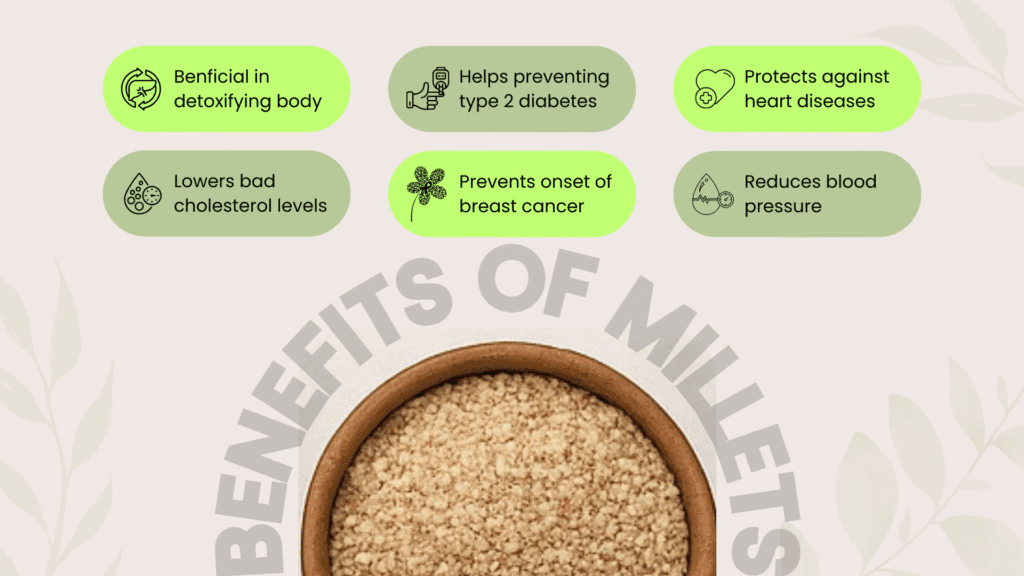
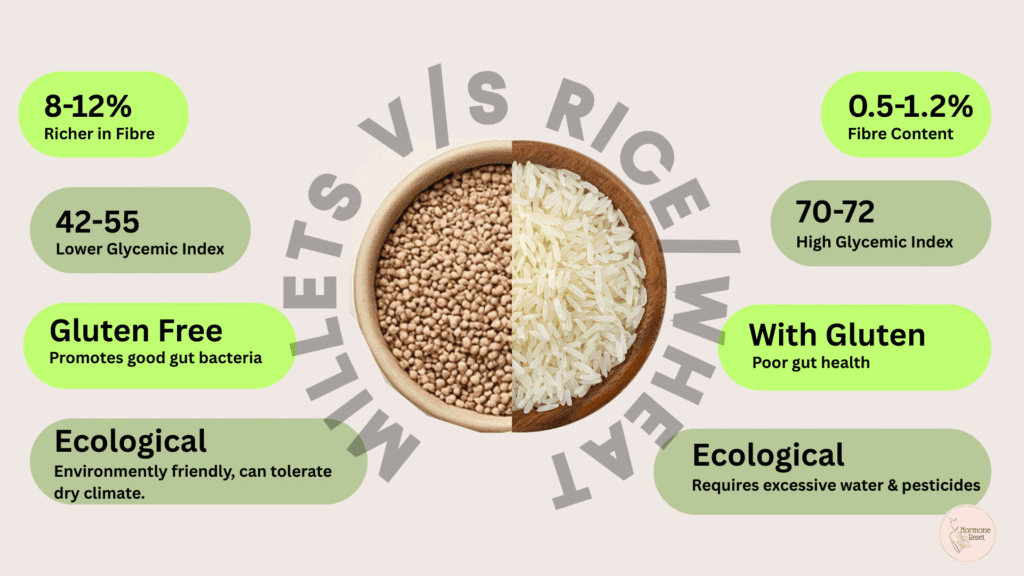
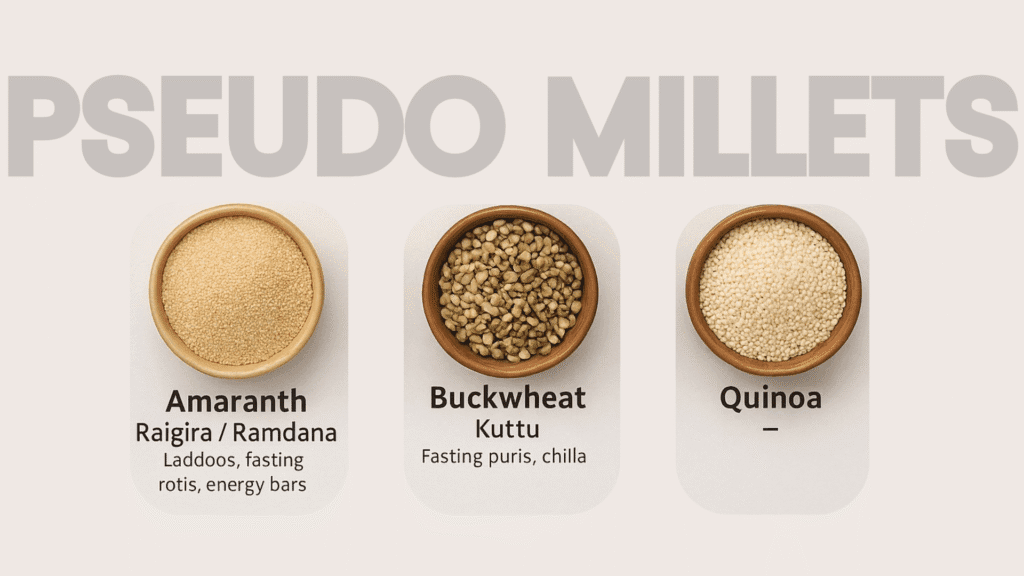
  • Millets: 8 Amazing Types of Millets and Their Powerful Health Benefits

    Millets: 8 Amazing Types of Millets and Their Powerful Health Benefits

    Millets: Functional Grains for a Healthier Life
    In recent years, there’s been a growing shift toward holistic nutrition and food-as-medicine philosophies. At the forefront of this movement are millets, a group of ancient gluten-free grains that perfectly align with the functional foods approach. These small-seeded grasses have been cultivated for thousands of years and are now gaining renewed attention for their impressive nutritional value and wide-ranging health benefits.

    Packed with plant-based protein, essential minerals, and antioxidants, millets are ideal for promoting gut health, managing blood sugar, and reducing inflammation. This guide explores the different types of millets, their health benefits, and how they can support specific conditions like diabetes, thyroid dysfunction, and autoimmune diseases.

    Millets: Types and Unique Benefits

    AD 4nXfJIv1XmAT L eJ9qYPoXXtW4
    Types of Millets

    Setaria italica (Foxtail Millet)

    • Foxtail millet is a rich source of protein, fiber, phosphorus, magnesium, and iron. As a gluten-free grain, it’s ideal for those with celiac disease or gluten sensitivity. Its low glycemic index makes it an excellent addition to millets for diet plans for diabetics, helping regulate blood sugar levels naturally.

    Pennisetum glaucum (Pearl Millet or Bajra)

    • Known for its drought tolerance, pearl millet is rich in iron, magnesium, and phosphorus. It supports heart health, aids digestion, and provides lasting energy. Its high fiber content makes it effective in millets for weight loss diets and beneficial for those with autoimmune diseases.

    Eleusine coracana (Finger Millet or Ragi)

    • This nutrient-dense millet is renowned for its high calcium and antioxidant content, supporting bone strength and reducing oxidative stress. Finger millet is especially beneficial for thyroid health, weight management, and maintaining blood sugar balance, making it a core part of any millet-based diet.

    Echinochloa esculenta (Barnyard Millet or Sanwa)

    • Barnyard millet is rich in protein and fiber and has a low glycemic index. It’s known to improve cardiovascular health and aid in sustainable energy release, making it suitable for individuals managing diabetes or pursuing weight loss.

    Panicum miliaceum (Proso Millet or Broomcorn Millet)

    • Adaptable and antioxidant-rich, proso millet provides essential amino acids and is low in fat. It’s a versatile grain, ideal for soups, salads, or sweet dishes and fits well into a gluten-free and autoimmune-friendly diet.

    Panicum sumatrense (Little Millet)

    • Despite its small size, little millet is nutrient-packed with iron, zinc, protein, and fiber. Its low glycemic index and gluten-free nature make it a preferred grain for those managing diabetes, thyroid issues, or autoimmune diseases.

    Understanding the Nutritional Value of Millets

    AD 4nXd2e9LACIKmnBu2d1bg8lR11nFbgFIGF9BSn5B03I7oyvVu2jeb96QMgRZTJhZXv 4Tbpe4NaBlMG1np7ZbvuNszX31Bn
    Health Benefits Of Millet

    Millets are celebrated for their broad nutritional profile, supporting both preventive and therapeutic health strategies:

    • High in Dietary Fiber: Promotes digestive health and satiety, helping in weight management.
    • Rich in Essential Minerals: Includes iron, calcium, magnesium, and phosphorus—vital for bone health and anemia prevention.
    • Plant-Based Proteins: Support muscle repair and are ideal for vegan and vegetarian diets.
    • Low Glycemic Index: Controls blood sugar spikes, making millets effective in diabetic diets.
    • Naturally Gluten-Free: Safe for people with celiac disease or gluten sensitivity.
    • Rich in Antioxidants: Combat oxidative stress and inflammation, supporting immune health.

    Millets for Diabetes and Blood Sugar Regulation

    The low glycemic index of most millets ensures gradual glucose release, helping diabetics maintain stable energy and blood sugar levels. Foxtail, finger, and barnyard millets are particularly beneficial for this purpose, making them cornerstone ingredients in millets for diabetes meal planning.

    Millets and Thyroid Health: What You Need to Know

    While millets offer rich nutrition, their impact on thyroid health depends on balanced consumption:

    • Iodine Consideration: Millets like pearl millet contain compounds that may interfere with iodine uptake. It’s crucial to balance millet intake with iodine-rich foods.
    • Goitrogens: Found in some millets, but their impact is reduced through cooking.
    • Best Choices: Foxtail millet and finger millet are better suited for those with thyroid issues, especially when well-cooked and consumed in moderation.

    Why Millets Are a Better Choice Than Wheat for Autoimmune and Diabetic Conditions

    AD 4nXeOacFDHktADcXqtAmTHk 8uMt6HYvN9tIuQdIiEKmcRh4tKV bAep4M4hf3Ov9A pbZVOIhDUV5bF QwkWIA9UYUQmWR2vZPSSfzIUCSenb4c uN ZEYf7AGjJomeKFg s9VG7fA?key=Dj5gKZvP1C2AKzuCRCSMQA
    Millets vs Wheat/Rice

    For individuals managing autoimmune diseases or diabetes, millets offer several advantages over wheat:

    • Lower Glycemic Index
    • Higher Fiber Content
    • Naturally Gluten-Free
    • Anti-Inflammatory Properties
    • Greater Nutritional Diversity
    • Support for Immune Modulation

    These factors make millets safer and more functional for managing chronic conditions compared to gluten-rich wheat products.

    What Are Pseudo-Millets, and Why Should You Care?

    Pseudo-millets are seeds from broadleaf plants that are not true cereals but are used like grains due to similar nutritional profiles and culinary uses. Unlike true millets (which are grasses), pseudo-millets belong to different botanical families. They include:

    • Quinoa: A complete protein, as it contains all nine essential amino acids that your body cannot produce on its own and must get from food, and excellent for gluten-free diets.
    • Amaranth: High in iron, fiber, and calcium—great for inflammation and heart health.
    • Buckwheat: Known to support heart health and blood sugar regulation.

    These are excellent additions to a millet-based diet, especially for those with autoimmune disorders or gluten intolerance.

    Seasonal Availability and How to Add Millets to Your Diet

    Millets are seasonally versatile:

    • Summer: Sorghum (Jowar)
    • Monsoon: Finger millet (Ragi), Foxtail millet
    • Autumn: Barnyard millet, Little millet
    • Winter: Kodo millet, Proso millet, Pearl millet (Bajra),

    Easy Ways to Include Millets:

    • Rotis & Flatbreads with millet flours
    • Porridges, Upma, or Khichdi
    • Millet-based malt drinks
    • Dosas & Idlis using millet batter
    • Rice Substitutes in pulao or pilaf

    Many of us struggle to make soft millet chapatis—they crack, break, or turn hard.

    So here’s my tried-and-tested 1:1 method for making soft, pliable millet rotis. This method works beautifully with any type of millet flour—jowar, bajra, ragi, or even mixed millets.

    Ingredients:

    • 1 cup millet flour (e.g., jowar, bajra, or ragi)
    • 1 cup boiling water
    • A pinch of salt (optional)

    Instructions:

    • Boil the water
    • In a pan, bring 1 cup of water to a boil. Add a pinch of salt if desired.
    • Turn off the heat and immediately add 1 cup of millet flour into the hot water.
    • Stir quickly with a spoon or spatula to combine into a rough dough.
    • Let the mixture cool slightly until warm (not hot).
    • Knead it into a soft, smooth dough using your hands. (If it’s too sticky, add a little flour. If too dry, sprinkle warm water.)
    • Divide the dough into small balls.
    • Flatten and roll gently into round chapatis using dry millet flour for dusting.
    • Cook on hot tawa

    Tips:

    • Use freshly milled flour for best softness.
    • Always use boiling water for this method—it activates the starch and softens the dough.
    • Eat warm for the best taste and texture.

    Including a variety of millets in your diet helps ensure balanced nutrition year-round. For more inspiring millet-based recipes, head over to the Recipe section on our website, “Hormone Reset.”

    Conclusion: Unlocking the Full Health Benefits of Millets

    Millets are more than a dietary trend—they’re an essential part of a functional food approach to wellness. From managing blood sugar and promoting thyroid health to aiding weight loss and supporting those with autoimmune diseases, millets offer unmatched versatility and nourishment.

    Whether you’re seeking sustainable nutrition or managing chronic conditions, adopting a millet-based diet can transform your health from the inside out.

    Call to Action

    •  Make the switch today: Start small by adding one type of millet to your weekly meals. Rotate between foxtail, finger, and pearl millet to experience their benefits firsthand.
    • Keep a food journal when adding millets to your diet.
      Noting daily changes in energy, digestion, mood, or skin helps you catch subtle improvements most people miss. Your body speaks in signs—tracking helps you listen!

    Looking for more personalized millet meal ideas or diet plans? Explore Hormone Reset—your smart companion for functional nutrition.

    References

    Saleh, A. S., Zhang, Q., Chen, J., & Shen, Q. (2013). Millet grains: Nutritional quality, processing, and potential health benefits. Comprehensive Reviews in Food Science and Food Safety, 12(3), 281–295.

    Devi, P. B., et al. (2014). Health benefits of finger millet (Eleusine coracana L.) polyphenols and dietary fiber: A review. Journal of Food Science and Technology, 51(6), 1021–1040.

    National Institute of Nutrition. (2020). Nutrient Requirements and Recommended Dietary Allowances for Indians.

    FAO. (2018). The Role of Millets in Sustainable Agriculture and Nutrition.

    Pathak, R. K. (2021). The Role of Millets in Managing Diabetes and Thyroid Conditions. Journal of Functional Foods and Nutraceuticals, 6(1), 45–53.


    Also Read: PCOS Unveiled: Understanding Your Unique Path to Reversal

    Stay updated with the latest information on functional medicine. Subscribe to our YouTube channel.

  • PCOS Unveiled: Understanding Your Unique Path to Reversal

    PCOS Unveiled: Understanding Your Unique Path to Reversal

    Have you recently been diagnosed with Polycystic Ovary Syndrome (PCOS) and feel overwhelmed by conflicting advice? Or maybe your symptoms don’t match the “typical” description? You’re not alone. PCOS is a complex, misunderstood condition that affects every woman differently.

    This guide will help you recognize your PCOS type, uncover underlying causes, and explore a step-by-step approach to manage and reverse symptoms naturally.


    PCOS Is Not One-Size-Fits-All

    PCOS presents in many forms. Two women may look very different yet share the same diagnosis:

    • Anuradha: lean, anxious, irregular cycles, jawline acne, no ovarian cysts.
    • Manju: curvier, belly fat, severe cycle irregularity, ovarian cysts, infertility.

    How can they both have PCOS?
    The answer lies in the Rotterdam criteria (2003): Diagnosis requires at least two of these three:

    • Irregular or absent ovulation
    • Excess androgens (causing acne, facial hair, hair loss)
    • Polycystic ovaries on ultrasound

    The Four PCOS Phenotypes

    • Type A (Classic): All three symptoms.
    • Type B (Classic): Irregular ovulation + high androgens, no ovarian cysts.
    • Type C (Non-Classic): High androgens + cystic ovaries, but regular cycles.
    • Type D (Non-Classic): Irregular cycles + cysts, but normal androgen levels.

    The 8-Step Approach to Reverse

    This management isn’t “one-size-fits-all.” Addressing underlying triggers is what leads to real improvement.

    1. Reduce inflammation
    2. Treat insulin resistance
    3. Support adrenal health & mood
    4. Manage excess androgens
    5. Balance female hormones
    6. Support thyroid health
    7. Minimize toxins & create a healthy environment
    8. Eat a PCOS-friendly diet

    Step 1: Address Inflammation
    Chronic inflammation is a hidden driver of that. It can:

    • Increase testosterone
    • Trigger insulin resistance
    • Harm gut and egg quality
    • Affect mood

    Natural Anti-Inflammatory Support

    • Diet: Whole foods, cut dairy & refined sugar.
    • Gut Health: Reduce gluten, address food sensitivities.
    • Supplements: Omega-3s, NAC, curcumin, vitamin D, bioflavonoids.

    Step 2: Overcome Insulin Resistance
    Most women with PCOS have insulin resistance. High insulin worsens androgen production and weight struggles.

    Ways to Improve Insulin Sensitivity

    • Exercise: At least 75 minutes of vigorous weekly activity.
    • Supplements: Myo-inositol & D-chiro-inositol, berberine, chromium, vitamin D, cinnamon, fenugreek.
    • Nutrition: Balanced, low-glycemic meals.

    Step 3: Adrenals, Stress & Mood in PCOS
    Stress hormones (cortisol, DHEA) can worsen PCOS.

    Signs of Adrenal Imbalance

    • Hyperactivity (high cortisol): anxiety, belly fat, insomnia.
    • Fatigue (low cortisol): exhaustion, depression, low blood pressure.

    Natural Stress-Balancing Tools

    • Meditation & yoga
    • Consistent sleep routines
    • Breathing practices & vagus nerve stimulation
    • Supportive connections & therapy
    • Nutrients: Omega-3s, magnesium, B-complex, L-theanine

    Step 4: Treat Excess Androgens
    High androgens cause acne, hair loss, and hirsutism.

    Natural Remedies

    • Licorice + White Peony – lower testosterone
    • Spearmint or green tea – reduce DHT
    • Saw Palmetto, Reishi, Rosemary – block androgen activity
    • Zinc & iron – support hair and hormone balance

    Step 5: Balance Female Hormones
    PCOS disrupts ovulation and lowers progesterone.

    Support Options

    • Medical: Birth control or progesterone therapy (for cycle regulation, not root healing).
    • Natural:
      • Vitex for irregular ovulation
      • White Peony + Licorice to balance LH/FSH
      • Cinnamon for insulin resistance
      • Black Cohosh & Dong Quai for cycle support

    Step 6: Support Your Thyroid
    Thyroid disorders commonly overlap with PCOS, worsening symptoms like fatigue, weight gain, and infertility.

    Key Tests

    • TSH, Free T3, Free T4, Reverse T3, Thyroid antibodies

    Support

    • Selenium, zinc, iodine (only under medical supervision)
    • Ashwagandha, Coleus, Guggul
    • Gut healing for autoimmune thyroid conditions

    Step 7: Minimize Toxins
    Endocrine disruptors (plastics, pesticides, cosmetics) mimic hormones and worsen PCOS.

    Reduce Exposure

    • Use glass/stainless steel instead of plastic
    • Choose organic produce
    • Switch to toxin-free skincare & cleaning products
    • Drink filtered water

    Step 8: Eat a Balanced, PCOS-Friendly Diet
    Nutrition plays a central role in PCOS reversal.

    Guidelines

    • Base meals on plants: Non-starchy vegetables & fiber-rich foods.
    • Add protein & healthy fats: Fish, poultry, avocado, nuts, olive oil.
    • Smart carbs: Berries, sweet potatoes, squash, brown/red rice.

    Foods to Avoid

    • Sugar: Fuels insulin resistance.
    • Dairy: Can increase insulin & hormones.
    • Gluten: Triggers inflammation & hunger signals.
    • Artificial sweeteners: Disrupt metabolism.

    PCOS: A Lifelong Journey, Not a Life Sentence

    PCOS may not be “curable,” but it is reversible and manageable. With the right strategy, you can reduce symptoms, balance hormones, and lower long-term risks like diabetes, infertility, and heart disease.

    PCOS does not define you—you have the tools to transform your health and live fully.

    Also Read: Psoriasis: Uncovering the Roots and Finding Lasting Relief with Functional Medicine

    For personalized support, reach out to Hormone Reset for guidance.

    FAQs

    Q1: Can PCOS be completely cured?
    Yes, PCOS can be cured and symptoms can be reversed effectively through lifestyle, nutrition, and medical support.

    Q2: Which type of PCOS is the most common?
    The most common type is Classic PCOS (with irregular cycles and high androgens). However, each woman may show a unique combination of symptoms.

    Q3: Which foods should I avoid in PCOS?
    Limit sugar, dairy, gluten, processed foods, and refined carbs. Focus on whole, nutrient-rich foods to balance hormones.

    Q4: Can I get pregnant if I have PCOS?
    Yes, many women with PCOS conceive naturally or with medical support. Restoring ovulation through lifestyle changes improves fertility chances.

    Q5: What is the fastest way to reverse PCOS naturally?
    Improving insulin sensitivity through diet, exercise, stress management, and supplements like inositol works as the fastest path for many women.


    Stay updated with the latest tips on PCOS management, women’s health, and natural remedies. Follow our channel for more updates.

  • What is Lichen Planus? Can Functional Medicine Heal It?

    What is Lichen Planus? Can Functional Medicine Heal It?

    Lichen Planus resulting in mysterious itchy, purplish rashes? Mouth sores that sting when you eat spicy foods? Or white lacy patches on your gums or inner cheeks? You might be dealing with a little-known autoimmune condition called Lichen planus.

    And here’s the truth: lichen planus isn’t just skin-deep. It’s a reflection of what’s going on inside your body, specifically, with your immune system and your hormones.

    At Hormone Reset, we go beyond the surface. We don’t just treat symptoms — we decode the root causes. And when it comes to autoimmune disorders like lichen planus, our Functional Medicine Approach has helped hundreds rediscover glowing skin, healthy immunity, and internal balance.

    What Is Lichen Planus?

    Lichen planus is a chronic, inflammatory, autoimmune condition where your immune system mistakenly attacks the body’s own tissues — especially the skin and mucous membranes. It’s more common than people think and can be extremely uncomfortable and persistent if not properly diagnosed and treated.

    This condition can appear suddenly or gradually, and the symptoms often fluctuate with changes in hormone levels, stress, and inflammation. While it’s not contagious or cancerous, it can cause significant distress and affect daily life.

    Common Areas Affected:

    • Skin: Purple, flat-topped, itchy bumps often grouped in patches. These bumps can leave dark marks or scarring even after healing.
    • Mouth: White, lacy patches or painful ulcers that affect the inside of cheeks, gums, tongue, and lips, making it hard to eat or talk.
    • Scalp: Inflammation in hair follicles leading to redness, itching, and eventually permanent hair loss, also known as lichen planopilaris.
    • Nails: Thinning, ridging, grooving, or in severe cases, complete nail loss, often mistaken for fungal infections.
    • Genitals: Painful erosions, redness, and discomfort, which can interfere with intimacy and emotional wellbeing.

    Symptoms to Watch For:

    • Intense itching or burning sensations, especially on the wrists, ankles, or lower back.
    • Painful eating or speaking due to oral sores that worsen with spicy or acidic foods.
    • Changes in nail or hair texture that don’t improve with standard treatments.
    • Fatigue and emotional stress that seem to coincide with flare-ups.
    • Symptoms often flare during hormonal transitions such as menstruation, pregnancy, or menopause.

    What Triggers Lichen Planus?

    • Hormonal imbalance, such as thyroid issues or fluctuating estrogen levels, which may worsen immune reactivity.
    • Chronic stress and trauma, both physical and emotional, that weaken immune and hormonal regulation.
    • Leaky gut and microbiome imbalance, which activate inflammatory pathways.
    • Medications, including NSAIDs, beta-blockers, and certain vaccines that may act as triggers.
    • Heavy metal exposure or dental fillings, which can overstimulate the immune system.
    • Hepatitis C and viral infections, strongly associated with oral and cutaneous lichen planus.
    • Food sensitivities or allergies, especially to gluten, dairy, and artificial additives.

    Also Read: Living with Multiple Autoimmune Condition

    Why Conventional Medicine Often Misses the Mark?

    medicine

    Most conventional treatments aim to suppress symptoms using medications like corticosteroids, antihistamines, and immunosuppressants. These may temporarily ease the rash or pain but don’t address the root cause.

    Patients often cycle through various treatments with limited results. Long-term use of these medications can damage the skin, disrupt gut health, and impair hormone balance, sometimes making the condition worse over time.

    Autoimmunity is a full-body issue — and it needs a full-body solution that restores balance, not just suppresses the body’s signals.


    The Functional Medicine Perspective: Healing From the Inside Out

    At Hormone Reset, we believe the body is designed to heal — when given the right support and environment. Functional medicine focuses on uncovering the root causes of disease and customizing healing plans based on your biology.

    We focus on understanding how your hormonal, digestive, detoxification, immune, and nervous systems work together — and where they might be out of balance.


    1. Comprehensive Root Cause Testing

    We begin by assessing your whole system with advanced functional labs that uncover hidden imbalances. These tests provide a detailed picture of what’s driving your symptoms.

    • Hormone Panels assess thyroid, adrenal, and sex hormone levels to identify imbalances like low T3 or estrogen dominance. These imbalances often fuel immune dysfunction and skin flare-ups.
    • Inflammation Markers like CRP and ESR reveal ongoing immune activity that standard tests may miss. Elevated levels signal underlying inflammation driving lichen planus.
    • Micronutrient Testing uncovers deficiencies that impact immune repair and detoxification. Key nutrients like zinc, vitamin D, and B-complex vitamins are essential for tissue healing.
    • Gut Microbiome & Stool Analysis detects hidden infections, leaky gut, and poor digestion. An unhealthy gut contributes to autoimmune flare-ups through immune system confusion.
    • Toxin Screening identifies heavy metals, mold exposure, and chemical toxicity contributing to inflammation. Reducing toxic burden can help calm the immune system.

    These tests help uncover silent root causes that standard medical testing often overlooks.


    2. Hormone Rebalancing

    Hormones regulate immunity, stress responses, and tissue repair. When they are out of sync, autoimmunity can flare.

    We assess hormone patterns and use natural therapies to restore balance. This includes herbal adaptogens, seed cycling, personalized nutrition, and where needed, bioidentical hormone support to stabilize hormonal rhythms and reduce immune overactivity.

    Our strategies target the root hormonal disruptions behind inflammation and skin flare-ups.


    3. Immune Reset Through Gut Healing

    Gut health is central to immune health. An imbalanced gut can allow harmful particles to enter the bloodstream, triggering immune confusion and attacks on healthy tissue.

    We restore gut integrity through food eliminations, healing supplements like L-glutamine and collagen, and microbiome restoration using high-quality probiotics and herbs that rebalance gut flora.

    When the gut heals, the immune system calms down and stops attacking your tissues.


    4. Detox Pathway Activation

    A sluggish detox system means toxins accumulate and trigger inflammation. We support your body’s natural detox organs so they can clear irritants that fuel autoimmune reactions.

    This includes gentle herbal cleanses, supporting liver enzymes, increasing hydration with mineralized water, and avoiding daily toxin exposures like plastics, pesticides, and synthetic fragrances.

    When detox pathways are supported, skin and immune symptoms improve significantly.


    5. Nervous System & Stress Reset

    Stress dysregulates hormones and weakens immunity. Most people with lichen planus report flares during stressful times or unresolved trauma.

    We teach practices to regulate your nervous system, from vagus nerve stimulation to somatic movement and breathwork. These reset your stress response and rewire how your immune system reacts.

    A calm nervous system promotes hormonal balance and stops the immune system from attacking healthy tissues.


    Lifestyle Changes That Support Healing

    healthy food

    Healing from lichen planus requires more than taking pills — it requires a complete shift in how you nourish, move, and care for your body on a daily basis. This condition is often rooted in chronic inflammation, and addressing that inflammation holistically is key to long-term relief.

    A clean, anti-inflammatory diet is foundational. Consuming nutrient-dense foods such as leafy greens, omega-3 rich fatty fish, turmeric, and gut-friendly fermented foods can help reduce systemic inflammation and support tissue repair. Removing inflammatory triggers like gluten, dairy, processed sugar, and artificial additives can drastically reduce flare-ups and support immune balance.

    Movement is medicine — regular physical activity improves circulation, reduces stress hormones, and supports detoxification. Gentle exercises like walking, yoga, or tai chi are especially beneficial for calming the nervous system.

    Sleep is when your body repairs. Prioritizing 7–9 hours of quality sleep each night helps regulate hormones and calm immune hyperactivity. Sleep hygiene practices such as turning off screens before bed, sticking to a sleep schedule, and avoiding stimulants late in the day are essential.

    Finally, chronic stress is a major contributor to autoimmune flares. Integrating daily stress-reducing practices such as meditation, breathwork, journaling, or spending time in nature helps reset your nervous system and lower inflammation. Your lifestyle choices can either accelerate or resolve inflammation — and the power to choose lies in your hands.


    The Role of Genetics and Epigenetics in Lichen Planus

    • Genetic predisposition may increase your chances of developing autoimmune conditions such as lichen planus. If your parents or close relatives have autoimmune conditions, it can raise your risk. However, inheriting these genes doesn’t mean you’re destined to develop the condition.
    • Functional medicine places a strong emphasis on epigenetics, which is the study of how your lifestyle choices — including the food you eat, how you manage stress, your sleep quality, and even your environment — can influence your genes. This means you have the ability to “turn off” genes that trigger autoimmune reactions.
    • By modifying these lifestyle and environmental factors, you can actively shift your body’s internal state from inflammation to healing. This empowers you to take control of your health, rather than feeling helpless against your genetics.
    • At Hormone Reset, we teach our clients how to use food, stress-reduction techniques, hormone balancing, and detoxification to influence gene expression and create an internal environment that no longer supports disease. Healing becomes not just possible — but inevitable with the right tools and guidance.

    Ready to Finally Heal Your Skin — And What’s Beneath It?

    You’ve tried the steroid creams, the mouthwashes, the endless guessing. But lichen planus isn’t just a skin issue — it’s your body asking for a reset.

    At Hormone Reset, we don’t believe in band-aids. We believe in deep, lasting healing that starts from within.

    This is your invitation to step into a new chapter — one where:

    • Food no longer hurts your mouth
    • Your skin feels calm, clear, and comfortable
    • You wake up with energy and confidence
    • You feel in control of your health again

    Let’s uncover what your body’s been trying to tell you — and help you heal it at the root.


    Conclusion: Healing Is Possible — And It Starts With You

    Lichen planus may be an autoimmune condition, but it doesn’t define your future. It’s a sign — a message from your body that something deeper needs your attention and compassion. With the right guidance, the right tools, and the right mindset, you can reverse inflammation, restore balance, and reclaim the vibrant health you deserve.

    At Hormone Reset, we’re here to walk that path with you — not just as practitioners, but as partners in your healing journey. Our functional medicine approach empowers you to heal not only your skin but your entire body, mind, and spirit.

    You don’t have to live in fear of your next flare-up. You can feel at home in your body again. And it all begins with one choice: to go deeper, to heal smarter, and to believe that recovery is not just possible — it’s within reach.


    References

    1. Lichen Planus: Symptoms and Causes – Mayo Clinic
      https://www.mayoclinic.org/diseases-conditions/lichen-planus/symptoms-causes/syc-20351378
    2. Functional Medicine Approach to Autoimmune Diseases – iThriveIn
      https://www.ithrivein.com/blog/functional-medicine-approach-to-autoimmune-diseases
    3. Lichen Planus – Johns Hopkins Medicine
      https://www.hopkinsmedicine.org/health/conditions-and-diseases/lichen-planus
    4. Lichen Planus – NHS
      https://www.nhs.uk/conditions/lichen-planus/
    5. Lichen Planus: Epidemiology, Clinical Features, Pathogenesis, and Treatment – NCBI Bookshelf
      https://www.ncbi.nlm.nih.gov/books/NBK526126/

    Review Article on Lichen Planus Pathogenesis and Treatment – PMC
    https://pmc.ncbi.nlm.nih.gov/articles/PMC11011293/

  • Psoriasis: Uncovering the Roots and Finding Lasting Relief with Functional Medicine

    Psoriasis: Uncovering the Roots and Finding Lasting Relief with Functional Medicine

    Functional Medicine Psoriasis is a chronic autoimmune condition characterised by red, scaly patches on the skin that can appear anywhere on the body. While it is commonly associated with skin issues, psoriasis is an inflammatory disorder involving the immune system. Traditional treatments, such as topical creams, phototherapy, and systemic medications, can provide relief but often fail to address the root causes of the condition. Functional medicine looks beyond symptom management to uncover and address the underlying factors contributing to psoriasis. In this blog, we will explore the roots of psoriasis, its triggers, and how functional medicine can offer lasting relief through a personalised, holistic approach.

    Understanding Psoriasis: A Complex Condition

    Psoriasis is more than just a skin disease—it is a systemic condition that involves immune system dysfunction. It occurs when the immune system mistakenly attacks healthy skin cells, leading to an overproduction of skin cells that pile up on the surface, forming plaques. The most common types of psoriasis include:

    • Plaque Psoriasis: Characterized by raised, red patches covered with silvery scales.
    • Guttate Psoriasis: Small, drop-shaped lesions, often triggered by infections.
    • Inverse Psoriasis: Red, shiny lesions that appear in skin folds.
    • Pustular Psoriasis: White pustules surrounded by red skin.
    • Erythrodermic Psoriasis: Severe, widespread redness and shedding of skin

    Psoriasis can affect any part of the body, but it is most common on the elbows, knees, scalp, and lower back.

    Traditional Treatments for Psoriasis

    Traditional treatments for psoriasis include:

    • Topical medications: These drugs are applied topically to the affected area to decrease inflammation and allow the scales to clear.
    • Light therapy: This therapy involves the use of ultraviolet light to slow the growth of skin cells.
    • Oral medications: These drugs are oral drugs that aid in the suppression of the immune system.

    None of the above address the root causes of psoriasis. 

    The Root Causes of Psoriasis

    Psoriasis is influenced by multiple internal and external factors that can contribute to its development and flare-ups:

    1. Immune System Dysfunction
      At the core of psoriasis is an overactive immune response. T-cells, a type of white blood cell, mistakenly attack healthy skin cells, triggering inflammation and abnormal skin cell turnover. This dysregulated immune response is often linked to environmental triggers, such as infections or stress.
    2. Environmental Triggers
      While genetics lay the foundation, environmental factors often act as triggers for psoriasis flare-ups. Some of the most common environmental triggers include:
      • Infections: Particularly streptococcal infections, candida overgrowth, parasites, which are known to trigger psoriasis (Michaëlsson et al., 2019).
      • Stress: Emotional stress is a common trigger for psoriasis flare-ups, likely due to the role of cortisol in immune system modulation (Dhabhar, 2014).
      • Diet: A pro-inflammatory diet rich in sugar, gluten, and processed foods can exacerbate inflammation, while an anti-inflammatory diet can help manage symptoms (Barrea et al., 2019).
      • Environmental Toxins: Exposure to chemicals, pollutants, or smoking can worsen psoriasis symptoms and inflammation.
    3. Gut Health
      The gut plays a crucial role in immune system regulation. Dysbiosis (an imbalance in the gut microbiome) can contribute to systemic inflammation and immune dysfunction, potentially triggering or worsening psoriasis (Boehncke & Schön, 2015). The gut-skin axis, a connection between gut health and skin inflammation, is gaining recognition in psoriasis research.

    Functional Medicine for Psoriasis

    Functional medicine is identification of the causative factors of a disease rather than its symptoms alone. It has been very effective in the reversal of psoriasis, as it would be able to point out factors affecting the patient and then focus on these issues.Functional medicine is healing from the inside out, not just alleviating psoriasis but making a person healthier and more alive.

    How Functional Medicine Transforms Psoriasis Care

    Functional medicine takes a root-cause approach to healthcare, aiming to identify and address the underlying factors that contribute to disease. Instead of merely managing symptoms with topical creams or systemic medications, functional medicine practitioners seek to restore balance in the body by considering multiple aspects of health—nutrition, lifestyle, genetics, and environmental factors. In the case of psoriasis, functional medicine focuses on the following key areas:

    1. Diet and Nutrition
      An anti-inflammatory diet is central to managing psoriasis. Reducing the intake of pro-inflammatory foods, such as sugar, refined carbs, and gluten, can help reduce systemic inflammation and skin flare-ups. Instead, a diet rich in omega-3 fatty acids (from fish or flaxseed), antioxidants (from fruits and vegetables), and healthy fats (such as those found in avocados and olive oil) can support skin health and reduce inflammation. Some functional medicine practitioners also recommend eliminating food allergens, such as gluten or dairy, to see if it improves symptoms.
    2. Gut Health Optimization
      Given the link between gut health and psoriasis, improving the microbiome through probiotics, prebiotics, and a nutrient-dense diet is a key aspect of functional medicine. Healing the gut lining, balancing gut bacteria, and reducing intestinal permeability (leaky gut) may help reduce inflammation and autoimmunity. Studies have shown that the use of probiotics can improve psoriasis symptoms by modulating the immune response (Zhang et al., 2019).
    3. Addressing Infections and Immune Dysregulation
      Infections, particularly streptococcal throat infections, can trigger psoriasis flare-ups. A functional medicine approach involves identifying and treating any underlying infections that may be exacerbating the condition. Additionally, modulating immune system activity with nutrients such as vitamin D, omega-3 fatty acids, and antioxidants can help restore immune balance. Some research suggests that vitamin D deficiency may worsen psoriasis, and supplementation may help alleviate symptoms (Ghoreschi et al., 2011).
    4. Reducing Stress
      Stress is a powerful trigger for psoriasis flare-ups. Functional medicine emphasizes the importance of stress management techniques such as meditation, yoga, deep breathing exercises, and mindfulness. By addressing the root cause of stress, individuals can help modulate their cortisol levels and reduce inflammation in the body.
    5. Detoxification
      Detoxifying the body through practices like saunas, adequate hydration, and reducing exposure to environmental toxins (such as smoking, heavy metals, or pesticides) is another important aspect of functional medicine. Reducing the burden on the liver and improving toxin elimination can help reduce the inflammatory load on the body.

    Clinical Evidence Supporting Functional Medicine for Psoriasis Relief

    A number of studies have supported the effectiveness of functional medicine approaches for psoriasis management:

    • Dietary Interventions: A study published in the Journal of Dermatological Treatment found that dietary changes, including a gluten-free diet, led to a significant reduction in psoriasis symptoms (Barrea et al., 2019).
    • Probiotics and Gut Health: Research has shown that probiotics can improve the skin barrier and reduce inflammation in patients with psoriasis (Zhang et al., 2019).
    • Vitamin D Supplementation: Vitamin D levels have been shown to correlate with the severity of psoriasis. Supplementation with vitamin D may help regulate immune responses and improve skin health (Ghoreschi et al., 2011).

    Psoriasis is a multifactorial condition that requires a comprehensive, personalized approach for effective management. Functional medicine offers a holistic pathway to uncovering the root causes of psoriasis and finding lasting relief. By focusing on diet, gut health, immune regulation, stress management, and detoxification, functional medicine provides a promising framework for those seeking long-term solutions beyond conventional treatments. If you suffer from psoriasis, working with a functional medicine practitioner can help you take control of your health and improve your skin’s appearance, all while addressing the underlying factors contributing to the condition. Functional medicine is healing from the inside out, not just alleviating psoriasis but making a person healthier and more alive.

    Also Read: What is Psoriasis Disease? How to Cure Psoriasis With Functional Medicine?


    References

    1. Barrea, L., Balato, N., et al. (2019). Nutrition and psoriasis: Is there any association between the severity of the disease and adherence to the Mediterranean diet? Journal of Translational Medicine, 17(1), 1-8.
    2. Boehncke, W. H., & Schön, M. P. (2015). Psoriasis. The Lancet, 386(9997), 983-994.
    3. Dhabhar, F. S. (2014). Effects of stress on immune function: The good, the bad, and the beautiful. Immunologic Research, 58(2), 193-210.
    4. Ghoreschi, K., et al. (2011). Modulation of the immune response in psoriasis and psoriatic arthritis by vitamin D. Nature Reviews Rheumatology, 7(4), 255-261.
    5. Michaëlsson, G., et al. (2019). Infections in psoriasis: The role of streptococcal and other infections in triggering guttate psoriasis. European Journal of Dermatology, 29(1), 12-18.
    6. Tsoi, L. C., et al. (2017). Genetic associations with psoriasis. The Lancet, 389(10081), 1216-1230.
    7. Zhang, Z., et al. (2019). Effects of probiotics on psoriasis: A systematic review and meta-analysis. Journal of Dermatological Treatment, 30(6), 583-588.