Category: Autoimmune Diseases

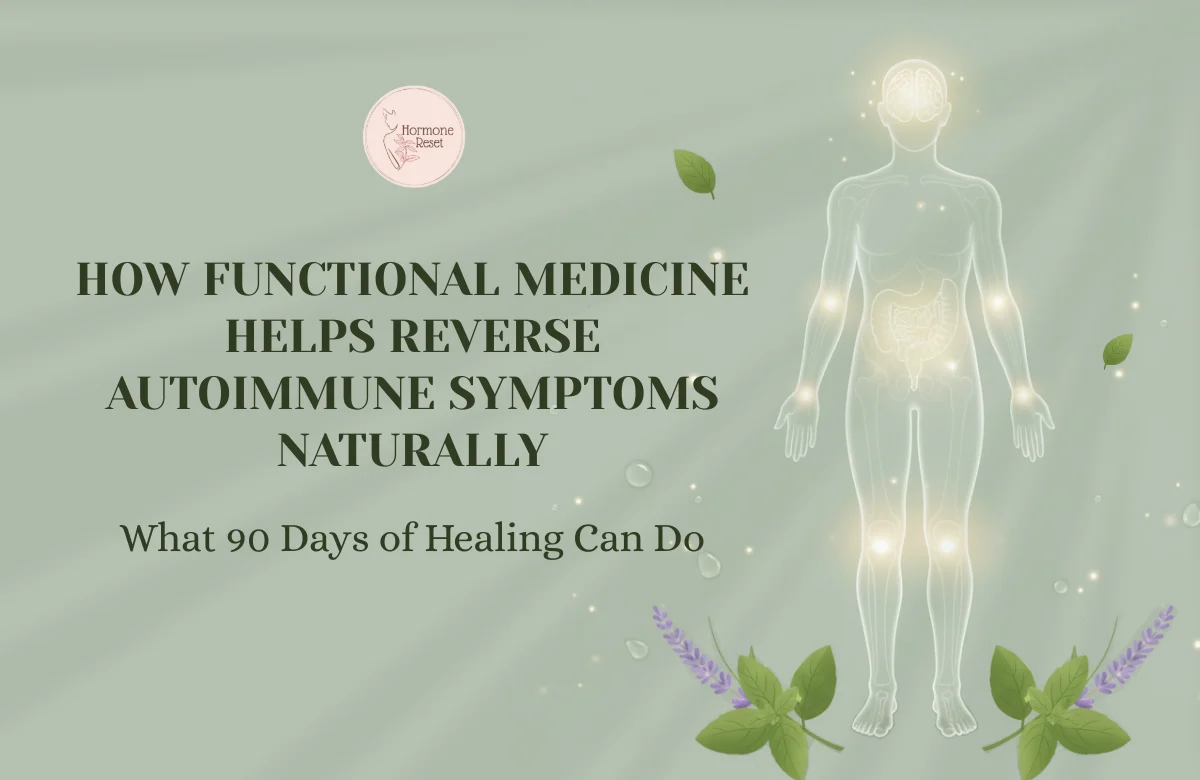
  • How Functional Medicine Helps Reverse Autoimmune Symptoms Naturally — What 90 Days of Healing Can Do

    How Functional Medicine Helps Reverse Autoimmune Symptoms Naturally — What 90 Days of Healing Can Do

    In India today, an increasing number of people are waiting months—or even years—for relief from autoimmune conditions such as Hashimoto’s thyroiditis, Rheumatoid arthritis, Psoriasis, or Lupus. Many feel trapped in symptom-management loops: the medication helps, the flare-ups return, fatigue lingers, and labs bounce. But what if the answer wasn’t just managing the immune attack—but rewinding it? That’s the promise of functional medicine. In this article, we dive into how functional medicine in India is being used to go beyond surface care and build a 90-day healing strategy for autoimmune symptoms.

    How functional medicine supports natural healing in autoimmune conditions

    Why Autoimmune Conditions Are Rising in India

    India is navigating a complex health scenario: while infectious diseases still demand attention, non-communicable and immune-mediated disorders are surging. For example, recent reporting indicates that nearly 70% of autoimmune disease patients in India are women, due to hormonal, environmental, and lifestyle factors. The Times of India

    Meanwhile, a 2021 panel of experts noted that functional medicine may help reverse chronic and autoimmune diseases by addressing root causes rather than simply suppressing symptoms. ETHealthworld.com
    Key drivers in India include:

    • Urbanisation and sedentary behaviours
    • A well-balanced traditional diet is turning into processed food loaded with refined carbohydrates and trans fats, etc.
    • Environmental toxicity, air and indoor pollution (impacting the immune and respiratory systems)
    • Delayed diagnosis or fragmented care in autoimmune cases
    • Stress, poor sleep, chronic infections, and gut dysbiosis (often unaddressed)
      In such a backdrop, functional medicine—which emphasises root-cause discovery and personalised protocols—is increasingly relevant for autoimmune health.

    What is Functional Medicine — A Root-Cause Approach

    Functional medicine is a systems-based, patient-centred model that seeks to identify why the body is mis-regulating, rather than only what is mis-regulating. It is especially relevant for complex conditions like autoimmunity, where multiple systems (gut, hormones, inflammation, immune regulation) interact.
    In India, functional medicine clinics emphasise: personalised history + advanced lab testing + tailored nutrition + lifestyle optimisation + targeted root cause solutions. For example, Indian clinics describe root causes as gut-health imbalance, toxin exposure, chronic infections, and hormonal disruption.

    Unlike conventional medicine that might prescribe immunosuppressants or symptomatic relief, functional medicine asks:

    • What triggered the immune system to misfire?
    • Which body systems are exhausted or overloaded?
    • What lifestyle or environmental exposures keep the inflammation active?

    Thus, the function-medicine approach can often complement conventional treatment and, over time, reduce flare-ups, medication dependency, and improve life quality.
    Discover how our clients transformed their health with Hormone Reset. Read their success stories!

    The 90-Day Healing Framework: What It Typically Includes

    While every individual is unique, a structured 90-day framework gives a realistic timeline for meaningful improvement in autoimmune symptoms. Here’s a typical blueprint:

    Days 1-30: Stabilise & Reset

    • Comprehensive assessment: full history, gut/hormone/immune labs
    • Elimination or anti-inflammatory nutrition plan (e.g., whole foods, reduced gluten/processed sugar)
    • Gut health: identify and address issues and imbalances related to stomach acid production, enzyme output, imbalances and overgrowths of bacteria, fungus and parasites in the gut, and heal the gut lining with probiotics, prebiotics, nutrients like zinc or L-glutamine, etc
    • Detoxify and  reduce environmental triggers (pollution exposure, indoor smoke, toxins)
    • Begin supportive lifestyle changes: consistent sleep, stress reduction (meditation or yoga)

    Days 31-60: Rebuild Systems

    • Reintroduce nutrient-dense foods adapted to the Indian diet (e.g., legumes, regional vegetables, healthy fats)
    • Hormone optimisation: adrenal/thyroid support if needed
    • Detoxification support: liver/gut/lifestyle practice
    • Moderate exercise and movement to support immune regulation
    • Monitor labs and symptoms to adapt the plan

    Days 61-90: Reinforce & Integrate

    • Immune retraining: focus on balance, not suppression (e.g., micronutrients like vitamin D, omega-3, curcumin)
    • Full integration of lifestyle: stress management, sleep hygiene, movement rhythm
    • Transition to sustainable habits rather than a “temporary fix”
    • Reassess labs and symptoms: aim to reduce flare-ups, stabilise immune markers, improve quality of life

    This 90-day timeframe is not a “cure guarantee”, but most patients report meaningful symptom reduction, fewer flares, and greater energy in this period. Clinics in India emphasise root-cause treatment over quick fixes. 

    Key Root-Cause Factors That Functional Medicine Targets

    Understanding what triggers the “autoimmune misfire” is key. Functional medicine often focuses on:

    Gut Health & Microbiome

    Overgrowth of the microbial/fungal/parasitic populations in the gut leads to higher gut toxicity and resultant immune system overactivation. This often leads to a compromised gut barrier (“leaky gut”), which in turn allows undigested food molecules and toxins into the bloodstream, triggering further immune dysregulation. Functional medicine emphasises gut healing via diet, targeted supplements, herbs, probiotics, and lifestyle.

    Toxin Load & Environment

    In India, heavy metal exposure, industrial pollutants, indoor air pollution, and chronic toxin load contribute to immune stress. Functional medicine aims to remove or reduce these exposures and support detox pathways. ETHealthworld.com

    Nutrient & Hormone Imbalances

    Vitamin D deficiency, omega-3 shortfall, thyroid/adrenal stress, and hormone imbalance all affect immune regulation. For example, research shows lower levels of vitamin D is linked with increased autoimmunity. arXiv

    Chronic Stress & Sleep Disturbance

    Chronic psychological stress elevates cortisol, dysregulates immunity, and triggers flares. The positive impact of mind-body practices like yoga for autoimmune disorders has been documented in India and globally. PubMed

    What Results Can You Realistically Expect in 90 Days?

    Let’s set realistic expectations:

    • Significant Symptom reduction: fewer flare-ups, less fatigue, better mood, and sleep
    • Improved lab markers: reduced inflammation (CRP), stabilised thyroid/hormone values, better gut health parameters
    • Reduced medication dependency: under supervision, some patients manage to reduce flare-prevention doses
    • Empowerment and sustainable habits: shift in diet, stress, lifestyle that supports long-term wellness

    Importantly, “reverse” does not always mean disease extinction, but rather “long-term remission”, improved quality of life and root-cause control. Indian reports suggest functional-medicine practitioners believe many chronic/autoimmune issues can be reversed if the root causes are identified and addressed. ETHealthworld.com

    Choosing the Right Functional Medicine Practitioner in India

    If you decide to pursue this route, here is a checklist:

    • Certified training in functional/integrative medicine (and experience in autoimmune cases)
    • Uses advanced diagnostics (gut, hormone, toxins), not just standard labs
    • Offers personalised nutrition, lifestyle + environmental support—not just supplements
    • Transparent about costs, time frame, and realistic outcomes
    • Encourages collaboration with your conventional medical provider (especially for medications)

    Frequently Asked Questions About Functional Medicine for Autoimmune Healing

    Can Functional Medicine Really Help Improve Autoimmune Conditions?

    Functional medicine does not promise a cure, but it helps many people experience significant relief by addressing the underlying triggers of autoimmunity. Instead of only controlling flare-ups, this approach works on improving gut health, reducing inflammation, balancing hormones, and calming an overactive immune system. As these root causes are addressed, most individuals begin noticing fewer symptoms and better energy within the first 90 days.

    How Is Functional Medicine Different From Conventional Treatment?

    Conventional care often focuses on symptom control through medications that suppress the immune response. Functional medicine, on the other hand, asks why the immune system is misfiring in the first place. By identifying factors such as nutrient deficiencies, environmental toxins, gut imbalance, stress, and hidden inflammation, it builds a personalised plan that restores balance rather than masking symptoms.

    What Conditions Can Benefit From a Functional Medicine Approach?

    Many autoimmune conditions—such as Hashimoto’s thyroiditis, Rheumatoid arthritis, Psoriasis, Lupus, and IBD—respond well to a root-cause strategy. People dealing with chronic fatigue, digestive discomfort, skin flare-ups, joint stiffness, or recurring inflammation often see improvements because functional medicine looks at the whole body, not just the affected organ.

    What Kind of Results Can I Expect in 90 Days?

    Ninety days is generally enough time for patients to experience a noticeable reduction in flare-ups, better sleep, improved digestion, balanced energy, and more stable lab values. While complete reversal takes time and varies from person to person, most people feel more in control of their health and see their symptoms becoming less intense and less frequent.

    Do I Need to Stop My Current Medications?

    No. Functional medicine works alongside conventional treatment. Medications should never be stopped without medical supervision. Over time, as the body stabilises and inflammation reduces, some individuals are able to lower their dosages—but only under the guidance of their primary doctor.

    Why Are Autoimmune Diseases Increasing So Fast in India?

    A combination of factors—processed foods, sedentary routines, pollution, chronic stress, gut imbalance, and nutrient deficiencies—are placing extra strain on the immune system. Women are especially affected because of hormonal fluctuations and higher exposure to certain lifestyle stressors. Functional medicine addresses these everyday triggers that conventional care often overlooks

    What Does a Functional Medicine Plan Typically Include?

    A functional medicine protocol usually begins with a detailed assessment and advanced testing. This is followed by a nutrient-rich, anti-inflammatory food plan, gut-healing support, detoxification guidance, stress and sleep optimisation, and personalised supplements where needed. The plan evolves over 90 days based on the individual’s progress and lab results, making it highly customised.

    How Do I Choose the Right Functional Medicine Practitioner?

    A trustworthy practitioner will have recognised training, experience with autoimmune cases, and a clear diagnostic approach. They will offer personalised nutrition and lifestyle support instead of relying heavily on supplements. They should also be transparent about your timeline, costs, and expected results, and encourage coordination with your existing healthcare providers.

    Final Takeaway

    Autoimmune conditions pose serious challenges—but they also respond differently when treated via root-cause, system-based care. In India, where lifestyle, environment, and nutrition often conspire against immune balance, a 90-day functional-medicine framework offers a clear path to improvement: symptom reduction, immune stabilisation, and lifestyle transformation. If you’re living with autoimmunity and feeling stuck in reactive treatment cycles—this approach may help you move toward true healing, not just management.

    👉 If you’d like to feel more in control of your health again, you’re welcome to connect with us at Hormone Reset.

    References

    1. “Functional, Bio Regulatory Medicine is the advanced version.” ET HealthWorld
    2. Yoga in autoimmune disorders: a systematic review of RCTs.” PubMed. 2025. 
    3. Autoimmune Disease Treatment with Functional Medicine” – Freedom Age (India). February 2025. 
    4. Functional Medicine for Autoimmune Disease Management” -Revital Trichology & Wellness. 
    5. What is Functional Medicine India?” -Doctor Anjali Hooda Sangwan, LiveNutrifit.
    6. Roy S, Bagchi B. “Vitamin D sensitivity to the immune responses and autoimmunity: ArXiv

    Please subscribe to our social channels for updates related to functional medicines.
    Instagramthehormonereset
    FacebookHormone Reset
    YouTubeHormone Reset Program
    LinkedInHormone Reset

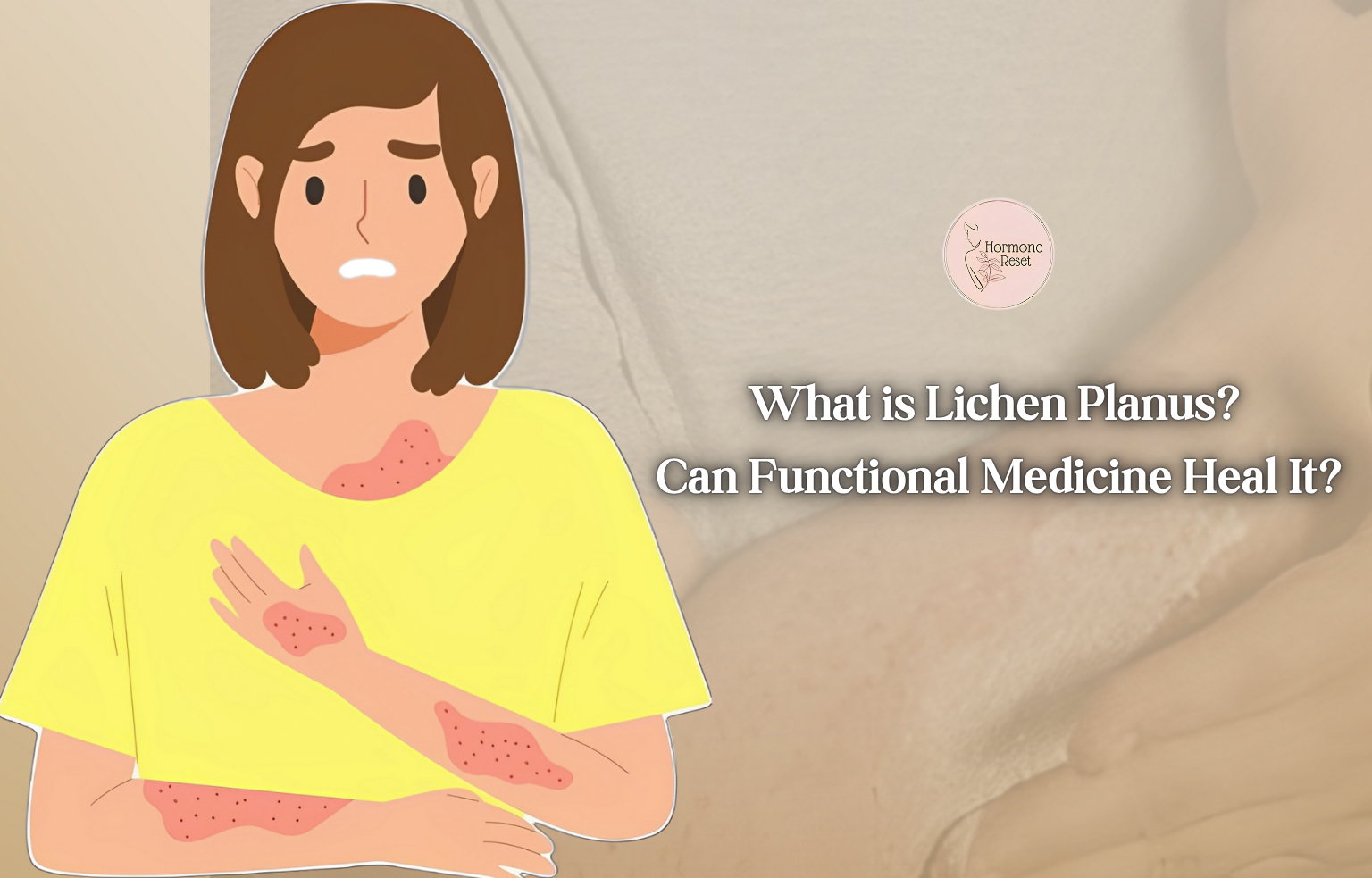
  • What is Lichen Planus? Can Functional Medicine Heal It?

    What is Lichen Planus? Can Functional Medicine Heal It?

    Lichen Planus resulting in mysterious itchy, purplish rashes? Mouth sores that sting when you eat spicy foods? Or white lacy patches on your gums or inner cheeks? You might be dealing with a little-known autoimmune condition called Lichen planus.

    And here’s the truth: lichen planus isn’t just skin-deep. It’s a reflection of what’s going on inside your body, specifically, with your immune system and your hormones.

    At Hormone Reset, we go beyond the surface. We don’t just treat symptoms — we decode the root causes. And when it comes to autoimmune disorders like lichen planus, our Functional Medicine Approach has helped hundreds rediscover glowing skin, healthy immunity, and internal balance.

    What Is Lichen Planus?

    Lichen planus is a chronic, inflammatory, autoimmune condition where your immune system mistakenly attacks the body’s own tissues — especially the skin and mucous membranes. It’s more common than people think and can be extremely uncomfortable and persistent if not properly diagnosed and treated.

    This condition can appear suddenly or gradually, and the symptoms often fluctuate with changes in hormone levels, stress, and inflammation. While it’s not contagious or cancerous, it can cause significant distress and affect daily life.

    Common Areas Affected:

    • Skin: Purple, flat-topped, itchy bumps often grouped in patches. These bumps can leave dark marks or scarring even after healing.
    • Mouth: White, lacy patches or painful ulcers that affect the inside of cheeks, gums, tongue, and lips, making it hard to eat or talk.
    • Scalp: Inflammation in hair follicles leading to redness, itching, and eventually permanent hair loss, also known as lichen planopilaris.
    • Nails: Thinning, ridging, grooving, or in severe cases, complete nail loss, often mistaken for fungal infections.
    • Genitals: Painful erosions, redness, and discomfort, which can interfere with intimacy and emotional wellbeing.

    Symptoms to Watch For:

    • Intense itching or burning sensations, especially on the wrists, ankles, or lower back.
    • Painful eating or speaking due to oral sores that worsen with spicy or acidic foods.
    • Changes in nail or hair texture that don’t improve with standard treatments.
    • Fatigue and emotional stress that seem to coincide with flare-ups.
    • Symptoms often flare during hormonal transitions such as menstruation, pregnancy, or menopause.

    What Triggers Lichen Planus?

    • Hormonal imbalance, such as thyroid issues or fluctuating estrogen levels, which may worsen immune reactivity.
    • Chronic stress and trauma, both physical and emotional, that weaken immune and hormonal regulation.
    • Leaky gut and microbiome imbalance, which activate inflammatory pathways.
    • Medications, including NSAIDs, beta-blockers, and certain vaccines that may act as triggers.
    • Heavy metal exposure or dental fillings, which can overstimulate the immune system.
    • Hepatitis C and viral infections, strongly associated with oral and cutaneous lichen planus.
    • Food sensitivities or allergies, especially to gluten, dairy, and artificial additives.

    Also Read: Living with Multiple Autoimmune Condition

    Why Conventional Medicine Often Misses the Mark?

    medicine

    Most conventional treatments aim to suppress symptoms using medications like corticosteroids, antihistamines, and immunosuppressants. These may temporarily ease the rash or pain but don’t address the root cause.

    Patients often cycle through various treatments with limited results. Long-term use of these medications can damage the skin, disrupt gut health, and impair hormone balance, sometimes making the condition worse over time.

    Autoimmunity is a full-body issue — and it needs a full-body solution that restores balance, not just suppresses the body’s signals.


    The Functional Medicine Perspective: Healing From the Inside Out

    At Hormone Reset, we believe the body is designed to heal — when given the right support and environment. Functional medicine focuses on uncovering the root causes of disease and customizing healing plans based on your biology.

    We focus on understanding how your hormonal, digestive, detoxification, immune, and nervous systems work together — and where they might be out of balance.


    1. Comprehensive Root Cause Testing

    We begin by assessing your whole system with advanced functional labs that uncover hidden imbalances. These tests provide a detailed picture of what’s driving your symptoms.

    • Hormone Panels assess thyroid, adrenal, and sex hormone levels to identify imbalances like low T3 or estrogen dominance. These imbalances often fuel immune dysfunction and skin flare-ups.
    • Inflammation Markers like CRP and ESR reveal ongoing immune activity that standard tests may miss. Elevated levels signal underlying inflammation driving lichen planus.
    • Micronutrient Testing uncovers deficiencies that impact immune repair and detoxification. Key nutrients like zinc, vitamin D, and B-complex vitamins are essential for tissue healing.
    • Gut Microbiome & Stool Analysis detects hidden infections, leaky gut, and poor digestion. An unhealthy gut contributes to autoimmune flare-ups through immune system confusion.
    • Toxin Screening identifies heavy metals, mold exposure, and chemical toxicity contributing to inflammation. Reducing toxic burden can help calm the immune system.

    These tests help uncover silent root causes that standard medical testing often overlooks.


    2. Hormone Rebalancing

    Hormones regulate immunity, stress responses, and tissue repair. When they are out of sync, autoimmunity can flare.

    We assess hormone patterns and use natural therapies to restore balance. This includes herbal adaptogens, seed cycling, personalized nutrition, and where needed, bioidentical hormone support to stabilize hormonal rhythms and reduce immune overactivity.

    Our strategies target the root hormonal disruptions behind inflammation and skin flare-ups.


    3. Immune Reset Through Gut Healing

    Gut health is central to immune health. An imbalanced gut can allow harmful particles to enter the bloodstream, triggering immune confusion and attacks on healthy tissue.

    We restore gut integrity through food eliminations, healing supplements like L-glutamine and collagen, and microbiome restoration using high-quality probiotics and herbs that rebalance gut flora.

    When the gut heals, the immune system calms down and stops attacking your tissues.


    4. Detox Pathway Activation

    A sluggish detox system means toxins accumulate and trigger inflammation. We support your body’s natural detox organs so they can clear irritants that fuel autoimmune reactions.

    This includes gentle herbal cleanses, supporting liver enzymes, increasing hydration with mineralized water, and avoiding daily toxin exposures like plastics, pesticides, and synthetic fragrances.

    When detox pathways are supported, skin and immune symptoms improve significantly.


    5. Nervous System & Stress Reset

    Stress dysregulates hormones and weakens immunity. Most people with lichen planus report flares during stressful times or unresolved trauma.

    We teach practices to regulate your nervous system, from vagus nerve stimulation to somatic movement and breathwork. These reset your stress response and rewire how your immune system reacts.

    A calm nervous system promotes hormonal balance and stops the immune system from attacking healthy tissues.


    Lifestyle Changes That Support Healing

    healthy food

    Healing from lichen planus requires more than taking pills — it requires a complete shift in how you nourish, move, and care for your body on a daily basis. This condition is often rooted in chronic inflammation, and addressing that inflammation holistically is key to long-term relief.

    A clean, anti-inflammatory diet is foundational. Consuming nutrient-dense foods such as leafy greens, omega-3 rich fatty fish, turmeric, and gut-friendly fermented foods can help reduce systemic inflammation and support tissue repair. Removing inflammatory triggers like gluten, dairy, processed sugar, and artificial additives can drastically reduce flare-ups and support immune balance.

    Movement is medicine — regular physical activity improves circulation, reduces stress hormones, and supports detoxification. Gentle exercises like walking, yoga, or tai chi are especially beneficial for calming the nervous system.

    Sleep is when your body repairs. Prioritizing 7–9 hours of quality sleep each night helps regulate hormones and calm immune hyperactivity. Sleep hygiene practices such as turning off screens before bed, sticking to a sleep schedule, and avoiding stimulants late in the day are essential.

    Finally, chronic stress is a major contributor to autoimmune flares. Integrating daily stress-reducing practices such as meditation, breathwork, journaling, or spending time in nature helps reset your nervous system and lower inflammation. Your lifestyle choices can either accelerate or resolve inflammation — and the power to choose lies in your hands.


    The Role of Genetics and Epigenetics in Lichen Planus

    • Genetic predisposition may increase your chances of developing autoimmune conditions such as lichen planus. If your parents or close relatives have autoimmune conditions, it can raise your risk. However, inheriting these genes doesn’t mean you’re destined to develop the condition.
    • Functional medicine places a strong emphasis on epigenetics, which is the study of how your lifestyle choices — including the food you eat, how you manage stress, your sleep quality, and even your environment — can influence your genes. This means you have the ability to “turn off” genes that trigger autoimmune reactions.
    • By modifying these lifestyle and environmental factors, you can actively shift your body’s internal state from inflammation to healing. This empowers you to take control of your health, rather than feeling helpless against your genetics.
    • At Hormone Reset, we teach our clients how to use food, stress-reduction techniques, hormone balancing, and detoxification to influence gene expression and create an internal environment that no longer supports disease. Healing becomes not just possible — but inevitable with the right tools and guidance.

    Ready to Finally Heal Your Skin — And What’s Beneath It?

    You’ve tried the steroid creams, the mouthwashes, the endless guessing. But lichen planus isn’t just a skin issue — it’s your body asking for a reset.

    At Hormone Reset, we don’t believe in band-aids. We believe in deep, lasting healing that starts from within.

    This is your invitation to step into a new chapter — one where:

    • Food no longer hurts your mouth
    • Your skin feels calm, clear, and comfortable
    • You wake up with energy and confidence
    • You feel in control of your health again

    Let’s uncover what your body’s been trying to tell you — and help you heal it at the root.


    Conclusion: Healing Is Possible — And It Starts With You

    Lichen planus may be an autoimmune condition, but it doesn’t define your future. It’s a sign — a message from your body that something deeper needs your attention and compassion. With the right guidance, the right tools, and the right mindset, you can reverse inflammation, restore balance, and reclaim the vibrant health you deserve.

    At Hormone Reset, we’re here to walk that path with you — not just as practitioners, but as partners in your healing journey. Our functional medicine approach empowers you to heal not only your skin but your entire body, mind, and spirit.

    You don’t have to live in fear of your next flare-up. You can feel at home in your body again. And it all begins with one choice: to go deeper, to heal smarter, and to believe that recovery is not just possible — it’s within reach.


    References

    1. Lichen Planus: Symptoms and Causes – Mayo Clinic
      https://www.mayoclinic.org/diseases-conditions/lichen-planus/symptoms-causes/syc-20351378
    2. Functional Medicine Approach to Autoimmune Diseases – iThriveIn
      https://www.ithrivein.com/blog/functional-medicine-approach-to-autoimmune-diseases
    3. Lichen Planus – Johns Hopkins Medicine
      https://www.hopkinsmedicine.org/health/conditions-and-diseases/lichen-planus
    4. Lichen Planus – NHS
      https://www.nhs.uk/conditions/lichen-planus/
    5. Lichen Planus: Epidemiology, Clinical Features, Pathogenesis, and Treatment – NCBI Bookshelf
      https://www.ncbi.nlm.nih.gov/books/NBK526126/

    Review Article on Lichen Planus Pathogenesis and Treatment – PMC
    https://pmc.ncbi.nlm.nih.gov/articles/PMC11011293/

  • Psoriasis: Uncovering the Roots and Finding Lasting Relief with Functional Medicine

    Psoriasis: Uncovering the Roots and Finding Lasting Relief with Functional Medicine

    Functional Medicine Psoriasis is a chronic autoimmune condition characterised by red, scaly patches on the skin that can appear anywhere on the body. While it is commonly associated with skin issues, psoriasis is an inflammatory disorder involving the immune system. Traditional treatments, such as topical creams, phototherapy, and systemic medications, can provide relief but often fail to address the root causes of the condition. Functional medicine looks beyond symptom management to uncover and address the underlying factors contributing to psoriasis. In this blog, we will explore the roots of psoriasis, its triggers, and how functional medicine can offer lasting relief through a personalised, holistic approach.

    Understanding Psoriasis: A Complex Condition

    Psoriasis is more than just a skin disease—it is a systemic condition that involves immune system dysfunction. It occurs when the immune system mistakenly attacks healthy skin cells, leading to an overproduction of skin cells that pile up on the surface, forming plaques. The most common types of psoriasis include:

    • Plaque Psoriasis: Characterized by raised, red patches covered with silvery scales.
    • Guttate Psoriasis: Small, drop-shaped lesions, often triggered by infections.
    • Inverse Psoriasis: Red, shiny lesions that appear in skin folds.
    • Pustular Psoriasis: White pustules surrounded by red skin.
    • Erythrodermic Psoriasis: Severe, widespread redness and shedding of skin

    Psoriasis can affect any part of the body, but it is most common on the elbows, knees, scalp, and lower back.

    Traditional Treatments for Psoriasis

    Traditional treatments for psoriasis include:

    • Topical medications: These drugs are applied topically to the affected area to decrease inflammation and allow the scales to clear.
    • Light therapy: This therapy involves the use of ultraviolet light to slow the growth of skin cells.
    • Oral medications: These drugs are oral drugs that aid in the suppression of the immune system.

    None of the above address the root causes of psoriasis. 

    The Root Causes of Psoriasis

    Psoriasis is influenced by multiple internal and external factors that can contribute to its development and flare-ups:

    1. Immune System Dysfunction
      At the core of psoriasis is an overactive immune response. T-cells, a type of white blood cell, mistakenly attack healthy skin cells, triggering inflammation and abnormal skin cell turnover. This dysregulated immune response is often linked to environmental triggers, such as infections or stress.
    2. Environmental Triggers
      While genetics lay the foundation, environmental factors often act as triggers for psoriasis flare-ups. Some of the most common environmental triggers include:
      • Infections: Particularly streptococcal infections, candida overgrowth, parasites, which are known to trigger psoriasis (Michaëlsson et al., 2019).
      • Stress: Emotional stress is a common trigger for psoriasis flare-ups, likely due to the role of cortisol in immune system modulation (Dhabhar, 2014).
      • Diet: A pro-inflammatory diet rich in sugar, gluten, and processed foods can exacerbate inflammation, while an anti-inflammatory diet can help manage symptoms (Barrea et al., 2019).
      • Environmental Toxins: Exposure to chemicals, pollutants, or smoking can worsen psoriasis symptoms and inflammation.
    3. Gut Health
      The gut plays a crucial role in immune system regulation. Dysbiosis (an imbalance in the gut microbiome) can contribute to systemic inflammation and immune dysfunction, potentially triggering or worsening psoriasis (Boehncke & Schön, 2015). The gut-skin axis, a connection between gut health and skin inflammation, is gaining recognition in psoriasis research.

    Functional Medicine for Psoriasis

    Functional medicine is identification of the causative factors of a disease rather than its symptoms alone. It has been very effective in the reversal of psoriasis, as it would be able to point out factors affecting the patient and then focus on these issues.Functional medicine is healing from the inside out, not just alleviating psoriasis but making a person healthier and more alive.

    How Functional Medicine Transforms Psoriasis Care

    Functional medicine takes a root-cause approach to healthcare, aiming to identify and address the underlying factors that contribute to disease. Instead of merely managing symptoms with topical creams or systemic medications, functional medicine practitioners seek to restore balance in the body by considering multiple aspects of health—nutrition, lifestyle, genetics, and environmental factors. In the case of psoriasis, functional medicine focuses on the following key areas:

    1. Diet and Nutrition
      An anti-inflammatory diet is central to managing psoriasis. Reducing the intake of pro-inflammatory foods, such as sugar, refined carbs, and gluten, can help reduce systemic inflammation and skin flare-ups. Instead, a diet rich in omega-3 fatty acids (from fish or flaxseed), antioxidants (from fruits and vegetables), and healthy fats (such as those found in avocados and olive oil) can support skin health and reduce inflammation. Some functional medicine practitioners also recommend eliminating food allergens, such as gluten or dairy, to see if it improves symptoms.
    2. Gut Health Optimization
      Given the link between gut health and psoriasis, improving the microbiome through probiotics, prebiotics, and a nutrient-dense diet is a key aspect of functional medicine. Healing the gut lining, balancing gut bacteria, and reducing intestinal permeability (leaky gut) may help reduce inflammation and autoimmunity. Studies have shown that the use of probiotics can improve psoriasis symptoms by modulating the immune response (Zhang et al., 2019).
    3. Addressing Infections and Immune Dysregulation
      Infections, particularly streptococcal throat infections, can trigger psoriasis flare-ups. A functional medicine approach involves identifying and treating any underlying infections that may be exacerbating the condition. Additionally, modulating immune system activity with nutrients such as vitamin D, omega-3 fatty acids, and antioxidants can help restore immune balance. Some research suggests that vitamin D deficiency may worsen psoriasis, and supplementation may help alleviate symptoms (Ghoreschi et al., 2011).
    4. Reducing Stress
      Stress is a powerful trigger for psoriasis flare-ups. Functional medicine emphasizes the importance of stress management techniques such as meditation, yoga, deep breathing exercises, and mindfulness. By addressing the root cause of stress, individuals can help modulate their cortisol levels and reduce inflammation in the body.
    5. Detoxification
      Detoxifying the body through practices like saunas, adequate hydration, and reducing exposure to environmental toxins (such as smoking, heavy metals, or pesticides) is another important aspect of functional medicine. Reducing the burden on the liver and improving toxin elimination can help reduce the inflammatory load on the body.

    Clinical Evidence Supporting Functional Medicine for Psoriasis Relief

    A number of studies have supported the effectiveness of functional medicine approaches for psoriasis management:

    • Dietary Interventions: A study published in the Journal of Dermatological Treatment found that dietary changes, including a gluten-free diet, led to a significant reduction in psoriasis symptoms (Barrea et al., 2019).
    • Probiotics and Gut Health: Research has shown that probiotics can improve the skin barrier and reduce inflammation in patients with psoriasis (Zhang et al., 2019).
    • Vitamin D Supplementation: Vitamin D levels have been shown to correlate with the severity of psoriasis. Supplementation with vitamin D may help regulate immune responses and improve skin health (Ghoreschi et al., 2011).

    Psoriasis is a multifactorial condition that requires a comprehensive, personalized approach for effective management. Functional medicine offers a holistic pathway to uncovering the root causes of psoriasis and finding lasting relief. By focusing on diet, gut health, immune regulation, stress management, and detoxification, functional medicine provides a promising framework for those seeking long-term solutions beyond conventional treatments. If you suffer from psoriasis, working with a functional medicine practitioner can help you take control of your health and improve your skin’s appearance, all while addressing the underlying factors contributing to the condition. Functional medicine is healing from the inside out, not just alleviating psoriasis but making a person healthier and more alive.

    Also Read: What is Psoriasis Disease? How to Cure Psoriasis With Functional Medicine?


    References

    1. Barrea, L., Balato, N., et al. (2019). Nutrition and psoriasis: Is there any association between the severity of the disease and adherence to the Mediterranean diet? Journal of Translational Medicine, 17(1), 1-8.
    2. Boehncke, W. H., & Schön, M. P. (2015). Psoriasis. The Lancet, 386(9997), 983-994.
    3. Dhabhar, F. S. (2014). Effects of stress on immune function: The good, the bad, and the beautiful. Immunologic Research, 58(2), 193-210.
    4. Ghoreschi, K., et al. (2011). Modulation of the immune response in psoriasis and psoriatic arthritis by vitamin D. Nature Reviews Rheumatology, 7(4), 255-261.
    5. Michaëlsson, G., et al. (2019). Infections in psoriasis: The role of streptococcal and other infections in triggering guttate psoriasis. European Journal of Dermatology, 29(1), 12-18.
    6. Tsoi, L. C., et al. (2017). Genetic associations with psoriasis. The Lancet, 389(10081), 1216-1230.
    7. Zhang, Z., et al. (2019). Effects of probiotics on psoriasis: A systematic review and meta-analysis. Journal of Dermatological Treatment, 30(6), 583-588.
  • Why Vertigo Isn’t Just “All in Your Head”? How Functional Medicine Cure Vertigo?

    Why Vertigo Isn’t Just “All in Your Head”? How Functional Medicine Cure Vertigo?

    Ever stood up too fast and felt like the room was spinning? Or had sudden dizziness that made the world tilt sideways? You’re not alone. Vertigo affects millions of people worldwide. But what if we told you that vertigo isn’t always an ear issue or a neurological problem? What if it had deeper roots — in your hormones, your gut, and even your lifestyle?

    At Hormone Reset, we view vertigo not as a stand-alone condition, but as a symptom of internal imbalance. Our functional medicine approach goes beyond temporary fixes. We find the root cause.

    What really is Vertigo?

    Vertigo is a sensation of spinning or dizziness, often triggered by changes in head position or movement. It can be accompanied by nausea, unsteadiness, ringing in the ears, or even blurry vision. It is a symptom, not a disease in itself.

    Types of Vertigo You Should Know:

    • Peripheral Vertigo: Caused by issues in the inner ear (e.g., BPPV, Meniere’s Disease)
    • Central Vertigo: Originates from brain or brainstem problems (e.g., stroke, migraine)
    • Functional Vertigo: Arises from systemic imbalances like hormone shifts, gut dysbiosis, or stress

    Why It Matters: 

    Understanding the type of vertigo helps identify the underlying root — and that’s where healing truly begins.

    Also Read: What is Hashimoto’s Thyroiditis?

    Vertigo Symptoms: Beyond Dizziness

    The experience of vertigo can vary widely, and understanding each symptom can reveal valuable clues about what’s going on internally:

    • A spinning or tilting sensation: This hallmark of vertigo often signals inner ear disturbances or brainstem involvement. However, it may also stem from sudden hormonal fluctuations or neurotransmitter imbalance due to poor gut health.
    • Difficulty walking or standing: Balance issues point to impaired coordination between the vestibular system and central nervous system. Chronic inflammation or nutrient deficiencies (like magnesium or B12) can make these pathways sluggish.
    • Nausea and vomiting: These symptoms are closely tied to the vagus nerve and gut-brain communication. Disruption in the gut microbiome or adrenal fatigue can make your body more reactive to movement or sensory inputs.
    • Tinnitus (ringing in the ears): While often associated with inner ear damage, tinnitus can also emerge from hormonal imbalances (especially thyroid dysfunction) and chronic stress impacting neural regulation.
    • Visual disturbances: Blurry vision, light sensitivity, or difficulty focusing can stem from vestibular-ocular reflex dysfunction, a condition aggravated by adrenal dysregulation, systemic inflammation, or brainstem signaling issues.
    • Brain fog and difficulty concentrating: Common in both vertigo and gut dysbiosis, these symptoms are linked to impaired glucose regulation, poor neurotransmitter synthesis, dysbiosis, toxicity, and adrenal burnout — many of which are interconnected with hormone imbalances.
    • Panic attacks or heightened anxiety: Anxiety can be both a cause and result of vertigo. Low GABA, high cortisol, and disrupted gut flora intensify the brain’s fear response. Addressing these through hormone and gut reset can calm the nervous system.

    The Functional Medicine Lens: What’s Really Going On?

    Unlike traditional medicine that treats vertigo symptomatically, functional medicine digs deep into underlying causes:

    Gut-Brain Axis Disruption

    A compromised gut microbiome affects neurotransmitter production (like serotonin and GABA), which regulate both mood and balance. This imbalance can lead to increased feelings of anxiety and depression, highlighting the vital connection between gut health and mental well-being. 

    Hormonal Fluctuations

    Shifts in estrogen, cortisol, and thyroid hormones influence blood flow, fluid balance, and nervous system function. These hormonal irregularities can destabilise the vestibular system.

    Brainstem and Neurological Triggers

    Vertigo may stem from subtle brainstem dysfunctions. Even in the absence of obvious neurological symptoms, inflammation or hormone-related disruptions in this area can result in vertigo.

    Deficient Nutrients and Neuroinflammation

    Low levels of many nutrients including magnesium, vitamin B12, or omega-3s affect neural conductivity. Chronic inflammation further impairs communication between the brain and body. Consequently, these deficiencies can lead to various neurological issues, making it essential to maintain adequate nutrient levels for optimal brain health.

    Also Read: What is Hashimoto’s Thyroiditis?

    Gut Health and Vertigo: A Silent but Strong Link

    The gut isn’t just for digestion — it’s a control center for brain signaling. Recent research has shown that the gut microbiome plays a crucial role in influencing our mood and cognitive functions. Additionally, the connection between the gut and brain highlights the importance of a healthy diet in maintaining mental well-being.

    How It Works:

    • Gut-Brain Communication: Microbes in the gut interact with the brain through the vagus nerve, forming the gut-brain axis, which impacts mood, emotional response, and cognitive function, influencing mental health and stress responses.
    • Effects of Leaky Gut: Increased intestinal permeability, or leaky gut, can cause systemic inflammation that disrupts the vestibular system, essential for balance and spatial awareness. Chronic inflammation contributes to neurological disorders, making gut health vital for neurological well-being.
    • Importance of Gut Flora: An imbalance in gut bacteria can lower levels of neurotransmitters like GABA and serotonin, which are crucial for mood and balance. It also increases LPA, a highly neurotoxic material. A healthy gut microbiome is necessary for synthesizing these neurotransmitters, and their deficiency can lead to increased anxiety, depression, and balance issues.
    • Restoration of Gut Flora: Improving gut flora through dietary changes, probiotics, or other methods may enhance neurotransmitter production, potentially improving mood and balance.

    The Hormone Reset Method: A Root-Cause Solution

    At Hormone Reset, we heal from within. Our approach combines ancient healing principles by addressing the root causes of hormonal imbalances, we empower our clients to achieve lasting wellness and vitality. Hormone Reset programs integrate functional treatments, dietary modifications, and holistic practices with modern therapies to support each individual’s unique journey to health.

    Deep Diagnostic Testing: 

    • Gut Microbiota Diversity and Dysbiosis: The gut microbiota consists of a diverse array of microorganisms that play critical roles in digestion, metabolism, and immunity. Dysbiosis refers to an imbalance in these populations, which can lead to various health issues, including inflammatory bowel disease, obesity, and autoimmune disorders.
    • Hormonal Mapping: This process measures thyroid hormones, cortisol, and sex hormones to assess their levels and interactions, which are crucial for metabolism, stress response, and reproduction. Imbalances can cause disorders like hypothyroidism and fertility issues.
    • Inflammatory and Immune Markers: Evaluating inflammatory markers such as cytokines and CRP is key to understanding chronic inflammation and autoimmune diseases, which can impact overall health.
    • Brainstem Response: Testing brainstem response provides insights into auditory pathways and neurological health. Abnormal results may signify hearing issues or neurological conditions like autism.
    • Nutrient Absorption and Deficiencies: Assessing nutrient absorption is vital to prevent complications from deficiencies, such as anemia or osteoporosis, influenced by factors like gut health and diet.

    Individualized Healing Protocols: 

    Based on diagnostics, we create:

    • Anti-inflammatory meal plans: Incorporating a variety of whole foods such as fruits, vegetables, whole grains, and healthy fats can significantly reduce inflammation in the body. Emphasizing antioxidant-rich foods helps combat oxidative stress and promotes overall health.
    • Gut repair and detox support: Focusing on gut health can improve digestion and nutrient absorption while reducing symptoms of discomfort. Including probiotics and fiber-rich foods in your diet plays a crucial role in fostering a balanced microbiome.
    • Herbal adaptogens to reset cortisol: Adaptogens like ashwagandha and rhodiola can help your body adapt to stress and regulate cortisol levels naturally. Integrating these herbs into your daily routine supports resilience and helps in managing stress more effectively.
    • Hormone regulation strategies: Implementing lifestyle changes such as regular exercise, balanced nutrition, and stress management can significantly improve hormonal balance. Understanding the body’s hormonal fluctuations can also guide you in making appropriate dietary changes to support overall wellness.
    • Brain retraining therapies and vestibular rehab: These therapies aim to strengthen the brain’s neural connections and improve motor function following disruptions. Engaging in targeted rehabilitation exercises can lead to enhanced coordination and cognitive function, promoting better overall brain health.

    Whole-Person Lifestyle Reset: 

    We teach patients to:

    • Regulate circadian rhythms: Establishing a consistent sleep schedule can significantly improve sleep quality and overall health. Aim to go to bed and wake up at the same time every day, even on weekends, to help your body maintain its natural rhythm.
    • Activate the vagus nerve: Deep breathing exercises, such as diaphragmatic breathing and other techniques can stimulate the vagus nerve and promote relaxation. Incorporating these techniques into your daily routine can help manage stress and anxiety levels effectively.
    • Reconnect with nature and reduce EMF exposure: Spending time outdoors can boost your mood and mental clarity, reducing feelings of stress and anxiety. Additionally, limiting exposure to electromagnetic fields (EMFs) by minimizing the use of electronic devices can support overall well-being.
    • Move mindfully and reduce toxin load: Engaging in mindful movement practices, such as yoga or tai chi, can enhance your physical and mental health. Moreover, focusing on a clean diet and minimizing exposure to environmental toxins can lead to increased vitality and well-being.

    Functional Neurology and Vertigo: Rebuilding Balance

    Functional neurology focuses on neuroplasticity — your brain’s ability to rewire itself. It’s especially powerful for chronic or functional vertigo.

    Therapies We Use:

    • Eye Tracking and Gaze Stabilization: This technique involves training the eyes to follow moving objects smoothly, which can help improve visual processing and reduce dizziness. It is particularly beneficial for individuals experiencing balance issues due to vestibular disorders.
    • Vestibular Retraining Exercises: These exercises aim to help individuals adapt to changes in their vestibular system, improving their balance and reducing symptoms like dizziness. They often include head movements and postural challenges to strengthen the brain’s ability to manage spatial orientation.
    • Sensory-Motor Integration Therapy: This therapy focuses on enhancing the brain’s ability to process sensory information and coordinate motor responses. It is particularly useful for those with sensory processing disorders, as it combines various activities to promote better body awareness and movement control.
    • Brainwave Entrainment Techniques: These techniques use rhythmic stimuli, such as sound or light, to synchronize brainwave activity. This can lead to improved focus, relaxation, and overall mental well-being, making it a valuable tool for stress reduction and cognitive enhancement.

    These tools help rebuild lost connections, regulate brain-body communication, and create long-term stability.

    The Gut-Brain Axis: More Than Just a Buzzword

    Your gut makes over 90% of the body’s serotonin — a key neurotransmitter in mood and motion regulation. Inflammation in the gut impairs this process, leading to:

    • Anxiety-triggered dizziness can make it difficult to maintain balance, often leading to feelings of unease and uncertainty.
    • Heightened sensitivity to motion may result in nausea and discomfort, impacting daily activities and overall quality of life.
    • Fluctuating vestibular control often presents a challenge in situations requiring stability, making it hard to navigate in busy or crowded environments.

    The Takeaway: Gut health is brain health. And in vertigo, healing the gut is often the first step to lasting recovery.

    Functional Vertigo: When the Tests Are Normal but You Still Feel Off

    Have you been told “everything looks normal” but still feel dizzy? You may be dealing with functional vertigo — where the problem lies in how your body responds, not what shows up on a scan.

    Clues That Point to Functional Vertigo:

    • Symptoms worsen with stress or poor sleep
    • Relief after dietary changes or probiotics
    • Fluctuating intensity not linked to specific movements
    • History of hormonal issues or autoimmune disorders

    At Hormone Reset, we validate what you feel and uncover what’s unseen.

    Why Hormone Reset Works Where Others Don’t

    • Whole Person Approach: We believe in treating the entire individual, not just their symptoms. This means considering how everything works together, including the gut, brain, hormones, and emotions, to ensure a balanced and healthy body.
    • Data-Driven Testing: We utilize precise testing methods rather than making guesses about your health. By analyzing your unique data, we can understand your specific needs and tailor a plan that works just for you.
    • Bio-Individualized Protocols: Our health plans are customized to fit your personal health profile. We recognize that everyone’s body is different, so we design strategies that address your specific conditions and wellness goals.
    • Empowerment and Support: We are committed to empowering you throughout your healing journey. This includes educating you about your health choices and providing support every step of the way, ensuring you feel confident and informed in your path to wellness.

    Restoring Balance, Restoring Life

    Vertigo doesn’t need to be a constant companion. By approaching it through the lens of functional medicine and hormone reset, you can take control of your health and find lasting relief. Understanding that vertigo is not merely a random symptom but a message from your body about underlying imbalances is the first step toward healing.

    At Hormone Reset, we believe that vertigo is just one part of the puzzle. By addressing the root causes — whether it’s gut health, hormonal imbalances, stress, or neuroinflammation — we offer a holistic solution that doesn’t just mask the symptoms, but fosters true healing. It’s about restoring balance within your body, and in doing so, restoring your life.

    Let us help you start that journey — because you deserve a life where you can feel calm, clear-headed, and centered.

    References:

    1. Rodrigues-Pádua, J., Bercik, P., & Collins, S. M. (2020). The Role of the Gut Microbiota in Vestibular Function. Journal of Neuroinflammation. Link
    2. Romijn, M., Brummer, R., & Manfready, S. (2022). Gut Health and Neurotransmitter Imbalances: Implications for Functional Vertigo. Journal of Functional Medicine. Link
    3. Swain, S. E., McKinney, S. M., & Thompson, J. K. (2021). Understanding Central Vertigo: A Neurological Perspective. Neurology and Neuroscience Journal. Link
    4. Bercik, P., & Collins, S. M. (2018). The Gut–Brain Axis: Implications for Neurological Disorders. Journal of Clinical Investigation. Link
    5. Manfready, S., & Pande, A. (2021). Functional Medicine in Treating Chronic Dizziness and Vertigo: An Overview. Integrative Medicine Reviews. Link
    6. Swain, S., & Thompson, J. (2019). The Interplay Between Stress Hormones and Dizziness: The Unseen Link. Neuropsychology Review. Link

    Vervent, D., & Tilk, M. (2022). Vestibular Rehabilitation and its Role in Chronic Vertigo. Journal of Vestibular Research. Link

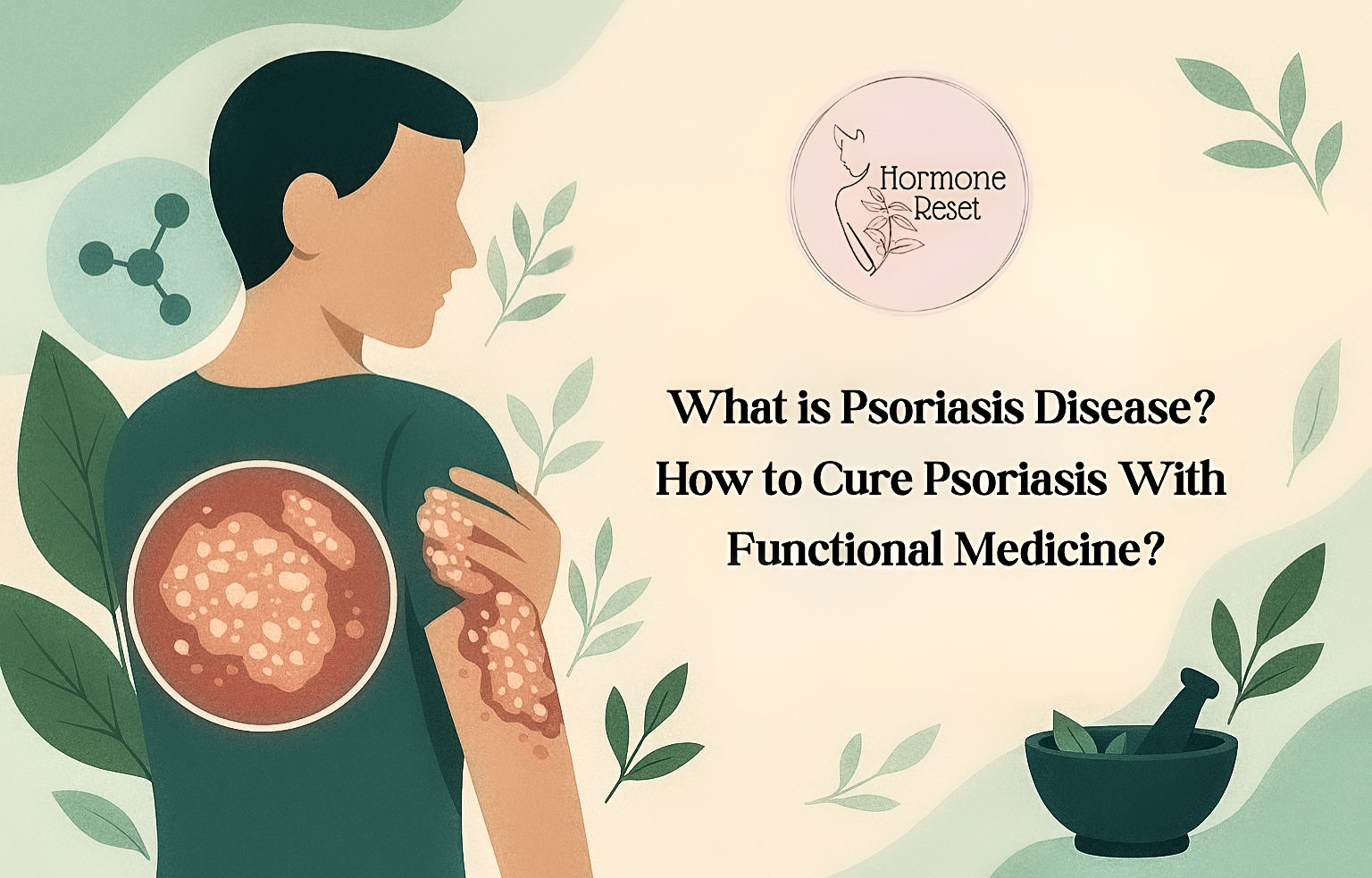
  • What is Psoriasis Disease? How to Cure Psoriasis With Functional Medicine?

    What is Psoriasis Disease? How to Cure Psoriasis With Functional Medicine?

    Psoriasis is often seen as just a skin condition, but the real story goes far beyond the surface. It’s an immune-driven, inflammatory disorder with strong ties to hormonal imbalances. While conventional medicine offers temporary symptom relief, functional medicine digs deeper to restore balance at its source—hormones.

    Hormones regulate numerous bodily functions, including immune response, inflammation, and skin regeneration. When these become unbalanced due to stress, diet, or underlying health conditions, psoriasis can worsen. Understanding this connection is the key to long-term relief.

    The Psoriasis-Hormone Connection: What’s Really Happening Inside?

    When hormones become imbalanced, they disrupt the immune system and trigger chronic inflammation, setting the stage for psoriasis flares. Key hormones that influence psoriasis include:

    1. Cortisol: The Stress-Inflammation Link

    • Chronic stress increases cortisol, leading to systemic inflammation and immune dysfunction.
    • High cortisol weakens the skin barrier, delays healing, and contributes to flare-ups.
    • Stress doesn’t just come from emotional struggles; environmental toxins, lack of sleep, microbial overgrowths and excessive caffeine consumption also increase cortisol levels.
    • Techniques like meditation, deep breathing, adaptogenic herbs (ashwagandha, rhodiola), and proper sleep hygiene can restore balance and lower inflammation.

    2. Thyroid Dysfunction and Skin Regeneration

    • Slow thyroid function (even subclinical hypothyroidism, Hashimoto’s disease) is linked to increased psoriasis severity due to sluggish metabolism and poor skin turnover.
    • Thyroid hormones regulate how quickly the skin sheds and renews itself. Imbalances lead to excessive shedding, scaling, and dryness.
    • Nutrient deficiencies (selenium, iodine, and zinc) and gut health issues can interfere with thyroid hormone production.
    • Supporting thyroid health with whole foods, avoiding processed foods, oils, sugars, and addressing underlying gut issues can lead to improved skin health.

    3. Insulin Resistance: The Sugar Connection

    • Blood sugar spikes trigger inflammation and worsen psoriasis symptoms by increasing oxidative stress.
    • Insulin resistance, commonly linked to diabetes and metabolic syndrome, is now recognized as a contributing factor to chronic inflammatory diseases like psoriasis.
    • Processed foods, refined sugars, and artificial sweeteners contribute to insulin resistance, fuelling skin flares.
    • A low-glycemic, anti-inflammatory diet that includes fiber-rich vegetables, lean proteins, and healthy fats helps regulate insulin levels and reduce inflammation.

    4. Estrogen and Testosterone: The Hormonal Rollercoaster

    • Fluctuations in estrogen and testosterone (during puberty, pregnancy, menopause, and aging) can trigger immune imbalances and worsen psoriasis.
    • Estrogen dominance (caused by poor liver detoxification and excessive environmental toxins) and low testosterone levels may contribute to systemic inflammation.
    • Hormone-balancing strategies such as liver detoxification, careful dietary choices, gut microbiome rebalancing, and strength training can support equilibrium and help mitigate psoriasis symptoms.

    How Functional Medicine Cure Psoriasis?

    Rather than treating psoriasis symptoms in isolation, functional medicine focuses on restoring balance within the body. The key steps include:

    1. Comprehensive Hormone Testing

    • Advanced lab tests assess cortisol, thyroid, insulin, and sex hormone levels.
    • Identifying imbalances allows for targeted, personalized interventions rather than a one-size-fits-all approach.
    • Blood tests, saliva tests, and stool tests can provide a complete picture of internal inflammation and hormonal disruptions.

    2. Psoriasis-Focused Nutrition Plan

    • Remove: Inflammatory foods like gluten, dairy, refined sugars, artificial additives, and seed oils that trigger immune dysfunction.
    • Replenish: Nutrient-dense, anti-inflammatory foods such as omega-3-rich fish, leafy greens, cruciferous vegetables, and adaptogenic herbs to support hormonal balance.
    • Stabilize Blood Sugar: Balanced meals with protein, fiber, and healthy fats prevent insulin spikes, reducing inflammation at the cellular level.
    • Gut-Skin Connection: A diverse diet with fermented foods, prebiotics, and bone broth helps to strengthen gut health, improving immune regulation.

    If you’re looking for Recipes then feel free to checkout our Recipes for Managing Psoriasis.

    3. Gut Healing for Immune Balance

    • A disrupted gut microbiome (dysbiosis) contributes to autoimmunity and skin inflammation by allowing toxins and undigested proteins to enter the bloodstream.
    • Beneficial bacteria are essential for keeping the harmful ones under control, regulating inflammation and immune function.
    • Key healing steps include:
      • Identifying and addressing any imbalances and overgrowths
      • Taking high-quality probiotics and prebiotics to increase beneficial microbiome.
      • Eating fiber-rich foods to support digestion.
      • Repairing gut lining with L-glutamine, collagen, and zinc carnosine, etc.
      • Avoiding inflammatory triggers like alcohol, excessive caffeine, refined flours, oils, sugar and antibiotics (unless necessary).

    4. Stress Reduction and Cortisol Management

    • Chronic stress is a major driver of psoriasis flares, and emotional, physical, or environmental stressors can all contribute.
    • Mindfulness, Regular Exercise, yoga, tai chi, and guided meditation have been shown to significantly lower cortisol and improve inflammatory conditions.
    • Herbal support (ashwagandha, holy basil, and rhodiola) can help lower cortisol naturally and restore energy levels.
    • Prioritizing deep sleep and reducing blue light exposure at night is essential for regulating the stress response.

    5. Liver Detoxification for Hormonal Harmony

    • The liver plays a crucial role in hormone metabolism, detoxification, and clearing out inflammatory waste.
    • When liver function is sluggish, excess estrogen, toxins, and inflammatory byproducts accumulate, worsening psoriasis.
    • Liver-supportive foods include:
      • Cruciferous vegetables (broccoli, Brussels sprouts, cauliflower)
      • Beets and carrots for bile flow
      • Turmeric and milk thistle for liver enzyme support
      • Hydration with lemon water to flush out toxins
    • Sweating through exercise, sauna therapy, or dry brushing helps eliminate toxins contributing to inflammation and skin flares.

    Also Read: Top Breakthrough Treatments for Psoriasis

    Your Path to Psoriasis-Free Skin

    Healing psoriasis isn’t just about creams and medications—it’s about addressing the internal imbalances that fuel inflammation. A functional medicine approach, grounded in hormone reset, provides a long-term solution for clear, healthy skin.

    By focusing on the root cause—hormonal imbalances, gut health, and systemic inflammation—you can achieve true healing rather than temporary symptom relief.

    At Hormone Reset, we guide you through a science-backed, holistic healing journey. Are you ready to reclaim your skin from the inside out? Start your hormone reset today!

    References 

    Hormonal Influences on Psoriasis

    1. Estrogen and Progesterone
      Hormonal fluctuations during puberty, pregnancy, and menopause significantly impact psoriasis severity. Increased estrogen levels during pregnancy often lead to symptom improvement, while a decline in estrogen during menopause may exacerbate psoriasis (Elite Ayurveda, n.d.; Kanda & Watanabe, 2013). Studies indicate that postpartum hormone drops can worsen symptoms (Murase et al., 2005). Additionally, fluctuations in estrogen throughout the menstrual cycle can correlate with psoriasis flare-ups, particularly during the luteal phase when estrogen levels drop (Kanda & Watanabe, 2013).
    2. Cortisol and Stress
      Cortisol, known as the “stress hormone,” can worsen psoriasis when produced excessively due to chronic stress. While cortisol has short-term anti-inflammatory effects, prolonged elevation can lead to immune dysfunction and skin flare-ups (Elite Ayurveda, n.d.; PMC, 2025).
    3. Prolactin
      Prolactin plays a role in immune modulation and may promote psoriasis development by influencing keratinocyte proliferation and T cell activation (African et al., 2005; PMC, 2025). Elevated prolactin levels can exacerbate psoriasis symptoms during certain life stages.
    4. Menstrual Cycle Effects
      Psoriasis symptoms have been observed to worsen during specific phases of the menstrual cycle due to hormonal changes (Everyday Health, n.d.; Kanda & Watanabe, 2013). Women often report increased severity of lesions just before menstruation due to lower estrogen levels.
    5. Sex Hormones in Men
      Studies show that men with chronic plaque psoriasis have altered levels of sex hormones compared to healthy controls, with lower testosterone and estradiol levels correlating with disease severity (Nahidi et al., 2023). This suggests that hormonal imbalances may also play a significant role in psoriasis among men.
    6. Liver Function and Hormonal Balance
      The liver’s role in detoxifying hormones and removing toxins is crucial for managing inflammatory responses related to psoriasis. IEven mildly impaired liver function can lead to hormonal imbalances that exacerbate skin conditions (PMC, 2025).

    Conclusion

    Recognizing the role of hormonal fluctuations is crucial for individuals with psoriasis. By understanding these connections, patients can better anticipate flare-ups and explore targeted management strategies that consider hormonal health.

    Looking for Psoriasis Specialist then Hormone Reset is the best Psoriasis Specialist Consultant, offering expert care and personalized treatment solutions.

    References

    Share

  • Analysing the Interconnectedness of Autoimmune Disorders: A Comprehensive Overview of Hashimoto’s, Grave’s Disease, and Other Conditions

    Analysing the Interconnectedness of Autoimmune Disorders: A Comprehensive Overview of Hashimoto’s, Grave’s Disease, and Other Conditions

    Autoimmune disorders are intricate conditions where the immune system mistakenly sees the body’s own tissues as invaders and attacks them. Take Hashimoto’s thyroiditis, for instance, it causes the immune system to harm the thyroid gland, which can lead to hypothyroidism. 

    On the flip side, Graves’ disease causes the thyroid to become overactive, leading to hyperthyroidism. These conditions don’t exist in isolation; they often show up alongside other autoimmune disorders like Type 1 diabetes, lupus, or rheumatoid arthritis. Grasping these connections is really important for effective treatment and support.

    How Autoimmune Disorders Are Interconnected

    Autoimmune illnesses tend to have certain shared risk factors that cause individuals problems, including genetics, environmental stimuli, and hormonal irregularities. As an example, an individual suffering from celiac disease may be experiencing Hashimoto’s as well, as such illnesses tend to be linked with each other in terms of related pathways of immune dysregulation.

    Environmental toxins, chronic infections, and gastrointestinal problems etc. may serve as catalysts, which initiate a chain reaction that results in different autoimmune diseases. This interdependence elegantly highlights the importance of holistic treatment.

    The Role of Hormones in Autoimmune Diseases

    Hormones are also important in controlling our immune system, and when they’re imbalanced, it can cause Interconnectedness of Autoimmune Disorders. Consider estrogen, for example; it’s incredible in how it aids immune function, but excessive amounts of it can actually make women more susceptible to autoimmune diseases. Likewise, chronic stress can cause cortisol levels to become elevated, which can interfere with immune tolerance and increase inflammation. And then there are our thyroid hormones, which are crucial to metabolism and tend to get affected in autoimmune diseases and cause a wide range of symptoms such as tiredness, weight fluctuations, and mood swings.

    How hormonal imbalances impact specific autoimmune conditions:

    • Dysregulated thyroid hormone function can shift immune tolerance and amplify inflammatory responses, further propelling autoimmunity.
    • Hashimoto’s: Decreased thyroid hormones result in decreased metabolism and energy loss.
    • Grave’s Disease: Increased thyroid hormones result in increased heart rate, anxiety, and weight loss.
    • Lupus: Endocrine changes may precipitate flares, particularly during pregnancy or menopause.
    • Insulin: Insulin resistance and long-term blood sugar disturbances may initiate systemic inflammation and immune dysregulation, predisposing to autoimmune conditions such as type 1 diabetes and rheumatoid arthritis.
    • Estrogen: Estrogen potentiates immune reactions by promoting the production of B cells and pro-inflammatory cytokines, with a possible outcome of increased immune activity. This is why lupus, rheumatoid arthritis (RA), and multiple sclerosis (MS) are more prevalent in women
    • Melatonin: Melatonin, being responsible for regulating sleep, is also immune-modulating. It decreases oxidative stress, modulates inflammatory cytokines, and maintains immune homeostasis. Low levels of melatonin and sleep disturbances are associated with enhanced autoimmune activity.

    The Gut-Immune System Connection

    pregnanat women

    Our gut is actually a key to maintaining our immune system! Occasionally, there’s an issue called leaky gut where the lining of the intestines becomes a bit too permeable. This can cause toxins and bits of food that haven’t been digested etc. to pass through into the bloodstream, and this makes our immune system go into overdrive. Unfortunately, this can then make most autoimmune diseases, such as Hashimoto’s and rheumatoid arthritis, even harder to control.

    Ways to Restore Gut Health:

    • Adding probiotics and prebiotics.
    • After an anti-inflammatory diet of whole foods.
    • Avoiding common triggers like gluten, dairy, and processed foods.
    • With the use of target herbs and supplements such as aloe vera gel, marshmallow, vitamins A and D, Omega 3 fatty acids, zinc carnosine, etc. for the support of gut healing and repair.

    Environmental Triggers and Interconnectedness of Autoimmune Disorders

    There are certain toxins such as heavy metals, pesticides, and endocrine disruptors, which have a significant Environmental Triggers Influence Autoimmune Conditions. These toxins tend to alter our immune system’s function, destabilize our hormones, and contribute to increased inflammation.

    Steps to Minimize Environmental Toxins:

    • Use natural personal care and cleaning products.
    • Consume organic, non-gmo, pesticide-free food. Avoid processed food.
    • Filter drinking water to minimize exposure to heavy metals.
    • Enhance indoor air quality
    • Be cautious while using plastic products. Reduce plastics, particularly when coming into contact with liquid food products.
    • Keep detox channels open and follow regular detox regimen.
    • Make yourself aware of sources of heavy metals such as mercury, aluminium, lead etc. and avoid them.

    Also Read: Living with Multiple Autoimmune Conditions

    Why Conventional Treatments Fall Short?

    When dealing with autoimmune disorders, most conventional therapies will focus on symptom control rather than actually addressing the root causes. Consider Hashimoto’s, for instance; while thyroid hormone replacement may be a typical treatment, it doesn’t really stop the immune system’s assault on the gland.

    In the same way, for Graves’ disease, treatments such as anti-thyroid drugs or surgery can be used, but they can at times cause complications in the future. Moreover, they tend to overlook treating key aspects such as gut health, inflammation, or environmental toxin exposure, which initially triggered the autoimmunity. This traditional method leaves patients vulnerable to future symptoms and even the onset of new autoimmune conditions.

    How Lifestyle Changes Can Reduce Autoimmune Risk

    Lifestyle factors such as diet, exercise, and stress management can significantly impact autoimmune disease outcomes. Adopting a healthier lifestyle can reduce inflammation, balance hormones, and improve overall immune function.

    Key Lifestyle Adjustments:

    • Exercise: Regular Exercise regulate immune function and reduce inflammation.
    • Stress reduction: practices like meditation and yoga lower cortisol levels.
    • Sleep Hygiene: Adequate sleep supports hormone regulation and immune repair.
    • Diet: Organic, whole, unprossesed

    How can we Heal Autoimmune Disorders?

    top view young female drawing notepad with onions bell peppers white desk

    In the case of autoimmune diseases, accepting a holistic and individualized way of dealing with them makes all the difference! Protocols like Hormone Reset seek to discover the underlying causes of these diseases, making you feel better rather than simply alleviating the symptoms.

    Key Features of a Comprehensive Healing Approach:

    Personalized Nutrition:

    It’s great to emphasize adding anti-inflammatory foods to our diet, like colorful leafy greens, tasty wild-caught fish, and nutritious nuts that can calm the immune system. Avoiding common culprits like gluten, dairy, and processed foods at the same time can make a big difference, as these tend to exacerbate autoimmune responses.

    Gut Health Restoration:

    It will help to mend leaky gut, a syndrome where toxins and food particles do not get eliminated by digestion but rather enter into the bloodstream to stimulate immune responses. Using prebiotics, probiotics, and healing foods such as bone broth can be great methods for healing and securing the gut lining.

    Stress Reduction:

    This brings in some wonderful stress management methods that can make a real difference! Delight in the soothing processes of yoga, deep breathing, and mindfulness, all of which are wonderful for reducing cortisol levels. It’s also a gentle reminder of just how important it is to cultivate regular sleep habits since these help to reset your body’s stress levels and encourage a more tranquil and balanced life response.

    Detoxification:

    This methodology focuses on the necessity to eliminate environmental pollutants, heavy metals, and other toxins that harm immune function. It also identifies the use of natural detoxifying foods, such as healthy cruciferous vegetables and adequate hydration, to provide protection for the liver and general health kidneys.

    Hormone Balancing:

    This strategy combines natural supplements, like adaptogens, with careful lifestyle modifications to keep hormonal ups and downs in check. It’s all about tailoring interventions to suit individual requirements, addressing certain imbalances carefully in thyroid, cortisol, and sex hormones.

    The Future of Autoimmune Care

    Autoimmune diseases certainly thrive on a holistic and individualized protocol! Protocols such as Hormone Reset target the origins of autoimmune diseases by encouraging hormone balance, facilitating a healthy gut, minimizing stress, and fostering detoxification. This multifaceted strategy not only provides symptom relief but aims to discourage the worsening and clustering of autoimmune diseases.

    If you’re excited to take charge of your health and heal from the inside out, a functional medicine approach provides a wonderful pathway to long-term wellness. Now is the perfect time to restore balance and reclaim your vibrant energy!

    References

    Share

  • The Importance of Early Diagnosis in Autoimmune Disorders: Lessons from Graves’ Disease and Hashimoto’s

    The Importance of Early Diagnosis in Autoimmune Disorders: Lessons from Graves’ Disease and Hashimoto’s

    Autoimmune diseases are on the increase, and conditions such as Graves’ disease and Hashimoto’s thyroiditis are two of the most prevalent. Autoimmune diseases usually remain undiagnosed until they are fairly advanced, resulting in major health problems. Early detection can help avert complications, enhance well-being, and return hormones to a balance.

    We’ll explore how to diagnose early, how early diagnosis can make a difference, how functional medicine helps treat these conditions, and why hormone reset strategies play a vital role in restoring thyroid function. Functional medicine doesn’t just manage symptoms—it offers a path to true healing and recovery.

    What is the Thyroid and Why Does it Matter?

    The thyroid gland, lovingly located in our neck, serves a very important function by secreting hormones that assist us in controlling our metabolism, energy levels, and general health. This tiny powerhouse influences almost every organ in our body, regulating all bodily functions including:

    • Metabolism and weight
    • Heart rate and blood pressure
    • Digestion and gut health
    • Brain function and mood
    • Reproductive health and fertility
    • Immune function

    When the immune system mistakenly attacks the thyroid, it can cause:

    The Two Major Autoimmune Thyroid Disorders

    • Graves’ Disease – This causes excess thyroid hormone (hyperthyroidism), weight loss, nervousness, a racing heart, and protruding eyes, etc.
    • Hashimoto’s Thyroiditis – This causes insufficient thyroid hormone (hypothyroidism), causing fatigue, weight gain, depression, and mental fogginess.

    Why Early Diagnosis is Important

    Many people overlook thyroid issues because symptoms often resemble stress or ageing. Early detection of these conditions is vital for several reasons:

    1. Preventing Serious Health Problems

    • Graves’ disease, if left untreated, can lead to thyroid storm, a potentially fatal condition with high fever and tachycardia.
    • Hashimoto’s may result in myxedema, a severe manifestation of hypothyroidism leading to coma and possible death.
    • Both of these conditions increase the risk of heart disease, infertility, and osteoporosis.

    2. Improving Daily Life

    • Spotting these issues early means you can find relief from exhaustion, mood swings, and brain fog much quicker.
    • With the right treatment, you can enjoy a steady weight, renewed energy, and sharper mental clarity.

    3. Avoiding Lifelong Medication

    • A lot of people rely on medications throughout their lives, sometimes forgetting to address the root issues that could help them feel even better.
    • Functional medicine helps uncover natural ways to support the thyroid and, in many cases, can even turn the condition around completely.

    Also Read: A Comprehensive Guide to Managing Hashimoto’s with Functional Medicine

    How to Diagnose Autoimmune Thyroid Disease Early

    here you have new composition your pills 1.bk

    Early detection of autoimmune-mediated thyroid dysfunction is very important to be able to prevent the various conditions mentioned above. To ensure early diagnosis we need to test for the three antibodies mentioned below:

    • Anti Thyroglubulin Antibody (Anti TG): ATG attacks and destroys a protein known as thyroglobulin which is needed for thryoid hormone synthesis. This leads to hypothyroidism also known as hashimoto’s. This antibody is often present years before any symptoms appear or the thyroid numbers go out of range. 
    • Anti Thyroid Peroxidase (Anti TPO): Anti TPO, also known as AMA, destroys an enzyme called thyroid peroxidase. Without this enzyme the thryoid gland cannot product enough thyroid hormones leading to hypothyroidism or hashimoto’s. 
    • Thyroid Receptor Antibody (TSI): TSI mimics the TSH hormone (TSH or thyroid stimulating hormone is secreted by the pituitary gland to stimulate the thyroid) and over-activates the thyroid gland leading to excessive production of thyroid hormones leading to hyperthyroidism of grave’s disease.

    Anti TG and Anti TPO can often be detected in the blood years (sometimes even 10-20 years) in advance of any symptoms or even other thyroid numbers going out of range!
    TSI can also be detected months in advance of any other symptoms and test results. 

    A Functional Medicine Approach To Thyroid Health

    Unlike conventional medicine which tends to focus on treating symptoms, functional medicine is a different approach in that it reveals and treats the underlying causes of illness. This approach empowers the body to heal itself naturally and efficiently.

    How Functional Medicine Helps:

    Comprehensive Testing

    Standard tests may miss early thyroid issues. Functional medicine checks:

    • TSH, Free T3, Free T4, Reverse T3
    • Thyroid antibodies (TPO, TG, TSI)
    • Vitamin and mineral levels (iodine, selenium, zinc, vitamin D, iron)
    • Gut health markers and inflammation levels
    • Toxins that often interfere with thyroid function

    Finding the Root Cause

    Common triggers include:

    • Gluten intolerance (linked to Hashimoto’s)
    • Chronic stress (raises cortisol, which affects the thyroid)
    • Nutrient deficiencies (iodine, selenium, iron, and zinc are essential)
    • Gut problems (a healthy gut supports a strong immune system)
    • Toxin exposure (chemicals in plastics and cosmetics harm the thyroid)

    Functional Medicine Strategies

    Based on Hormone Reset, balancing hormones naturally is key. This includes:

    • Eating the right foods – Reducing inflammation and boosting thyroid health.
    • Managing stress – Meditation, breathing exercises, and herbal support.
    • Healing the gut – Probiotics, fibre, and anti-inflammatory diets help.
    • Using targeted supplementsSelenium, magnesium, omega-3s, and B vitamins support the thyroid.

    Natural Ways to Support Thyroid Health

    healthy lifestyle sustained home.bk

    Lifestyle changes can help manage and even reverse thyroid issues.

    1. Eating for a Healthy Thyroid

    Nutrient-rich foods:

    • A few great sources of selenium include Brazil nuts, tuna, and sunflower seeds. 
    • If you’re looking for iodine, consider incorporating seaweed, iodized salt, and fish into your meals. 
    • For zinc, pumpkin seeds, chickpeas, and beef are excellent choices. 
    • And don’t forget about anti-inflammatory foods like turmeric, ginger, and a variety of green vegetables!

    Avoid problem foods: Gluten, dairy products, sugar, and processed foods can trigger autoimmune reactions.

    2. Managing Stress

    Stress can make thyroid problems worse. 

    Try:

    • Engaging in regular exercise, finding peace through meditation, and practising deep breathing can truly nourish your well-being. 
    • Journaling and seeking therapy offer wonderful emotional support, providing a safe space for reflection. 
    • Exploring herbal adaptogens like ashwagandha and rhodiola is a lovely way to enhance your resilience and overall wellness.

    An important way these practices help is by strengthening and activating the parasympathetic nervous system, which in turn balances the immune system and other functions in the body. For true healing to occur, especially from autoimmune disorders, activation of the parasympathetic nervous system is of paramount importance. 

    3. Improving Gut Health

    • A thriving gut is essential for our immune system, as it plays a big role in keeping inflammation at bay. 
    • To support your gut health, consider enjoying fermented foods, savoring fiber-rich vegetables, and incorporating probiotics into your routine!

    4. Address Chronic Infections

    Chronic infections can be understood as overgrowths of bacteria, fungus, viruses and parasites in the body. Any chronic overgrowth naturally alarms the immune system into becomng over-reactive. A few well known mechanisms are:

    • Pathogens share structural similarities with self-antigens, leading the immune system to mistakenly attack the body’s own tissues. Example: Epstein-Barr virus (EBV) and Hashimoto’s thyroiditis.
    • Chronic infections cause persistent inflammation, triggering non-specific immune activation and tissue damage. This can lead to the release of hidden self-antigens, promoting autoimmunity.
    • Overgrowth of pathogenic bacteria, fungi (Candida), and parasites disrupts gut barrier integrity, allowing undigested proteins and microbial toxins to enter circulation (intestinal permeability). This stimulates an abnormal immune response and cross-reactivity with body tissues.
    • Certain viruses (like EBV, CMV, and HHV-6) can remain latent in the body, continuously triggering the immune system and driving chronic autoimmune responses

    5. Reducing Toxins

    Environmental toxins, including heavy metals (mercury, lead, arsenic), pesticides, industrial chemicals, and air pollutants, can trigger autoimmune diseases through several mechanisms:

    • Some toxins mimic self-antigens, leading to immune confusion and attacking the body’s own tissues. Example: Mercury can trigger immune responses similar to those seen in autoimmune thyroid disease.
    • Toxins cause oxidative stress, DNA damage, and chronic inflammation, which can break down immune tolerance and lead to autoimmunity.
    • Heavy metals and chemicals can damage the intestinal lining, allowing undigested proteins and toxins into circulation, triggering an immune response. Example: Glyphosate in pesticides is linked to increased intestinal permeability and autoimmune diseases.
    • Overburdened liver detoxification (due to high toxin exposure) can lead to the accumulation of toxins, worsening immune dysfunction and inflammation.
    • Chronic toxin exposure can alter gene expression (without changing DNA), increasing susceptibility to autoimmune diseases like lupus, MS, and rheumatoid arthritis.

    Hence it is essential to pay attention to all potential sources of toxins and reduce the exposure.

    Take Charge of Your Thyroid Health

    Living with thyroid disease doesn’t have to be the whole story of your life! When you catch it early and take the right steps, there’s a real chance to feel so much better. Functional medicine isn’t just about alleviating symptoms; it’s about discovering genuine pathways to recovery. By addressing the root causes through a nourishing diet, managing stress, and embracing personalized nutrition, many have found success in overcoming their thyroid challenges, leading to a boost in energy, metabolism, and overall well-being. 

    If you’re noticing symptoms of Hashimoto’s or Graves’ disease, don’t wait—take the step to get tested and start your journey to recovery today!

    References

    Share

  • Living with Multiple Autoimmune Conditions: Strategies for Reversing Symptoms and Improving Quality of Life in Patients with Lupus and Sjogren’s Syndrome

    Living with Multiple Autoimmune Conditions: Strategies for Reversing Symptoms and Improving Quality of Life in Patients with Lupus and Sjogren’s Syndrome

    The Challenges of Living with Multiple Autoimmune Conditions

    Autoimmune diseases like lupus and Sjogren’s syndrome can disrupt nearly every aspect of a person’s life. These conditions occur when the immune system mistakenly attacks the body’s healthy tissues, causing chronic inflammation and a wide range of debilitating symptoms.

    When diagnosed with one autoimmune condition, managing symptoms can already feel overwhelming, but for individuals dealing with multiple autoimmune diseases, the challenges increase significantly. The complexity of managing two or more autoimmune diseases can lead to more severe symptoms, frequent flare-ups, and a greater need for medical intervention.

    For example, lupus is a systemic autoimmune disease that primarily affects the skin, joints, and internal organs, while Sjogren’s syndrome typically impacts moisture-producing glands, leading to dry eyes, mouth, and other symptoms. When these two diseases coexist, the patient faces an even greater burden of managing fatigue, joint pain, dry mouth, and increased risk for complications like kidney damage.

    Why These Challenges Matter?

    For those living with both lupus and Sjogren’s syndrome, each day can feel like a balancing act between symptom management, healthcare appointments, and daily life responsibilities.

    • Fatigue is one of the most common and debilitating symptoms of both lupus and Sjogren’s syndrome. According to a study published in the Journal of Rheumatology, nearly 80% of lupus patients report chronic fatigue, which is only worsened when compounded by Sjogren’s syndrome.
    • Pain and Inflammation: Lupus can cause joint pain, while Sjogren’s can lead to dry, inflamed tissues, increasing the physical toll on the body. The overlapping symptoms can leave patients feeling defeated without a clear solution to manage their discomfort.
    • Complicated Treatment Regimens: Managing multiple autoimmune diseases means juggling medications and treatments, which may include immunosuppressive drugs, corticosteroids, and symptom-specific treatments. This can make it hard for patients to find a routine that works and stays effective.

    Living with multiple autoimmune conditions can be overwhelming, as it often involves managing chronic inflammation, fluctuating symptoms, and a compromised quality of life. However, a functional medicine approach offers hope by addressing the root causes rather than just the symptoms. This holistic strategy focuses on identifying and mitigating triggers such as gut imbalances, chronic infections, toxin exposure, and nutrient deficiencies. By integrating personalised nutrition, stress management, detoxification, and targeted supplementation, functional medicine aims to restore balance to the immune system, reduce inflammation, and improve overall well-being. It empowers individuals with a tailored roadmap to regain control over their health and enhance their quality of life.

    Also Read: How Environmental Triggers Influence Autoimmune Conditions

    Practical Strategies for Reversing Symptoms

    While managing lupus and Sjogren’s syndrome simultaneously may seem daunting, a comprehensive, holistic approach can help in addressing the root causes of autoimmunity, prevent further new autoimmune conditions, and and significantly improve daily functioning and well-being. Here are some strategies for reversing symeffectively improving a patient’s quality of life:

    1. Understand the Root Causes

    Autoimmune diseases often stem from a combination of genetic predisposition, environmental triggers, and lifestyle factors. Functional medicine aims to identify and address these underlying factors, such as:

    • Gut dysbiosis: Leaky gut or imbalances in the microbiome can contribute to systemic inflammation and autoimmunity.
    • Chronic Infections: viral, bacterial, or parasitic infections may act as triggers.
    • Toxin Exposure: Heavy metals, pesticides, and environmental toxins can overstimulate the immune system.
    • Nutrient Deficiencies: Deficiencies in key nutrients like vitamin D, omega-3 fatty acids, and zinc can impair immune regulation.
    • Stress and Trauma: Chronic stress dysregulates the hypothalamic-pituitary-adrenal (HPA) axis, influencing immune function.

    2. Comprehensive Testing

    Work with a functional medicine practitioner to perform advanced diagnostic tests:

    • Comprehensive Stool Analysis for gut health and microbiome status.
    • Food Sensitivity Testing (e.g., IgG or IgA) to identify dietary triggers.
    • Autoimmune Markers like ANA, RF, or anti-dsDNA.
    • Nutritional Testing for deficiencies in vitamins, minerals, and antioxidants.
    • Toxin and Heavy Metal Testing through blood, urine, or hair analysis.
    • Hormonal Panels to assess adrenal and thyroid function.

    3. Optimize Gut Health

    The gut is central to immune regulation. Steps to restore gut health include:

    • Remove Triggers: Eliminate gluten, dairy, sugar, processed foods, and other common irritants.
    • Repair the Gut: Use nutrients like L-glutamine, zinc carnosine, and collagen peptides to heal the intestinal lining.
    • Rebalance the Microbiome: Introduce probiotics and prebiotics to restore balance.
    • Reduce Inflammation: Anti-inflammatory herbs like curcumin, quercetin, and ginger can soothe the gut lining.

    4. Individualized Nutrition

    Adopt an anti-inflammatory diet tailored to your specific needs:

    • Diverse Vegetables: Provide fiber and antioxidants for gut and immune health.
    • Healthy Fats: Include omega-3 fatty acids (fatty fish, flaxseeds) and monounsaturated fats (avocado, olive oil).
    • Protein Sources: Choose lean, clean protein, such as grass-fed meat and wild-caught fish.

    5. Support the Immune System

    • Vitamin D: Aim for optimal levels (40–60 ng/mL) through supplementation or sunlight.
    • Omega-3 Fatty Acids: EPA/DHA supplements can reduce inflammation.
    • Adaptogens: Herbs like ashwagandha and rhodiola support stress resilience.
    • Peptides: Consider immune-modulating peptides under a practitioner’s guidance.

    6. Address Chronic Stress

    Stress reduction is vital for calming the immune system:

    • Practice mindfulness, meditation, or yoga.
    • Schedule regular restorative activities.
    • Ensure adequate sleep hygiene (7–9 hours/night).

    7. Detoxification

    Support your body’s detox pathways:

    • Hydration: Drink filtered water to flush out toxins.
    • Liver Support: Use cruciferous vegetables, milk thistle, or NAC.
    • Sweating: Regular exercise and saunas can promote toxin elimination.

    8. Exercise and Stress Reduction

    Though it might seem counterintuitive when fatigued, low-impact exercise overall energy and reduce joint pain. Activities such as walking, swimming, or yoga can help maintain mobility and improve mood.

    Stress is another major trigger for autoimmune flares, particularly with lupus. Engaging in mindfulness exercises, meditation, and deep breathing can help control stress levels and improve symptom management. Yoga and tai chi, for example, offer both gentle movement and mindfulness, making them ideal for patients managing multiple autoimmune conditions.

    9. Monitor Flare-Ups and Track Symptoms

    Keeping a symptom diary can be valuable in understanding what triggers flares and how different treatments are working. By noting activities, foods, and stress levels, one can identify patterns and make informed adjustments to their routines.

    10. Personalized Supplementation

    Work with a functional medicine practitioner to determine targeted supplements:

    • Antioxidants: Glutathione, vitamin C, and CoQ10.
    • Gut-Healing Agents: Slippery elm, marshmallow root, and aloe vera.
    • Immunomodulators: Low-dose naltrexone (LDN) has shown promise for autoimmune diseases. Only take in under the guidance of a healthcare practitioner. 

    Empowering Yourself to Live Well with Lupus and Sjogren’s Syndrome

    In conclusion, living with multiple autoimmune conditions like lupus and Sjogren’s syndrome requires a proactive and personalised approach to managing symptoms and improving overall well-being. By addressing the root causes through functional medicine, adopting a nutrient-dense, anti-inflammatory diet, practicing stress management, and prioritising self-care, you can take meaningful steps toward reversing symptoms and enhancing your quality of life. 


    References:

    1. Campbell AW. Autoimmunity and the gut. Autoimmune Dis. 2014;2014:152428. doi:10.1155/2014/152428
    2. Zielinski MR, Systrom DM, Rose NR. Fatigue, Sleep, and Autoimmune and Related Disorders. Front Immunol. 2019;10:1827. Published 2019 Aug 6. doi:10.3389/fimmu.2019.01827
    3. Cojocaru M, Cojocaru IM, Silosi I. Multiple autoimmune syndrome. Maedica (Bucur). 2010;5(2):132-134.
    4. Jörg S, Grohme DA, Erzler M, et al. Environmental factors in autoimmune diseases and their role in multiple sclerosis. Cell Mol Life Sci. 2016;73(24):4611-4622. doi:10.1007/s00018-016-2311-1
    5. Desai MK, Brinton RD. Autoimmune Disease in Women: Endocrine Transition and Risk Across the Lifespan. Front Endocrinol (Lausanne). 2019;10:265. Published 2019 Apr 29. doi:10.3389/fendo.2019.00265

    Share