Many people struggling with chronic health problems feel that something is “off” in their bodies. They may experience fatigue, poor sleep, chronic inflammation, or persistent stress, even when routine medical tests appear normal.
Table of Contents
In Functional Medicine, we often ask a different question:
What has changed in the modern environment that might be affecting our biology?
We know that processed foods, artificial light, toxins, and chronic stress play an important role. But there is another environmental factor that is rarely discussed — our loss of direct contact with the Earth.
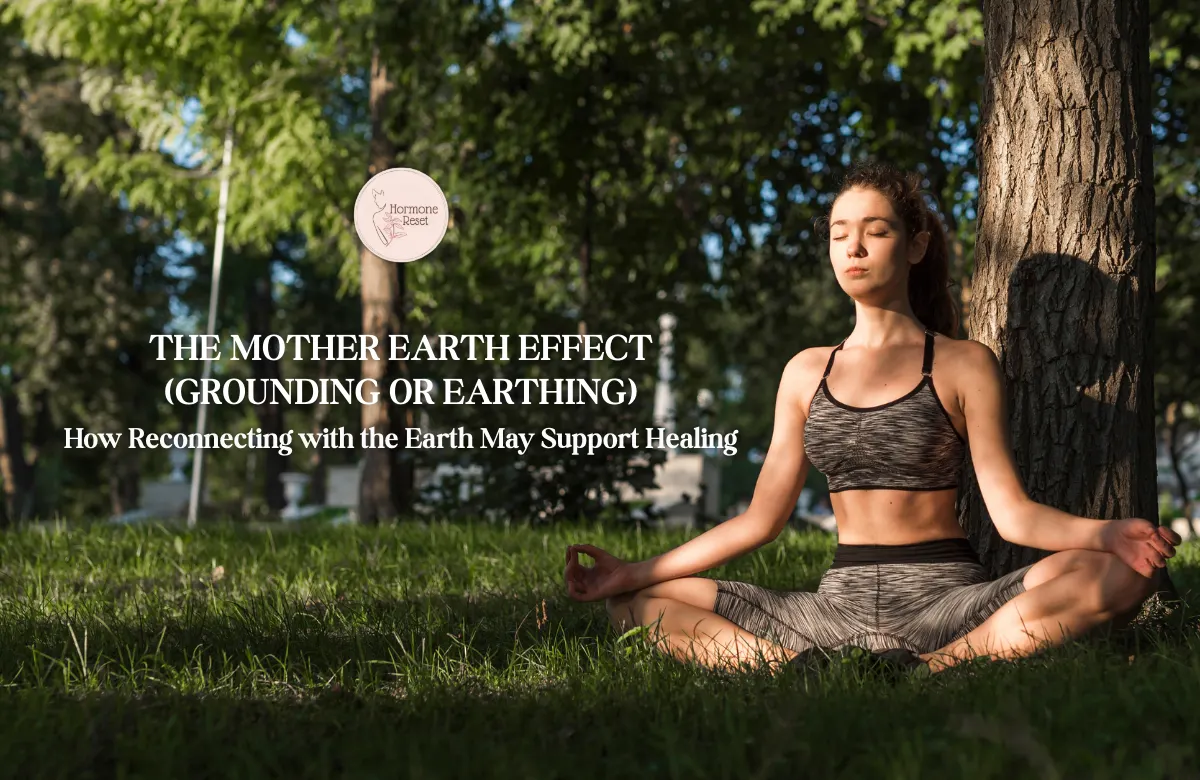
This concept is known as grounding (or earthing) — direct physical contact between the human body and the Earth’s surface, such as walking barefoot on grass, soil, or sand.
Although grounding sounds simple, both research and clinical experience suggest it may influence inflammation, sleep, stress physiology, and recovery.

The Modern Disconnection from the Earth
For most of human history, people had regular contact with the Earth. Walking barefoot, sleeping on natural materials, and spending time outdoors were normal parts of daily life.
Today, most people:
- Wear rubber or plastic-soled shoes
- Spend most of their time indoors
- Walk on insulated surfaces
- Sleep on synthetic mattresses
From a biological perspective, this represents a major environmental shift.
Grounding research suggests that reconnecting with the Earth may help restore natural physiological balance and reduce inflammation.
A scientific review published in the Journal of Environmental and Public Health concluded that grounding appears to influence multiple physiological systems including sleep regulation, pain perception, stress physiology, circulation, and immune function (Chevalier et al., 2012).
These are all areas that Functional Medicine recognizes as fundamental to long-term health.

Grounding and Chronic Inflammation
Chronic inflammation is one of the central drivers of modern disease.
It contributes to conditions such as:
- Autoimmune disorders
- Thyroid dysfunction
- Joint pain
- Cardiovascular disease
- Chronic fatigue
Inflammation has been described as a “silent fire” inside the body, gradually affecting multiple organ systems.
Research suggests grounding may influence inflammatory processes in measurable ways.
In a controlled experimental study, participants who were grounded after muscle injury showed:
- Reduced pain
- Lower inflammatory markers
- Faster recovery
compared with ungrounded participants (Oschman et al., 2015).
Another randomized pilot study found that just one hour of grounding improved blood viscosity and circulation, suggesting a possible benefit for cardiovascular health and tissue healing (Chevalier et al., 2015).
From a Functional Medicine perspective, interventions that reduce inflammation often produce improvements across multiple systems.
Grounding and Sleep Regulation
Sleep disturbance is one of the most common problems seen in clinical practice.
Many patients experience:
- Difficulty falling asleep
- Frequent waking
- Light sleep
- Morning fatigue
One clinical study examining grounding during sleep found improvements in:
- Sleep quality
- Pain levels
- Stress symptoms
Participants also showed normalization of daily cortisol rhythms (Ghaly & Teplitz, 2004).
Cortisol is one of the body’s primary stress hormones and plays an essential role in:
- Energy production
- Immune balance
- Thyroid regulation
- Metabolic health
When cortisol rhythms are disturbed, many body systems are affected.
Improving sleep often creates ripple effects across the entire body.

Grounding and the Nervous System
Many people today live in a state of chronic physiological stress.
The nervous system remains stuck in fight-or-flight mode, contributing to:
- Anxiety
- Muscle tension
- Digestive disturbances
- Hormonal imbalance
- Fatigue
Research measuring heart rate variability has shown grounding may improve autonomic nervous system balance and increase parasympathetic activity — the state associated with rest and healing (Chevalier et al., 2011).
Another clinical study demonstrated improvements in mood, emotional stress, and overall well-being after grounding (Chevalier et al., 2015).
Patients often describe grounding as producing:
- A sense of calm
- Reduced stress
- Clearer thinking
- Better emotional balance
From a Functional Medicine perspective, a regulated nervous system is essential for healing to occur.
Who May Benefit Most from Grounding?
Grounding is not a treatment for specific diseases. Instead, it may support the body’s natural regulatory systems.
People who may benefit include those with:
- Chronic fatigue
- Autoimmune conditions
- Poor sleep
- Chronic pain
- Stress and burnout
- Slow recovery from illness
These conditions often share common root causes such as:
- Chronic inflammation
- Oxidative stress
- Hormonal imbalance
- Nervous system dysregulation
Grounding may help support improvement across several of these areas simultaneously (Menigoz et al., 2020).
How to Practice Grounding?
One of the advantages of grounding is that it is simple and accessible.
Walk Barefoot Outdoors
The simplest approach is:
- 20–30 minutes barefoot on grass or soil
- Walking on sand
- Gardening barefoot
Natural surfaces work best.
Spend Time on Natural Ground
You can try:
- Sitting in a park
- Lying on grass
- Relaxing on sand
Direct skin contact is ideal.
Grounding Indoors
For people living in urban environments or with limited outdoor access, grounding mats or sheets may provide an alternative way to stay connected to the Earth.
Clinical studies using grounding devices have shown improvements in:
- Sleep quality
- Stress levels
- Pain scores
Grounding in a Functional Medicine Approach
Grounding fits naturally into the Functional Medicine model because it addresses underlying imbalances rather than symptoms.
Just as:
- Sunlight regulates circadian rhythms
- Real food supports metabolism
- Movement supports mitochondrial function
Contact with the Earth may support electrical and inflammatory balance.
Grounding is:
- Natural
- Safe
- Low-cost
- Easy to implement
These characteristics make it a useful foundational lifestyle intervention.
The Bigger Picture
Grounding alone is rarely enough to reverse chronic disease.
The best results usually occur when multiple root causes are addressed together, including:
- Nutrition
- Gut health
- Detoxification
- Hormonal balance
- Mitochondrial health
- Stress physiology
Grounding may be one important piece of this larger healing process.
Frequently Asked Questions
1. What is grounding (earthing) and how does it work?
Grounding, or earthing, is the practice of making direct physical contact with the Earth, such as walking barefoot on grass, soil, or sand. Research suggests it may help reduce inflammation, regulate sleep, improve stress response, and support overall physiological balance.
2. Who can benefit from grounding?
Grounding may support people experiencing chronic fatigue, autoimmune conditions, poor sleep, chronic pain, stress, or slow recovery from illness. It is not a treatment for specific diseases but can help the body’s natural regulatory systems.
3. How do I practice grounding safely at home?
Simple ways to practice grounding include walking barefoot outdoors for 20–30 minutes, sitting or lying on grass, gardening barefoot, or using grounding mats or sheets indoors for those with limited outdoor access.
4. Can grounding replace other medical treatments?
No. Grounding is a complementary lifestyle intervention. The best results are seen when grounding is part of a broader Functional Medicine approach, addressing nutrition, gut health, hormonal balance, detoxification, stress, and other root causes.
5. How can Functional Medicine help with chronic health problems?
Functional Medicine looks beyond symptoms to identify underlying causes, such as nutrient deficiencies, gut dysfunction, hormonal imbalances, chronic infections, or toxic exposures. Combining grounding with personalized evaluation and treatment can make interventions more targeted and effective.
When to Consider a Deeper Evaluation?
If you struggle with ongoing health problems despite making lifestyle changes, a deeper Functional Medicine evaluation may help identify underlying causes.
Understanding factors such as:
- Nutrient deficiencies
- Gut dysfunction
- Hormonal imbalance
- Chronic infections
- Toxic exposures
can make treatment more targeted and effective.
Grounding works best when it is part of a personalized Functional Medicine approach.

References
- The Biologic Effects of Grounding the Human Body During Sleep as Measured by Cortisol Levels and Subjective Reporting of Sleep, Pain, and Stress- The Journal of Alternative and Complementary Medicine
- Grounding the Human Body Improves Facial Blood Flow Regulation: Results of a Randomized, Placebo-Controlled Pilot Study– Scientific Research
- One-Hour Contact with the Earth’s Surface (Grounding) Improves Inflammation and Blood Flow—A Randomized, Double-Blind, Pilot Study– Scientific Research
- Emotional stress, heart rate variability, grounding, and improved autonomic tone: clinical applications– Research Gate
- The effect of grounding the human body on mood– National Library of Medicine
Please subscribe to our social channels for updates related to functional medicines.
Instagram: thehormonereset
Facebook: Hormone Reset
YouTube: Hormone Reset Program
LinkedIn: Hormone Reset



Leave a Reply