Table of Contents
Introduction
Ever wondered why your body feels “off” even when all your tests come back normal?
You’re tired, bloated, irritable, or suddenly gaining weight — and someone says, “It’s just stress.” But what if stress isn’t just emotional? What if it’s biological — altering your hormones, your metabolism, even your immunity?
That’s where cortisol, your body’s main stress hormone, steps into the story. It’s both your best friend and worst enemy. Short bursts of cortisol arent an issue. Chronic elevation? It quietly dismantles your hormonal balance — leading to what experts call hormonal chaos.
This article dives deep into how stress and cortisol interact to create long-term damage, how this connects to metabolic, autoimmune, and chronic conditions, and how Functional Medicine in India is bringing a new way to restore natural balance.
What Exactly Is Cortisol?
Cortisol is produced by your adrenal glands, tiny organs sitting above your kidneys.
Think of it as your internal alarm system. When your brain senses danger like physical, emotional, or even digital (like constant notifications), your hypothalamus sends a signal: “Release cortisol!”
This hormone prepares you to fight or flee:
- It releases glucose into your bloodstream for instant energy.
- Increases blood pressure and heart rate.
- Temporarily shuts down “non-essential” systems like digestion, immunity, and reproduction.
That’s perfectly healthy — when it ends quickly.
But when the stress never stops, cortisol keeps flooding your body. That’s when the chaos begins.
The Science Behind Hormonal Chaos
When cortisol levels remain high for too long, they start to interfere with nearly every other hormone in your body:
| Hormone | Effect of Cortisol | Symptoms You Might Notice |
| Insulin | Increases insulin resistance | Fatigue, weight gain, sugar cravings |
| Thyroid Hormones | Slows the conversion of T4 to T3 | Low energy, hair loss, cold sensitivity |
| Sex Hormones (Estrogen, Progesterone, Testosterone) | Suppresses production | Irregular periods, low libido, mood swings |
| Melatonin | Disrupts the sleep-wake cycle | Insomnia, poor recovery, anxiety |
This domino effect is what Functional Medicine experts call “Hormonal Chaos.”
It’s not just about cortisol — it’s about how cortisol hijacks your body’s communication network.
How Chronic Stress Leads to Disease
Research shows that prolonged cortisol dysregulation contributes to multiple chronic and autoimmune conditions:
- Metabolic Conditions like Type 2 Diabetes, PCOS, and obesity
- Autoimmune Conditions like Hashimoto’s thyroiditis and rheumatoid arthritis
- Respiratory Conditions like asthma and chronic inflammation of the airways
- Chronic Conditions like fatigue, IBS, fibromyalgia, and sleep disorders
When your body is in constant “fight or flight,” it never enters “rest and repair.”
Over time, cells lose their ability to respond properly to hormones. Inflammation increases. Immunity weakens. The result: chronic illness.
The Functional Medicine Perspective
Unlike conventional medicine — which often treats symptoms — Functional Medicine looks at why cortisol is misbehaving in the first place.
It asks:
- What is triggering your stress response — emotional trauma, diet, poor sleep, or toxins?
- How is your gut health affecting hormone metabolism?
- Are nutrient deficiencies making cortisol regulation harder?
- Which lifestyle or environmental factors are overloading your system?
Functional Medicine in India
In India, this approach is gaining ground — especially among patients with metabolic, autoimmune, and chronic conditions who are tired of one-size-fits-all treatments.
Clinics now use advanced hormone panels, gut microbiome testing, and stress-response mapping to identify the root cause. From there, doctors personalize a plan involving nutrition, supplements, and stress management practices rooted in Ayurveda, yoga, and mindfulness — blending ancient wisdom with modern science.
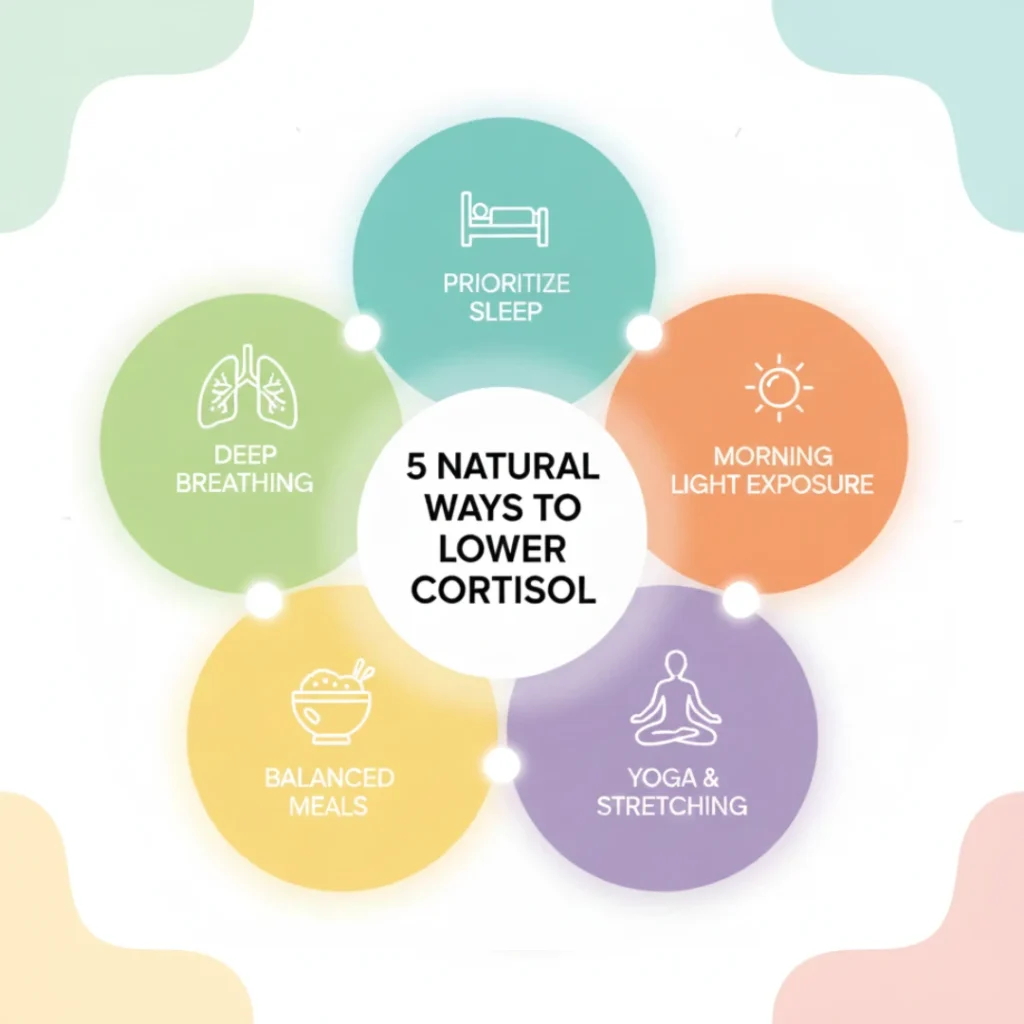
5 Natural Ways to Balance Cortisol and Hormones
Here’s what evidence and clinical practice suggest can help:
a. Regulate Your Circadian Rhythm
Your cortisol should peak in the morning and fall at night.
Try:
- Morning sunlight exposure for 10–15 minutes
- No caffeine after 2 PM
- Digital detox one hour before bed
b. Focus on Blood Sugar Stability
Erratic eating spikes cortisol.
- Prioritize protein + fiber + healthy fats
- Reduce processed sugar and refined carbs
c. Support the Adrenal Glands
- Add magnesium, vitamin C, and B vitamins
- Try adaptogenic herbs like Ashwagandha or Rhodiola (after consulting your practitioner)
- Stay hydrated — dehydration elevates cortisol
d. Train, Don’t Drain
Exercise reduces stress when done right.
Avoid overtraining — mix resistance training, yoga, and light cardio.
e. Mind-Body Practices
Meditation, breathwork (pranayama), journaling, and gratitude reduce cortisol and increase DHEA — the “anti-stress” hormone.
6. When to Seek Help
If you notice patterns like:
- Constant fatigue despite rest
- Sudden weight changes
- Anxiety or irritability
- Irregular menstrual cycles
- Poor immunity or recurring infections
…it’s time to go deeper. A Functional Medicine practitioner can test cortisol rhythms, evaluate thyroid-adrenal-gonadal balance, and create a tailored 90-day plan to restore balance naturally.
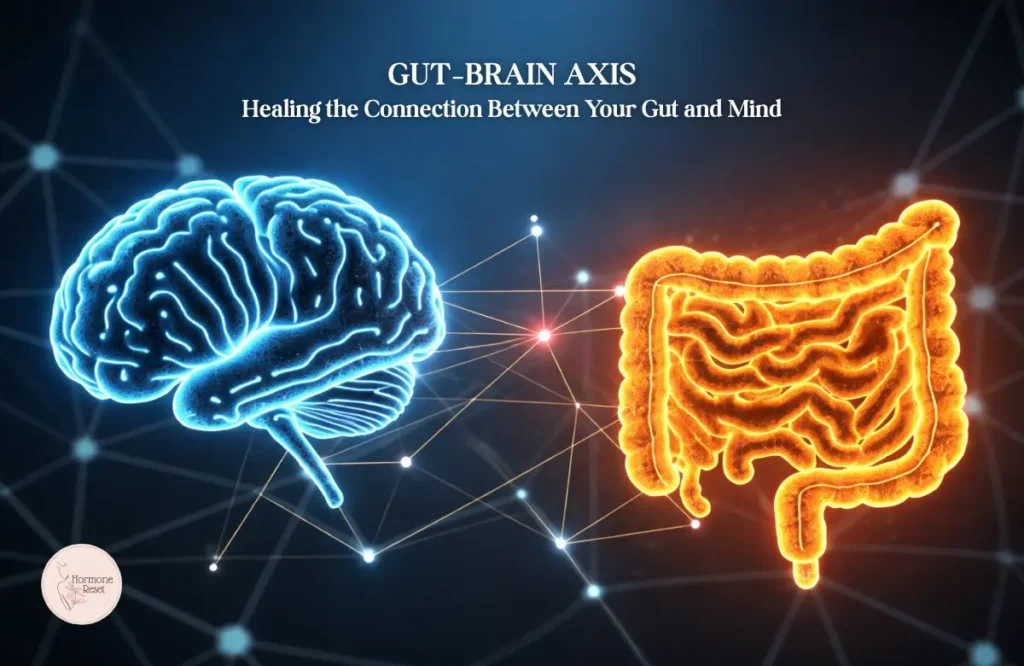
Stress Impacts Gut Health — and Why It Matters for Hormones
Stress doesn’t just trigger cortisol — it also affects your gut, and that matters because the gut plays a major role in hormone regulation and immune balance.
When stress activates your hypothalamus-pituitary-adrenal (HPA) axis, cortisol and other stress messengers influence the digestive system. Research shows that chronic stress can alter the gut microbiome (the community of bacteria in your intestines) and increase intestinal permeability, sometimes called “leaky gut.” These changes can trigger low-grade inflammation and affect how hormones are processed and cleared from the body.
Frequently Asked Questions About Stress and Hormones
1. Can stress really disrupt hormones?
Yes. Chronic stress keeps cortisol high, which interferes with insulin, thyroid, sex hormones, and sleep hormones. This disruption often happens silently long before symptoms become severe.
2. Why do I feel unwell despite “normal” test results?
Standard tests miss hormone timing and interactions. Functional Medicine evaluates patterns and daily rhythms, not just isolated numbers.
3. Does high cortisol cause weight gain?
Yes. It increases insulin resistance, cravings, and abdominal fat storage. This is why weight gain can occur even with clean eating and regular exercise.
4. Can cortisol affect thyroid function?
Absolutely. High cortisol blocks the conversion of T4 into active T3. This leads to hypothyroid symptoms even when TSH appears normal.
5. Is stress linked to autoimmune disease?
Yes. Chronic stress weakens immune regulation and increases inflammation. Over time, this creates the perfect environment for autoimmune conditions to develop or worsen.
6. How is Functional Medicine different?
It identifies and treats root causes instead of suppressing symptoms. The goal is long-term hormonal resilience, not temporary relief.
Conclusion
Hormonal chaos isn’t random — it’s your body’s language of distress.
Stress and cortisol are powerful messengers; they’re trying to tell you something’s off.
By listening to them early and addressing root causes through Functional Medicine, you can prevent metabolic, autoimmune, and chronic breakdown before it even begins.
In the end, healing isn’t about fighting your hormones — it’s about understanding them.
Balance your stress, and your hormones will follow.
👉 Identify the root cause behind hormonal imbalance. Book your Functional Medicine consultation.

References
- Understanding the Stress Response- Harvard Health Publishing
- Stress Effects on the Body- American Psychological Association
- Stress, Immunity, and Inflammation- National Library of Medicine
- What Is Functional Medicine?- Cleveland Clinic
- Understanding the Cortisol Connection: How Chronic Stress Affects Your Hormones– Leslie Barret
Please subscribe to our social channels for updates related to functional medicines.
Instagram: thehormonereset
Facebook: Hormone Reset
YouTube: Hormone Reset Program
LinkedIn: Hormone Reset


Leave a Reply